
A cigar humidor box helps control humidity by slowing the exchange of air with the room. Inside, a moisture-control product adds or absorbs water vapor, while a gauge tracks the result. Each part has a role: an attractive box and a gauge alone do not prove that the cigars have stable storage conditions.
This guide explains the mechanism, the readings and the checks that help you distinguish normal changes from a problem. For a broader introduction to formats and purchasing, start with our cigar box humidor overview.
How does moisture move inside a cigar humidor box?
Moisture moves between the air, tobacco, wood lining and control material. Over time, they move toward balance. The closed box limits contact with room air and gives this exchange a smaller space. Water vapor is invisible; a working humidor should not need visible mist or wet interior surfaces.

Closing the lid does not freeze the contents in their current state. Dry wood can take up moisture, while newly added cigars can change the demand on the control system. You therefore need both a suitable moisture source and a way to observe the result.
How does a cigar humidor box seal help keep humidity stable?
A well-fitting lid slows unwanted exchange with room air, so the humidity-control system has less disturbance to manage. In a dry room, a persistent gap can let moisture escape. In a humid room, outside moisture can enter instead.
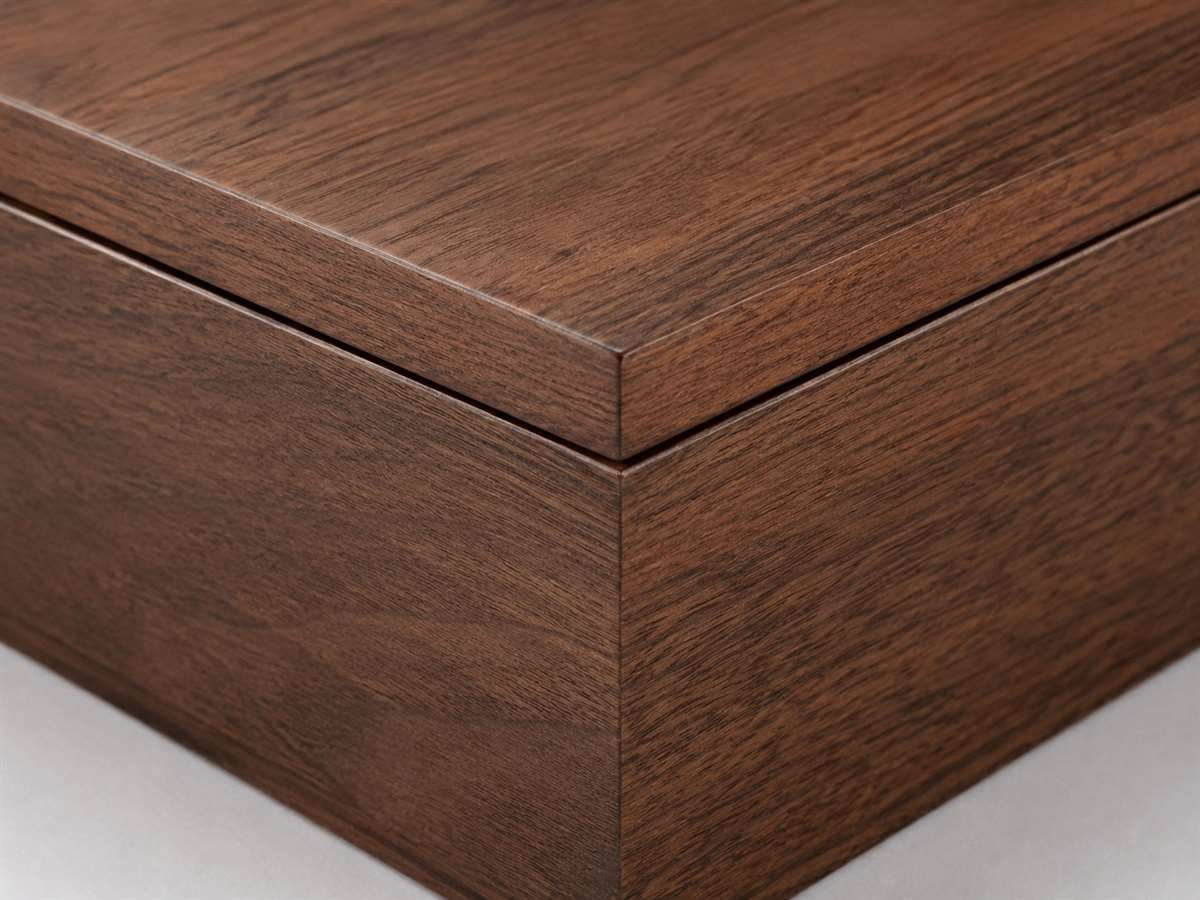
Why is appearance only a first check?
Inspect corners, lid alignment and any fitted hardware for gaps or damage. A neat seam is useful to see, but it cannot tell you how the complete box behaves over time. Treat a closing sound, a glossy finish or a heavy lid as an observation, not a humidity test.
For a sample review, record the room conditions, loading and opening routine along with internal readings. Otherwise, two boxes may appear to perform differently simply because you checked them under different conditions.
How does a humidor add or absorb moisture?
A humidor can add moisture through evaporation, while a suitable two-way control material can also absorb excess water vapor. These functions differ: supplying moisture alone does not establish that a device can remove it.
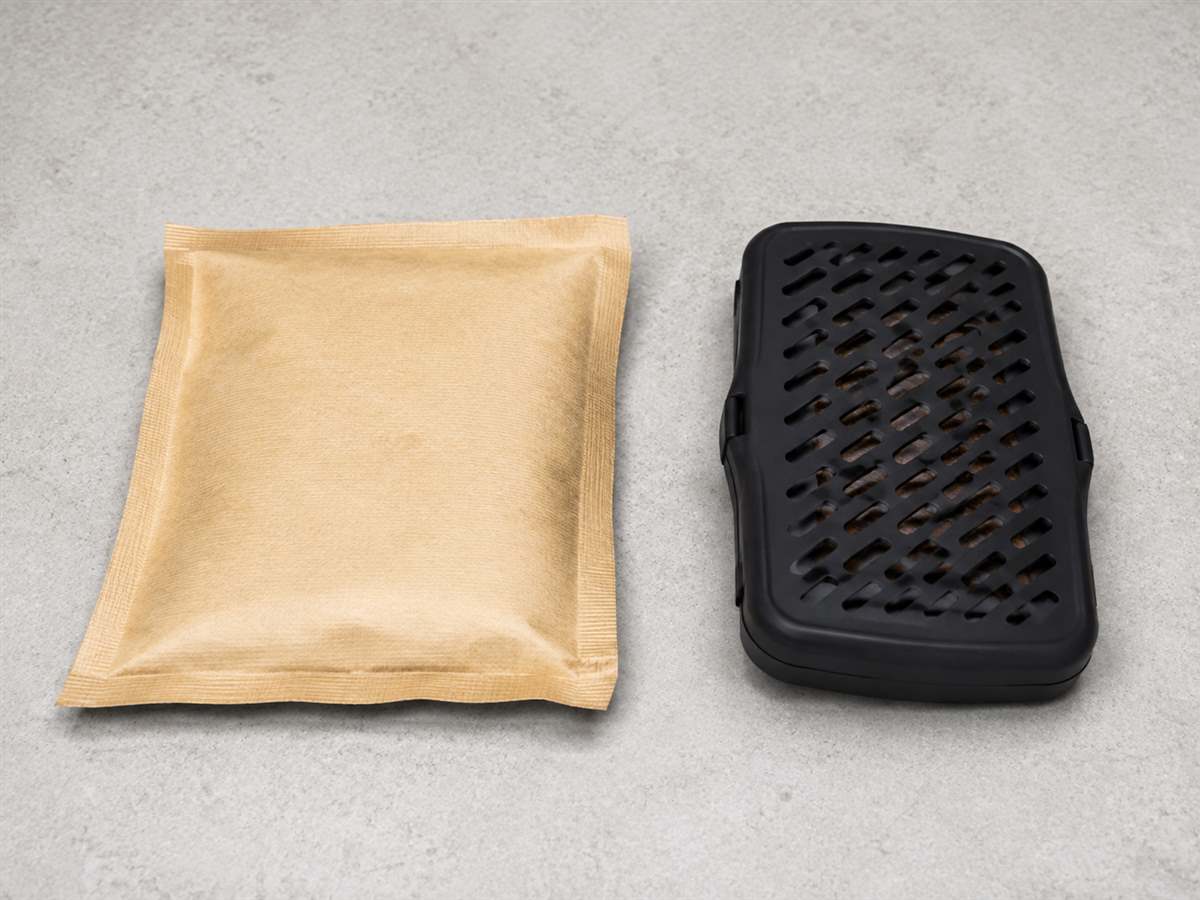
Which control method does which job?
Check the actual component instructions before choosing a maintenance routine. A refillable holder and a sealed packet may look equally simple, yet they can need very different handling.
| Method | How it responds | What to confirm |
|---|---|---|
| Passive evaporative humidifier | Water evaporates from its medium | Approved refill liquid and refill instructions |
| Two-way humidity packet | Exchanges water vapor in either direction | Target RH, quantity and replacement instructions |
| Electronic humidifier | A sensor can trigger a fan below a set point | Power, reservoir care and whether excess humidity is addressed |
Choose by the control function you need, rather than by whether the component has a screen or a premium housing.
Can you combine methods?
Only combine products when their instructions support the arrangement. Different control targets can work against one another. As a result, adding another moisture source may make an unexplained reading harder to diagnose.
What does the hygrometer actually tell you?
A hygrometer is a gauge that measures relative humidity, or RH, near its sensor. It does not add or remove moisture. RH compares the water vapor in the air with the amount at saturation at the same temperature. The gauge tells you about the air nearby, not the moisture inside each cigar.
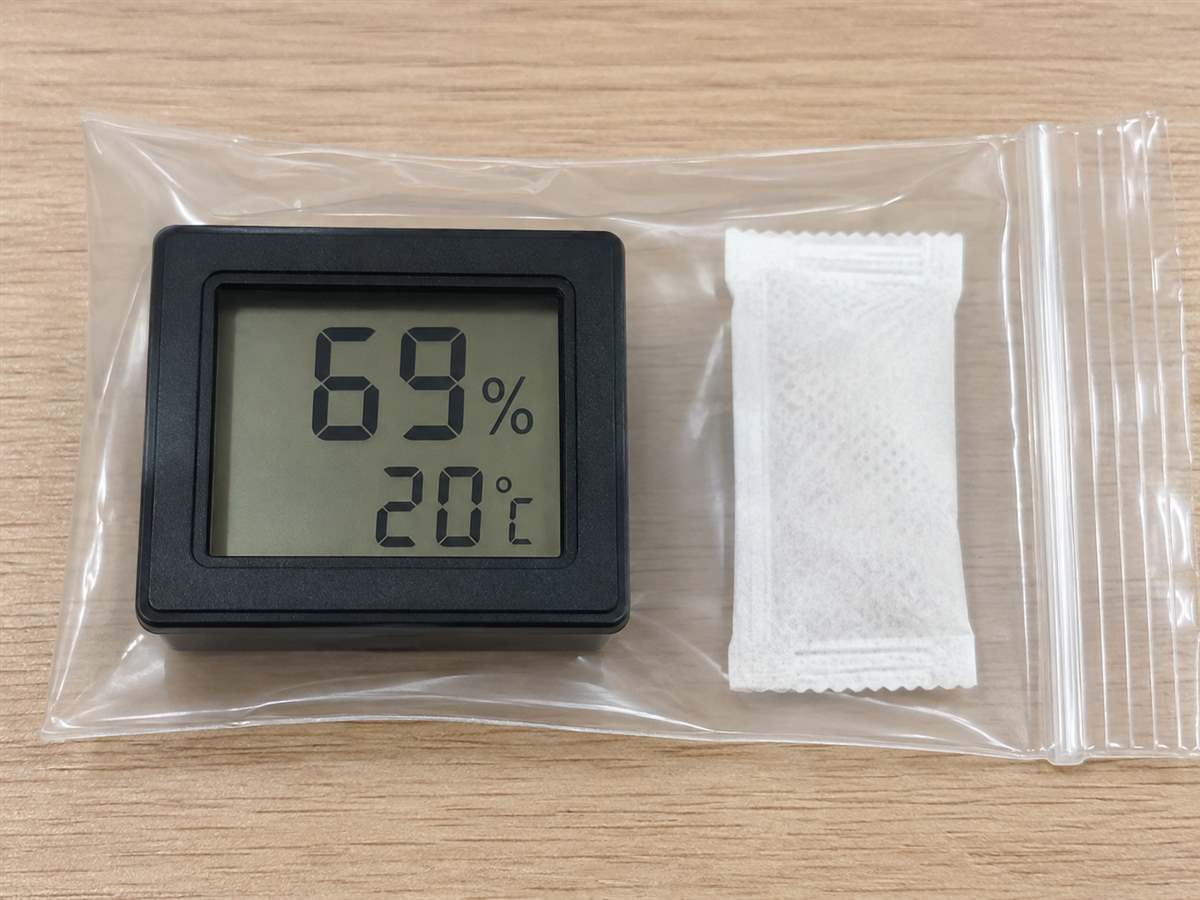
How should you check a questionable reading?
First let the instrument settle under stable conditions, then compare it with a suitable reference using its manufacturer’s method. This reflects the basic humidity calibration process. Calibration checks agreement with that reference; adjustment changes the instrument’s response. Do not assume that two inexpensive meters agreeing makes either one a reliable standard.
Placement also matters. A sensor crowded against a moisture source may not represent the rest of the enclosure. Keep the sensing area clear and follow placement instructions before changing the control setting.
What role does the wood lining play?
The wood lining can take up and release moisture, which helps moderate changes inside the enclosure. This follows the general moisture behavior of wood. However, it has a finite moisture reserve and no user-selected control point. A wood-lined box still needs an appropriate humidity-control plan.
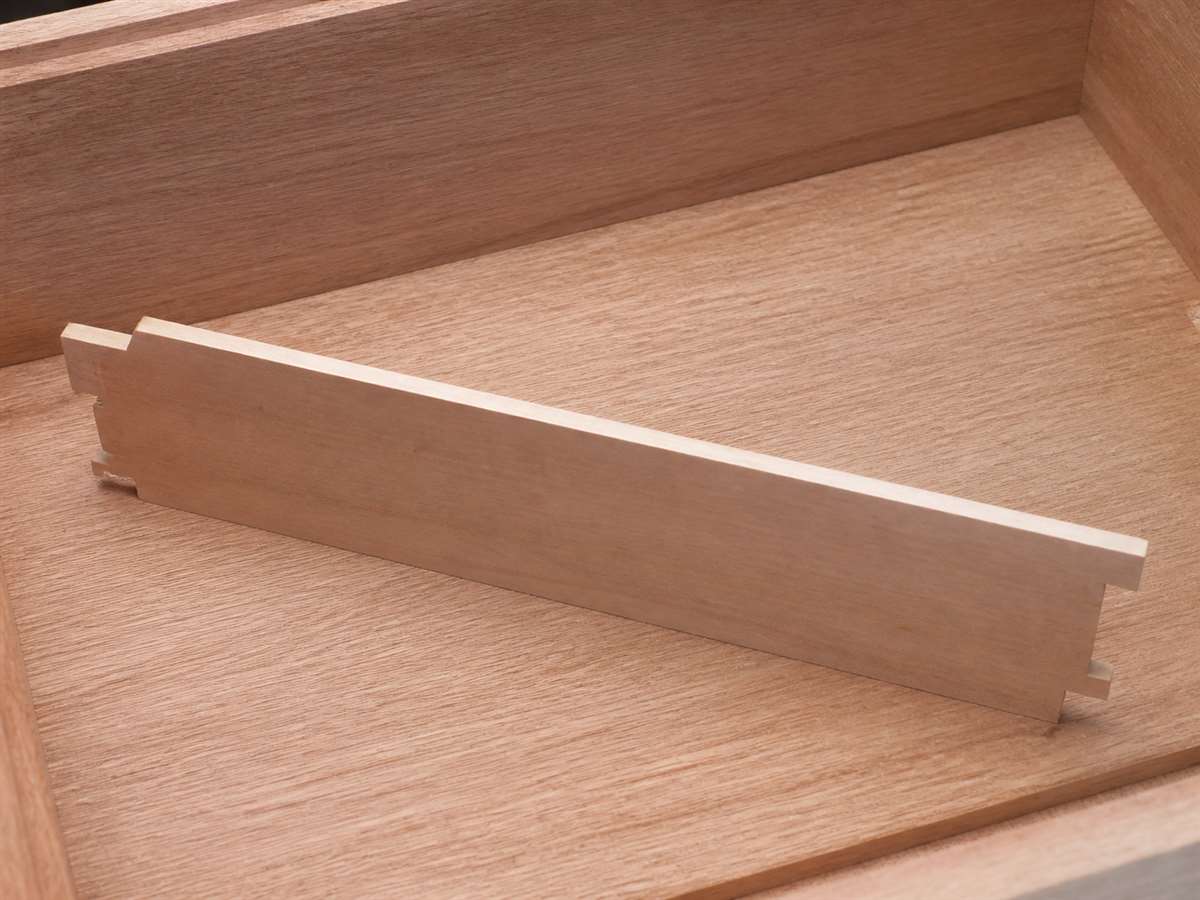
Spanish cedar is common in traditional humidors, but the name of a wood does not prove the performance of a finished box. For packaging development, separate the visible outer finish from the interior material and its intended role. King Tai’s guide to cigar box materials gives broader material-selection context; any specific lining remains a project requirement to confirm.
Why does a new wood-lined humidor need preparation?
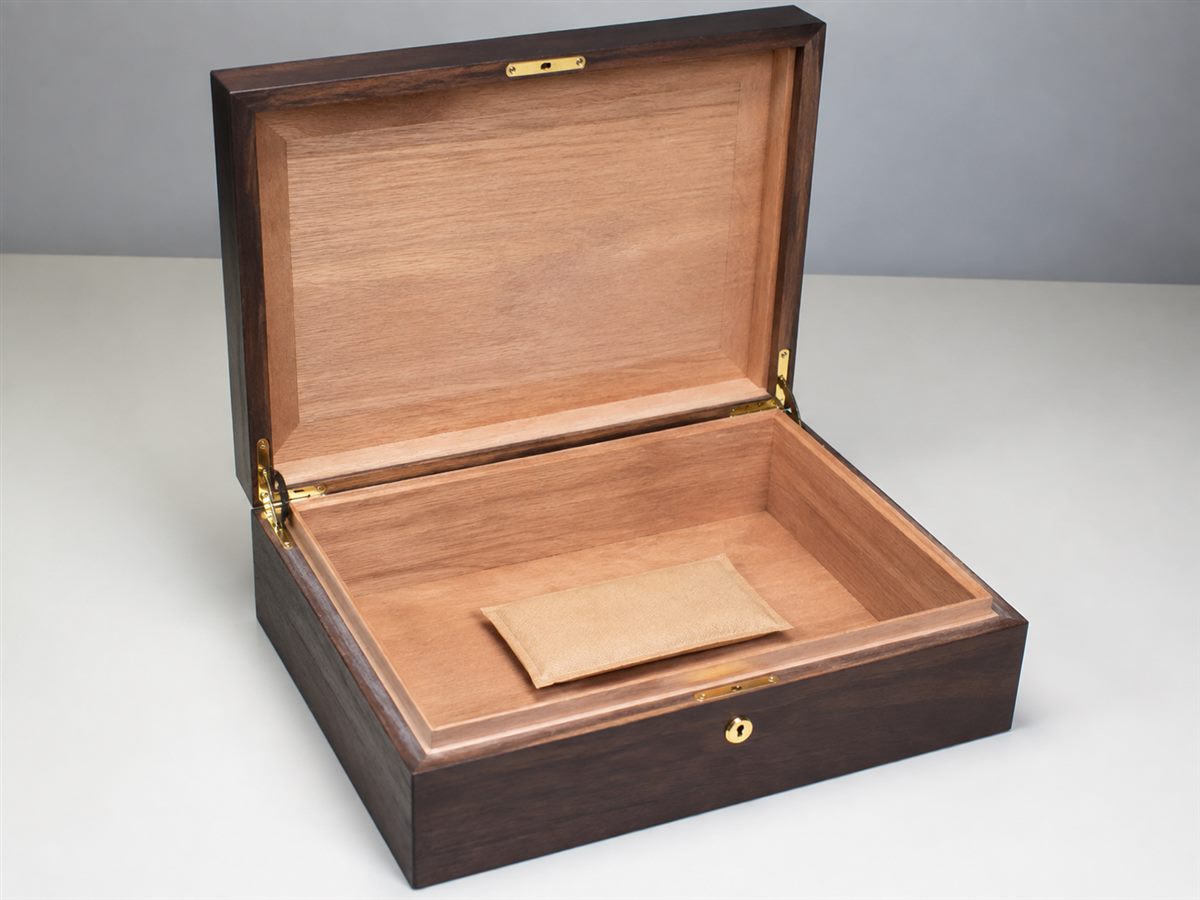
A new wood-lined humidor needs preparation when its dry interior would otherwise draw moisture from the storage environment. Conditioning gives the lining time to take up moisture before you load the cigars. It is preparation for use, not proof that the box will hold a particular RH indefinitely. The illustration shows the lid open for inspection; follow the instructions for closed-box conditioning.
Why follow the product’s own preparation method?
The correct method depends on the enclosure and control system. Follow the supplied instructions, including whether the box must remain empty and closed. Do not assume that wetting the wood directly is a safe shortcut; excessive surface water can damage the lining or joints.
If the method uses special conditioning packs, replace them with the specified storage packs at the instructed stage. Glass or plastic containers do not need wood conditioning unless they include wood components that require it. This is why one universal preparation schedule would be misleading.
Can a cigar humidor box control temperature?
A passive desktop humidor cannot actively cool or heat its contents, so its temperature largely follows the surrounding room. Even an electronic humidifier may regulate only humidity while displaying temperature. A temperature display is not evidence of temperature control.
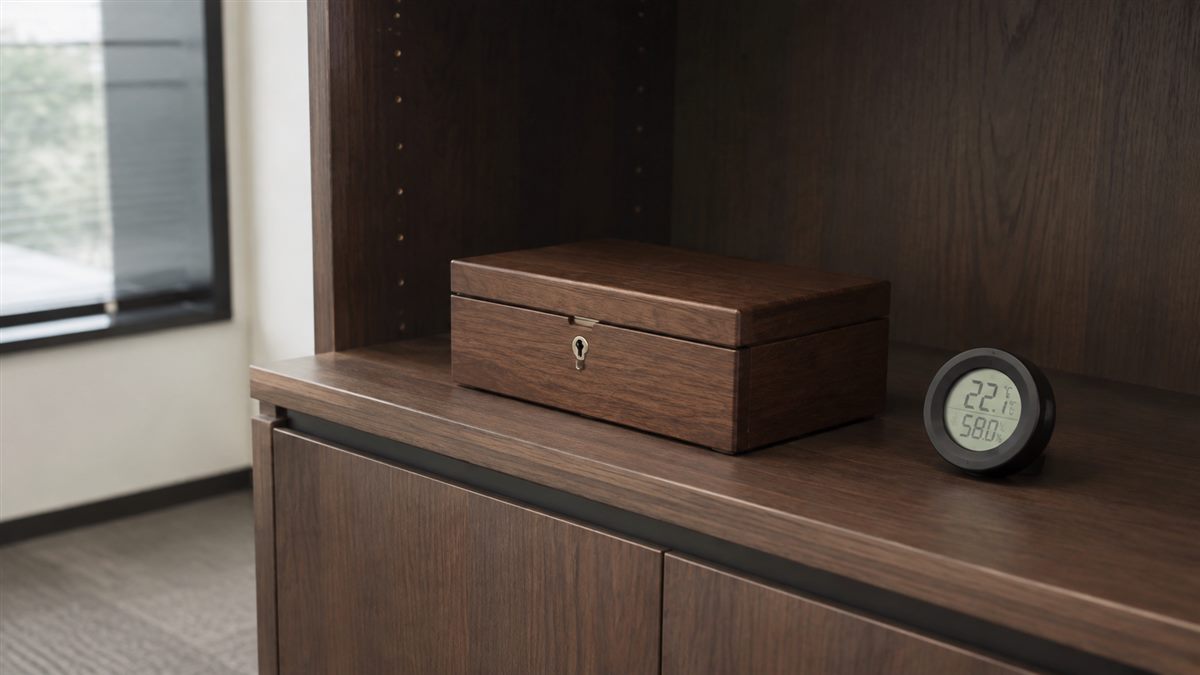
If you need active cooling or heating, assess equipment designed for that purpose and check how its humidity system works with it. For a passive box, select a stable indoor location away from direct sun and heat sources. When readings change, review both temperature and RH before deciding that the box needs more moisture.
Why do humidity readings change after opening or loading?
Opening the lid replaces some internal air with room air, while adding cigars changes the material load that exchanges moisture with that air. The reading may therefore move before the system settles again. Its direction and recovery depend on the room, contents and selected control method.

What should you do after a normal disturbance?
Close the box, keep the control component unobstructed and allow the setup to settle according to its instructions. Repeatedly opening it to check can introduce further changes. Avoid making several adjustments at once, because you will lose track of what caused the next reading.
Loading is also a layout decision: leave access to the sensor and consumables. If usable space is the issue, the small cigar humidor box guide covers compact-format selection separately. Here, the useful question is whether the installed layout lets the storage system operate as intended.
What should you check when humidity will not stabilize?
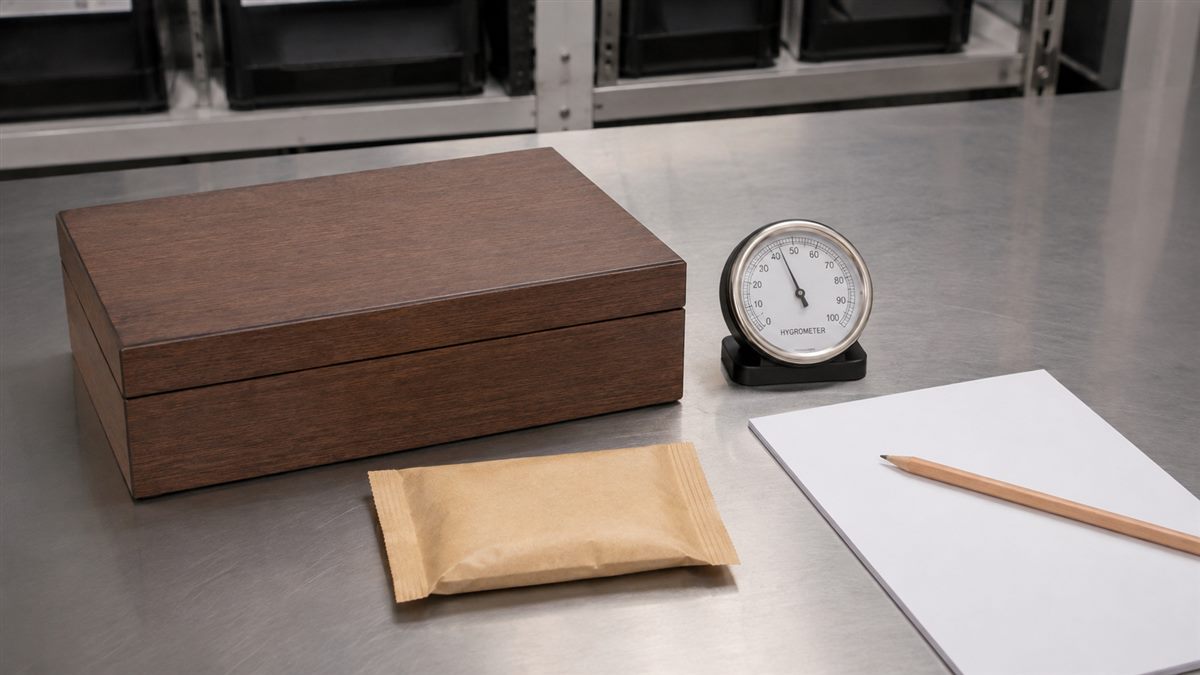
Check the reading, the control component, the closure and the room before adding more moisture. These checks help you spot a faulty reading, an empty pack, a blocked device or a problem with the box. A single low or high reading does not identify the cause.
Which observations make troubleshooting useful?
Keep a short record of changes rather than treating each reading as a fresh problem. Include when the box was opened, what you added and whether the room changed. Then review the likely cause against the relevant product instructions.
| Observation | Next check | Avoid assuming |
|---|---|---|
| Readings disagree | Placement, settling time and reference check | The higher reading is correct |
| Humidity stays low | Control supply, preparation and closure | More liquid is always the answer |
| Humidity stays high | Extra moisture sources, room conditions and control target | Every humidifier can dehumidify |
| Readings change after loading | Recent contents and access around components | The box has already failed |
The pattern narrows the investigation; it does not replace the instructions or testing for the actual product.
If the problem persists, share your observations with the humidor or control-system supplier. For brand samples, agree on how to evaluate performance before drawing a pass-or-fail conclusion.
What should brands verify before calling a box a humidor?
Brands should verify the intended humidity-control function of the complete product before describing it as a humidor. A wood lining, gauge or close-fitting lid is only one part of that assessment. The claim must match the enclosure, components, instructions and evidence supplied for the finished item.
What belongs in the approval brief?
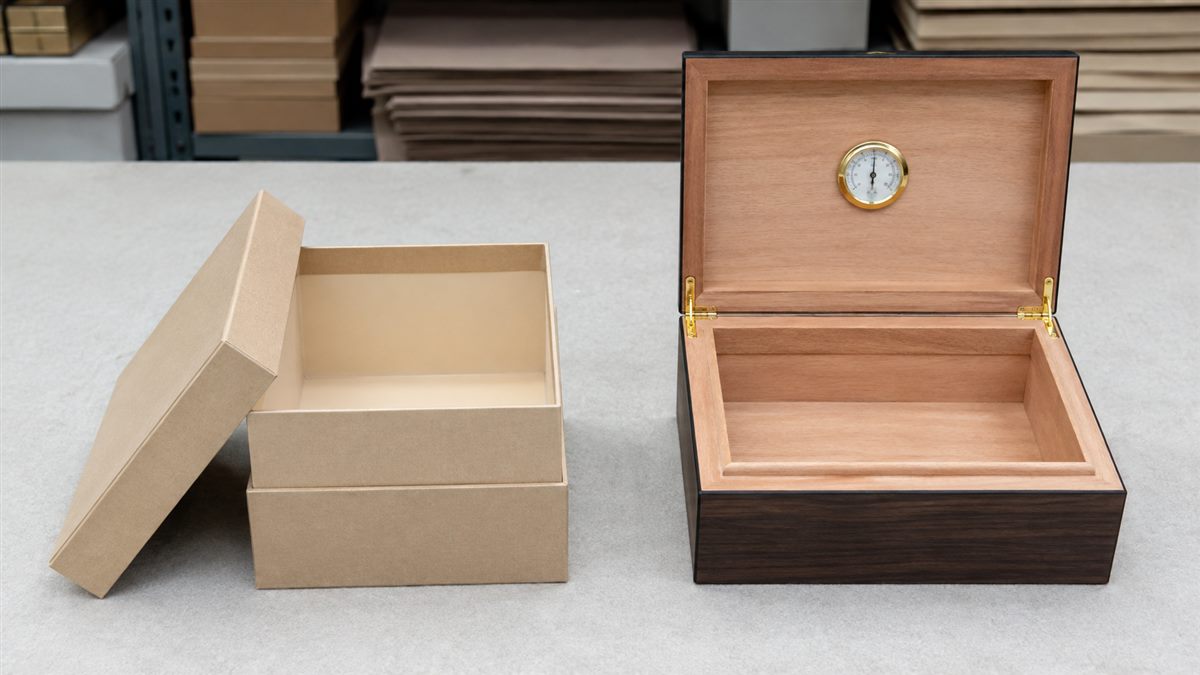
Write down what the box must do as well as how it should look. This helps you decide which details you can inspect in a sample and which need a test. Ask the responsible supplier to confirm the following:
- The intended storage use and operating conditions.
- The humidity-control method, monitoring arrangement and maintenance access.
- The agreed evaluation method and acceptance criteria.
- The instructions that will accompany the finished product.
King Tai supports custom cigar packaging, including structural development, printing, finishing and project-specific insert requirements. A functional humidor request needs separate feasibility confirmation. Use the approved sample to review agreed packaging details without treating its appearance as evidence of humidity performance.
A humidor works through the enclosure, moisture control, lining and monitoring acting together. Understanding those roles helps you choose a sensible operating routine and ask better questions about a sample. For brands, a functional claim should follow evidence from the complete product.
King Tai Printing & Packaging can support custom cigar packaging through structural development, material selection, printing, finishing, assembly and quality inspection. To separate presentation needs from storage requirements, discuss your packaging project with the team. Good packaging starts with a clear, verifiable brief.
FAQ
Does a humidor need electricity?
No, a passive box can use a suitable humidity-control product without electrical power. Powered fans, controllers or cooling systems introduce separate requirements, so check the equipment rather than judging by the box’s size.
Does a hygrometer control humidity?
No, a standalone hygrometer measures RH. It only contributes to automatic control when it forms part of a system that also operates a humidifying or dehumidifying function.
Can the box stay humid after its packet runs out?
It may retain moisture for a while, but that does not provide a dependable replacement schedule. Follow the packet’s replacement guidance and keep monitoring the closed setup.
Should every humidor use the same humidity setting?
No single setting should be assumed for every cigar and storage system. Follow the cigar maker’s storage guidance and the control-product instructions, and confirm the conditions used for any performance claim.
Can a presentation box become a humidor by adding a gauge?
No. A gauge adds measurement, not moisture regulation. The enclosure and control method must also suit the intended storage function.