
A cigar box humidor is a storage box designed to help keep cigars in a controlled environment, so their condition is less exposed to swings in surrounding air. If you are buying for personal use, you need a format that fits your collection and maintenance routine. If you are developing custom cigar boxes for a brand, you also need to separate a presentation box from a true humidity-controlled storage solution.
This guide explains the role of a humidor, the decisions that matter before use, and the production questions that help prevent a premium-looking package from creating the wrong expectation.
What Is a Cigar Box Humidor?
A cigar box humidor is an enclosed box that aims to maintain a more stable storage environment for cigars than an ordinary box can provide. It commonly combines a close-fitting lid, a humidity-control method, and a way to monitor conditions.
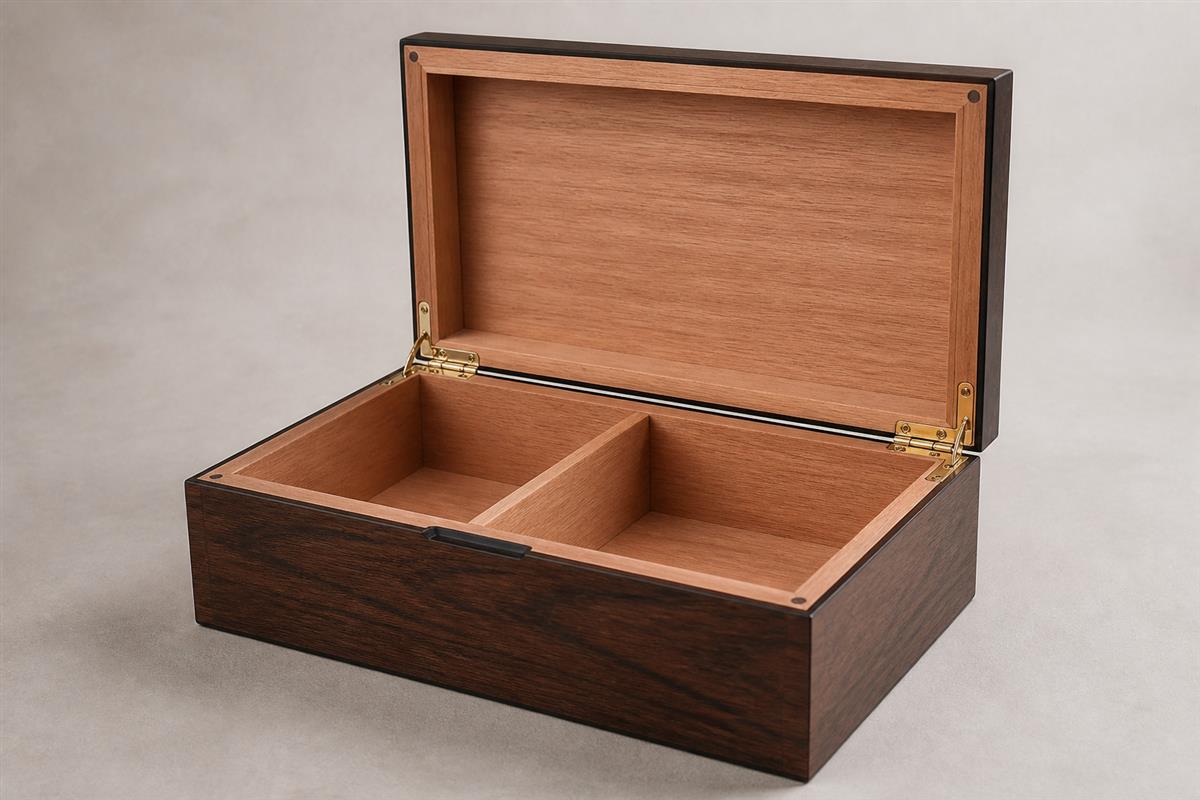
How is it different from a presentation box?
A presentation box primarily protects, organizes, and presents a product. A humidor has the added job of supporting controlled storage. The two can look similar, but their intended use, closure expectations, and interior requirements may differ.
- A presentation box can support brand display and gifting.
- A humidor needs a storage approach that the owner can monitor and maintain.
- A box should not be marketed as a humidor unless its intended storage function is confirmed.
Key Takeaway: Start by defining whether the product is packaging, storage equipment, or both; that decision shapes every later detail.
Why Does Cigar Humidity Control Matter?
Humidity control matters because cigars can change when their storage environment changes. A humidor helps the owner manage that environment rather than leaving the collection exposed to ordinary room conditions.
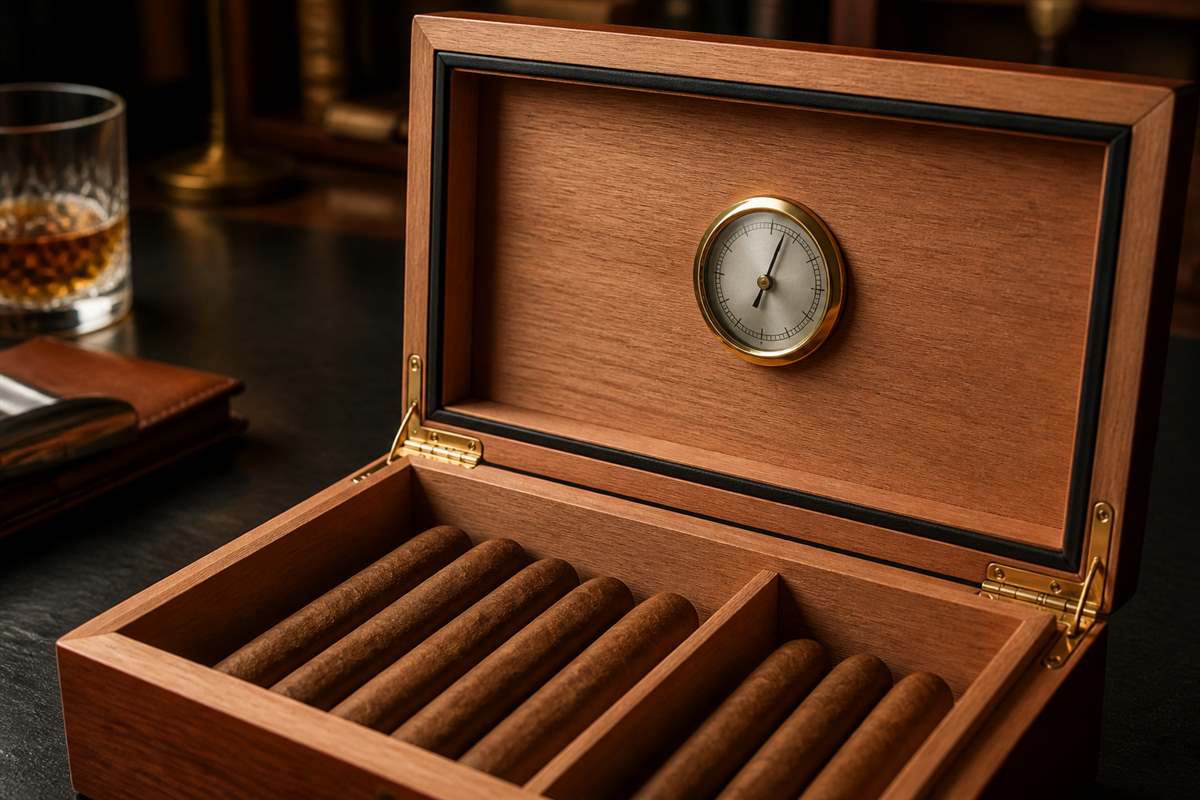
What should the owner watch for?
Consistency is more useful than chasing a single universal setting. The right maintenance guidance depends on the cigar maker’s recommendations, the storage method, and the owner’s climate.
- Use a monitoring method that is easy to check.
- Keep the storage routine consistent.
- Investigate persistent changes instead of simply adding more moisture.
Key Takeaway: A humidor supports routine control, but it does not eliminate the need for regular observation.
Which Cigar Humidor Type Fits Your Use?
The best humidor type depends on where cigars will be kept, how often they travel, and how the collection may grow. A small desktop format, a travel case, and a larger cabinet each solve a different storage problem.
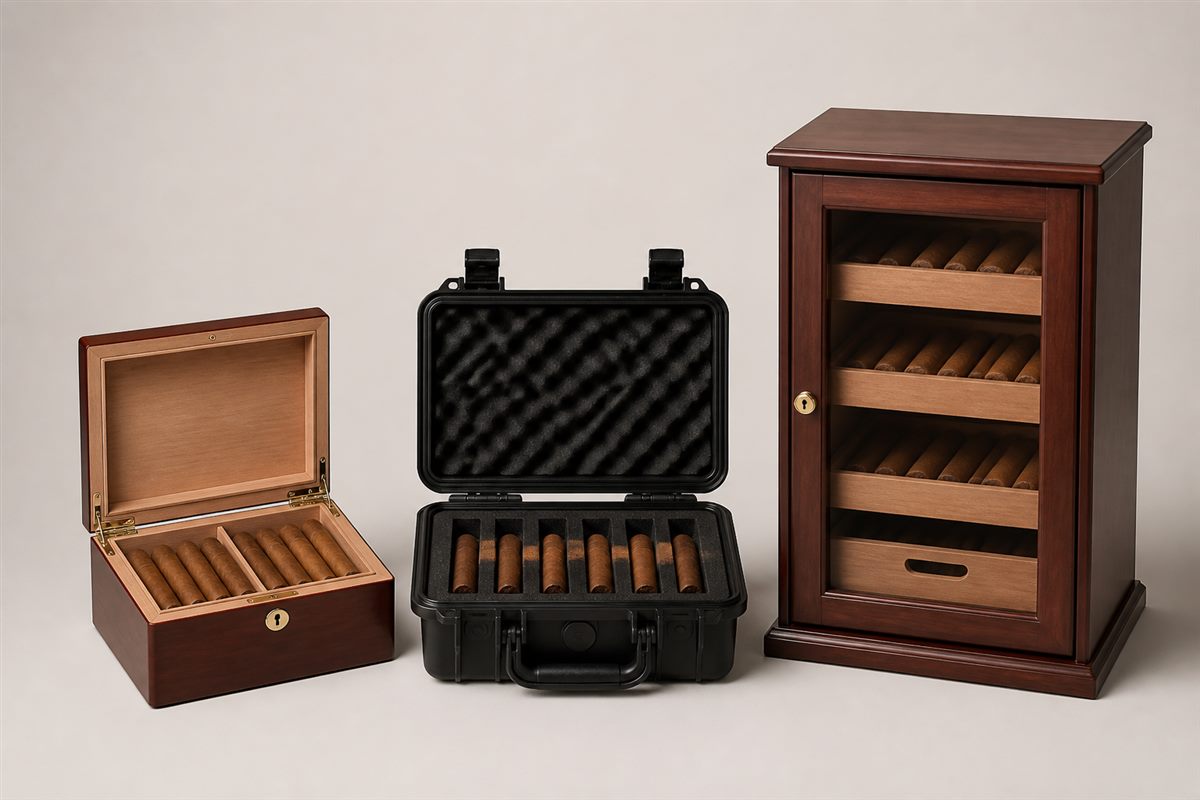
How do the main formats differ?
Choose the format around the actual use case, not appearance alone. A portable case prioritizes transport, while a fixed desktop or cabinet format prioritizes convenient access and larger storage.
| Format | Best for | Key consideration |
|---|---|---|
| Desktop box | Regular access at one location | Allow room for the collection to change |
| Travel case | Short-term transport | Confirm closure and interior protection |
| Cabinet format | A larger fixed collection | Plan how conditions will be monitored |
Key Takeaway: Capacity, mobility, and maintenance access should drive the format decision before decorative features do.
What Components Keep a Humidor Stable?
A humidor relies on several components working together: an enclosure, a moisture-control method, and a monitoring method. No single component can compensate for a poor fit in the rest of the system.
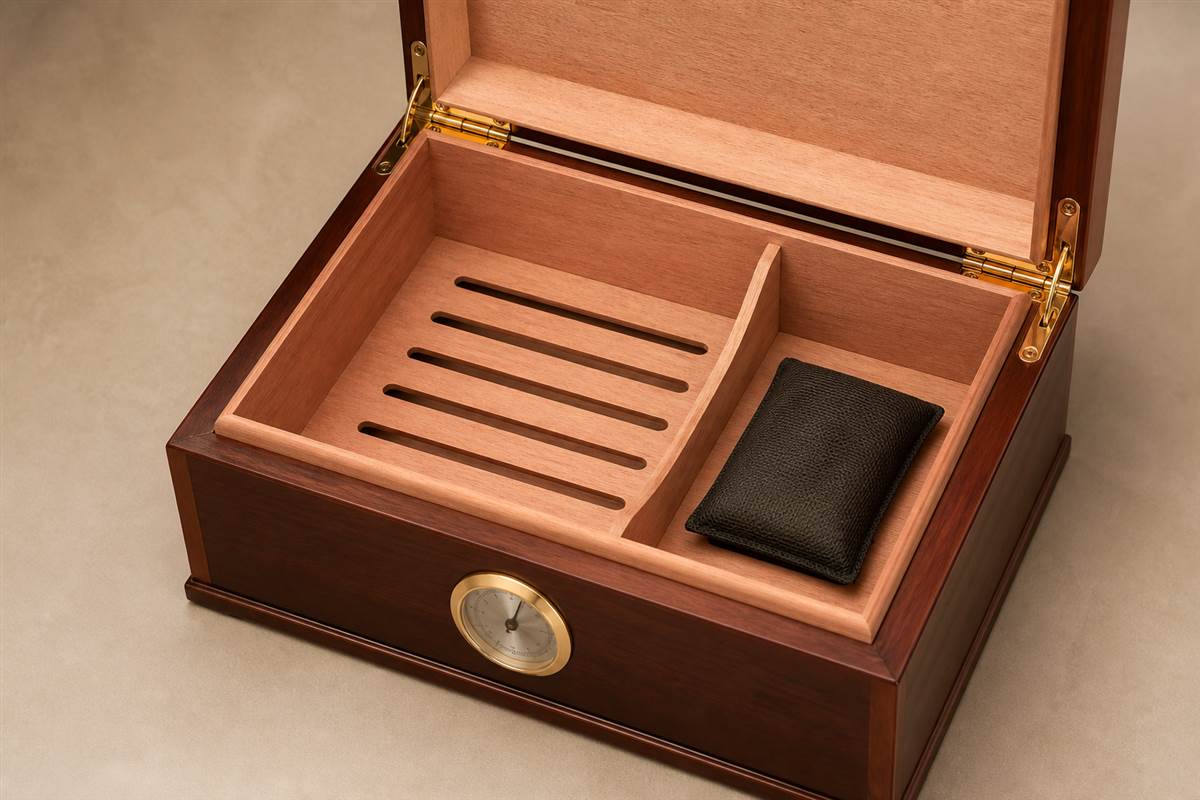
Which elements deserve a closer check?
Look at the components as a system. The owner needs to understand what adds or regulates moisture, what shows the current condition, and how the box closes.
- A close, consistent lid fit helps reduce unnecessary air exchange.
- A humidity-control method should suit the intended routine.
- A hygrometer gives the owner a reference point for monitoring.
Key Takeaway: Evaluate the complete storage system, not just the visible wood, lining, or exterior finish.
How Should You Prepare a New Humidor?
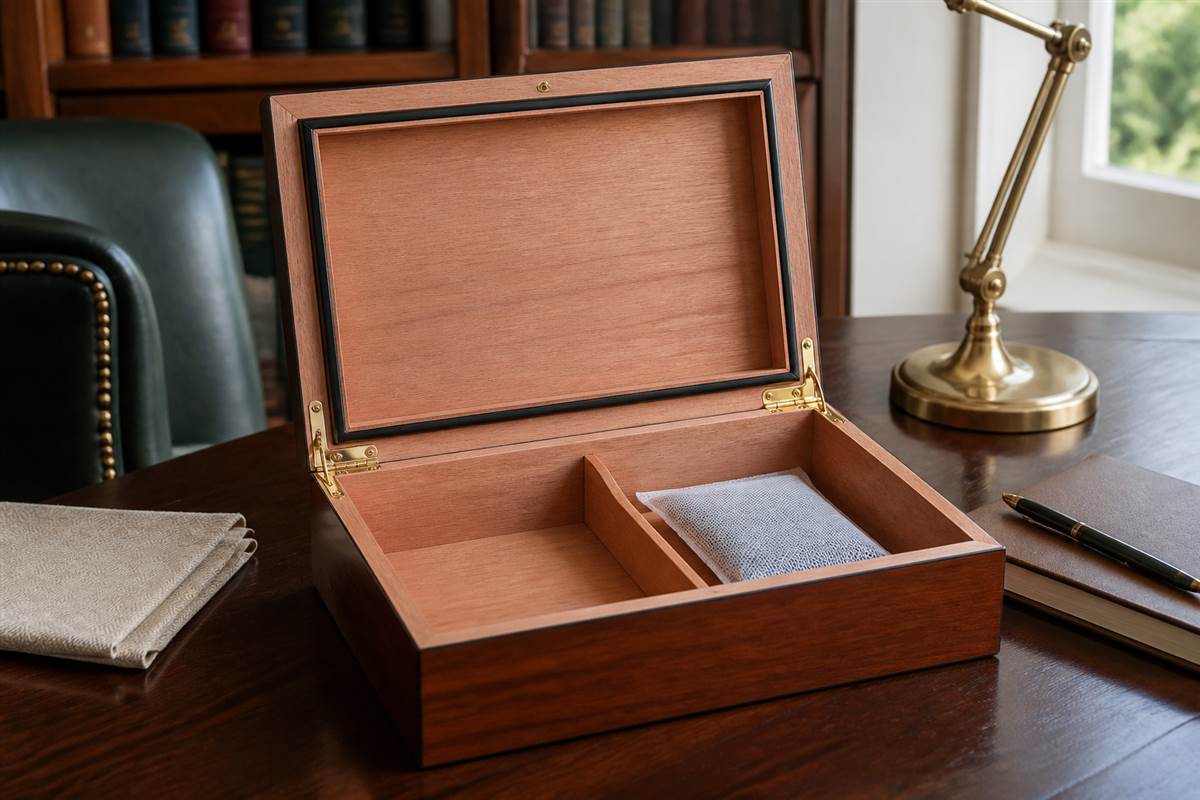
A new humidor should be prepared according to the guidance for its interior material and humidity-control method before it stores cigars. This process is often called seasoning, but the correct steps depend on the specific product instructions.
What is the safe preparation approach?
Follow the instructions supplied with the storage system and verify that the monitoring device is reliable. Avoid improvised methods that can leave standing water, stain materials, or make the interior conditions harder to interpret.
- Read the product-specific preparation instructions.
- Check the monitoring device before relying on it.
- Allow the empty storage environment to stabilize before adding cigars.
Key Takeaway: Preparation is a product-specific process; do not assume every wood-lined box needs the same treatment.
How Do You Maintain a Cigar Box Humidor?
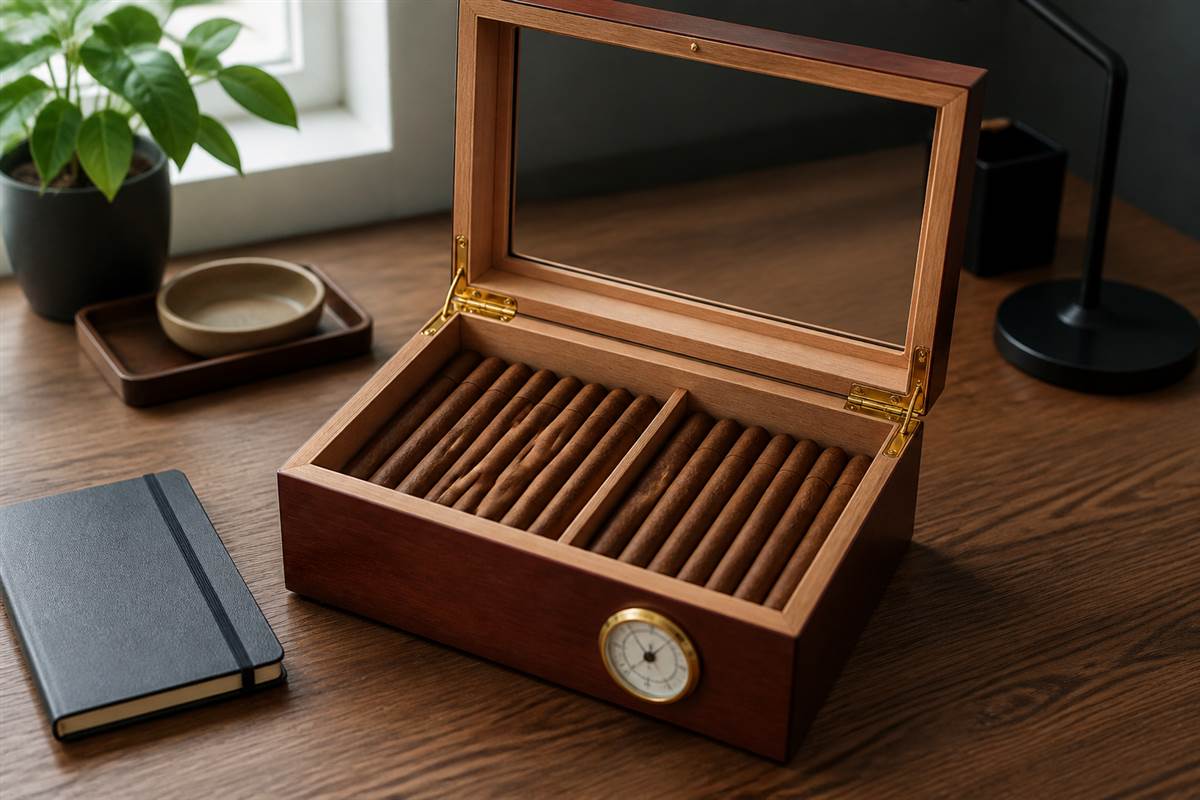
You maintain a cigar box humidor by checking its condition regularly, following the selected humidity-control system’s instructions, and keeping the storage area clean and organized. A simple routine is more dependable than occasional corrective action.
What should a regular check include?
A quick review helps you spot a change before it becomes a larger storage problem. Keep notes if conditions vary repeatedly, because the pattern can point to the box, the control method, or the surrounding environment.
- Review the condition indicator at a planned interval.
- Inspect the lid fit and interior for visible concerns.
- Replace or recharge the chosen control product as instructed.
Key Takeaway: A manageable routine and clear records are more valuable than reacting to one isolated reading.
How Should You Choose the Right Capacity?
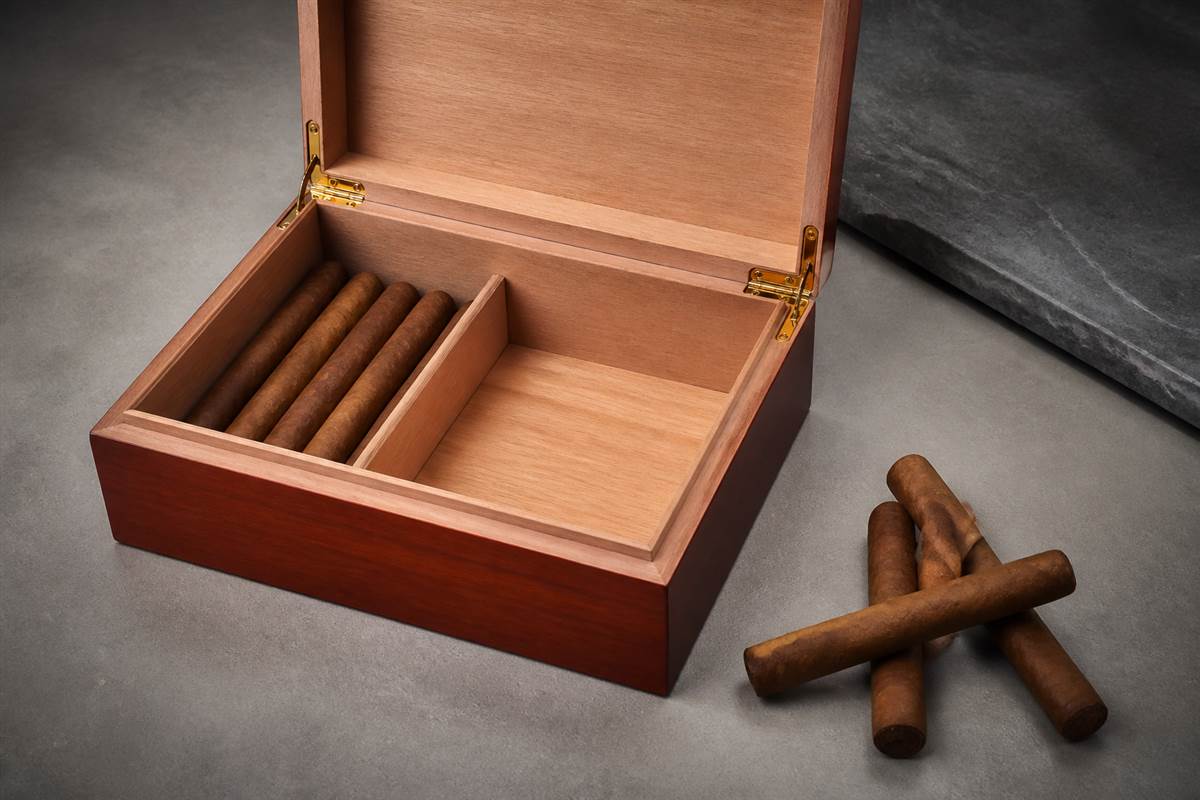
Choose capacity based on the cigars you expect to keep, the space required by their shapes, and room for orderly storage. The number printed in a product listing is only a guide because cigar dimensions and internal layouts differ.
Why should you avoid overfilling?
Overfilling can make access awkward and limit how neatly the collection can be arranged. Leave practical room for dividers, humidity-control products, and future additions rather than selecting the smallest possible box.
- Base the choice on the actual cigar formats you keep.
- Consider dividers and accessory space.
- Plan for a modest change in collection size.
Key Takeaway: Treat stated capacity as a starting point, then check the real interior layout against your collection.
What Makes a Humidor Box Well Built?
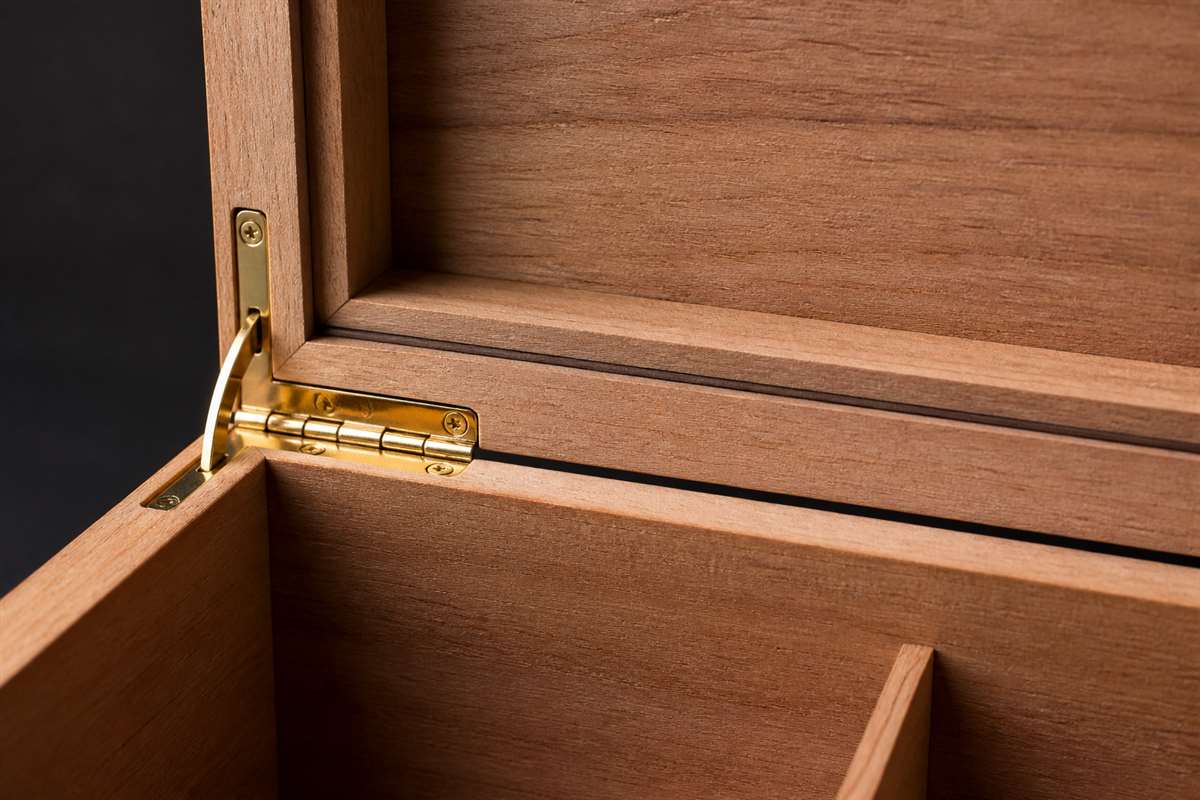
A well-built humidor box has consistent geometry, a lid that closes predictably, and interior details that match its intended use. Fine exterior finishing can improve presentation, but it should not distract from fit, closure, and material suitability.
Which build details are visible before purchase?
Inspect the details that indicate whether the box will be comfortable to use and easy to assess over time. For custom work, a physical sample is the practical way to review appearance and fit before production approval.
- Check lid alignment, hinge placement, and closing feel.
- Look for clean corners and consistent surface wrapping or wood finishing.
- Confirm that dividers and inserts do not interfere with closing.
Key Takeaway: A premium humidor should be judged by usable fit and consistency as well as its visible finish.
How Can Brands Design a Cigar Presentation Box?
Brands can design a cigar presentation box around protection, unboxing, and retail identity while keeping storage claims accurate. The format may be a rigid paper box, a wooden box, or another approved structure depending on the project brief.
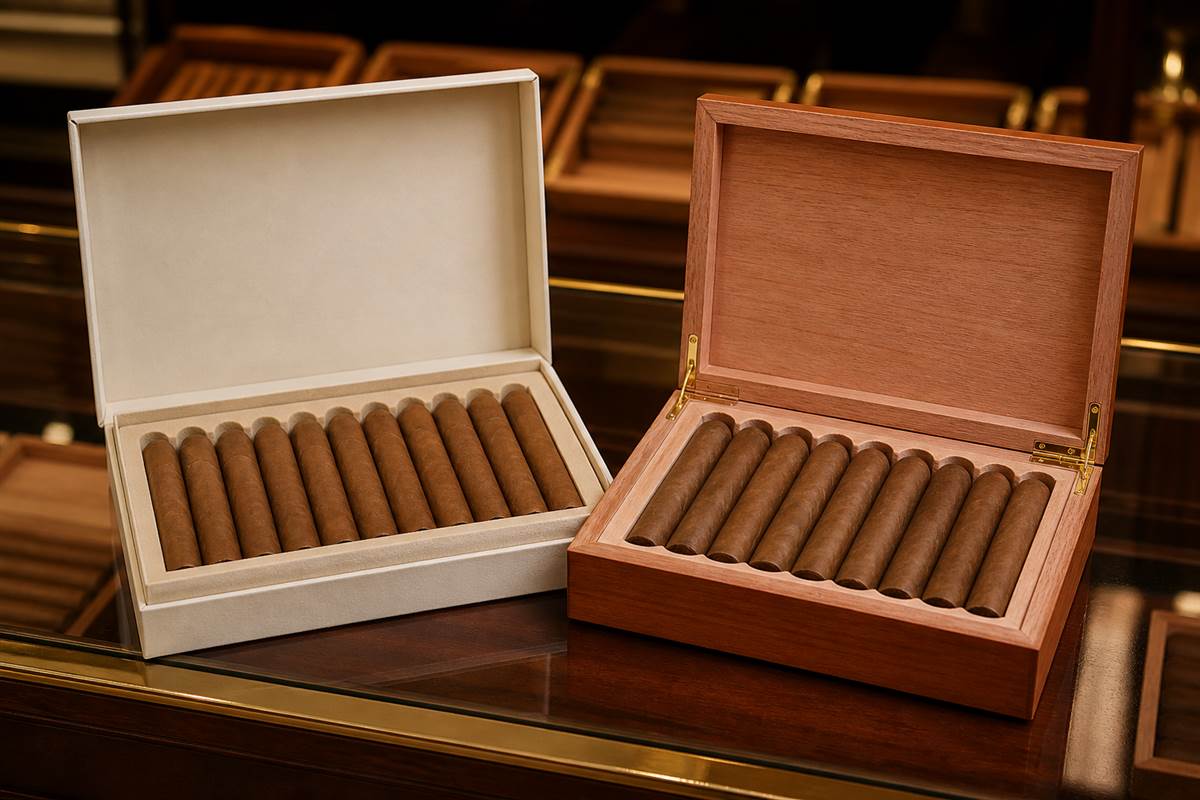
What should the packaging brief include?
Clear inputs make the design review more useful. King Tai can support cigar and tobacco packaging projects through structural design, material selection, printing, finishing, assembly, custom inserts, quality inspection, and logistics support; final feasibility remains project-specific.
- Product dimensions, weight, and required insert support.
- Opening experience, exterior finish, and logo treatment.
- Whether the pack is for presentation, storage, transport, or a combination.
For related structures and project considerations, see King Tai’s cigar packaging solutions and custom packaging overview.
Key Takeaway: Brand presentation can be customized, but humidity-control claims must be confirmed separately from visual packaging features.
What Should Buyers Confirm Before Production?
Before production, buyers should confirm the intended function, approved structure, surface details, insert fit, and final sample. This protects against a gap between the approved concept and the package that reaches the market.
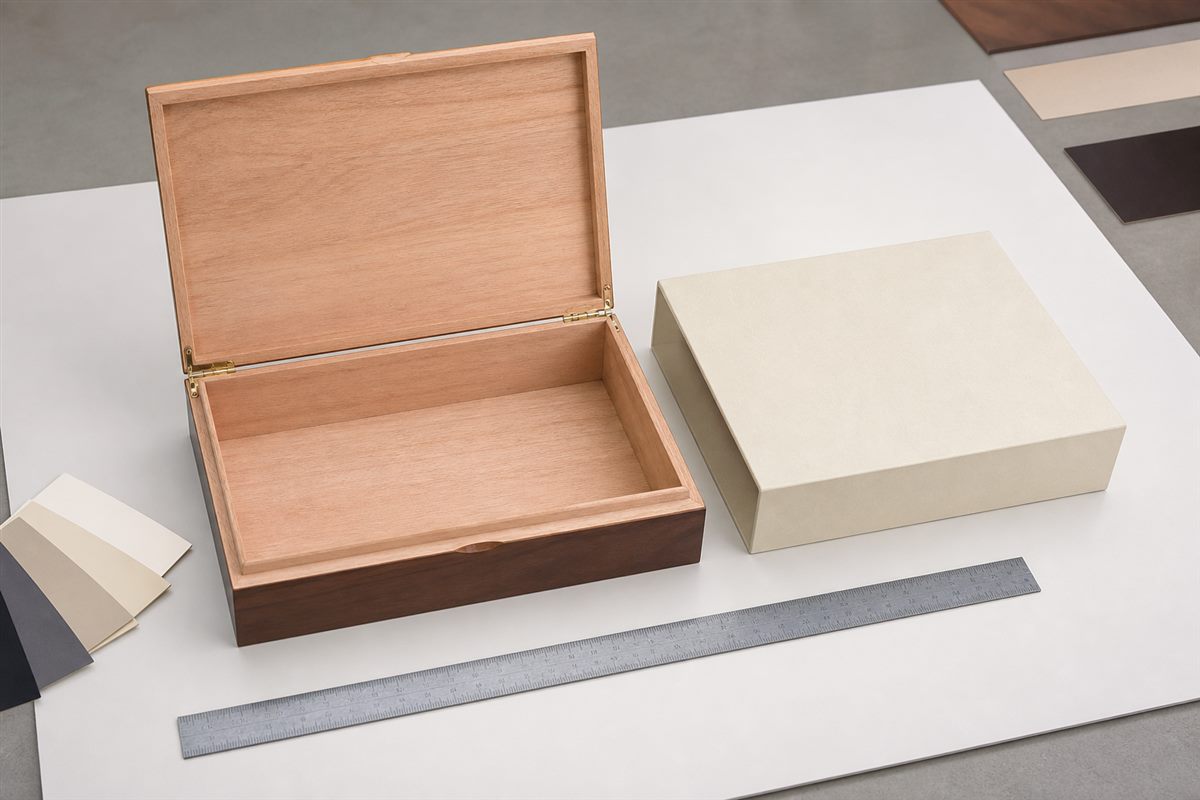
How should a buyer review the sample?
Review the sample against the written brief, not against memory. Where a project requires humidity performance, closure performance, or a specific interior material, those requirements are NEEDS VERIFICATION and should be confirmed for that exact project before approval.
- Compare dimensions and product fit with the approved specification.
- Check opening, alignment, print, finish, and insert placement.
- Document any storage-performance requirement separately from appearance.
For an example of a completed cigar packaging project, review the cigar box case study.
Key Takeaway: Put functional requirements into the approval record; a beautiful sample alone does not verify every storage claim.
FAQ
Can a regular cigar box work as a humidor?
Not automatically. A standard box may provide presentation or basic protection, but it should only be treated as a humidor when its storage function and maintenance method are confirmed.
Should a humidor be completely full?
No. Choose a layout that keeps cigars accessible and leaves enough practical room for dividers and the selected humidity-control method.
Is a wooden cigar box always a better choice?
Wood can be part of a humidor design, but material alone does not determine storage performance. Assess the full enclosure, control method, monitoring approach, and intended use.
A cigar box humidor is most useful when its format, maintenance routine, and intended function are clear. For brand packaging, the same discipline helps align presentation, product fit, and honest functional claims. King Tai Printing & Packaging can help B2B teams develop custom packaging from structure through final inspection and logistics support, with project-specific requirements confirmed before production.