
A small cigar humidor box is a good choice when its capacity, humidity-control method, and format fit the cigars you actually keep. A compact box can be easier to place, monitor, and use than an oversized unit, but only when the internal space and storage purpose are clear. This guide helps you compare the practical choices before you buy or develop one.
What Is a Small Cigar Humidor Box Best For?
A small cigar humidor box works best for a limited collection, a secondary location, or a compact presentation need. It should solve a specific storage problem rather than simply look smaller on a shelf.
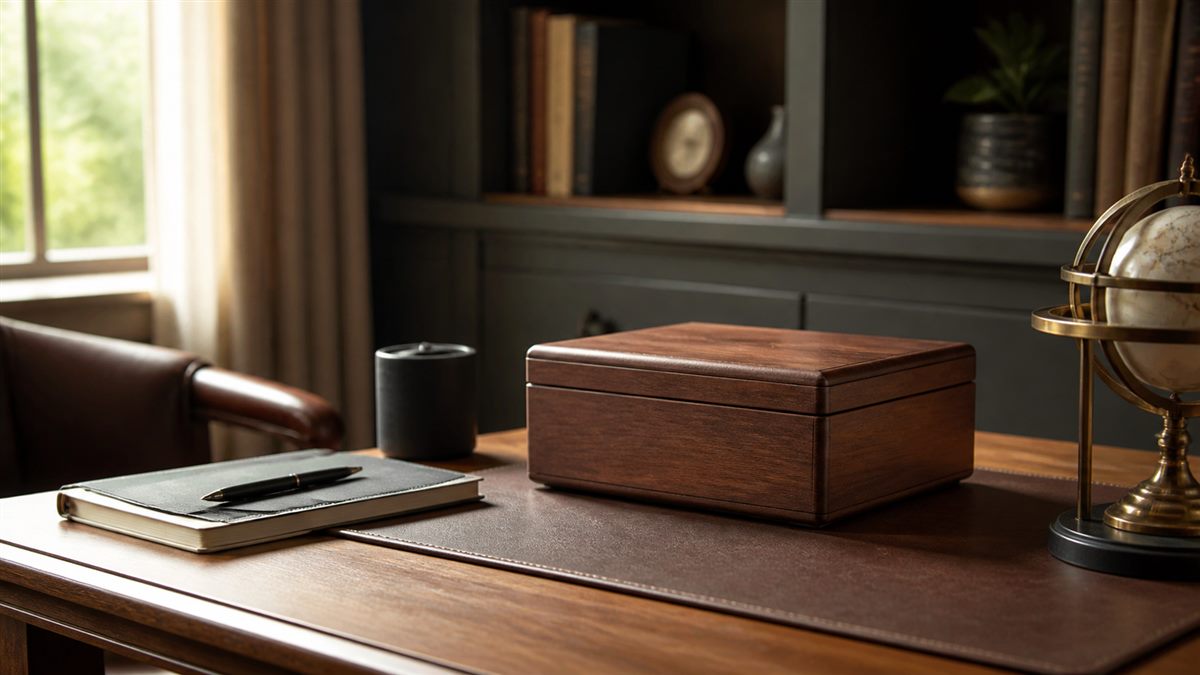
Match it to the storage role
Some buyers need a desktop box for regular access, while others need a compact reserve or a gift presentation format. Define the role first.
- Daily desktop access
- A modest personal collection
- A secondary or overflow location
- Premium gift or retail presentation
Key Takeaway: Choose the box around its intended use, not an assumed cigar count.
How Should You Plan Capacity?
Capacity should leave room for the cigars and the humidity-control components without crowding the interior. The useful capacity is determined by cigar dimensions, the way they are arranged, and any divider or tray.
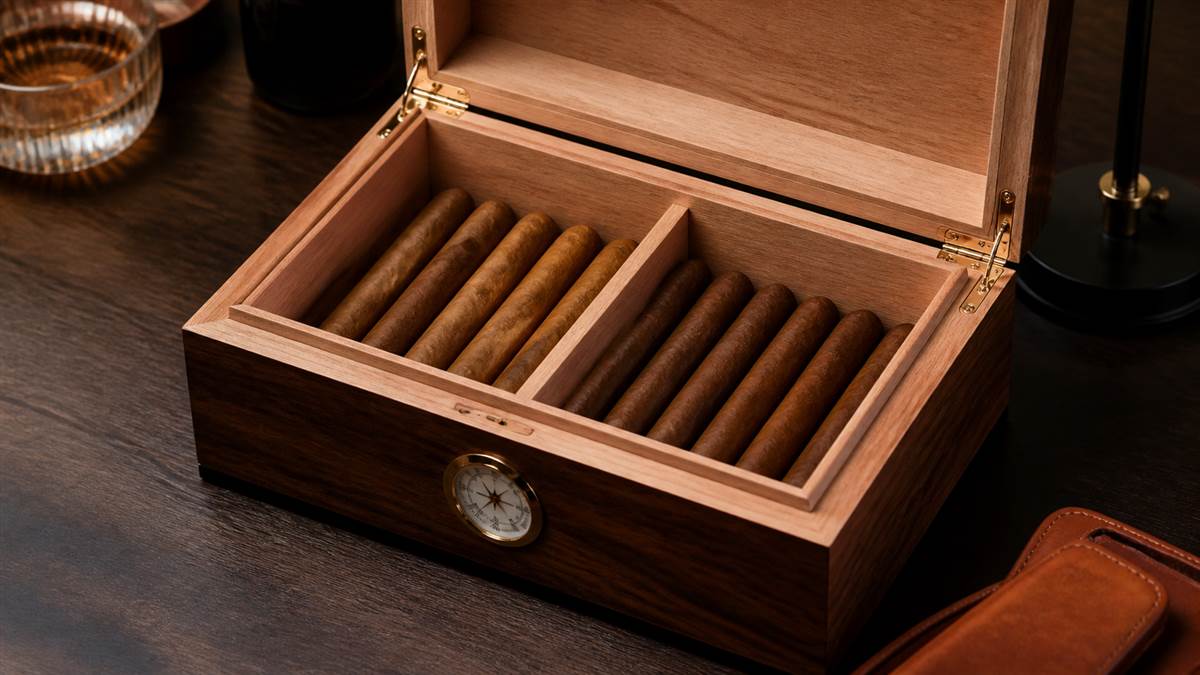
Plan for real cigar formats
Measure the lengths and ring gauges that will actually be stored. A nominal capacity can be misleading when a collection includes mixed sizes or accessories.
Leave usable air space
An interior that is packed too tightly is harder to access and may not leave suitable room for the selected humidity-control system.
Key Takeaway: Confirm the real product mix before choosing interior dimensions or a partition layout.
Which Small Humidor Style Fits Your Needs?
The best style depends on where the box will be used and how often it must move. Desktop, travel, and display-oriented formats make different trade-offs in access, protection, and appearance.
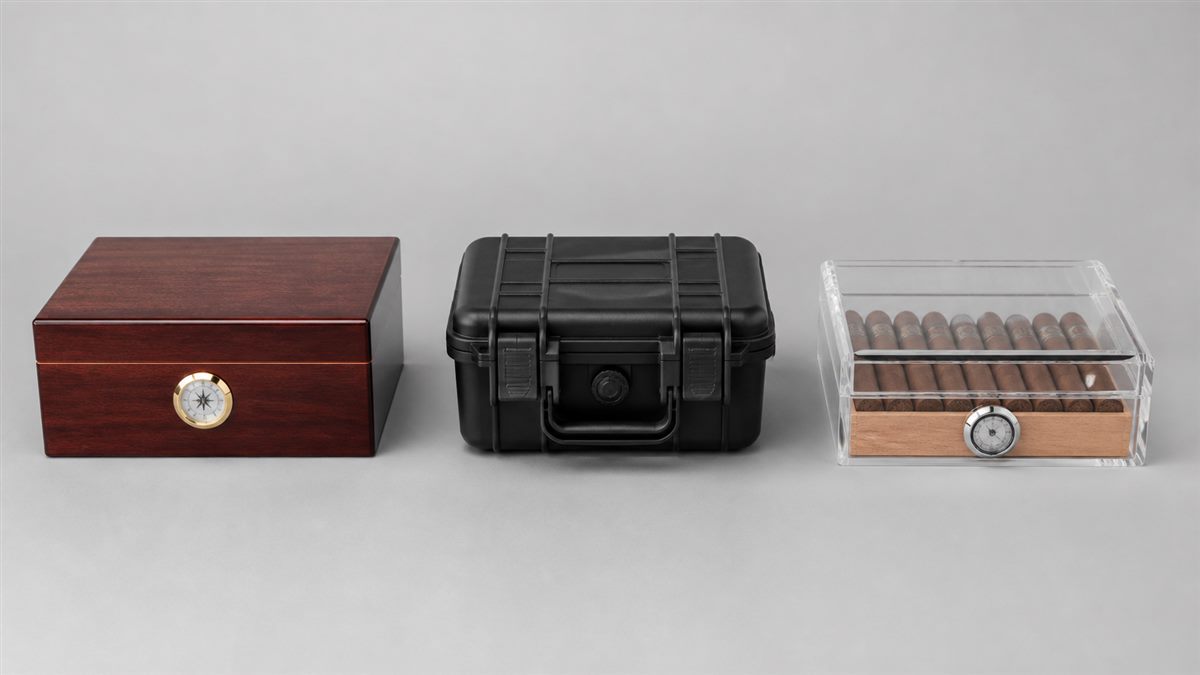
Compare format by use
A classic desktop box suits a stable location; a protective travel case prioritizes movement; a transparent display format puts visibility first.
| Format | Best for | Check first |
|---|---|---|
| Desktop box | Regular home or office use | Footprint and lid access |
| Travel case | Short trips and transport | Closure and internal retention |
| Display format | Visible collections | Light exposure and seal design |
Pick the format that supports the storage setting rather than forcing one box to serve every situation.
Key Takeaway: Style is a functional decision before it becomes a visual one.
What Makes a Desktop Humidor Practical?
A practical desktop humidor is compact enough for its intended surface while still allowing comfortable opening, monitoring, and cigar selection. Its position should not make routine maintenance difficult.
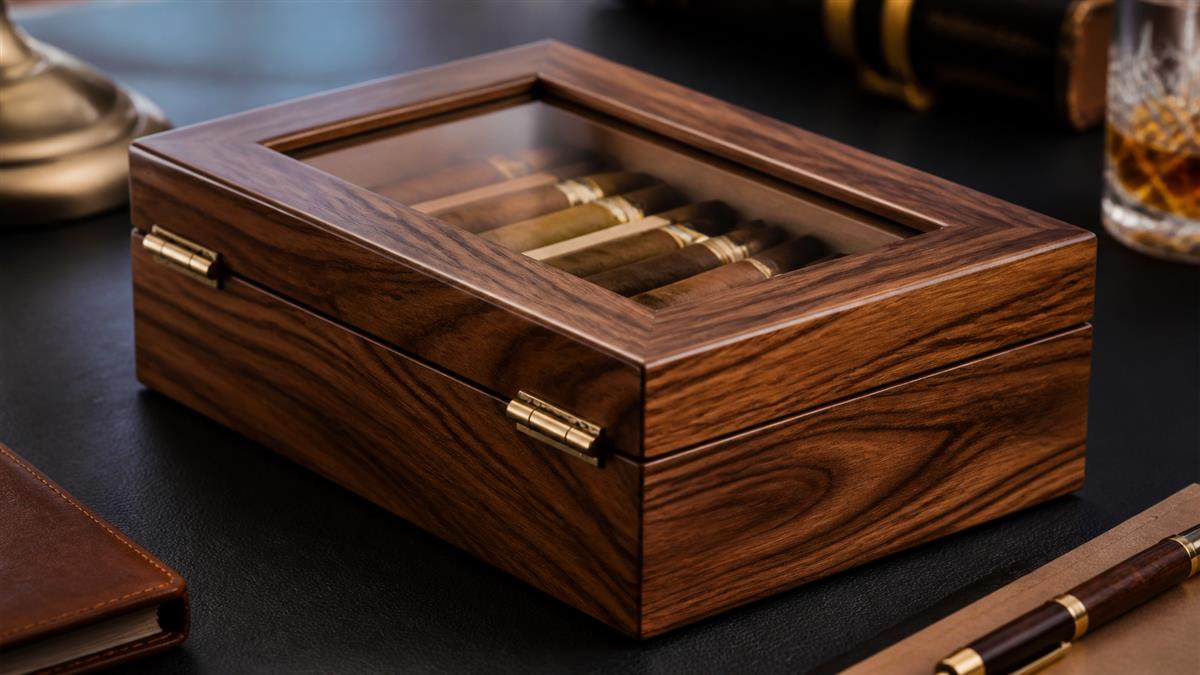
Review the footprint and opening path
Check the available shelf, drawer, or desk depth as well as the space above the lid. A box that cannot open fully is not convenient in daily use.
Keep the exterior purpose clear
For a retail or gifting application, the exterior must also present the brand coherently. See King Tai’s cigar packaging solutions for category-level packaging context.
Key Takeaway: A compact footprint is useful only when opening, access, and presentation still work.
When Is a Travel Humidor the Better Choice?
A travel humidor is the better choice when portability and protection matter more than a furniture-like display. It should hold cigars in position and use a closure appropriate to the route and handling expected.
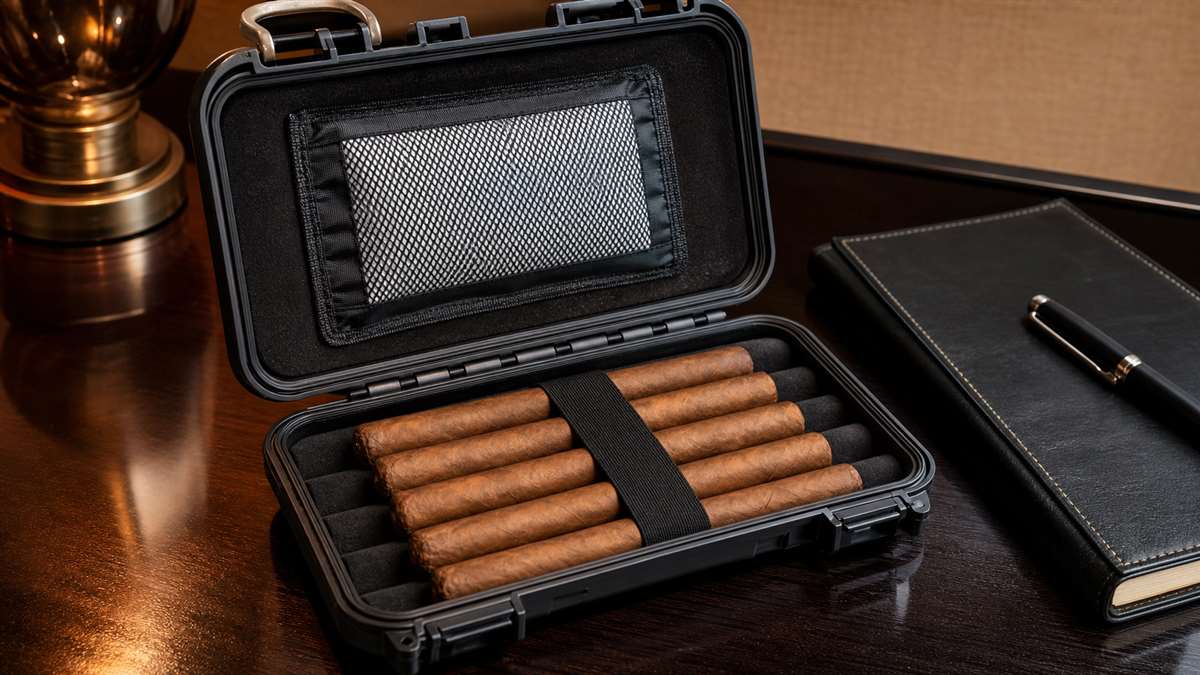
Prioritize retention and closure
Review how the cigars are kept from shifting, how the case closes, and whether the format suits the quantity carried. These details matter more than decorative features during travel.
Separate travel from long-term storage
Travel use and long-term home storage can require different formats. Do not assume that a portable case is automatically the best permanent storage solution.
Key Takeaway: Select a travel format for the actual journey and keep its storage role realistic.
What Should You Check in Humidity Control?
Humidity control should be chosen as a complete system of interior volume, sealing, monitoring, and maintenance. The right approach depends on the box format and the storage conditions around it.
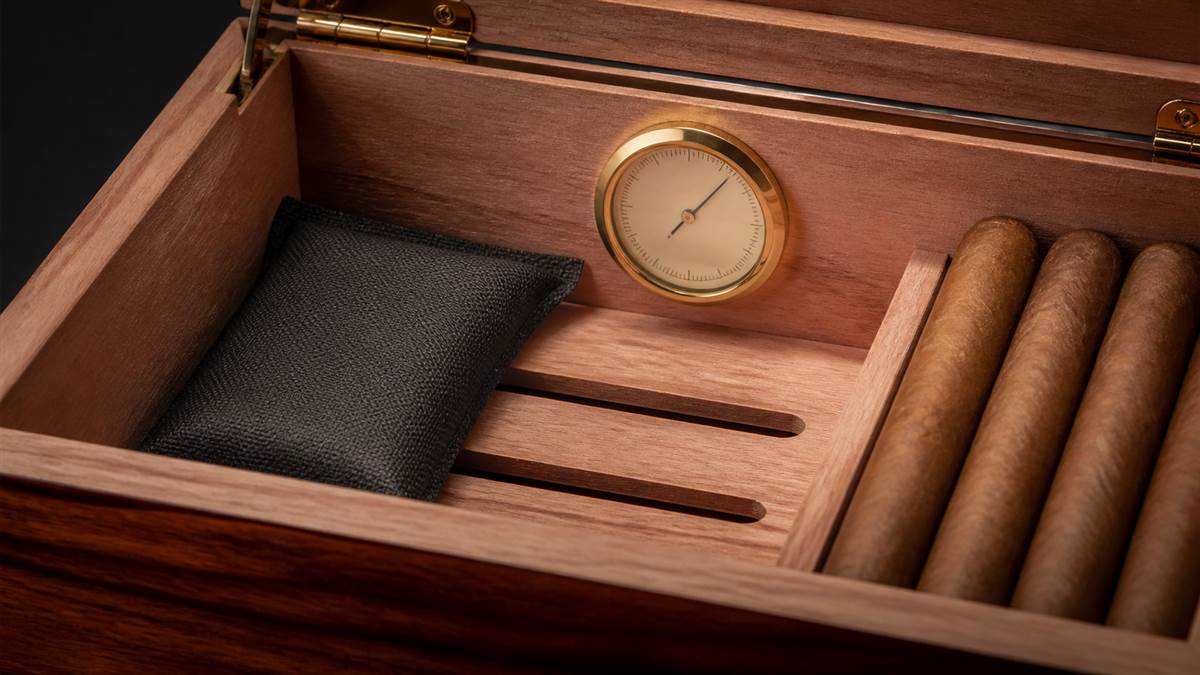
Make room for the system
Before selecting a box, confirm where the chosen control component and monitoring device will sit. They should not obstruct access or press against the cigars.
Avoid unsupported performance assumptions
Humidity performance depends on the finished construction, selected components, maintenance, and environment. Treat any exact performance claim as NEEDS VERIFICATION unless it is supported for that specific product.
Key Takeaway: Evaluate humidity control as a fitted system, not as one accessory added after the box is chosen.
Which Materials and Details Deserve Attention?
Materials and construction details deserve attention because they affect appearance, structure, and how the interior can be configured. Wood, paperboard, specialty paper, hardware, and linings should be assessed against the intended format.
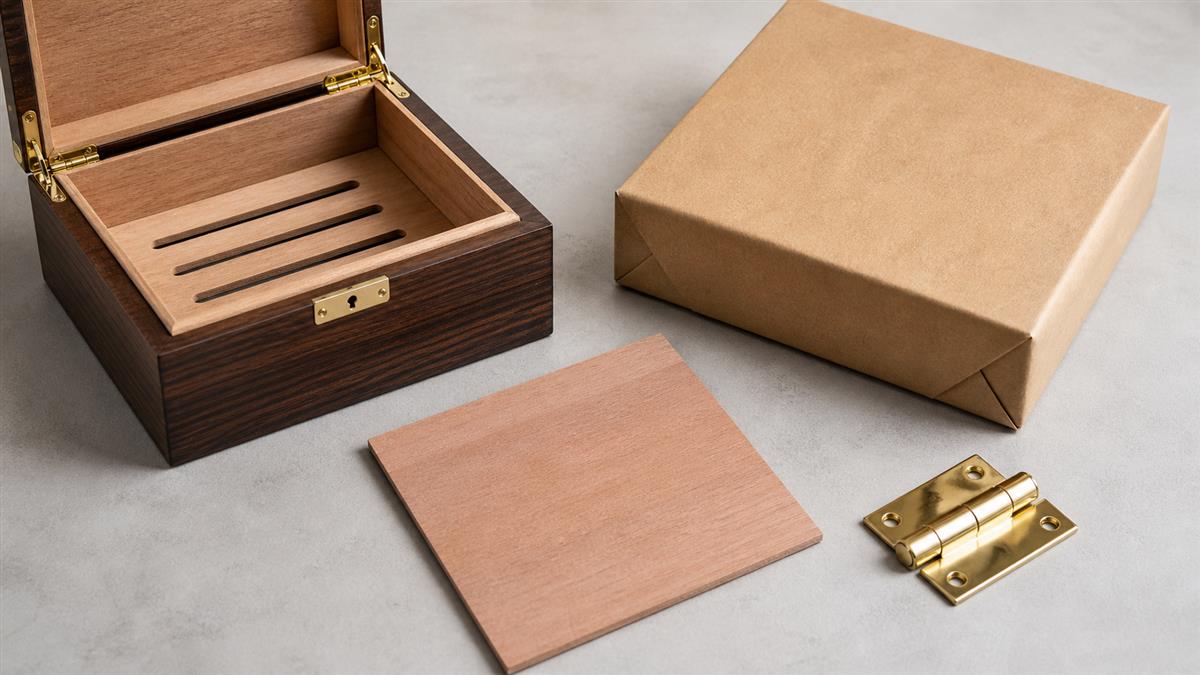
Distinguish material from performance
Spanish cedar may be relevant to some cigar-box projects, while wood, paperboard, and specialty paper are also possible category materials. The final material choice must be confirmed for the individual project.
Inspect working details
Look at lid alignment, hinge placement where used, edge finishing, interior fit, and the relationship between the product and any partition. These details are often more revealing than a single exterior photograph.
Key Takeaway: Ask what each material and component does, then confirm it in the final specification.
How Can Custom Packaging Improve Presentation?
Custom packaging can improve presentation when the structure, graphics, and finish support the intended brand and product experience. It should make the box clearer and more coherent, not merely more decorated.
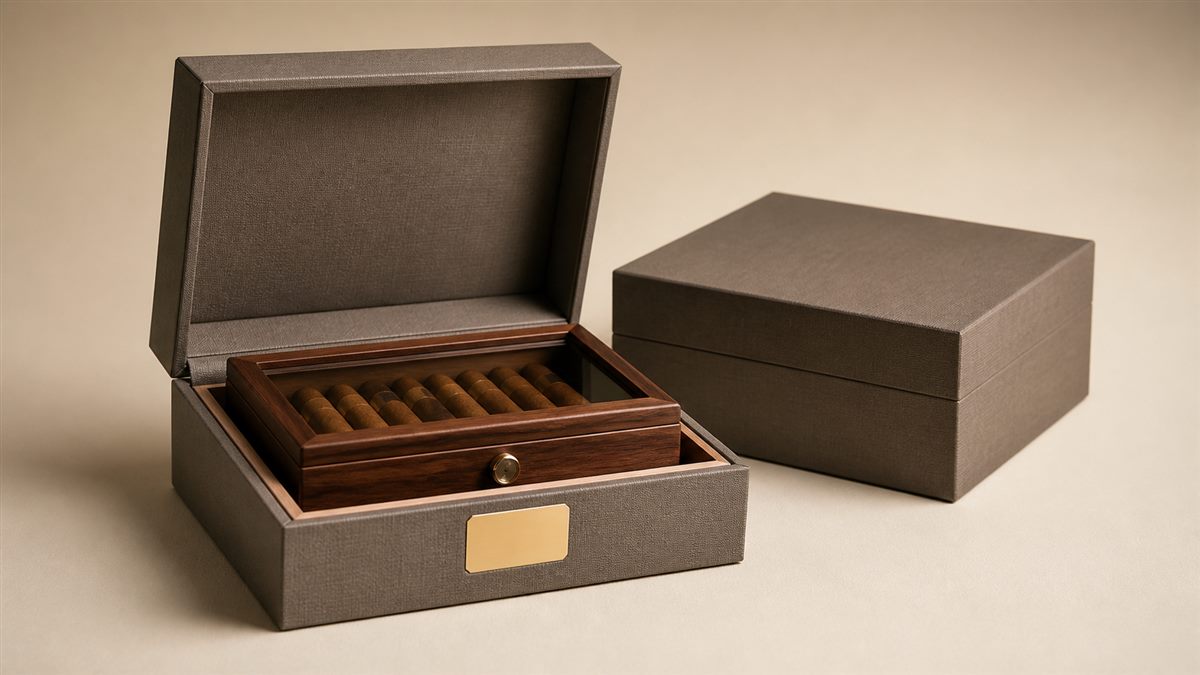
Start with the presentation brief
Define the product dimensions, opening experience, branding area, interior arrangement, and packing needs. King Tai can support structural design, paper selection, printing, surface finishing, assembly, and custom inserts according to the project.
Use finishes selectively
Hot stamping, spot UV, and embossing are confirmed finishing capabilities where appropriate to the project. Confirm the final combination against the chosen material, artwork, and approved sample.
Key Takeaway: Customization is strongest when every structural and visual choice has a clear purpose.
Why Does Sample Review Matter?
Sample review matters because it turns a concept into a physical reference for the project. It is the point to confirm fit, opening behavior, print appearance, finishing, and component alignment before production decisions are fixed.
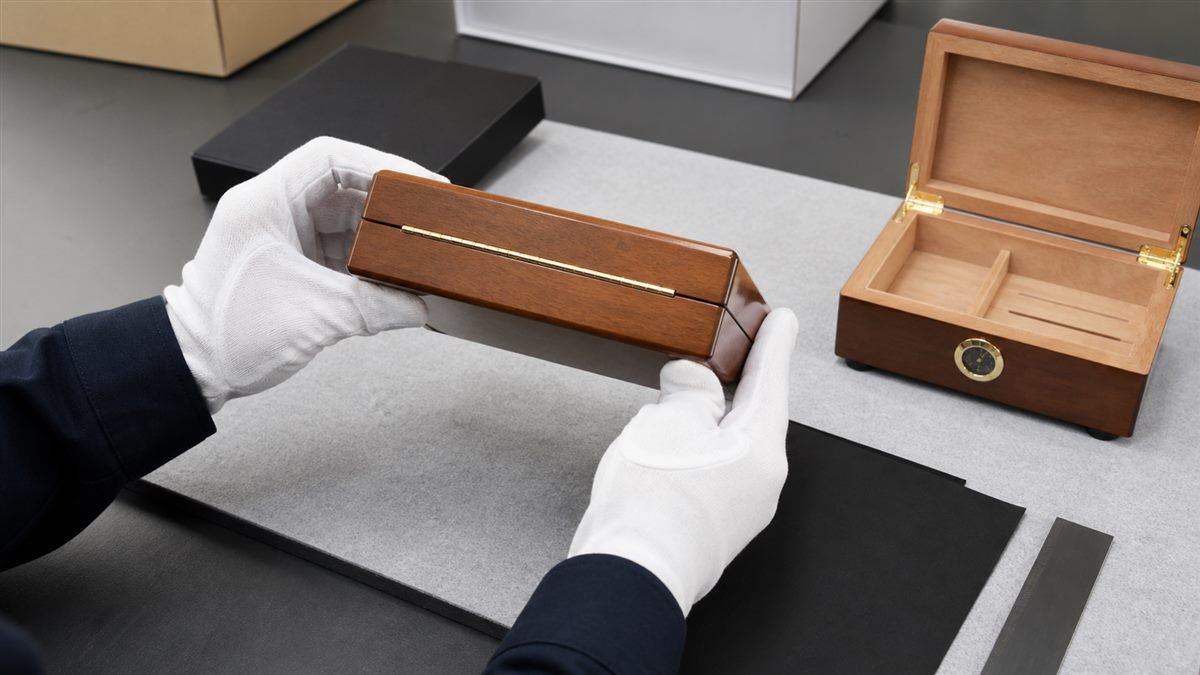
Review the full specification together
Check the approved materials, dimensions, interior position, surface appearance, and hardware or closure details where used. Record open questions instead of relying on memory or informal feedback.
Use the approved sample as the reference
King Tai’s quality approach uses the approved pre-production sample as an important reference for mass-production consistency. It does not support an absolute guarantee of identical units.
Key Takeaway: Do not approve a sample until it confirms both the visual presentation and the working structure.
What Should You Ask a Supplier Before Ordering?
You should ask questions that turn the desired humidor into a manufacturable brief. Clear answers reduce misunderstandings about capacity, materials, finishes, inserts, and the sample-review process.
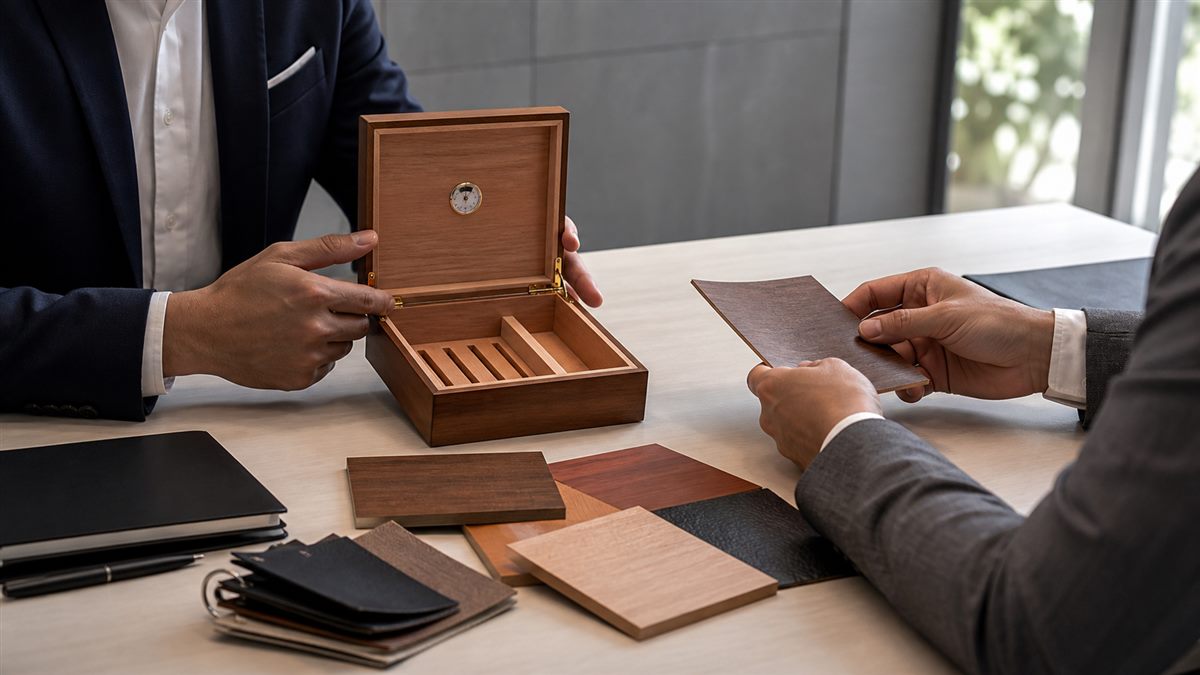
Build a decision-focused inquiry
For broader custom-project support, review King Tai’s custom packaging services, then prepare the core information below.
- Cigar dimensions and planned quantity
- Desktop, travel, gifting, or retail use
- Preferred structure and material direction
- Branding and finish requirements
- Interior positioning and sample checkpoints
MOQ, sampling time, production lead time, and final pricing depend on the confirmed specification and require project-specific confirmation.
Key Takeaway: A complete brief is the most practical way to receive a useful supplier response.
FAQ
What size small cigar humidor box should I choose?
Choose a size based on the cigars you actually plan to store, their dimensions, and the humidity-control components you will use. Confirm the interior layout instead of relying only on a capacity label.
Is a small humidor suitable for beginners?
It can be suitable when the user understands the storage and maintenance requirements. A smaller format may be easier to place and manage, but it still needs a suitable humidity-control plan.
Can a cigar humidor box be customized for a brand?
Yes, a custom project can consider dimensions, structure, materials, printing, surface finishing, and inserts. The appropriate options should be confirmed against the final project brief.
A small cigar humidor box should fit the collection, location, and desired presentation before any decorative feature is selected. For a custom B2B project, King Tai can help develop packaging from structural design and material selection through printing, finishing, assembly, quality inspection, and logistics support. To discuss your requirements, contact our team.