
Cigar box packaging design works best when you turn the brand idea, product details, and sales context into a brief that can be tested in a sample. A concept can look convincing on a screen yet leave unanswered questions about the opening sequence, interior organization, panel hierarchy, or final review. This guide shows how to make those decisions in a practical order.
What Should a Cigar Box Design Brief Define First?
Start by defining what the packaging must achieve for this particular cigar line, not by choosing a finish or box style first. Record the product format, intended buyer, channel, launch context, and the experience the pack should create. The Custom Cigar Boxes page provides related project context, while the actual requirements still need to be confirmed for each order.
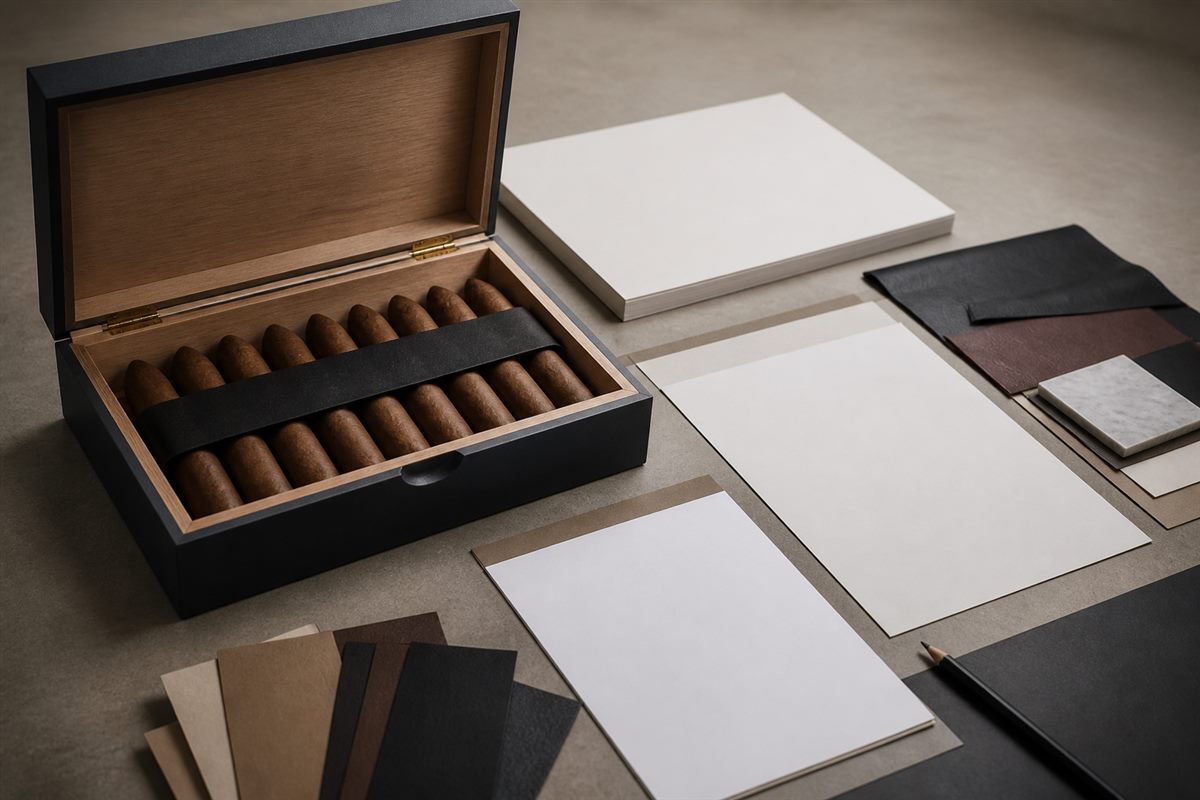
A useful brief makes the next discussion more specific. It tells the team what is fixed, what needs a decision, and what must be shown in a physical sample.
Separate confirmed inputs from open questions
Do not hide uncertainty inside a polished concept. Confirmed inputs give the design a stable base, while open questions identify what the team must compare or test before approval.
- Product dimensions, orientation, and intended pack count
- Brand positioning and primary sales channel
- Artwork status and required information
- Target presentation and handling experience
- Questions that require sample review
How Should Brand Positioning Shape the Box Concept?
Brand positioning should set the design criteria for the box concept. A collector-focused release, a retail line, and a gift-led project may all need different signals, even when the cigars are similar.
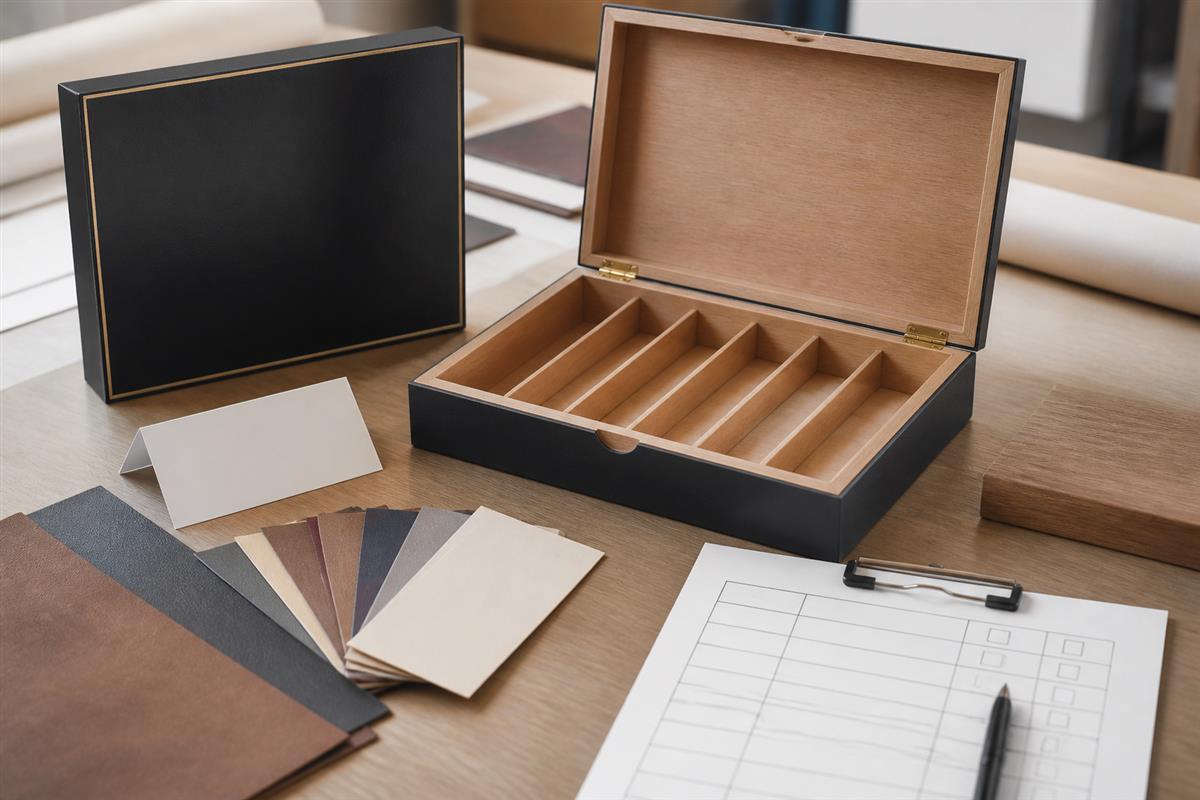
Choose a small number of cues that should remain consistent across the pack: tone, recognition, the role of the brand mark, and the relationship between the exterior and the opening experience. This makes later choices easier to judge because each detail must support the same direction.
Which Product and Channel Inputs Affect the Design?
Product and channel inputs affect the design because they determine how the pack is held, opened, displayed, and reviewed. Capture these facts before the structural direction is assumed. The Cigar Packaging Solutions page explains why packaging decisions need to balance presentation with practical project inputs.
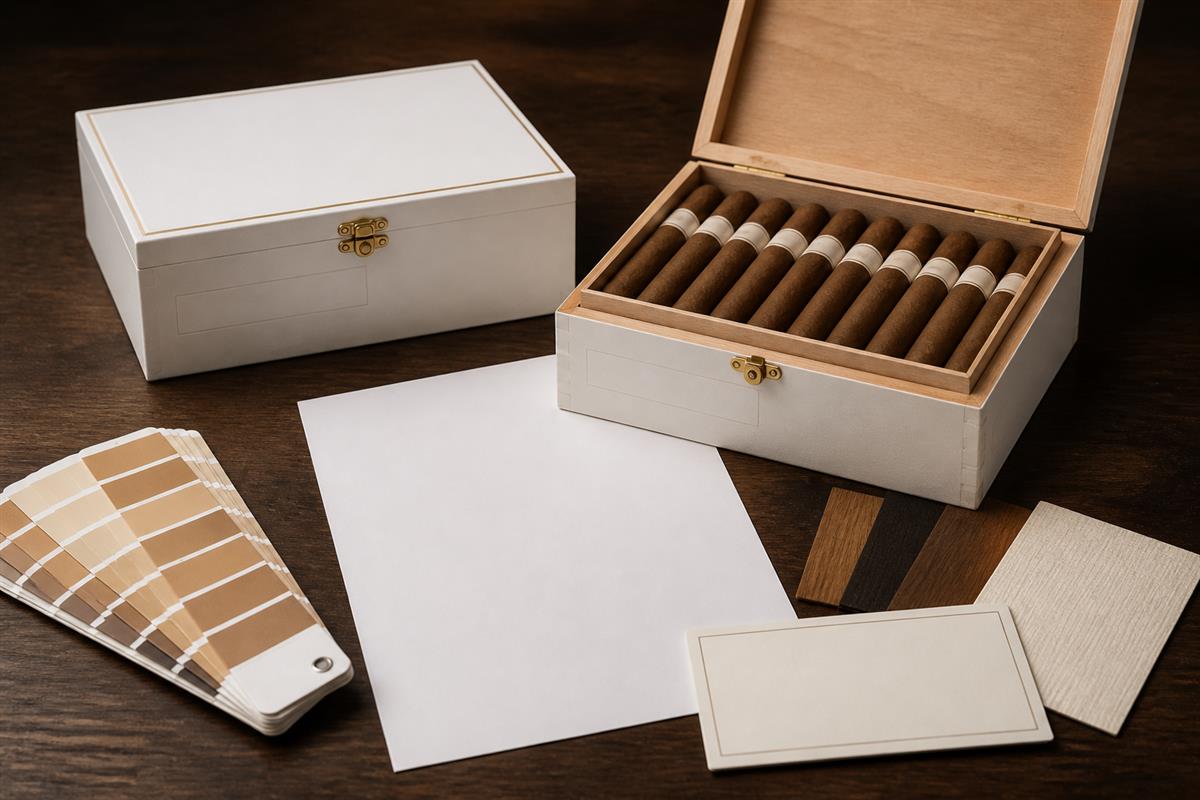
Inputs to record before structure is drawn
Use the real product or an agreed representative item whenever possible. That keeps the design discussion tied to an actual handling sequence rather than an abstract box shape.
- Product length, diameter, count, and intended orientation
- Retail, gifting, distribution, or promotional context
- How the product should be accessed and presented
- Whether related components need to be organized together
- Which surfaces will be seen before and after opening
How Do You Choose a Format Without Chasing Trends?
Choose a format by the job it must do: hold the product in the intended arrangement, create the expected opening sequence, support the presentation, and remain practical to review. A fashionable reference can inspire a conversation, but it is not proof that the same direction fits your product or channel.
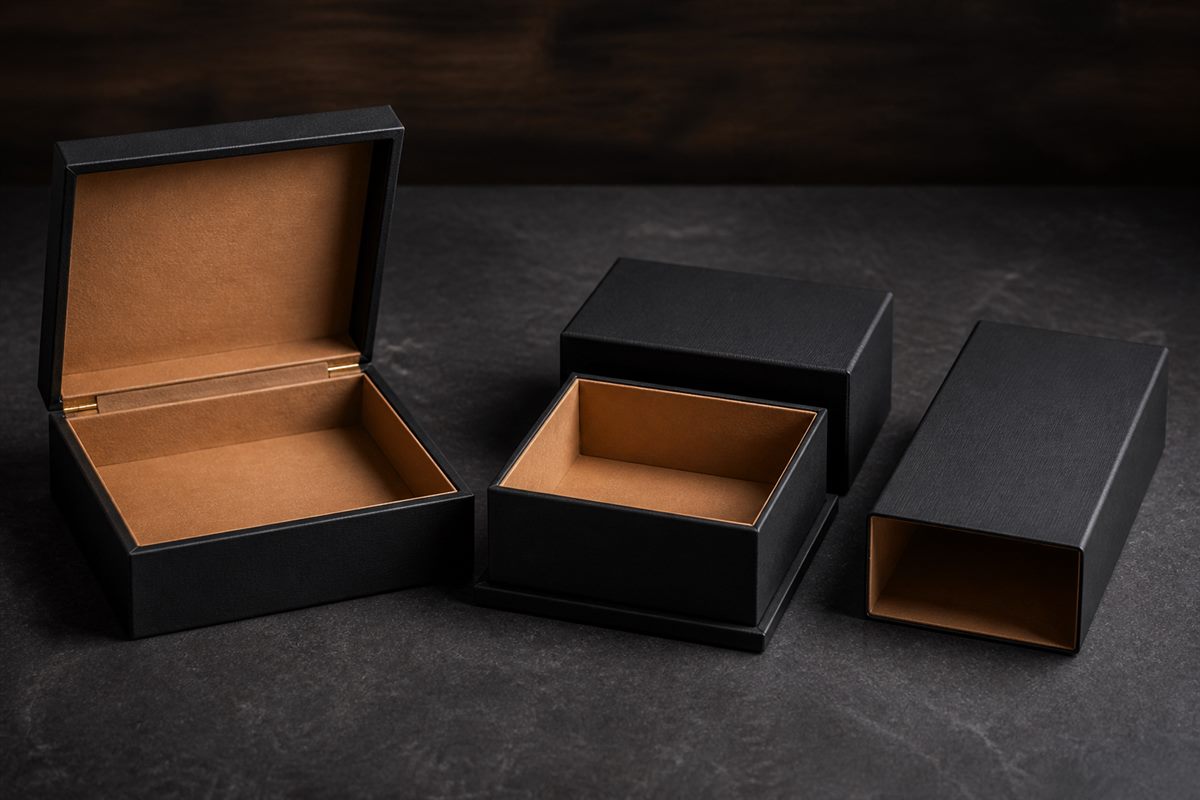
Compare formats by the job they must do
Ask the same questions of every proposed direction. This shifts the conversation from personal preference to whether the format helps the customer understand, access, and handle the product as intended.
- Does the opening sequence suit the desired experience?
- Can the interior keep the product organized during normal handling?
- Which panels carry the most important brand information?
- Can the pack be reviewed clearly in a physical sample?
What Should the Exterior Communicate at First Glance?
The exterior should give a viewer a clear order for recognizing the brand, line, and product cue. If every element competes at the same level, the pack can feel busy even when each individual element is attractive.
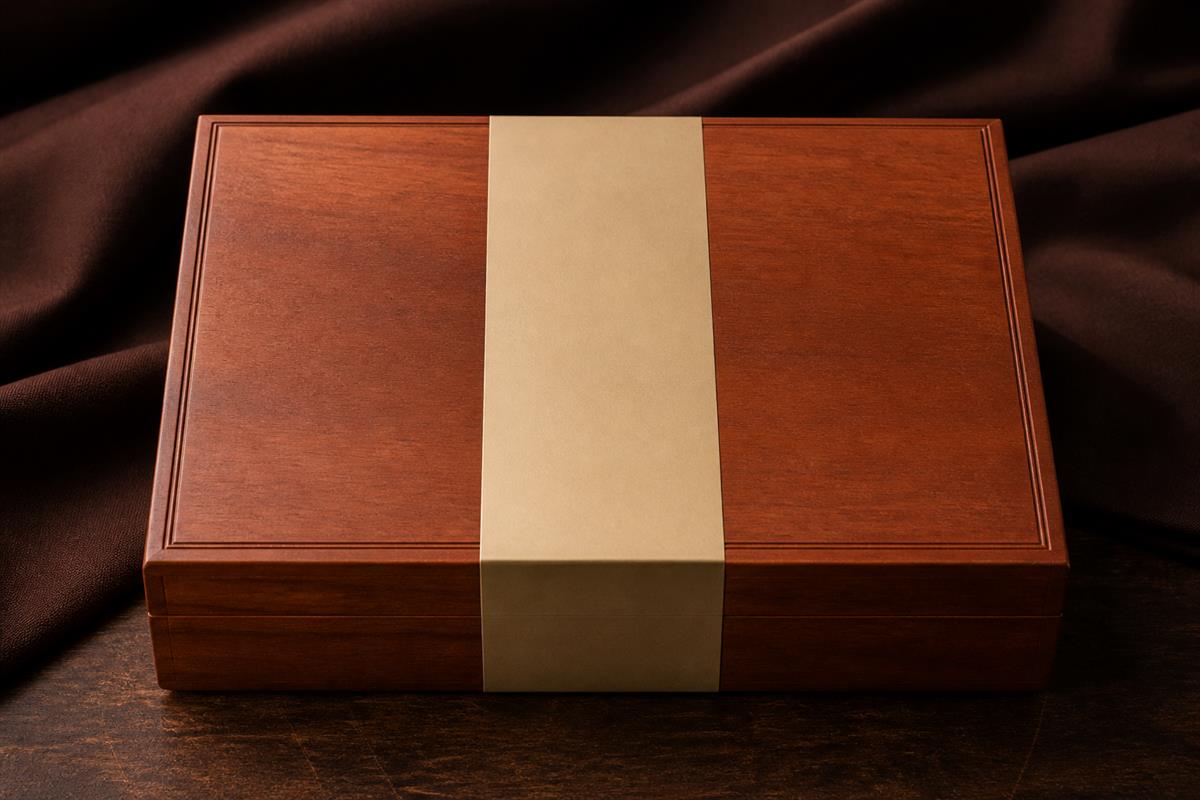
Set a hierarchy before artwork is finalized. Decide what the viewer should notice first, what confirms the line or variant, and what can sit on secondary panels. The cigar box case study can offer contextual inspiration, but it is not a transferable specification for another project.
Build a clear information hierarchy
Map the hierarchy across the actual panels, not just a front-facing artwork view. This helps reviewers see whether the message stays coherent as the box is picked up and opened.
- Primary brand recognition
- Line, blend, or product identifier supplied by the brand
- Supporting visual device or story element
- Information that belongs on secondary surfaces
How Should the Interior Support Presentation and Handling?
The interior should support the intended presentation and handling sequence once the box is opened. Review how the product sits, how it is accessed, what components remain visible, and whether the arrangement feels orderly in the real interaction.
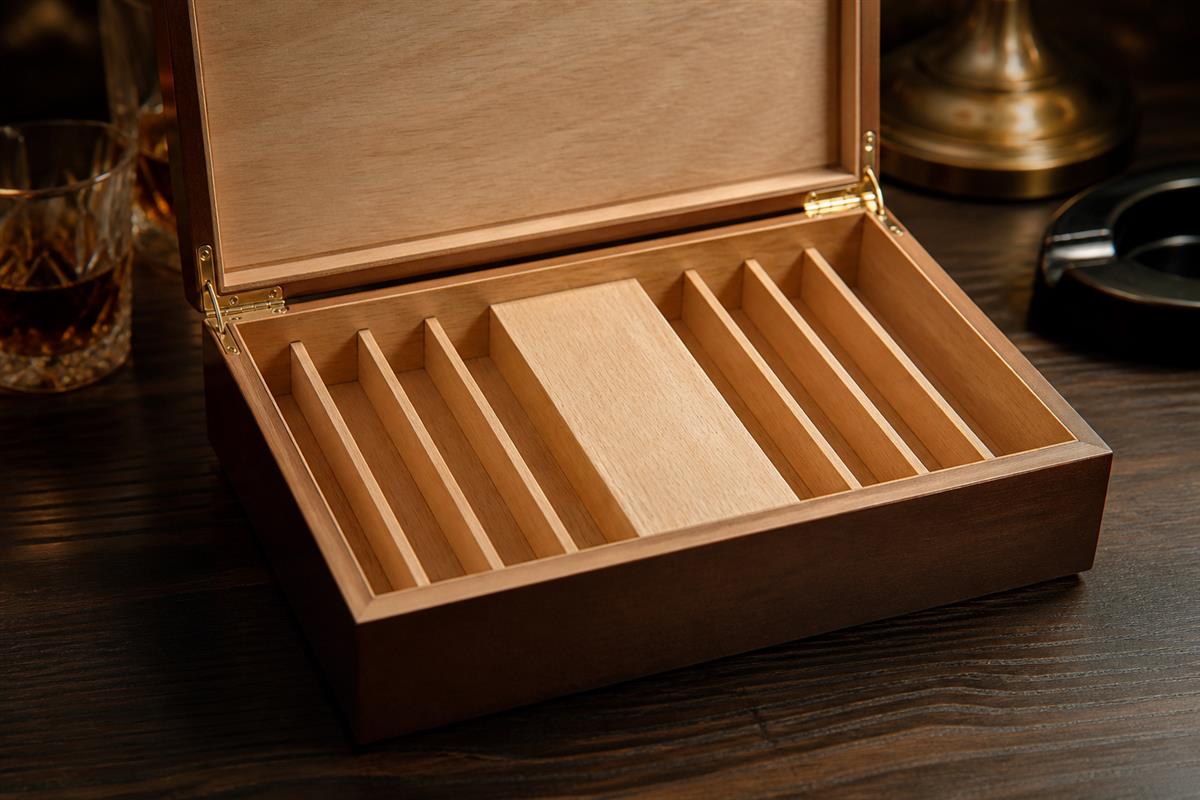
King Tai can support custom insert requirements, but the appropriate interior direction depends on the final product, structure, material, and project requirements. Use the sample stage to confirm the fit and presentation rather than assuming a named material or arrangement will suit every project.
Which Material and Finish Decisions Need Early Review?
Material and finish choices should be set as a review direction early, because they influence the visual tone, artwork interaction, and perceived character of the pack. They should not be presented as fixed technical specifications before the project is fully confirmed.
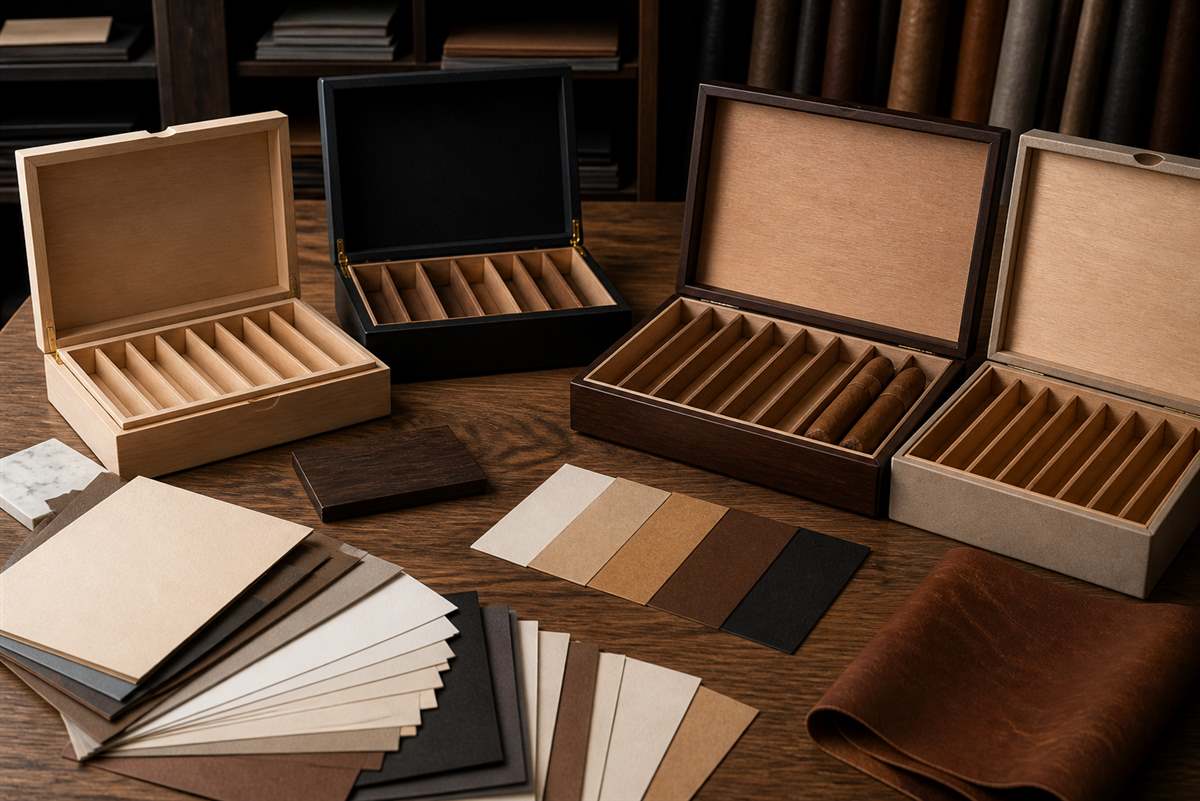
King Tai confirms paper-selection support and capabilities including hot stamping, spot UV, and embossing where appropriate to a project. For broader context on a custom project, see Custom Packaging Solutions; final feasibility remains subject to the selected structure and specification.
Review direction, not unsupported specifications
Describe what the team wants to evaluate in the sample: visual depth, surface contrast, logo emphasis, and how the artwork reads on the finished form. This is more useful than treating an early reference as a production promise.
- Intended visual tone and tactile impression
- Relationship between surface treatment and artwork
- Which areas require emphasis or restraint
- Questions to compare in the approved sample
How Can Artwork Work With the Structure?
Artwork works with the structure when the design is reviewed across the panels, folds, openings, and visible surfaces of the finished pack. A flat layout may look balanced while the assembled package gives the message a different reading order.
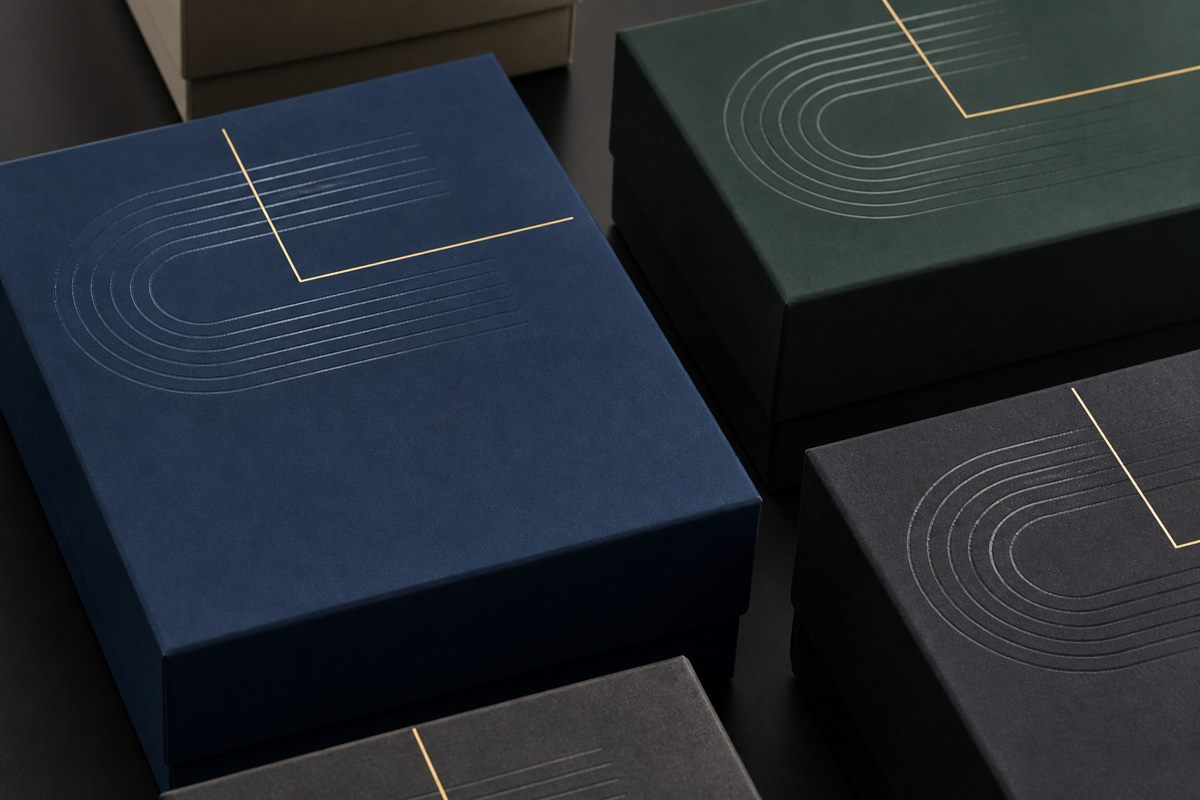
Review artwork on the actual panel sequence
Use a panel map and the sample to review what a customer sees first, what appears during opening, and where secondary information belongs. The review should include the relationship between artwork and structural lines, not only the artwork file itself.
- Brand-mark placement and clear space
- Reading order across visible panels
- Artwork near edges, seams, or opening lines
- Consistency between exterior and interior details
What Should You Check in a Physical Sample?
A physical sample is where the team can assess the design as an actual package rather than a proposed image. Review the product arrangement, opening feel, visible panels, artwork hierarchy, and the decisions that still need confirmation.
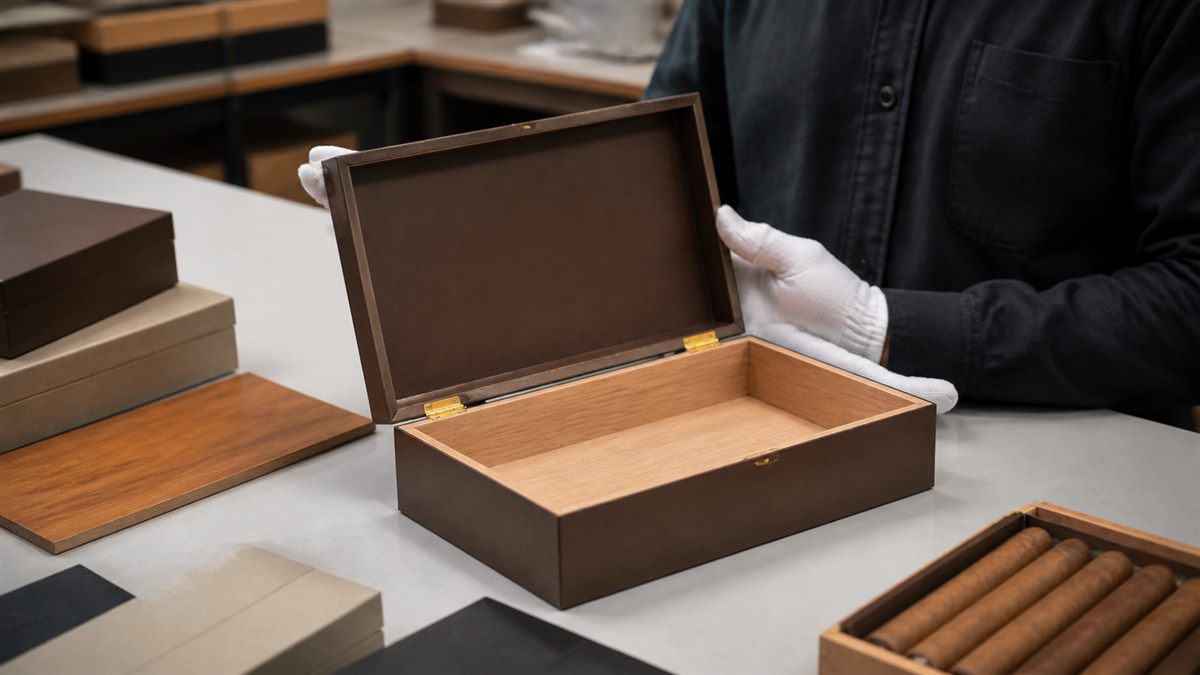
Run one shared sample-review checklist
Bring the original brief to the review and ask brand, product, and purchasing stakeholders to use the same criteria. The approved sample should be the reference for mass-production consistency, while normal manufacturing variation must still be managed through the final specification and inspection process.
- Product orientation, access, and interior organization
- Opening sequence and perceived proportions
- Artwork hierarchy and visible panel order
- Material and finish direction against the intended concept
- Open questions, owners, and required revisions
What Belongs in a Production-Ready Cigar Box Brief?
A production-ready cigar box brief brings the confirmed design decisions into one reviewable record. It should state the product inputs, structural intent, artwork status, visual direction, sample criteria, and the questions that remain open.
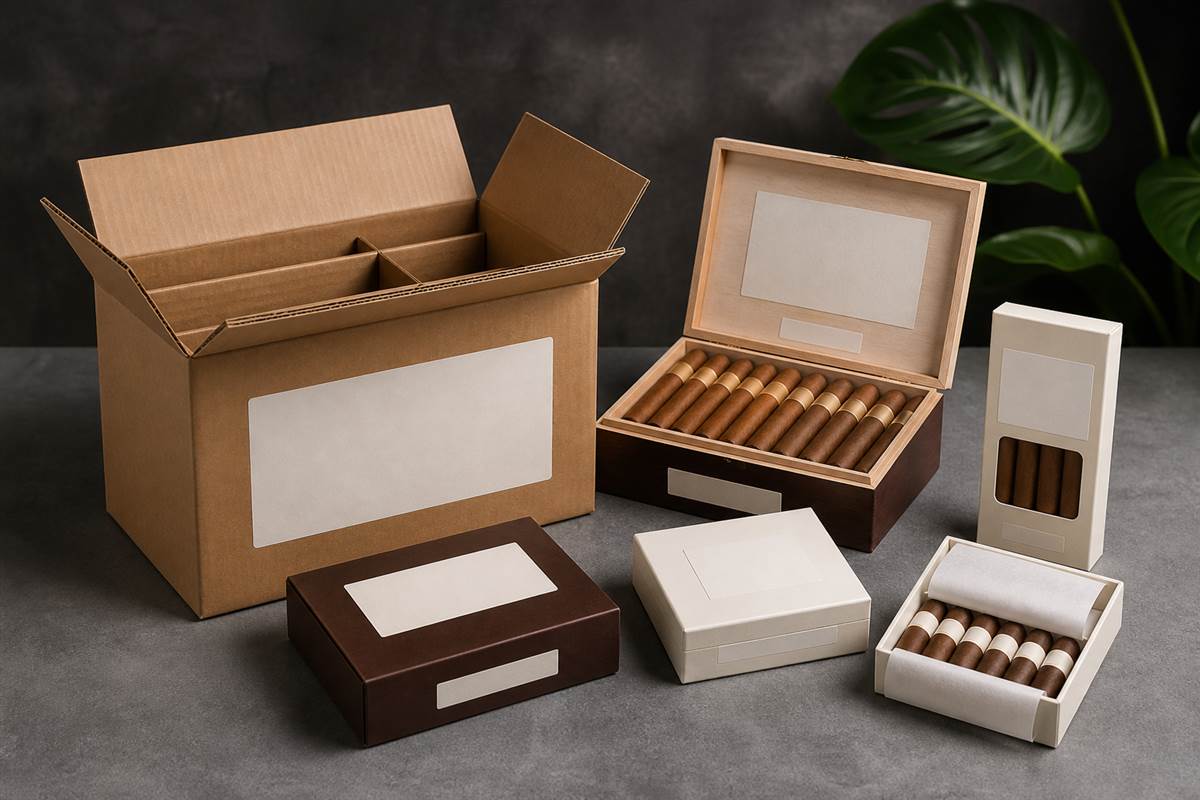
Make open decisions visible
A strong brief does not pretend that every detail is complete. Instead, it separates what the team has approved from what must be resolved through the final specification, quotation, sample, or artwork review.
- Confirmed product and channel inputs
- Proposed structural and interior direction
- Artwork files, panel priorities, and brand rules
- Material and finish review direction
- Sample checks and named approval responsibilities
A thoughtful cigar box packaging design process turns a brand idea into a sequence of decisions that can be reviewed: the product inputs, format, exterior hierarchy, interior presentation, artwork, and physical sample. That gives every stakeholder a clearer basis for deciding what is ready and what still needs confirmation.
King Tai can discuss confirmed requirements for a custom cigar packaging project, from structural development and material selection through printing, finishing, assembly, custom inserts, quality inspection, and logistics. To move a defined brief into the next review, discuss your cigar packaging project with the team.
FAQ
Should a cigar box concept start with a format or a visual style?
Start with the product, brand role, channel, and intended customer experience. Those inputs give the team a basis for choosing a format and visual direction together.
Can a digital mock-up replace a physical sample?
A digital mock-up can help review artwork and direction, but a physical sample is the better point for checking the assembled package, opening sequence, product arrangement, and visible panels.
What should a team bring to the first packaging discussion?
Bring the product dimensions and orientation, pack count, target channel, artwork status, relevant reference images, intended presentation, and the decisions that still need confirmation.
When should material and finish choices be finalized?
Set the intended direction early, then confirm suitability through the final project specification and sample review.