
The cigar box is the artistic and functional predecessor to the humidor, serving as the primary vessel for protecting tobacco long before specialized humidity cabinets existed. You may spend hundreds of dollars on premium cigars only to find them drying out in basic retail packaging. Nothing ruins a relaxing evening like a brittle wrapper that cracks the moment you touch it. Understanding what are cigar boxes made of allows you to choose packaging that preserves flavor, controls moisture, and elevates your brand’s prestige.
How did the 1860s change what are cigar boxes made of?
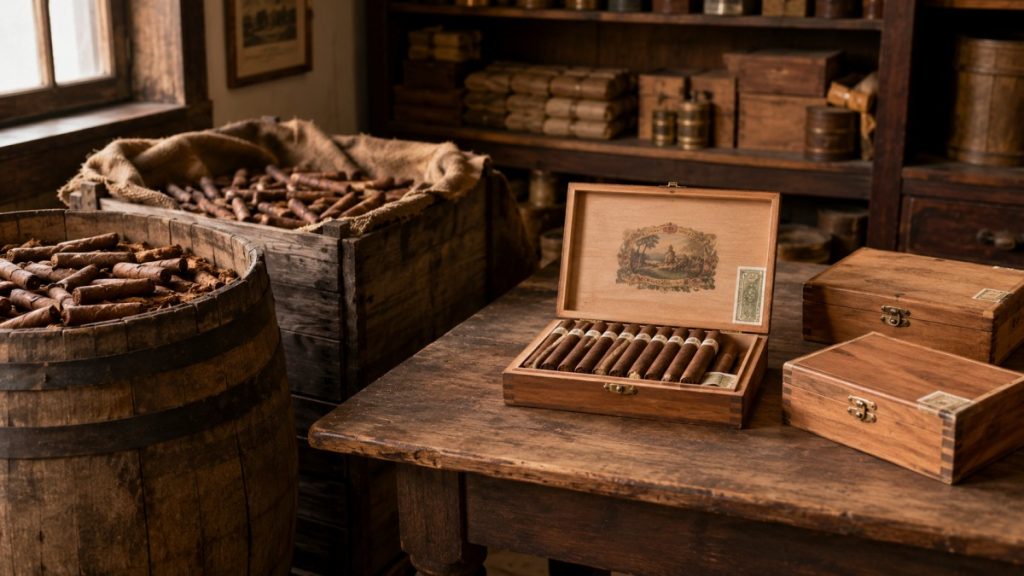
In the mid-19th century, what are cigar boxes made of shifted from massive bulk barrels to smaller, portable wooden units due to new federal tax laws. Prior to the Revenue Act of 1864, cigars arrived in massive crates containing thousands of sticks. This change was not just about logistics but about government control and revenue collection.
The update forced manufacturers to use boxes of 25, 50, or 100, which accidentally created the world’s most effective miniature billboards. You might say that taxation birthed the modern era of tobacco branding. These smaller containers allowed for intricate labeling that simply wasn’t possible on a 55-gallon drum.
Why did Uncle Sam mandate smaller boxes?
You might be wondering why the government cared about the size of a wooden box. Here is the kicker: it was all about the ease of inspection and stamping. Large crates were too difficult to verify, leading to massive tax evasion during the Civil War era.
- Smaller counts allowed for faster inspection.
- Stamping individual boxes guaranteed tax payment.
- Standardized sizes simplified warehouse inventory.
- Retailers could display products more easily.
How Did H. Upmann Influence Early Cigar Box Packaging?
The story of H. Upmann shows how cigar boxes began to serve a purpose beyond simple storage.
Before small wooden cigar boxes became a legal standard, Hermann Dietrich Upmann reportedly used cedar-lined boxes to present cigars to banking clients. These boxes were practical, protective, and easier to brand — helping shape the way premium cigars would later be packaged and presented.
- Cedar provided a natural, premium scent.
- The small size felt like a personal gift.
- Branding on the lid acted as a business card.
- The box protected the cigars during sea travel.
Key Takeaway: The shift to small-count boxes was a government-mandated change that inadvertently revolutionized cigar marketing and branding for the next century.
| Era | Primary Container | Packaging Material | Purpose | |
|---|---|---|---|---|
| Pre-1860 | Large Barrels | Oak / Generic Wood | Bulk Logistics | |
| Post-1864 | Small Boxes | Spanish Cedar | Taxation & Branding |
The transition from bulk storage to individual boxes allowed for the first real explosion of artistic cigar labeling.
In a modern world, what are cigar boxes made of?
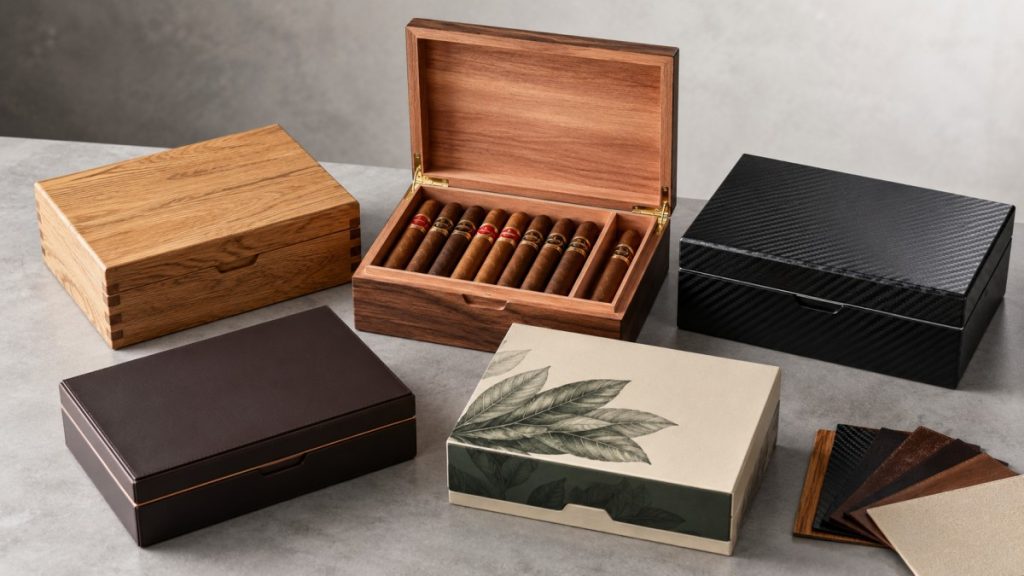
Today, what are cigar boxes made of includes a diverse mix of materials ranging from traditional solid wood to modern rigid paperboard and synthetic polymers. While heritage brands still cling to wood, boutique manufacturers are experimenting with materials that offer unique visual impacts. You have more choices now than at any other time in tobacco history.
These modern materials allow for lower shipping weights and more complex shapes. While the core function remains protection, the aesthetic options have expanded significantly. You can now find boxes that look like carbon fiber or high-tech plastic.
Are synthetics replacing traditional wood?
But wait, there’s more to the story than just cost-cutting measures. Here is the kicker: some synthetic materials actually provide a more consistent air-tight seal than natural wood.
- Acetate composites offer high durability.
- Carbon fiber provides a modern, luxury vibe.
- High-density polymers resist environmental changes.
- Molded plastics allow for unique ergonomic shapes.
Is heavy paperboard a viable option?
You might be wondering if a paper box can truly protect a premium cigar. The answer is a resounding yes, provided the paperboard is of a high enough density and thickness.
- Rigid paperboard is cost-effective for daily bundles.
- It provides a smooth surface for detailed lithography.
- Lined interiors can still feature Spanish Cedar.
- It is much lighter for international shipping.
Key Takeaway: Modern packaging uses a blend of natural and synthetic materials to balance the traditional feel of tobacco with the needs of a global supply chain.
| Material | Perceived Value | Durability | Best Use Case | |
|---|---|---|---|---|
| Solid Wood | Ultra-Premium | High | Aging / Gifts | |
| Paperboard | Economic | Medium | Daily Smokes | |
| Synthetics | Modern / Luxury | Very High | Limited Editions |
The variety of modern materials ensures that every brand can find a packaging solution that fits its specific price point and market goal.
Why does Spanish Cedar define what are cigar boxes made of?
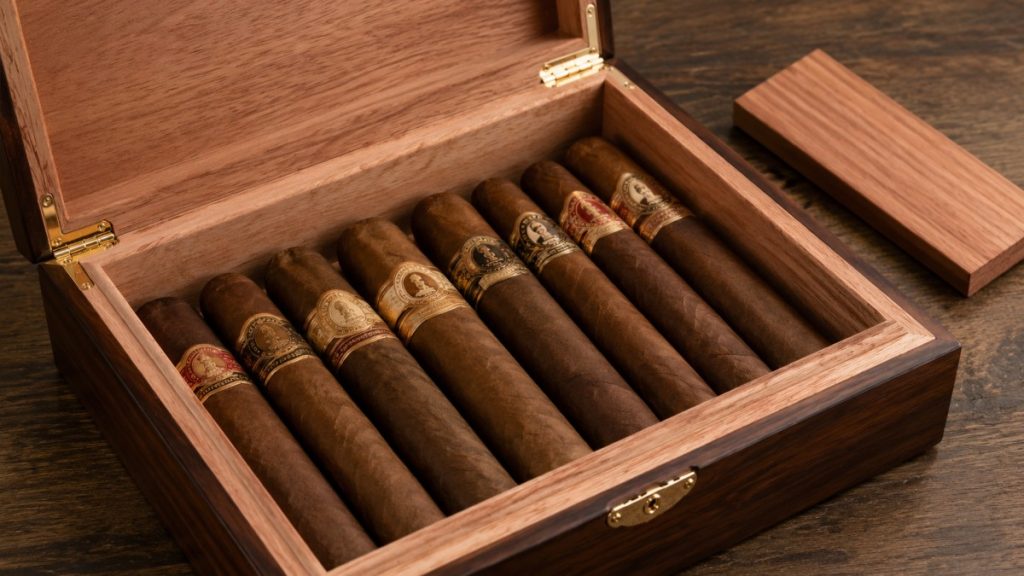
Spanish Cedar remains the gold standard for what are cigar boxes made of because its porous nature and unique scent provide the perfect micro-climate for tobacco. It is technically a hardwood, not a soft cedar, which gives it superior structural strength. You will notice that almost every high-end humidor uses this material for a reason.
This wood interacts with the cigars, enhancing their natural fermentation process. It isn’t just about looks; it’s about chemistry. The oils in the wood prevent the tobacco from losing its essential flavors over time.
Is it actually a true cedar?
You might be wondering if the name is a bit misleading. In a nutshell, Spanish Cedar is actually related to Mahogany and is not a member of the true cedar family.
- It originated in Central and South America.
- The grain is fine and resists warping.
- It handles high humidity without rotting.
- The wood is naturally resistant to pests.
How does it fight off cigar beetles?
But wait, there’s more to this wood than just a pleasant smell. Here is the kicker: the natural resins in Spanish Cedar act as a repellent for the dreaded tobacco beetle.
- Natural oils discourage larvae from hatching.
- The scent masks the smell of the tobacco.
- It creates a hostile environment for pests.
- It protects your investment from being ruined.
Key Takeaway: Spanish Cedar is the essential ingredient for long-term cigar preservation due to its unique ability to regulate moisture and repel harmful insects.
| Feature | Tobacco Benefit | Storage Benefit | |
|---|---|---|---|
| Porous Texture | Regulates Humidity | Prevents Mold | |
| Aromatic Resins | Enhances Flavor | Repels Beetles |
No other material provides the same combination of sensory enhancement and biological protection as genuine Spanish Cedar.
Which premium hardwoods dictate what are cigar boxes made of?
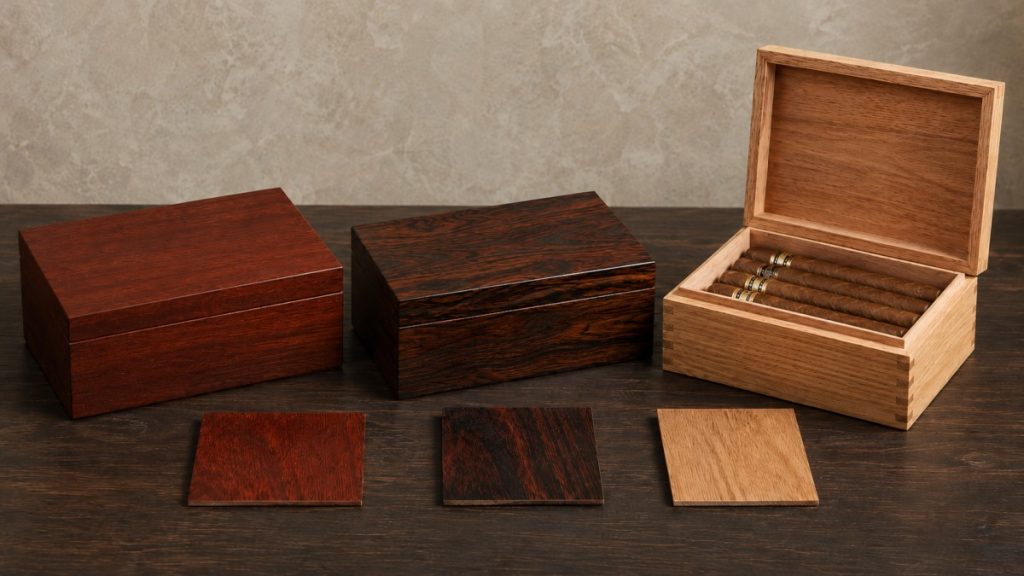
High-end luxury brands often choose Mahogany, Rosewood, or White Oak when deciding what are cigar boxes made of for their flagship limited releases. These hardwoods are typically used for the exterior shell to provide weight and a high-polish finish. You can feel the quality the moment you pick up a box made from these materials.
Using these woods signals to you that the contents are rare and expensive. They turn a simple container into a piece of furniture that looks beautiful on a desk or mantle. The grain patterns are often the main selling point.
Do exotic woods improve the flavor?
You might be wondering if these fancy exteriors actually help the cigars inside. Here is the kicker: while the exterior provides beauty, the flavor is still primarily managed by the cedar lining.
- Mahogany provides a classic, reddish-brown look.
- White Oak offers a rugged, artisanal aesthetic.
- Rosewood features dark, exotic streaks and swirls.
- Hardwoods take lacquer and stains much better.
Why is Mahogany so popular for boxes?
In a nutshell, Mahogany is chosen for its stability and the way it complements the branding of historic Cuban labels.
- It is highly resistant to shrinking or swelling.
- The fine grain allows for precise joinery.
- It provides a heavy, substantial feel in the hand.
- It ages beautifully, darkening over several decades.
Key Takeaway: Premium hardwoods are used to elevate the perceived value of a brand, creating a collectible item that persists long after the cigars are gone.
| Wood Type | Visual Aesthetic | Brand Vibe | |
|---|---|---|---|
| Mahogany | Sophisticated | Heritage / Classic | |
| Rosewood | Exotic | Luxury / Boutique | |
| White Oak | Natural | Rugged / Artisanal |
By selecting specific hardwoods, manufacturers can target different demographics and justify a higher retail price for the cigars inside.
How do different designs affect what are cigar boxes made of?
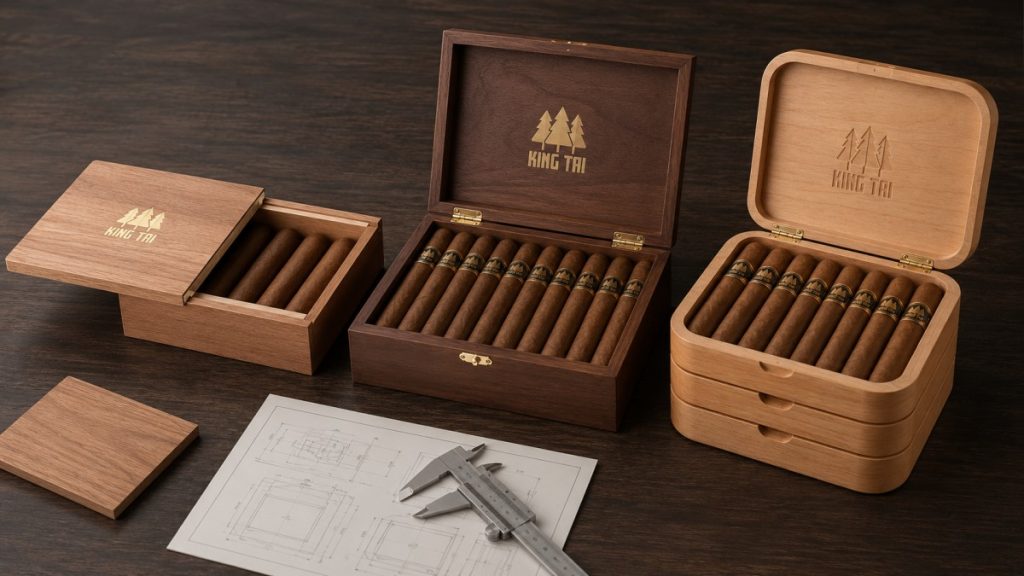
The physical architecture, such as slide-lids or 8-9-8 stacking, determines what are cigar boxes made of to ensure structural integrity across different weights. A slide-lid cabinet requires thinner, more flexible wood panels than a heavy hinged box. You must match the material thickness to the opening mechanism to prevent snapping or sticking.
Each design offers a different “opening experience” for the consumer. Some are built for quick access, while others are designed for the slow ritual of choosing a smoke. The design also dictates how many cigars can safely be stacked.
What is a slide-lid cabinet box?
You might be wondering why some boxes don’t have hinges at all. Here is the kicker: slide-lid cabinets are the preferred choice for those who plan on aging their cigars for many years.
- Thinner wood allows the box to “breathe” better.
- No metal hardware means no risk of rust.
- Sliding action is satisfying and smooth.
- Ideal for larger ring gauges and high counts.
What does an 8-9-8 stacking mean?
But wait, there’s more to box design than just the lid. You might be wondering about the odd stacking patterns found in some premium releases.
- Layered stacking prevents the cigars from being crushed.
- It uses 8 on top, 9 in middle, and 8 on bottom.
- Requires rounded sides to accommodate the layout.
- Provides a stunning visual when the box is opened.
Key Takeaway: Box design is a functional choice that determines the thickness of the materials and the long-term aging potential of the cigars.
| Design | Opening Style | Best For | |
|---|---|---|---|
| Slide-Lid | Sliding Wood | Long-term Aging | |
| Hinge-Lid | Flip Top | Retail Display | |
| 8-9-8 | Layered Stack | Premium Presentation |
The architectural choice you make defines the user’s interaction with the product and the stability of the tobacco inside.
Can the way labels look change what are cigar boxes made of?
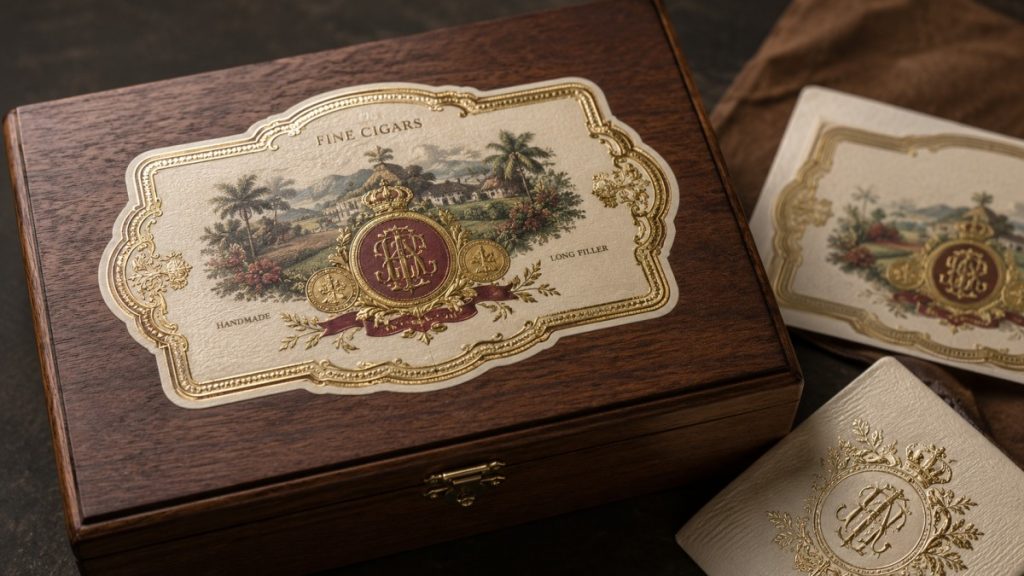
When you consider what are cigar boxes made of, you must include the high-quality lithography and embossed paper that turn a wooden shell into a brand billboard. Labels are often printed on heavy, textured paper to hide any imperfections in the underlying wood. You will often see gold foil and vibrant colors used to draw your eye in a crowded humidor.
Labels aren’t just stickers; they are pieces of art that represent the heritage of the family. They often feature historical figures, tropical landscapes, and intricate borders. The quality of the paper tells you a lot about the quality of the tobacco.
How does gold foil add value?
You might be wondering if shiny labels are just for show. In a nutshell, gold foil stamping is a signal of high-end manufacturing and meticulous attention to detail.
- It creates a 3D effect that feels premium to the touch.
- Gold reflects light and catches the consumer’s eye.
- It resists fading better than standard ink.
- Embossing adds a tactile layer to the experience.
Why is lithography still the standard?
But wait, there’s more to printing than just modern digital methods. You might be wondering why traditional lithography is still favored by the biggest names in the business.
- It produces richer, deeper colors than digital.
- The process allows for very fine line work.
- It gives the box a timeless, antique feel.
- Multiple layers of ink create a unique texture.
Key Takeaway: The labels and paper components are just as critical as the wood in defining the box’s identity and retail success.
| Element | Technique | Visual Effect | |
|---|---|---|---|
| Main Logo | Lithography | Deep Color / Detail | |
| Borders | Gold Foil | Luxury / Shine | |
| Textures | Embossing | Tactile / 3D |
Detailed artwork can often make a box made of simpler materials appear much more expensive than it actually is.
Does a good seal depend on what are cigar boxes made of?
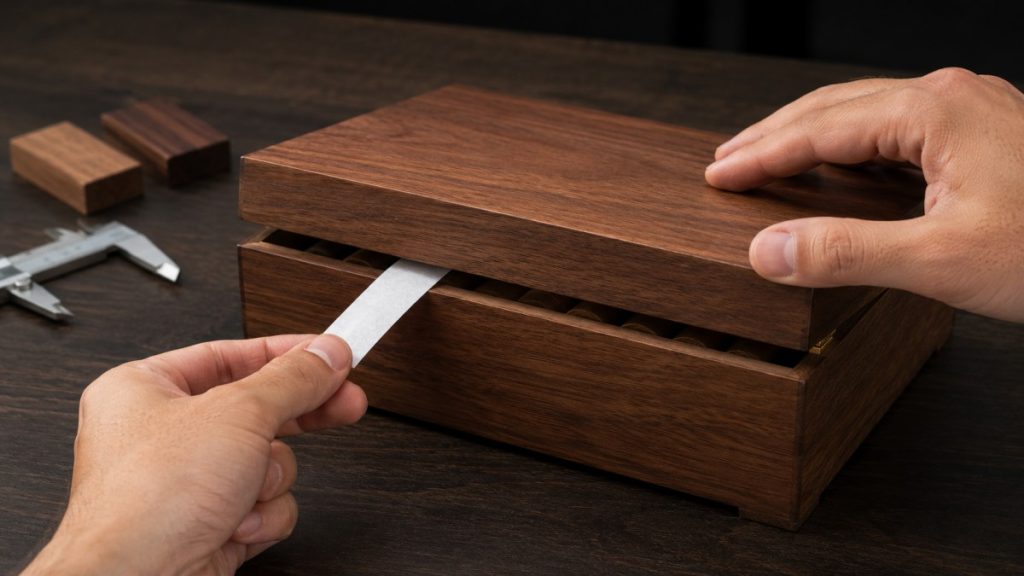
A tight, air-excluding seal is heavily influenced by what are cigar boxes made of and the precision of the joinery during the final assembly. If the wood is too soft or poorly cut, the lid will wobble and let humidity escape. You want a box that makes a satisfying “whoosh” sound when it closes shut.
While a cigar box isn’t a permanent humidor, a good seal allows it to maintain freshness for several weeks. This is vital for the retail environment where cigars might sit on a shelf for a month. The thickness of the wood walls directly impacts this seal.
How do you test a box’s seal?
You might be wondering how to tell if a box is truly well-made. Here is the kicker: the “dollar bill test” is the most reliable way to check for air leaks.
- Close the lid on a piece of paper.
- Try to pull the paper out with the lid shut.
- If there is resistance, the seal is good.
- If it slides out easily, the wood is warped.
Does the hinge material matter?
But wait, there’s more to a seal than just the wood. You might be wondering how the hardware affects the longevity of the box’s closure.
- Brass hinges resist corrosion from humidity.
- Quad-hinges provide more stability for heavy lids.
- Paper hinges are prone to tearing over time.
- Alignment must be perfect to ensure a flush fit.
Key Takeaway: A functional seal is the primary job of a cigar box, and it requires high-quality materials and expert craftsmanship to achieve.
| Component | Importance | Common Material | |
|---|---|---|---|
| Lid Seal | 10/10 | Spanish Cedar Lips | |
| Hinges | 8/10 | Brass / Metal | |
| Wall Thickness | 7/10 | Solid Hardwood |
Without a proper seal, the finest wood and most beautiful labels cannot save your cigars from drying out and losing flavor.
How does the factory process impact what are cigar boxes made of?
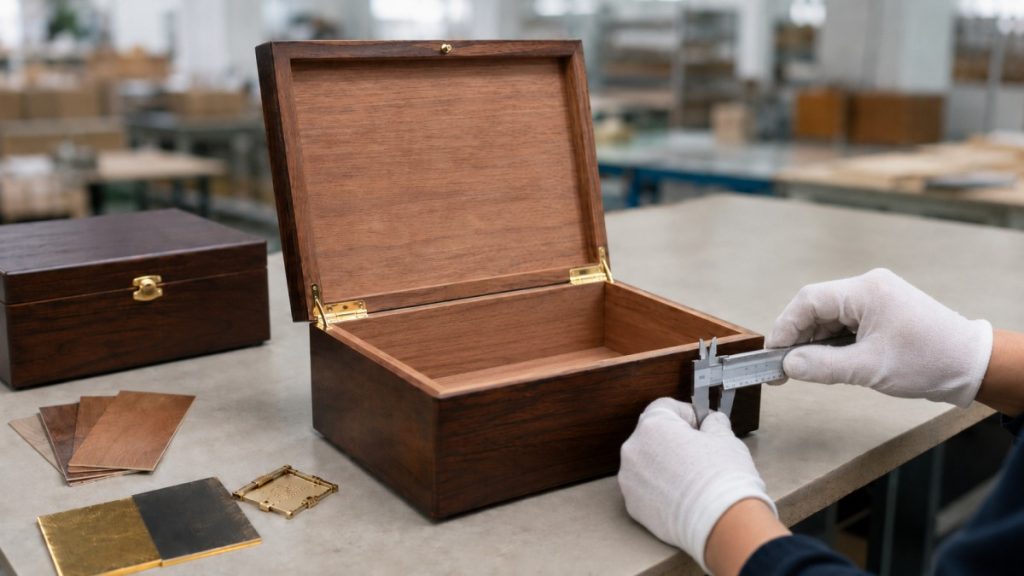
The manufacturing workflow dictates what are cigar boxes made of by requiring specific thickness and grade consistency to survive mass production. High-end facilities use precision saws and sanding machines to ensure every box in a run of 10,000 is identical. You need a partner who understands the nuances of wood moisture content before the building begins.
If the wood is too wet when it is cut, it will shrink and warp once it reaches the consumer. This leads to broken seals and cracked labels. The factory process must include a “seasoning” period for the raw lumber.
Why is sampling so important?
You might be wondering why you shouldn’t just go straight to bulk production. In a nutshell, a sample allows you to verify the weight, the feel, and the branding before committing your budget.
- Check the hinge action for smoothness.
- Verify that the colors match your brand guide.
- Feel the texture of the wood finish.
- Test the fit of the cigars inside the tray.
How is quality control handled?
But wait, there’s more to the factory floor than just cutting wood. You might be wondering how a manufacturer ensures that every box is perfect.
- Visual inspection of every finished lid.
- Testing the moisture levels of the lumber.
- Checking for glue spots or paper tears.
- Ensuring the hardware is centered and secure.
Key Takeaway: Successful cigar box production relies on a controlled factory environment where material quality is verified at every step of the process.
| Stage | Action | Critical Metric | |
|---|---|---|---|
| Sourcing | Lumber Selection | Moisture Content | |
| Assembly | Joinery & Gluing | Alignment | |
| Finishing | Sanding & Lacquer | Surface Smoothness |
The transition from a raw block of wood to a finished luxury item requires a series of highly coordinated manufacturing steps.
Why does location matter for what are cigar boxes made of?
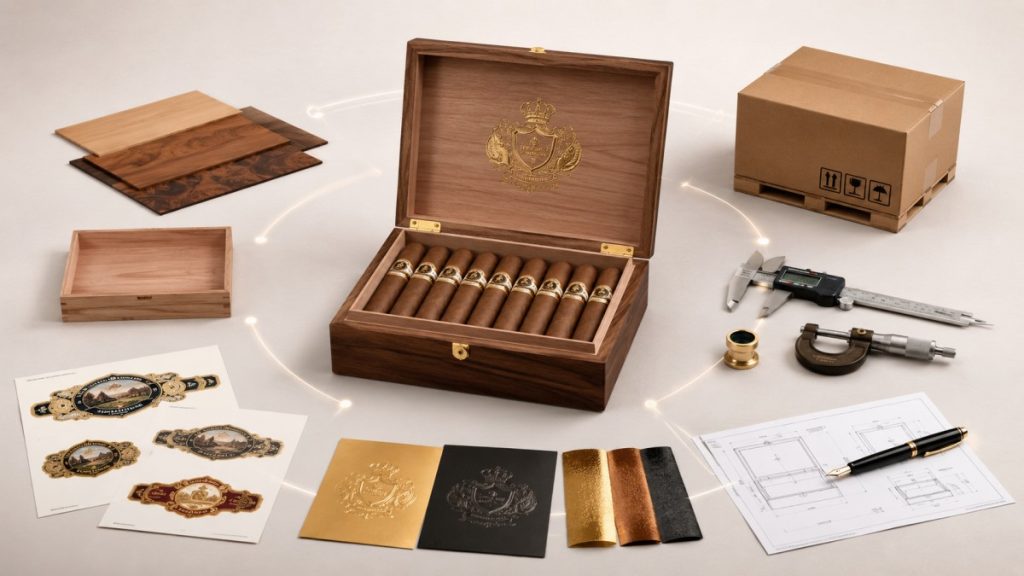
Sourcing from an integrated production hub ensures that what are cigar boxes made of remains consistent between the wooden core and the decorative exterior finishes. When the woodshop and the printing press are under one roof, the communication is much clearer. You avoid the “finger-pointing” that happens when a printer blames a woodworker for a sizing error.
This coordination is especially important for international B2B projects. You need a partner who understands export-ready logistics and Western quality standards. A single point of contact simplifies your entire supply chain and reduces your risk.
Is one-stop sourcing more reliable?
You might be wondering if it’s better to split your project between specialized vendors. Here is the kicker: integrated suppliers reduce errors and speed up the sampling process.
- Unified quality control across all parts.
- Coordinated timelines for printing and assembly.
- Consistent material sourcing for repeat orders.
- Easier logistics for global shipping.
How do China-based hubs compete?
But wait, there’s more to international sourcing than just the price. You might be wondering why so many global brands choose to manufacture their packaging in integrated Asian hubs.
- Access to high-tech printing and traditional woodcraft.
- Scalability for both small and massive orders.
- Deep experience in global export requirements.
- Faster turnaround for complex custom designs.
Key Takeaway: Integrated manufacturing centers provide the best balance of quality, coordination, and scalability for custom cigar packaging projects.
| Advantage | Integrated Supplier | Split Vendors | |
|---|---|---|---|
| Communication | Direct & Clear | Fragmented | |
| Error Risk | Low | High | |
| Sampling Speed | Fast | Slow |
Choosing the right location for your production ensures that the materials and the craftsmanship stay aligned throughout the life of the project.
How do you start choosing what are cigar boxes made of?
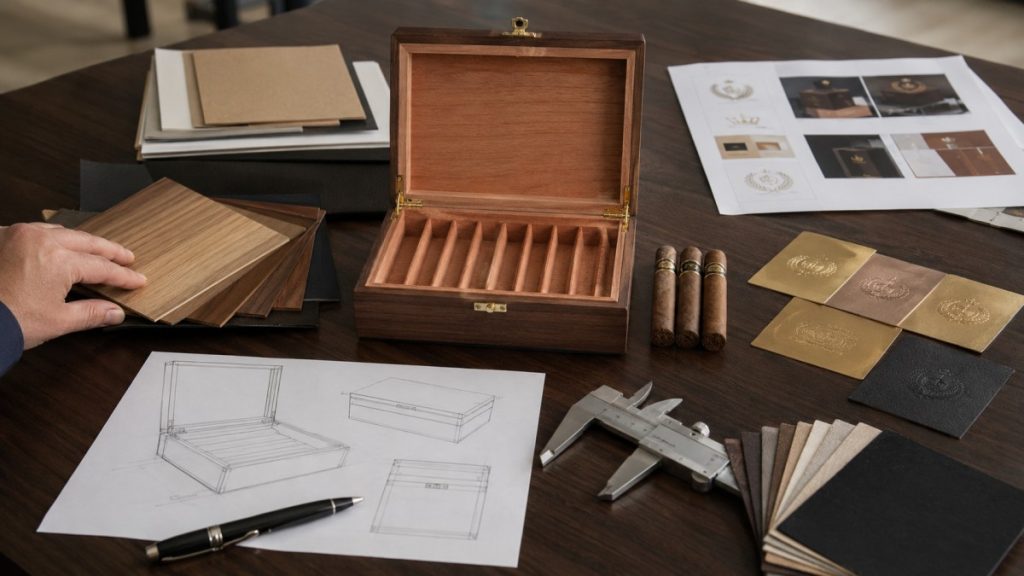
You begin selecting what are cigar boxes made of by defining your target cigar count, desired price point, and the specific brand story you want to tell. Whether you need a 10-count gift box or a 50-count cabinet, the material choice will flow from your functional needs. You should start with a clear brief that includes your dimensions and any reference files.
Don’t be afraid to ask for help with the feasibility review. A professional manufacturer can suggest materials that you might not have considered. They can help you balance the “premium feel” with your actual production budget.
What should you prepare first?
You might be wondering what a manufacturer needs from you to get started. In a nutshell, the more details you provide, the faster they can give you an accurate quote.
- Vector files for your logos and artwork.
- Exact dimensions of your cigars (length and gauge).
- Target quantity for the initial production run.
- Your timeline for sample approval and delivery.
How do you move from sketch to shelf?
But wait, there’s more to the journey than just sending an email. You might be wondering about the steps between your initial idea and the final product.
- Review the feasibility of your design.
- Confirm the sampling direction and materials.
- Approve the physical prototype in person.
- Run the full production with coordinated QC.
Key Takeaway: Starting a custom project requires a clear vision of your brand goals and a collaborative approach with your manufacturing partner.
| Step | Your Action | Manufacturer Action | |
|---|---|---|---|
| Brief | Define Quantity & Style | Feasibility Review | |
| Sampling | Approve Prototype | Build & Refine | |
| Bulk | Place Order | Mass Production & QC |
Taking the first step toward custom packaging allows you to protect your product and elevate your brand to the next level.
Choosing the right materials for your cigar packaging solves the dual problem of product degradation and weak brand positioning. By focusing on the structural integrity and aesthetic appeal of your boxes, you ensure that every customer receives a product that feels as premium as it tastes. Our vision is to bridge the gap between traditional craftsmanship and modern production, providing you with a coordinated solution that reduces mistakes and maximizes impact. We believe that a box should be as memorable as the smoke itself, acting as a lasting testament to the quality of your tobacco. If you are ready to transform your initial ideas into a retail-ready masterpiece, contact us today to begin your journey.
Frequently Asked Questions
Can I mix different types of wood in one cigar box?Yes, it is common to use an affordable hardwood like Mahogany for the exterior and Spanish Cedar for the interior lining. This approach provides the best balance of external beauty and internal humidity regulation without the cost of a solid cedar box.
What’s the best way to tell if a box has a good seal?Perform the “dollar bill test” by closing the lid on a piece of paper and trying to pull it out. A high-quality box will provide significant resistance, proving that the wood edges are perfectly aligned and air-tight.
How do I know if a cigar box is actually made of Spanish Cedar?Check for the specific peppery, sweet aroma and the fine, pinkish-to-reddish grain pattern. Genuine Spanish Cedar is unmistakable once you smell it, whereas generic wood will either have no scent or smell like glue and chemicals.
Can I order a custom sample before committing to a full run?Yes, a physical sample is a critical step in verifying the finish, hardware, and branding quality before bulk production begins. This ensures that the final result matches your brand expectations and protects your investment.
How do I know if my design is feasible for mass production?Submit your initial sketches or files to a manufacturer for a technical review. They will evaluate the joinery, material thickness, and hinge placement to ensure the box is durable enough for retail use and global shipping.