
How big is the Bible? A full printed edition is often about 1,200 pages, but there is no single standard page count, thickness, or weight. The answer changes with the canon, translation, type size, trim size, paper, notes, and binding. For readers choosing an edition—and for publishers planning custom Bible printing—the useful question is which specifications create the right reading and handling experience.
What Is the Short Answer to How Big Is the Bible?
A typical complete Bible may be around 1,200 pages, but this is only a broad reference point. A compact edition can have fewer pages, while a large-print, study, or expanded-canon edition can have considerably more. Page count alone does not tell you the book’s physical size or ease of use.
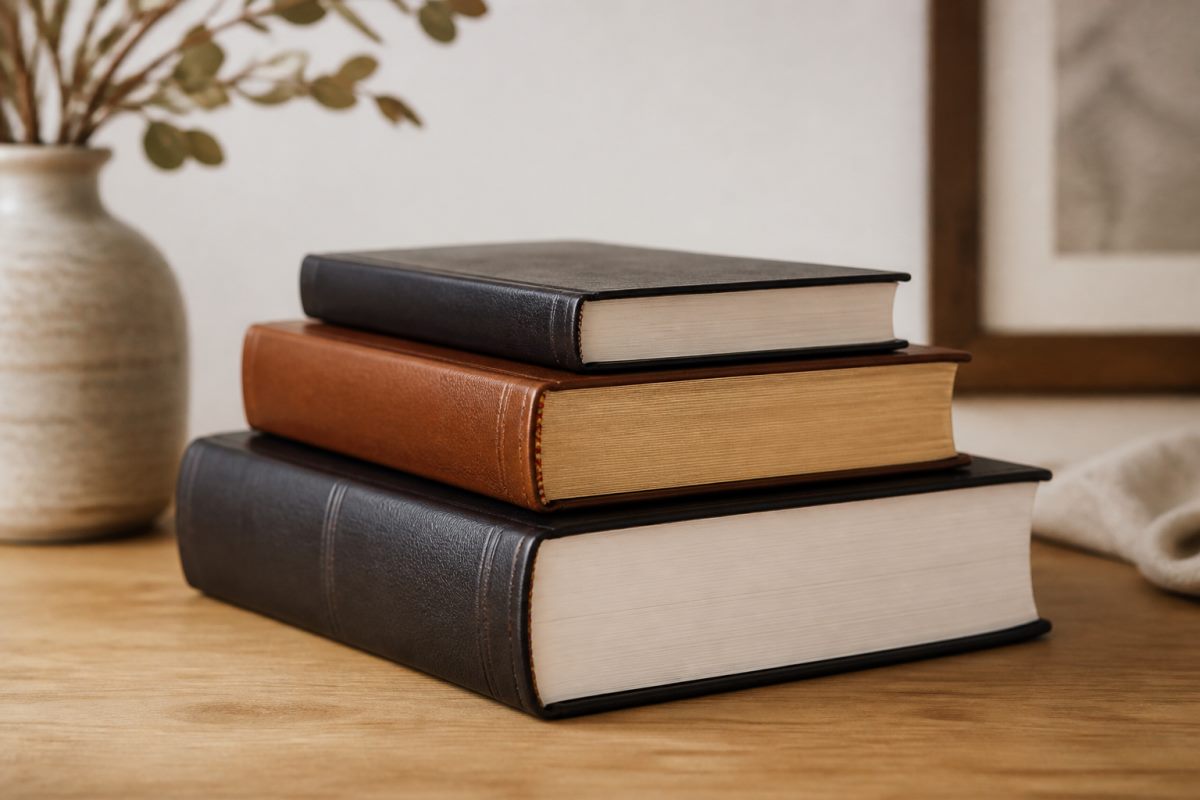
Use an estimate, not a fixed specification
When comparing editions, treat a stated page count as an edition-specific detail. Check the publisher’s listing or the book’s copyright page for the actual number.
Separate pages from physical dimensions
Two Bibles with similar page counts can differ substantially in width, height, thickness, and weight because their page layouts and materials differ.
Key Takeaway: Around 1,200 pages is a useful orientation, not a universal Bible specification.
Why Does the Bible Have No Single Standard Size?
The Bible is published in many editions for different reading purposes. Editorial choices, page design, supplementary material, and manufacturing specifications all influence the finished book. That is why asking how big is the Bible needs both a content answer and a physical-format answer.
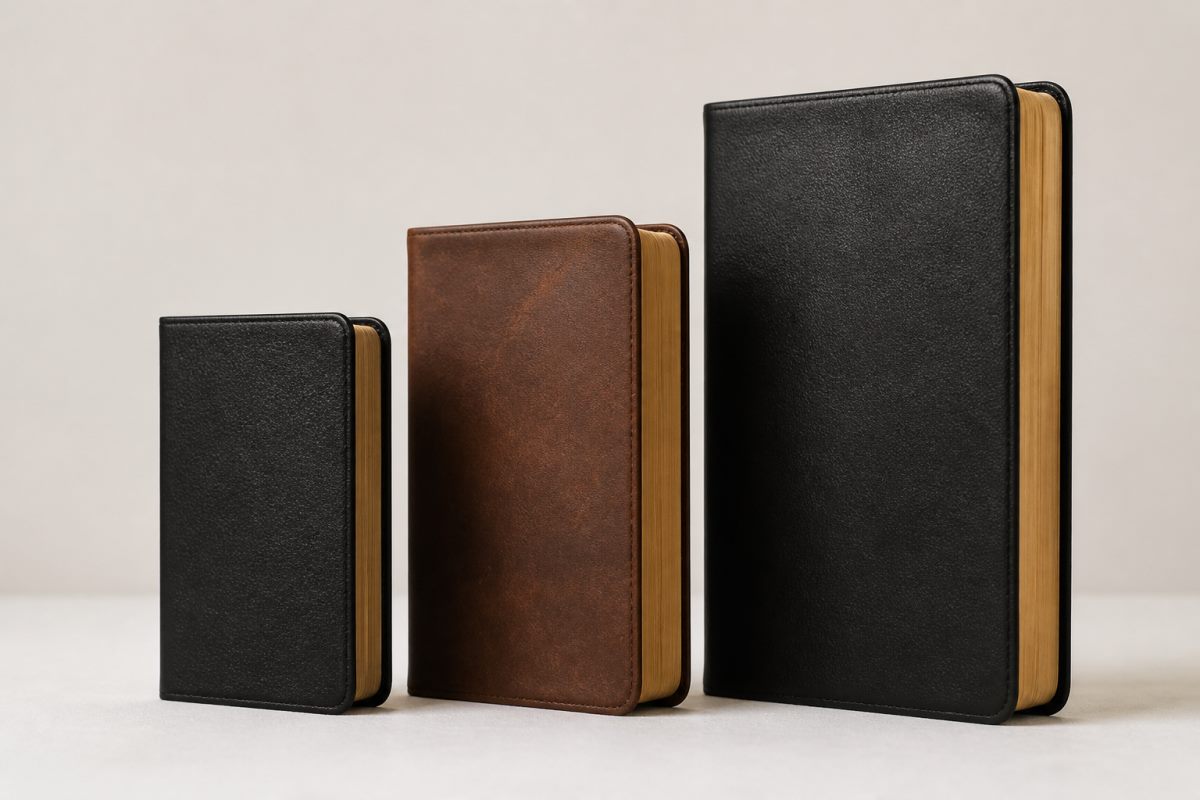
Edition purpose changes the format
A portable reading edition, a pulpit edition, and a study edition can prioritize very different balances of readability, notes, and handling.
Specifications work together
Trim size, type, margins, paper, and binding are connected decisions. Changing one may change the page count and the finished dimensions.
Key Takeaway: A Bible’s size is the result of coordinated editorial and physical choices.
How Do Included Books Affect Bible Page Count?
The books included in an edition affect the amount of text that must fit inside it. Editions associated with different Christian traditions may include different collections of books, and an edition that contains additional material will generally need more page space than a comparable edition without it.
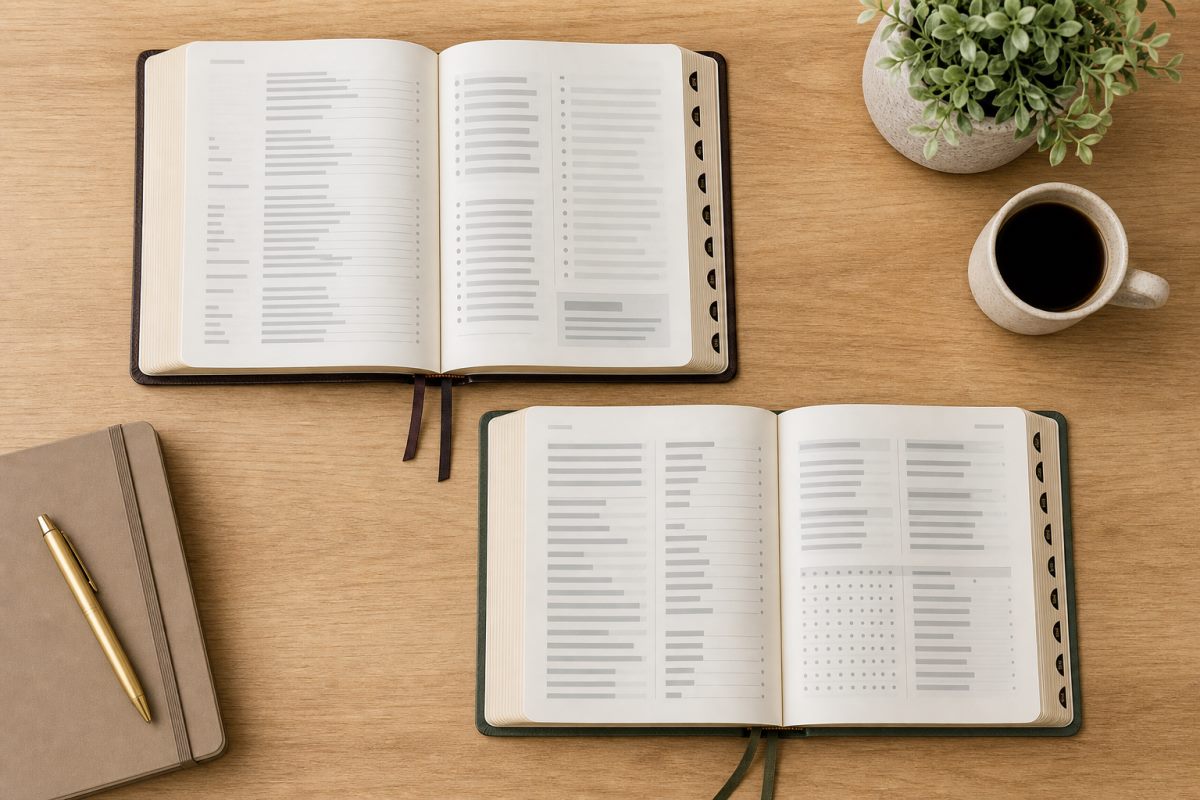
Check the edition’s contents list
The table of contents is the clearest way to see what the particular edition includes. Do not assume that all editions have identical contents.
Extra material also adds space
Introductions, maps, concordances, reading plans, references, and study notes can add pages even when the biblical text itself is the same.
Key Takeaway: Compare what an edition contains before comparing its page count.
Do Translation and Language Change How Big the Bible Is?
Yes. Translation choices and language can affect the length and flow of the text on a page. Different editions also use different editorial systems, headings, footnotes, and cross-references, so matching translations do not automatically produce matching page counts.
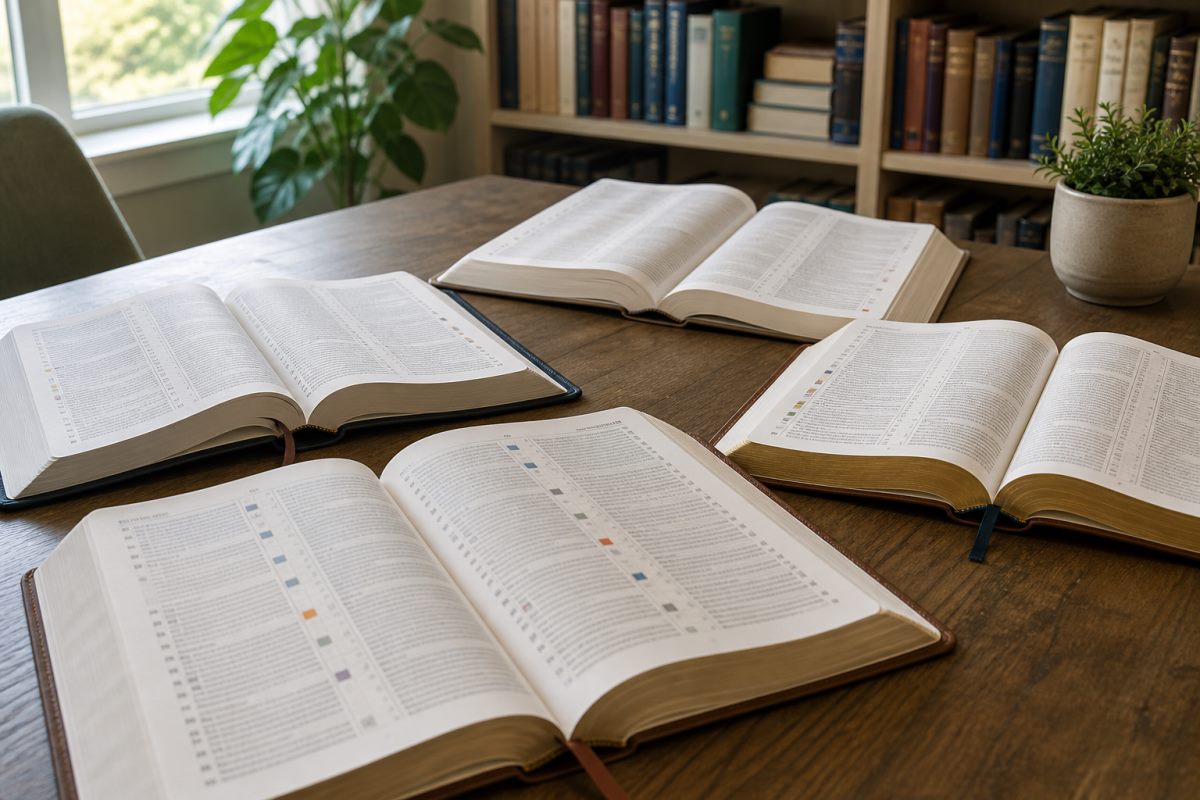
Translation is not the only variable
Even two editions using the same translation can differ because their type, layout, notes, and trim size are different.
Use chapters and verses for navigation
Page numbers vary from edition to edition. Chapter and verse references provide a more dependable way to locate the same passage across formats.
Key Takeaway: Page count is edition-specific, while chapter-and-verse references travel across editions.
How Do Type Size and Spacing Change the Page Count?
Larger type, wider leading, and more generous margins normally require more pages. Small type and compact spacing can reduce page count, but they may also change the reading experience. This is why a large-print edition can be much thicker than a compact edition carrying similar content.
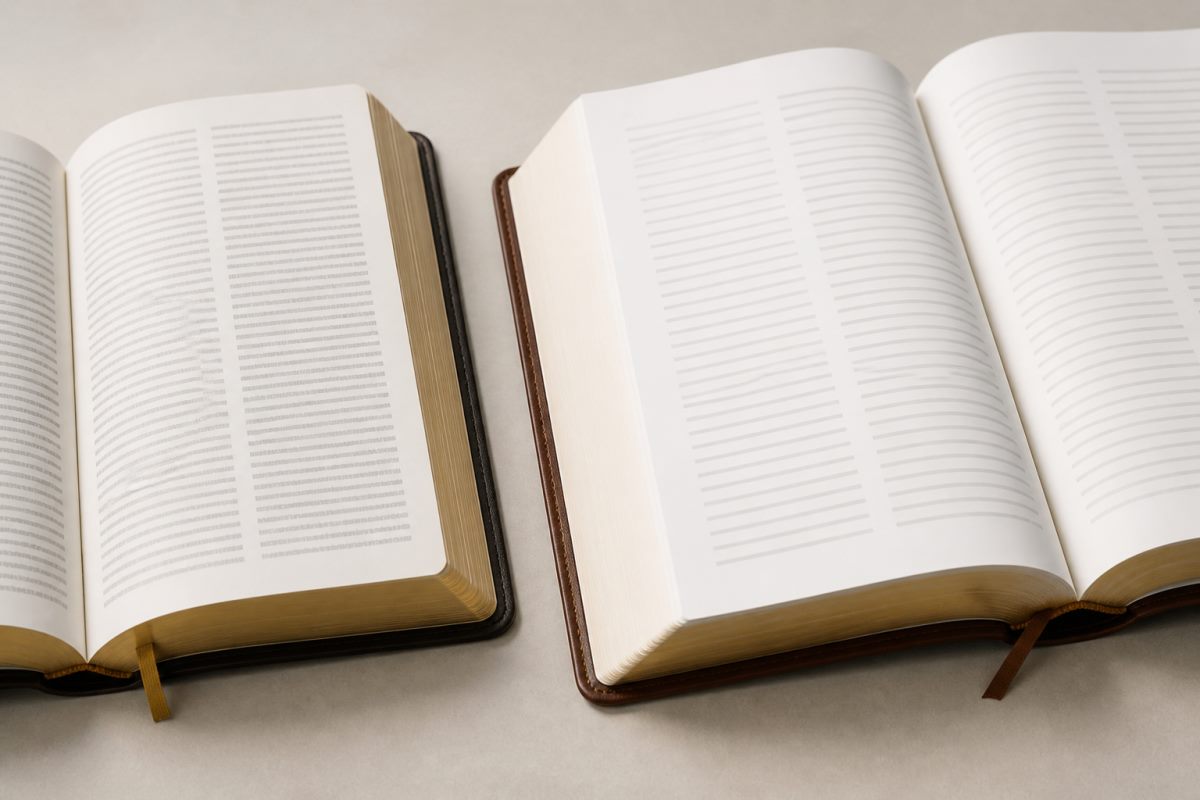
Read a representative page
Look at body text, verse numbers, footnotes, headings, and cross-references rather than judging only from a cover label.
Balance readability and portability
The best type size depends on the reader’s viewing comfort, typical reading session, and whether the book will be carried regularly.
Key Takeaway: Typography can change both the number of pages and how comfortable the edition feels to use.
What Do Trim Size, Layout, and Paper Change?
A larger page can hold more text, while a smaller page may require more pages for the same content. Column format, margin width, paper thickness, and opacity also affect how the book feels and performs in the hand. These decisions should be considered together when a publisher defines a Bible project.
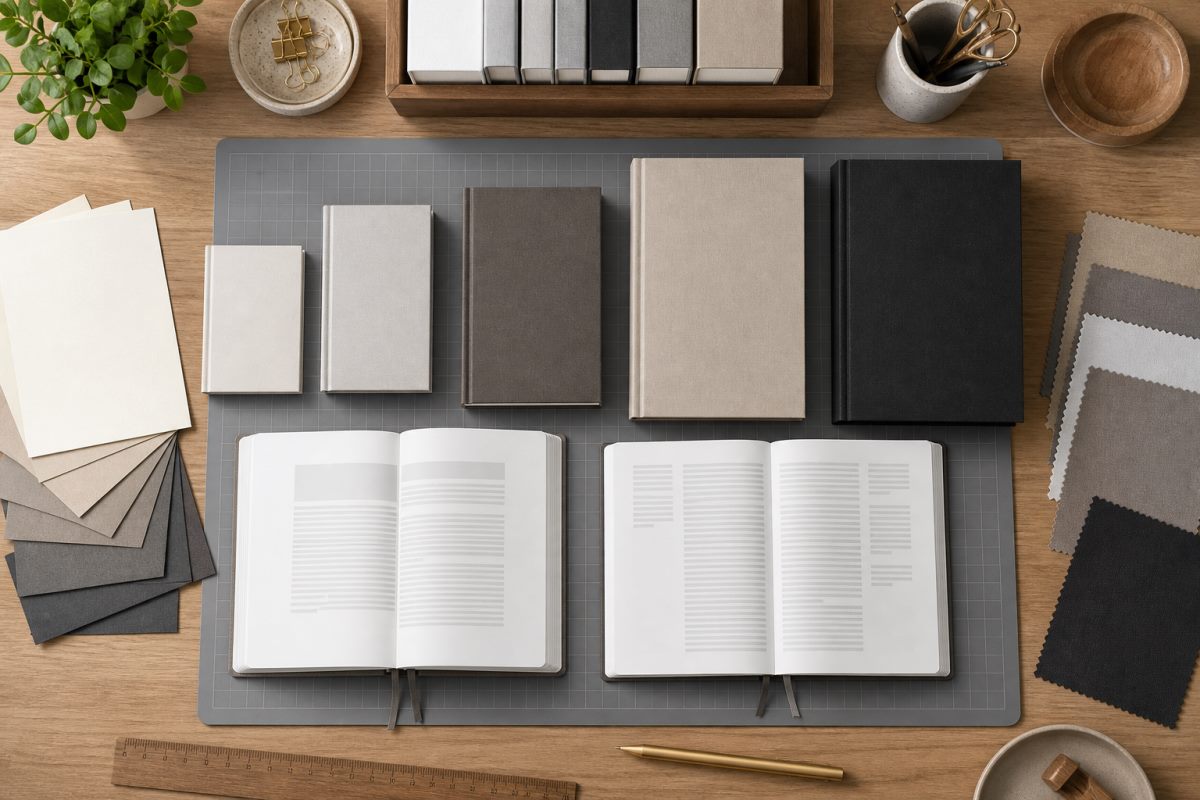
Column layout affects line length
Single-column and double-column layouts create different reading rhythms and can use page space differently. Neither layout is universally right.
Paper is a physical-format decision
Paper selection can influence thickness, show-through, handling, printing appearance, and the final book’s weight. The appropriate choice depends on the confirmed project brief.
Key Takeaway: Page count is shaped by both what is printed and the page system that carries it.
How Large and Heavy Is a Printed Bible?
There is no universal measurement. A compact Bible may be designed for regular carrying, while a large-print or study edition may take more shelf space and feel heavier. The finished dimensions and weight depend on page count, trim size, paper, cover, binding, and any supplementary sections.
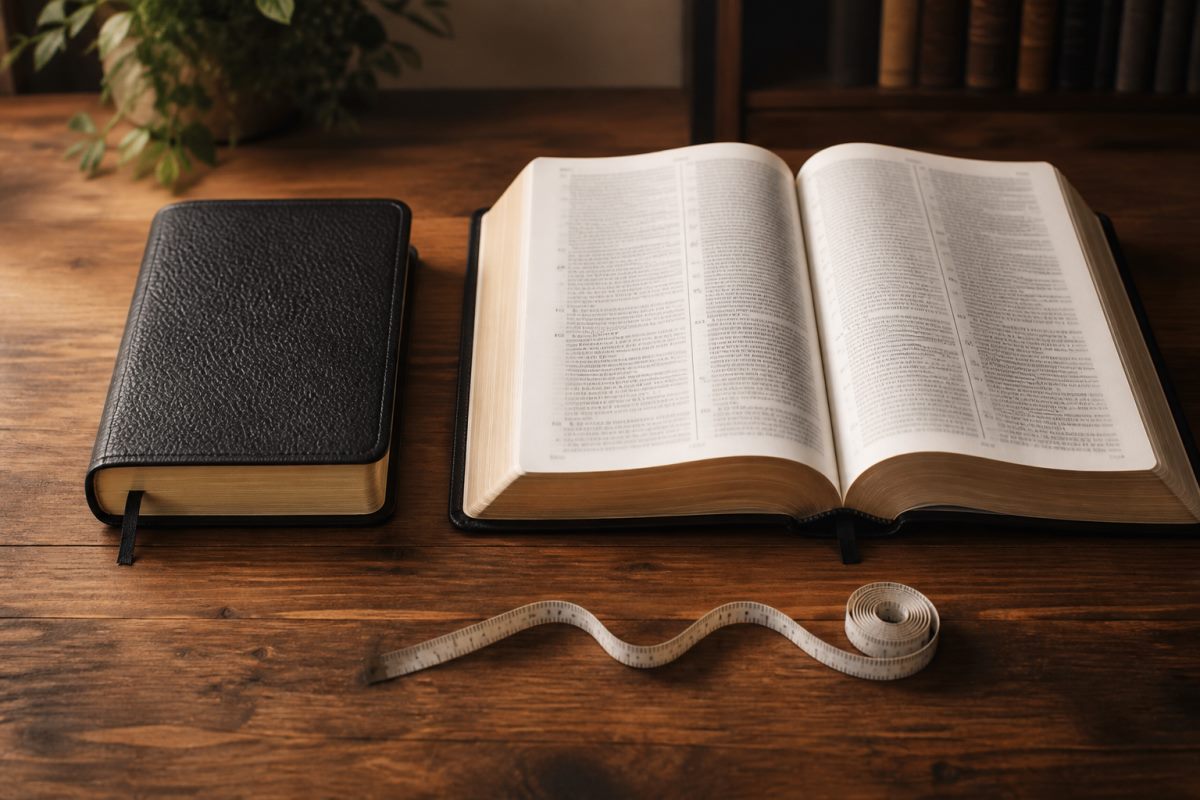
Think about the real use setting
Consider whether the book will be read at home, used at a lectern, carried to gatherings, given as a gift, or shipped in quantity.
Ask for finished specifications
For a particular edition, rely on its stated dimensions and weight rather than an average. For a custom project, those details should be confirmed against the final files and materials.
Key Takeaway: A Bible’s physical size must be checked edition by edition.
How Can You Compare Bible Editions Before Choosing One?
Start with the reading purpose, then compare the contents, translation, page sample, dimensions, weight, and supplementary features. A comparison based only on page count can miss the features that determine whether an edition is practical for the reader.
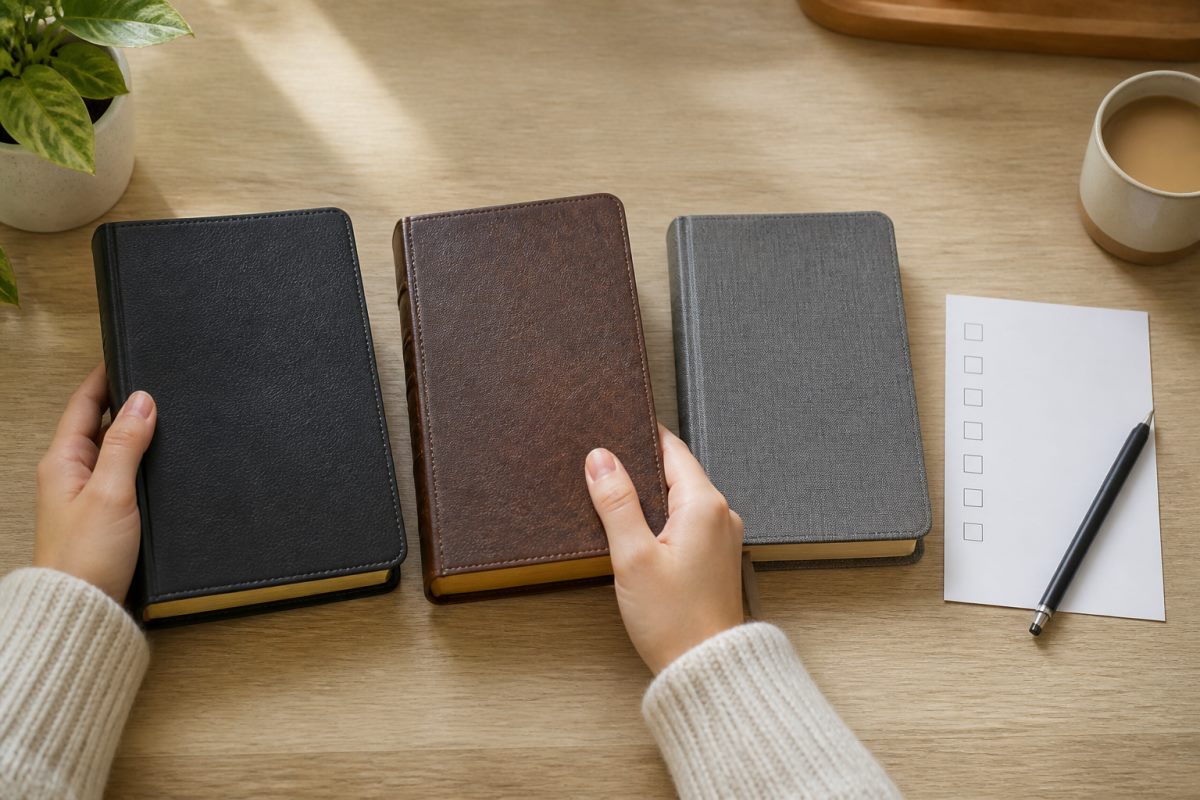
Use a simple comparison checklist
- Contents and translation
- Type size and page layout
- Trim dimensions, thickness, and weight
- Notes, maps, references, and other features
- Cover and binding suited to the intended use
Compare like with like
Compare editions with a similar purpose. A compact reading Bible and a note-rich study Bible are not designed to make the same trade-offs.
Key Takeaway: The best comparison combines content, readability, and physical handling.
How Should Publishers Plan the Size of a Bible Project?
Publishers and ministries can begin with the reader, the confirmed content files, and the intended use. King Tai’s Scripture publishing solutions provide project context for teams developing a printed edition. The brief should align text treatment, trim direction, page design, cover presentation, and distribution needs before production specifications are finalized.

Define non-negotiable reader needs
Record the intended translation, contents, type direction, reference material, audience, and use setting. This helps guide later choices without treating any one physical specification as a default.
Review a production sample
A pre-production sample can help a team review page balance, handling, cover presentation, and the relationship between approved files and the physical book.
Key Takeaway: A clear reader brief turns a general size question into a decision-ready publishing specification.
What Should a Bible Printing Brief Include?
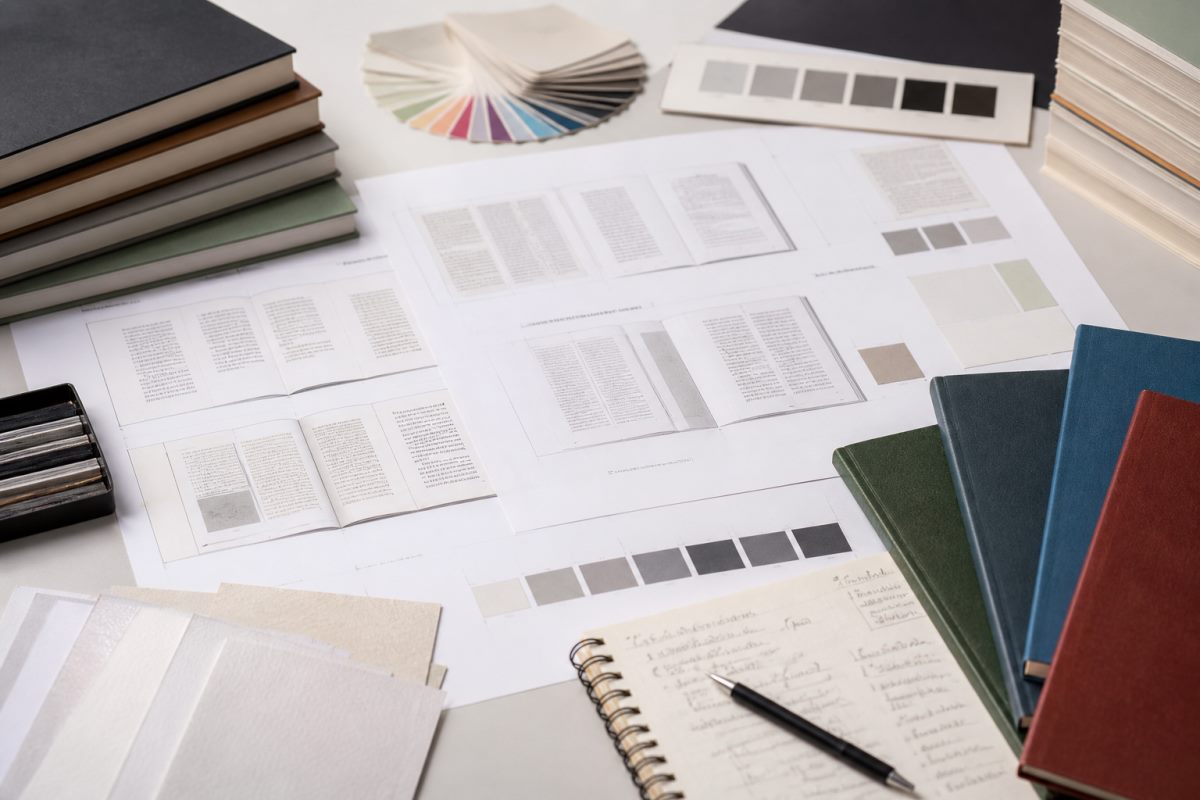
A useful brief connects editorial files to physical production choices. King Tai’s broader printing services can support a confirmed project through paper selection, printing, surface finishing, assembly, quality inspection, and logistics support. The exact approach remains subject to the final specification.
Prepare the essential inputs
- Confirmed content and artwork files
- Target reader and intended use
- Preferred trim, layout, and type direction
- Cover and binding requirements
- Quantity, packing, and distribution considerations
Confirm project-specific commercial details
MOQ, sampling time, production lead time, and price depend on the final specification, quantity, materials, and finishing requirements. A Bible printing case study can provide additional project-development context.
Key Takeaway: The right production discussion begins with a complete, confirmed brief rather than a generic page-count target.
FAQ
How many pages is a full Bible?
A full printed Bible is often around 1,200 pages, but the actual count can vary widely by edition, contents, type size, layout, notes, and trim size.
How big is the Bible in inches or centimeters?
There is no one measurement. Check the individual edition’s listed dimensions, because compact, standard, large-print, study, and pulpit formats are made for different uses.
Why do two Bibles have different page counts?
They may have different contents, translations, type sizes, layouts, notes, paper, or trim dimensions. Similar biblical text can therefore appear in books with different page totals.
Does a larger Bible always have more biblical text?
No. A larger format may use larger type, wider spacing, thicker paper, or include study features. Check the contents and edition details to understand why it is larger.
Can a publisher customize a Bible’s size?
Yes. A custom project can consider the reader, content, page layout, trim direction, paper, binding, cover, and distribution needs, subject to the confirmed specification.
The most useful answer to how big is the Bible is the one tied to a specific edition and its intended use. If you are planning a custom Bible project, talk with our team about your confirmed requirements.