
Why Are Bible Pages So Thin? A Guide to Bible Paper
Bible pages are thin because a Bible must fit a large amount of text into a book that remains practical to handle. The paper choice balances opacity, page turning, readability, and the finished book format.
If you are planning Bible printing, the useful question is not simply whether a sheet is thin. You need to understand how paper choice affects show-through, bulk, printing, binding, and the reader experience.
For project-level planning, see our Bible printing information before confirming a paper specification.
Why Are Bible Pages So Thin?
Thin pages help keep a text-heavy Bible from becoming unnecessarily bulky. However, a thinner sheet also requires careful consideration of opacity and print design so text on the reverse side does not distract the reader.
What Paper Are Bibles Printed On?
Bibles are commonly planned with lightweight, opaque paper suited to text-heavy reading. The appropriate option depends on the edition, page design, print requirements, binding, and reader expectations; final paper selection should be confirmed against the project specification and sample.
Why Is Bible Paper So Critical for Reading?
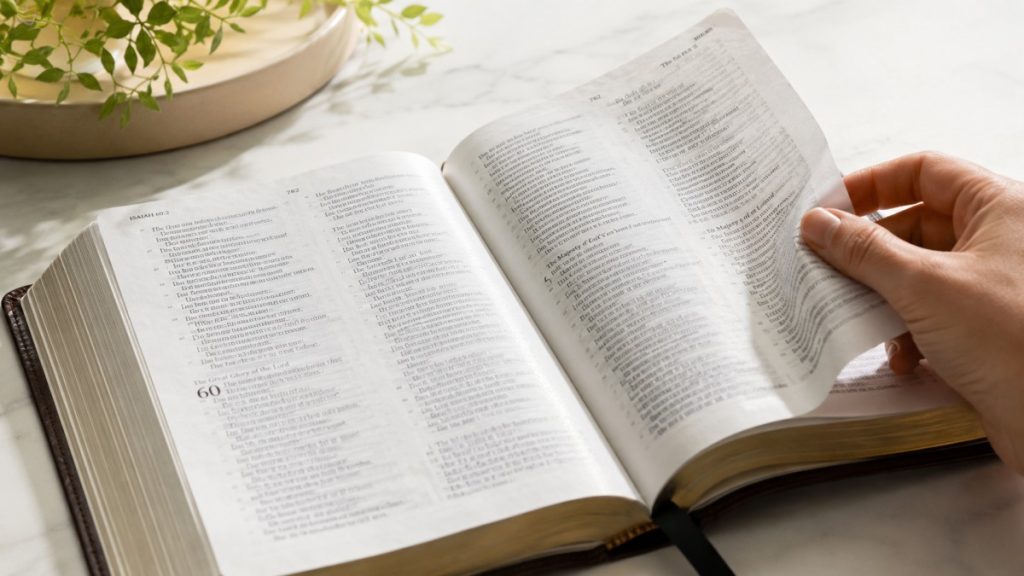
High-quality bible paper is critical for reading because it provides a smooth, glare-free surface that reduces eye fatigue during long study sessions. When the texture is refined, you can glide through chapters without the tactile distraction of rough or inconsistent wood fibers. This specialized paper creates a premium experience that honors the importance of the text you are engaging with daily.
Does page feel affect your mental focus?
The physical sensation of the paper in your hands plays a significant role in how deeply you can immerse yourself in reading. If the pages feel brittle or overly glossy, your brain is constantly reminded of the physical object rather than the spiritual message. Paper drape, texture, and page-turning performance all influence the finished Bible’s reading comfort and perceived quality.
- Soft textures invite longer reading times.
- Consistent thickness prevents finger slips.
- Premium coatings reduce distracting reflections.
Key Takeaway: Investing in better paper quality directly translates to a more focused and enjoyable spiritual practice.
| Feature | Impact on Reader | |
|---|---|---|
| Texture | Increases tactile comfort | |
| Glare Reduction | Prevents eye strain | |
| Page Drape | Makes turning easier |
This data shows that physical paper characteristics are just as important as font size for long-term legibility.
What Types of Bible Paper Are Used Today?
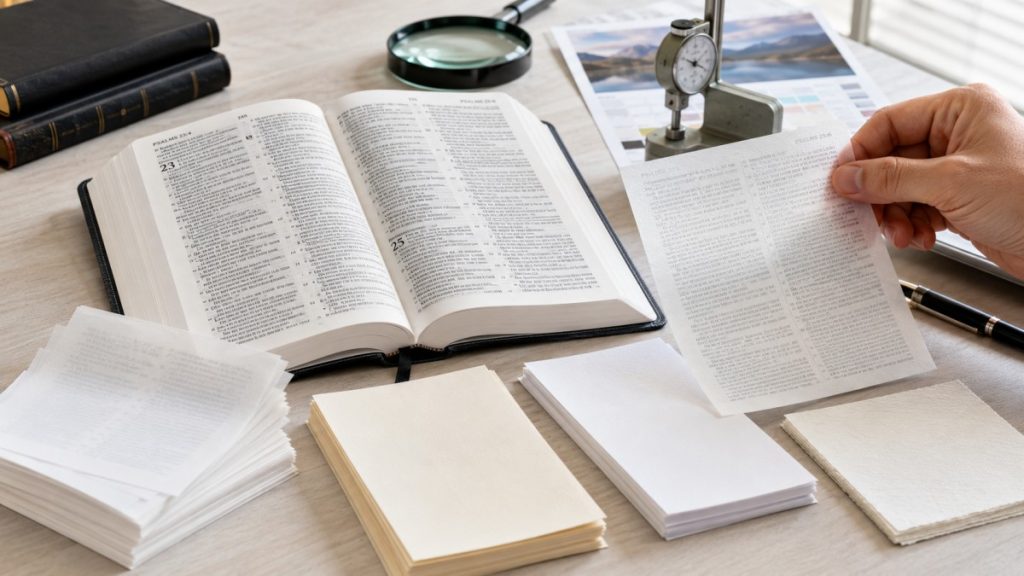
Modern publishers utilize several types of bible paper including India paper, Free Sheet, and specialized wood-free stocks to meet different budget and thickness requirements. These materials are engineered to be extremely thin while maintaining the strength of much heavier stocks. You will often find that the choice of paper type determines whether a Bible is a “Thinline” edition or a large study volume.
The legacy of India paper
India paper is often considered the gold standard for high-end Bibles because of its incredible strength-to-weight ratio. It allows for thousands of pages to be bound into a single, slim volume that can last for decades of regular use. But wait, there’s more to it than just being thin; its high cotton or hemp content provides a unique “snap” and resilience.
- High opacity despite low weight.
- Extreme durability for frequent page-turning.
- Signature off-white color that eases reading.
Key Takeaway: Understanding paper types helps you identify which Bible editions are built for heavy travel versus home study.
| Paper Type | Primary Benefit | Common Use Case | |
|---|---|---|---|
| India Paper | Ultimate Portability | Premium Gift Bibles | |
| Free Sheet | Cost Efficiency | Pew Bibles | |
| Wood-free | General Durability | Standard Editions |
The analysis indicates that India paper remains the superior choice for those prioritizing a slim profile without losing durability.
Why Does the Weight of Bible Paper Matter?
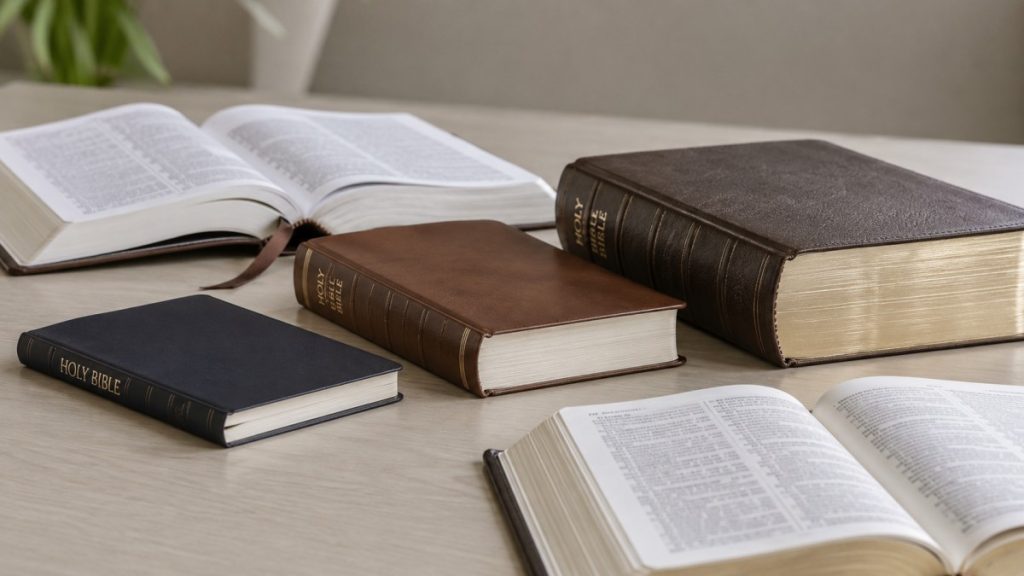
The weight of bible paper matters because it directly dictates the total thickness and weight of the completed book, which affects how you carry it. Paper weight is measured in GSM (Grams per Square Meter), and for Bibles, this typically ranges from 20 to 40 GSM. You must find a balance where the paper is light enough to keep the book portable but heavy enough to remain opaque.
Understanding GSM and PPI
GSM measures the weight of the paper, while PPI (Pages Per Inch) measures how many pages fit into an inch of spine width. A high PPI means the Bible will be thinner, but the pages will also be much more delicate to handle. The truth is, choosing the wrong weight can lead to a Bible that feels like a heavy brick or one with pages so thin they feel like tissue.
- 30-36 GSM is standard for daily Bibles.
- 20-28 GSM is used for Thinline editions.
- Higher PPI requires more careful page turning.
Key Takeaway: Selecting the right Bible paper weight helps publishers balance page count, book thickness, opacity, durability, and shipping weight — all of which affect production cost, reader experience, and large-volume distribution.
| Metric | Range | Effect on Bible | |
|---|---|---|---|
| GSM | 20 – 45 | Overall book weight | |
| PPI | 700 – 1200 | Spine thickness |
Choosing a 30 GSM paper typically provides the best compromise between opacity and a comfortable book thickness.
How Does Bible Paper Quality Affect Opacity?
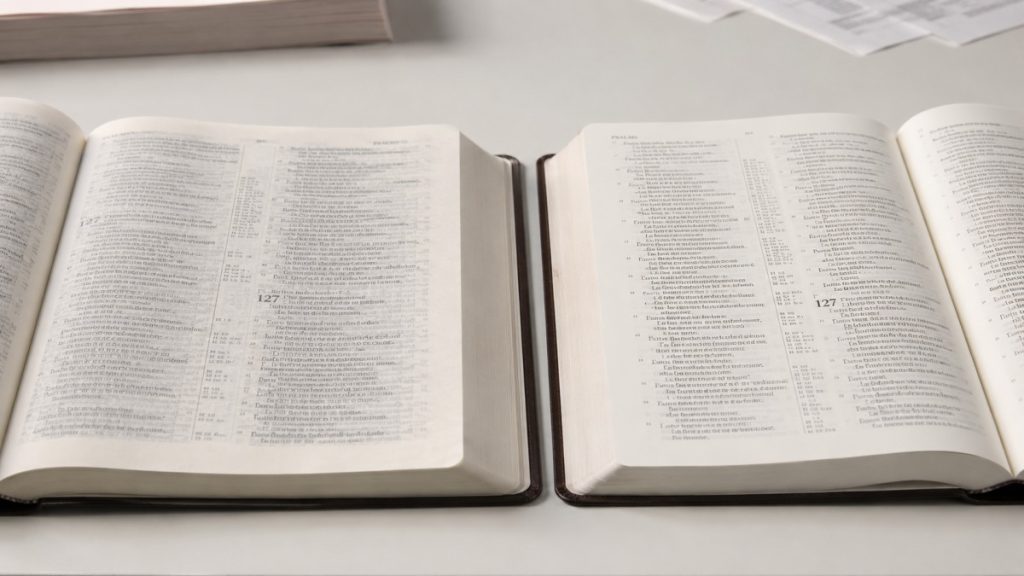
The quality of bible paper affects opacity by using mineral additives like titanium dioxide to block light from passing through the thin sheets. High opacity is essential so that you don’t see the text from the previous page bleeding through and interfering with the current page. You will notice that premium paper looks “solid” even when it is incredibly thin to the touch.
Blocking “ghosting” with titanium
In the world of ultra-thin paper, adding minerals is the secret to keeping the page white and opaque. These additives fill the gaps between the paper fibers, creating a barrier that prevents light and ink shadows from appearing on the other side. Here’s the catch: cheaper papers skip these additives to save money, resulting in a frustrating “shadow” effect while you read.
- Minerals increase “brightness” of the page.
- Better opacity allows for bolder ink.
- Prevents distraction during deep meditation.
Key Takeaway: High opacity is the single most important factor for visual clarity in any thin-paper publication.
| Opacity % | Visual Result | Reading Quality | |
|---|---|---|---|
| 70% or less | High ghosting | Poor / Distracting | |
| 80% – 85% | Moderate show-through | Acceptable | |
| 90% + | Crystal clear | Premium / Optimal |
The evidence shows that aiming for 85% opacity or higher is necessary for a professional-grade Bible reading experience.
What Is the Best Bible Paper for Journaling?
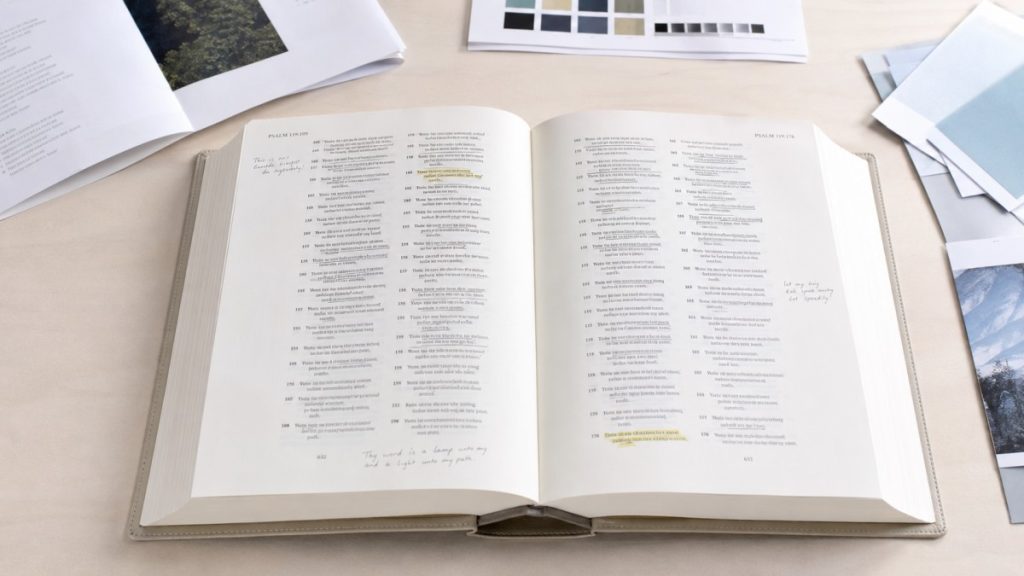
The best bible paper for journaling is typically a heavier weight, around 38 to 40 GSM, because it can withstand the moisture and pressure of various pens. If you love taking notes or drawing in the margins, you need a paper that won’t bleed through to the other side. You should look for paper with a specialized coating that prevents ink from spreading or “feathering” across the page.
Handling ink and notes
Journaling Bibles need paper that can handle writing while keeping the printed text clear on both sides of the sheet. If the paper is too thin, ink bleed-through and show-through may reduce product quality. If it is too heavy, the Bible may become too thick or costly for bulk production.
- Coated surfaces prevent ink bleed.
- High GSM provides better “tooth” for pencils.
- Archival quality preserves your notes for years.
Key Takeaway:For journaling Bible editions, publishers should balance ink resistance, opacity, durability, book thickness, and production cost.
| Paper Weight | Pen Compatibility | Journaling Suitability | |
|---|---|---|---|
| 28 GSM | Ballpoint only | Not Recommended | |
| 36 GSM | Most pens | Good | |
| 40 GSM | Ink and markers | Excellent |
Analysis suggests that 40 GSM is the ideal threshold for those who use high-pigment ink pens for Bible journaling.
Which Bible Paper Is Ideal for Public Use?
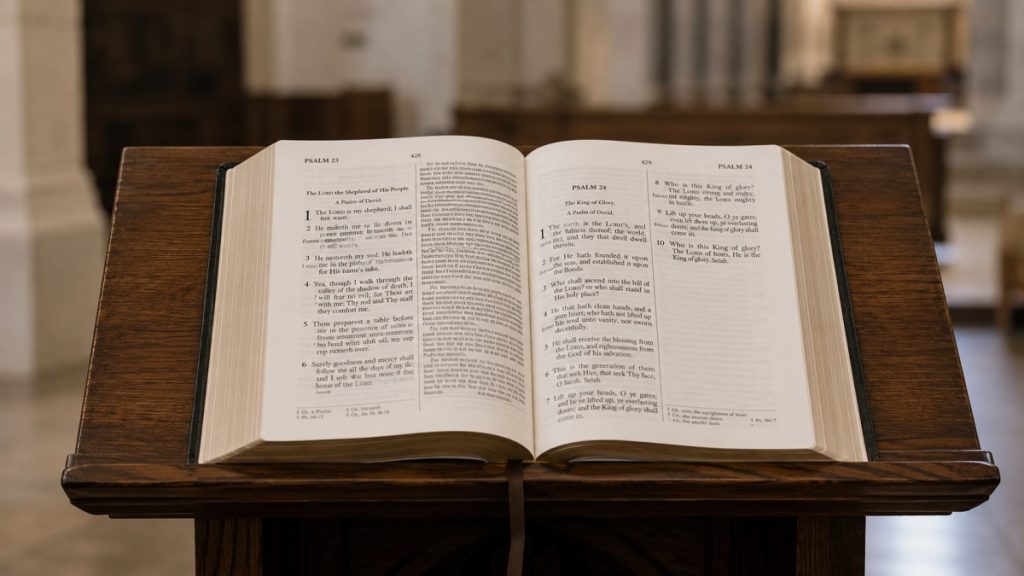
The ideal bible paper for public use, such as preaching or reading aloud, is one that features a matte, glare-free finish and high opacity. When you are standing under bright stage or church lights, the last thing you want is a glossy page reflecting light back into your eyes. You need a paper that remains readable from various angles so you can stay engaged with your congregation.
Glare reduction for the pulpit
Preachers often prefer paper with a slightly off-white or “cream” tint because it provides a softer contrast under harsh lighting. Bright white paper can become blinding when hit by spotlights, making it difficult to find your place in the text. Think about it: a distracted speaker is less effective, and the right paper choice eliminates that risk entirely.
- Matte finishes eliminate hot spots.
- Cream tones reduce blue light strain.
- Higher weights prevent pages from fluttering.
Key Takeaway: Preaching Bibles require specialized paper finishes to ensure the speaker remains focused on the message rather than the glare.
| Light Condition | Best Paper Tone | Recommended Finish | |
|---|---|---|---|
| Bright Stage | Cream / Off-white | Ultra-Matte | |
| Natural Sun | Soft White | Matte | |
| Dim Sanctuary | High White | Satin |
The data confirms that matte finishes are superior for professional environments where controlled lighting is present.
Why Do Some Bible Paper Pages Have Ghosting?
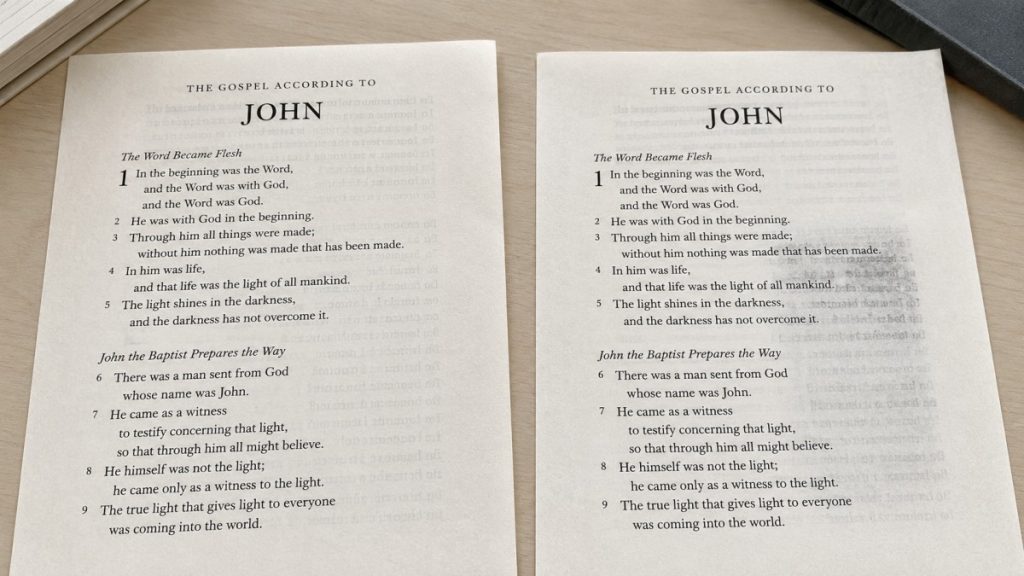
Ghosting occurs on some bible paper pages when the material is too thin or lacks enough mineral fillers to make it sufficiently opaque. It is different from “bleed-through,” as ghosting is merely the shadow of the ink on the reverse side, not the ink itself soaking through the fibers. You will find that even high-quality Bibles have some ghosting, but it should never be enough to make the text unreadable.
Show-through vs. bleed-through
It is important to distinguish between the shadow of the text and the physical migration of ink through the paper. Show-through (ghosting) is a result of paper transparency, whereas bleed-through is a result of paper porosity and ink type. Wait until you see this: even the most expensive Bibles can have ghosting if they prioritize an ultra-slim profile over opacity.
- Ghosting is a “shadow” effect.
- Bleed-through involves liquid ink soaking.
- Line-matching can hide most ghosting effects.
Key Takeaway: For publishers, the goal is not zero ghosting at any cost, but a balanced paper choice that controls show-through while keeping the Bible thin, readable, and practical for production.
| Issue | Cause | Solution | |
|---|---|---|---|
| Ghosting | Thinness / Transparency | Line-matching / Fillers | |
| Bleed-through | High Porosity | Coated Paper / Dry Inks |
An analysis of these issues shows that ghosting is a common trade-off for portability, while bleed-through is a sign of poor quality.
Does Bible Paper Alignment Affect Eye Strain?
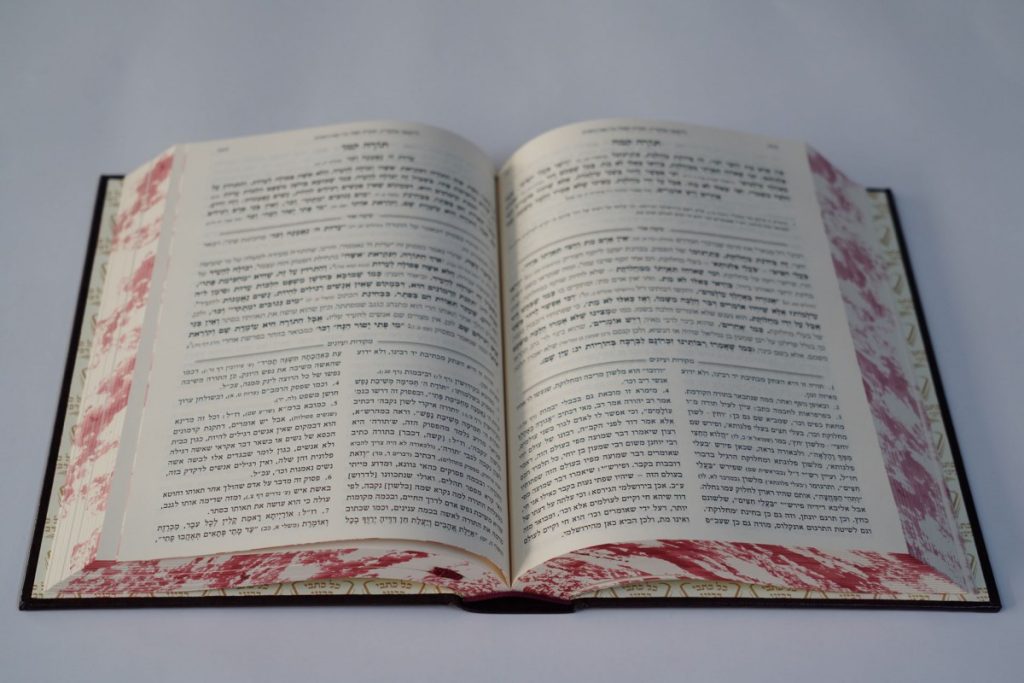
Bible paper alignment, specifically a technique called line-matching, significantly affects eye strain by hiding the ghosting from the reverse side of the page. When the lines of text on both sides of the sheet are printed in the exact same position, the shadows are hidden behind the actual letters you are reading. This bible paper technique is a hallmark of premium printing that makes thin pages much more legible.
The power of line-matching
Line-matching is a precision printing process that ensures every line on page one perfectly overlaps the lines on page two. Without this alignment, the shadows from the back of the page appear in the white spaces between your current lines, creating a messy, grey appearance. It gets even better: when lines match perfectly, the page looks bright and clean, allowing your eyes to track effortlessly.
- Reduces visual “noise” on the page.
- Increases the perceived whiteness of paper.
- Professional-grade printers prioritize this alignment.
Key Takeaway: Line-matching helps publishers reduce ghosting, improve readability, and maintain a cleaner page appearance on thin Bible paper.
| Alignment Type | Visual Effect | Eye Strain Level | |
|---|---|---|---|
| Offset Lines | Grey, cluttered look | High | |
| Perfect Match | Clean, white spaces | Low |
This comparison highlights that printing precision is just as vital as the paper’s physical weight for overall clarity.
Why Does Bible Paper Need to Be Acid-Free?
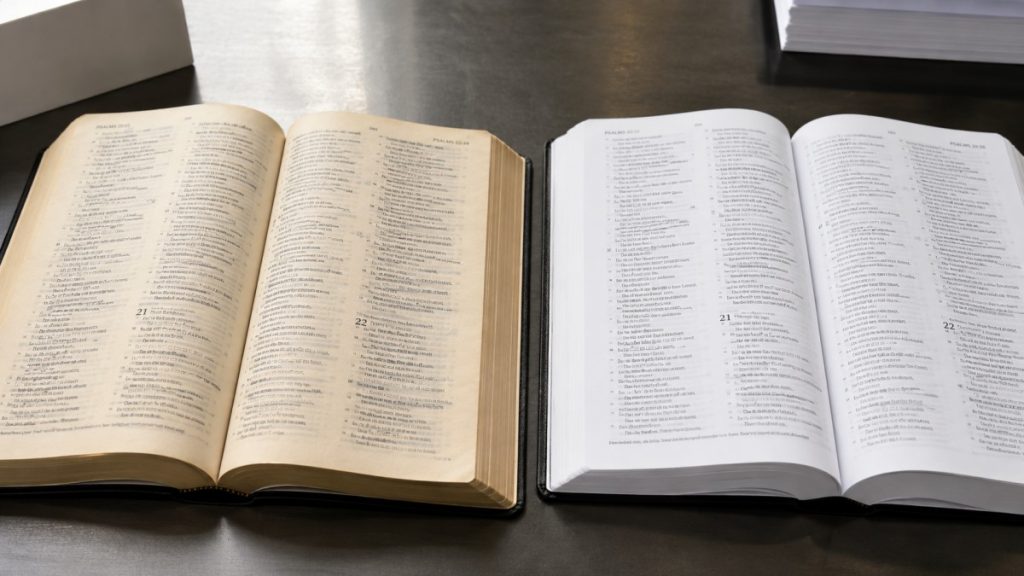
Bible paper needs to be acid-free to prevent the pages from turning yellow, becoming brittle, and eventually crumbling over time. Traditional papers made with wood pulp contain lignin, which creates acid as it breaks down, destroying the paper’s structural integrity. You want your Bible to last for generations, and acid-free archival paper is the only way to ensure that longevity.
Preventing yellowing and decay
When paper is acid-free, it is produced to help reduce acid-related yellowing, brittleness, and long-term fiber breakdown. For Bible publishers, this matters because scripture books are often expected to remain readable and stable for many years, whether they are used in churches, schools, ministries, or retail markets. Acid-free paper helps protect product quality, reduce aging-related complaints, and support a more durable finished Bible.
- Neutralizes harmful chemical reactions.
- Maintains the original paper color.
- Ensures the binding stays secure for decades.
Key Takeaway: Acid-free paper helps publishers reduce yellowing, improve page durability, and protect the long-term quality of printed Bibles.
| Paper Property | Acid-Content Paper | Acid-Free Paper | |
|---|---|---|---|
| Color Change | Turns yellow/brown | Remains white/cream | |
| Texture | Becomes brittle | Stays flexible | |
| Lifespan | 10 – 20 years | 100+ years |
The analysis clearly shows that archival-quality paper is essential for any book intended for lifelong or multi-generational use.
How to Choose the Right Bible Paper Specs?
To choose the right bible paper specs, publishers should first define the product type, page count, trim size, binding method, and target market. A thinline Bible may require lower GSM paper to control thickness, while a study or journaling Bible usually needs higher opacity and stronger paper performance.
Portability vs. Page Thickness
Bible paper selection is always a trade-off between thickness, weight, opacity, and readability. Lower GSM paper helps reduce book bulk, but may increase show-through. Higher GSM paper improves opacity and durability, but can increase spine thickness, binding pressure, and shipping weight.
- Thinline editions usually need lower GSM to keep the book compact.
- Study Bibles often require better opacity for dense text layouts.
- Journaling editions need stronger paper for writing and highlighting.
Key Takeaway: Publishers should match Bible paper specs to the edition type, page count, binding method, and target market — not choose GSM in isolation.
| Bible Edition Type | Best GSM | Key Feature to Seek | |
|---|---|---|---|
| Thinline Bible | 20 – 28 | Compact thickness | |
| Standard Bible | 30 – 36 | Balanced opacity and weight | |
| Journaling Bible | 38 – 40 | Ink resistance and page durability |
Edition-based paper selection helps publishers control readability, thickness, durability, and cost in bulk production.
Selecting the right paper is the foundation of a great reading experience. Whether you are looking for a portable companion or a durable study tool, the quality of the pages determines how often you will pick up the Word. At Kingtai, we are committed to providing the highest quality printing materials to ensure your publications are beautiful and long-lasting. If you are ready to start your next printing project, contact us today to discuss the perfect paper options for your needs. We believe that every page should reflect the excellence of the message it carries.
FAQ
Can I use highlighters on thin bible paper?Yes, but you should use dry highlighters or specialized Bible pens. Liquid highlighters will almost certainly bleed through thin sheets below 36 GSM, so a dry “crayon-style” highlighter is the safest choice for preserving the pages.
What’s the best GSM for a daily study Bible?32 to 36 GSM is generally considered the best weight for daily study. This range provides a professional balance of opacity and durability while keeping the Bible’s total thickness under two inches for comfortable handling.
Does bible paper always have to be white?No, many premium Bibles use cream or “parchment” tones. These off-white colors are often preferred because they reduce the harsh contrast of black ink on bright white paper, which significantly lowers eye strain during long periods of reading.
How can I tell if a Bible has line-matching?Look closely at the white spaces between the lines of text. If you can see the shadow of the text from the reverse side perfectly aligned with the text on the front, the Bible is line-matched; if the shadows appear between the lines, it is not.
Why is bible paper so much more expensive than regular paper?It is expensive because of the specialized fibers and mineral additives required to make it both thin and opaque. The manufacturing process for 20-30 GSM paper is much more technically demanding than producing standard 80 GSM office paper.
For a project-specific specification review that connects paper choices with page count, binding, cover direction, sampling, and production planning, see our custom Bible printing services.