
E-commerce packaging is the complete packaging system used to prepare an order for direct shipment to a customer. It needs to suit the product, the shipping journey, the customer?? opening experience, and the operational realities of packing and returns. This guide explains what e-commerce packaging includes and how brands can make practical choices without confusing shipping packaging with retail display packaging.
What Is E-Commerce Packaging?
E-commerce packaging is the combination of outer packaging, protective components, and presentation elements used when a product is sold online and delivered directly to the buyer. Its job is broader than simply enclosing an item: it should help the order arrive in an appropriate condition while giving the customer a clear, usable opening experience.

Think of it as a system, not one box
The system can include an outer carton or mailer, an inner product box, inserts, cushioning, closure features, labels, and order materials. The right combination depends on the product?? dimensions, shape, weight, fragility, and the distribution route.
- Outer packaging manages the shipment as a parcel.
- Internal elements control movement and product contact.
- Presentation elements support a clear, orderly unboxing experience.
Key Takeaway: E-commerce packaging is designed around the complete order journey, not only around the product?? appearance at dispatch.
Why Is E-Commerce Packaging Different From Retail Packaging?
Retail packaging is commonly designed to communicate on a shelf, while e-commerce packaging must account for individual parcel handling before the customer sees it. A product may use both: an inner retail-ready box for presentation and an outer shipping pack for transport.
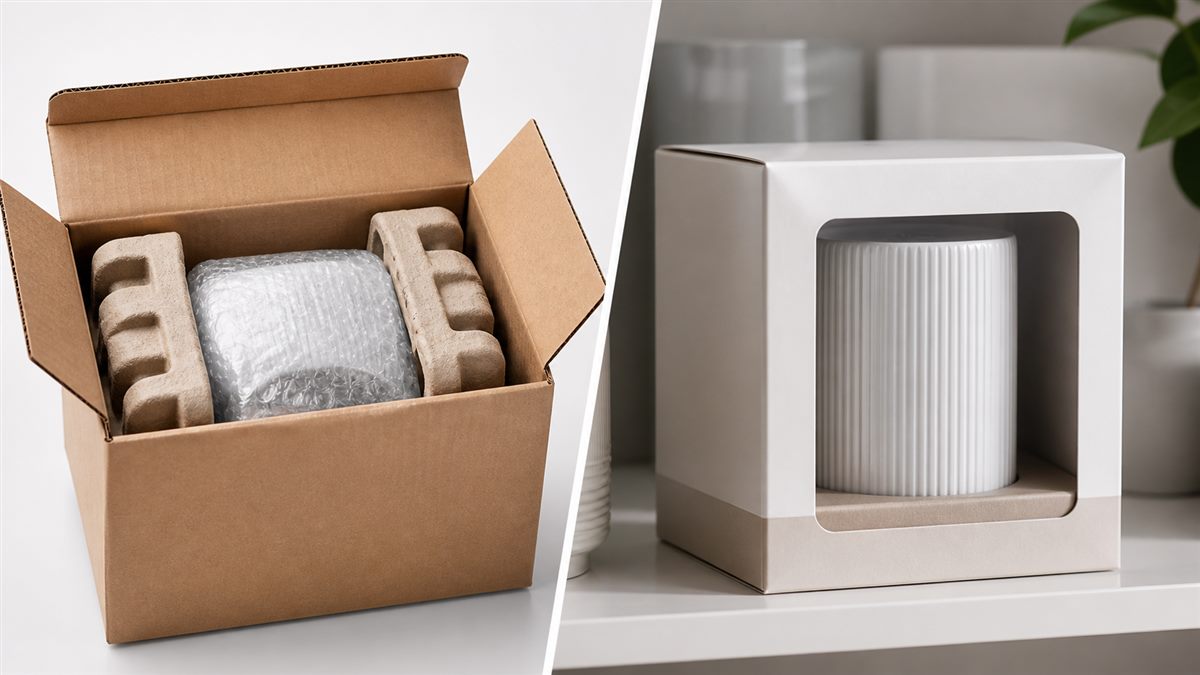
Start with the channel the package must serve
Online orders are usually picked, packed, moved through carrier networks, and delivered one at a time. That makes product retention, space use, opening steps, and return handling especially relevant. Shelf-facing graphics can still matter, but they should not displace the packaging functions needed for shipment.
- Retail packaging prioritizes product visibility and shelf communication.
- E-commerce packaging prioritizes parcel readiness and controlled product movement.
- Dual-channel products may need an inner display pack and a separate shipping solution.
Key Takeaway: Use the sales channel and distribution path to decide which packaging functions must come first.
What Happens to an Online Order During Shipping?
An online order can be handled repeatedly after it leaves the packing station. It may be sorted, loaded, transferred, delivered, and sometimes returned. Packaging should be planned around those handling stages rather than around a static product photograph.
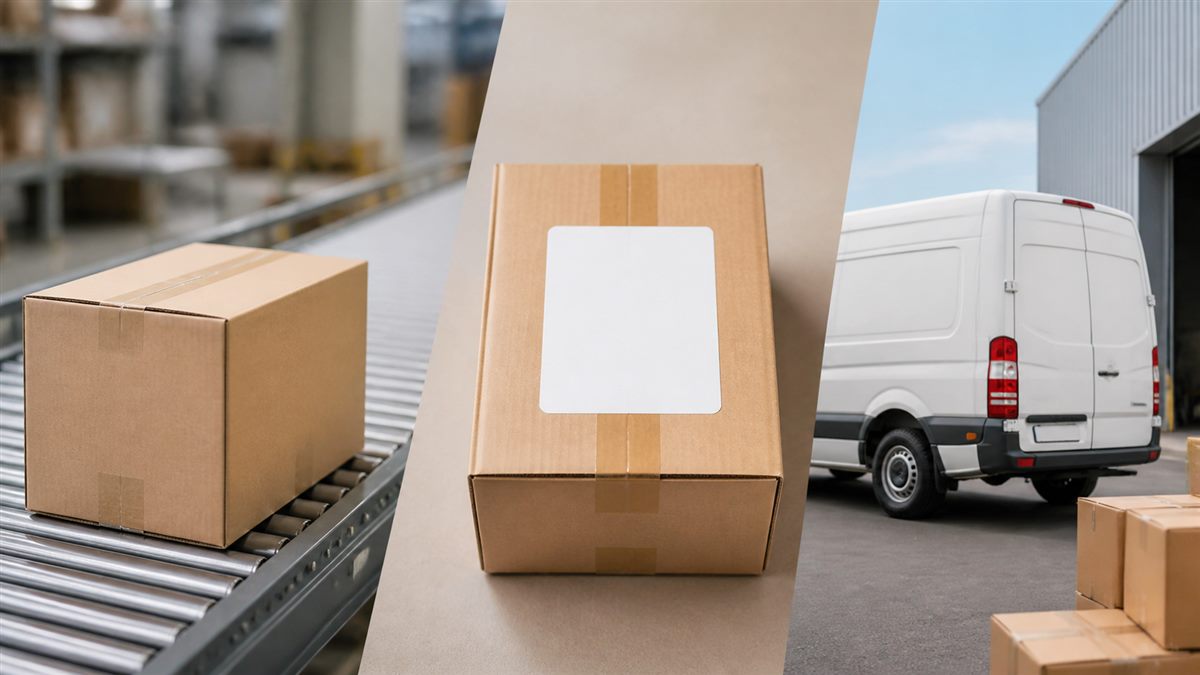
Map the journey before choosing protection
Consider how the packed product will sit inside its outer pack, what could move during normal handling, and whether the product needs separation from other components. The required approach depends on the actual item and shipping arrangement, so any performance requirement should be confirmed for the project.
- Identify sensitive surfaces, protruding parts, and loose accessories.
- Review how the item is held inside the inner and outer packaging.
- Plan packing details with the intended fulfillment route in mind.
Key Takeaway: Good e-commerce packaging starts by understanding the physical journey the order must complete.
How Does Right-Sizing Affect E-Commerce Packaging?
Right-sizing means selecting packaging dimensions that fit the product and the necessary protective components without creating unnecessary empty space. It can make the pack easier to handle, reduce loose movement, and help teams use packaging materials more deliberately.
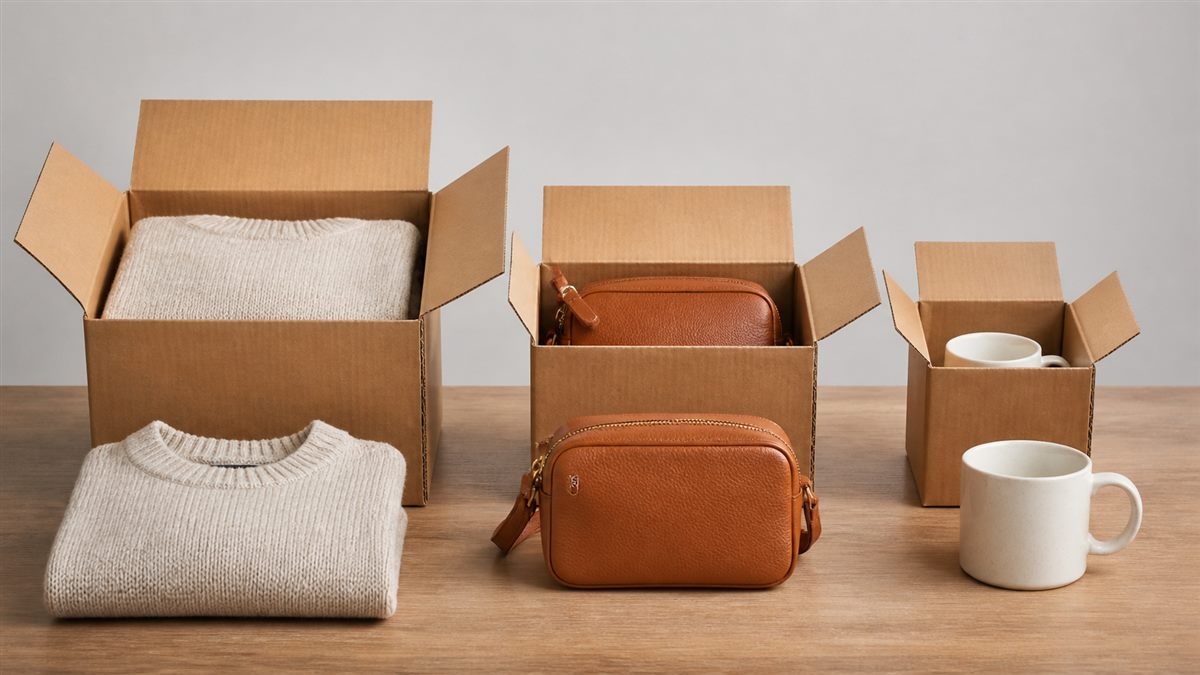
Size the package around the packed product
Measure the product together with its required insert, wrap, or protective layer??ot the bare item alone. Allow the space needed for safe removal and closure, then review whether the completed pack remains practical for storage and fulfillment.
- Use product dimensions, shape, and weight as the starting point.
- Allow room for the protective system, not just the product.
- Avoid treating a larger box as a substitute for a stable interior layout.
Key Takeaway: The best package size is the one that accommodates the product and its protection with a purposeful layout.
How Do You Protect Products Inside a Shipping Box?
Protection comes from controlling movement, separating contact-sensitive parts, and matching the internal layout to the product. A single approach does not suit every item: a small cosmetic bottle, a watch, and a folding carton with loose accessories each need different packaging decisions.
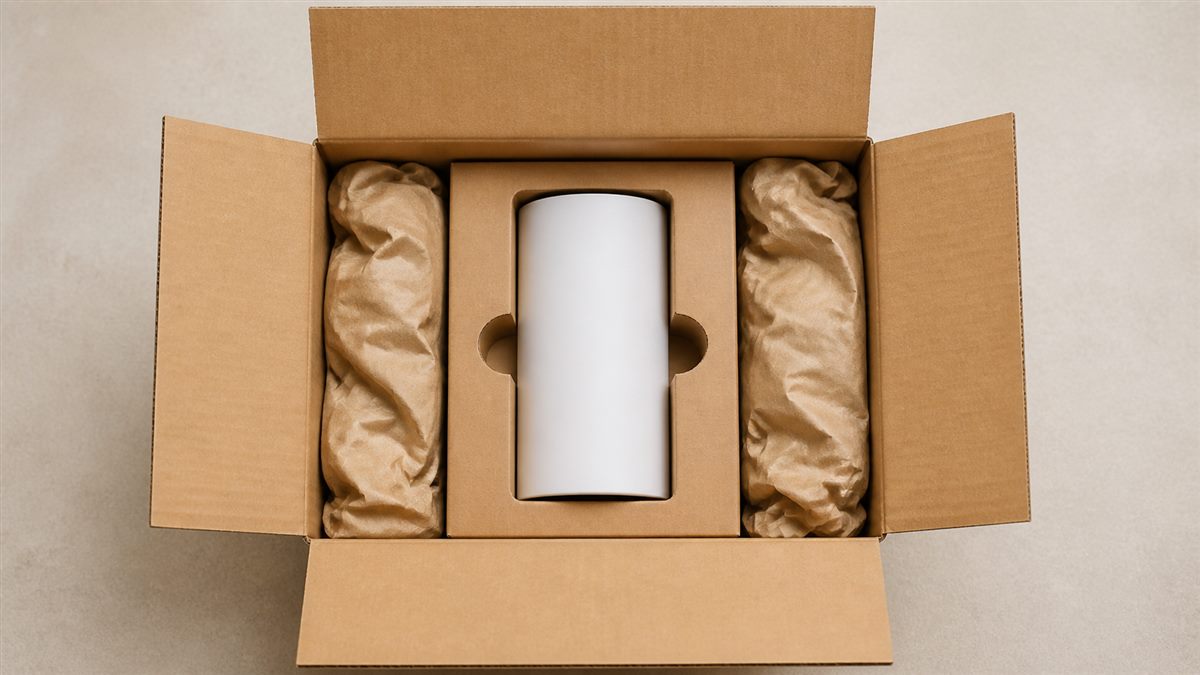
Build protection from product-specific risks
Start by identifying where the product could shift, rub, compress, or contact a hard edge. An insert or divider may be useful when it holds the item in a repeatable position, while a surrounding material may help occupy space and reduce movement. The final materials and structure should be confirmed against the actual product.
- Use fit and retention to limit movement.
- Separate components that could touch or scratch one another.
- Review the packed product rather than judging the empty box alone.
For products requiring a coordinated outer pack and presentation layer, custom packaging solutions can be developed around the product and project requirements.
Key Takeaway: Product protection is a layout decision: the package should control movement and contact in ways that match the item.
Which Materials Are Common in E-Commerce Packaging?
Common e-commerce packaging materials include paperboard cartons, corrugated shipping boxes, paper wraps, and other components selected for a particular product and route. The suitable choice depends on the structural role, print and finish needs, packing method, cost considerations, and the final specification.
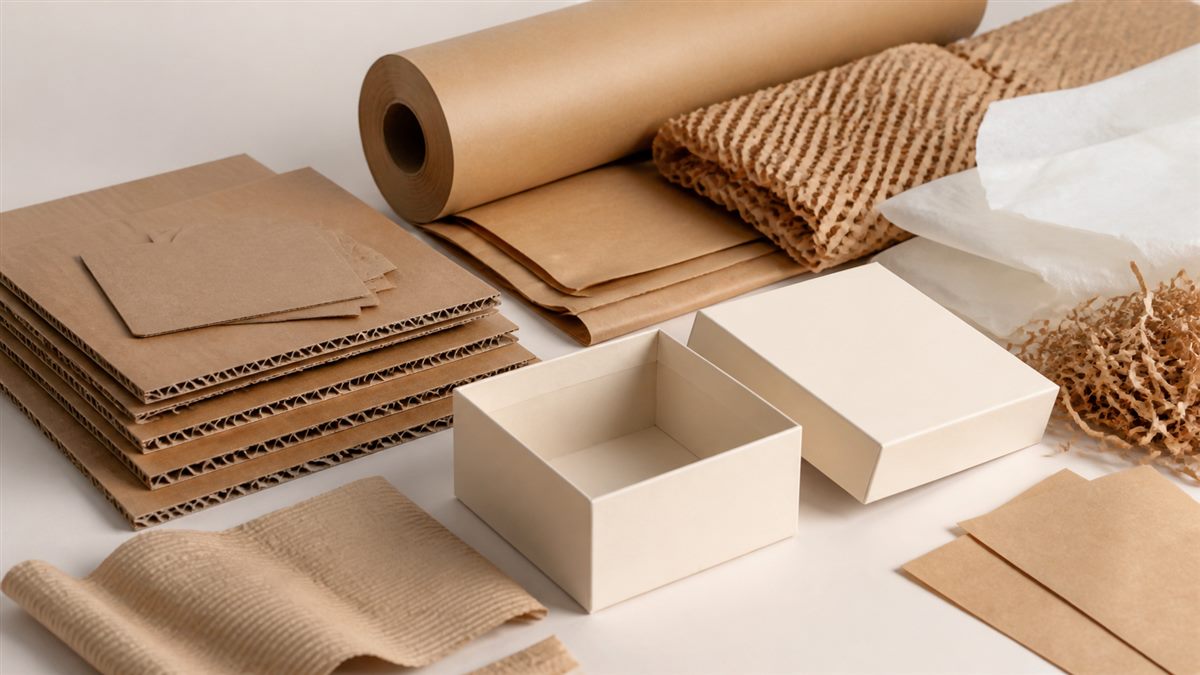
Choose materials by function before finish
Outer and inner components do not necessarily need the same material or visual treatment. An outer shipping carton may focus on parcel handling, while an inner box may support presentation. If sustainability is a project requirement, the specific material claim, sourcing information, and end-of-life guidance should be verified before it is communicated.
- Use outer materials appropriate to the shipping pack?? structural role.
- Use inner materials appropriate to presentation and product contact needs.
- Confirm material availability and project-specific feasibility before approval.
For direct-to-customer beauty orders, custom cosmetic boxes can be considered alongside the shipping layer, while beauty packaging solutions provide related product-category context.
Key Takeaway: Material selection should follow the packaging function and verified project requirements, not a generic formula.
How Can E-Commerce Packaging Improve the Unboxing Experience?
The unboxing experience is the sequence a customer follows when opening a delivered order. It can feel considered when the product is easy to find, remove, and understand without unnecessary layers or confusing steps.
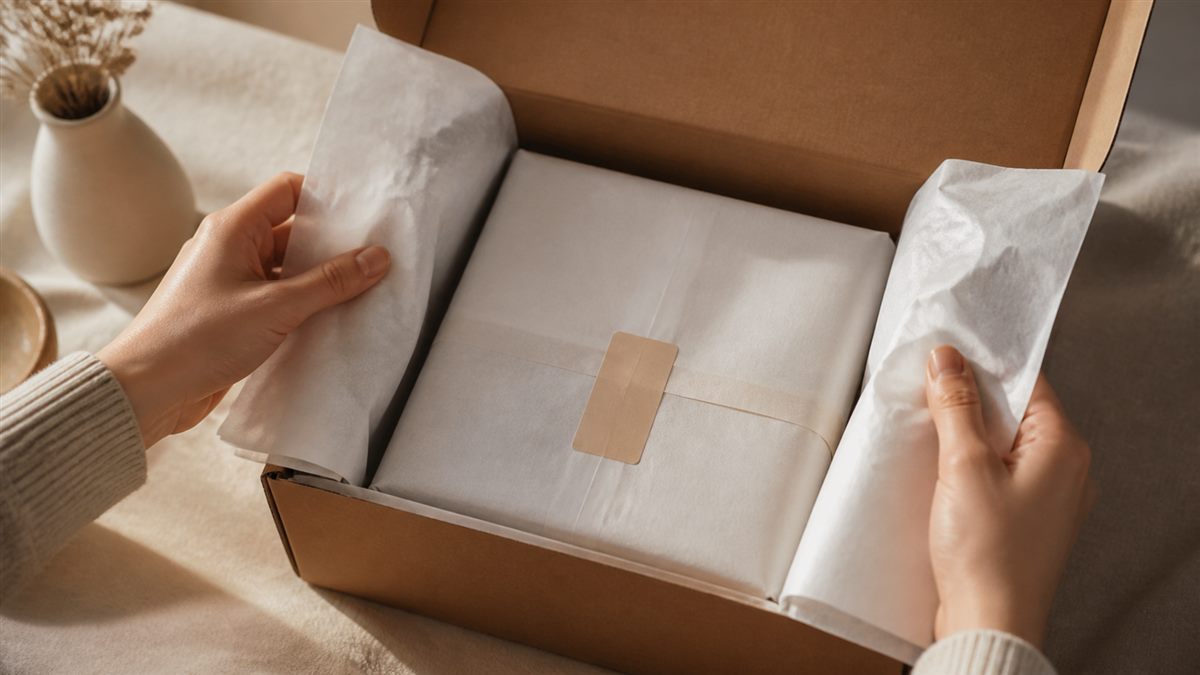
Make the opening sequence clear
Plan what the customer sees first, how they access the product, and where any accessories or instructions sit. The product should remain secure until opening, yet the pack should not require awkward handling to remove it. Visual decisions such as color, printing, and finishing can support this sequence when they serve a clear purpose.
- Keep the opening path intuitive.
- Present the main product before secondary items where appropriate.
- Use branding details selectively so they do not obscure practical information.
Key Takeaway: A strong unboxing experience combines orderly presentation with straightforward access to the product.
What Branding and Information Should Go on the Package?
Branding and information should help the customer recognize the order, open it correctly, and understand the product or next step. The precise content depends on the brand, product category, market, and any applicable requirements that the brand must confirm.
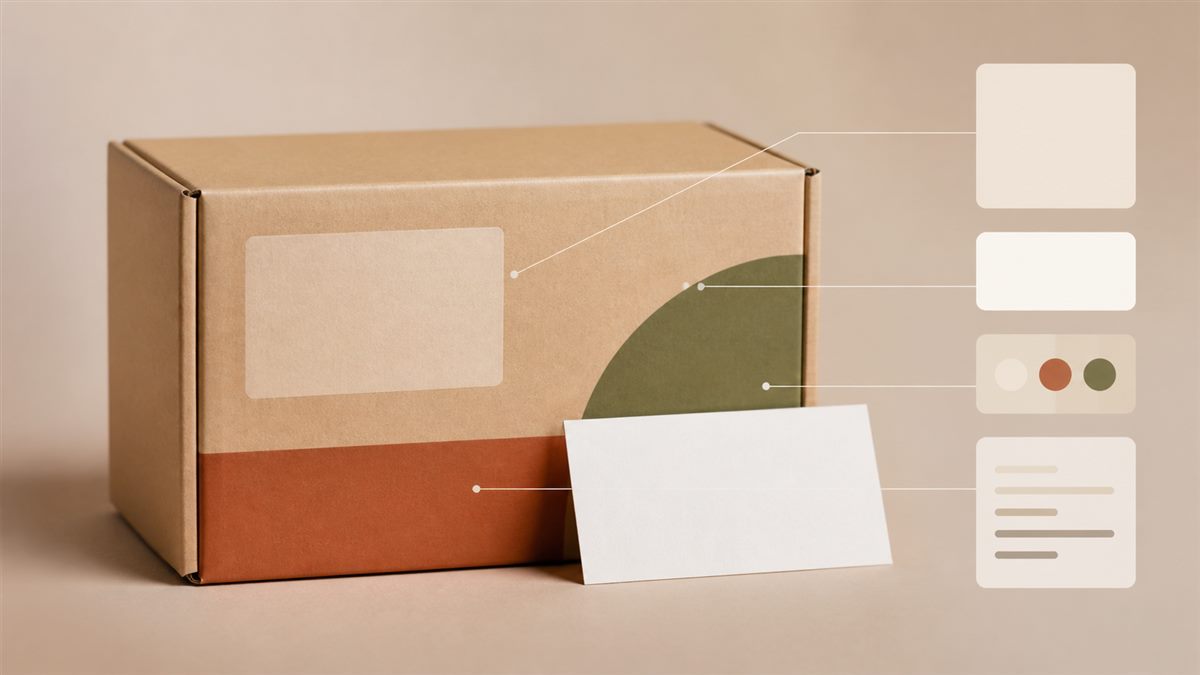
Prioritize useful information
Keep exterior shipping information distinct from the product-facing presentation where possible. Inside the pack, use a clear hierarchy so the customer can identify the product, any included components, and care or use information supplied by the brand. Do not assume a single label or graphic system fits every channel.
- Separate shipment identification from product presentation where practical.
- Place customer-facing information where it can be found without disrupting the product.
- Confirm all regulatory, care, and product-specific copy with the responsible brand team.
Key Takeaway: Packaging information works best when it is accurate, easy to find, and appropriate to the package layer where it appears.
Should E-Commerce Packaging Be Designed for Returns?
Return needs vary by product, sales policy, and fulfillment model, but they are worth considering during packaging development. A package intended to support a return journey may need a usable reseal method, a clear way to re-pack the product, and enough structure to accommodate the original components.
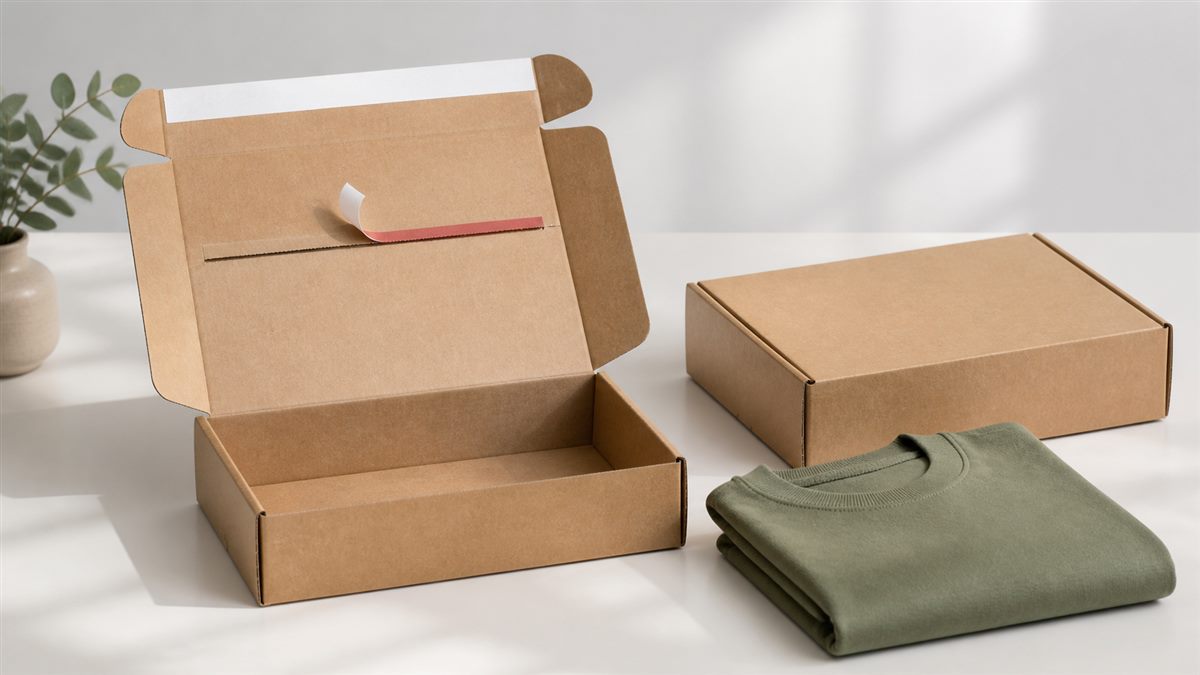
Decide the return role early
Do not assume every parcel pack can or should be reused for a return. Instead, define whether returns are in scope, then review the opening method, closure approach, and product positioning with that goal in mind. The actual return policy and customer instructions are brand-specific.
- Confirm whether the original package is expected to travel again.
- Keep the re-packing sequence understandable if a return pack is required.
- Review closures and internal components with the chosen return approach.
Key Takeaway: Return-ready packaging is a deliberate design choice, not an automatic property of a shipping box.
What Should Brands Confirm Before Developing E-Commerce Packaging?
Before development begins, brands should assemble the information that determines fit, presentation, production feasibility, and fulfillment use. A clear brief makes it easier to review a sample and align the approved design with mass-production expectations.
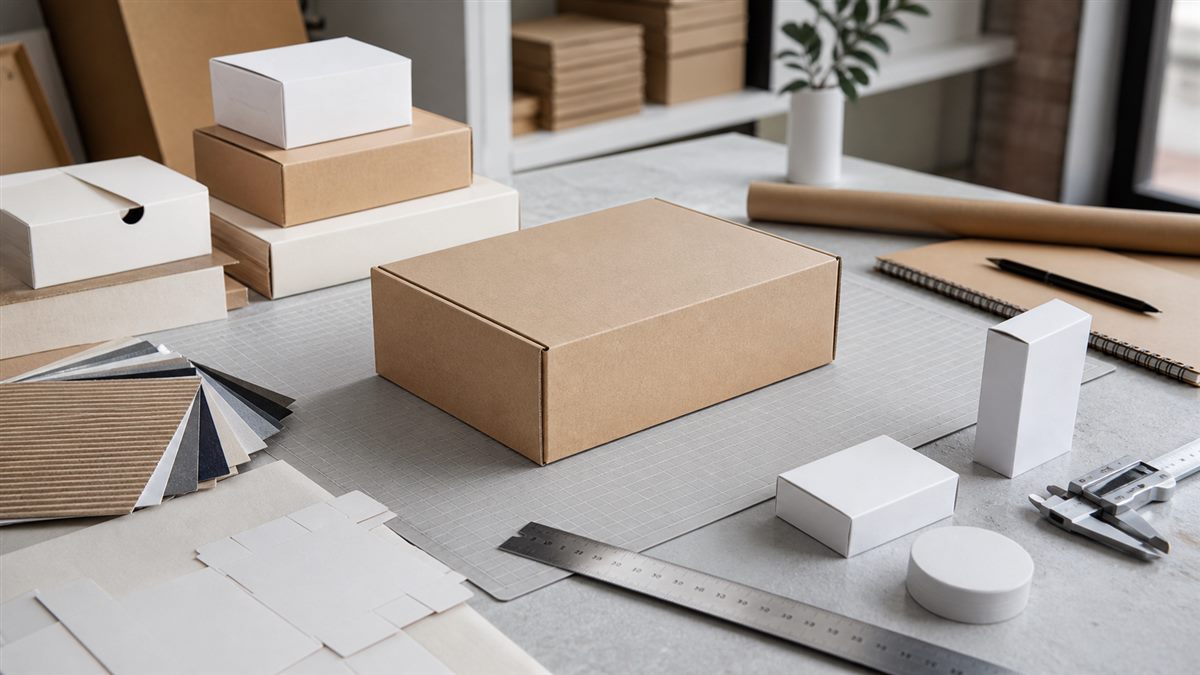
Build a packaging brief from real product data
Share representative product samples or accurate dimensions, expected order contents, desired opening sequence, artwork, and packing requirements. Then review the combined structure, materials, finish direction, and insert fit before production approval. Quantity, logistics, and production timing should be confirmed according to the final specification.
- Product dimensions, weight, shape, and fragile details.
- Inner and outer packaging requirements, including return needs if applicable.
- Artwork, finish direction, packing method, and project quantity.
King Tai Printing & Packaging supports B2B packaging projects from structural development and material selection through printing, finishing, assembly, quality inspection, and logistics. Contact the team to discuss a project specification.
Key Takeaway: A complete brief and approved sample give brands the clearest basis for aligning packaging function, presentation, and production expectations.
Conclusion
E-commerce packaging is the system that takes an online order from fulfillment to the customer?? hands. When it is planned around the product, shipping route, package layers, and opening sequence, it can support both practical protection and a more coherent brand experience.
FAQ
What is included in e-commerce packaging?
It can include an outer shipping box or mailer, an inner product box, inserts, cushioning, closure features, labels, and customer-facing materials. The exact combination depends on the product and fulfillment requirements.
Is e-commerce packaging the same as retail packaging?
No. Retail packaging primarily supports shelf presentation, while e-commerce packaging must also address individual parcel handling and delivery. A product may use both an inner retail pack and an outer shipping pack.
How do I choose the right e-commerce packaging size?
Start with the product together with the protective components it needs. The completed package should hold the product securely without relying on unnecessary empty space.
What should I provide when requesting custom e-commerce packaging?
Provide product dimensions or samples, expected order contents, artwork, preferred presentation, packing requirements, and any return considerations. Final material, structure, quantity, and production details should be confirmed for the project.