
You can buy a jewelry box from a retail seller for personal storage, a wholesale supplier for ready-to-ship business stock, or a custom manufacturer when the box must match a brand, product, and order plan. The right route depends on whether you need one organizer, a dependable retail pack, or packaging built around a specific jewelry item. This guide helps you compare the options, identify the details that affect the purchase, and decide when a custom project is worth the added planning.
Which Buying Route Fits Your Need?
The best buying route is the one that fits your quantity, required presentation, and need for customization. Retail marketplaces favor convenience; wholesale catalogs favor repeat orders; custom manufacturing favors controlled structure and brand expression.
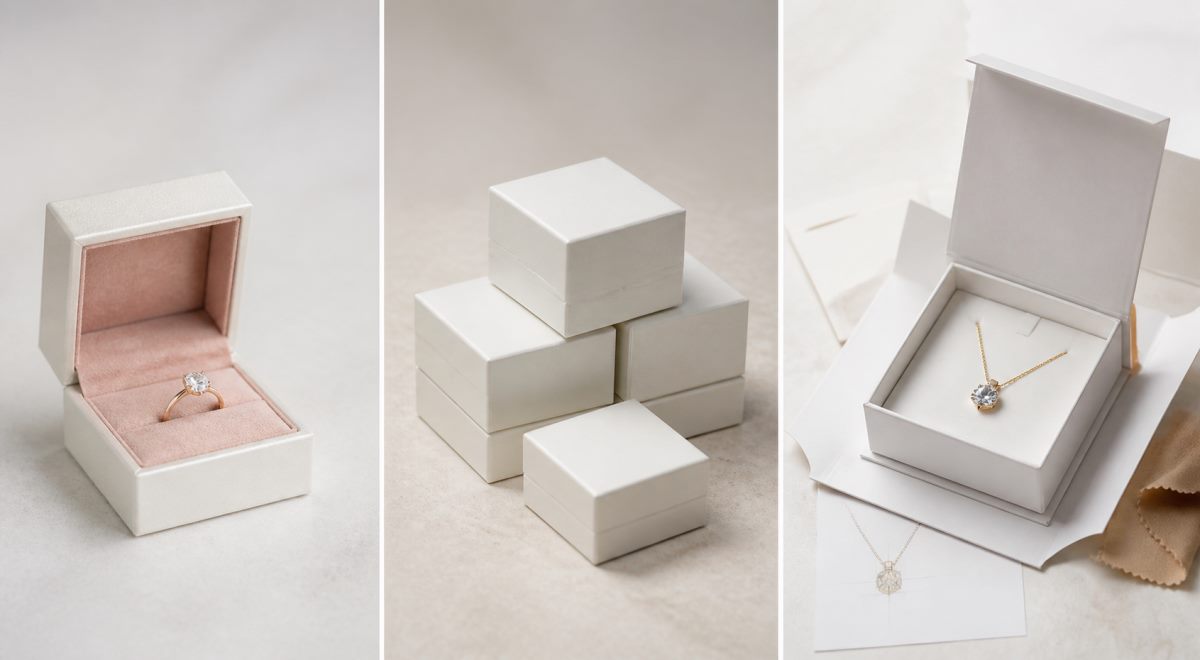
Choose by purchase purpose
A single storage box and a branded retail box solve different problems. Start by classifying the purchase before comparing prices.
- Personal use: storage, access, and appearance.
- Retail replenishment: consistent formats and practical ordering.
- Brand packaging: product fit, artwork, and repeatable production.
Key Takeaway: Select the buying channel after defining the job the box must do, not simply the lowest visible price.
Where Should You Buy a Jewelry Box for Personal Use?
For personal use, buy from a retailer or marketplace that lets you inspect dimensions, compartments, and return terms before committing. A personal organizer should make the collection easier to store and use, rather than merely look attractive.
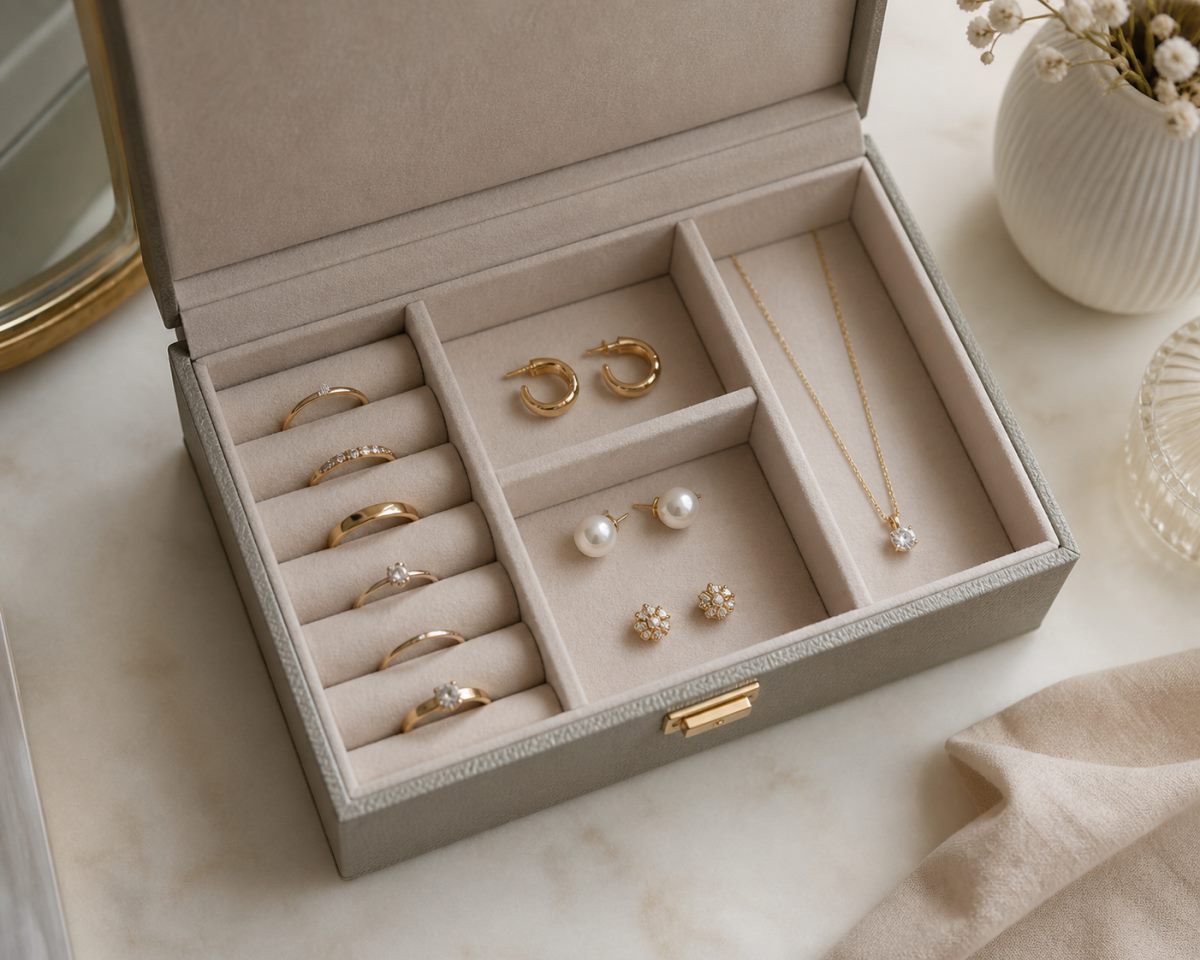
Match storage to the collection
Rings, earrings, necklaces, and watches need different positions. Check whether dividers, hooks, rolls, or drawers suit the pieces you actually own.
Check the practical details
Review internal measurements, closure, lining, and how easily jewelry can be removed. Product photos alone cannot confirm that a larger necklace or bracelet will sit correctly.
Key Takeaway: Personal buyers should prioritize usable organization and verified dimensions over decorative features.
What Should Jewelry Retailers Buy?
Jewelry retailers should buy boxes that present each item consistently and support the intended customer experience. Ready-made stock can work for straightforward assortments, while branded packs become more useful when presentation is part of the purchase promise.
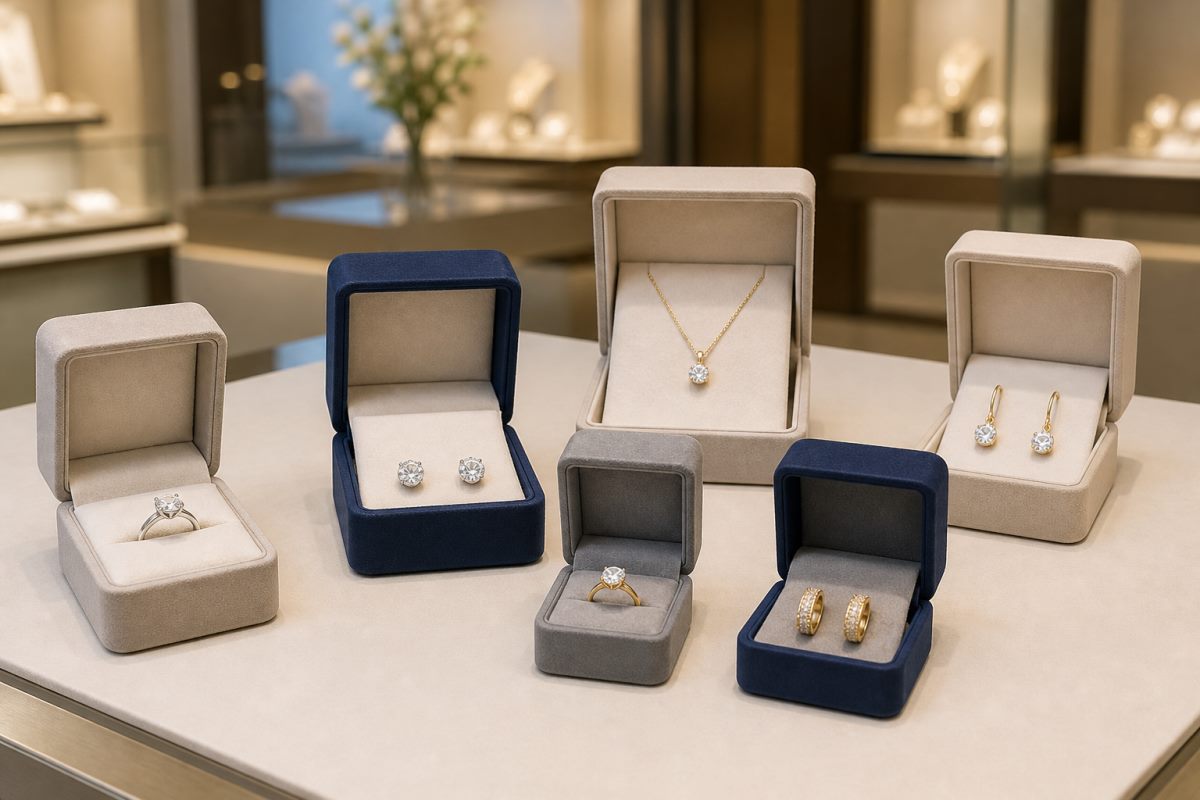
Keep formats proportionate
Use a format that suits the item rather than one oversized box for every SKU. Ring, pendant, earring, and set packaging each need a considered internal position.
Consider the brand handoff
The box is often the final physical touchpoint at checkout. For product-category guidance, see King Tai?? custom jewelry boxes.
Key Takeaway: Retail packaging should protect the jewelry and make the brand presentation feel deliberate at the point of sale.
How Should Online Sellers Source Jewelry Boxes?
Online sellers should source jewelry boxes by balancing product presentation with the realities of fulfillment. The box has to look right when opened, fit the product reliably, and work within the protection plan for onward shipping.
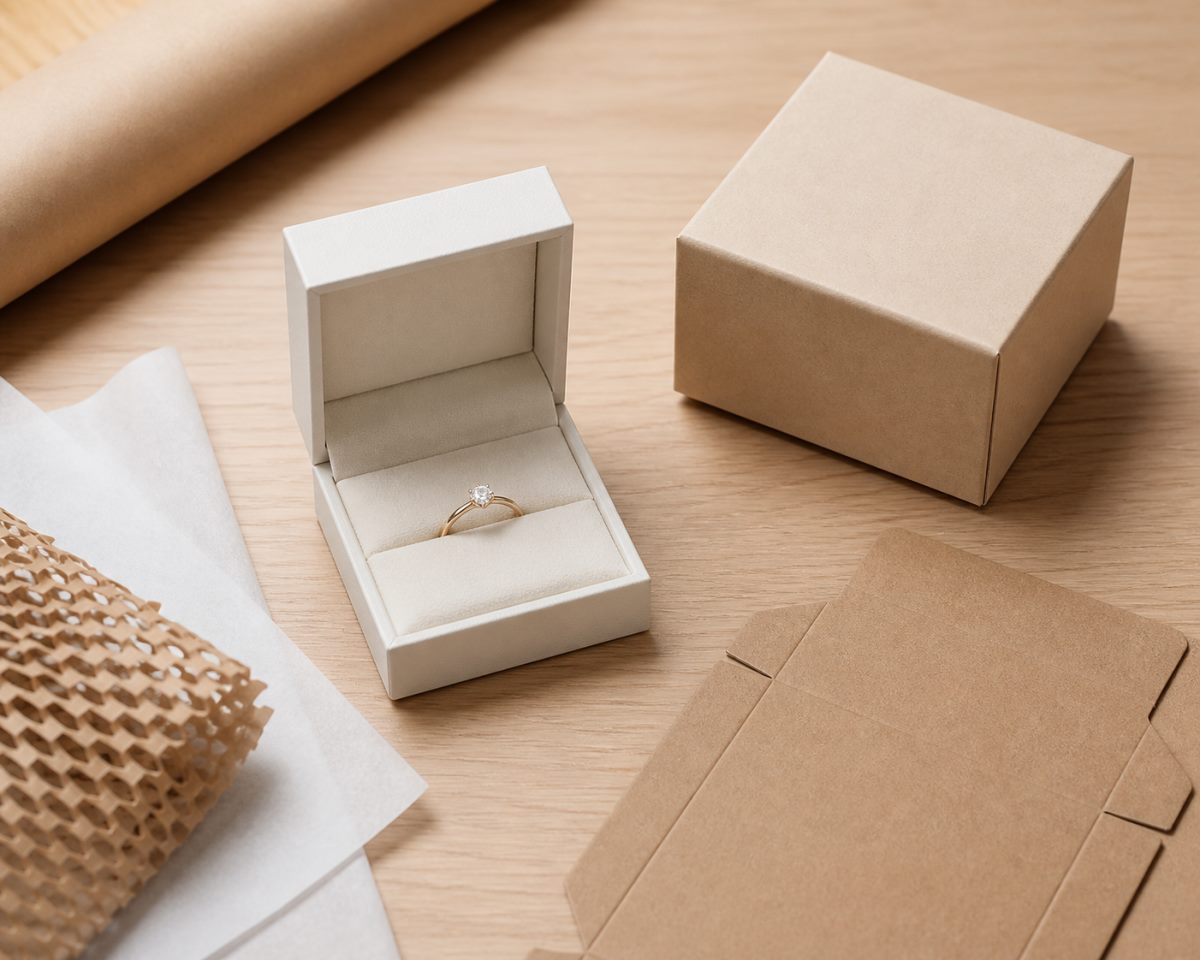
Price the delivered pack
Compare the unit price alongside inbound freight, outer-pack needs, storage, and the risk of a poor fit. A lower catalog price can be misleading if it creates handling or replacement work.
Review the unboxing sequence
Think through how the customer will first see the jewelry, remove it, and keep the box. A simple structure can still feel premium when its proportions and details are well resolved.
Key Takeaway: The online choice is the format that supports both the customer reveal and the operating process behind it.
Which Jewelry Box Format Should You Choose?
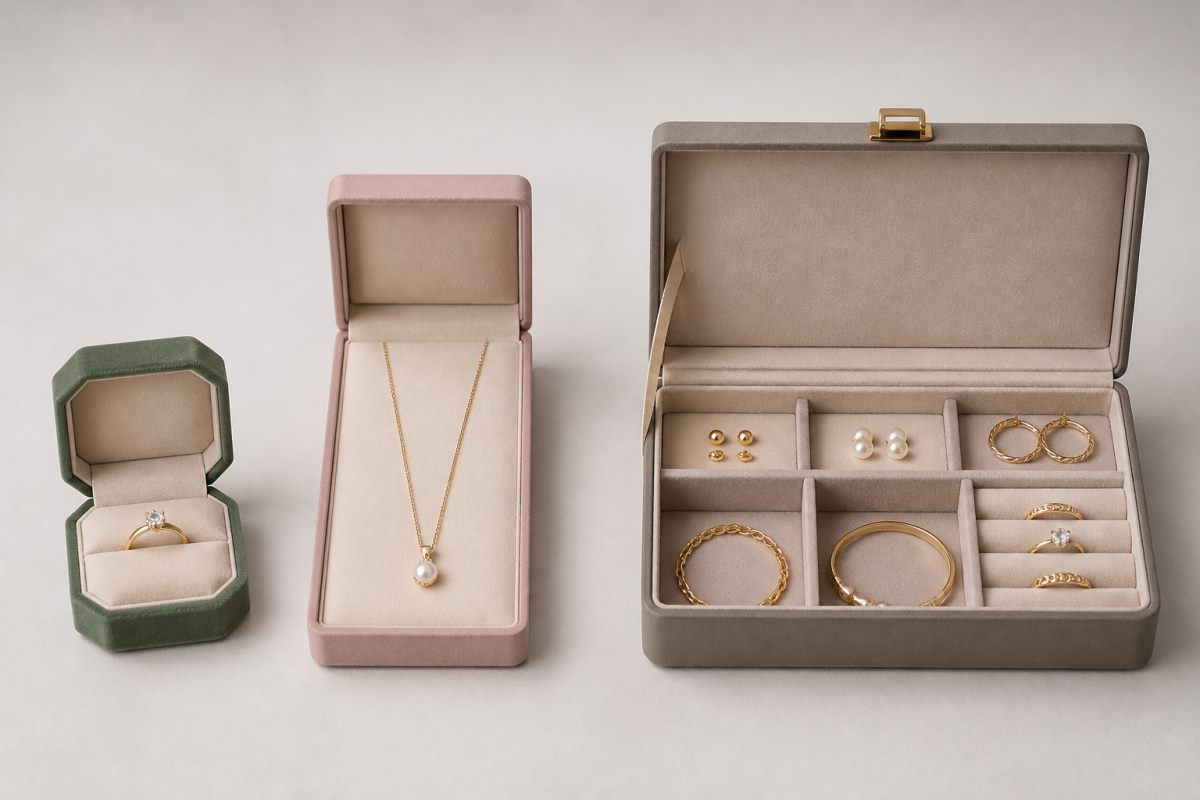
You should choose a jewelry box format around the item?? shape, protection needs, and desired presentation. Common options include lift-off rigid boxes, hinged boxes, drawer boxes, foldable packs, and multi-piece sets; each changes access, appearance, and packing behavior.
Compare structure before decoration
The opening method, internal depth, and insert position influence the experience more than a decorative effect applied afterward.
| Format | Useful when | Confirm first |
|---|---|---|
| Rigid lift-off box | Structured presentation | Product depth and lid fit |
| Drawer box | Layered reveal | Pull action and insert stability |
| Foldable pack | Space-conscious packing | Assembly and final appearance |
Choose the structure that makes the jewelry easy to present and pack, then develop the surface treatment around it.
Key Takeaway: A format is successful when opening, product position, and logistics all work together.
How Do You Check Size and Insert Fit?
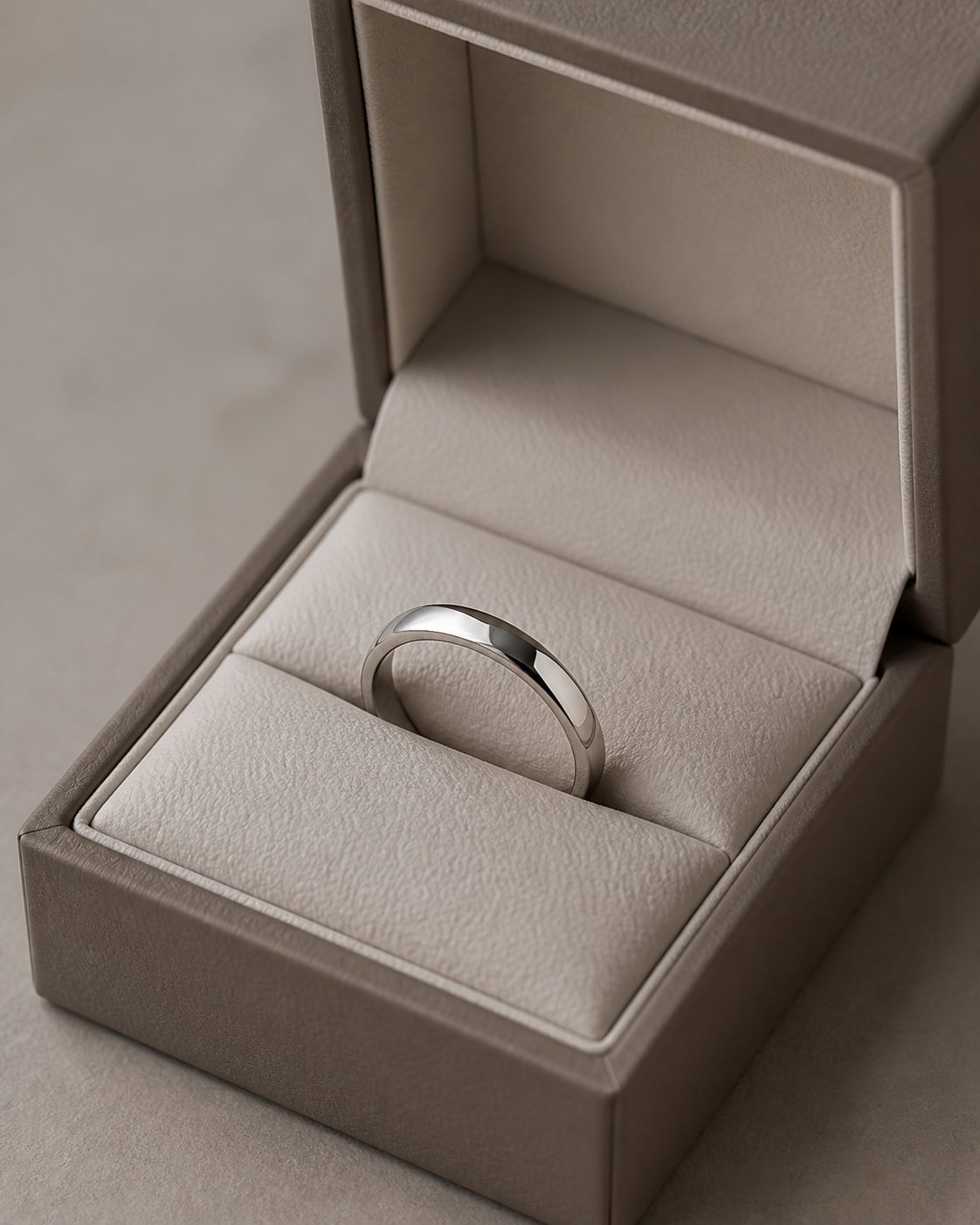
You check size and insert fit by using the actual product dimensions and reviewing how the item sits, is removed, and remains positioned in the finished box. A generic insert may not suit a unique stone setting, chain length, or product set.
Provide complete product information
Share dimensions, shape, weight, and any delicate or protruding details. The outer box, insert, and product should be evaluated as one system.
Approve the physical sample
Check product orientation, opening and closing, insert fit, and overall appearance in a sample before using it as a production reference.
Key Takeaway: Fit is a sample-stage decision; do not assume a standard insert will protect or present every jewelry design correctly.
Which Materials and Finishes Support the Right Look?
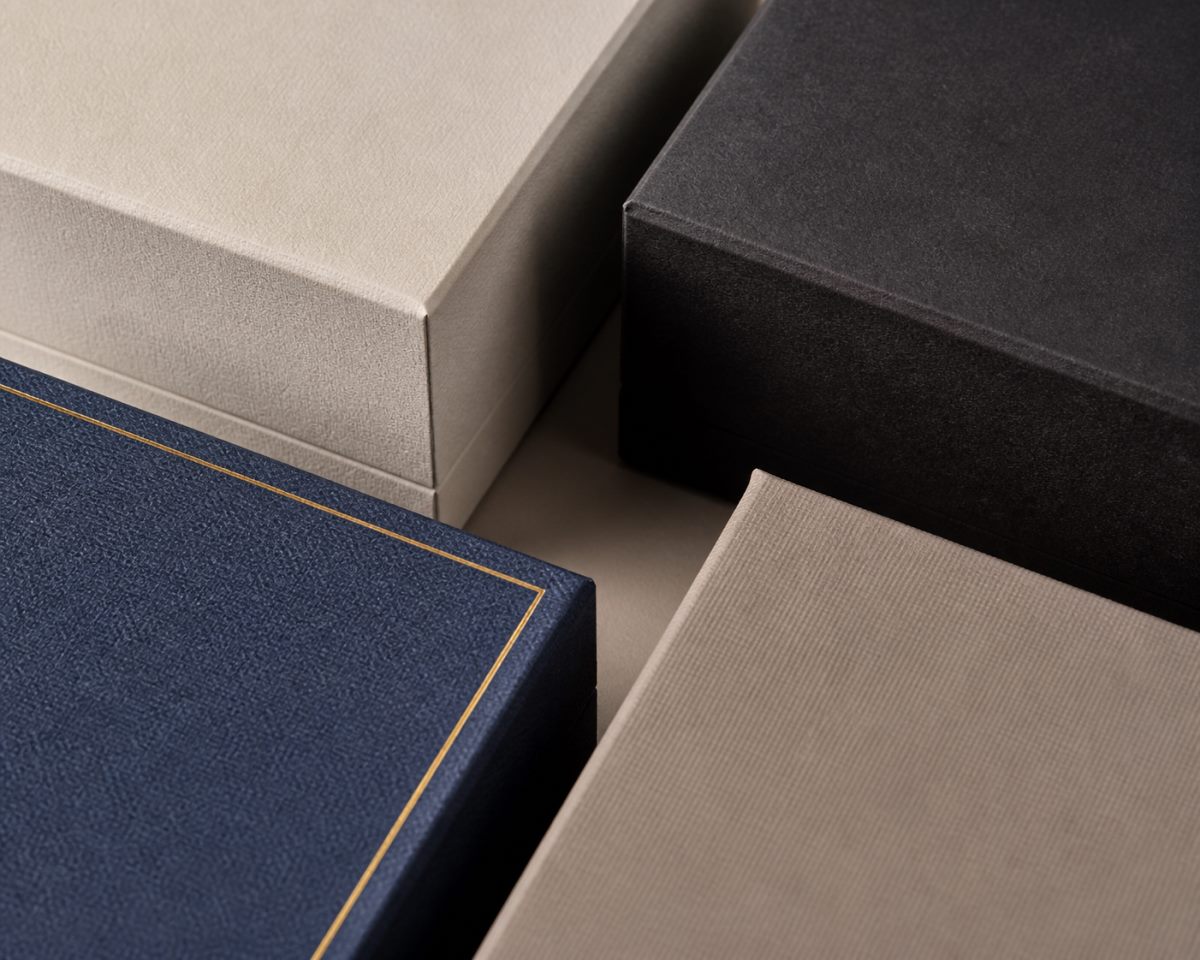
The right material and finish combination supports the desired appearance while remaining suitable for the selected structure and production process. Paper and board choices, wrap texture, printing, and finishing should be considered together rather than as isolated upgrades.
Set a clear visual hierarchy
Decide whether the main impression comes from color, texture, a printed mark, or one finishing detail. This helps avoid a crowded surface with no clear brand focus.
Confirm production implications
King Tai can support printing and surface finishing such as hot stamping, spot UV, and embossing where appropriate to the project. Confirm the combination against the structure, artwork, and approved sample.
Key Takeaway: Use finish decisions to reinforce the packaging concept, then verify that they can be reproduced consistently in the chosen build.
When Does Custom Jewelry Packaging Make Sense?
Custom jewelry packaging makes sense when ready-made boxes cannot provide the required product fit, visual identity, or repeatable specification. It is most valuable when packaging is part of the brand experience rather than a generic shipping accessory.
Use customization to solve a real need
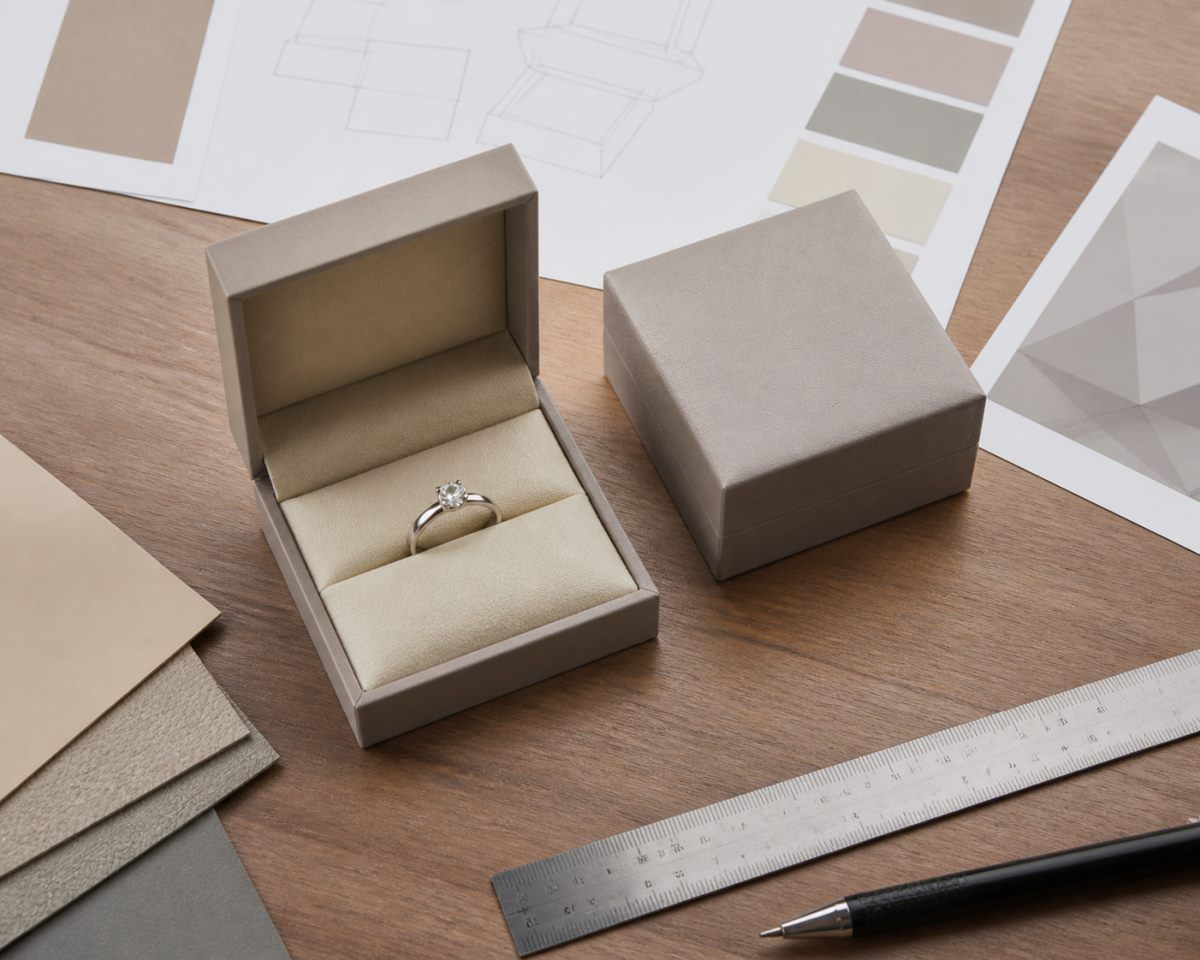
Custom work can address unique product dimensions, a branded color system, a particular opening experience, or an insert that positions the item correctly. Review the broader jewelry packaging solutions before setting the brief.
Turn ideas into a specification
Define the product, structure, artwork, material direction, finish, insert, quantity, and packing requirements. Clear specifications reduce the risk of a beautiful concept becoming an unclear production request.
Key Takeaway: Choose custom packaging when it creates a needed advantage in fit, presentation, or brand consistency??ot simply because customization is available.
How Can You Compare Suppliers Before Buying?
You can compare suppliers by judging how well they turn the same brief into a clear, reviewable proposal. Look beyond a quote to the quality of questions, sample process, specification control, and the supplier?? ability to explain trade-offs.
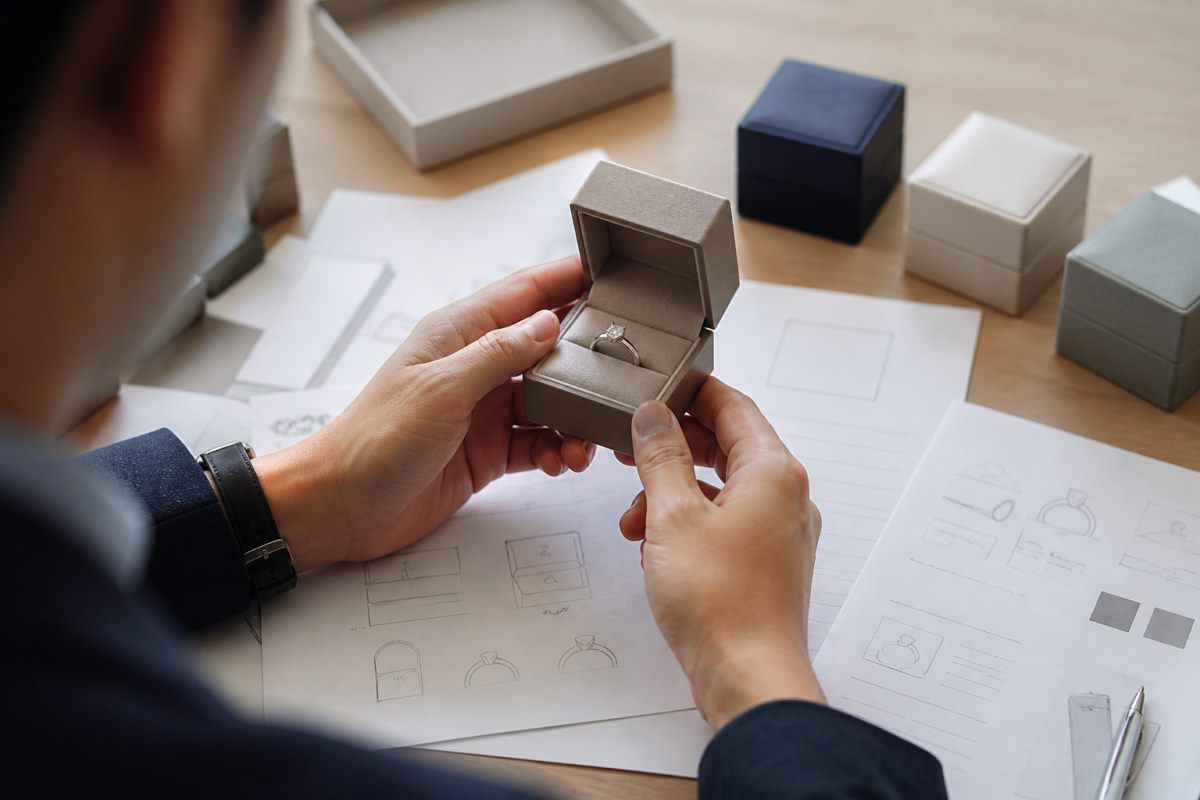
Ask decision-focused questions
A useful supplier conversation identifies what affects appearance, fit, cost, and consistency.
- How will the product and insert be reviewed together?
- Which materials and finishes are proposed?
- What will the sample confirm before production?
- Which changes could affect the specification or packing plan?
Check relevant evidence
Ask for examples and project information that directly relate to your format. King Tai?? jewelry box project case study is one relevant reference point.
Key Takeaway: A reliable comparison is based on a supplier?? response to your actual brief, not on general promises.
What Should You Confirm Before Placing a Bulk Order?
Before placing a bulk order, confirm the approved sample, specifications, artwork, materials, finish details, insert fit, and packing requirements. These items create the shared reference for production and help prevent avoidable misunderstandings.
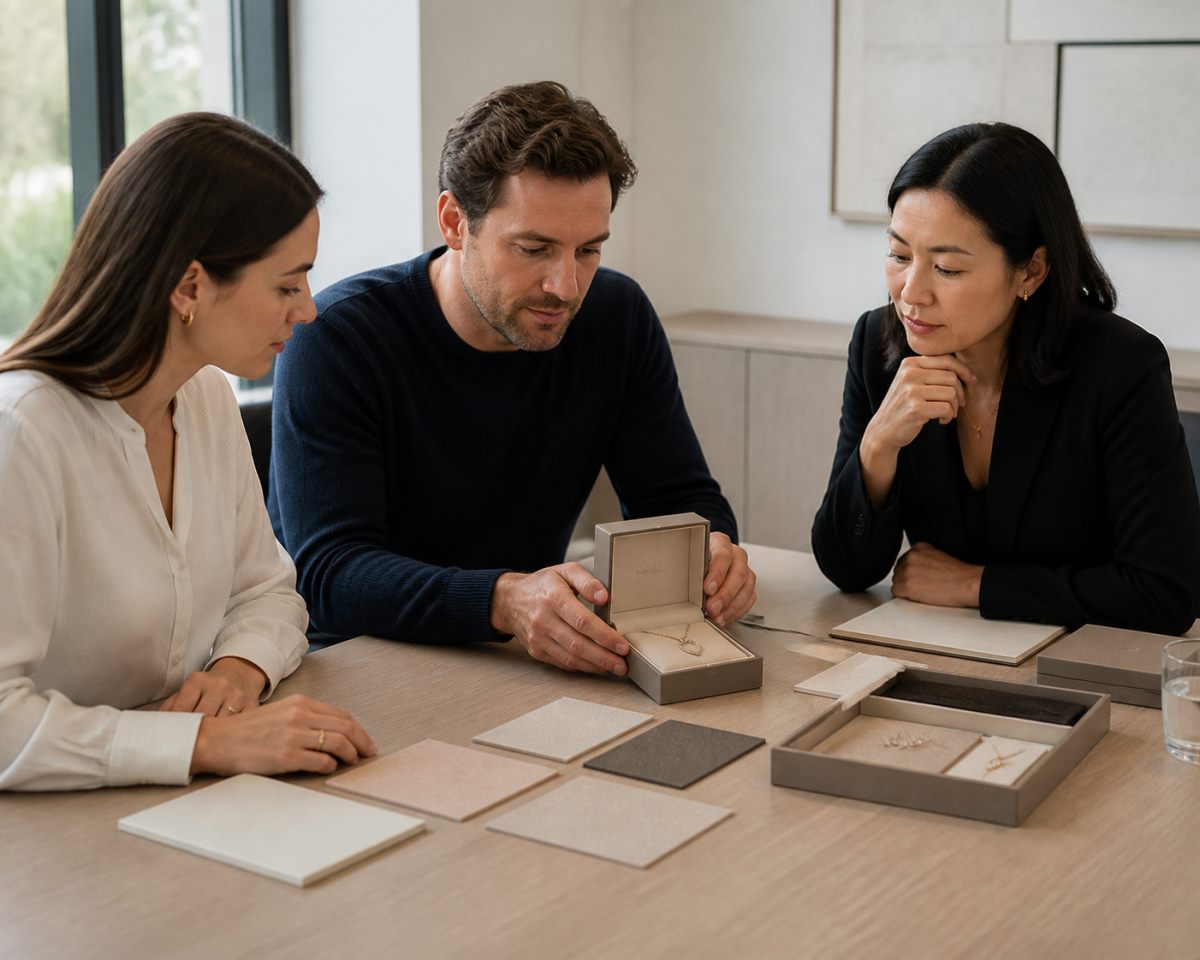
Use the approved sample as the reference
Review color appearance, structure, opening action, assembly, finish registration, and product position. Record the accepted details so the approval can guide later production checks.
Keep communication specific
State any change in writing and check its effect on the box rather than treating it as a cosmetic adjustment. For custom structures beyond jewelry, explore King Tai?? custom packaging solutions.
Key Takeaway: Bulk ordering is safer when the approved sample and written specification describe the same package.
FAQ
Where is the best place to buy one jewelry box?
A retail seller or marketplace is usually the most practical place for one box, provided the listing gives clear dimensions, compartment details, and return information.
Should a jewelry brand buy wholesale or custom boxes?
Choose wholesale for simple, ready-to-ship needs and custom packaging when product fit, brand presentation, or a repeatable specification is important.
What should I send a custom jewelry-box supplier?
Send product dimensions, photographs or drawings, desired structure, artwork, quantity, material and finish direction, insert needs, and packing requirements.
Buying a jewelry box becomes easier when you first separate personal storage, ready-made business stock, and custom brand packaging. For brands, the priority is a well-specified box that presents the product properly and can be reproduced consistently. King Tai is a direct B2B manufacturer that can support custom packaging development from structural design and material selection through sampling, finishing, assembly, quality inspection, and logistics support. Discuss your packaging project with King Tai.