
A handmade watch box should protect each watch, present it with intention, and support a repeatable brand experience. If the box looks refined but the insert does not fit, the result can feel careless at the moment of unboxing. This guide shows you how to evaluate the material, structure, interior, and approval steps before a custom project moves forward.
What Should a Handmade Watch Box Do?
A handmade watch box should organize, protect, and present the product as one system. Its job is not simply to contain a watch; it should keep the piece positioned for storage, retail display, or gifting.
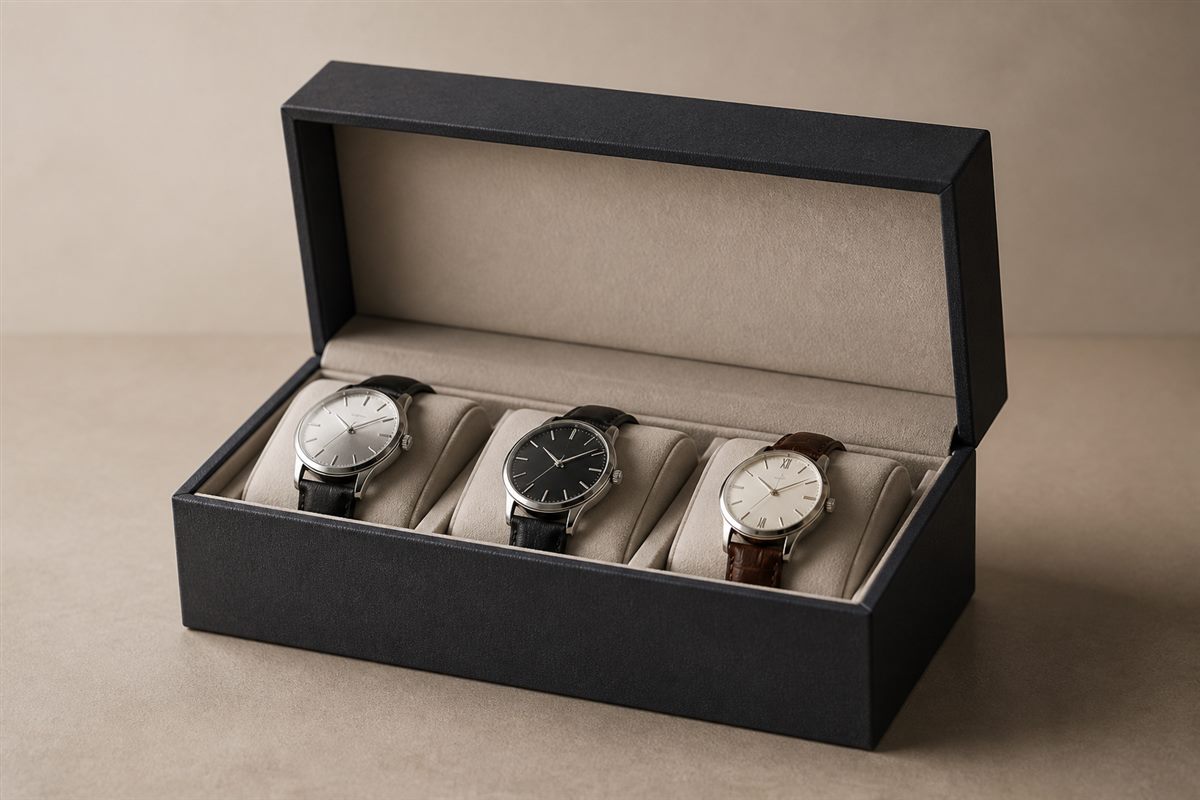
Start with the use case
The required experience changes with the application. A display box, a gift box, and a travel-oriented format may share materials but need different access and protection choices.
- Define whether the main use is retail presentation, gifting, storage, or transit.
- List the watch sizes and strap types that the box must accommodate.
- Decide how the customer should open, remove, and keep the box.
Key Takeaway: A clear use case prevents decorative choices from overriding product fit and daily usability.
Which Materials Suit a Handmade Watch Box?
The best material combination is one that supports the desired look, structure, and handling conditions. Paper wrap, specialty paper, board, wood-based components, and textile-like linings can each create a different visual and tactile result.
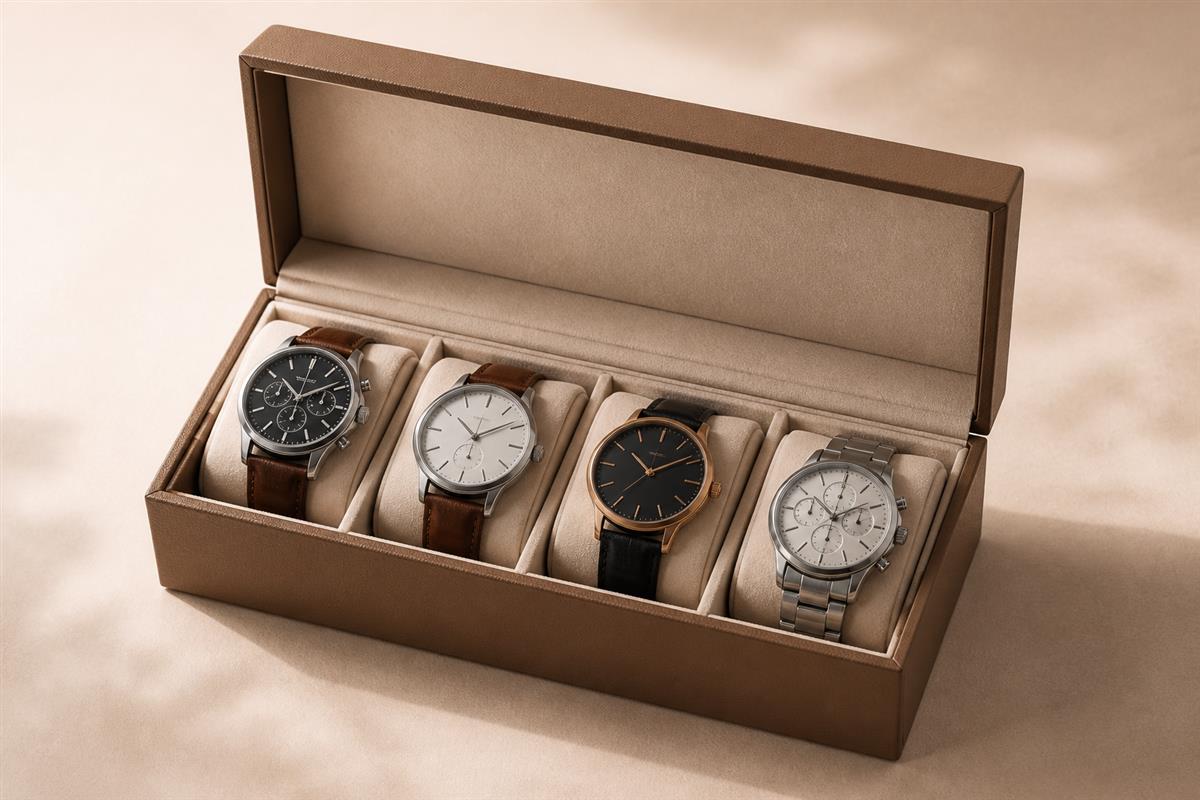
Evaluate materials as a system
Exterior material, rigid board, lining, and printing finish should be reviewed together. A surface may look suitable in isolation yet be unsuitable for the opening action or intended packing process.
- Use the exterior to establish color, texture, and perceived value.
- Choose the structural board around the required rigidity and format.
- Specify the interior material around contact, appearance, and product positioning.
Key Takeaway: Material selection should follow the package function and approved appearance, not a trend label alone.
Which Box Structure Fits the Intended Experience?
The box structure should make the watch easy to reveal, remove, and return without compromising the presentation. Lift-off lids, hinged boxes, drawer boxes, and multi-piece rigid formats create different opening sequences and packing needs.
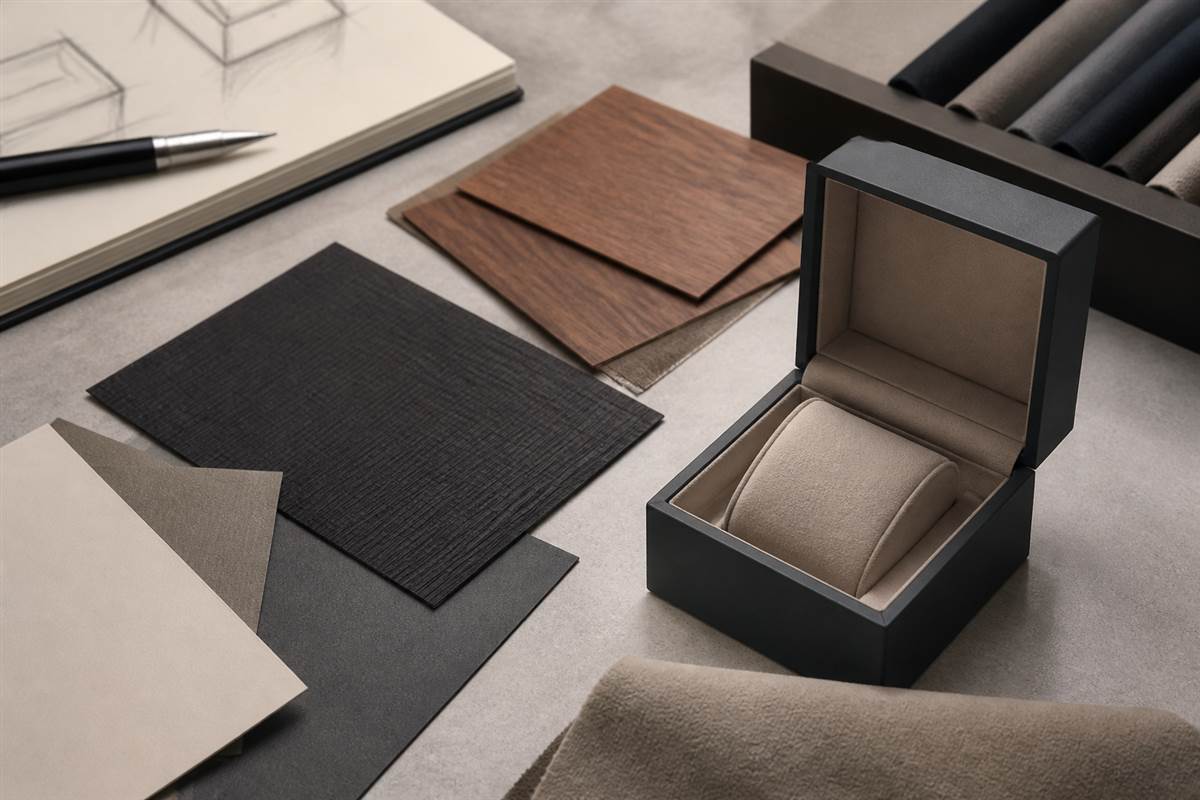
Compare opening behavior before decoration
The opening action shapes the first physical interaction with the product. Review it with the watch inside, because an elegant empty box can behave differently once the insert and timepiece are installed.
| Structure | Useful for | Confirm first |
|---|---|---|
| Lift-off rigid box | Simple, structured presentation | Lid fit and removal clearance |
| Hinged box | Display-led opening | Opening angle and closure alignment |
| Drawer box | Layered reveal | Pull action and insert stability |
Choose the format that fits the intended customer interaction, then develop its surface treatment.
Key Takeaway: Structure is a functional decision that determines access, presentation, and pack-out behavior.
How Do You Set the Right Capacity and Compartment Layout?
Set capacity from the actual assortment and the space each watch needs to sit without contact. A larger count is not automatically better if it creates crowding, poor access, or an oversized retail footprint.
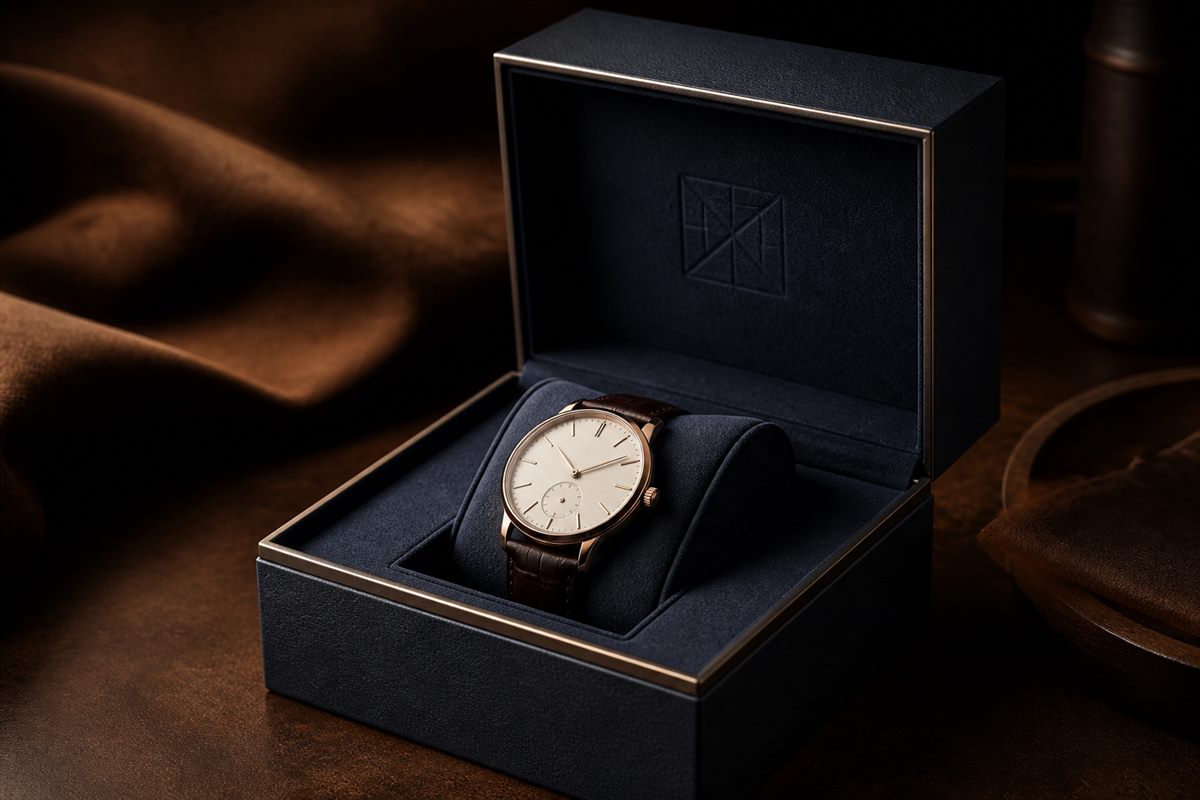
Use the real product range
Case diameter, strap thickness, clasp style, and watch height can change the needed compartment dimensions. Include representative products rather than relying on a nominal watch count.
- Identify the largest and smallest intended watches.
- Check spacing between adjacent watches and cushions.
- Review whether the layout supports a single SKU, a set, or a collector assortment.
Key Takeaway: The right layout comes from product dimensions and access requirements, not capacity marketing alone.
Why Do Inserts and Cushions Matter?
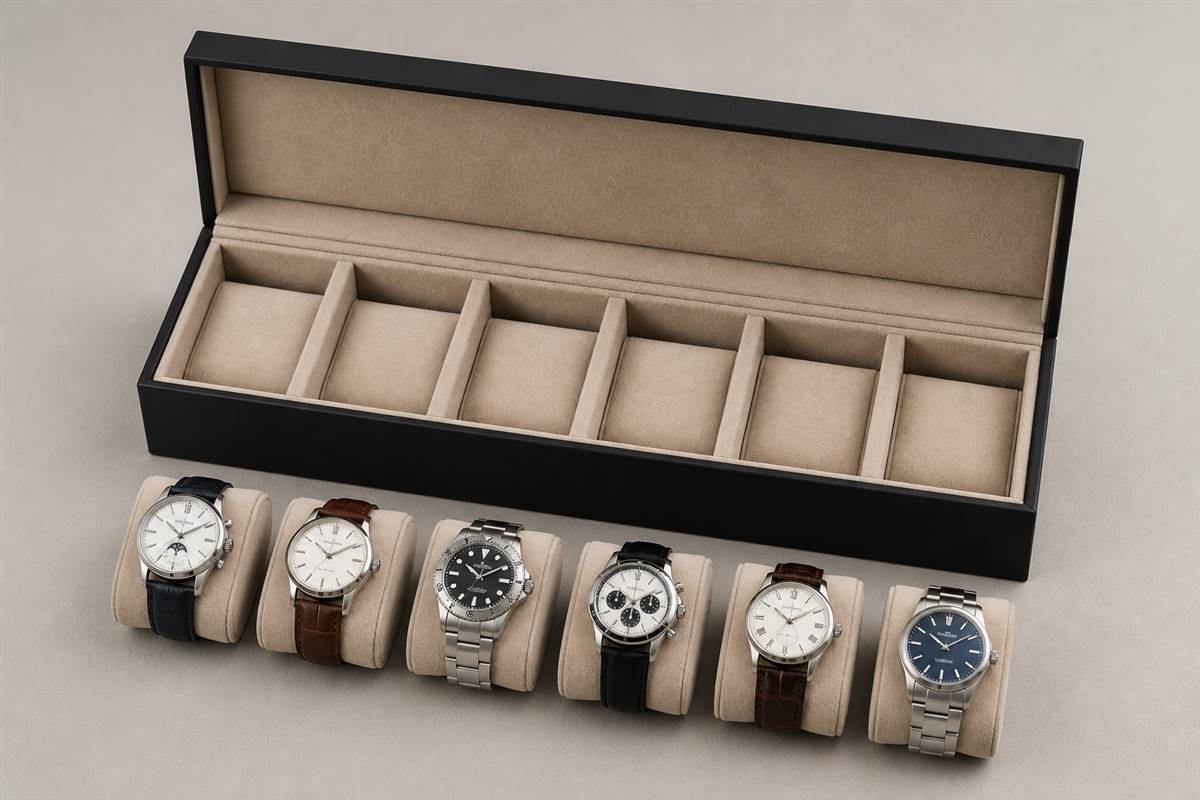
Inserts and cushions matter because they control where the watch sits and how it is seen when the box opens. They should support the watch without forcing the strap, obscuring the dial, or making removal awkward.
Review fit with the real watch
A cushion that suits one strap or case shape may not suit another. Test the product position, the removal motion, and the appearance of the watch once the lid is closed and reopened.
- Confirm cushion circumference against the intended strap range.
- Check that the insert holds position during normal handling.
- Verify that delicate parts do not rub against hard edges or hardware.
Key Takeaway: The insert is a product-fit component, so it should be approved with a representative watch in place.
How Can the Box Help Protect Watches?
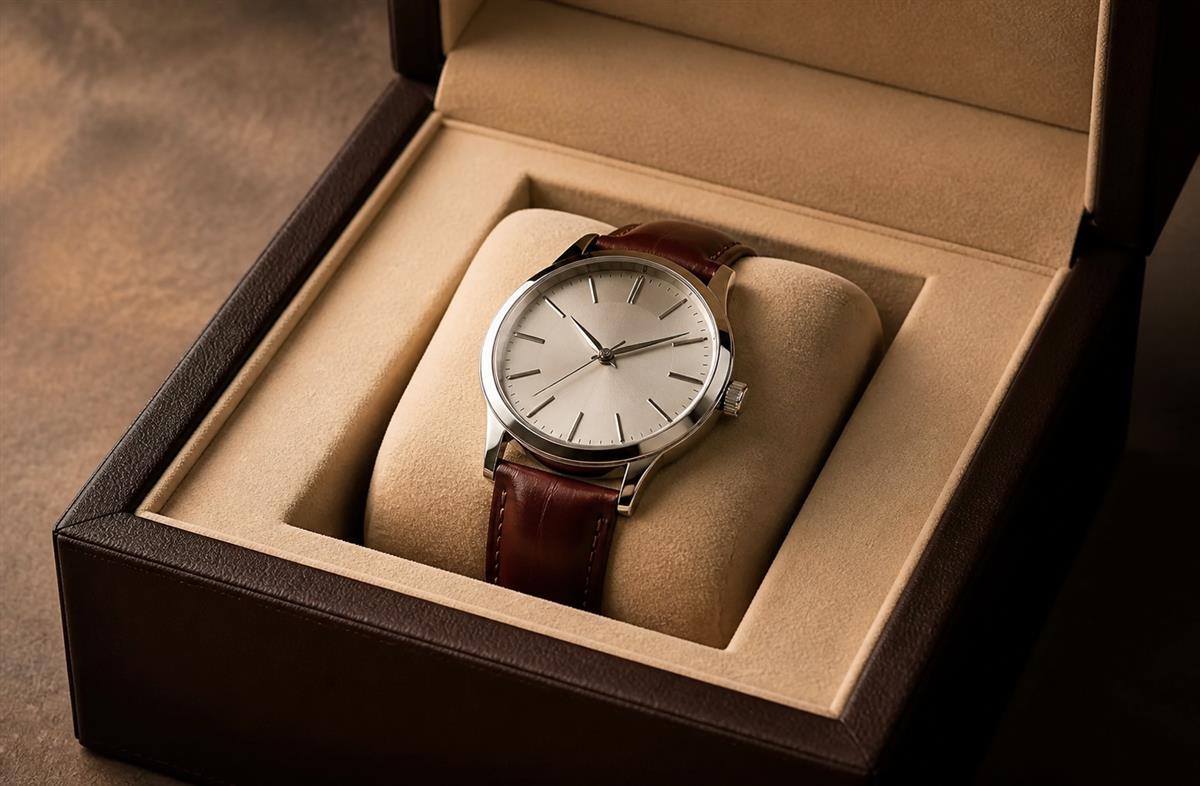
A watch box can help protect watches by keeping them separated, held in position, and covered during handling. Protection depends on the complete package rather than any one feature such as a lid or a soft lining.
Check predictable handling risks
Think through how the box is opened, packed, moved, and stored. The closure, compartment spacing, insert stability, and outer-pack plan all influence the risk of movement or surface contact.
- Check closure engagement and lid alignment.
- Review internal clearance around crowns, buckles, and protruding details.
- Define the outer packing requirement for the distribution route.
Key Takeaway: Protection improves when the product, insert, box, and onward packing are reviewed together.
How Should Branding and Finishes Be Used?
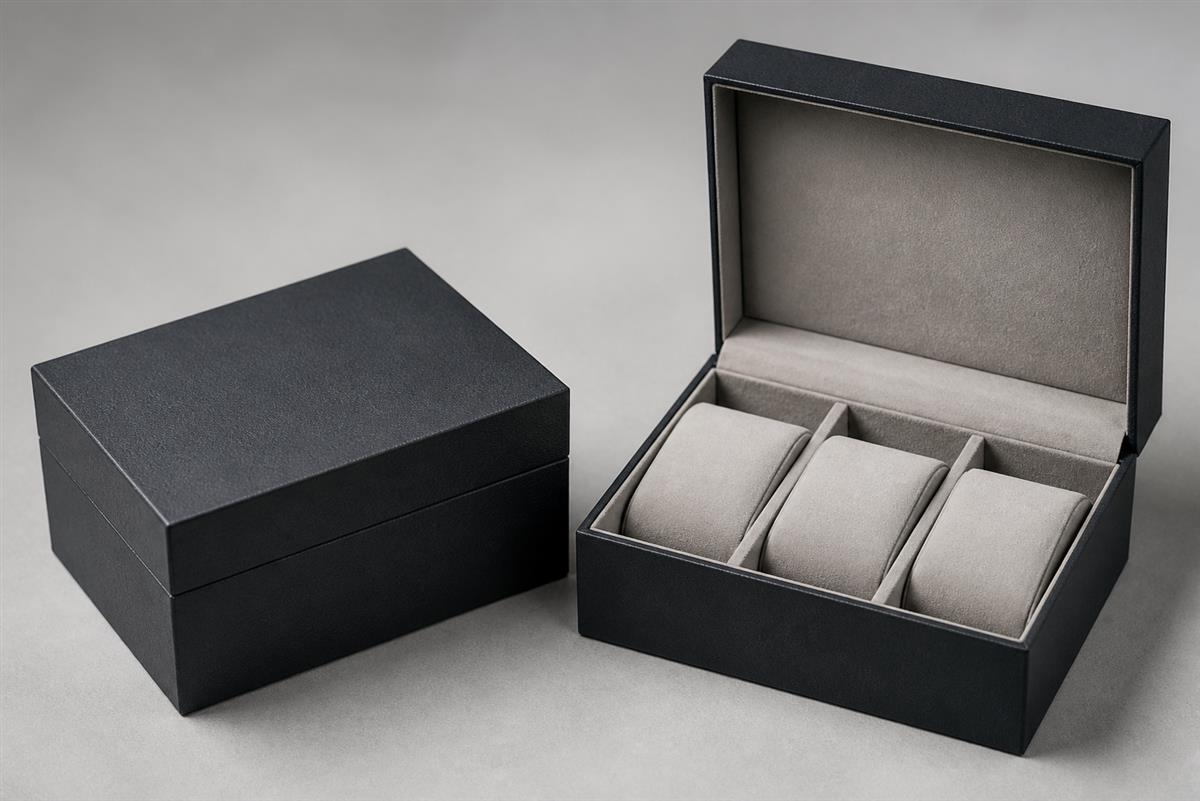
Branding and finishes should reinforce the watch brand without competing with the timepiece. A focused logo position, controlled color palette, and one or two well-chosen finishing details often communicate more clearly than a crowded surface.
Build the visual hierarchy
Decide what the customer should notice first: the watch, the logo, the texture, or the opening reveal. King Tai can support printing and surface finishes such as hot stamping, embossing, and spot UV where appropriate to the project.
- Set artwork around the main viewing angles.
- Check fine details at the intended production size.
- Approve color and finish appearance on the physical sample.
Key Takeaway: Finishing works best when it supports a clear visual hierarchy and a production-ready specification.
What Should You Review in a Physical Sample?
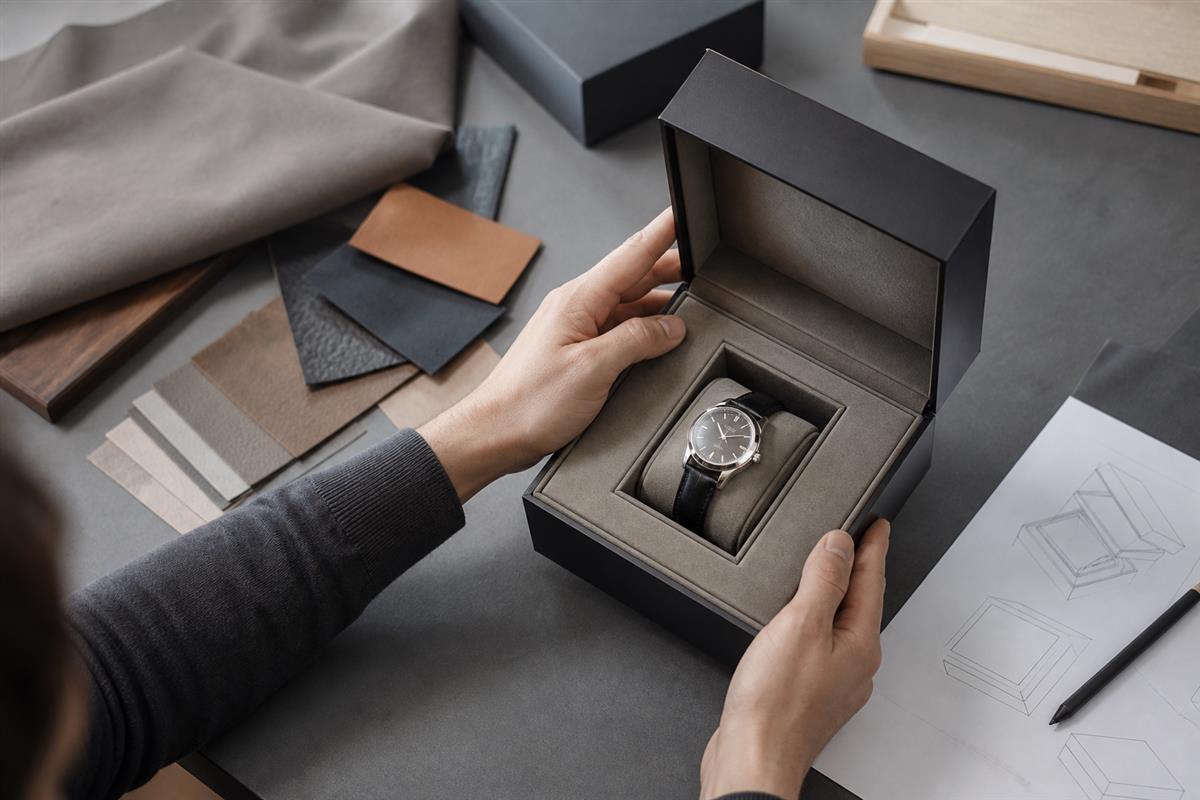
A physical sample should confirm that the design works as a package, not just that its artwork looks right. It is the point to assess fit, opening behavior, surface appearance, assembly, and the overall customer experience.
Turn review into an approval record
Review the sample against the original brief and record accepted details. For a watch-specific development reference, see King Tai’s watch box project case study.
- Place a representative watch in every proposed insert configuration.
- Check edge wrapping, logo placement, closure, and lid alignment.
- Record any approved material, artwork, or packing changes in writing.
Key Takeaway: An approved sample is valuable only when it is linked to a clear written specification.
What Should You Give a Custom Watch Box Supplier?
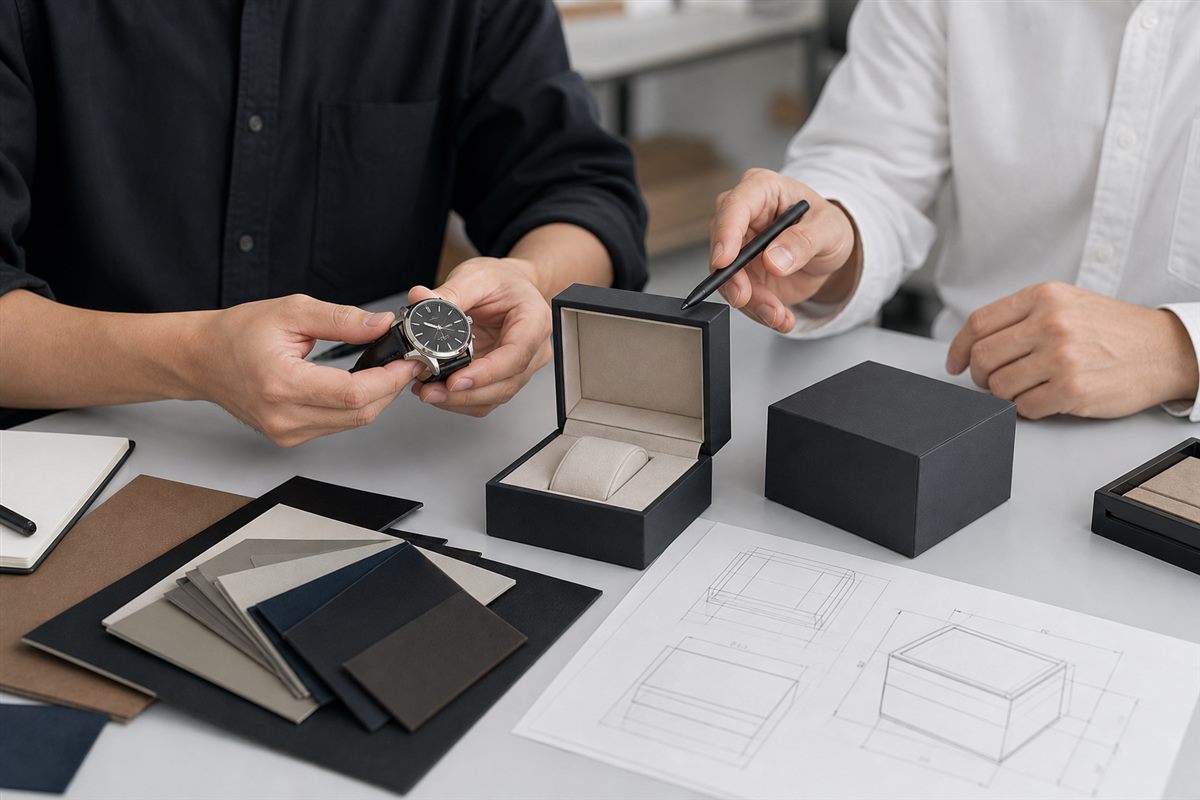
Give a custom watch box supplier a brief that describes the product, intended use, structure, visual direction, and delivery requirements. Complete information lets the supplier identify trade-offs before the project reaches sample stage.
Prepare the essential inputs
Start with the watch itself and build outward. King Tai’s custom watch boxes and watch packaging solutions show the category context for a focused project brief.
- Product dimensions, weight, photographs, and any sensitive features.
- Required structure, quantity, artwork, material direction, and finish ideas.
- Insert needs, packing expectations, and target launch requirements.
Key Takeaway: Better inputs produce a more useful proposal and reduce avoidable rework during development.
What Should Be Confirmed Before Production?
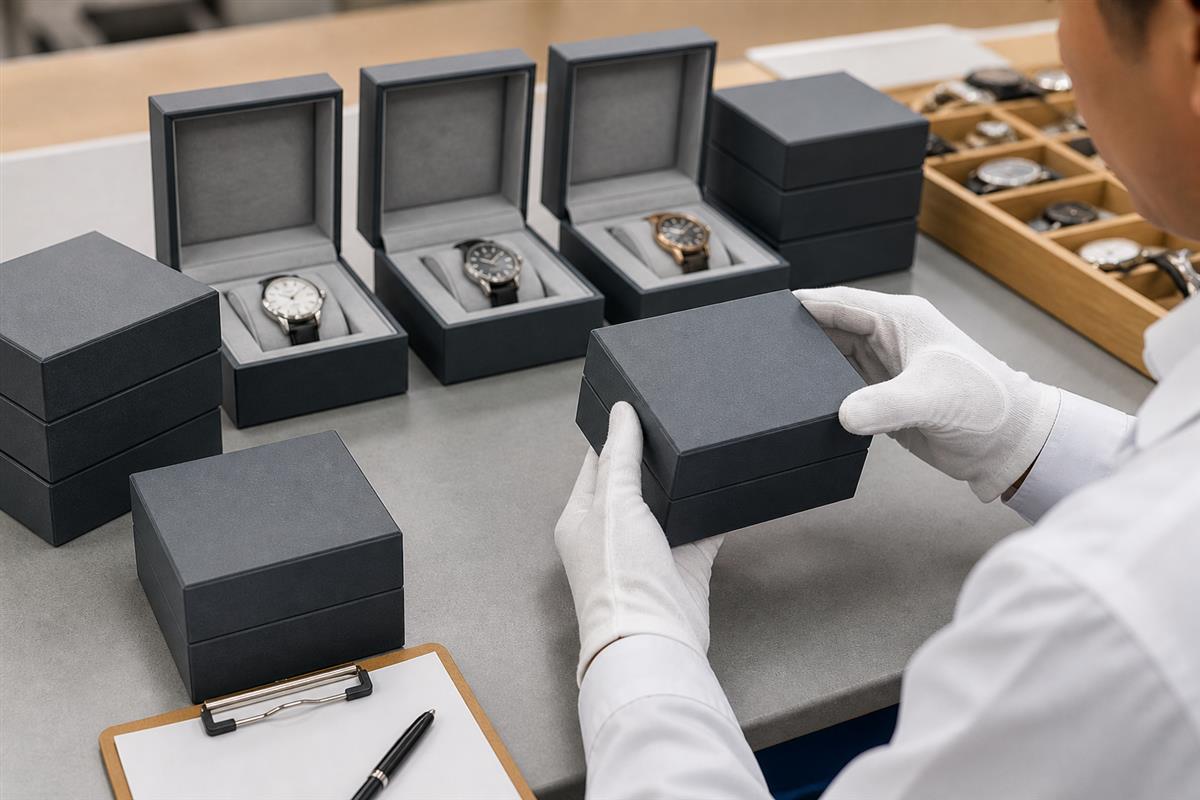
Before production, confirm the approved sample, written specification, artwork, materials, finish details, insert fit, and packing plan. These items give every party the same reference for consistent execution.
Keep changes controlled
A late change to material, artwork, insert, or structure can affect more than appearance. Review the effect on fit, assembly, and packing before approving it; for wider format options, explore custom packaging solutions.
- Confirm the final approved reference and revision status.
- Check product placement, closure operation, and visible finish details.
- Align packing instructions with the agreed presentation standard.
Key Takeaway: Production control starts with a shared, approved reference—not assumptions about the finished box.
FAQ
What makes a handmade watch box suitable for a brand?
It should match the watch, present the brand clearly, and have a documented specification that supports repeatable production.
Should the insert be designed before the outer box?
Design them together. The product position and insert dimensions influence the inner clearance and therefore the outer box structure.
What should be approved before a bulk order?
Approve the physical sample, artwork, material and finish appearance, insert fit, closure behavior, and packing requirements.
A handmade watch box becomes a stronger brand asset when material, structure, fit, and production controls support the same experience. King Tai is a direct B2B manufacturer that can support custom packaging development from structural design and material selection through sampling, finishing, assembly, quality inspection, and logistics support. Discuss your packaging project with King Tai.