
Secondary packaging is the packaging layer that groups or protects one or more already-packaged products. It sits between the package that directly contains the product and the outer unit used to move larger quantities through storage and transport.
That definition sounds simple, but the boundary can be confusing when a retail carton, multipack, sleeve, or display-ready tray does more than one job. This guide explains what is secondary packaging, how it differs from the other packaging levels, and what to consider when you develop the right system.
What Is Secondary Packaging?
Secondary packaging encloses, groups, or supports products that already have their own primary packaging. It may carry several units, protect a retail-ready product, or make stock easier to count, display, and handle.

Its role depends on the product relationship
For teams asking what is secondary packaging in a project brief, the answer is defined by what the pack does, not by one fixed material or shape. For example, a carton holding several sealed bottles is secondary packaging, while the individual bottle is the primary package.
- It commonly groups one or more primary packs.
- It can add a presentation or handling layer.
- It may be removed before the customer uses the product.
Key Takeaway: Identify the layer by its relationship to the product and other packs, rather than by calling every box secondary packaging.
How Does It Differ From Primary Packaging?
Primary packaging is the immediate package around the product, while secondary packaging sits around that immediate package or groups several of them together. The primary layer is usually the one the user opens to access the product itself.

Start with direct product contact
Direct contact is often the clearest way to separate the two levels. A cosmetic jar may be the primary package; its branded carton can be secondary packaging if the jar is already contained and protected by the jar itself.
One component can need more than one review
A secondary pack may still influence presentation, artwork, opening experience, and product protection. For a branded project, teams should consider it alongside the primary pack, not as an afterthought.
Key Takeaway: Review primary and secondary packaging as connected layers, but keep their core jobs distinct when setting specifications.
How Does It Differ From Tertiary Packaging?
Tertiary packaging is the outer level used to consolidate and move larger quantities of packaged goods, whereas secondary packaging usually groups products at the retail, shelf, or smaller distribution-unit level. Tertiary packaging may contain multiple secondary packs.
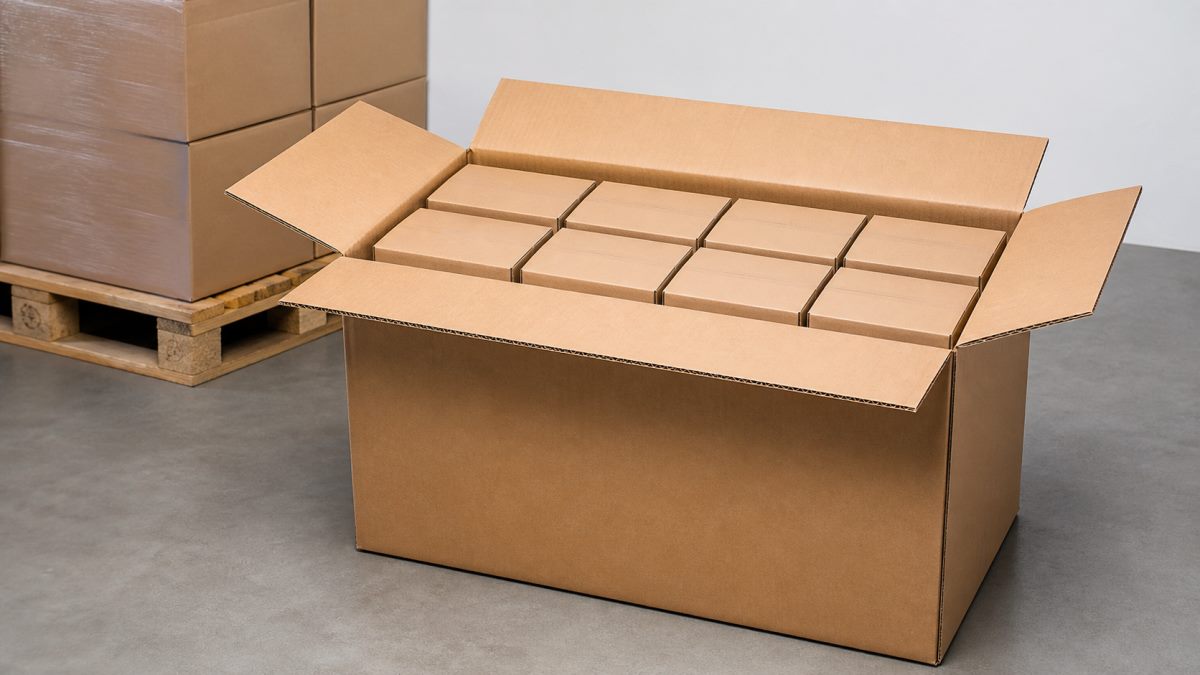
Think in handling scale
A multipack carton may be handled by a store team or a shopper. A palletized shipment or outer transport configuration is designed for a larger logistics handoff and may carry many identical cartons.
- Secondary packaging helps organize smaller saleable or display units.
- Tertiary packaging consolidates those units for broader distribution.
- The required handling route helps define the boundary.
Key Takeaway: The difference is mainly scale and handling purpose: secondary packaging groups products; tertiary packaging consolidates groups for transport and storage.
What Functions Does Secondary Packaging Serve?
Secondary packaging can protect, group, identify, and present products at the same time. The right priority depends on the product, route to market, unit count, and how the pack will be handled.
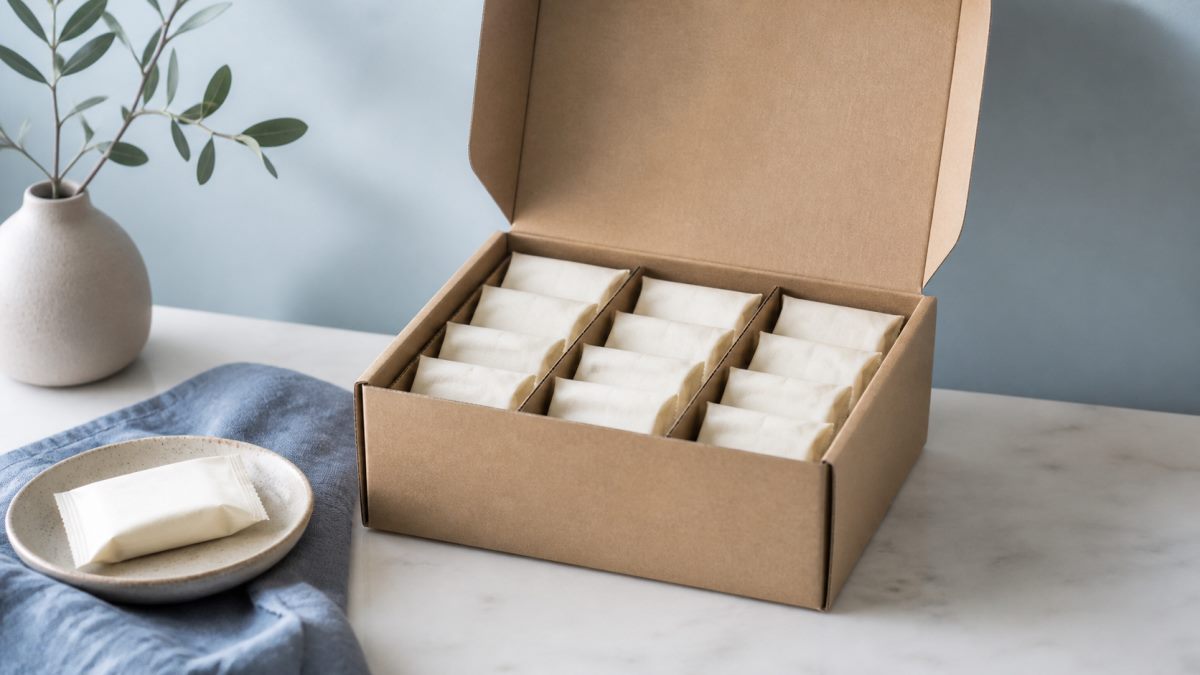
Grouping and control
Grouping lets teams count and move products as a defined unit. It can also keep components together where a product is sold as a set or needs an organized shelf presence.
Protection and presentation
The secondary layer may reduce product movement, protect visible surfaces, and present brand information before the customer reaches the product. Those needs can compete, so the design should state which ones matter most.
Key Takeaway: A strong secondary pack assigns each feature a purpose instead of trying to solve every risk with one generic box.
What Are Common Secondary Packaging Formats?
Common secondary packaging formats include cartons, sleeves, multipack wraps, trays, and display-ready cases. The best format depends on the primary pack, unit count, retail setting, and required handling sequence.
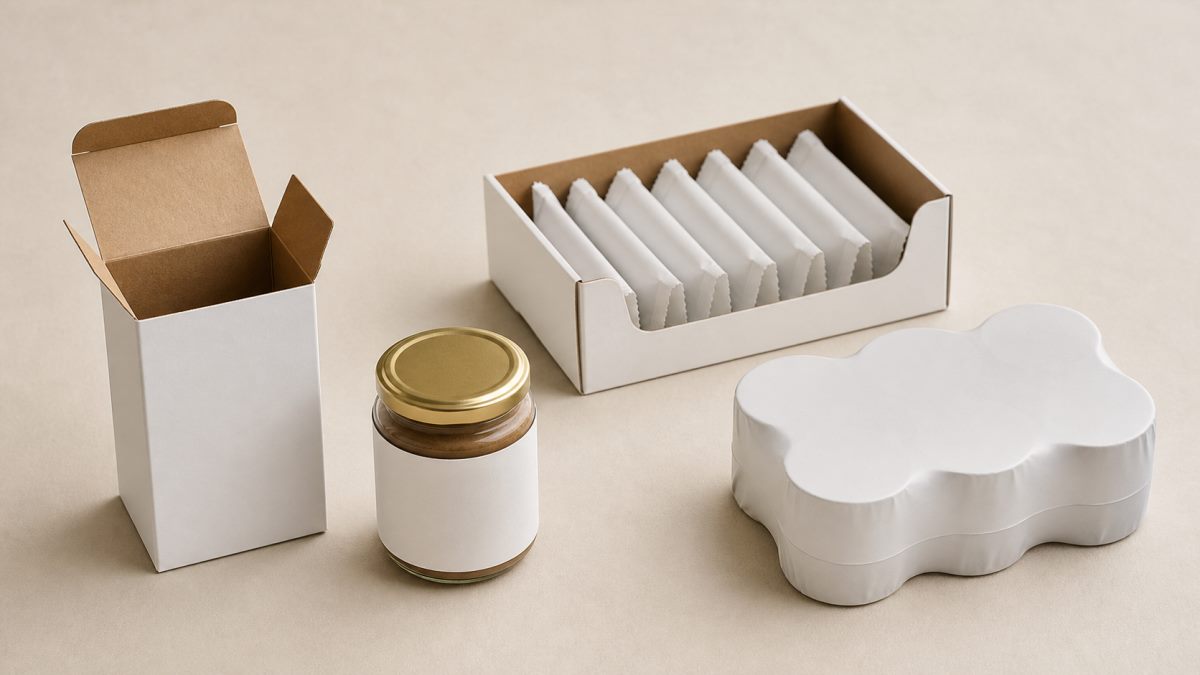
Formats for grouping and presentation
Cartons and sleeves can add a branded outer layer around an individual product or a small set. Trays and wraps can make a group easier to pick, display, or replenish.
- Cartons provide an enclosing presentation layer.
- Sleeves add information or visual hierarchy with less coverage.
- Trays keep grouped units organized and accessible.
- Wraps can hold a simple multipack together.
For projects built around premium presentation, custom packaging development can connect structure, printing, finishing, and assembly requirements.
Key Takeaway: Choose a format around the real handling and presentation task, not only the look of a reference package.
When Is a Retail Box Secondary Packaging?
A retail box is secondary packaging when the product has a separate primary pack and the box adds grouping, presentation, or protection around it. If the box is the first and only package directly enclosing the product, its classification may be different.

Use the product journey to decide
Ask which layer touches or immediately contains the product, which layer the user removes first, and which layer holds multiple units. These questions clarify the role even when a pack performs several functions.
Consider category-specific packaging systems
For example, a jar and its outer carton can be designed as one retail system. Explore King Tai’s custom cosmetic boxes when evaluating a presentation carton around a separately packaged cosmetic product.
Key Takeaway: Classification should follow the actual pack hierarchy, so document the product path before naming each component.
How Does Secondary Packaging Support Retail and Branding?
Secondary packaging supports retail and branding by making a product group recognizable, organized, and easier to present. It can carry printed information and visual cues while still serving a practical holding function.

Make the visual hierarchy match the shelf task
A shopper or retail team should be able to identify the product range, pack count, and important visible cues without searching across competing elements. Keep artwork and finishing aligned with how the pack will be seen.
Keep the system consistent
Packaging works better when the primary pack, secondary pack, and outer shipping components use compatible information and visual priorities. This is particularly useful for product families that need a clear range structure.
Beauty brands can review broader beauty packaging solutions when aligning cartons, product presentation, and an overall packaging system.
Key Takeaway: Treat the secondary layer as a working retail touchpoint, with branding that supports recognition without obscuring handling information.
What Affects the Structure and Material Choice?
Structure and material choice depend on the product dimensions, product weight, primary-pack shape, number of units, finish requirements, handling conditions, and intended presentation. These decisions should be confirmed against the specific project rather than assumed from a sample image.
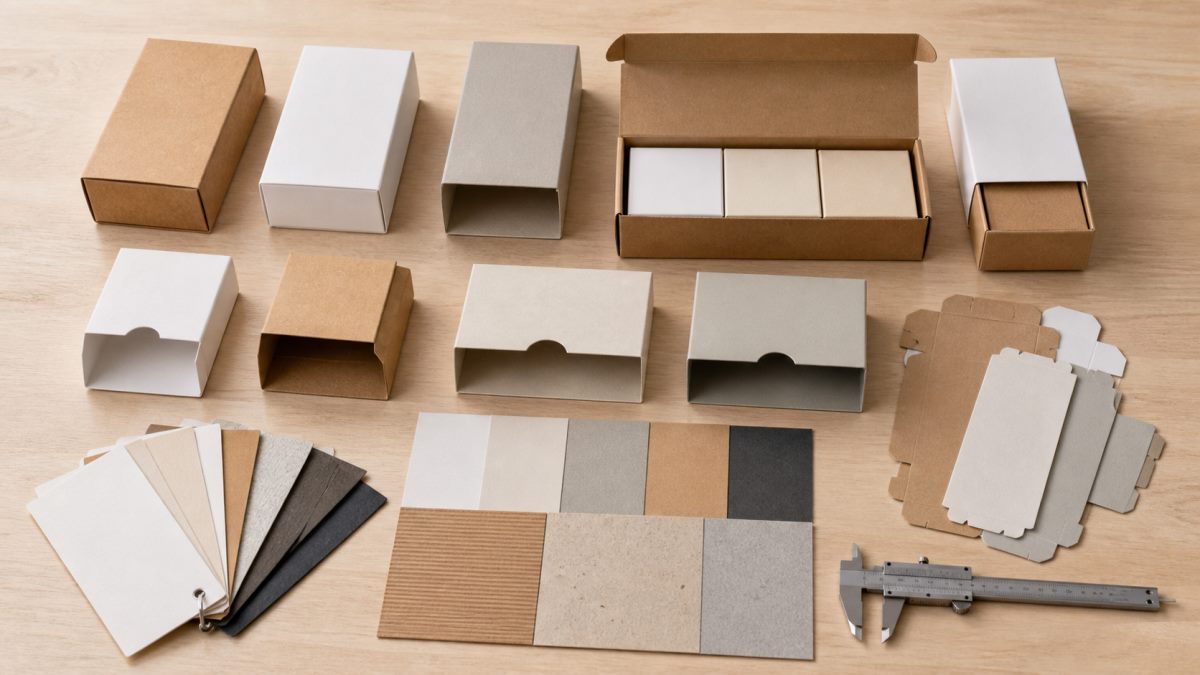
Balance fit, appearance, and production stability
A visually suitable pack can still be awkward to assemble or too loose for the product group. Reviewing the structure, artwork area, opening method, and internal support together helps expose conflicts before approval.
- Confirm the primary-pack dimensions and count.
- Define the required opening and display behavior.
- Specify visible artwork and finishing priorities.
- Consider how the pack will be assembled and packed.
Key Takeaway: A secondary-pack concept becomes manufacturable only when visual direction, product fit, and handling requirements are considered together.
How Should You Plan Secondary Packaging for Shipping?
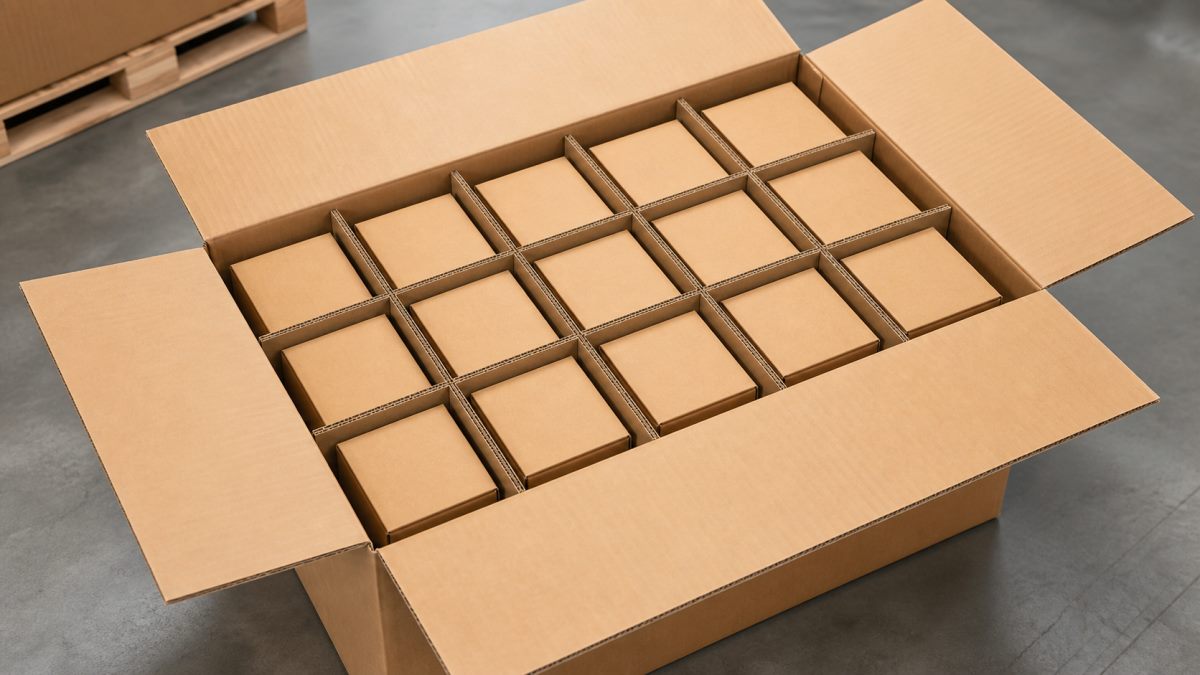
Plan secondary packaging as part of a wider shipping system, not as the only layer responsible for the journey. Product weight, pack count, distribution route, outer packing configuration, and handling conditions all affect the final approach.
Separate customer presentation from transit protection
The retail pack may need a clean appearance, while an outer transport layer must organize larger quantities. Defining both roles early helps avoid asking a presentation carton to solve every shipping concern alone.
Confirm the approved packing configuration
Before production, check how secondary packs will sit within the next packaging level and whether the arrangement supports intended handling. King Tai can support structural packaging design, printing, finishing, assembly, custom inserts, quality inspection, and logistics support, subject to the final project requirements.
Key Takeaway: Design secondary packaging around its place in the full pack-out, then confirm the final arrangement on an approved sample.
What Should You Confirm Before Developing It?
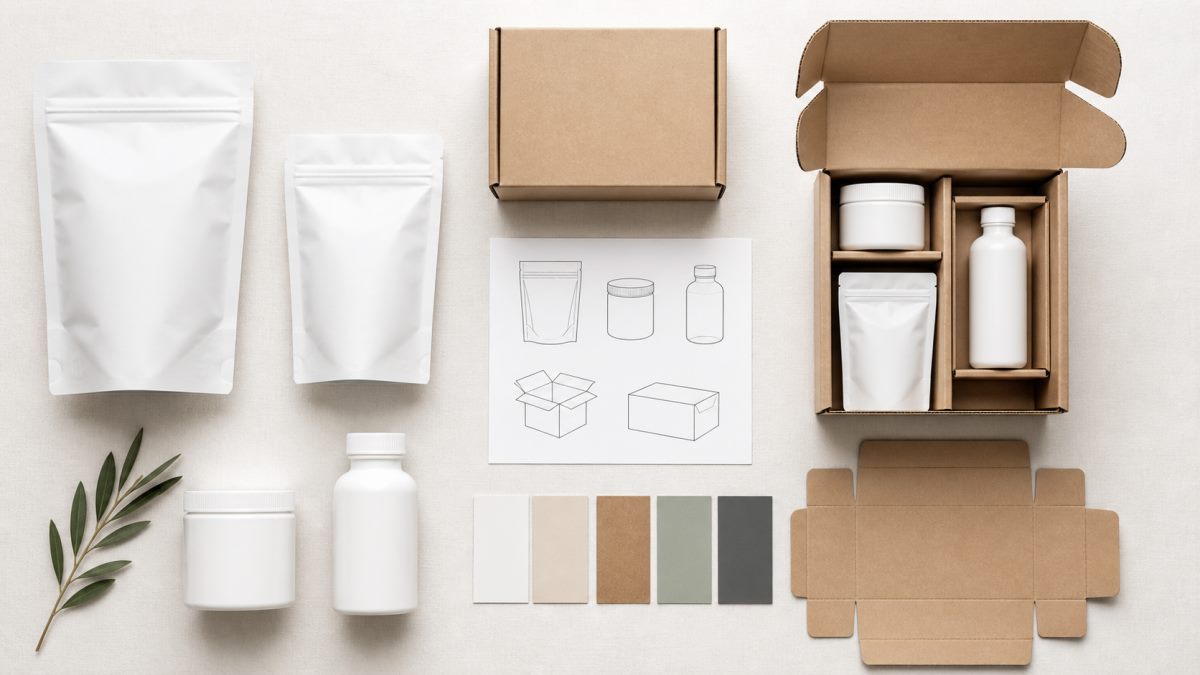
Before developing secondary packaging, confirm the product hierarchy, unit count, dimensions, branding needs, intended use, and packing path. A clear brief lets the packaging team evaluate open questions before they become production changes.
Build a brief that supports decisions
Include representative primary packs or accurate drawings, the target number of units, visible artwork, preferred structure, and downstream packing expectations. Quantity, materials, finishing, sampling time, production lead time, and feasibility should be confirmed for the final specification.
- Show the complete product-to-shipment hierarchy.
- Identify which layer is consumer-facing.
- List product, display, and transport requirements separately.
- Record sample-review changes before approval.
Use sample approval as a reference point
An approved pre-production sample provides a practical reference for mass-production consistency. It is the right time to assess structure, print appearance, finishing, assembly, and how the pack fits into the planned system.
For packaging that extends to coordinated carry-out components, King Tai’s custom gift bags are another verified product category to consider within the overall customer journey.
Key Takeaway: A complete brief and sample review reduce avoidable ambiguity across the layers of your packaging system.
Conclusion: What is secondary packaging? It is the layer that organizes or protects already-packaged products while supporting retail handling, presentation, and the move into larger transport units. King Tai is a direct B2B packaging and printing manufacturer that supports custom projects from structural packaging design and paper selection through printing, finishing, assembly, custom inserts, quality inspection, and logistics support. Visit King Tai to discuss a packaging specification.
FAQ
What is an example of secondary packaging?
A carton that holds several individually packaged products is a common example. That is what is secondary packaging in a typical multipack: a sleeve, tray, or wrap that groups separate primary packs can serve the same role.
Is a cardboard box always secondary packaging?
No. A cardboard box can be primary, secondary, or tertiary packaging depending on whether it directly contains the product, groups packaged units, or consolidates larger quantities for transport.
Can secondary packaging be customer-facing?
Yes. Retail cartons, sleeves, and display-ready packs can be customer-facing while still functioning as a secondary layer around a separately packaged product.
What should a secondary-packaging brief include?
Include the product hierarchy, dimensions, unit count, primary-pack details, desired presentation, artwork requirements, handling path, and outer-packing expectations.