
Sustainable packaging design is the practice of creating custom packaging that protects the product while using materials, structures, and end-of-life choices more responsibly across its life cycle. The challenge is that a package can look “green” yet still use more material than needed, combine hard-to-separate components, or fail in transit. This guide helps you evaluate the practical decisions behind a more considered packaging system.
What Does Sustainable Packaging Design Mean?
Sustainable packaging design considers product protection, material use, transport, user handling, and likely end-of-life routes together. It is not a single material choice or a visual style.
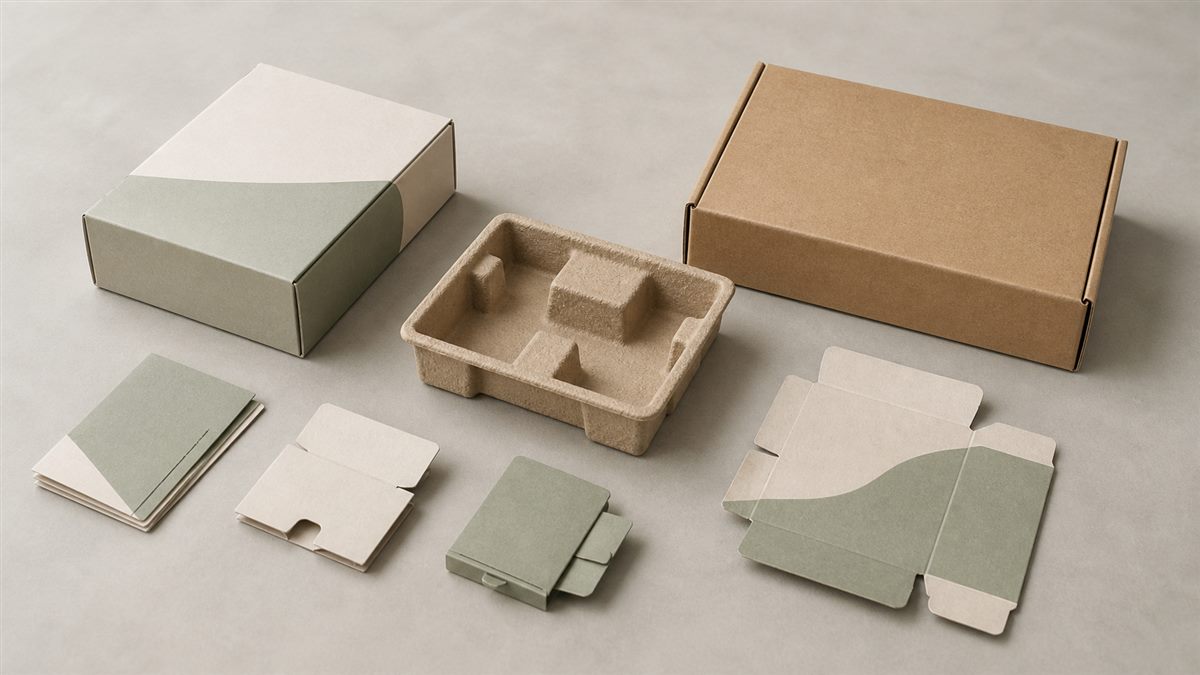
What should the design balance?
A useful design balances the product’s real protection needs with the resources required to make, move, and dispose of the pack. The right answer depends on the product, route to market, and local waste system.
- Use only the protection and presentation layers the product needs.
- Consider whether the parts can be separated after use.
- Give users clear information when disposal depends on local facilities.
Key Takeaway: Treat sustainability as a system decision, not a material label.
Why Start With the Full Packaging System?
Starting with the full system helps you find waste and risk that a material swap can miss. Product packaging, inserts, sleeves, shipping protection, and returns handling can all affect the outcome.
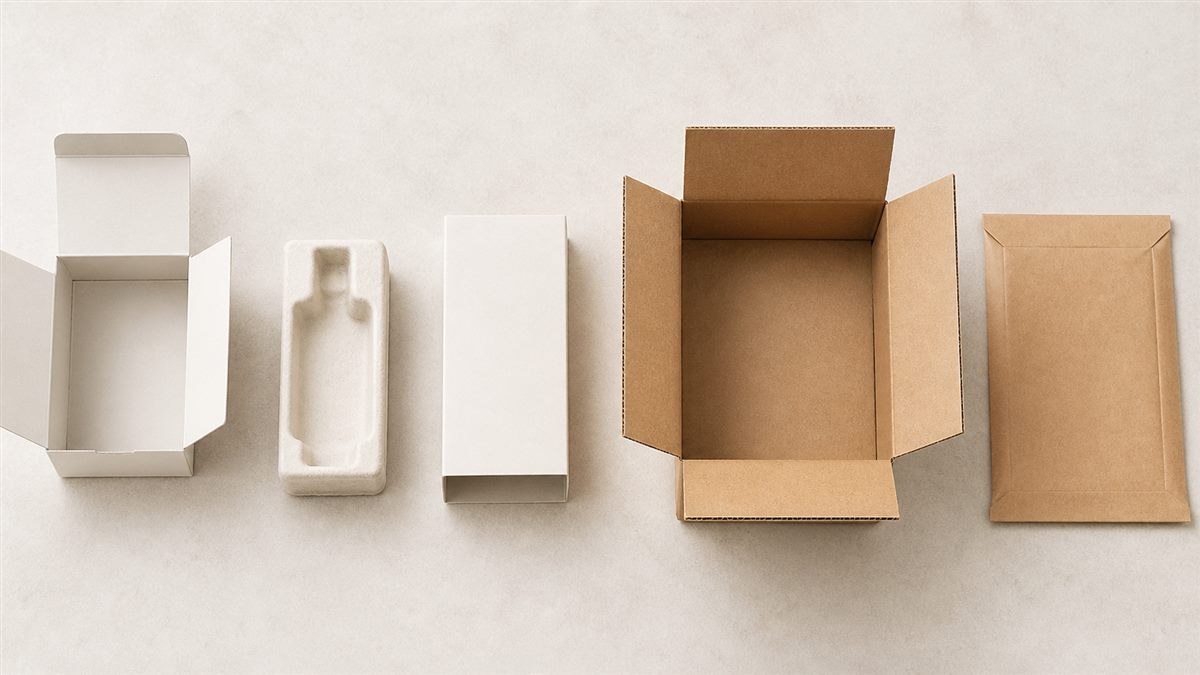
Where does unnecessary complexity appear?
Complexity often enters through duplicate layers, oversized void space, or components that cannot be easily separated. Map the journey from packing through delivery and customer use before changing individual parts.
- List every component and its job.
- Check whether a component protects, informs, presents, or merely duplicates another layer.
- Review primary, secondary, and transport packaging together.
Key Takeaway: Improve the complete packaging system before optimizing one visible component.
How Can You Reduce Material Use Without Losing Protection?
You can reduce material use by matching the structure and internal support to the product rather than simply making every panel thinner. A lighter pack that fails in transit creates a different kind of waste.
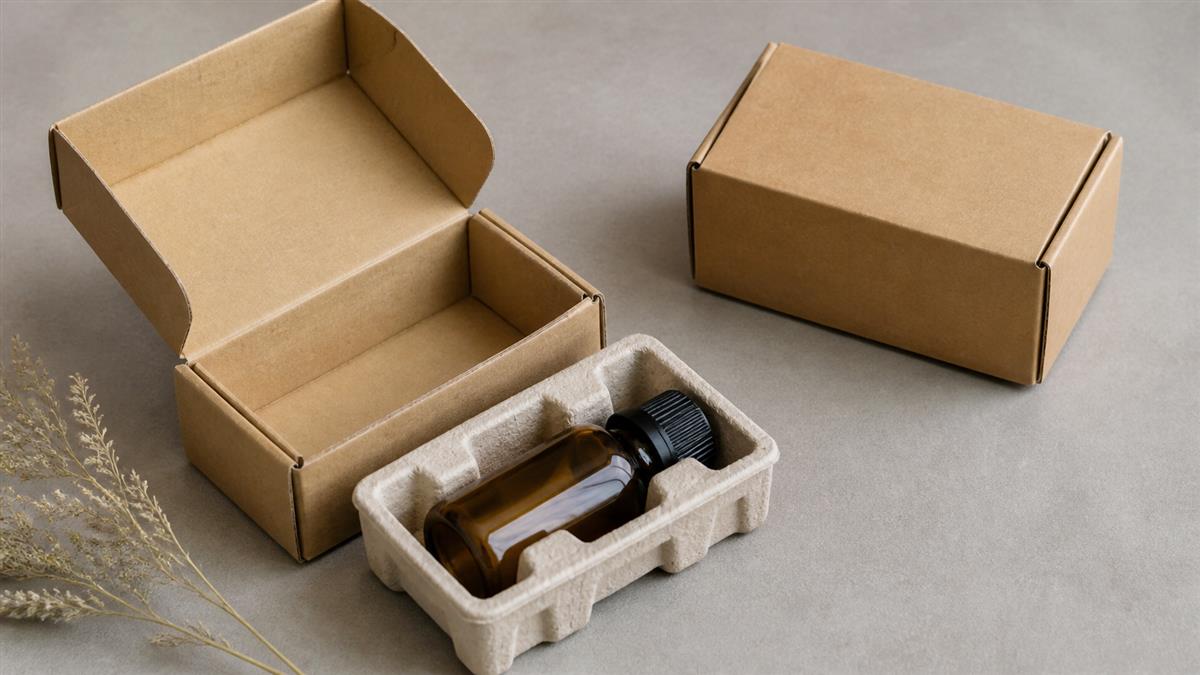
Which reductions deserve testing?
Begin with dimensions, empty space, redundant layers, and insert design. Then review samples against the way the product will be packed, handled, and shipped.
- Right-size the outer dimensions around the product and required protection.
- Remove decorative or protective layers that do not add a clear function.
- Use an insert only where positioning or product protection calls for it.
Key Takeaway: Material reduction is credible only when the packaging still performs its intended job.
Which Material Choices Should You Evaluate?
Material selection should compare performance, available recovery routes, finish requirements, and how the material works with the full structure. Recycled-content, renewable, recyclable, reusable, and compostable are different attributes, not interchangeable claims.
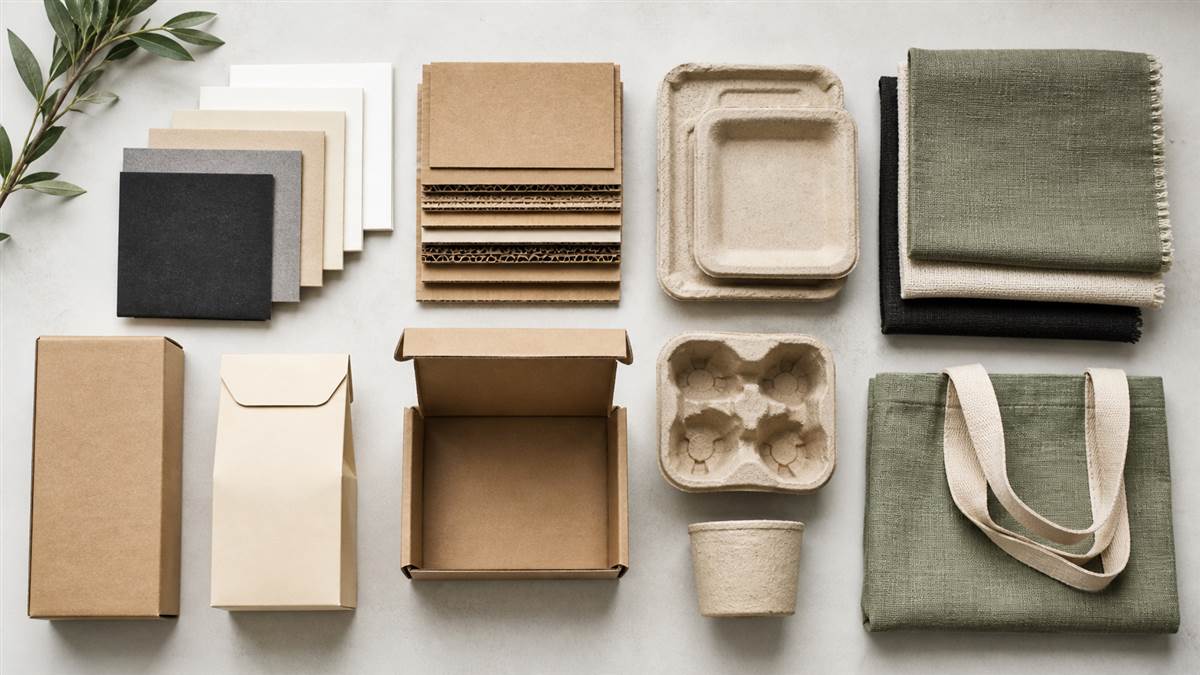
What questions make comparison more useful?
Ask what the material is expected to do and what evidence supports the environmental attribute being considered. Also confirm whether coatings, adhesives, inks, or attached parts change the practical end-of-life route.
- Does the material meet the required strength, appearance, and product-contact needs?
- Can the complete component follow the intended recovery route where customers are located?
- What information can the supplier provide for the material and finish specification?
Key Takeaway: Choose materials for verified fit and end-of-life context, not for a broad eco-friendly description.
How Does Structure Affect Sustainability?
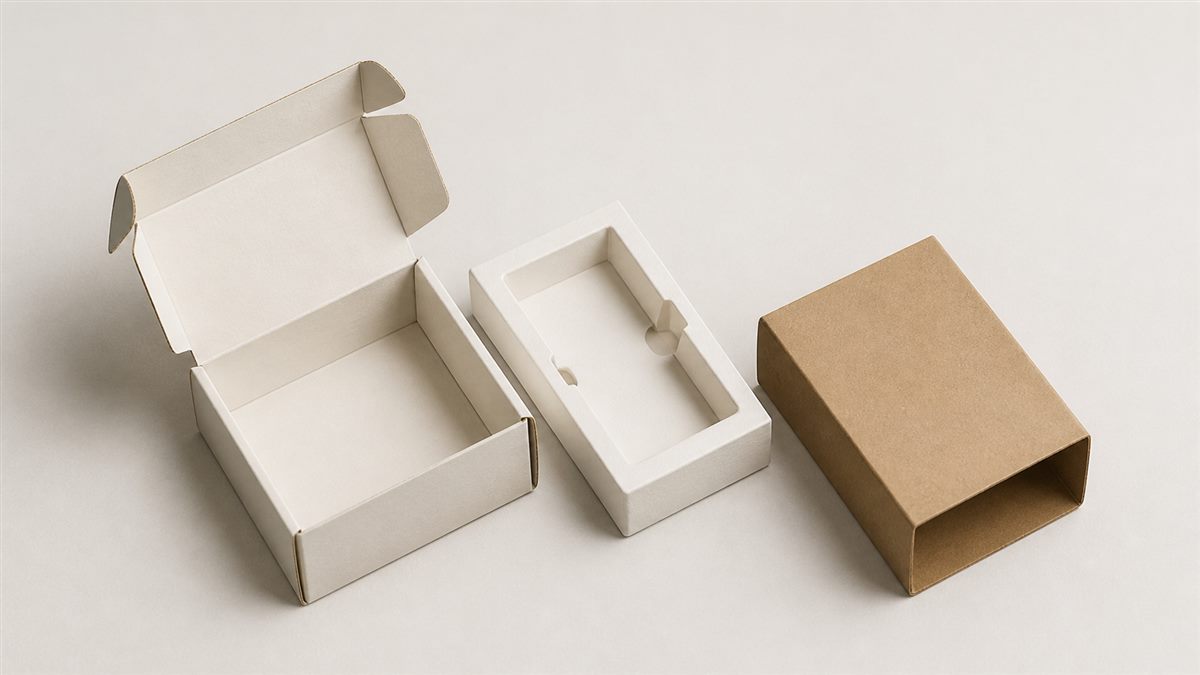
Structure affects sustainability because it determines material quantity, product fit, packing efficiency, and component separation. A well-designed folding carton, rigid box, tray, sleeve, or custom gift bag should be judged by the role it must perform.
How can structure simplify recovery?
Designers can often reduce recovery friction by avoiding unnecessary mixed materials and by making unavoidable components easy to identify and remove. This needs to be assessed alongside durability and user experience.
- Favor straightforward structures where they meet the product requirement.
- Design inserts and closures so users can separate them when appropriate.
- Check how the pack nests, stacks, and fills a shipping carton.
Key Takeaway: Structural simplicity can support both practical handling and more manageable end-of-life choices.
How Can Graphics and Finishes Support Clearer Choices?
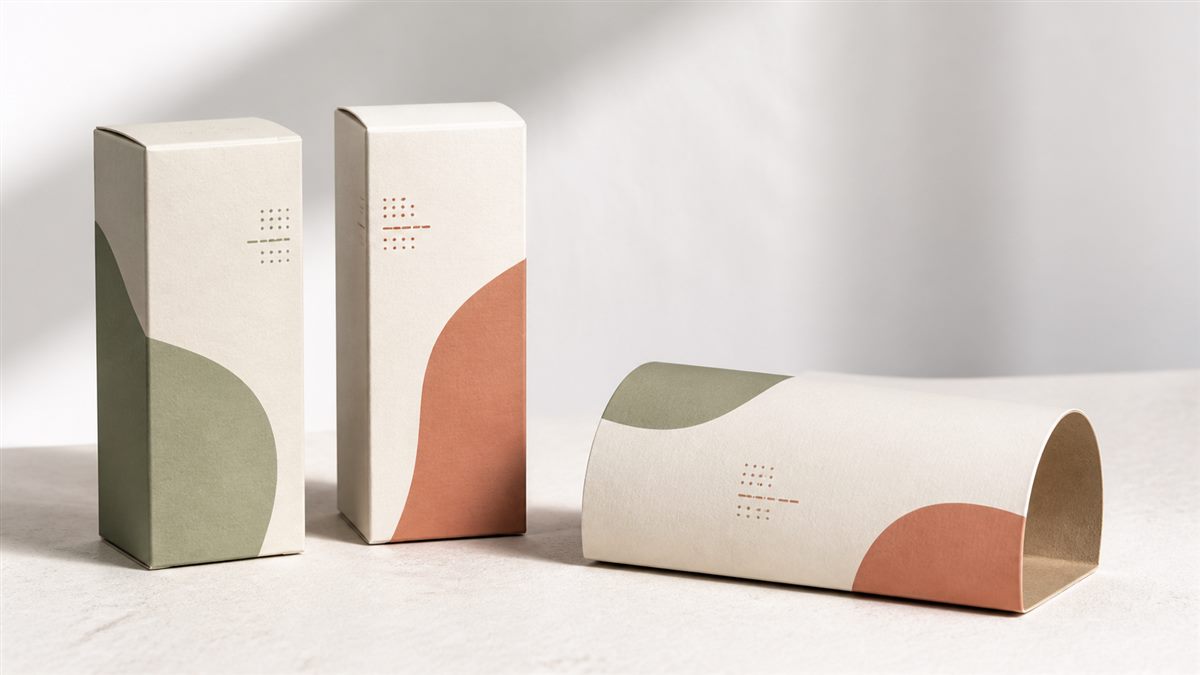
Graphics and finishes should help users understand the product and packaging without creating unnecessary material or recovery complexity. Clear hierarchy can reduce the need for extra labels, wraps, or separate instruction cards; the same review matters for custom cosmetic boxes where shelf presentation is central.
What should the artwork communicate?
Artwork can state what the pack is made of, how to separate its parts, and which instructions are conditional on local facilities. Keep claims specific enough to be checked and avoid implying a universal disposal outcome.
- Prioritize product information and disposal guidance that users need.
- Review whether a finish affects the selected end-of-life route.
- Keep brand presentation aligned with the material and structural choices.
Key Takeaway: Good graphics make the packaging easier to use and less likely to overpromise.
What Makes End-of-Life Instructions Useful?
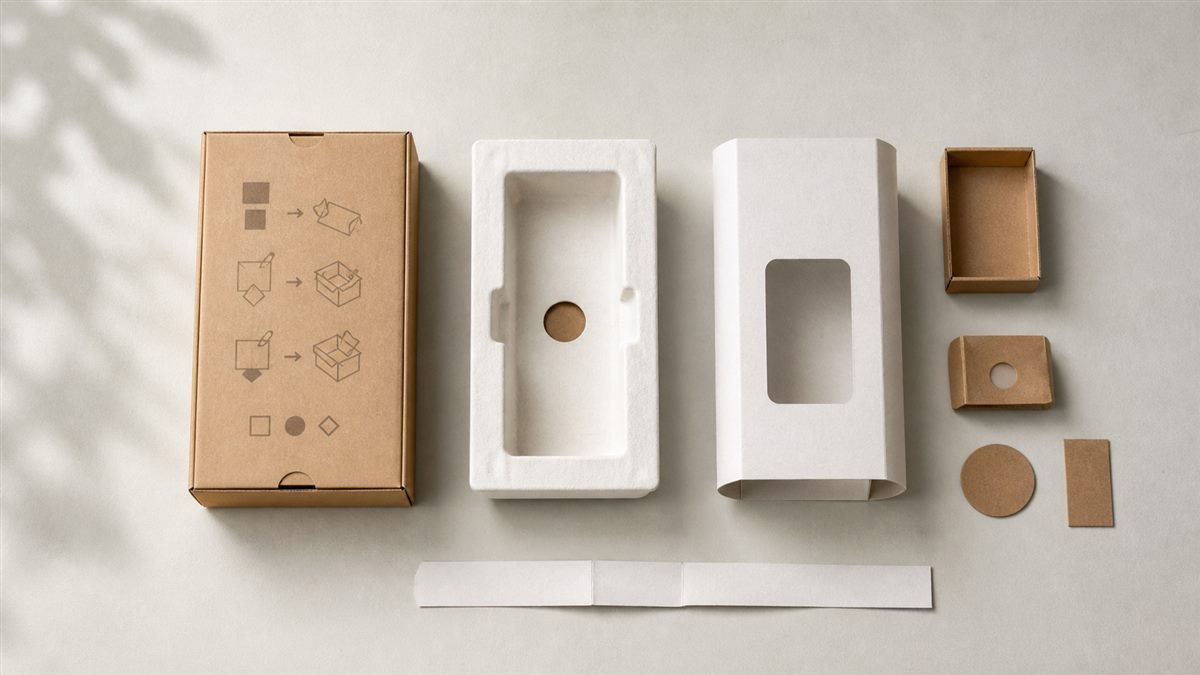
Useful end-of-life instructions tell people what to do with the actual components in front of them. They work best when they are visible, plain-language, and consistent with the markets where the pack will be used.
How should brands handle local variation?
Collection and processing rules differ by location, so packaging should not assume the same route exists everywhere. If a claim or instruction depends on a specific facility, the brand should verify that context before release.
- Identify each component that needs a separate action.
- Use concise, legible instructions at the point of disposal.
- Review market-specific wording before printing multilingual packaging.
Key Takeaway: Disposal guidance is part of the design, not an afterthought added at launch.
How Should You Test a Sustainable Packaging Concept?
You should test a sustainable packaging concept against the same real-world requirements as any other packaging project: fit, protection, appearance, handling, packing, and production consistency. A concept is not ready because the material description sounds promising.
What should a sample review cover?
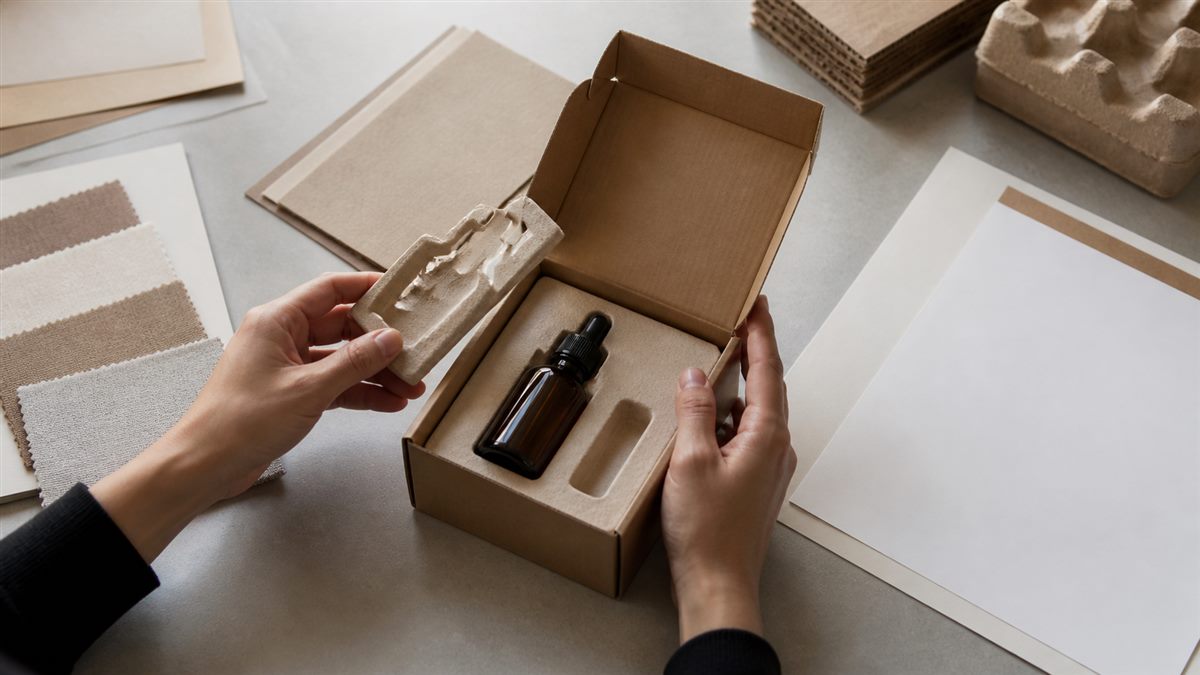
Review a physical sample with the product, the intended insert, and the relevant outer packing. Compare it with the approved specification before production so the team can resolve material, structural, and finish questions early.
- Check product position, opening experience, and component separation.
- Confirm printed claims and disposal instructions against supporting evidence.
- Record approved materials, artwork, and finishing details as production references.
Key Takeaway: Sample review turns sustainability goals into inspectable project requirements.
How Can You Avoid Misleading Sustainability Claims?
You can avoid misleading sustainability claims by describing the verified attribute, its limits, and any conditions that apply. Broad terms such as “eco-friendly” can obscure the information a buyer or user needs.
What should a claim review ask?
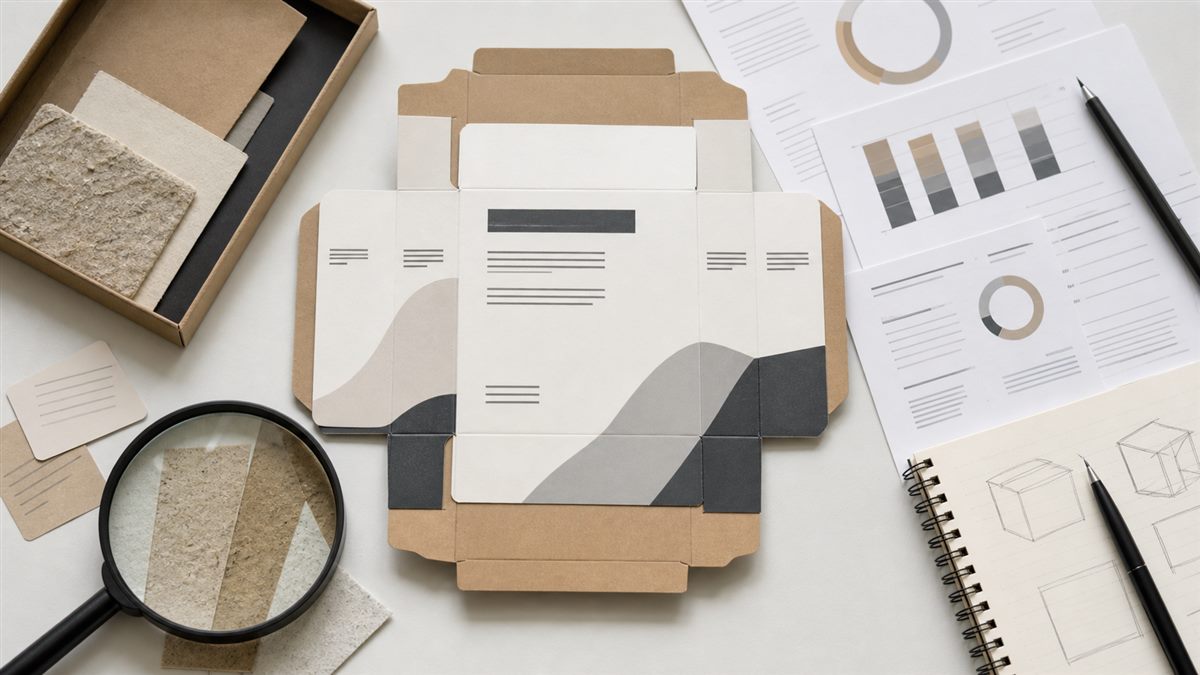
Review the wording alongside the material specification, component list, intended markets, and applicable requirements. If evidence is incomplete, revise the claim or mark the point for verification rather than filling the gap with a promise.
- Name the specific attribute instead of making a general environmental claim.
- State relevant conditions, such as component separation or facility availability.
- Have the brand’s responsible team confirm market-specific compliance needs.
Key Takeaway: Specific, supported communication protects brand credibility better than a vague sustainability message.
How Should You Brief a Packaging Supplier?
A useful supplier brief connects the sustainability goal to the product, structure, material direction, artwork, quantity, and logistics context. It gives the supplier enough information to identify trade-offs before sampling.
What information belongs in the brief?
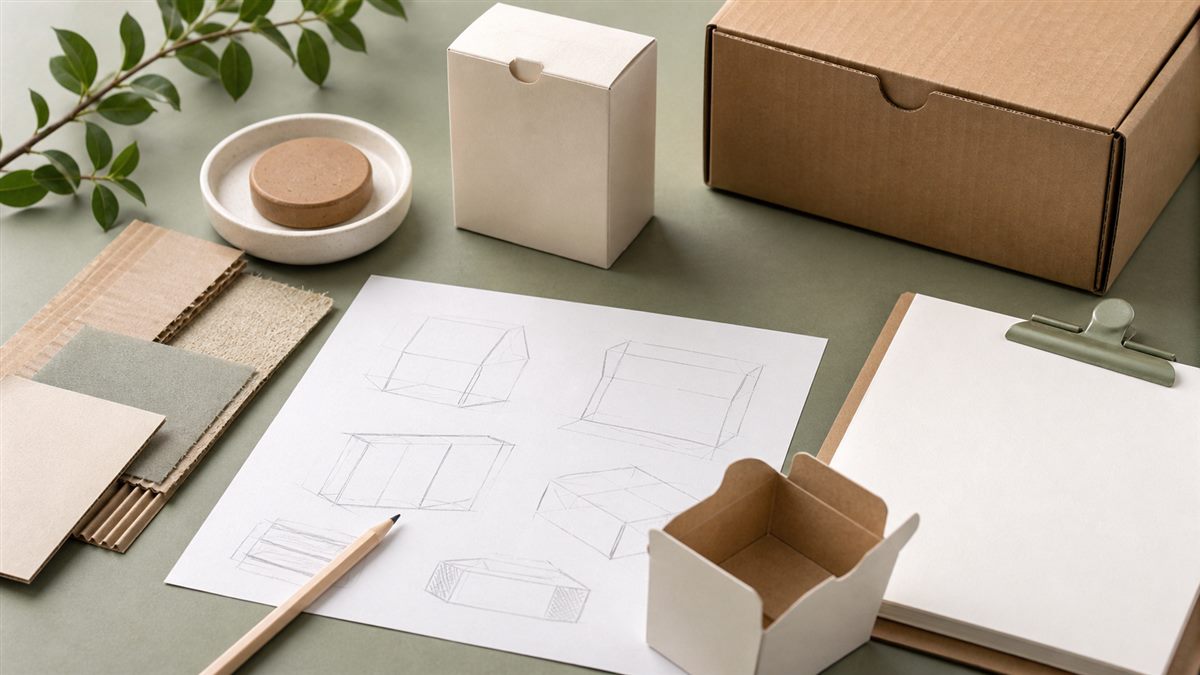
Include the product dimensions and weight, target markets, brand requirements, desired materials or claims, and the planned packing route. King Tai can support custom packaging projects through structural development, paper selection, printing, finishing, assembly, custom inserts, quality inspection, and logistics support; feasibility remains project-specific.
- Define the protection and presentation requirements first.
- Provide the approved claim wording and evidence requirements for review.
- Ask for a sample plan and confirm the approved sample as the production reference.
Key Takeaway: A detailed brief helps align sustainability intent with a manufacturable packaging specification.
FAQ
Is sustainable packaging design only about recycled materials?
No. Recycled material can be one consideration, but sustainable packaging design also evaluates structure, protection, transport efficiency, user handling, and the likely end-of-life route.
Can premium packaging be more sustainable?
It can be designed more thoughtfully by reducing unnecessary layers, improving fit, considering component separation, and reviewing material and finish choices. Premium appearance alone does not determine sustainability.
What is the first step for a packaging redesign?
Map the current packaging system and define its non-negotiable product, brand, and logistics requirements. Then identify where material, structure, or communication can improve without compromising the product.
Sustainable packaging design is a practical way to make packaging decisions more deliberate, from the first structural sketch to the approved production sample. For brands planning a custom packaging project, King Tai can help translate product, presentation, and manufacturing requirements into a project-specific packaging discussion. Explore King Tai’s custom packaging and printing capabilities or start a packaging project inquiry.