
Strong jewelry box design ideas combine a clear brand mood with a structure that presents, positions, and protects the piece. A concept can look attractive on a mood board yet disappoint if the item shifts, the opening is awkward, or the visual finish does not suit the chosen surface. This guide helps jewelry brands turn an aesthetic direction into a practical packaging decision.
What Should a Jewelry Box Design Accomplish?
A jewelry box design should make the product feel considered while giving it an appropriate place to sit, travel, and be removed. The best starting point is not a decoration but the intended customer moment: retail display, gift opening, e-commerce delivery, or a keepsake box.
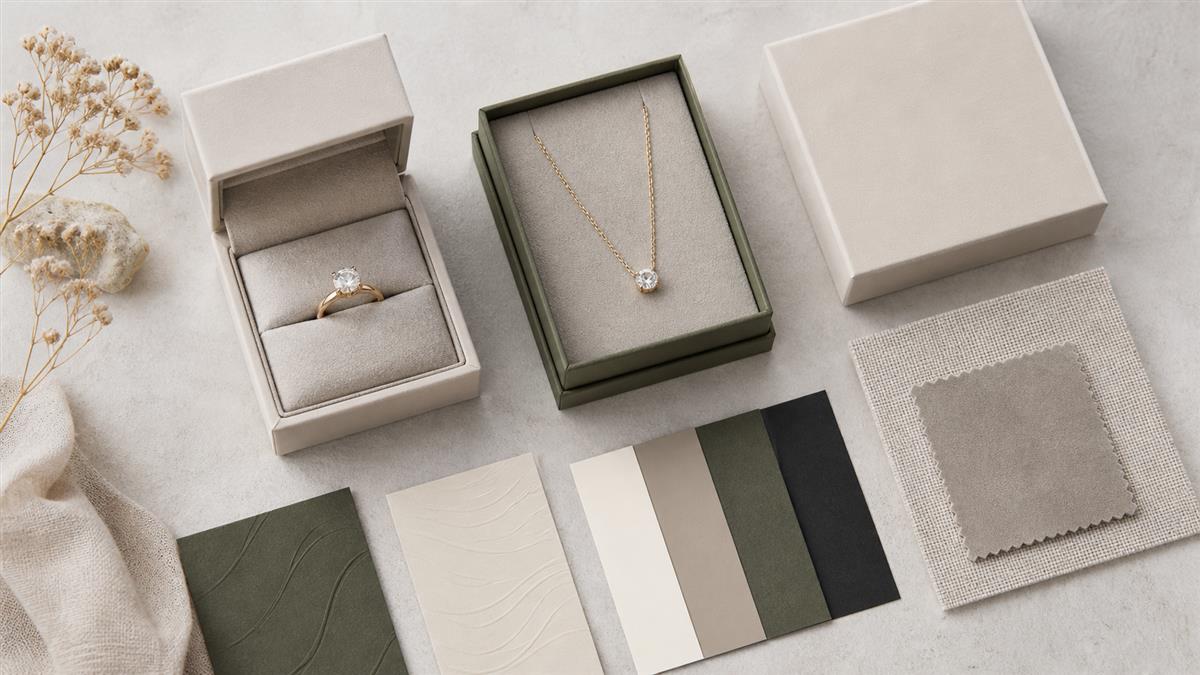
Define the design role before choosing details
One clear role keeps structure, insert, graphics, and finishing aligned. It also helps a team avoid adding features that look impressive in isolation but make the box harder to use or produce consistently.
- Identify the jewelry category and its dimensions.
- Choose the main customer experience the box must support.
- Set a small number of visual priorities for the design.
Key Takeaway: Start with the product and customer moment; decorative choices should support that decision.
Which Box Structures Create Different Experiences?
Different structures shape how customers discover the jewelry and how the piece is accessed. A lift-off lid, hinged box, drawer-style box, and compact two-piece format can all be appropriate, but their suitability depends on the product, insert, and final specification.
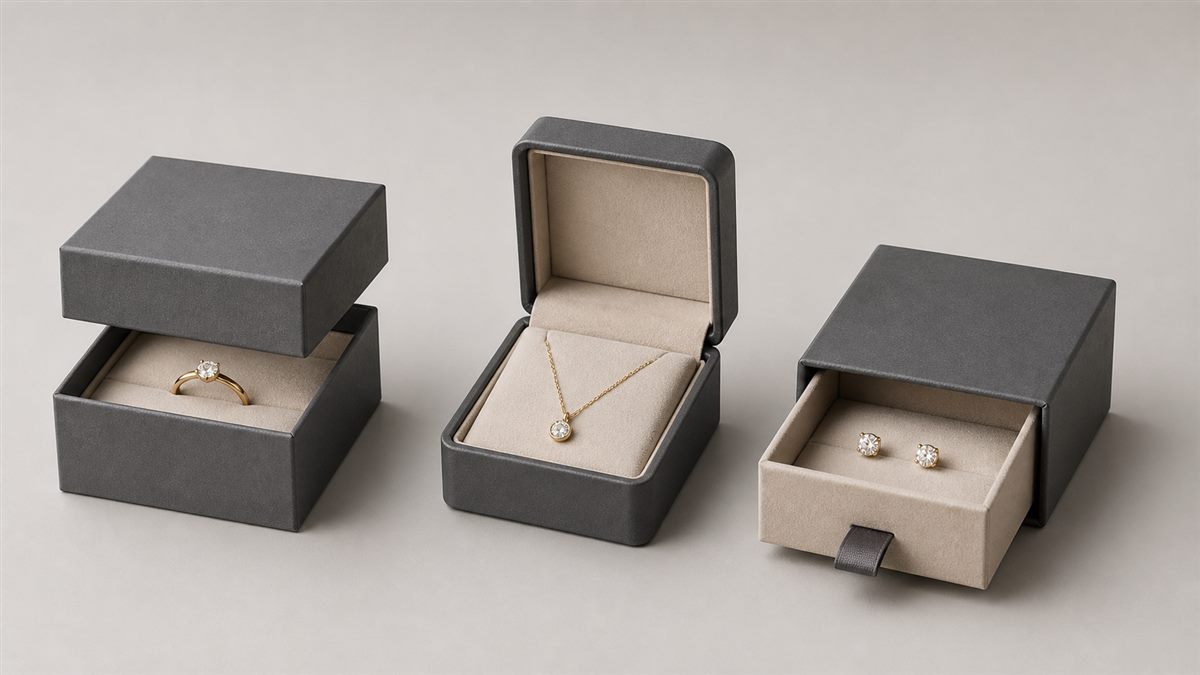
Match the opening action to the jewelry
A small ring can work in a compact format, while a pendant or set may need more clearance and a more deliberate reveal. Before settling on a style, consider how the customer will lift the jewelry out without disturbing its presentation.
- Use opening styles that give fingers clear access.
- Allow enough internal space for chains, clasps, or paired items.
- Review how the structure will be packed for its intended route.
For category-specific options, explore King Tai’s custom jewelry boxes.
Key Takeaway: A good structure makes the reveal feel natural and the jewelry easy to remove.
How Can an Insert Improve Presentation?
An insert improves presentation by holding the jewelry in a deliberate position rather than letting it move freely in the box. It should support the item without obscuring the details a customer expects to see.
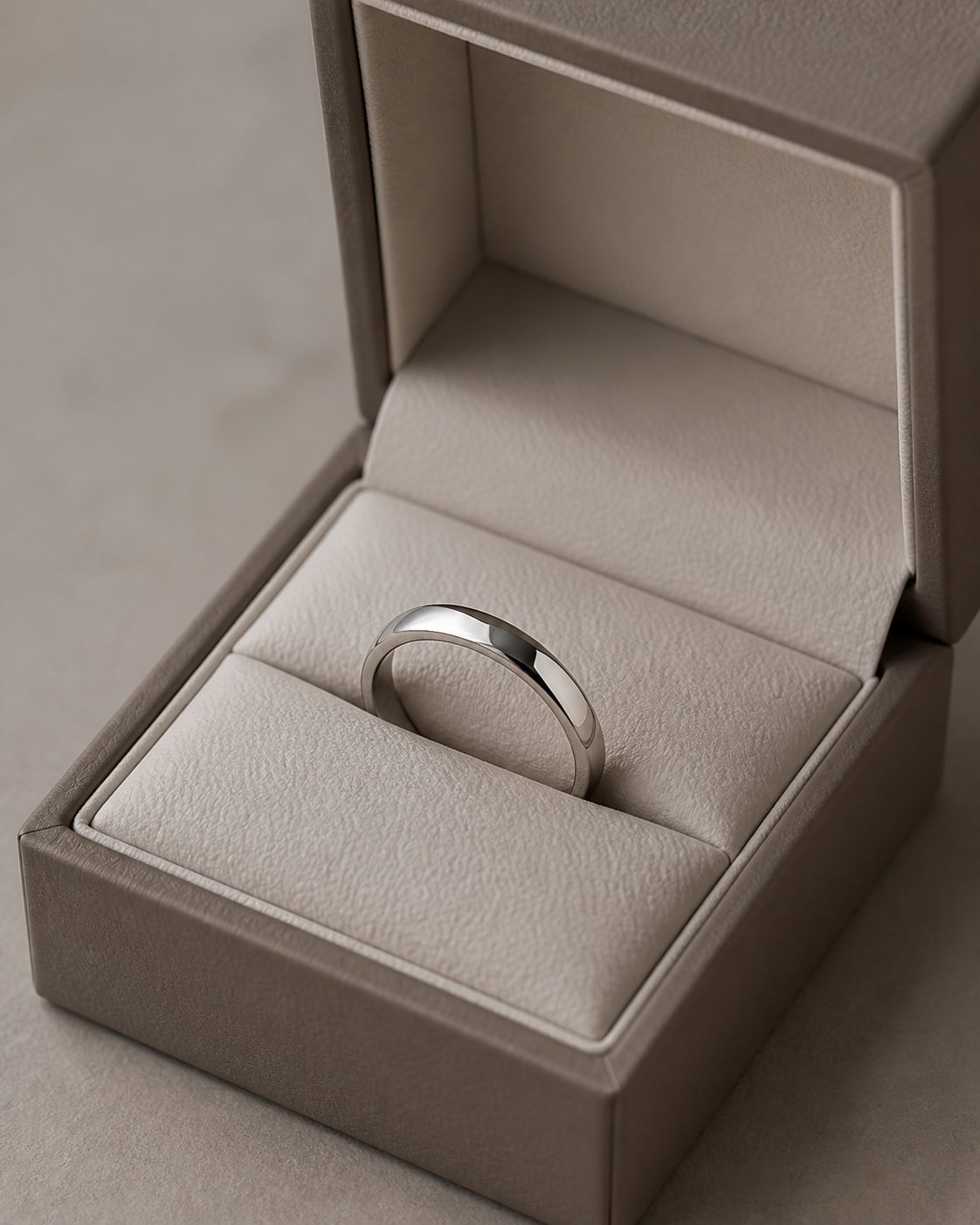
Plan the holding points with the product in hand
Accurate dimensions, a product sample, or a reliable product model makes insert development more useful. The team can then check retention, removal, display angle, and the relationship between the insert and the internal box dimensions.
- Identify stable contact points for the jewelry.
- Leave enough clearance for easy removal.
- Check the position with the lid open and closed.
Key Takeaway: The insert is central to both perceived quality and product fit, so it should be reviewed early.
Which Material Directions Support the Brand?
Material direction should support the chosen structure, printed artwork, finish, handling needs, and brand character. A smooth surface, a tactile wrap, and a more restrained matte look can create very different impressions from the same graphic design.
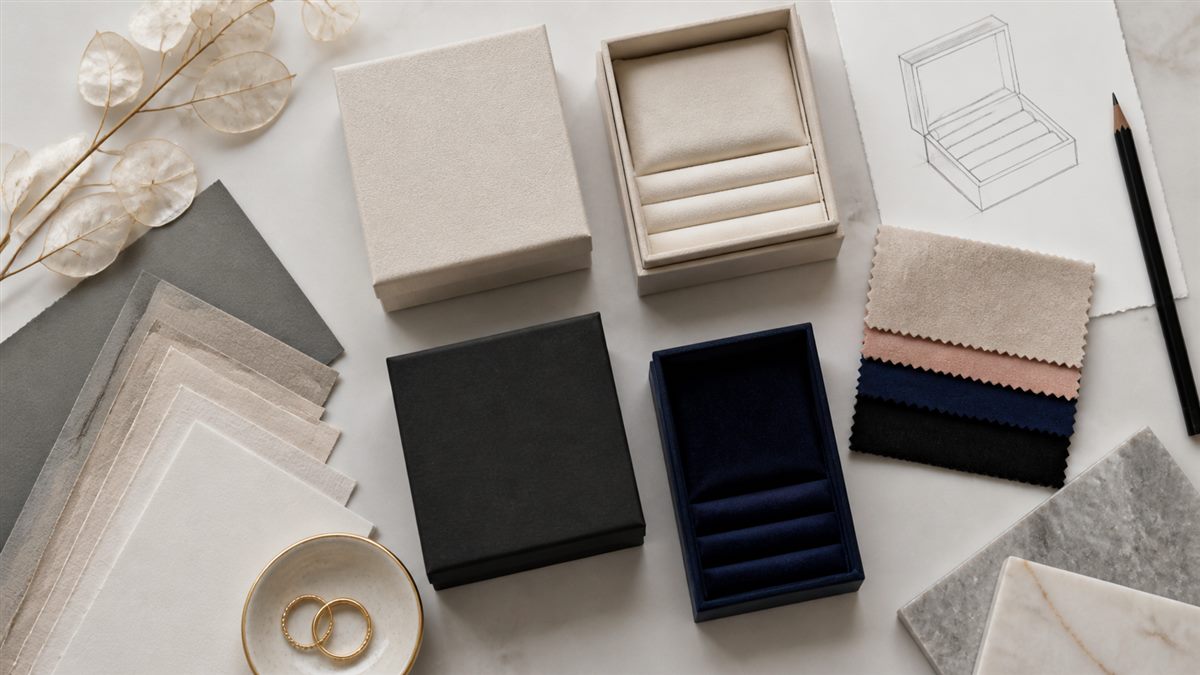
Compare the complete visual system
Look beyond a single color swatch. A practical review compares the outer surface, interior presentation, graphics, and finishing together, because each can change how the others are perceived.
- Assess texture alongside the intended printed design.
- Check how the finish appears on the selected surface.
- Confirm project suitability and availability before approval.
King Tai can support paper selection within a custom packaging development process.
Key Takeaway: Select materials as part of one visual and structural system, not as isolated samples.
How Can Finishing Add Interest Without Clutter?
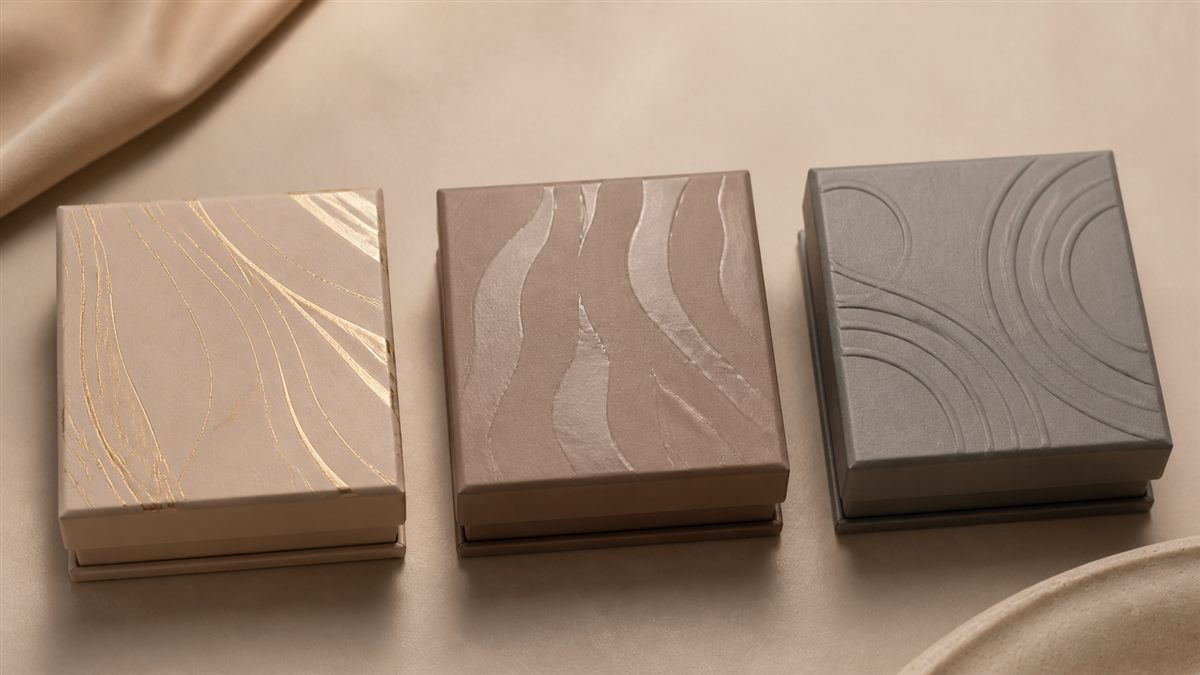
Finishing adds interest when it directs attention to a small number of important brand elements. Hot stamping, spot UV, and embossing are confirmed King Tai finishing capabilities, subject to the specific project requirements.
Give each finish a clear job
A finish may emphasize a logo area, create a controlled contrast, or add tactile depth. The final effect depends on the artwork, substrate, structure, and alignment, so it should be assessed on a representative sample.
- Reserve high-impact effects for the most visible element.
- Keep the artwork suitable for the selected treatment.
- Review appearance and placement before production approval.
Key Takeaway: One deliberate finishing choice often looks more premium than several competing effects.
What Makes an Unboxing Sequence Memorable?
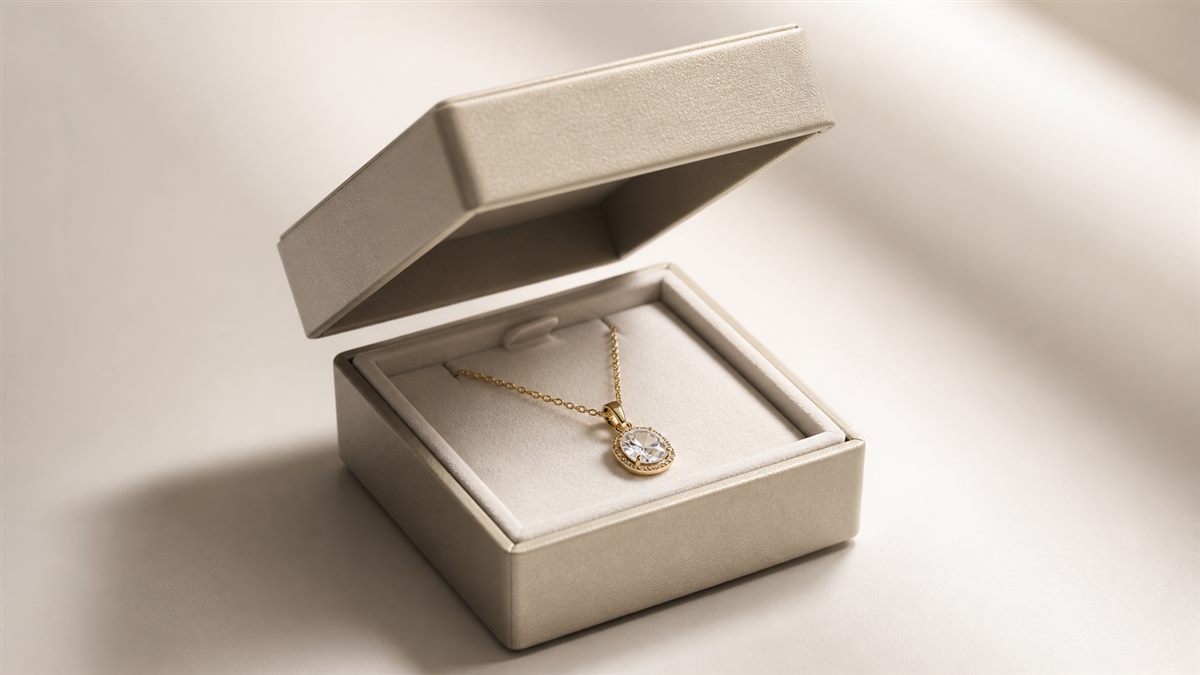
A memorable unboxing sequence gives the customer an easy, purposeful progression from outer box to jewelry reveal. The lid, pull, interior message area, and jewelry position should work together rather than compete for attention.
Design from the customer’s viewpoint
Think through what is first seen, touched, and removed. This simple exercise exposes details such as awkward finger access, a hidden product, or branding that appears before the jewelry but adds no value to the experience.
- Keep the opening motion intuitive.
- Place visual details where they are naturally noticed.
- Make the jewelry accessible without disrupting the insert.
Key Takeaway: An effective reveal comes from controlled interaction, not unnecessary complexity.
When Is Customization Worth Adding?
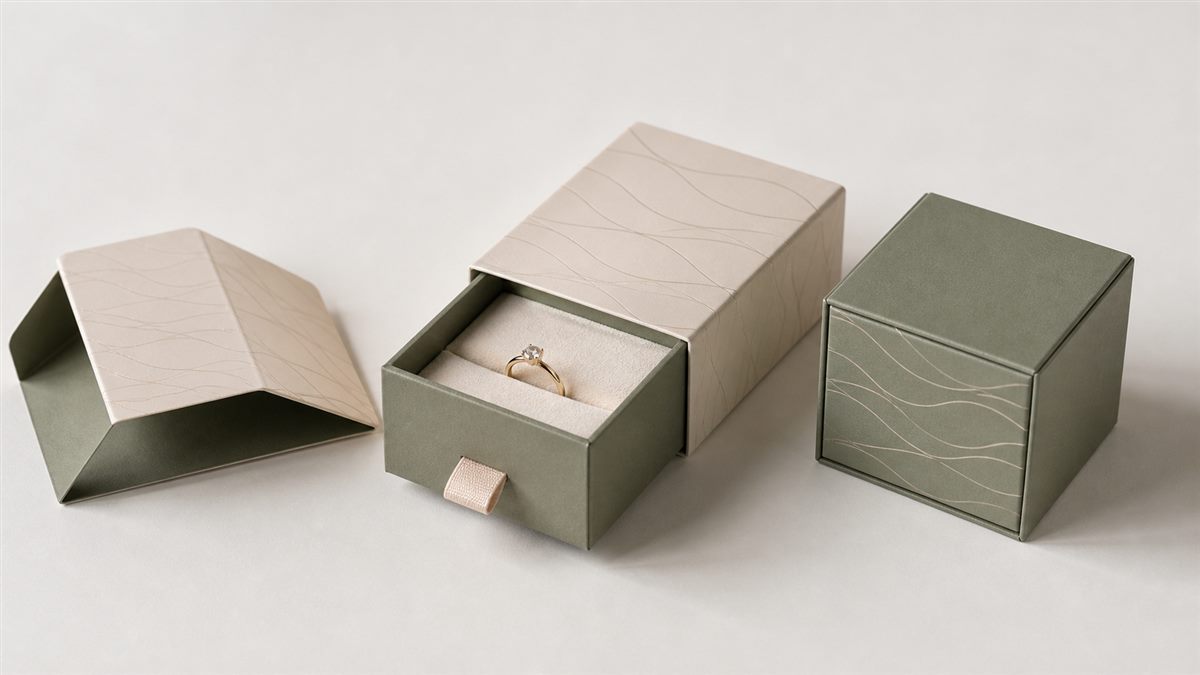
Customization is worth adding when it solves a product-fit, presentation, or brand-consistency need. It can involve the structure, insert layout, artwork, surface finish, or coordinated outer packaging, depending on the project.
Prioritize details customers actually notice
Not every element needs to be unique. Focus on choices that help the jewelry sit correctly, make the brand recognizable, or improve the customer’s handling experience.
- Adapt the insert to the item’s actual form.
- Use artwork and finishing to create a consistent identity.
- Consider a sleeve or outer component when the journey calls for it.
See King Tai’s jewelry packaging solutions for a broader project perspective.
Key Takeaway: Customization should earn its place by improving fit, recognition, or use.
How Should Brands Plan for Shipping Protection?
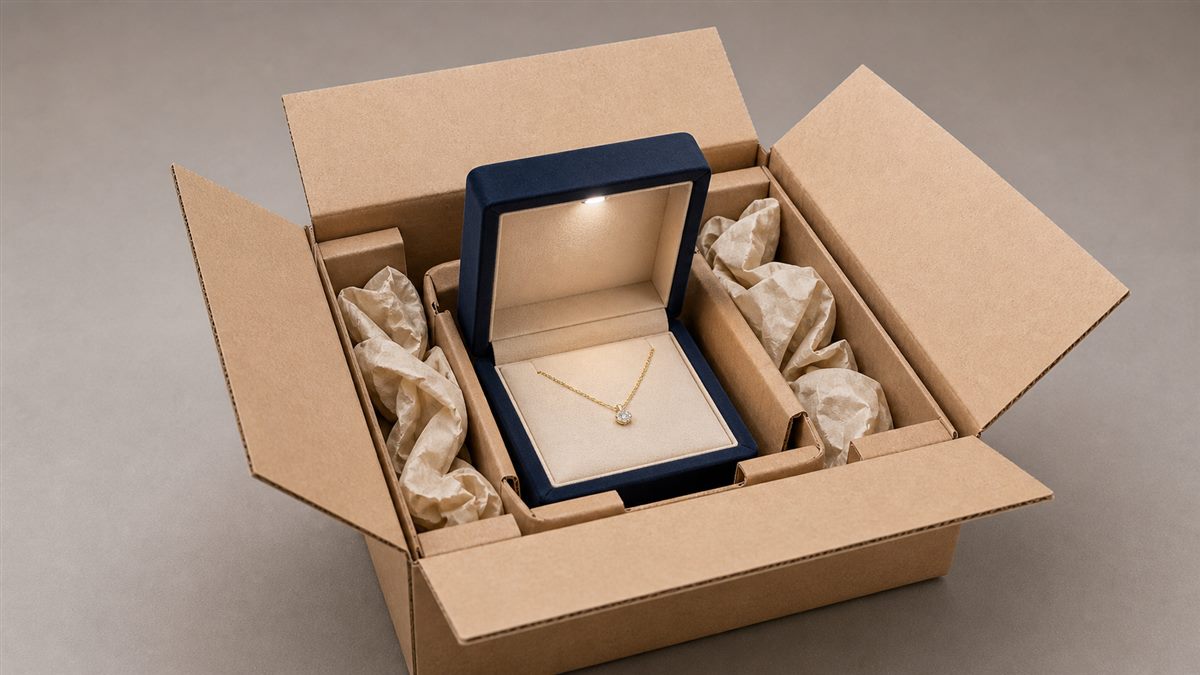
Shipping protection should be planned alongside the presentation box because the customer-facing package and transport protection serve different functions. Product weight, distribution route, packing configuration, and handling requirements need confirmation for each project.
Separate presentation from transport needs
The retail box should be judged for presentation, while the outer packing should be judged for the journey it must make. Planning both layers together helps avoid a polished box arriving with avoidable scuffs, movement, or corner damage.
- Consider protection for corners, lids, and inserts.
- Allow space for the required outer packaging.
- Review the approved packing configuration before mass production.
Key Takeaway: Protect the design by considering the full packaging system, not only the box on display.
Why Does Sample Review Matter So Much?
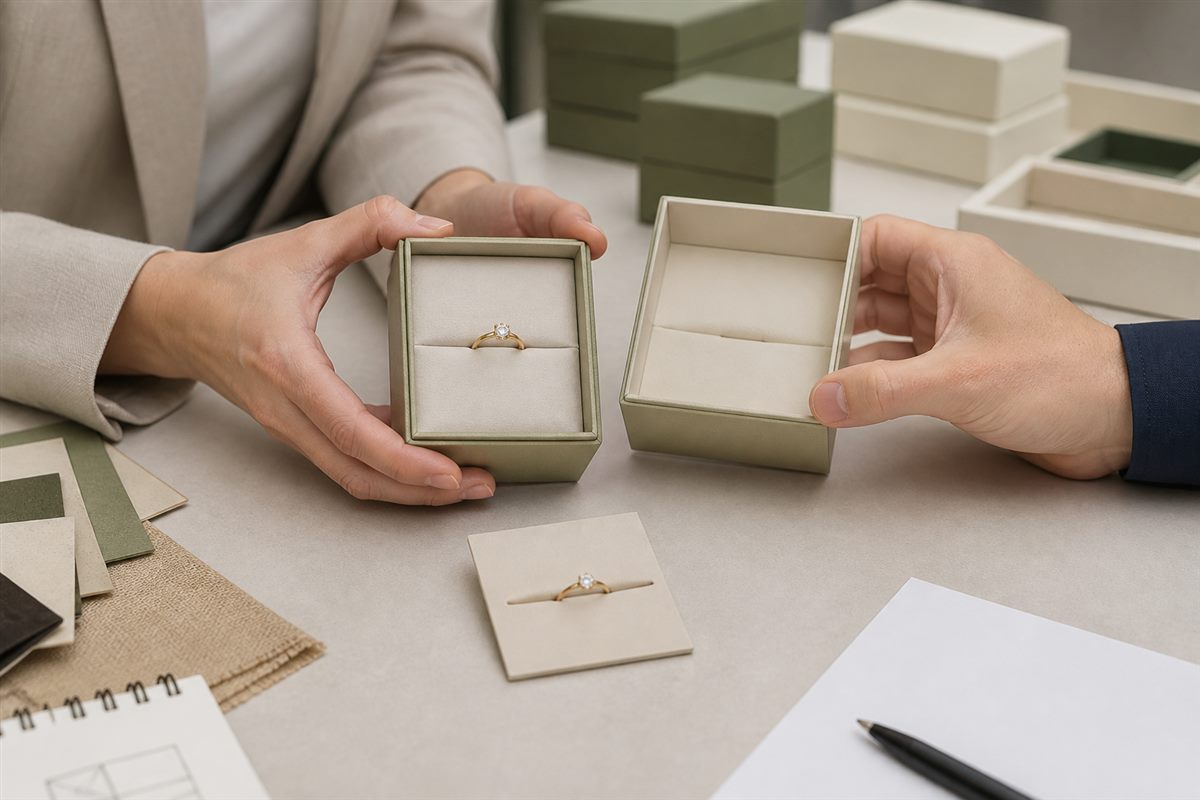
Sample review matters because it is the practical point where structure, insert fit, printing, finishing, and assembly can be assessed together. The approved pre-production sample becomes the reference for mass-production consistency.
Check the details that shape the final impression
Review the sample with the actual jewelry or a representative substitute whenever possible. This lets the team assess position, opening action, color direction, finish appearance, and overall assembly before the project proceeds.
- Check product fit and insert alignment.
- Confirm artwork, color direction, and finish appearance.
- Record changes before sample approval.
Key Takeaway: Treat sample approval as a decision gate that reduces avoidable differences later.
What Should Go Into a Jewelry Box Brief?
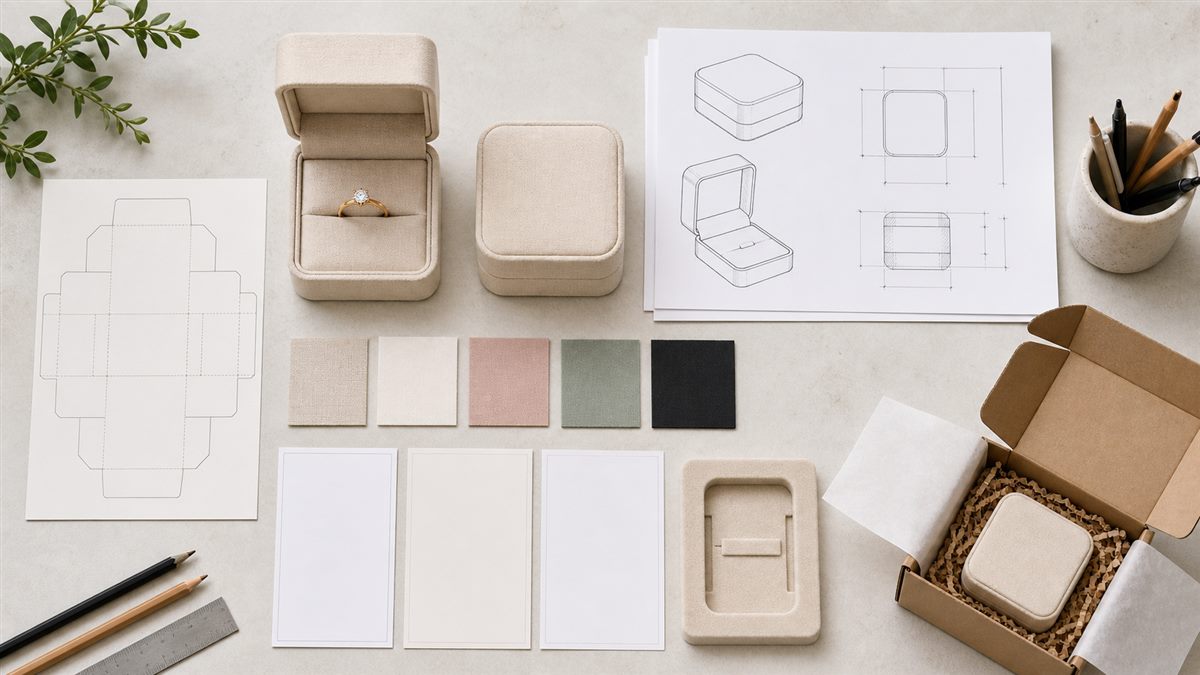
A useful jewelry box brief gives a manufacturer enough information to evaluate the concept and identify open questions early. It should explain what the packaging must do, not only show a visual reference.
Make specifications clear enough to review
Include product dimensions, weight where relevant, preferred format, artwork direction, insert requirements, quantity, and packing expectations. MOQ, sampling time, production lead time, and final feasibility are project-specific and should be confirmed against the final specification.
- Provide a product sample, drawing, or accurate dimensions.
- Identify required visible brand elements and finishes.
- State packing and delivery requirements clearly.
Key Takeaway: A clear brief lets the supplier assess feasibility before assumptions become costly changes.
Conclusion: The most useful jewelry box design ideas connect product fit, structure, material direction, finishing, and the opening experience. King Tai is a direct B2B packaging and printing manufacturer that can support structural design, paper selection, printing, finishing, assembly, custom inserts, quality inspection, and logistics support. Explore King Tai’s custom packaging and printing services or share a specification through the contact page to begin a project discussion.
FAQ
What are the best jewelry box design ideas for a brand?
The best ideas reflect the jewelry, brand position, and customer journey. Start with the structure and insert, then use materials, graphics, and finishes to support one clear direction.
Which jewelry box structure is best?
No single structure fits every product. Choose after reviewing the jewelry dimensions, desired reveal, insert needs, and packing requirements.
How can I make jewelry packaging look more premium?
Use fewer, more deliberate choices: an appropriate structure, a well-fitted insert, a coordinated material direction, and a restrained finish. Review the full combination on a sample.
What should I confirm before ordering custom jewelry boxes?
Confirm product dimensions, structure, insert, artwork, material direction, finishing, quantity, packing needs, and the approval process. Project timing and MOQ should be confirmed for the final specification.