
Packaging science is the study and application of materials, engineering, design and business to develop and evaluate packaging systems. If you are asking “what is packaging science?” while planning a product launch, its practical value is a clearer way to connect appearance, protection and production.
A box may look right but leave its contents loose or create problems during packing. Those issues call for a review of the whole package. This guide explains the discipline and shows how to apply its thinking when developing custom packaging.
What does packaging science study?
Packaging science studies how a package contains, protects and presents a product throughout its journey. It combines materials, engineering, design and business, then uses observation and testing to judge whether a proposed solution works.
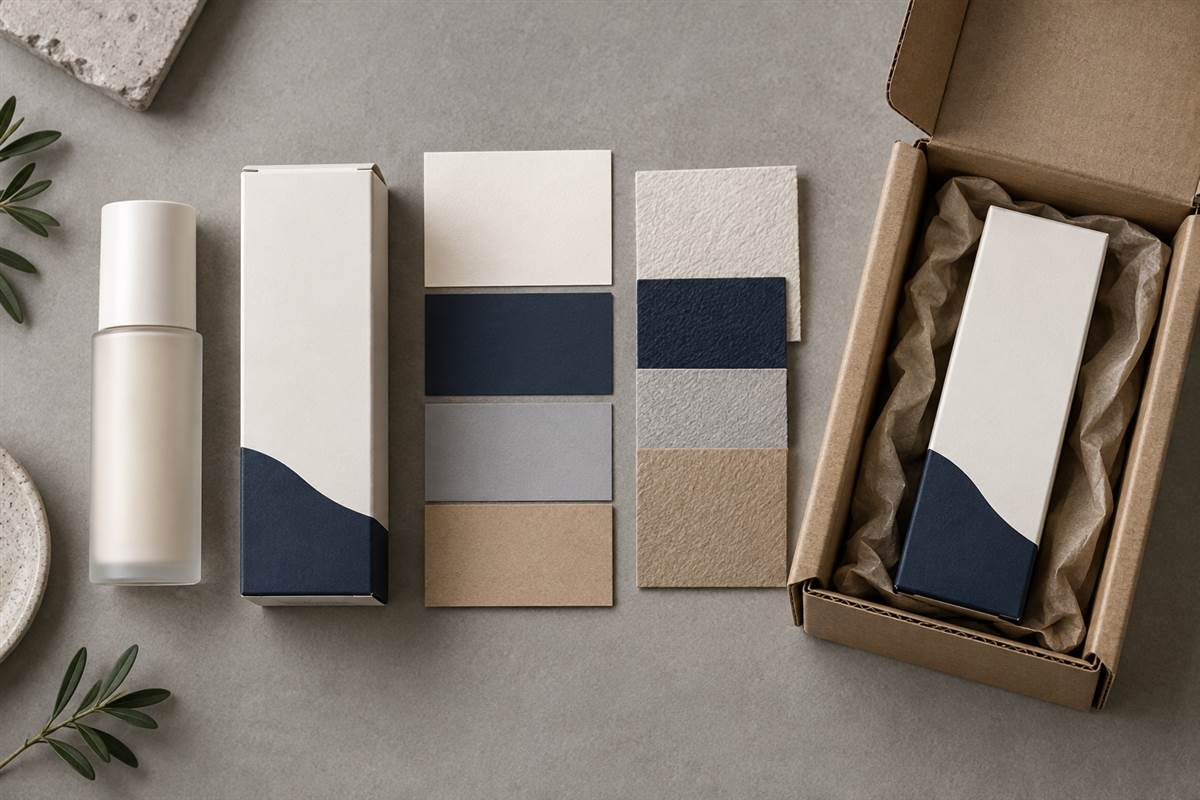
The field also includes product compatibility, user needs and end-of-use choices. For a brand team, the useful question is not simply which box looks best: it is which complete package meets the product’s requirements under the conditions it will actually face.
Which subjects come together?
Physics helps explain loads and movement; chemistry helps explain material interactions; design addresses structure and communication. Business decisions connect those findings to production, distribution and cost. Students may encounter these subjects together, while working teams bring specialists into a project where needed.
How is packaging science different from packaging design?
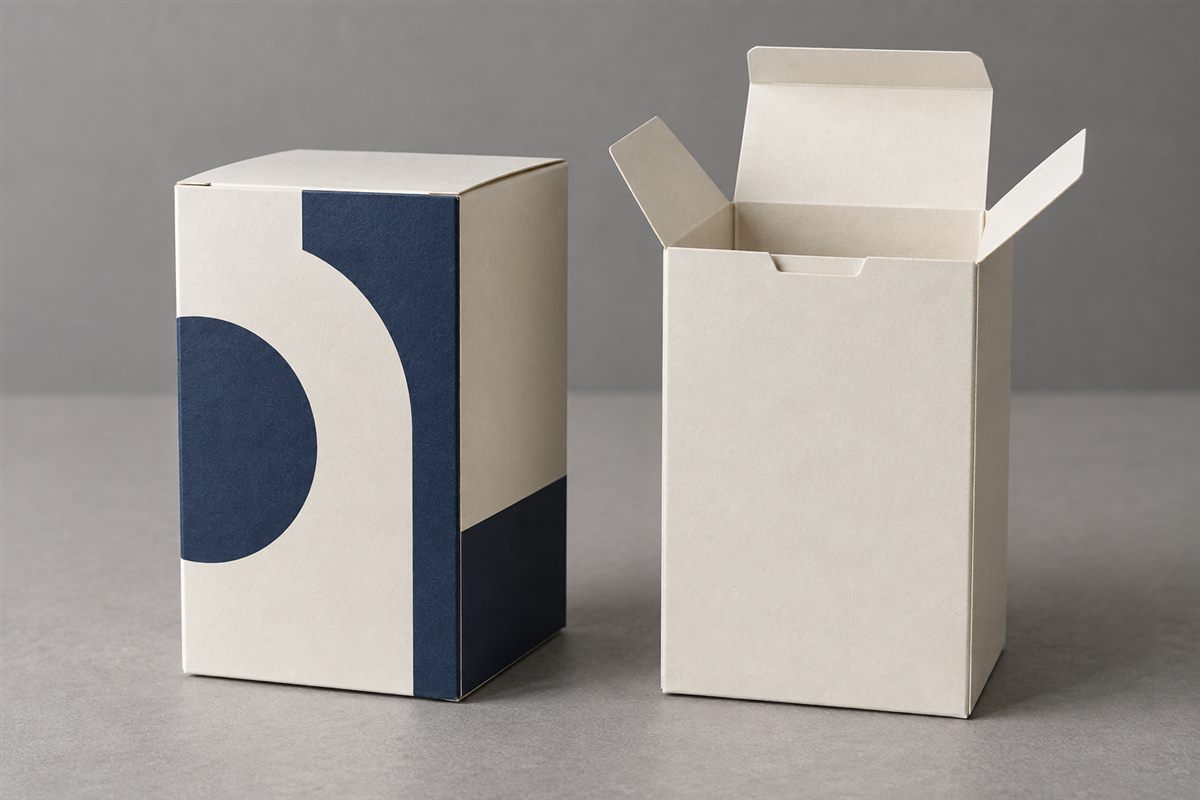
Packaging design is part of packaging science, while packaging science also examines the evidence behind material, manufacturing and performance decisions. Design itself can include structure and usability, so it should not be reduced to graphics alone.
| Question | Design contribution | Scientific evaluation |
|---|---|---|
| Can customers use it easily? | Opening method and layout | Observe opening, removal and reclosure |
| Does it protect the product? | Structure and support concept | Evaluate the packed product under relevant conditions |
| Can it be made consistently? | Artwork and construction details | Review material variation and production samples |
These are complementary contributions, not separate handoffs that can ignore each other. A strong visual concept still needs a workable structure, and a functional structure still needs clear communication.
How does a packaging scientist turn needs into a system?
A packaging scientist turns needs into a system by defining the product’s risks, proposing a solution, checking it and revising the design against the findings. The starting point is a requirement that can be evaluated, rather than an adjective such as “premium” or “strong.”
Translate the goal into something you can check
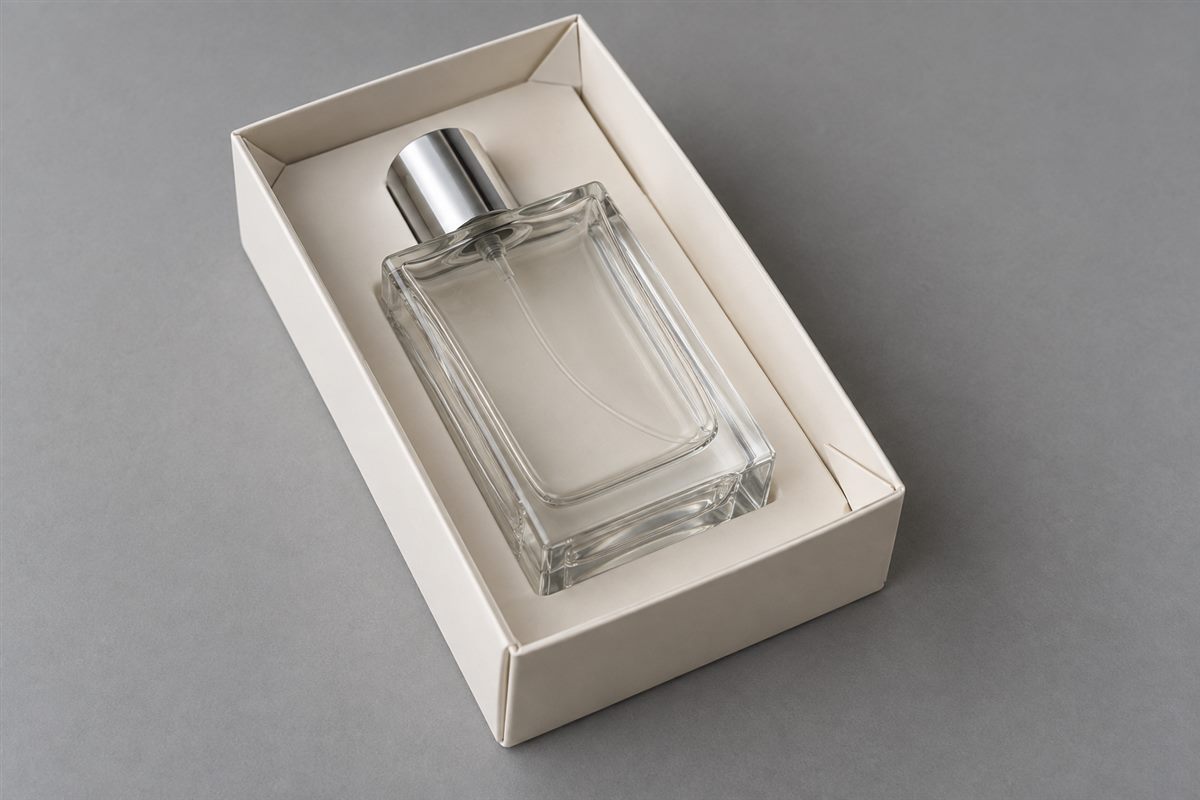
For example, “present the bottle securely” needs more detail: its position, the clearance around it, the removal method and the surfaces that must avoid contact. A physical prototype lets the team examine those relationships before treating the concept as ready for production.
Revise the cause of the problem
If a bottle moves, the cause may be insert geometry, assembly variation or unused space. Adding thicker board might leave the actual problem unresolved. Compare the observed failure with the original requirement, then change the part of the system responsible.
How do material properties affect packaging performance?
Material properties affect how packaging bends, supports weight, accepts printing and responds to its environment. The right choice depends on the product and construction; a material name alone is not a performance specification.
Compare the property with the job
Paperboard, corrugated board, glass, metal and plastics serve different packaging roles across the industry. For a paper-based presentation box, evaluate the supporting structure separately from the paper used for appearance. A thicker-looking sample does not, by itself, establish how the complete package will perform.
Review the actual printed surface
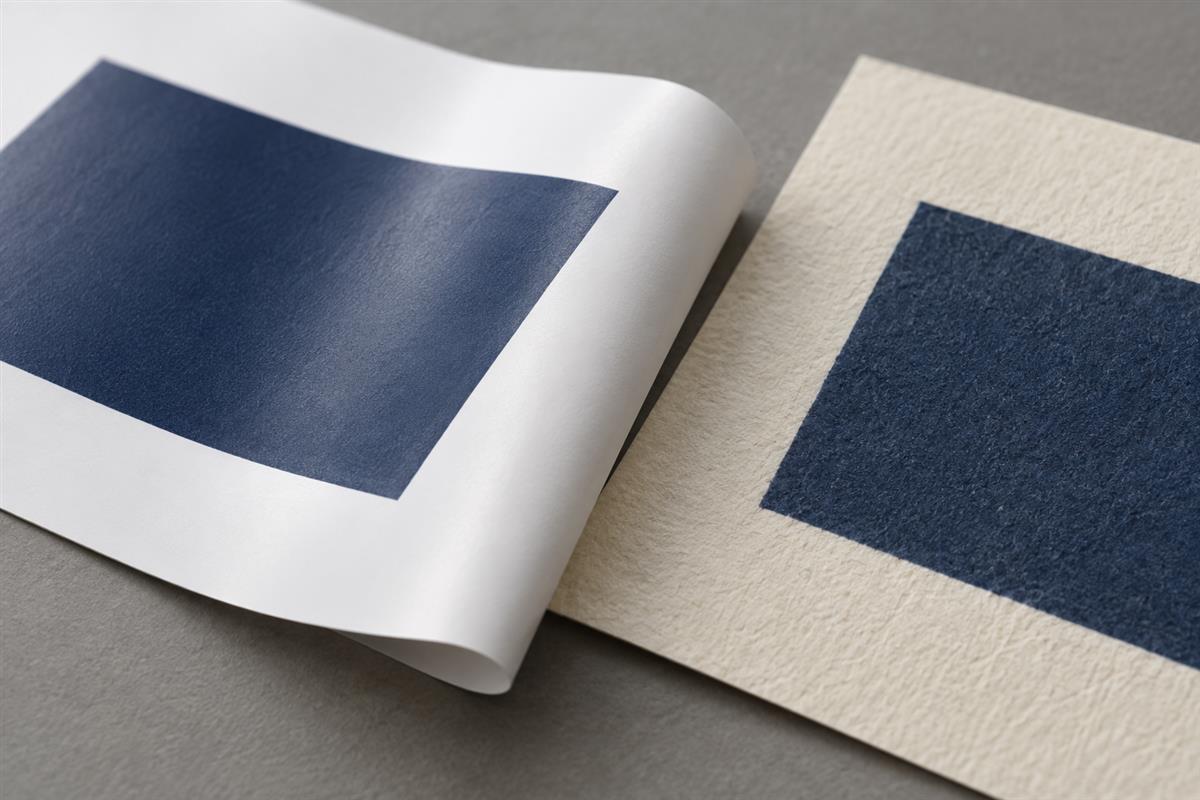
Surface texture can change how printing and finishing appear. Compare the proposed artwork on the selected paper, rather than approving color from a screen alone. In custom cosmetic boxes, this helps connect the visual brief with a reviewable physical sample.
King Tai supports paper selection, printing and surface finishing. The particular paper, finish and construction still need confirmation for your project.
Why must the product, insert and shipping carton work together?
The product, insert and shipping carton must work together because each controls a different part of the protection problem. An attractive presentation box cannot compensate for a loose product, and a secure insert does not establish that the outer shipment is suitable.
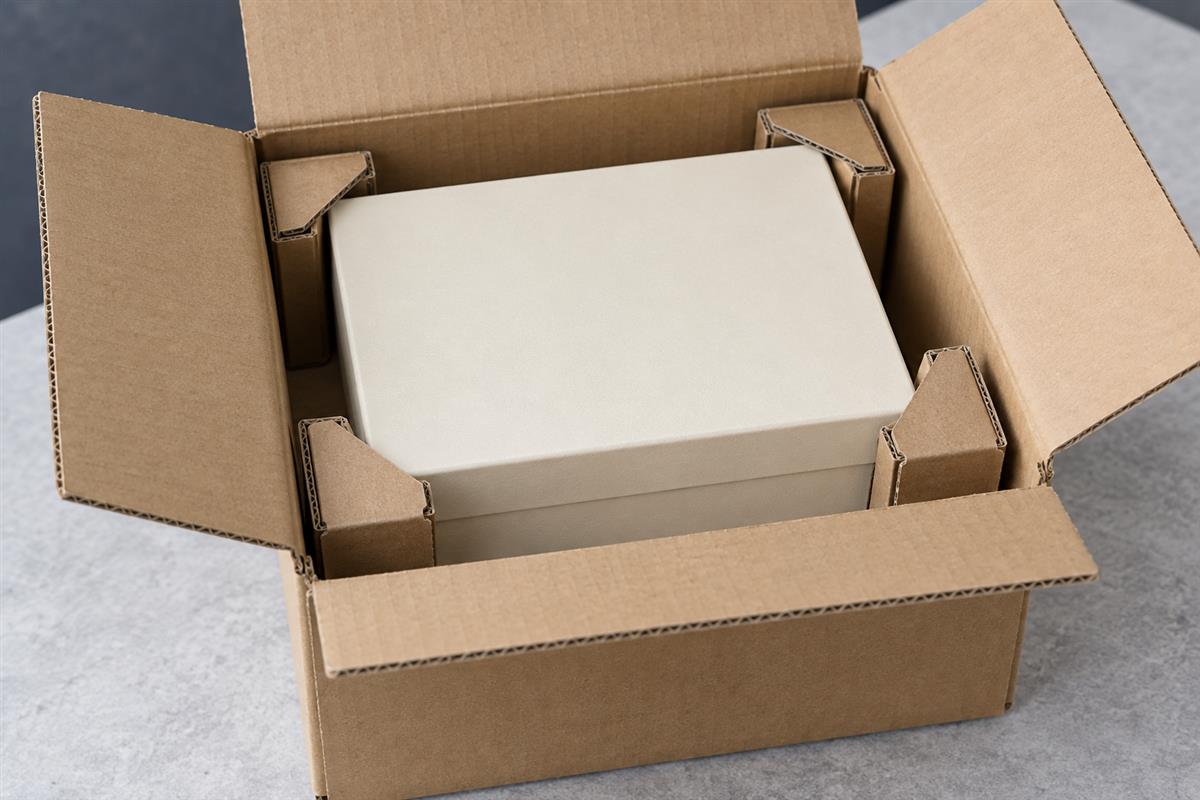
Check the complete packed arrangement
Review product retention, clearance from sensitive surfaces and the support around the retail box. Also consider the way the package will be packed and handled. For custom watch boxes, the watch holder, lid clearance and outer packing deserve a combined review.
Keep retail presentation and transit protection as separate requirements within the same system. Validate the configuration you intend to ship, including its contents, rather than approving an empty box as proof of protection.
How does testing improve packaging decisions?
Testing improves packaging decisions by comparing a proposed package with defined acceptance criteria and revealing weaknesses that appearance alone may hide. Useful testing starts with a question, a representative sample and a record of the conditions used.
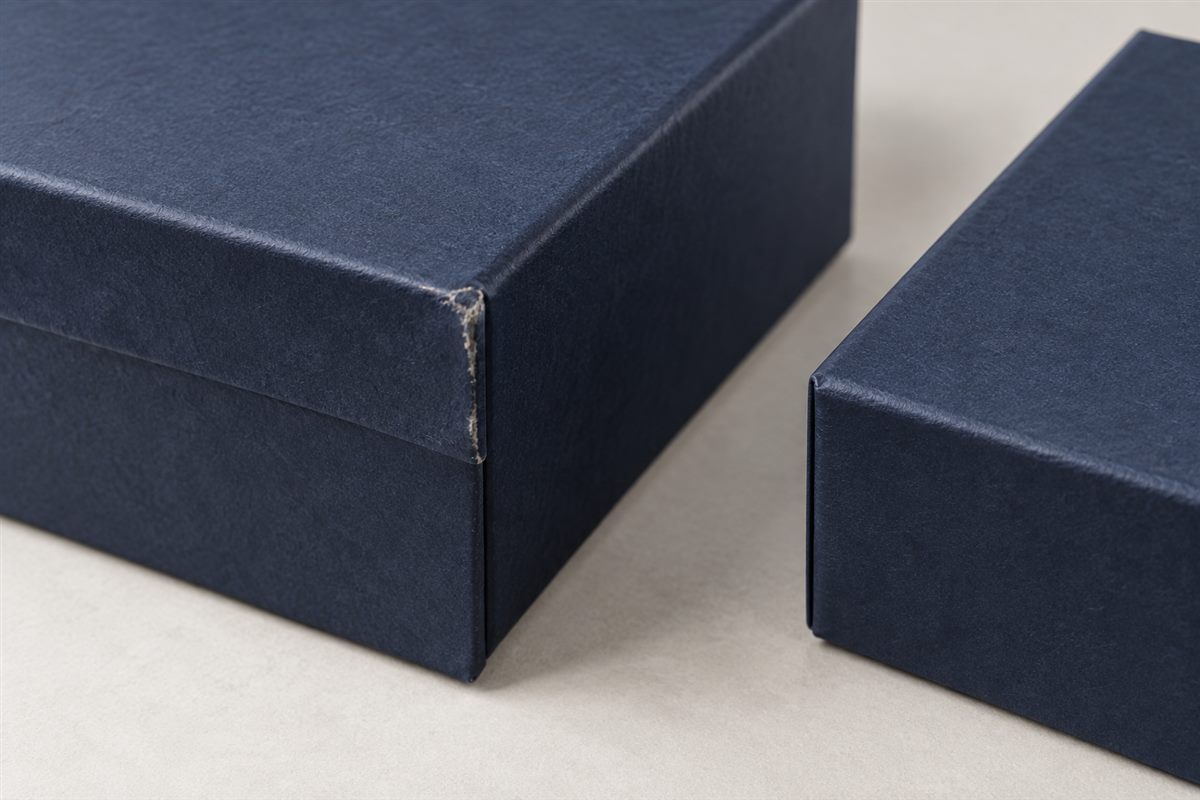
Match evaluation to the actual risk
Fit and opening checks address different questions from transport evaluation or surface-wear assessment. A packaging project may need specialist testing, depending on the product and distribution conditions. The method and acceptance criteria should be agreed with the responsible parties; this article does not prescribe a universal test schedule.
Keep the evidence tied to the sample
Record which product, materials and packing arrangement were evaluated, what happened and what changed afterward. A result from one configuration should not automatically be applied to a different one. King Tai’s confirmed quality-inspection support does not imply an accredited laboratory or a particular test certification.
What is packaging science doing for sustainability?
Packaging science supports sustainability by examining material use, product protection, distribution and end-of-use requirements together. Removing material is useful only when the remaining package still performs its necessary functions.
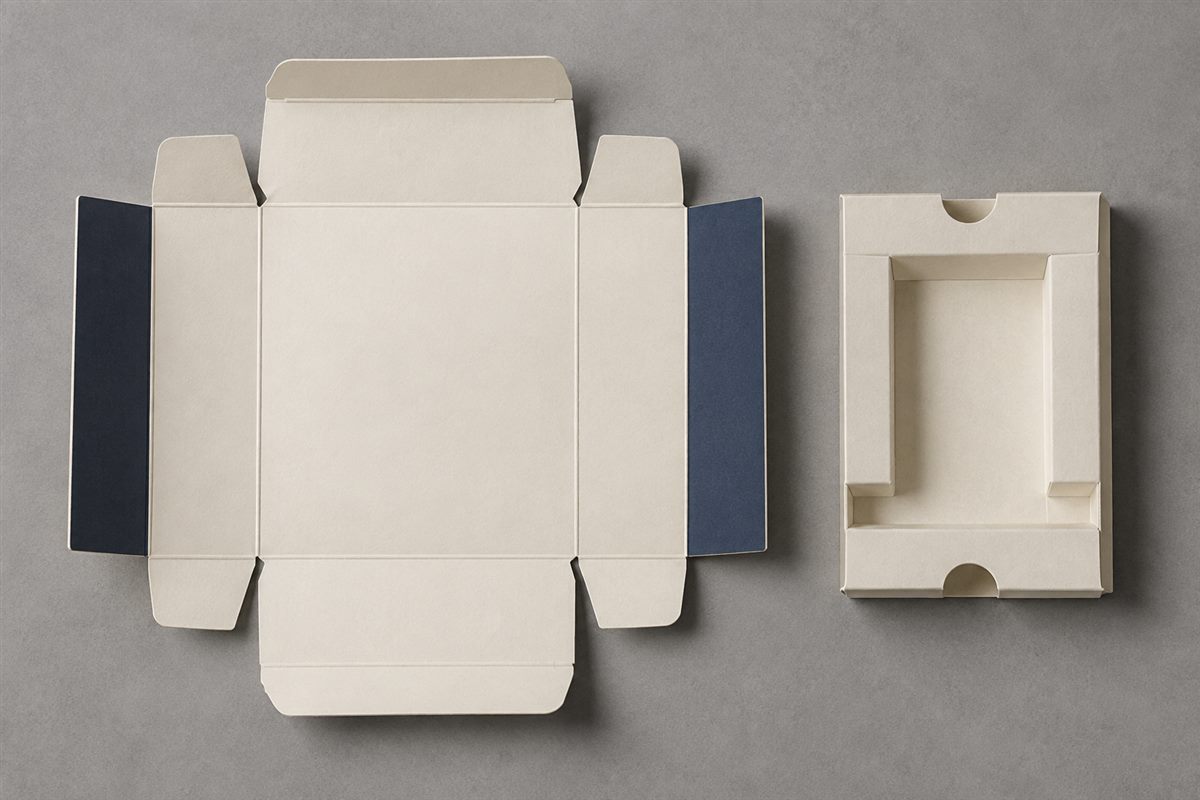
If you ask “what is packaging science doing for sustainability?”, start with a specific change you can evaluate. This could be reducing unused space, simplifying components or reconsidering a finish, followed by a review of the resulting package.
Check the trade-off before making a claim
A lighter package may need a different support arrangement; a simpler assembly may change the opening experience. Consider those consequences alongside material use. Recyclable, recycled-content and compostable describe different characteristics and should not be treated as interchangeable claims.
Ask for evidence relevant to the finished construction and its intended end-of-use route. Do not infer an environmental benefit solely from a kraft-paper appearance or a supplier’s broad “eco” label.
Where do brands use packaging science in practice?
Brands use packaging science when a product’s shape, fragility, presentation or distribution needs require more than a standard visual choice. The discipline applies across industries, but each application calls for its own priorities.

| Illustrative application | Priority to investigate | Useful review question |
|---|---|---|
| Watch presentation | Retention and clearance | Does the holder position the intended watch without forced contact? |
| Jewelry gifting | Separation and access | Can the piece stay positioned and be removed easily? |
| Cosmetic gift set | Different product shapes | Does each item have suitable support within the shared box? |
The difference is the product’s needs, not simply the packaging category. When reviewing custom jewelry boxes, for instance, identify which pieces the box must hold before selecting an interior layout.
These are teaching examples, not reported customer cases or test outcomes. Food, pharmaceutical and other specialized applications have additional requirements that need appropriate expertise.
How does packaging science connect samples with production?
Packaging science connects samples with production by turning the approved design into documented requirements and checking whether production continues to meet them. One good sample is a reference point, not evidence that every later unit will be identical.
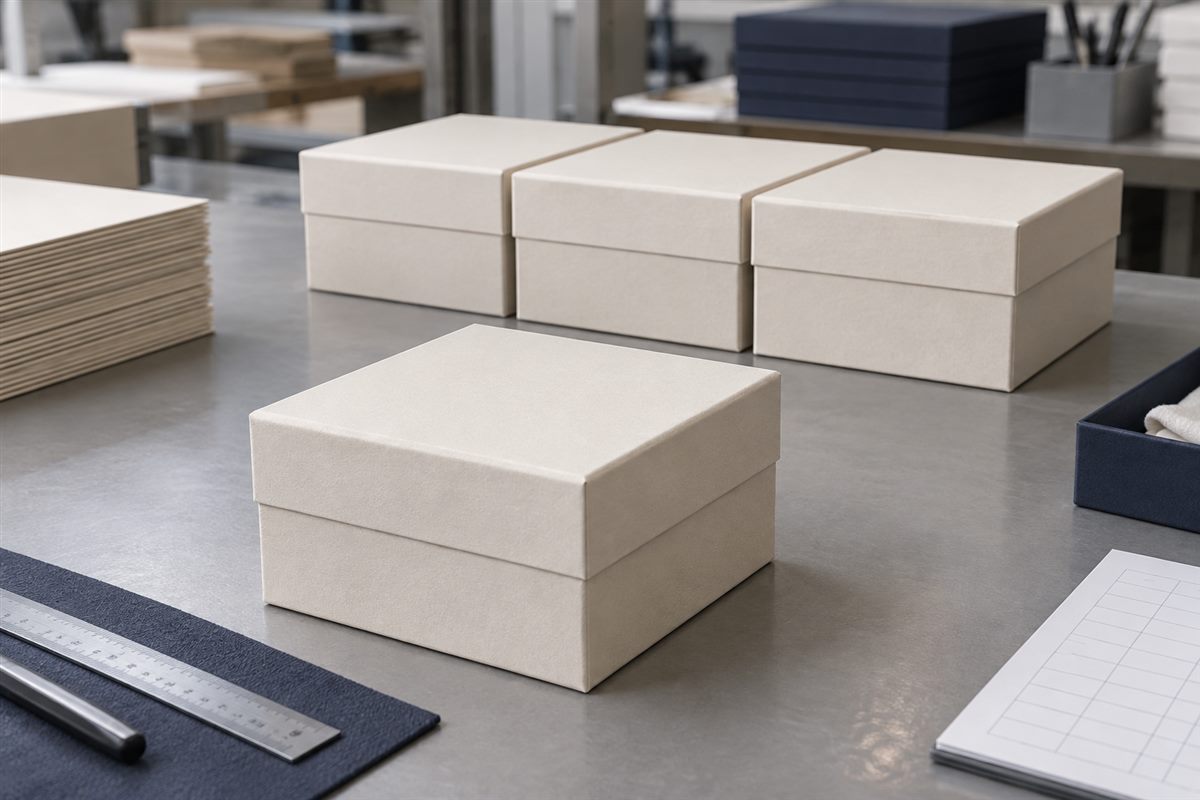
Define what the approval covers
Record the agreed material, artwork, finish, structure, insert and packing arrangement. Use the approved sample alongside those records, so the team can distinguish an intentional revision from an unwanted change. Appearance, fit and assembly each need clear expectations.
Control changes after approval
A revised paper, product size or insert can affect more than the item being changed. Review the consequences before carrying an earlier approval forward. King Tai’s documented QC principle is to use the approved sample as a reference for mass-production consistency, without promising zero variation.
What should you include in a science-based packaging brief?
A science-based packaging brief should describe the product, the journey, the user and the criteria for accepting the result. It should give the supplier enough context to evaluate a solution, while clearly identifying decisions that still need confirmation.
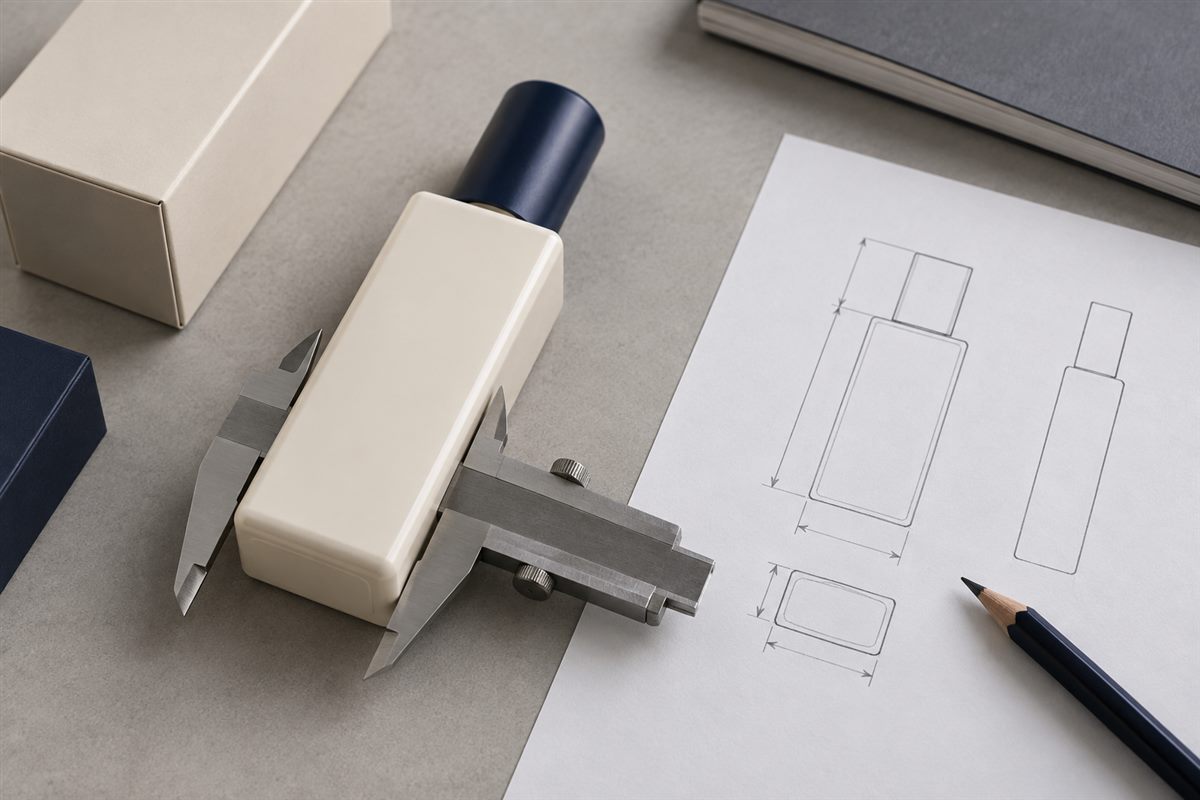
Use the following information to start a focused discussion:
- Product dimensions, weight, shape and areas needing special care.
- Sales channel, storage and distribution conditions known to your team.
- Opening, display, retention and product-removal requirements.
- Artwork, appearance references and any mandatory material requirements.
- Order quantity, cost priorities and the requested delivery schedule.
- Sample approval responsibilities, evaluation criteria and change controls.
When a team asks “what is packaging science?” during a project, this brief turns the answer into practical work. Confirm unresolved specifications before comparing quotations; otherwise, two prices may describe different packaging systems.
Conclusion
Packaging science gives your team a method for turning a packaging idea into an evaluated system. Define the need, review the complete package, record the findings and carry the approved details into production.
King Tai supports structural development, paper selection, printing, finishing, assembly, custom inserts, quality inspection and logistics. To explore a project within that scope, discuss your packaging requirements with King Tai and share the product details and decisions that still need confirmation.
FAQ
What is packaging science in simple terms?
It is a way to design and evaluate packaging by connecting the product’s needs with materials, structure, use and distribution. The aim is to make decisions that can be checked, rather than relying only on appearance.
Is packaging science the same as packaging engineering?
The fields overlap. Packaging science describes the broader study of packaging materials and systems; packaging engineering often emphasizes applying that knowledge to development and performance problems. Job titles and course boundaries vary.
What do packaging science students study?
Programs can combine materials, engineering, design, testing and business topics. The balance varies by institution, so review the actual curriculum if you are considering a course.
Do small brands need their own packaging scientist?
A small brand can apply the method through a clear brief and coordinated work with its designer, manufacturer and any needed specialists. Whether to hire a dedicated specialist depends on the product’s risks and the complexity of the project.