
Product packaging refers to the exterior materials and strategic design used to enclose, protect, and present a product to consumers. Many businesses struggle with high damage rates and poor brand visibility on crowded retail shelves. If your goods fail to catch the eye or arrive broken, your bottom line suffers immensely from lost trust and refunds. By understanding exactly what is packaging , you can transform basic enclosures into powerful marketing tools that secure products and captivate buyers.
Why Does Product Packaging Matter?
Product packaging matters because it is the vital physical barrier that protects goods while simultaneously acting as your brand’s most direct marketing tool. When business leaders ask what is packaging in a strategic sense, they are looking at the critical intersection of logistics and consumer psychology.
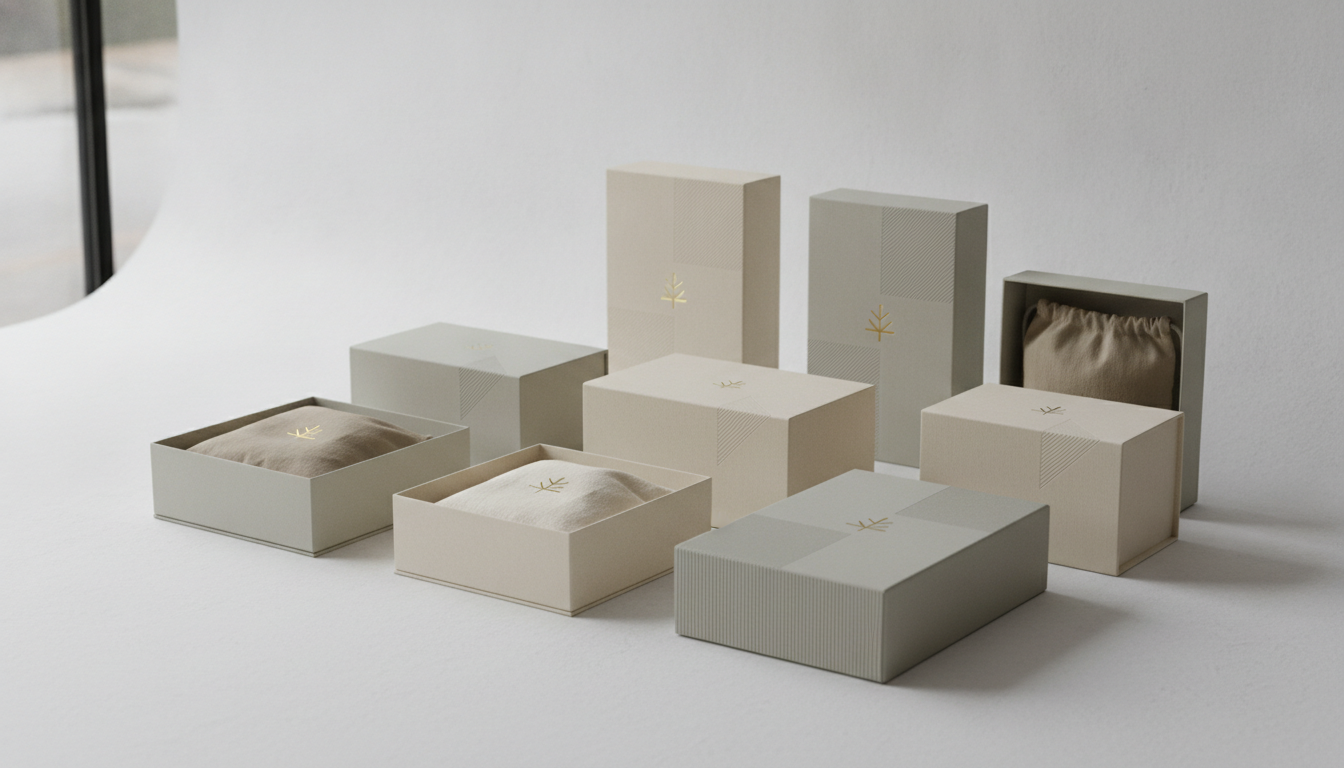
Core Functions For B2B Brands
It serves multiple purposes, from maintaining structural integrity during transit to ensuring regulatory compliance through proper labeling. Every layer is engineered to prevent financial loss and maintain product purity.
Think about this: Your retail presence depends entirely on visual appeal.
- Prevents physical damage and contamination.
- Communicates essential brand identity and values.
- Facilitates easier handling for retailers.
Does It Impact Buyer Decisions?
Yes, the exterior presentation often dictates the perceived value of the enclosed item. Shoppers make split-second judgments based entirely on visual appeal and material quality.
Key Takeaway: Strategic enclosures act as a silent salesperson, combining structural defense with aggressive brand positioning to maximize your return on investment.
| Aspect | Primary Benefit | Business Impact | |
|---|---|---|---|
| Protection | Reduces breakage | Lowers return costs | |
| Branding | Increases visibility | Boosts overall sales |
Balancing structural integrity with visual appeal consistently yields the highest profit margins for manufacturers.
What Are The Packaging Levels?
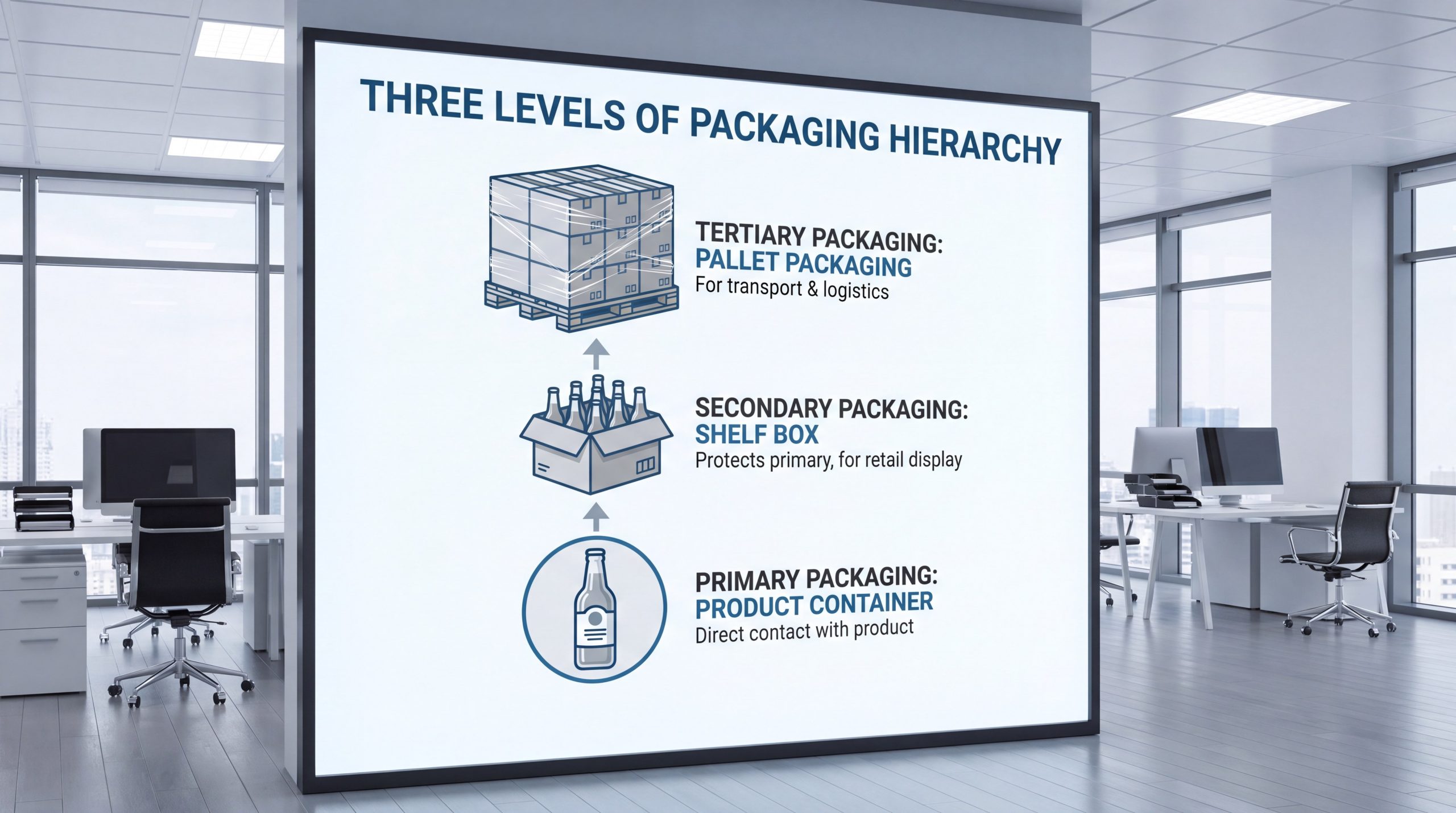
The packaging levels consist of primary, secondary, and tertiary layers that work together to protect items from the factory floor to the consumer’s hands. When exploring what is packaging , you must recognize how these three distinct tiers coordinate to ensure safety and marketing success.
Defining Primary And Secondary
Primary wraps the actual item, like a custom cosmetic box or watch case, engaging the end-user directly. Secondary layers group these primary units together, providing additional retail display strength.
Consider this critical fact: The primary layer is your direct handshake with the customer.
How Does Tertiary Protect Goods?
Tertiary structures, such as pallets and heavy corrugated shippers, are strictly for bulk transit. They prevent massive financial losses during long-haul logistics.
- Primary: Custom jewelry boxes, direct wrappers.
- Secondary: Retail shelf display cartons.
- Tertiary: Warehouse stretch-wrap and pallets.
Key Takeaway: Mastering all three hierarchy levels ensures that your luxury items survive brutal transit systems while retaining pristine, shelf-ready aesthetics.
| Level | Function | Example | |
|---|---|---|---|
| Primary | Consumer interaction | Watch box | |
| Secondary | Retail grouping | Display tray | |
| Tertiary | Bulk transport | Palletized crates |
Optimizing each tier prevents logistical bottlenecks while simultaneously enhancing the final consumer presentation.
How Do Materials Impact Quality?
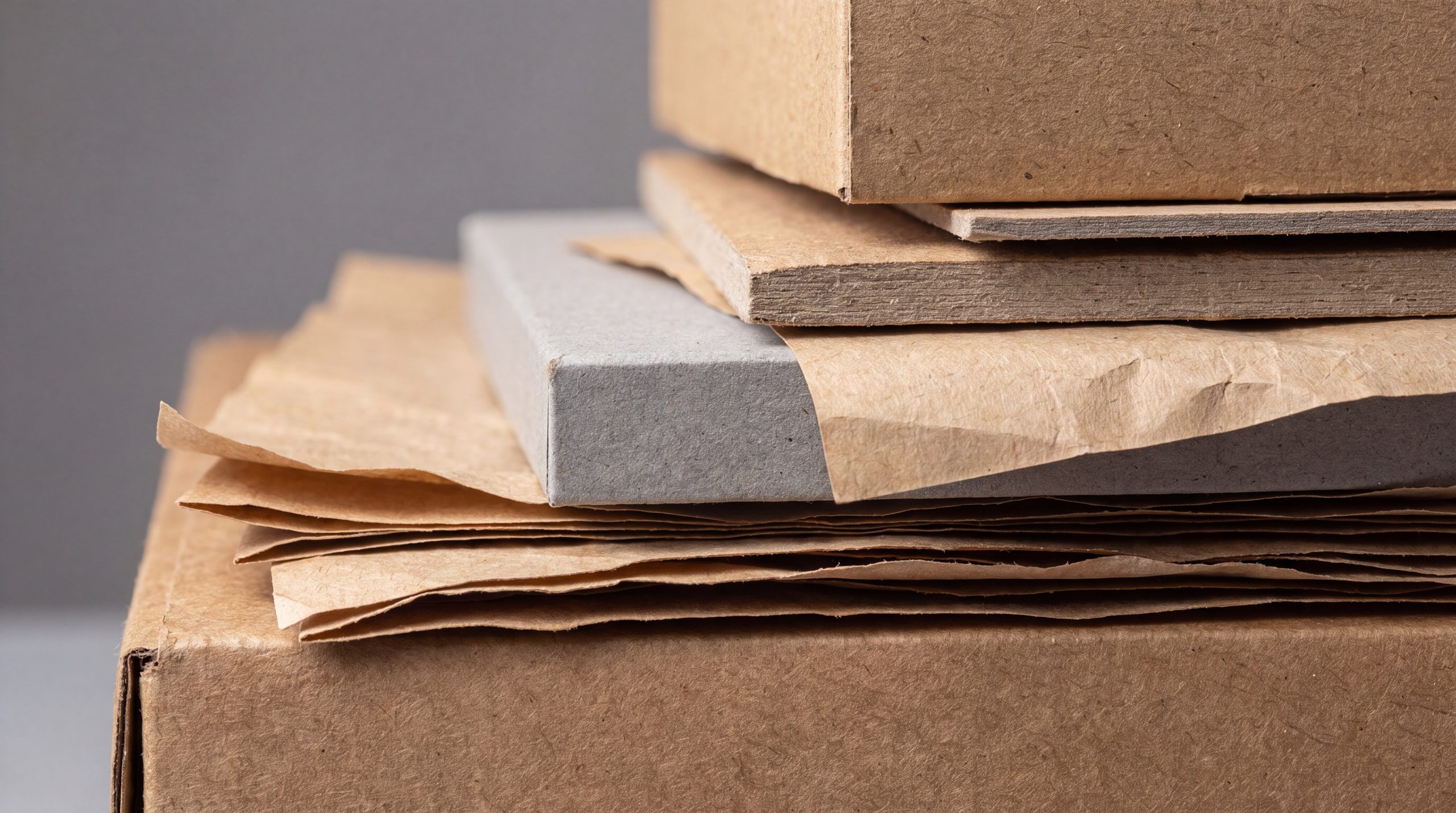
Materials impact quality by directly dictating the physical durability and the perceived luxury of the final product enclosure. To truly understand what is packaging, you must evaluate how substrates like rigid cardboard, kraft paper, or specialty plastics affect consumer perception.
Choosing Rigid Vs Folding Cartons
Rigid setups are dense and immovable, making them perfect for high-end items like cigar boxes and fine jewelry. Folding cartons offer flexibility and cost-effectiveness for everyday consumer goods.
Here is why this matters: A flimsy material immediately signals a cheap product inside.
- Rigid boards offer premium tactile feedback.
- Corrugated sheets provide superior crush resistance.
- Flexible films reduce overall shipping weight.
Which Material Fits Luxury Goods?
High-grade, thick paperboard wrapped in specialized textures is the standard for luxury sectors. It provides the heft and structural integrity that high-paying customers expect.
Key Takeaway: Selecting the correct substrate elevates perceived brand value and justifies premium pricing in highly competitive B2B markets.
| Material | Best Use Case | Cost Profile | |
|---|---|---|---|
| Rigid Board | Luxury watches | High | |
| Corrugated | Heavy shipments | Low | |
| Kraft Paper | Eco-friendly lines | Medium |
Aligning your material choice with your product’s price point is essential for coherent brand messaging.
Can Custom Boxes Boost Sales?
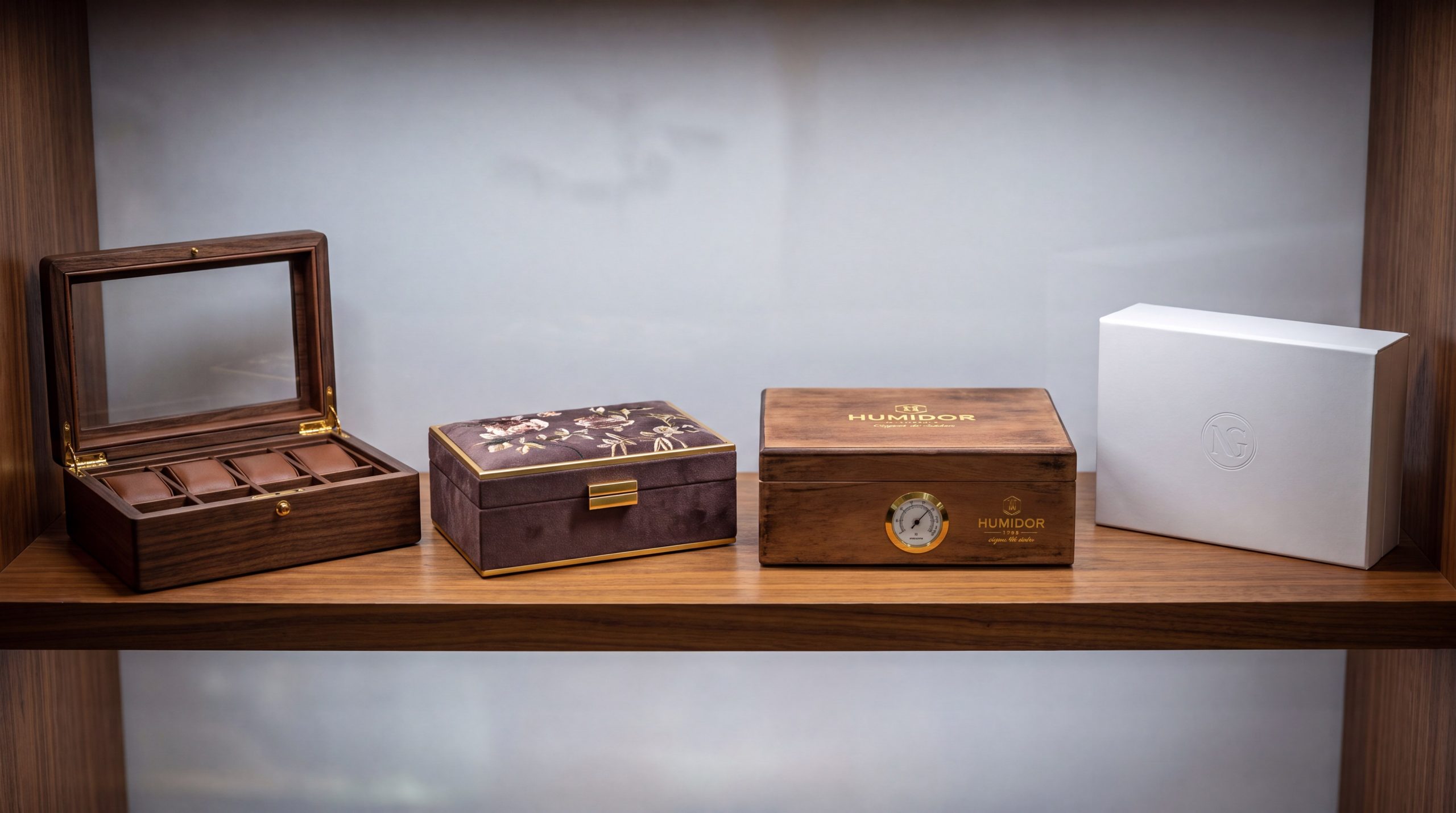
Custom boxes can dramatically boost sales by creating a unique, memorable brand identity that separates your product from generic competitors on the shelf. Marketers often realize that what is packaging extends far beyond containment; it is a primary driver of impulse purchases and brand loyalty.
The Power Of Visual Differentiation
Tailored dimensions and bespoke graphics catch the consumer’s eye faster than standard brown shippers. This distinct visual footprint translates directly into increased market share.
Here is the reality: Generic enclosures render your product invisible.
- Custom sizing reduces internal movement and damage.
- Bespoke printing highlights unique selling propositions.
- Tailored structural design enhances shelf prominence.
Do Custom Sizes Reduce Costs?
Yes, precisely engineered dimensions eliminate the need for excess void fill and reduce volumetric shipping weight. This dual benefit saves capital while presenting a cleaner aesthetic.
Key Takeaway: Investing in tailored enclosures yields a high return on investment through reduced logistics expenses and increased retail conversion rates.
| Strategy | Sales Impact | Logistics Impact | |
|---|---|---|---|
| Generic Box | Low differentiation | High void fill cost | |
| Custom Box | High brand recall | Optimized dimensions |
Customization fundamentally shifts an operational expense into a measurable revenue-generating asset.
What Creates A Great Unboxing?
A great unboxing experience is created through a carefully choreographed sequence of structural reveals, premium textures, and personalized touches. When evaluating what is packaging in the e-commerce era, the unboxing ritual is the closest a brand gets to an in-store customer interaction.
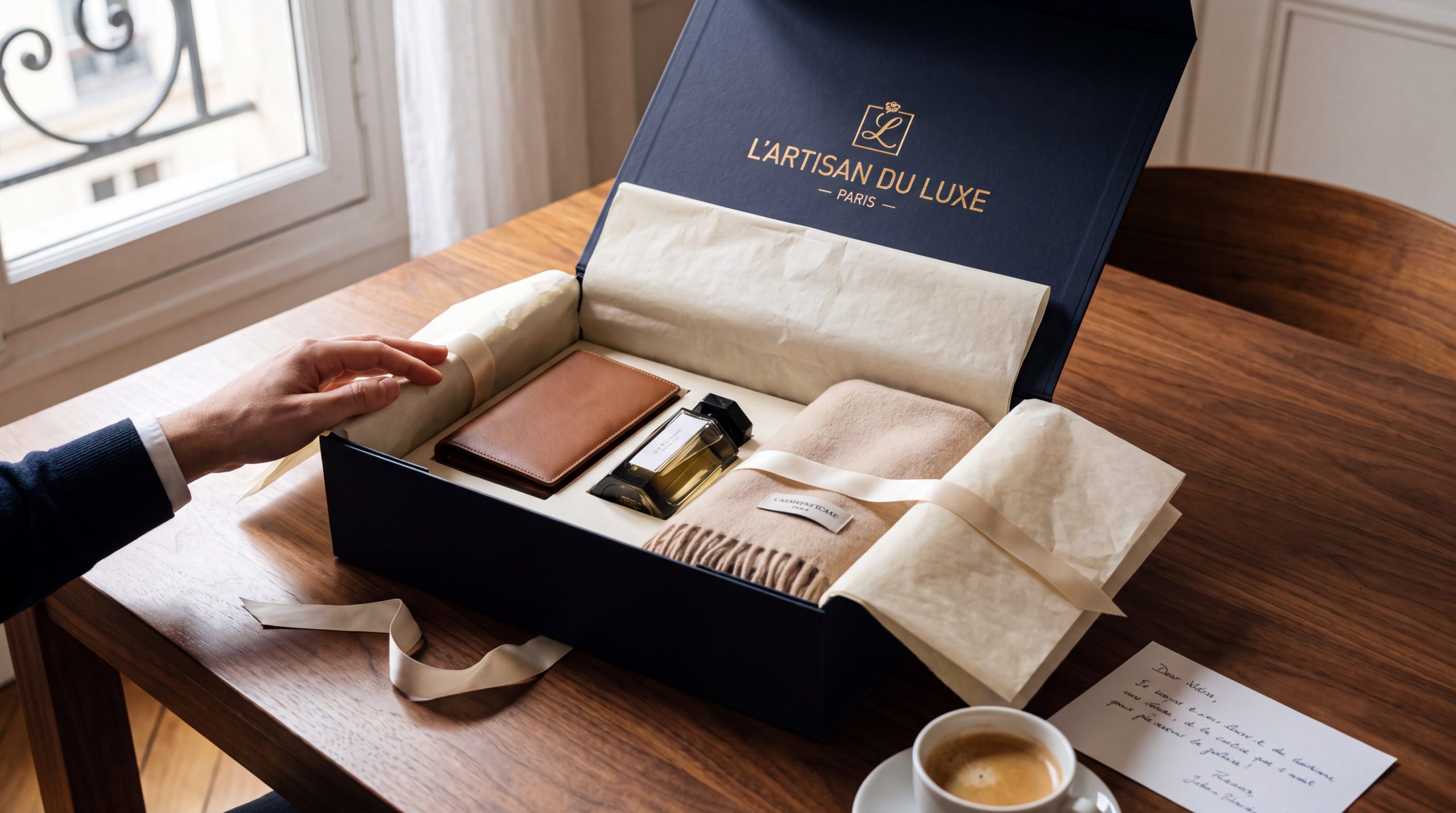
Engineering The Reveal
Friction-fit lids, custom inserts, and branded tissue paper add theatrical elements to the opening process. These details force the customer to slow down and appreciate the enclosed item.
Picture this scenario: The slow glide of a perfectly fitted lid builds instant anticipation.
- Magnetic closures add a satisfying auditory click.
- Custom foam inserts present the product like a trophy.
- Printed interior messages foster an emotional connection.
Why Are Social Shares Important?
Consumers frequently record and share exceptional unboxing experiences on social media networks. This user-generated content acts as free, highly credible advertising for your business.
Key Takeaway: Orchestrating a memorable unboxing journey transforms standard buyers into vocal brand advocates, driving organic growth.
| Feature | Customer Emotion | Brand Benefit | |
|---|---|---|---|
| Magnetic lid | Premium feel | Quality assurance | |
| Custom insert | Security | Lower damage rates | |
| Interior print | Surprise | Social sharing |
Designing for the reveal ensures that the customer’s post-purchase experience matches your brand’s marketing promises.
Is Eco-Friendly Design Crucial?
Eco-friendly design is absolutely crucial today because consumers actively penalize brands that utilize excessive, non-recyclable plastics. To fully grasp what is packaging in the modern market, you must integrate sustainable practices to meet strict regulatory and buyer demands.
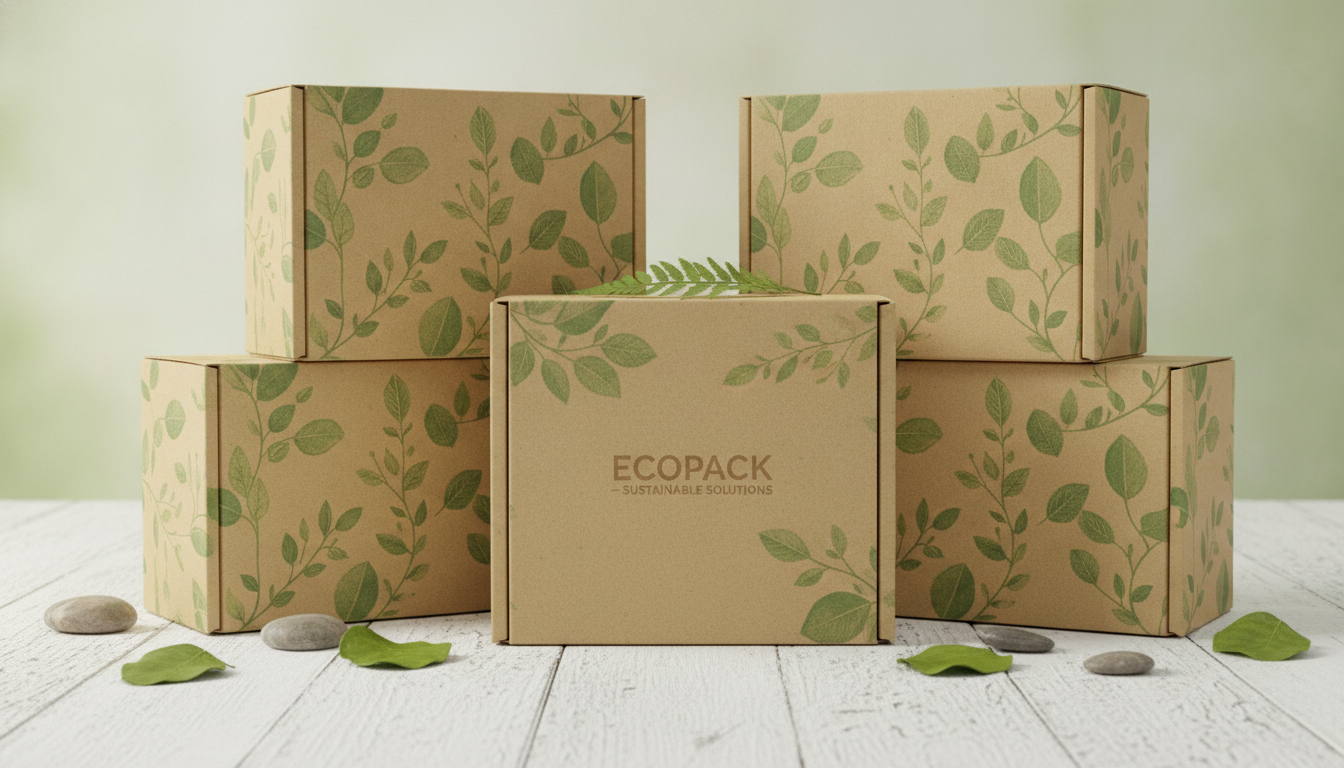
Transitioning To Kraft And PCR
Post-consumer recycled (PCR) materials and natural kraft paper offer excellent durability with a minimal carbon footprint. These alternatives are becoming the baseline standard for responsible manufacturers.
Consider this trend: Green initiatives directly influence corporate purchasing contracts.
- Biodegradable inks eliminate toxic runoff.
- Kraft paper communicates natural authenticity.
- Reduced material weight lowers carbon emissions.
Does Sustainability Increase Costs?
While initial sourcing might carry a slight premium, sustainable designs often use less overall material, balancing the ledger. Additionally, consumers are frequently willing to pay more for eco-conscious goods.
Key Takeaway: Adopting sustainable manufacturing practices protects your brand from future regulatory penalties while capturing eco-conscious market share.
| Material Type | Environmental Impact | Consumer Perception | |
|---|---|---|---|
| Virgin Plastic | High pollution | Increasingly negative | |
| Kraft Paper | Readily recyclable | Highly positive | |
| PCR Board | Circular economy | Forward-thinking |
Sustainability is no longer a niche marketing angle, but a fundamental requirement for long-term B2B viability.
How Do Printing Methods Differ?
Printing methods differ primarily in setup costs, run speeds, and their ability to produce complex, high-resolution imagery on varying substrates. Anyone asking what is packaging must understand that the applied graphics are just as vital as the structural board.
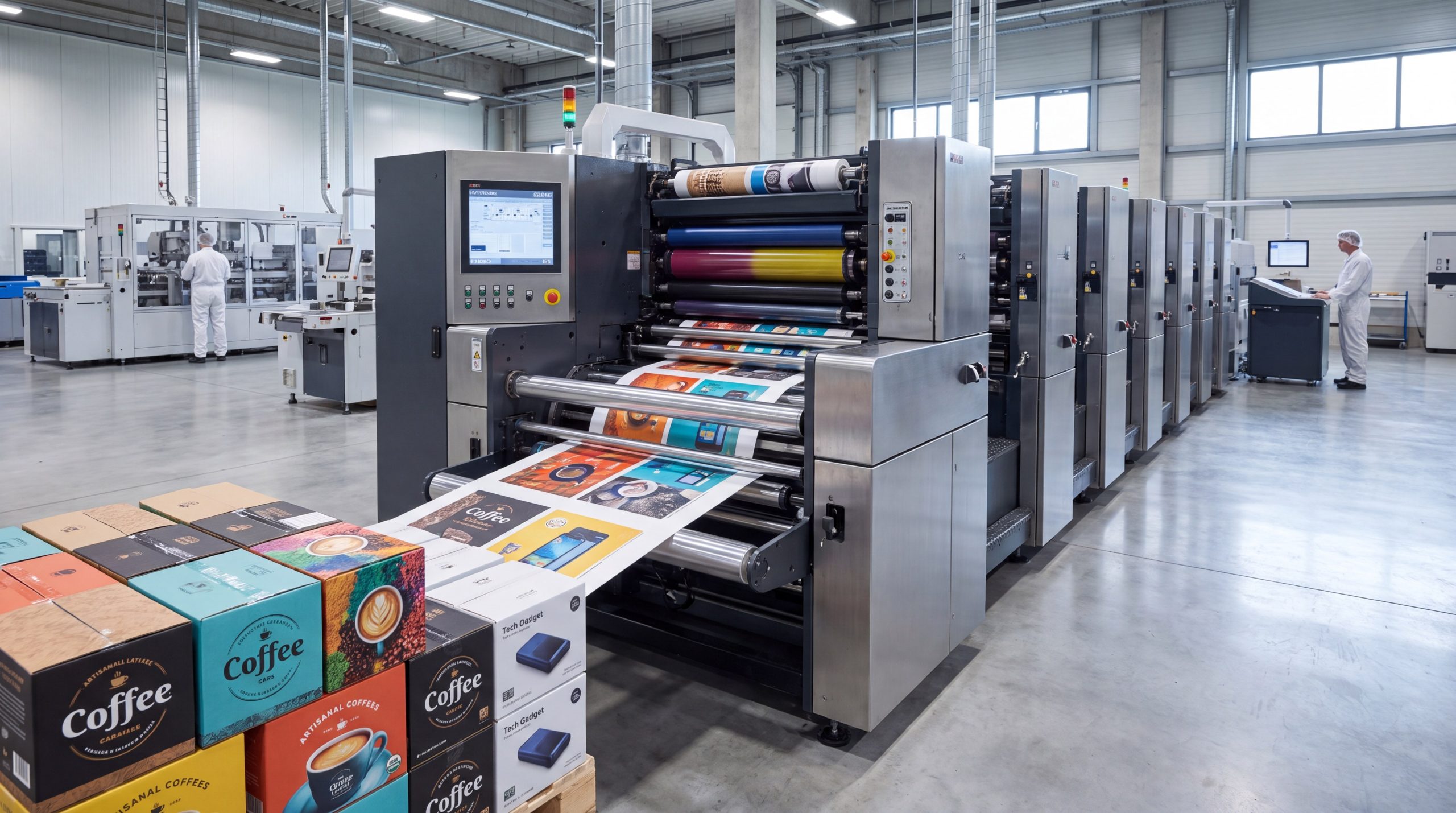
Offset Vs Digital Printing
Offset lithography provides unparalleled color accuracy and low unit costs for massive, long-run orders. Conversely, digital systems require zero printing plates, making them perfect for rapid, short-run customization.
Here is the bottom line: Your production volume dictates your ideal printing technology.
- Offset is best for millions of identical units.
- Digital enables variable data for personalized boxes.
- Flexography works flawlessly on corrugated shippers.
What Makes Flexography Special?
Flexography uses flexible rubber plates and fast-drying inks to print efficiently on rough surfaces like bulk cardboard. It is the backbone of industrial and grocery retail graphics.
Key Takeaway: Matching your graphic complexity and volume to the correct printing technology drastically reduces manufacturing overhead.
| Technology | Best For | Setup Cost | |
|---|---|---|---|
| Offset | High-volume retail | High | |
| Digital | Short-run custom | Low | |
| Flexo | Corrugated bulk | Medium |
Selecting the optimal print method ensures vibrant brand colors while strictly adhering to budget constraints.
What Is Smart Packaging Tech?
Smart packaging tech integrates digital components like RFID tags and NFC chips directly into the physical box to enable tracking and user engagement. In the context of what is packaging , this evolution transforms a static container into an interactive data node.

Using RFID For Inventory
Radio Frequency Identification (RFID) allows entire pallets of goods to be scanned instantaneously without line-of-sight. This severely reduces warehousing errors and deters retail theft.
Think about the impact: Total supply chain visibility is now a reality.
- NFC chips enable smartphone authentication.
- QR codes link physical goods to digital manuals.
- RFID secures high-value items against counterfeiting.
Can Tech Prevent Counterfeiting?
Yes, encrypted digital tags embedded in luxury boxes make it nearly impossible for counterfeiters to replicate the authentic product experience. Buyers can simply tap their phones to verify origin.
Key Takeaway: Embedding smart technologies bridges the physical-digital divide, securing your supply chain and deepening post-purchase consumer engagement.
| Technology | Primary Function | User Interaction | |
|---|---|---|---|
| RFID | Bulk inventory tracking | None (Enterprise) | |
| NFC | Product authentication | Smartphone tap | |
| QR Code | Digital marketing links | Camera scan |
Interactive tech components protect business revenue by ensuring authenticity and streamlining warehouse logistics.
How To Design Shelf-Ready Boxes?
Designing shelf-ready boxes involves creating secondary enclosures that transition seamlessly from shipping containers to attractive retail displays with minimal effort. To execute what is packaging effectively in retail, your designs must prioritize store-level convenience and visual impact.
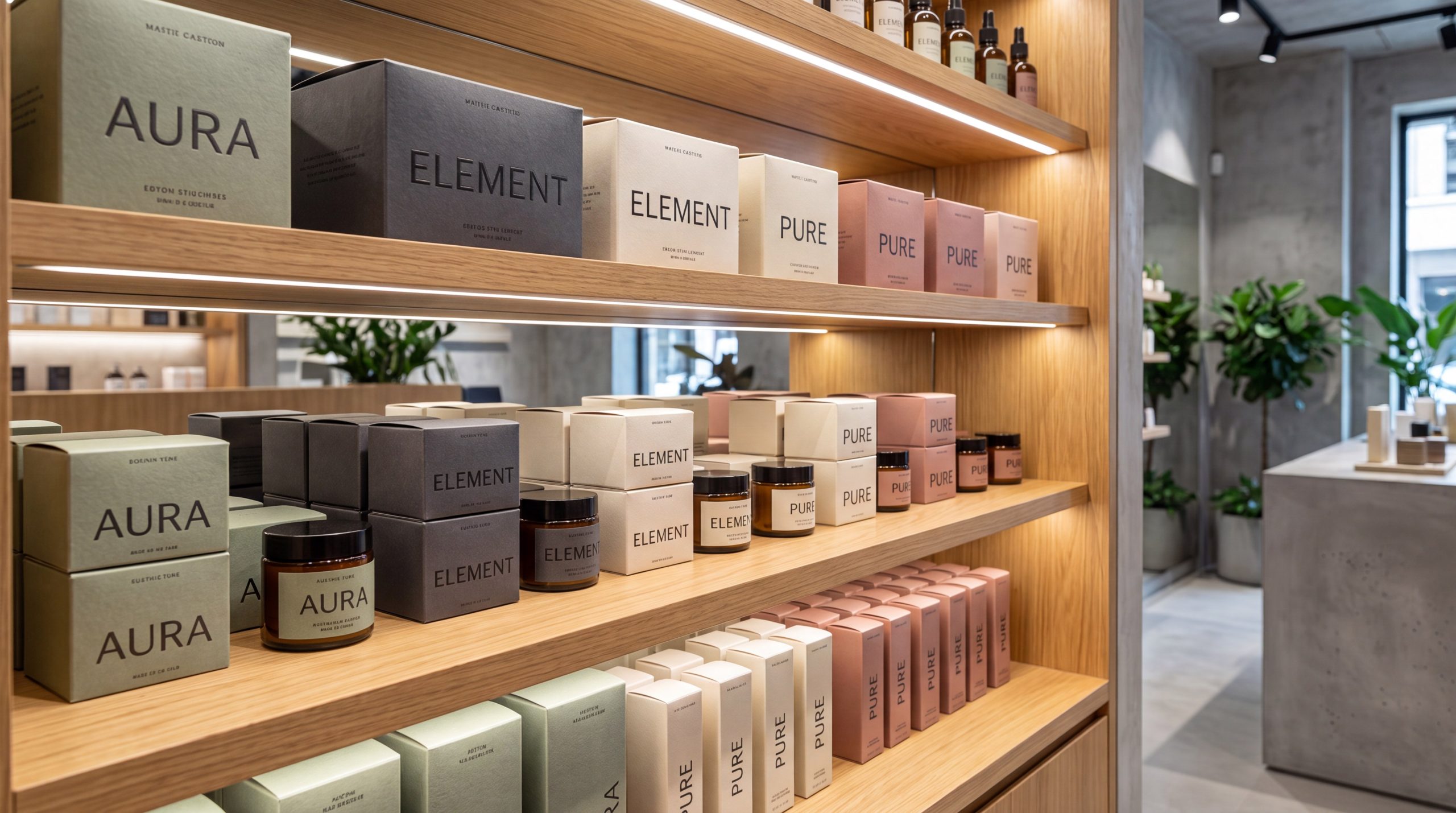
The Value Of Tear-Away Perforations
Retail workers lack the time to unpack individual items, so boxes with clean tear-away sections are highly favored. This ensures your brand is displayed perfectly, exactly as you intended.
Consider this advantage: Easier stocking leads to better retail placement.
- Clear branding on all visible sides maximizes impact.
- Sturdy bases prevent items from tipping over.
- Perforated hoods allow for instant shelf stocking.
Do Retailers Prefer Ready-To-Display?
Big-box retailers strongly prioritize brands that utilize shelf-ready formats because it drastically reduces their labor costs. Products that are difficult to merchandise frequently lose premium shelf space.
Key Takeaway: Shelf-ready engineering secures better retail real estate and ensures brand consistency on the final display level.
| Feature | Retailer Benefit | Brand Benefit | |
|---|---|---|---|
| Perforated top | Faster stocking | Preferred placement | |
| Reinforced base | Neater shelves | Higher perceived value | |
| 360-degree print | Easy identification | Better brand recall |
Optimizing for the retail employee’s convenience directly translates into superior visibility for your product.
How Does Packaging Cut Logistics Costs?
Packaging cuts logistics costs by optimizing dimensional weight, reducing physical damage rates, and streamlining warehouse handling procedures. Ultimately, what is packaging but an engineered solution designed to move goods from point A to point B as efficiently as possible?
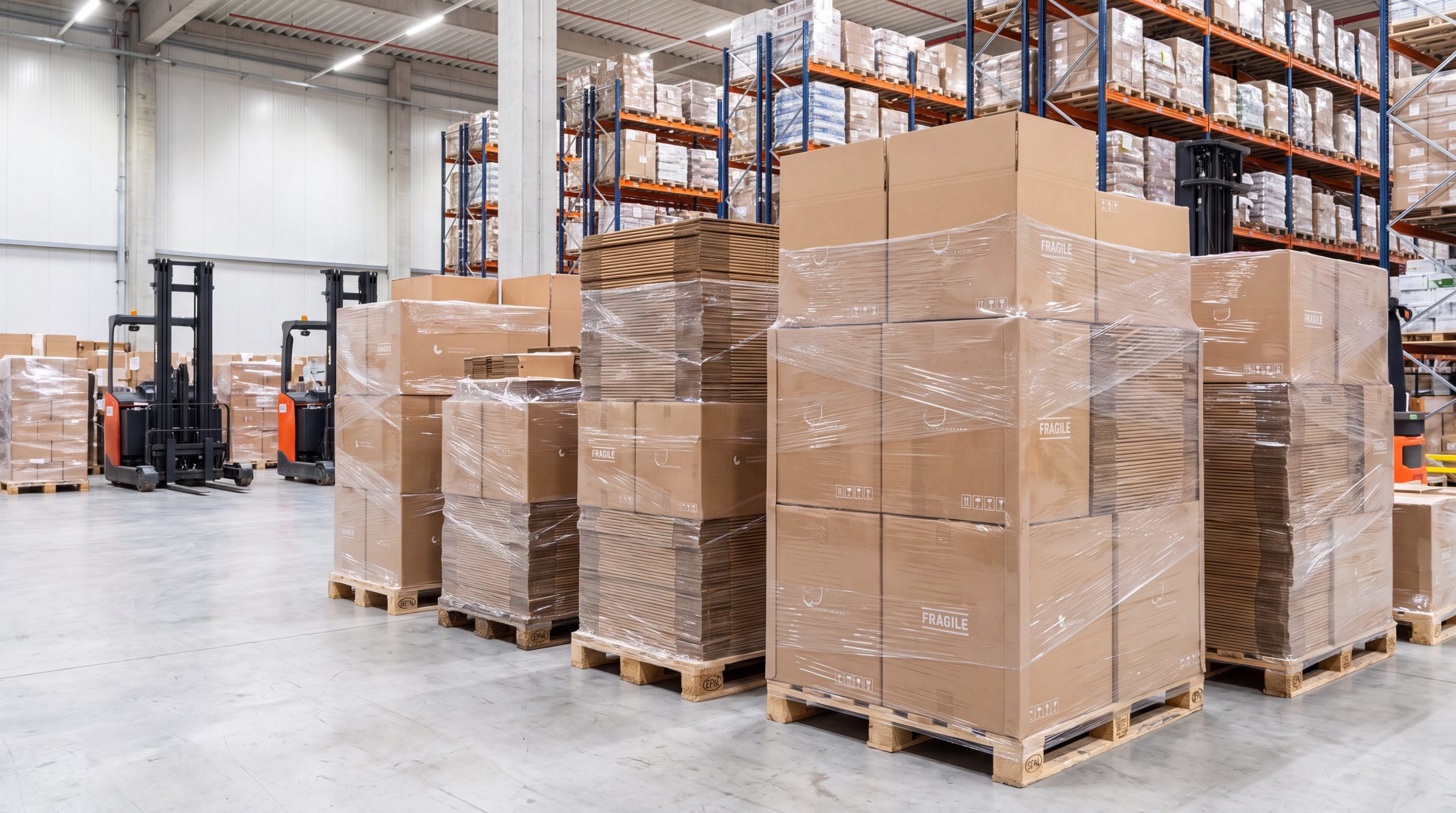
Minimizing Dimensional Weight
Carriers charge based on the space a box occupies, not just its actual weight. By engineering tighter, custom-fit boxes, businesses drastically slash their shipping invoices.
Here is a crucial insight: Shipping air is the fastest way to drain your budget.
- Flat-pack designs minimize storage space requirements.
- Proper stacking strength prevents pallet collapse.
- Custom sizing eliminates expensive void-fill materials.
Reducing Product Damage Returns
A marginally higher upfront investment in structural integrity prevents the catastrophic costs associated with returning and replacing broken goods. Protecting the product perfectly on the first try is always the most economical choice.
Key Takeaway: Precision-engineered enclosures serve as a logistical shield, simultaneously lowering transport fees and defending against costly product returns.
| Cost Factor | Poor Design Impact | Optimized Design Impact | |
|---|---|---|---|
| Dim Weight | Pays for empty space | Maximizes truck density | |
| Damage | High return shipping | Near-zero replacements | |
| Storage | Wastes warehouse room | Efficient flat-packing |
Strategic structural engineering directly defends the corporate bottom line against escalating global freight costs.
Mastering the intricacies of custom enclosures is non-negotiable for modern businesses. Whether you are producing premium watch boxes, luxury jewelry cases, or complex printed materials, the right structural and visual presentation dictates your market success. Partnering with an expert custom printing manufacturer ensures your brand stands out on every shelf. To elevate your brand with world-class manufacturing solutions, contact us today and let us bring your vision to life.
Frequently Asked Questions
Can I use the same box for retail and e-commerce?
No, the physical demands of direct shipping are far harsher than retail stocking. E-commerce requires stronger corrugated materials, whereas retail focuses heavily on high-fidelity visual displays.
What’s the best material for luxury cosmetic boxes?
Yes, rigid paperboard is unequivocally the industry standard for high-end cosmetics. It provides the necessary structural weight and accommodates premium finishes like foil stamping and embossing.
How do I know if my design is eco-friendly?
Yes, a quick audit of your materials will reveal their true sustainability. Look for certifications indicating post-consumer recycled content and ensure you are utilizing biodegradable inks and adhesives.
Is it worth investing in custom printed inserts?
Absolutely, custom inserts elevate the unboxing experience from ordinary to premium. They securely cradle the product during transit while offering an additional canvas for strategic brand messaging.