
The best way to store jewelry is to keep each piece clean, dry, separated, and supported in a layout that matches how you use it. A mixed pile in a dish may be convenient for a day, but it can make chains tangle, allow hard pieces to rub together, and slow down your daily routine. This guide explains how to store jewelry in a way that is easier to maintain, whether you are organizing a personal collection or developing a presentation box for a jewelry brand.
Why Does Jewelry Storage Need a System?
A storage system gives every piece a defined place, so it is easier to protect, find, and return after use. It should suit the collection rather than force rings, chains, and earrings into one undifferentiated space.
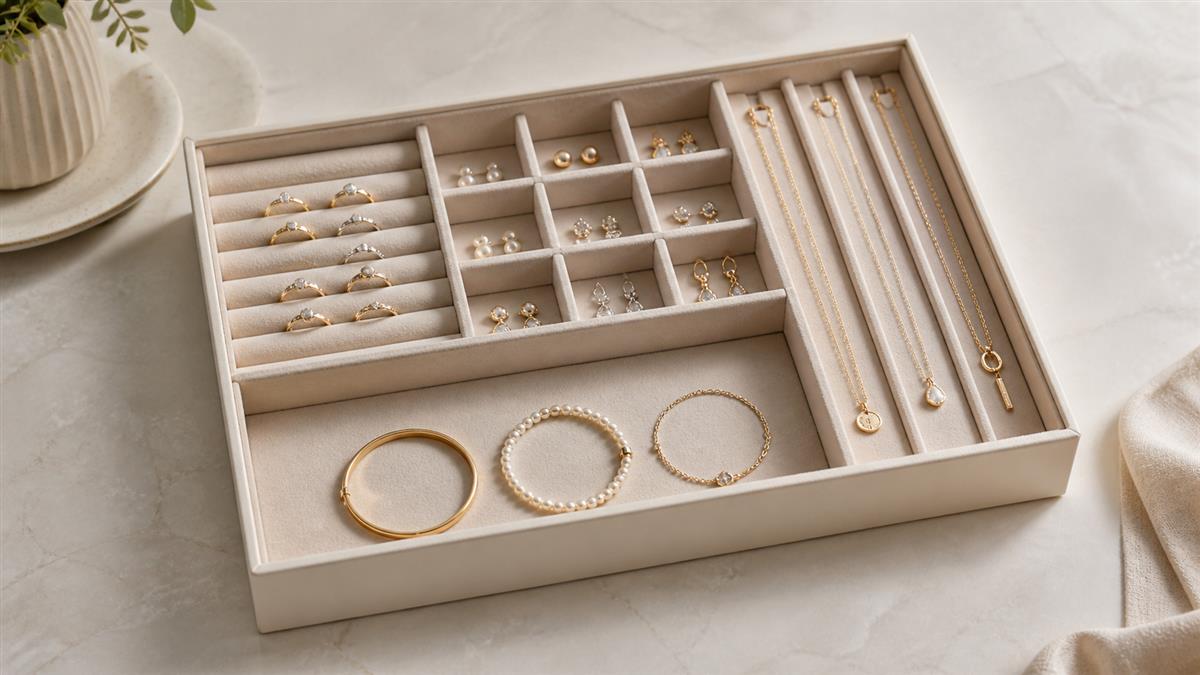
Start with the jewelry you actually wear
Separate everyday pieces from occasional and long-term items first. This simple split helps you keep frequently used pieces accessible without disturbing the rest of the collection.
- Daily-wear pieces need quick, visible access.
- Occasional pieces need stable individual spaces.
- Heirloom or delicate pieces benefit from low-handling storage.
Key Takeaway: Organize by use and jewelry type before selecting a box, drawer insert, or travel case.
What Jewelry Should Be Stored Separately?
Pieces that can catch, rub, or compress one another should be stored separately. Individual positions reduce contact and make missing pairs or tangled chains easier to notice.
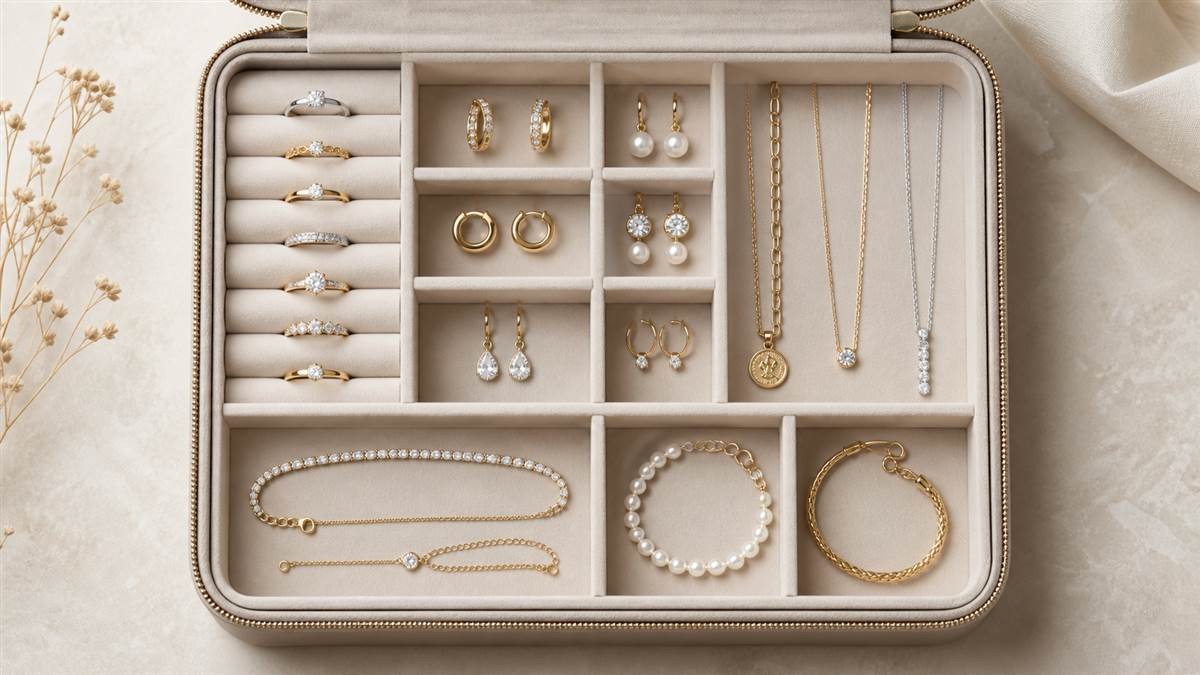
Match separation to the risk
Long necklaces need more separation than stud earrings, while rings should not roll freely beside harder pieces. Consider the shape, clasp, setting, and how often each item is handled.
- Use individual channels, hooks, or tabs for necklaces.
- Keep earrings paired in small matched positions.
- Use ring rolls or divided slots that hold rings upright.
Key Takeaway: A good layout controls contact first; visual order is the added benefit.
Which Storage Format Fits Your Collection?
The right storage format depends on collection size, available space, and whether you need home display, concealed storage, or travel portability. A jewelry box is often the most flexible choice for a mixed collection because it can combine several compartment types.
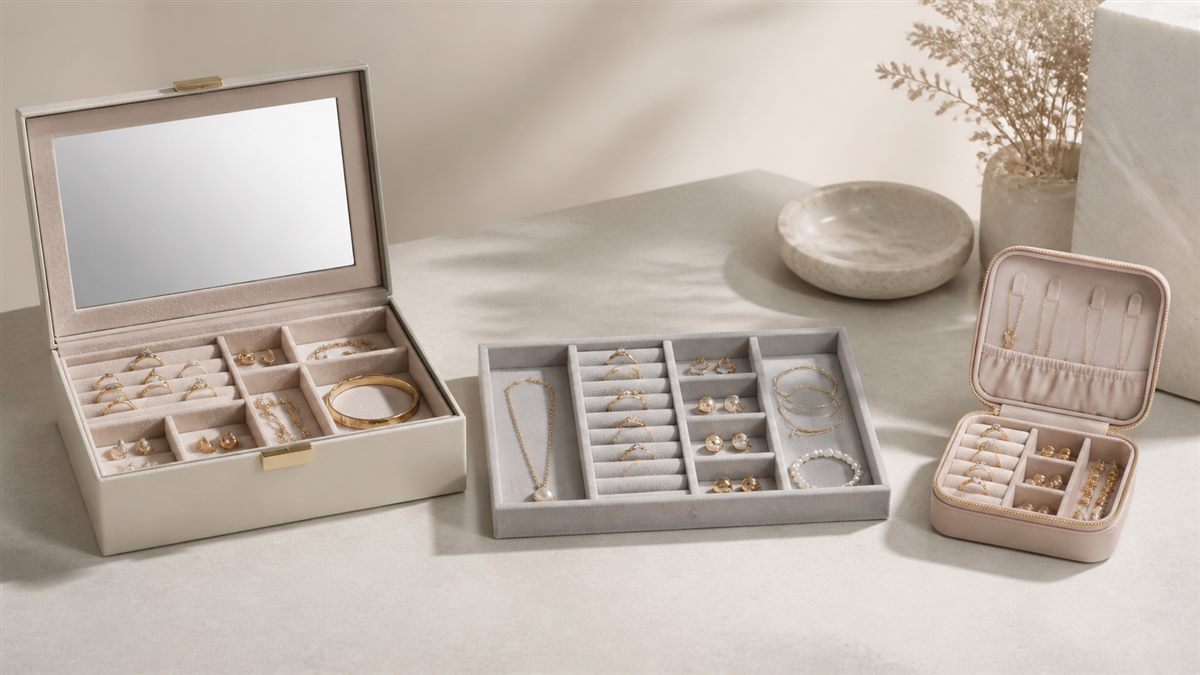
Compare access, capacity, and placement
Before choosing, count the types of pieces you own rather than estimating by volume alone. A shallow tray can work well for earrings and rings, while necklaces may need more vertical clearance.
- Jewelry boxes suit mixed collections and gift presentation.
- Drawer organizers suit larger collections kept at home.
- Travel cases suit a small, edited selection.
For brand projects, a custom jewelry box can be developed around the product?? display position and removal experience.
Key Takeaway: Choose the format around jewelry mix and access habits, not only around exterior appearance.
How Can You Store Necklaces Without Tangling?
Necklaces stay easier to manage when each chain has its own channel or secured hanging point. The goal is to limit crossing, loose movement, and pressure on pendants or clasps.
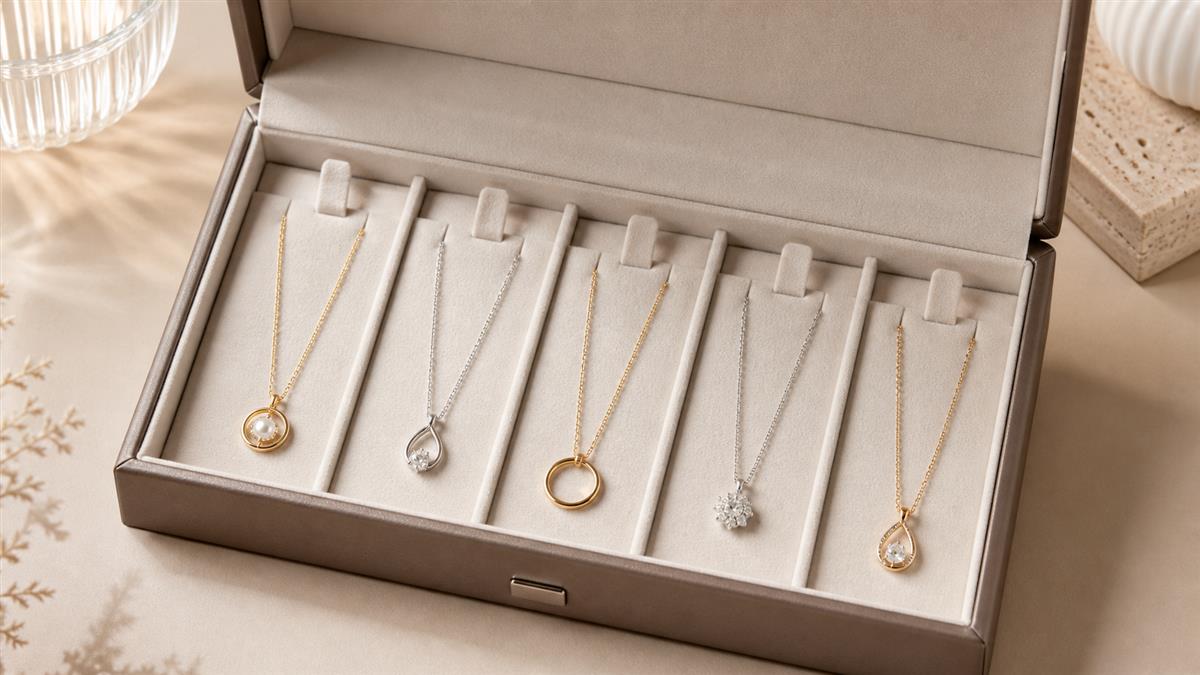
Keep each chain on a controlled path
Fasten the clasp before storage where practical, then lay the chain in a separate channel or secure it under a tab. Avoid stacking several chains in one compartment, even if they look orderly at first.
- Give each necklace a dedicated hook, tab, or narrow channel.
- Keep pendants supported instead of letting them pile together.
- Use a compact secured layout when packing for travel.
Key Takeaway: Necklace storage succeeds when the layout prevents chains from crossing during handling or movement.
Where Should Rings, Earrings, and Bracelets Go?
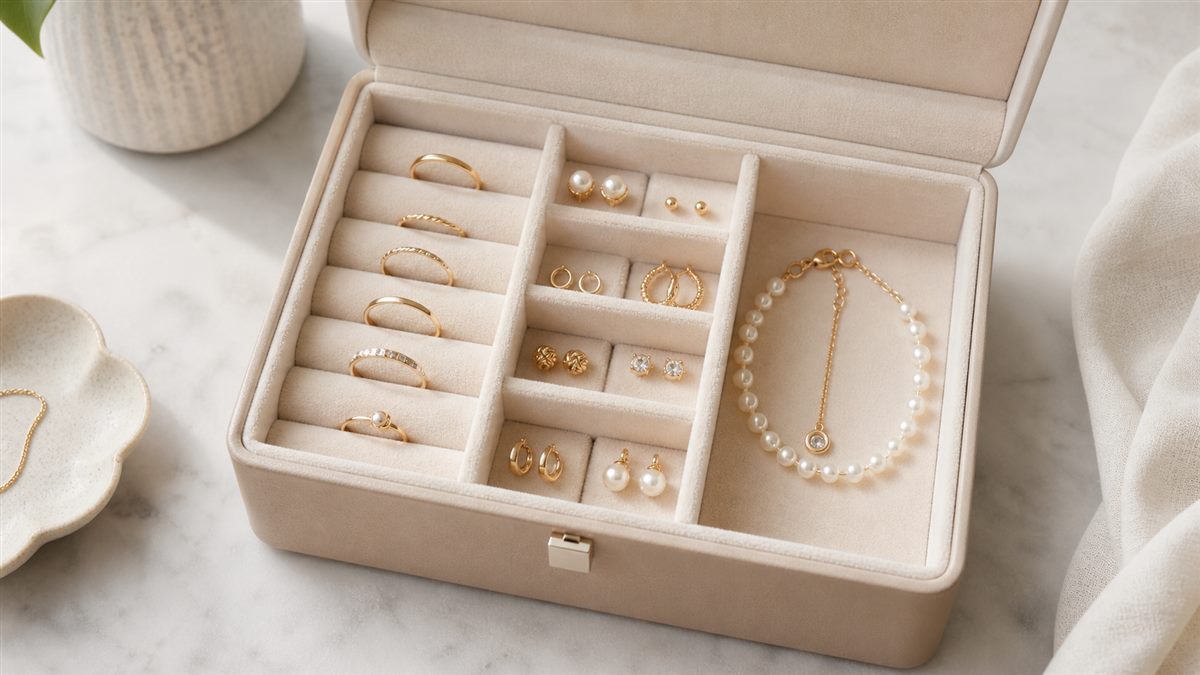
Rings, earrings, and bracelets need spaces sized for their distinct shapes and pairing requirements. A divided layout helps prevent rolling, lost earring backs, and unnecessary contact.
Use purpose-led compartments
Ring rolls can keep bands upright, small cells can keep earring pairs together, and wider bays can suit bracelets or larger pieces. Leave enough room to remove an item without disturbing neighboring jewelry.
- Use paired cells for earrings and their backs.
- Use soft, fitted positions for rings.
- Use wider separated areas for bracelets and brooches.
Key Takeaway: Compartment dimensions should make each piece easy to identify, remove, and return.
What Should You Look for in a Jewelry Box Interior?
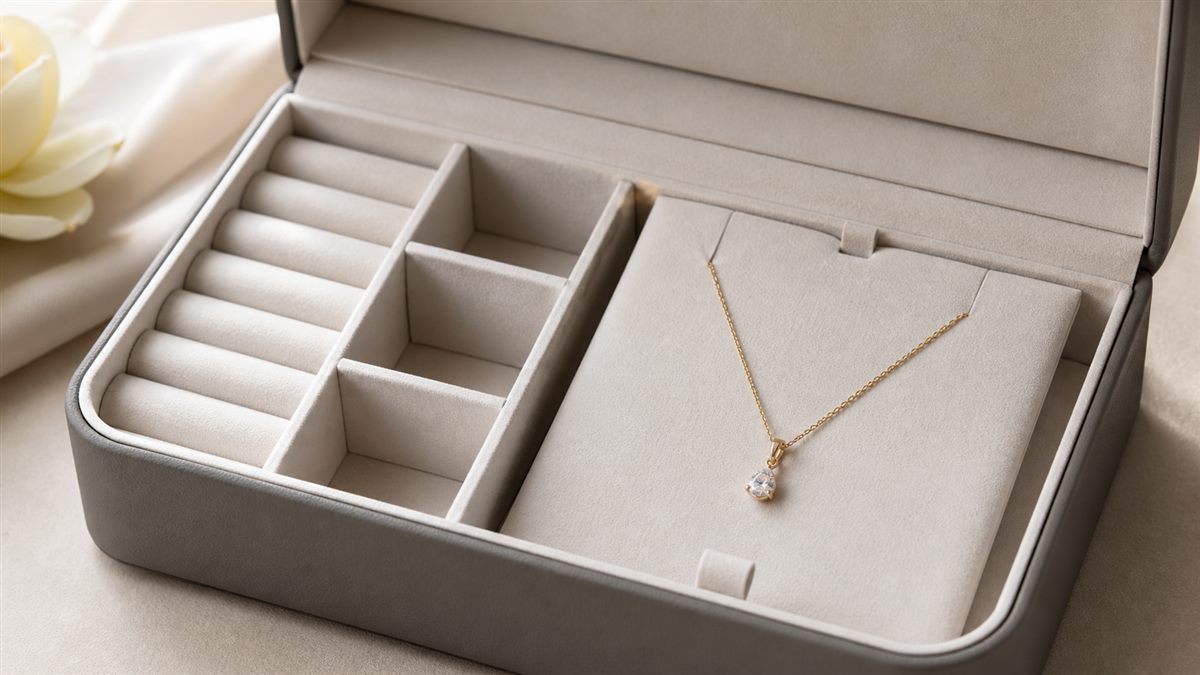
A jewelry box interior should be clean, soft to the touch, and designed to keep pieces in place without abrasive contact. The final lining and insert choice should suit the item?? shape, finish, and intended use.
Evaluate the interior as a working surface
Inspect whether the surface feels smooth, whether edges are covered, and whether dividers remain stable when the box is opened. If a product is being packaged for retail, the insert also needs to present the piece consistently.
- Confirm that exposed edges will not touch the jewelry.
- Check that inserts hold products without excessive force.
- Review the interior with the actual jewelry, not a substitute.
Jewelry brands can explore these fit and presentation considerations through King Tai?? jewelry packaging solutions.
Key Takeaway: The interior matters as much as the exterior because it controls product contact and presentation.
How Should You Store Jewelry When Traveling?
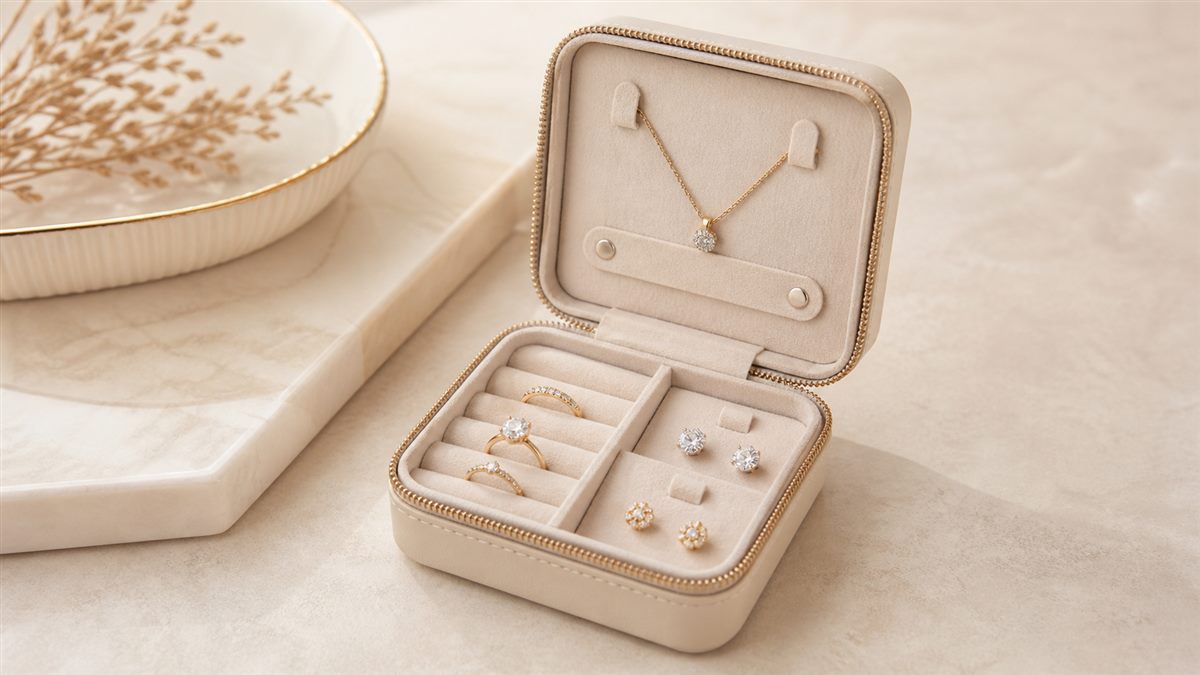
Travel jewelry should be limited to the pieces you plan to wear and secured in a compact case with separate positions. Packing a smaller selection makes it easier to keep pairs together and inspect everything before you leave.
Prepare a travel-ready edit
Choose pieces that work together, then assign each one a secured place before packing. Keep the case closed and protected inside your personal luggage rather than allowing loose jewelry to move inside a bag.
- Pack chains in individual secured channels.
- Keep earring pairs together in one cell.
- Use a firm closure and review the contents before departure.
Key Takeaway: A small, separated travel selection is more practical than carrying an entire collection.
How Can You Protect Jewelry From Its Environment?
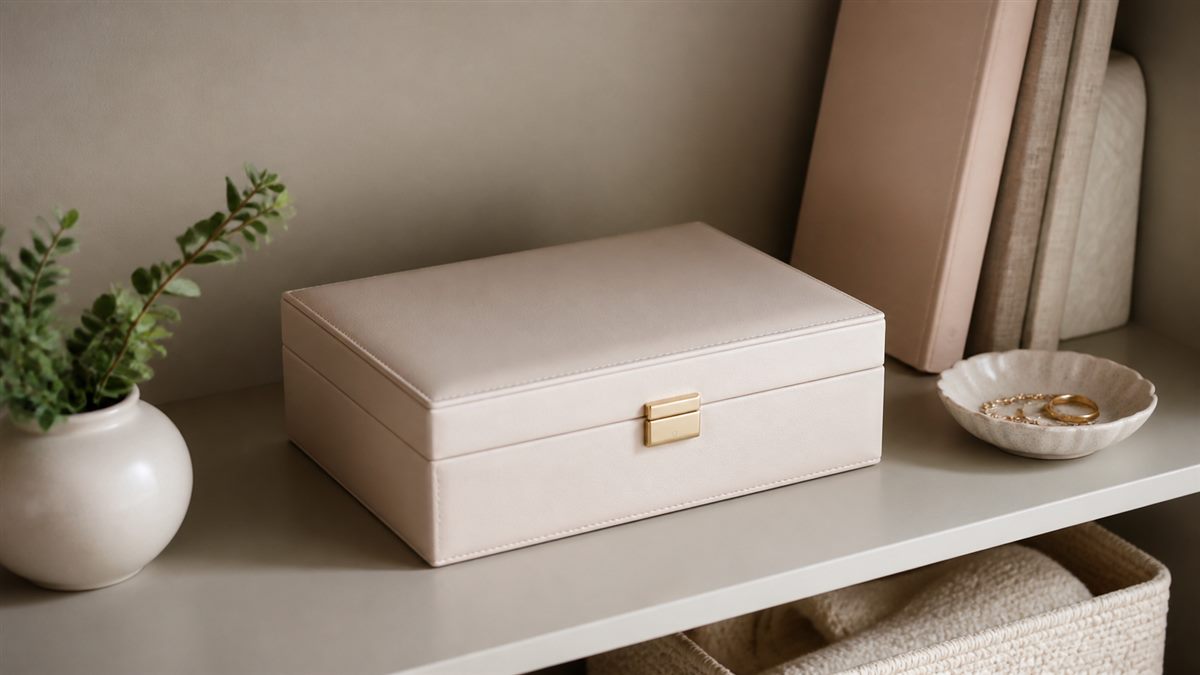
Jewelry is best kept in a clean, dry location away from unnecessary heat, direct sunlight, and household chemicals. Storage reduces risk, but the proper care method still depends on the specific metal, stone, and manufacturer guidance.
Make storage part of the care routine
Return pieces only after they are dry and free from residue from normal wear. Avoid placing jewelry loose near sinks, cosmetics, or other areas where it may be exposed to moisture or accidental knocks.
- Choose a stable storage location away from routine splashes.
- Keep jewelry away from direct sunlight when it is not being worn.
- Follow care instructions for the individual piece when available.
Key Takeaway: Storage is a controlled resting place, not a substitute for the care guidance for each jewelry item.
How Can Storage Improve Jewelry Presentation?
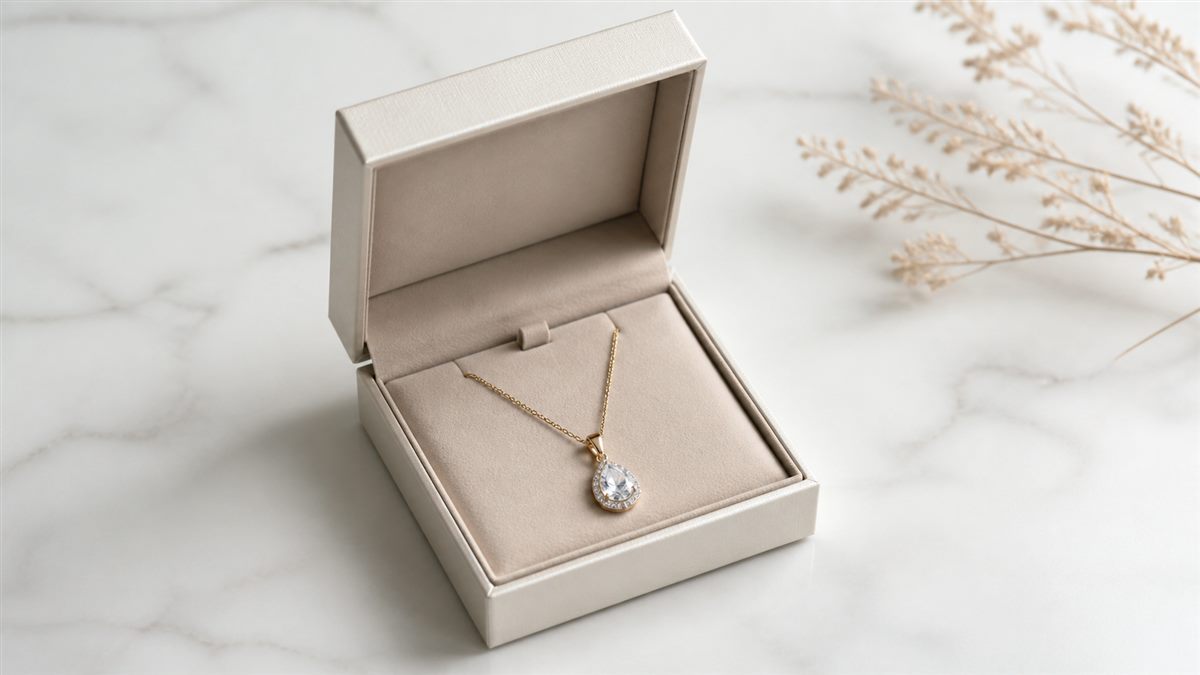
Storage improves presentation when it makes the jewelry easy to see, understand, and handle without losing its protective function. For retail and gifting, the same principles shape how a customer first encounters the product.
Balance display with safe positioning
A clear hierarchy can direct attention to the main piece while adjacent items remain orderly. In a packaging project, the structure, insert, and opening sequence should be considered together rather than designed independently.
- Position the focal piece where it is visible on opening.
- Keep accessories from obscuring the main product.
- Coordinate the box format with the intended unboxing sequence.
For a broader project discussion, see custom packaging solutions for premium brands.
Key Takeaway: The most effective presentation makes a piece feel considered while still protecting it from movement and contact.
What Should Brands Confirm Before Developing a Storage Box?
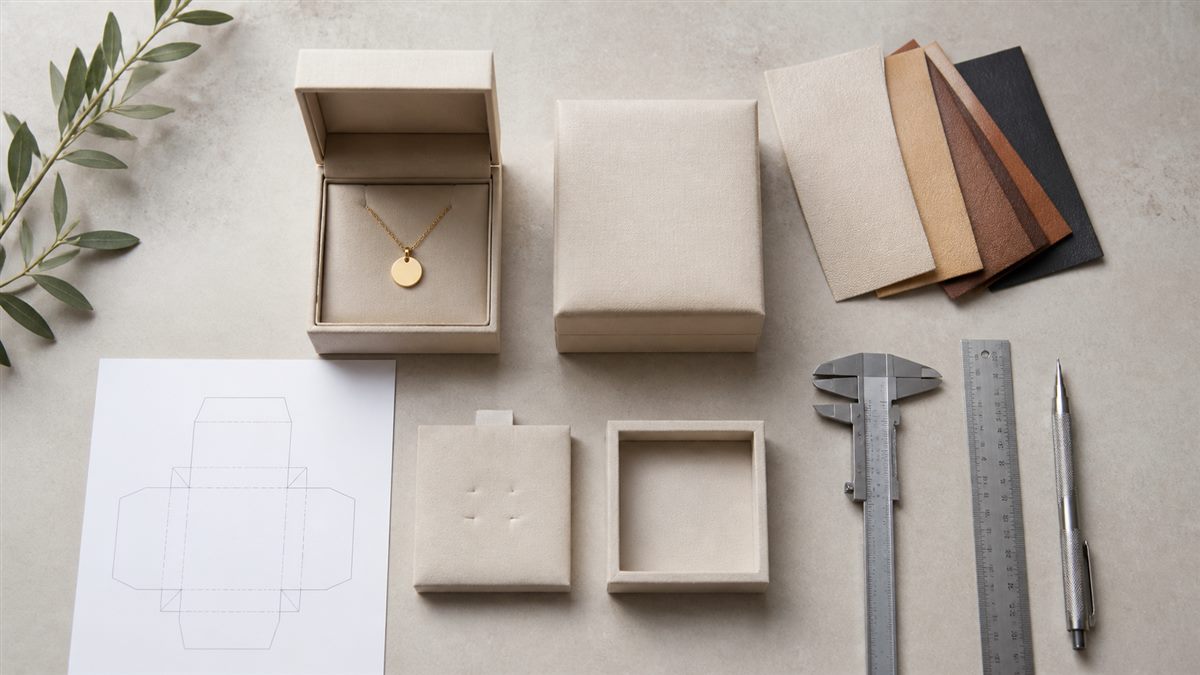
Brands should confirm the actual jewelry dimensions, desired display orientation, insert fit, finish direction, and packing requirements before development begins. These details turn a general storage idea into a reviewable packaging specification.
Build the brief around real product data
Provide representative samples or accurate dimensions, then review the combined structure and insert before production approval. Project details such as material, finish, quantity, and logistics requirements should be confirmed for the individual order.
- Jewelry dimensions, weight, and fragile details.
- Required display orientation and removal method.
- Brand artwork, finish direction, and outer packing needs.
King Tai Printing & Packaging supports B2B packaging projects from structural development and material selection through printing, finishing, assembly, quality inspection, and logistics. Contact the team to discuss a project specification.
Key Takeaway: A precise brief and an approved sample are the clearest way to align presentation, fit, and production expectations.
Conclusion
How you store jewelry should reflect the pieces you own and how you use them. Separate contact-prone items, match the format to the collection, and treat interior layout as a protection decision as well as an organization decision.
FAQ
Is it okay to store jewelry in one box?
Yes, if the box has suitable separated compartments. Loose mixed storage makes tangling and contact more likely.
What is the best way to store necklaces?
Use individual hooks, tabs, or narrow channels that keep each chain on its own path.
Should I keep everyday jewelry in the bathroom?
A clean, dry location away from routine moisture and products is a safer general choice. Follow the care guidance for each item.
What should a jewelry brand provide for a custom box?
Provide actual product dimensions, preferred display orientation, artwork, and any packing requirements so fit and presentation can be reviewed together.