
A good watch collection display keeps each timepiece visible, separated, and easy to choose while supporting the presentation you want. Loose watches in a drawer are hard to scan, easy to mix with accessories, and more likely to touch one another. This guide explains how to turn storage into a clearer display decision??rom compartments and fit to materials, routine, and a custom project brief.
Why Does a Watch Collection Need a Display System?
A display system gives every watch a defined place, so you can see the collection rather than search through it. That visibility helps collectors select a watch with less handling and helps brands present a product with more intention.
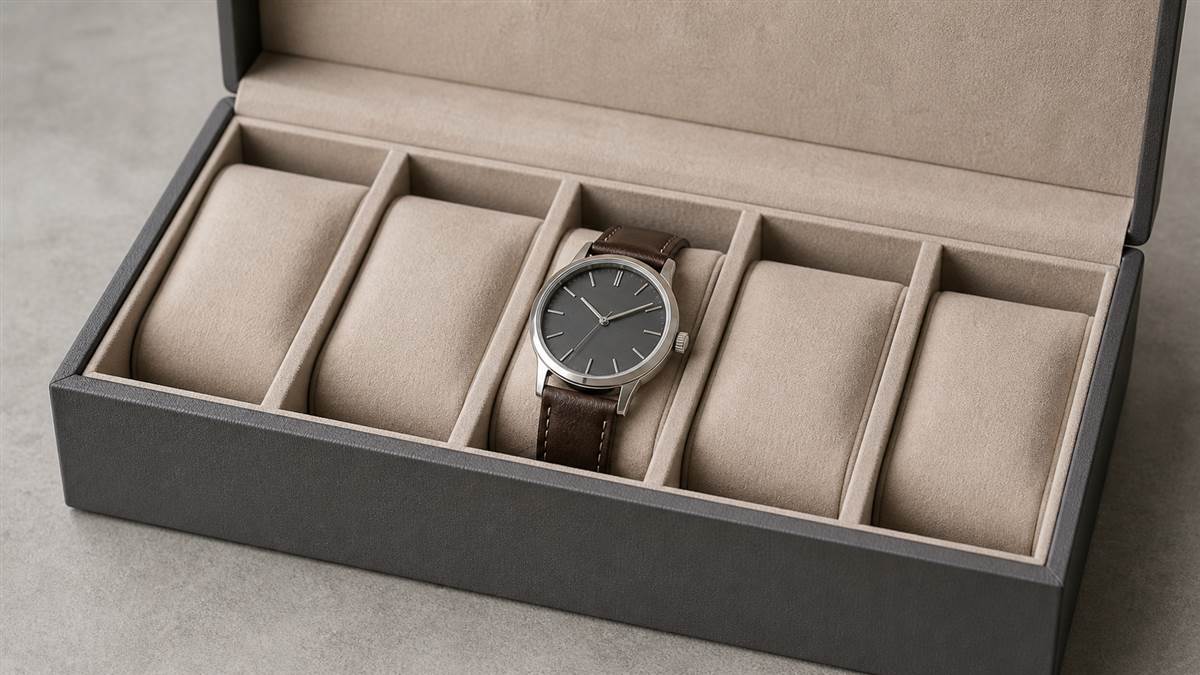
What does separation solve?
Separate positions reduce avoidable contact between watches and make it easier to notice when a piece is missing or needs attention. The aim is orderly access, not simply filling an empty box.
Here is the practical point:
- Each watch has a recognizable position.
- Straps and cases are less likely to overlap during storage.
- The display can be reviewed at a glance before a watch is handled.
Key Takeaway: Prioritize defined positions before decorative details; organization is the base of a useful display.
How Does a Display Box Help Protect Watches?
A display box can help reduce casual contact, dust exposure, and unnecessary movement by keeping watches in separated, supported positions. It is a storage aid, not a guarantee against every form of damage.
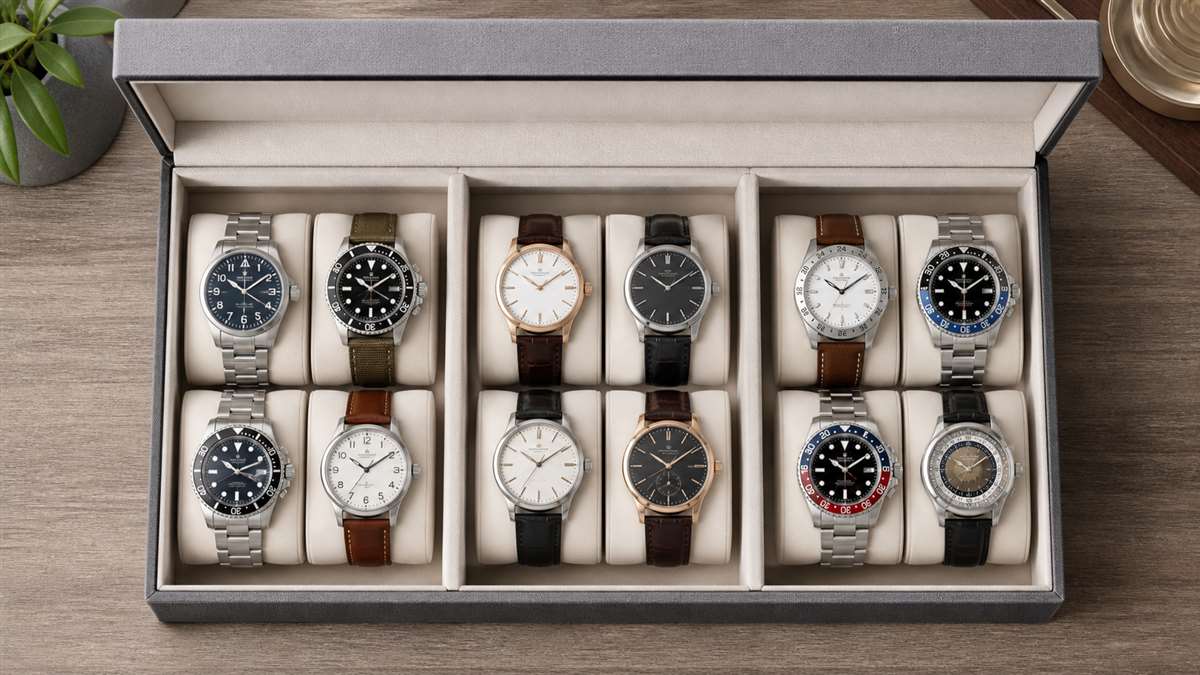
Why do compartments and holders matter?
A compartment is most useful when it works with a holder that keeps the watch stable and easy to remove. The surrounding space should support the product without making routine access awkward.
When comparing a box, look for:
- Clear separation between occupied positions.
- A holder shape that presents the watch without forcing the strap.
- Enough clearance for the case and fastening hardware.
Key Takeaway: Protection depends on the relationship among the watch, holder, compartment, and opening??ot on a single material claim.
What Makes a Watch Collection Display Easy to Use?
An easy-to-use display lets you identify, lift, and return a watch without disturbing the rest of the collection. Good access makes the display more likely to be used every day.
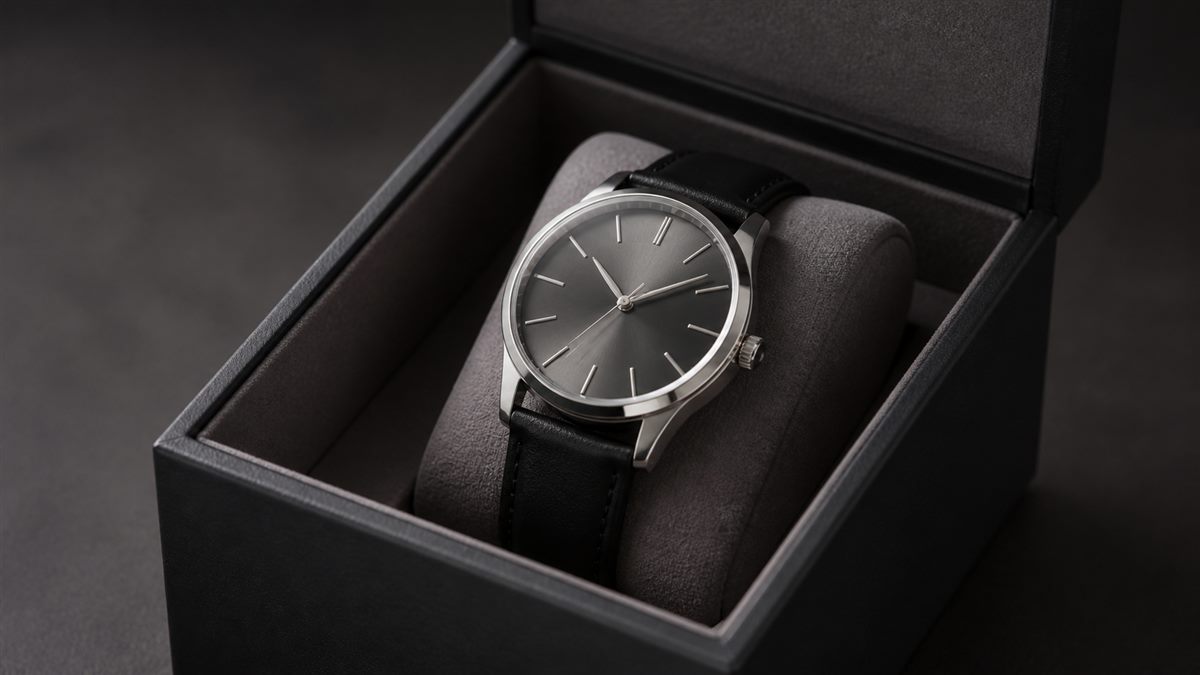
How should a watch sit in its position?
The watch should read clearly from the viewing angle and remain straightforward to take out. A visually dramatic arrangement is less useful if it makes the strap difficult to release or the watch difficult to return.
In practice, assess:
- Whether the watch face remains visible.
- Whether fingers can reach the holder comfortably.
- Whether adjacent positions stay undisturbed during removal.
Key Takeaway: Choose a display that makes daily selection feel deliberate and simple, not precious or inconvenient.
Which Materials and Surface Looks Suit the Display?
The right surface look should support the intended setting and the level of product presentation, while the interior should be considered together with the watch and its holder. Material choices should be confirmed against the final structure and project requirements.
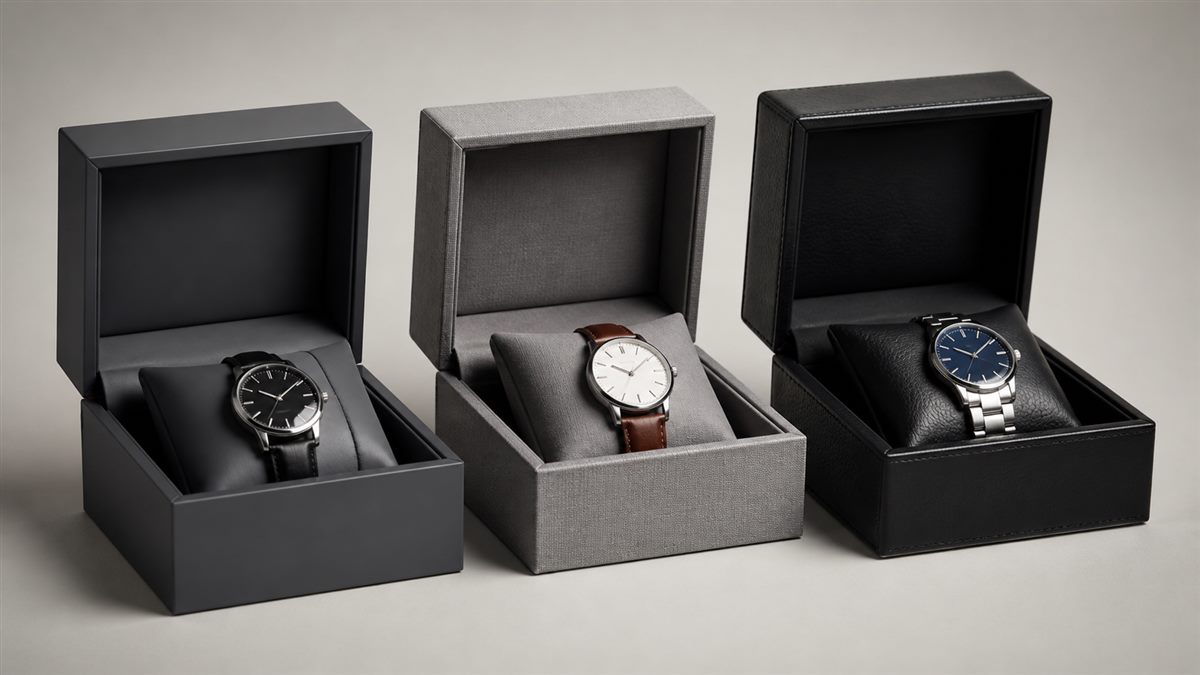
How should you compare surface options?
Surface appearance affects how the box reads on a dresser, in a retail setting, or as a gift. It should be compared alongside the structure, printing or finishing needs, and the consistency expected after sampling.
Useful comparison questions include:
- Does the surface match the desired brand or room aesthetic?
- Will the finish complement, rather than compete with, the watch?
- Can the selected look be reviewed clearly on an approved sample?
Key Takeaway: Select the visual finish as part of the whole presentation system, then verify it with the actual structure and sample.
Which Display Format Fits Your Collection?
The best format follows the number of watches, frequency of use, and whether the display is mainly for home, gifting, retail, or travel. A single-watch presentation box and a multi-slot collector box solve different problems.
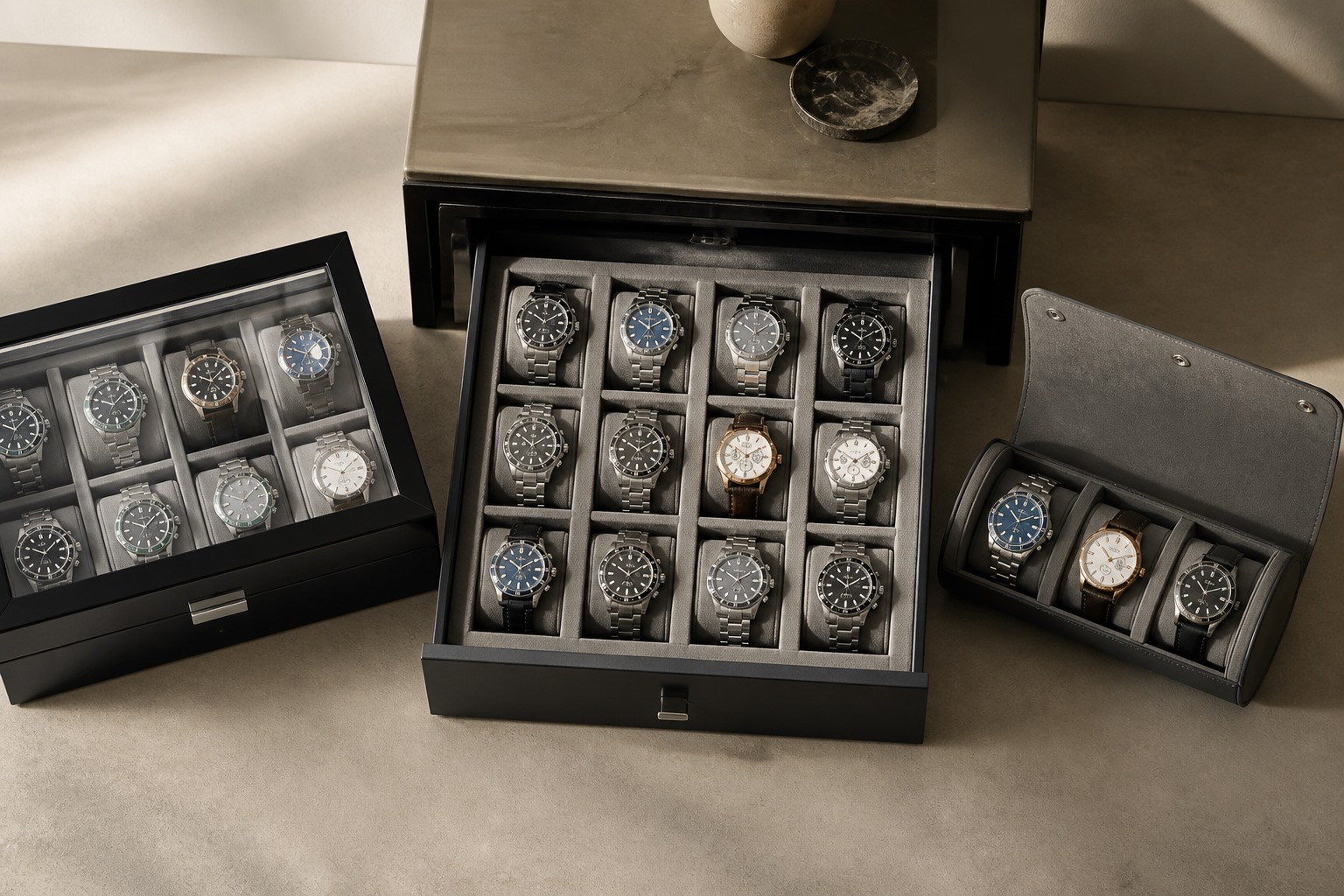
When is each format useful?
A format should be selected for the use case before its appearance is finalized. This avoids forcing a growing collection into a gift-box structure or overbuilding a box for one watch.
Use this simple frame:
- Single-watch box: focused gifting, presentation, or individual retail packaging.
- Multi-slot display: collecting, home organization, and visual comparison.
- Compact travel case: carrying a limited selection away from the main display.
Key Takeaway: Let the use case decide the format; capacity alone does not define suitability.
How Do You Plan Fit, Capacity, and Proportion?
Fit begins with the actual watch, not a generic box size. Case profile, strap shape, clasp, and the desired display angle all affect the internal arrangement.
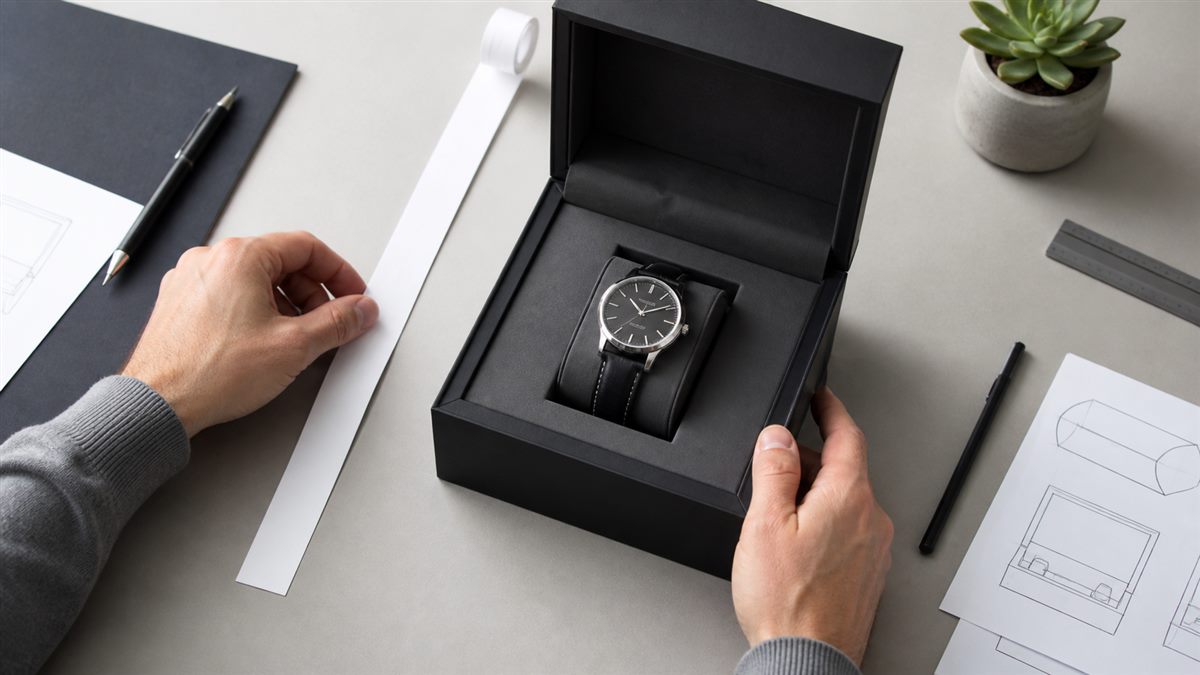
What should be defined before development?
For a custom project, early information helps turn a visual concept into a workable display. King Tai can support structural packaging design and custom insert requirements within a custom packaging project, with feasibility depending on the final specification.
Before requesting development, prepare:
- Watch dimensions and any unusual case or strap features.
- Required number of positions and preferred viewing angle.
- Opening style, intended environment, and presentation goal.
- Artwork, finish direction, and any accessory requirements.
Key Takeaway: A display box should be designed around the watch and use scenario, then checked in a sample before mass production.
How Can Finishes Strengthen Brand Presentation?
Finishing can direct attention to the box?? form, opening moment, and brand identity without overwhelming the product inside. The most effective choices are controlled and compatible with the structural design.
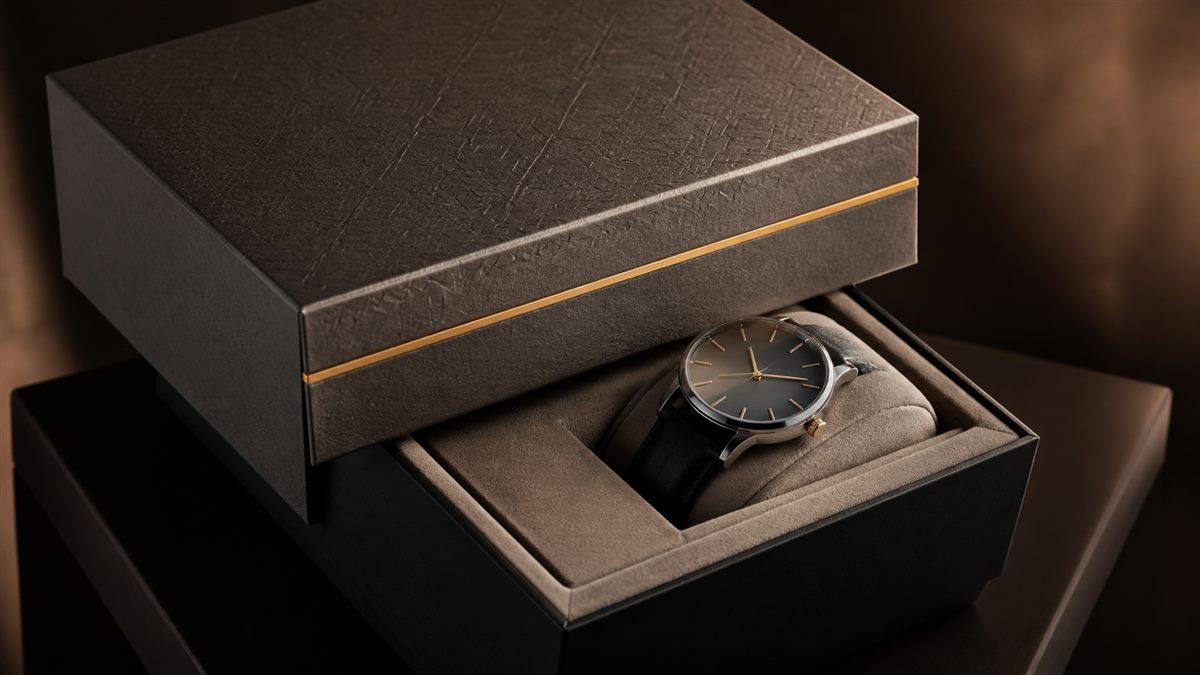
Which details deserve early review?
Fine visual elements can look different once printing, surface finishing, forming, and assembly come together. King Tai confirms hot stamping, spot UV, and embossing capabilities where appropriate to a project; the exact treatment should be confirmed for the final specification.
The key checks are:
- How the finish sits with the selected surface.
- Whether the placement supports the opening and display view.
- Whether the approved sample gives a clear reference for production.
Key Takeaway: Use finishing to frame the product and brand, then make the approved sample the reference for production consistency.
How Does Organization Improve Daily Watch Selection?
Organization improves daily selection by showing your options in one clear view and reducing the time spent locating a particular watch. It also makes a collection feel more considered in the space where it is kept.
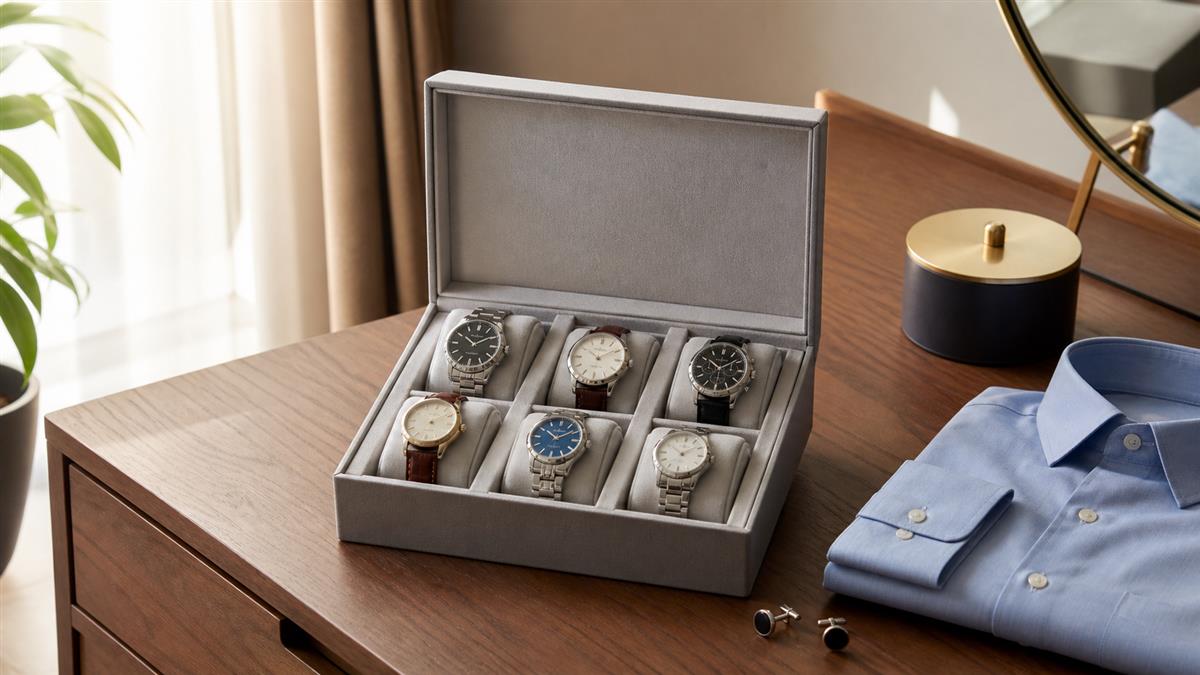
How can you arrange a collection for real use?
There is no universal order, but a simple grouping gives the display a practical logic. You might group watches by frequency of wear, visual style, strap type, or the occasions they support.
For a working layout:
- Put frequently worn watches in the most accessible positions.
- Keep similar-use pieces together when comparison helps.
- Leave enough space for the collection to change over time.
Key Takeaway: The best arrangement is the one that reflects how the collection is actually used, not a rigid display formula.
What Should Brands Consider for Retail Presentation?
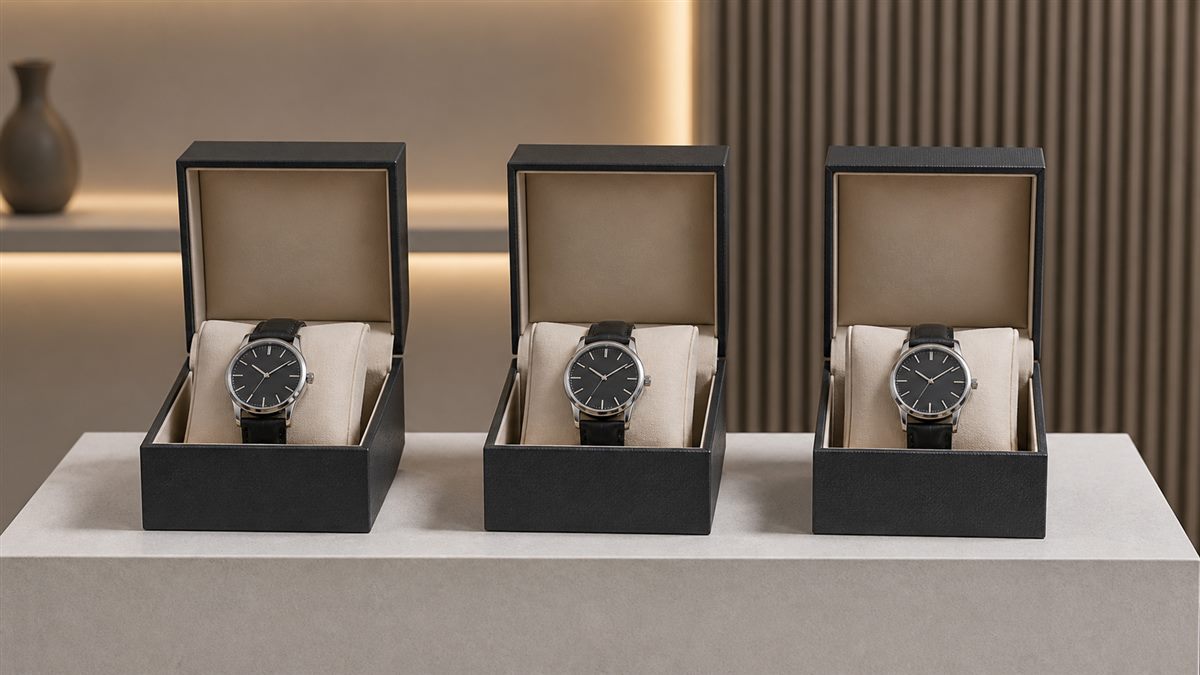
Brands should treat the watch box as part of the product experience: it positions the watch, creates a controlled reveal, and gives the retail presentation a repeatable visual language. For related context, see King Tai?? watch packaging solutions.
Why does repeatability matter?
A good presentation concept must also be manufacturable across the order. Structure, insert fit, material appearance, printing, finishing, and assembly should be considered together so the approved sample can guide production.
For a brand brief, clarify:
- The intended unboxing and display sequence.
- How the watch must sit within the insert.
- Which visual details are essential to the presentation.
- What must match the approved pre-production sample.
Key Takeaway: For retail, a refined one-off concept only becomes valuable when the presentation can be reproduced with consistent project control.
How Should You Review a Custom Watch Display Sample?
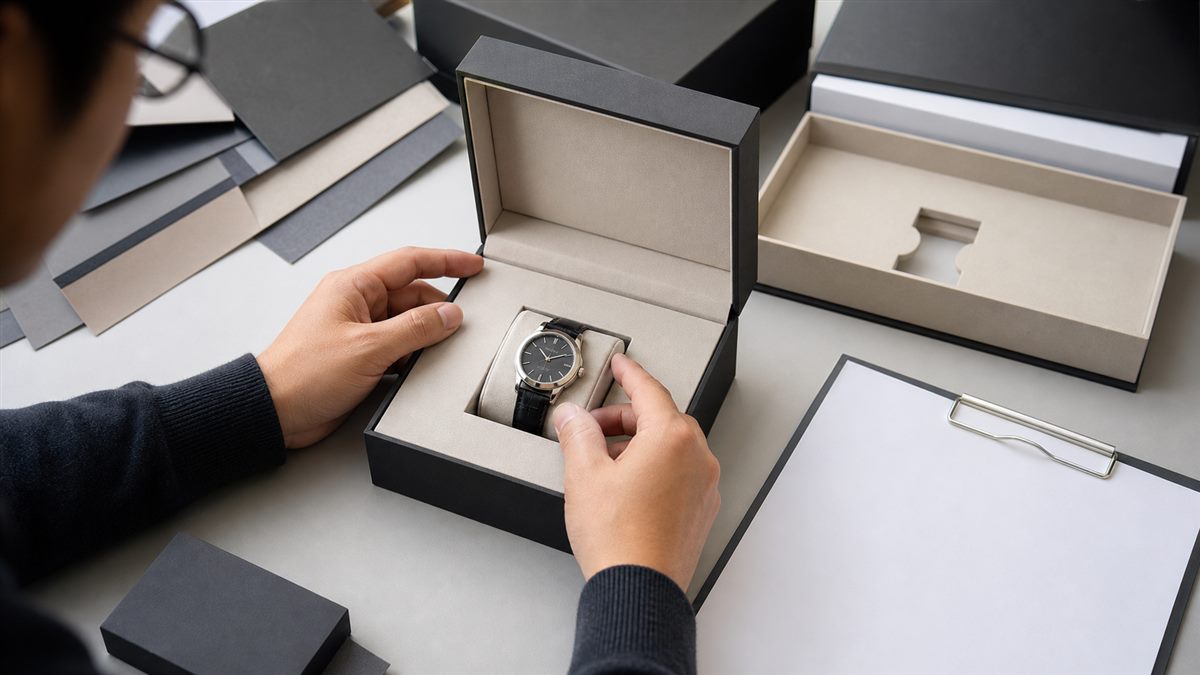
A custom watch display sample should be reviewed as a production reference, not only as a visual mock-up. It is the point where structure, fit, surface appearance, opening, and presentation can be checked together.
What should the approval review cover?
Review the exact features that are important to the finished user experience and the production result. King Tai?? project workflow can support structural development, material selection, printing, finishing, assembly, custom inserts, quality inspection, and logistics support according to the final project requirements.
Before approval, confirm:
- Watch position, insert fit, and removal experience.
- Structure, opening, and overall assembly appearance.
- Material, color appearance, and finish placement.
- The specification that production should follow.
Key Takeaway: Treat the approved sample as the shared reference that helps reduce avoidable differences between concept and mass production.
Conclusion: A strong watch collection display brings together visibility, separation, fit, access, and a presentation that suits its setting. For a brand project, the key decision is not simply how elegant the box looks; it is whether the structure and visual details can be confirmed in a sample and carried into production. King Tai is a Guangdong-based B2B manufacturer with 20+ years of experience in custom packaging and printing, supporting projects from structural development through quality inspection and logistics. To discuss a custom presentation project, talk with our team.
FAQ
What is the best way to display a watch collection?
The best approach gives each watch a separate, visible position and matches the display capacity to how you use the collection. Choose a format that also makes removal and return easy.
Can a watch box help prevent scratches?
It can help reduce casual contact when watches are separated and properly supported. The overall result still depends on fit, handling, and the way the box is used.
How many watch slots should I choose?
Choose capacity based on the current collection, likely additions, and available space. More slots are not automatically better if the display becomes difficult to access or store.
What should a brand provide for a custom watch box?
Provide watch dimensions, intended position, capacity, opening preference, artwork, visual direction, and any insert or accessory requirements. These details help evaluate structural feasibility before sampling.
How do I know whether a custom sample is ready for approval?
It is ready when the structure, watch fit, material appearance, finishing, assembly, and key specifications have been reviewed together and can serve as the production reference.