
Packaging design is the process of shaping how a product is protected, presented, understood, and used from the moment a customer sees it. A good result has to work on the shelf, in the hand, and through production—not only in a flat artwork file.
That is why a visual concept can look convincing yet fail when it needs to hold a product, carry essential information, or repeat consistently. This guide helps you connect brand expression with practical choices in structure, material, finish, review, and production. For a wider view of custom packaging solutions, start with the product requirements rather than a preferred decoration.
What Does Packaging Design Need to Achieve?
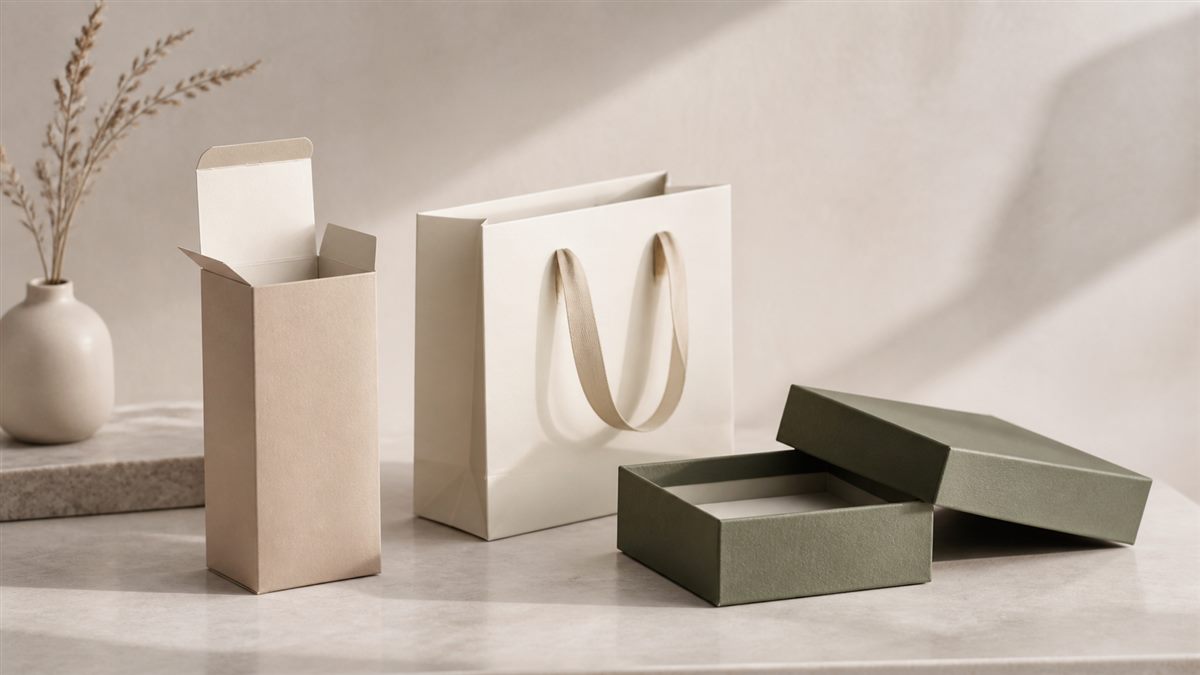
Packaging design needs to communicate the product clearly while supporting protection, handling, storage, and presentation. Its priorities change by product, channel, and customer, so the best-looking option is not automatically the best fit.
How do the core jobs work together?
Consider the design as one system. It should coordinate what customers notice, what they need to know, and how the pack performs in normal use.
- Brand recognition through consistent visual choices
- Product protection and secure positioning
- Clear information hierarchy on limited space
- Convenient opening, handling, and storage
Key Takeaway: Start with the product and user task, then make visual choices that reinforce those needs.
How Do You Build a Useful Packaging Design Brief?
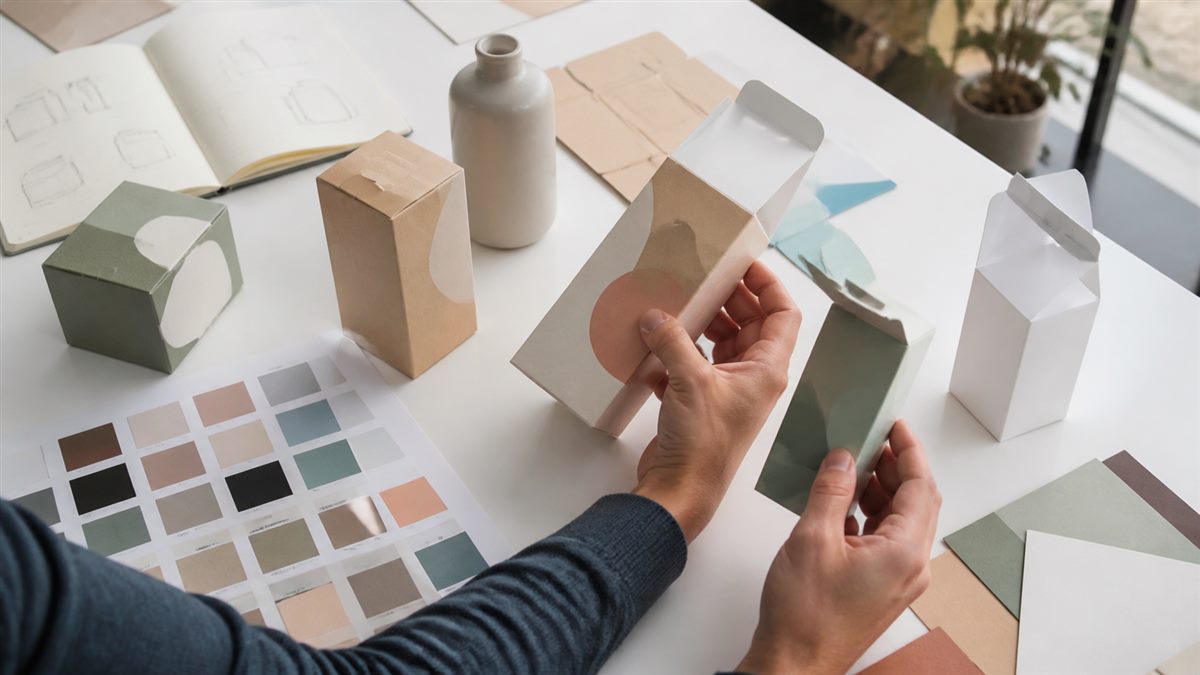
A useful brief turns an idea into decisions a design and production team can evaluate. It should identify the product, audience, sales environment, required information, and project constraints before concepts are refined.
Which inputs prevent late changes?
Early clarity reduces the risk of revising a design after the structure or artwork has moved too far forward. The most useful inputs are specific without pretending that unknown details are settled.
- Product dimensions, weight, fragility, and orientation
- Target audience and retail, e-commerce, or gifting context
- Required copy, legal content, and language versions
- Brand assets, priority messages, and visual references
- Quantity, budget direction, and timing requirements
Key Takeaway: A brief should expose decisions that need confirmation, not hide them behind broad creative language.
Which Packaging Structure Fits the Product?
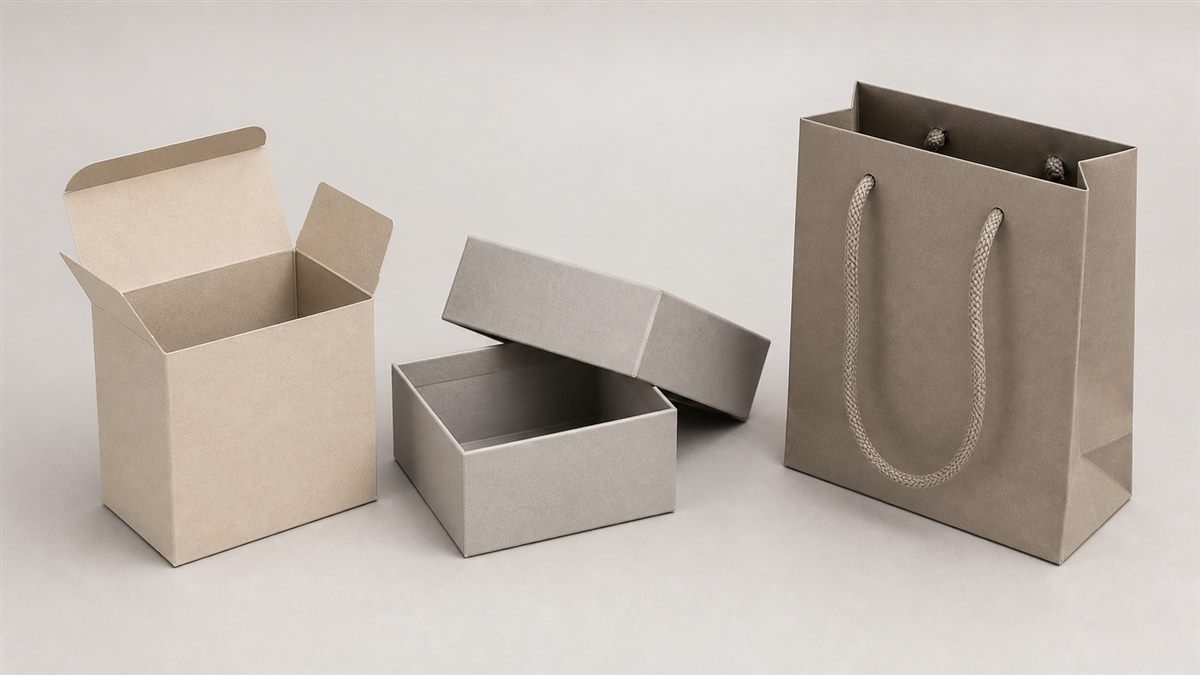
The right structure is the one that fits the product, supports the intended opening experience, and can be handled reliably. Folding cartons, rigid boxes, bags, and presentation formats solve different jobs, so structure should lead the design discussion.
What should you compare before choosing?
Compare the physical interaction before choosing finishes or graphics. For example, brands developing beauty packs can review relevant custom cosmetic box options alongside their product dimensions and display needs.
- How the product enters, sits in, and leaves the package
- Whether the pack must stack, hang, display, or gift well
- How much protection the product needs during handling
- How the opening and closure affect the customer experience
Key Takeaway: Select structure for fit and function first; graphics work best when they respect the physical format.
How Should Information Be Prioritized on Pack?
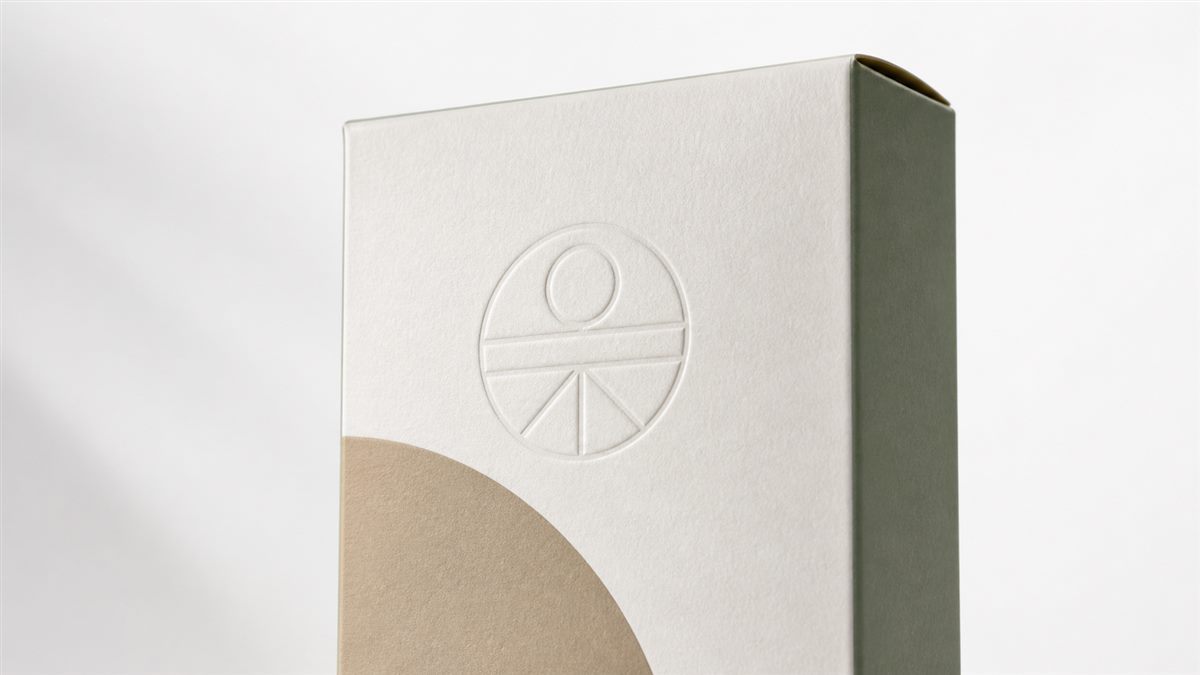
Information hierarchy should guide the eye to the most important message first. A package has limited visible space, so size, contrast, placement, and white space must work together rather than compete.
What usually deserves first attention?
The order depends on the product and channel, but every visible panel needs a clear purpose. Reserve room for required content before treating every surface as an advertising area.
- Brand or product identifier
- Product type or key use cue
- Essential product information
- Required labels and practical instructions
Key Takeaway: A reader should understand the product’s main point quickly, even before inspecting the fine detail.
How Do Materials and Finishes Shape Perception?
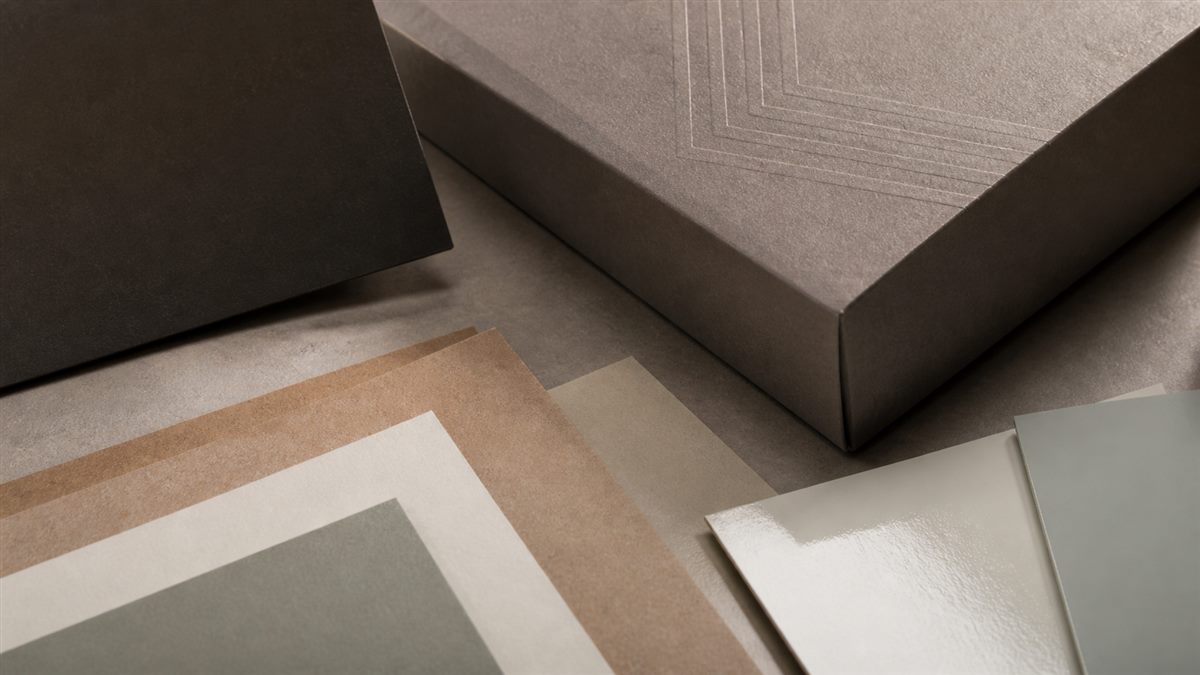
Materials and finishes shape touch, appearance, durability expectations, and production complexity. They should support the structure and brand position instead of being added simply to make a pack appear more expensive.
What trade-offs should the team review?
Paper, board, wrapping, printing, and surface treatments interact. A practical review considers how the selected combination looks on the approved sample and whether it can be reproduced consistently.
- Compatibility between the structure and chosen material
- How surface treatments affect artwork and visual contrast
- Whether the finish supports handling and presentation
- How design complexity may affect project cost and consistency
For retail formats, custom gift bags and shopping bags provide a useful reminder that material, handle, fold, and print choices must be considered together.
Key Takeaway: Choose a material-and-finish combination that serves the physical package and the approved visual direction.
Why Are Mockups and Samples Important?
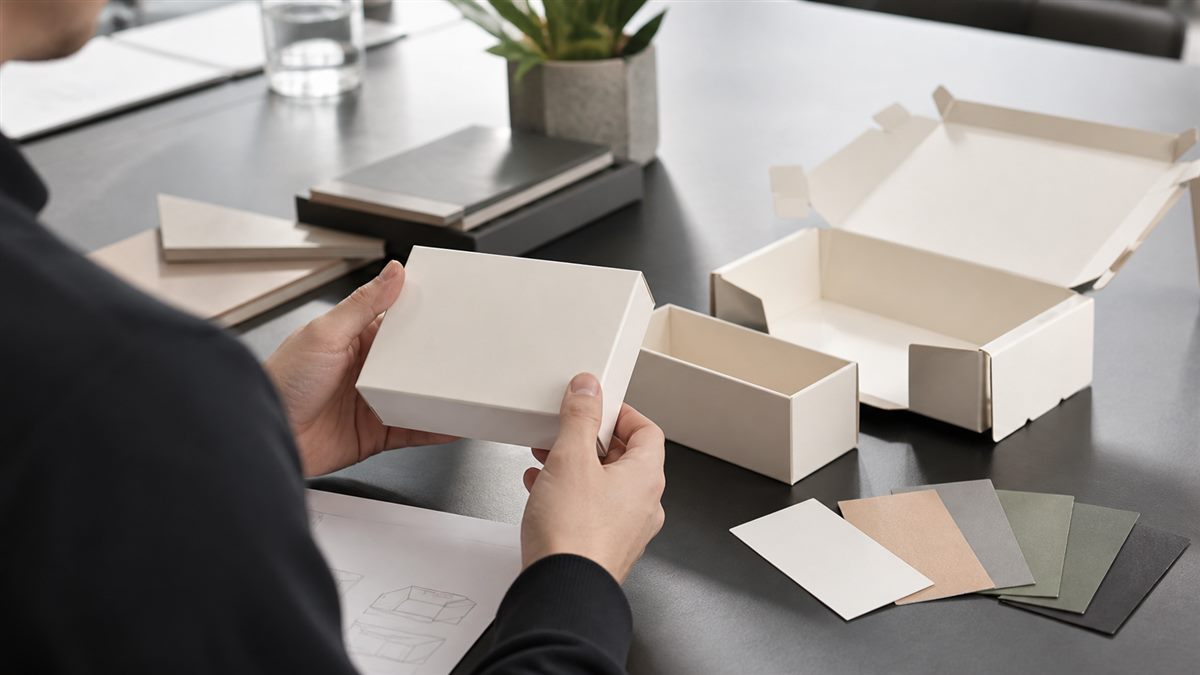
Mockups and physical samples make decisions visible that a screen cannot settle, including proportion, opening, handling, and the relationship between artwork and structure. They give the team a practical basis for feedback before mass production.
What should a review focus on?
A sample review works best when participants use a shared checklist. That keeps feedback connected to a decision instead of drifting into general preference.
- Overall size and product fit
- Artwork placement and visual hierarchy
- Opening, closure, and user handling
- Material feel and finish appearance
- Details that must match the approved sample later
Key Takeaway: Treat the approved sample as a decision record for visual and structural expectations.
How Can You Test the User Experience?
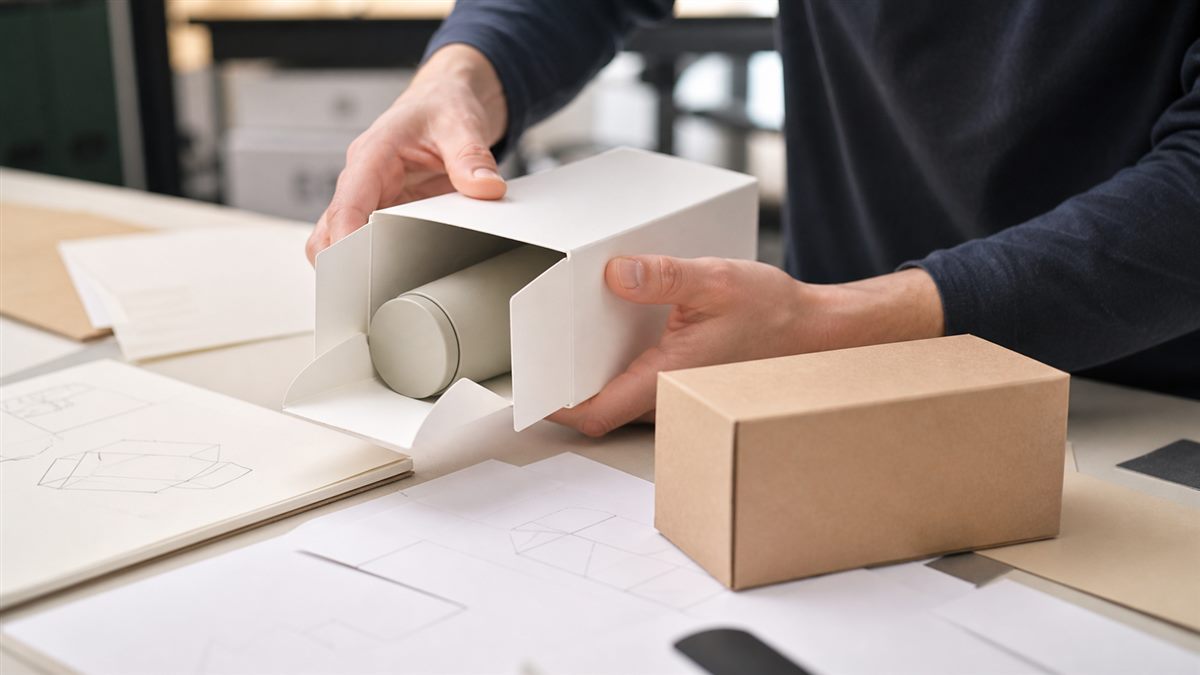
You can test the user experience by observing realistic actions: picking up the pack, opening it, removing the product, and closing or storing it. Simple hands-on review often reveals friction that a digital mockup misses.
Which moments reveal design problems?
Focus on the points where the user has to make an effort or could mishandle the product. The goal is not to claim a universal performance result; it is to identify issues worth correcting before final approval.
- First visual recognition and orientation
- Opening and closing actions
- Product removal and repositioning
- Clarity of any practical instructions
Key Takeaway: Evaluate packaging design as an experience, not just as an image viewed from the front.
How Can Design Address Sustainability Responsibly?
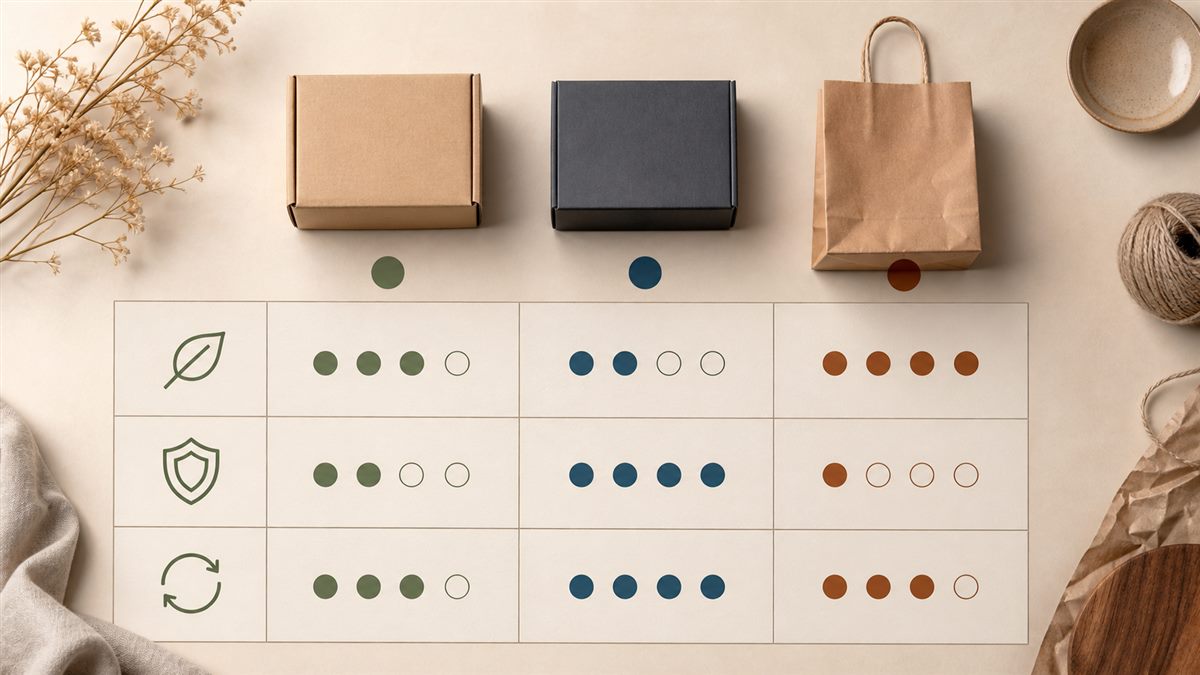
Responsible packaging design begins by reducing unnecessary complexity and matching the format to the product’s real needs. Environmental claims, recycled-content claims, and certification statements require project-specific verification and should not be assumed from a visual concept.
What decisions are worth discussing early?
Teams can consider material use, product protection, expected use life, and end-of-life context without making unsupported claims. A simpler structure may be preferable when it still protects and presents the product well.
- Can the structure avoid unnecessary layers or components?
- Does the selected pack match the product’s protection needs?
- Will finishes or mixed materials affect the intended end-of-life path?
- Which environmental claims need evidence before artwork approval?
Key Takeaway: Make sustainability decisions through verified project requirements, not generic green language.
How Do You Protect Design Consistency in Production?
Design consistency depends on confirming the important visual and structural details before production. Color, material appearance, finish registration, assembly, and product fit all deserve review against the approved sample.
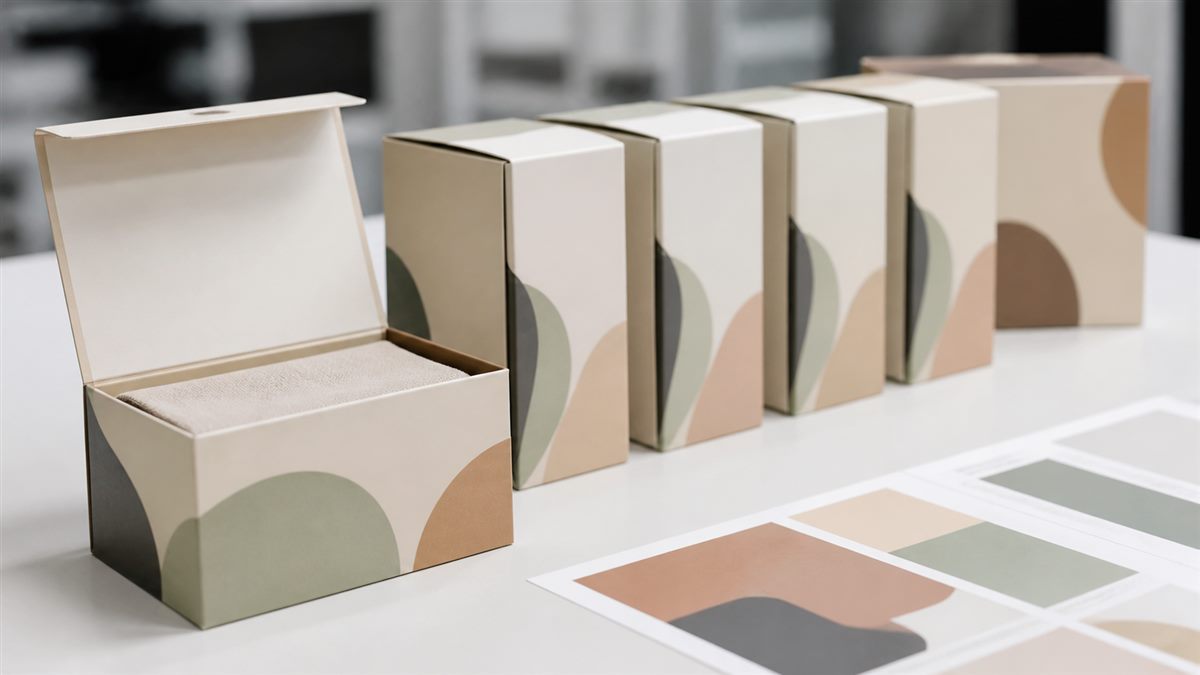
What should be confirmed before production?
Document the features that matter most to the final presentation. King Tai can support structural design, paper selection, printing, finishing, assembly, custom inserts, quality inspection, and logistics according to project requirements; final feasibility remains project-specific.
- Approved artwork and agreed revision status
- Material and finish direction
- Structure, opening method, and insert requirements
- Key appearance and fit checks for final inspection
Beauty brands can also use the beauty packaging solutions guide to frame category-specific presentation needs.
Key Takeaway: Define the approved sample and the critical checks clearly enough to support consistent execution.
How Should You Work With a Packaging Supplier?
You should work with a packaging supplier through clear specifications, timely feedback, and a shared view of what must be confirmed. Good collaboration links design intent to structural feasibility, materials, finishing, assembly, and inspection.

What makes handoff more effective?
Provide final-source artwork when ready, but also explain the product and the decisions behind the design. Questions about quantity, structure, materials, finishing, inserts, and packing should be resolved according to the specific project.
- Share product samples or accurate dimensions where possible
- Flag appearance details that cannot change
- Review samples before mass production approval
- Keep revisions traceable and confirm the final specification
Key Takeaway: The strongest supplier relationship turns clear design priorities into a manufacturable package without overpromising unknown details.
Conclusion
Strong packaging design combines a clear product story with practical structure, readable information, suitable materials, and disciplined review. For brands, the key decision is not which effect looks most impressive in isolation, but which complete system works for the product and can be approved with confidence.
King Tai is a direct B2B packaging and printing manufacturer that can support custom projects from structural packaging design through material selection, printing, finishing, assembly, inserts, quality inspection, and logistics. To discuss your packaging project, talk with our team once your core product and design requirements are ready.
FAQ
What is packaging design?
Packaging design combines the visual, structural, material, and informational choices that shape how a product is protected, presented, and understood.
What should come first in a packaging design project?
Start with the product, its users, and its sales context. Those inputs guide the right structure and prevent decorative choices from creating functional problems.
How do I know whether a package structure is suitable?
Review product fit, protection needs, opening experience, display requirements, and handling through a physical sample where possible.
Do premium finishes always improve packaging?
No. A finish should support the brand, artwork, structure, and production requirements; unnecessary effects can add complexity without improving the customer experience.
What should I confirm before mass production?
Confirm the approved sample, artwork, structure, materials, finishing direction, insert needs, and the appearance or fit details that matter most.