
A designer jewelry box should protect the piece, make the unboxing feel considered, and carry your brand consistently from shelf to customer. For a jewelry brand, a beautiful concept can lose value if the item moves in transit, the finish fights the artwork, or the box feels impractical in use. This guide explains how to turn a design direction into a packaging brief that is both distinctive and manufacturable.
What Makes a Designer Jewelry Box Feel Intentional?
An intentional designer jewelry box connects the product, brand story, and opening experience instead of treating the box as a generic container. The visual hierarchy should make the jewelry the focal point while the packaging supports its perceived value.
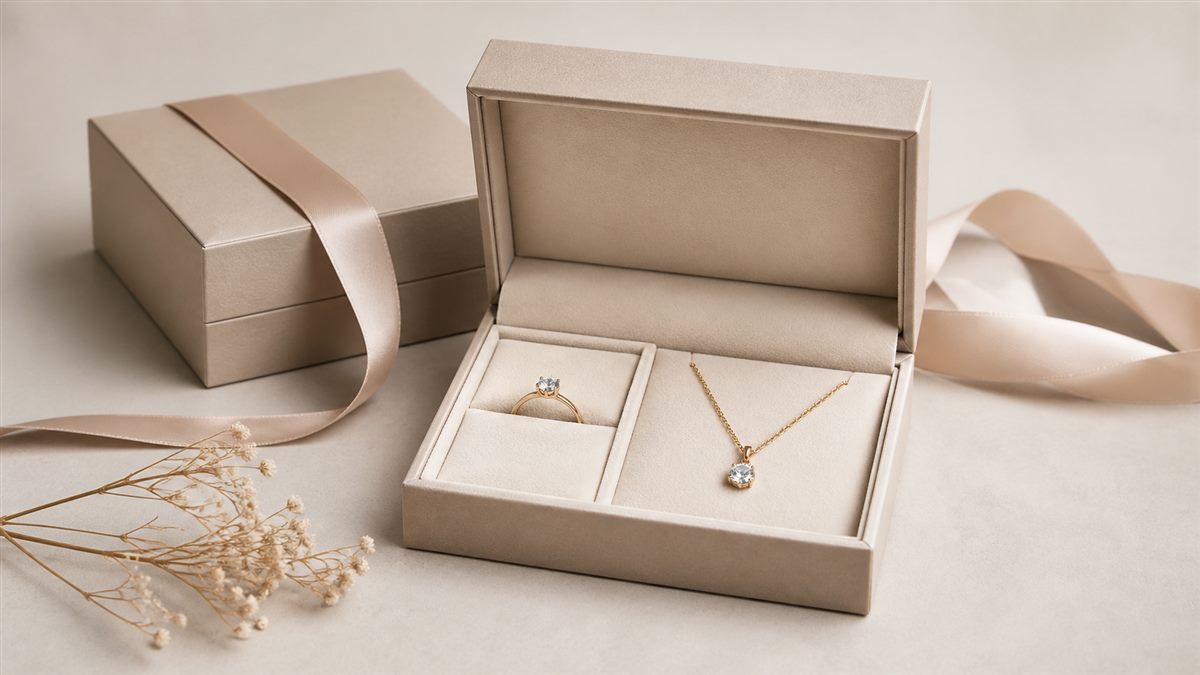
Start with one clear design role
Decide whether the box is mainly a gift presentation, a retail display, a protective shipper, or a keepsake customers will retain. That decision guides the structure, opening motion, insert, and visible finishing choices.
- Define the product category and its dimensions.
- Choose the primary customer moment: retail, gifting, or delivery.
- Limit the design to a small number of visual priorities.
Key Takeaway: The strongest concepts make one clear promise and let the structure and graphics reinforce it.
Which Jewelry Box Structure Fits the Product Best?
The best structure is the one that fits the jewelry, how it will be presented, and how the customer will open it. A ring, pendant, bracelet, and multi-piece set need different internal space and access.
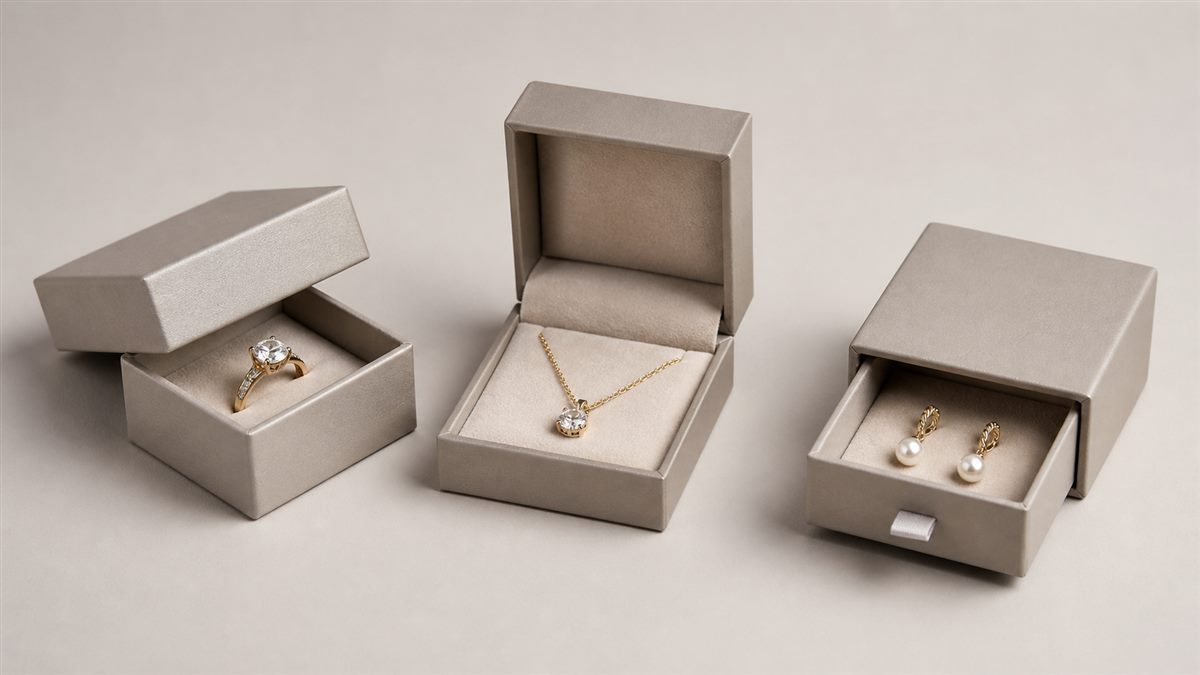
Match format to the product interaction
Before selecting a format, map the moment the item is revealed and removed. Common options include lift-off lids, hinged boxes, drawer-style boxes, and two-piece rigid boxes; feasibility depends on the final specification.
- Use a compact format for a single small item.
- Allow clear access for delicate chains and earrings.
- Confirm how the box will be packed for shipment.
For category-specific starting points, see King Tai’s custom jewelry boxes.
Key Takeaway: Choose the opening style after the jewelry and insert are defined, not before.
How Should the Insert Hold and Present the Jewelry?
An insert should position the jewelry securely and present it at a deliberate angle when the box opens. It is not merely a filler: its fit influences protection, perceived quality, and photography.
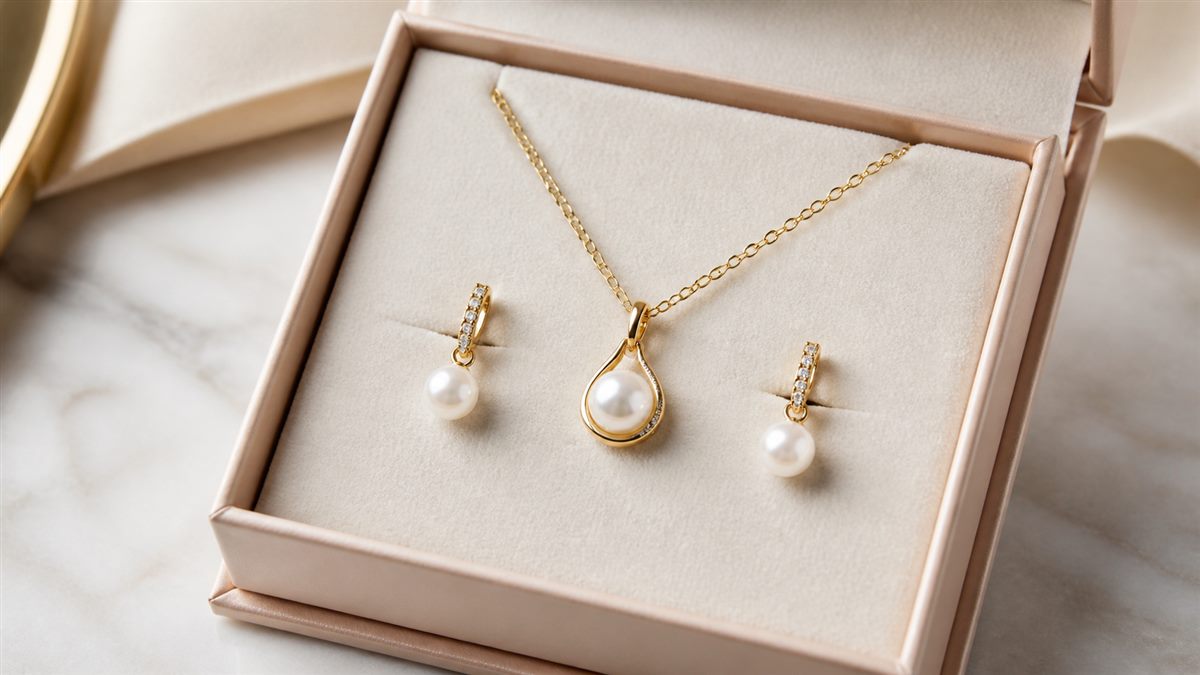
Define the holding points before styling the insert
Start with the parts of the item that can be supported without hiding its key details. A product sample or accurate dimensions help a packaging team assess the needed retention approach.
- Identify where a ring, chain, clasp, or pair of earrings will sit.
- Leave enough clearance for removal without snagging.
- Review the product position with the box opened and closed.
Key Takeaway: A visually premium insert must first keep the jewelry stable and easy to remove.
Which Materials Support the Desired Brand Look?
Material selection should support the required structure, printed design, finish, and handling conditions. The same artwork can look very different across paper surfaces and interior coverings, so samples matter.
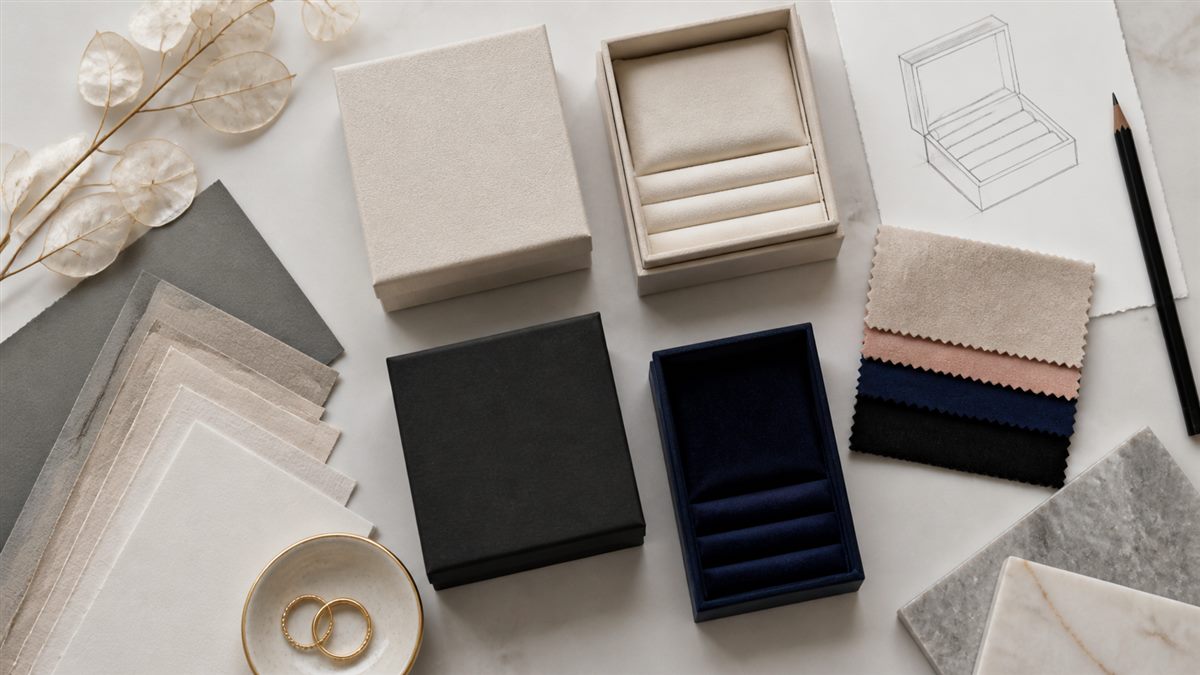
Compare material direction, not just color
Build a small material palette around the intended brand character: restrained, tactile, bright, heritage-led, or contemporary. Then check whether that direction works with the chosen box form and decoration.
- Consider surface texture and how it changes printed graphics.
- Assess how the selected finish reads under retail lighting.
- Confirm availability and production suitability for the project.
King Tai can support paper selection as part of a custom packaging development process.
Key Takeaway: Select materials as part of the complete visual and structural system, not as an isolated swatch choice.
What Finishes Add Value Without Overdesigning the Box?
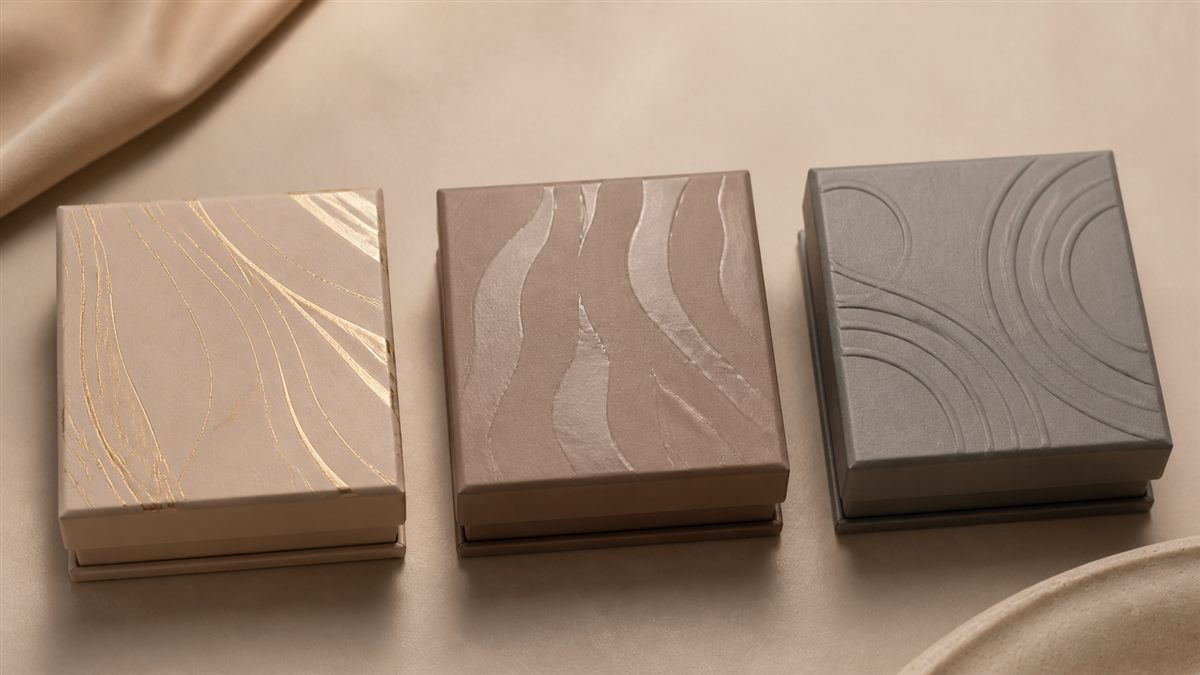
The most effective finishes make a small number of brand elements more noticeable without competing with the jewelry. Hot stamping, spot UV, and embossing are confirmed King Tai finishing capabilities, subject to project requirements.
Use finishing to guide attention
A finish works best when it has a clear job: emphasizing a logo, creating contrast, or adding tactile interest. Ask to see the finish with the selected substrate because the final effect depends on the combination.
- Reserve high-impact effects for the most important graphic element.
- Keep artwork clear enough for finishing registration.
- Review finish placement on the approved sample.
Key Takeaway: One well-chosen finish often communicates more refinement than several competing effects.
How Can the Opening Experience Reinforce the Brand?
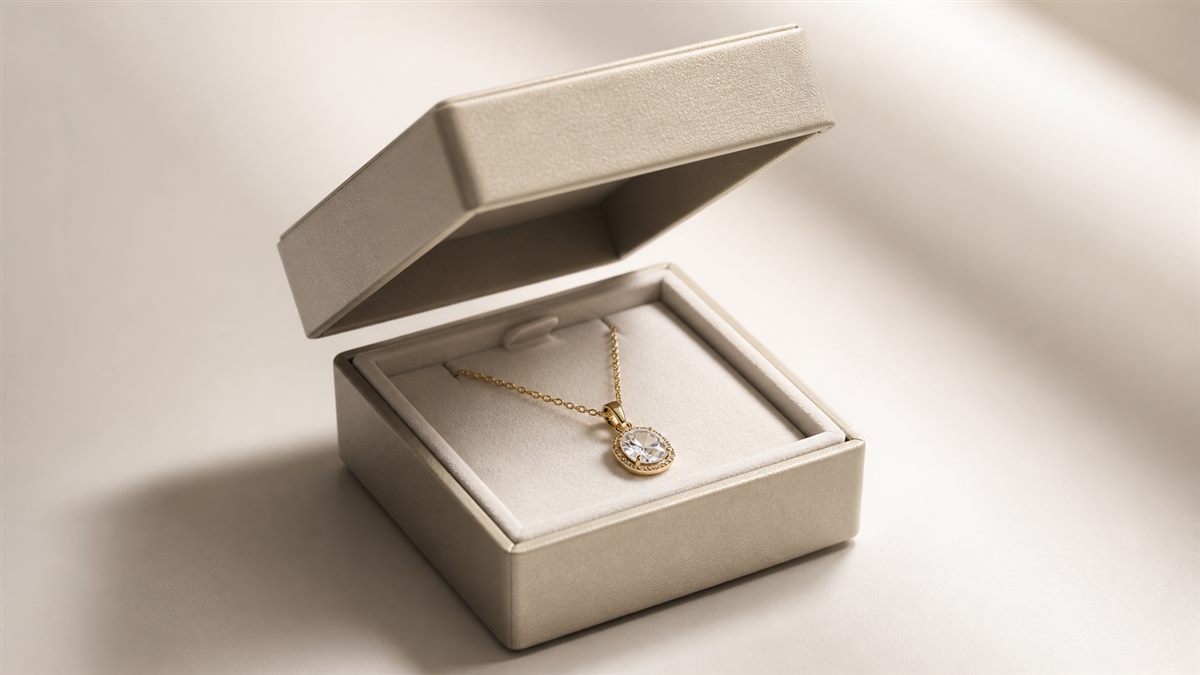
The opening experience reinforces the brand when each step feels natural, controlled, and appropriate for the product. The lid, pull, reveal, and placement of the jewelry should form one coherent sequence.
Design the reveal from the customer’s viewpoint
Think through what the customer first sees, touches, and removes. This perspective can expose awkward finger access, overly hidden branding, or a jewelry position that looks good only before handling.
- Keep the opening motion easy to understand.
- Place key brand details where they are noticed naturally.
- Make the item accessible without disturbing its presentation.
Key Takeaway: A memorable reveal comes from smooth interaction and purposeful sequencing, not from complexity alone.
When Does a Designer Jewelry Box Need Customization?
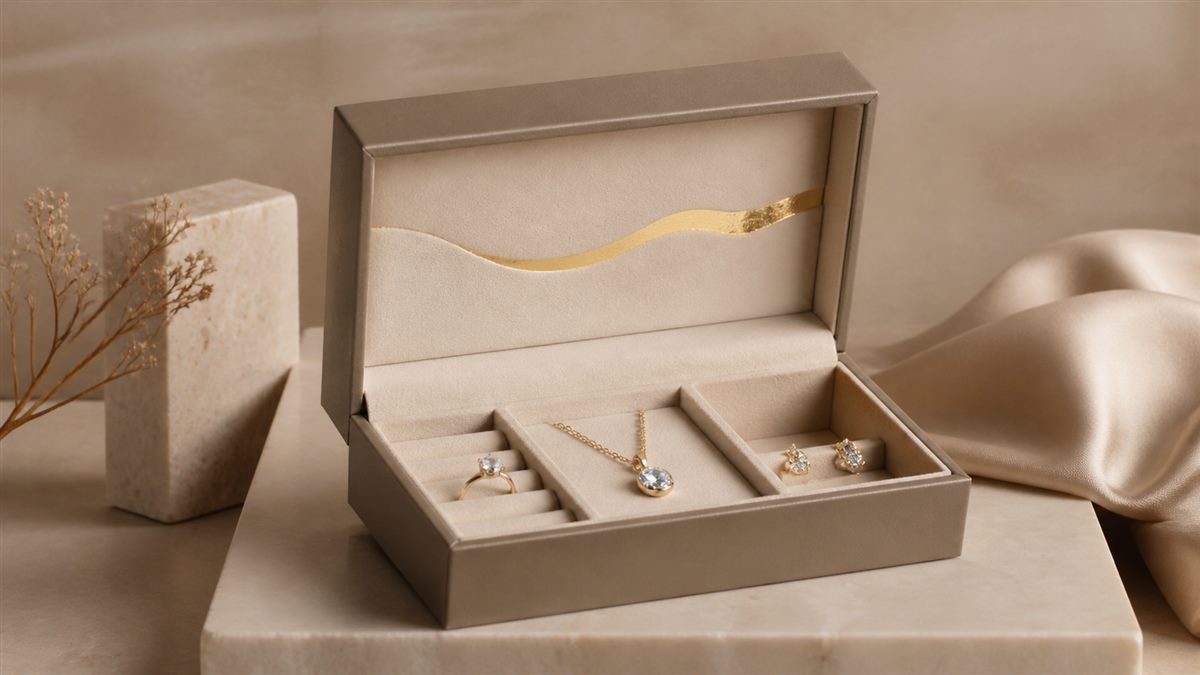
Customization is most useful when it solves a real product, presentation, or brand-consistency need. It can involve the structure, insert layout, printed artwork, surface finish, or outer packaging.
Prioritize the choices customers will notice
Not every component needs to be unique. Focus on the features that make the jewelry feel correctly positioned and the brand immediately recognizable, then avoid details that add complexity without a clear customer benefit.
- Adapt the insert to the jewelry’s actual form.
- Use artwork and finishing to create a consistent identity.
- Consider outer packaging when gifting or e-commerce requires it.
For broader development considerations, review King Tai’s jewelry packaging solutions.
Key Takeaway: Customization earns its place when it improves product fit, brand recognition, or the customer experience.
How Do You Balance Presentation and Shipping Protection?
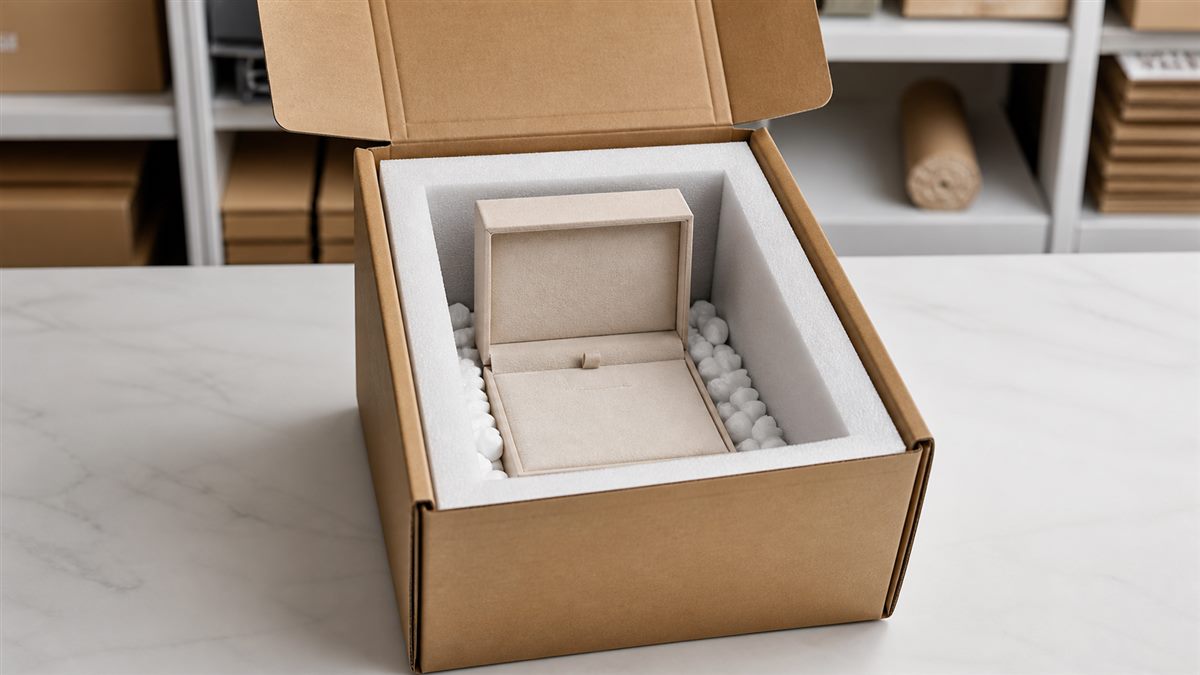
Presentation and shipping protection should be planned together because a retail-ready box may still need suitable outer packing for its transport route. The jewelry box, insert, and shipping configuration each play a different role.
Separate the presentation box from transport needs
Define what the customer receives as the presentation package and what protects it before arrival. Protection requirements, shipping method, product weight, and distribution conditions must be confirmed for the specific project.
- Check whether corners, lids, and inserts need extra protection.
- Plan space for any required outer carton or sleeve.
- Test the approved configuration before mass production.
Key Takeaway: Protect the design by planning the complete packaging system, not only the box visible to the customer.
Why Is Sample Review Essential for Jewelry Packaging?
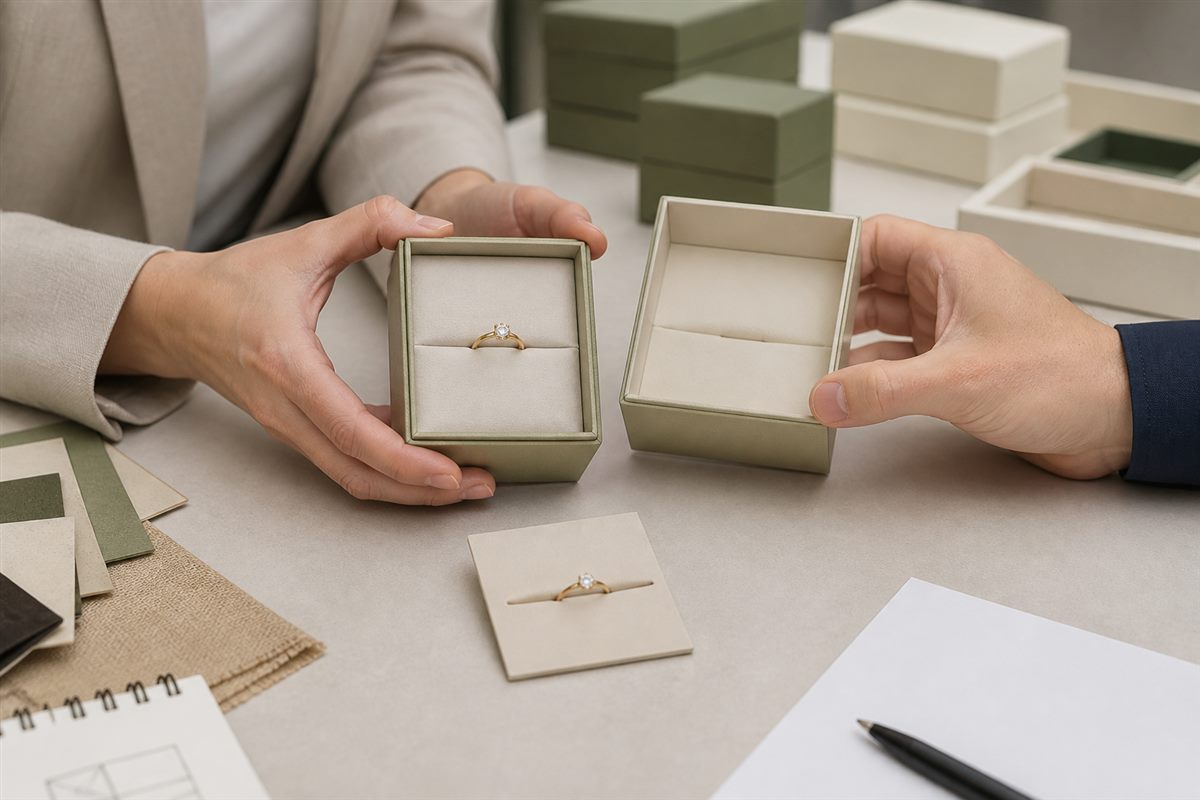
Sample review is essential because it is the most practical way to check the combined effect of structure, fit, printing, finishing, and assembly before mass production. The approved sample becomes the reference for production consistency.
Review the details that affect the final impression
Assess the sample with the actual jewelry or a representative substitute. This helps the team see whether the product position, opening action, color, graphics, finish, and assembly meet the brief.
- Check the insert fit and jewelry alignment.
- Confirm artwork, color direction, and finish appearance.
- Record changes before approving mass production.
Key Takeaway: Treat sample approval as a decision gate; it reduces avoidable gaps between the concept and production result.
What Should You Put in a Supplier Brief?
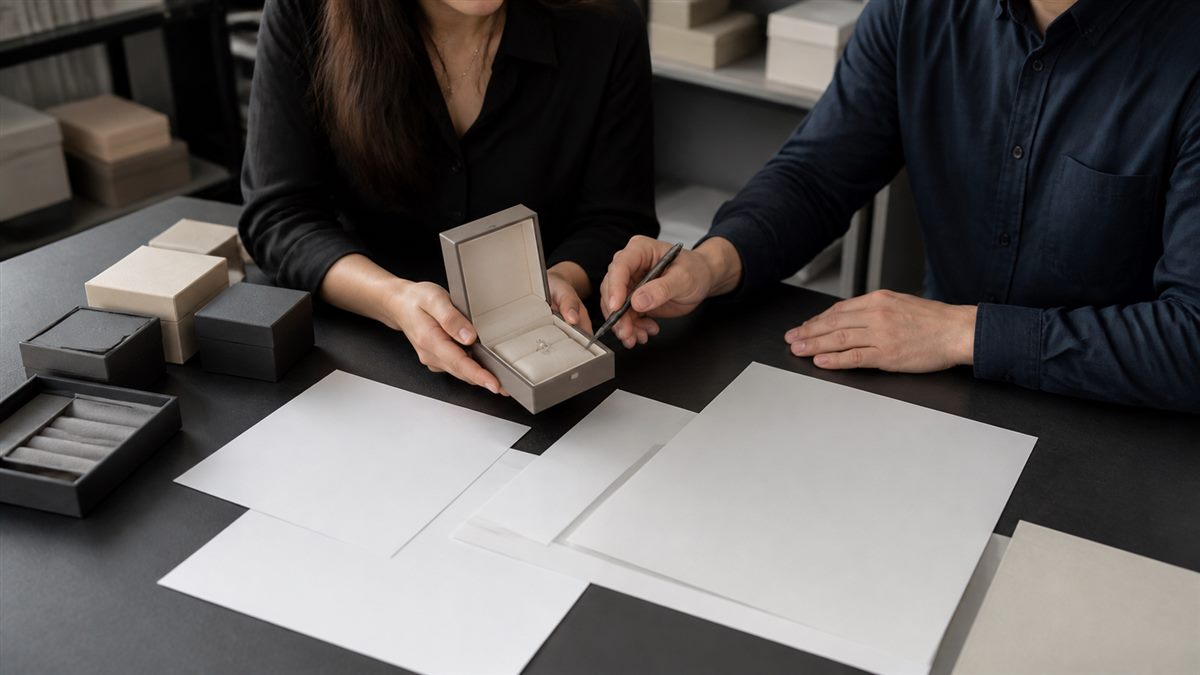
A useful supplier brief gives the manufacturer enough detail to evaluate the packaging concept and identify open questions early. It should describe what the box must accomplish, rather than relying only on a mood board.
Make the brief specific enough to review
Include the product dimensions, product weight where relevant, desired box format, artwork direction, insert needs, quantity, and target delivery requirements. MOQ, sampling time, production lead time, and final feasibility are project-dependent and should be confirmed against the final specification.
- Supply product samples, drawings, or accurate dimensions.
- Identify required finishes and visible brand elements.
- State packaging, packing, and shipping expectations.
For a project discussion, use the King Tai contact page to share your specification.
Key Takeaway: A detailed brief lets the supplier assess feasibility before design assumptions become costly changes.
Conclusion: A designer jewelry box succeeds when the product fit, structure, material direction, finishing, opening sequence, and sample review all support the same brand idea. King Tai is a direct B2B packaging and printing manufacturer that can support structural packaging design, paper selection, printing, finishing, assembly, custom inserts, quality inspection, and logistics coordination. Start with a clear brief, then use the approved sample as the production reference. Explore King Tai’s custom packaging and printing services to begin a specification-led project discussion.
FAQ
What is a designer jewelry box?
A designer jewelry box is packaging or storage designed around both presentation and practical organization. For a brand, it should reflect the product’s positioning while providing an appropriate structure and insert.
How do I choose an insert for jewelry packaging?
Start with the jewelry’s dimensions, contact points, and the desired presentation angle. Review a sample with the actual item where possible so you can check fit and removal.
Which finishes can be considered for a jewelry box?
Common finishing directions include hot stamping, spot UV, and embossing. The best choice depends on the artwork, material, structure, and intended visual effect.
What should be confirmed before ordering custom jewelry boxes?
Confirm the product dimensions, structure, insert, materials, artwork, finishing, quantity, packing requirements, and approval process. Production timing and MOQ should be confirmed for the specific project.