
Choosing the right material for a genuine leather Bible project affects durability, hand feel, production cost, and market positioning. Genuine leather offers a premium texture and long-term value, but PU leather, bonded leather, hardcover, and synthetic covers may be more practical for different budgets, quantities, or reader expectations. This guide compares genuine leather with other Bible cover materials to help publishers, religious organizations, and project buyers make a practical decision before production.
Why buy a genuine leather bible?
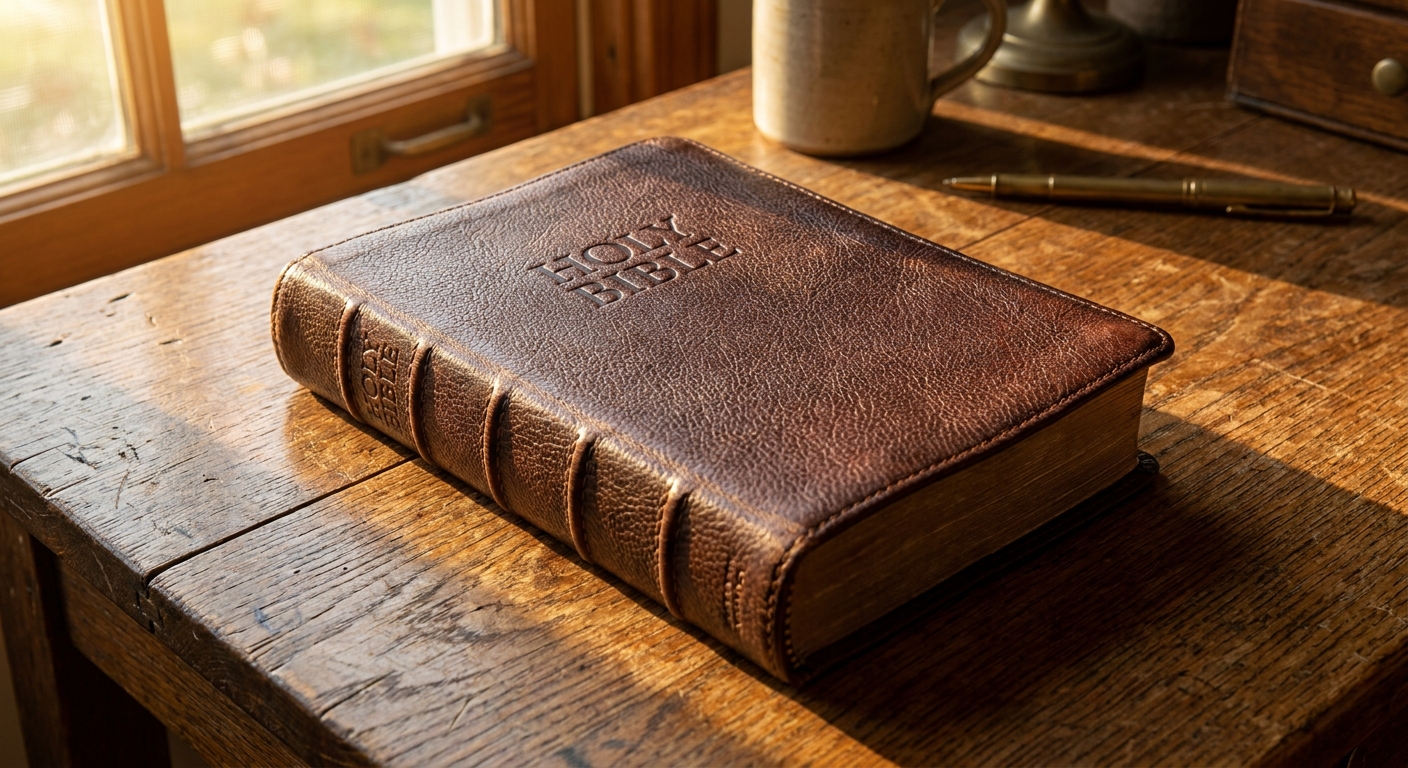
Genuine leather is suitable for premium Bible projects that require a stronger sense of quality, durability, and long-term value. Its natural texture and flexible hand feel help distinguish the finished Bible from standard synthetic or hardcover editions. For publishers, religious organizations, and project buyers, the choice should depend on budget, target audience, order quantity, and whether the Bible is intended for retail, gifting, or special edition use.
What are the primary benefits of animal hide?
When you choose natural leather, you are investing in unmatched durability. The unique organic fibers adapt seamlessly to daily wear.
By selecting authentic skins, you ensure that every printed volume holds a distinct physical presence. This material provides exceptional value that honors the text.
- Natural Textures: Every cover displays unique pore patterns.
- Generational Lifespan: This material survives for decades without dry-rotting.
- Rich Fragrance: Authentic leather carries a comforting, classic scent.
Does authentic hide feel more premium?
You will notice an immediate difference in comfort and weight when holding a premium edition. The surface warms to your hand naturally during extended study sessions.
The truth is: nothing matches the physical feel and historical prestige of a real hide cover. It elevates standard reading into a deeply personal, sensory ritual.
| Metric | Animal Hide Cover | Synthetic Substitute | |
|---|---|---|---|
| Longevity | 50+ Years | 5 to 10 Years | |
| Tactile Feel | Soft and warming | Cool and plastic-like | |
| Aesthetic Aging | Develops rich patina | Fades and cracks |
This comparison demonstrates how authentic animal hide consistently outclasses modern synthetic alternatives in both sensory appeal and functional lifespan.
Key Takeaway: Selecting real animal hide guarantees a lifetime of comfort and an evolving, unique aesthetic that synthetic options fail to match.
Is a genuine leather bible durable?
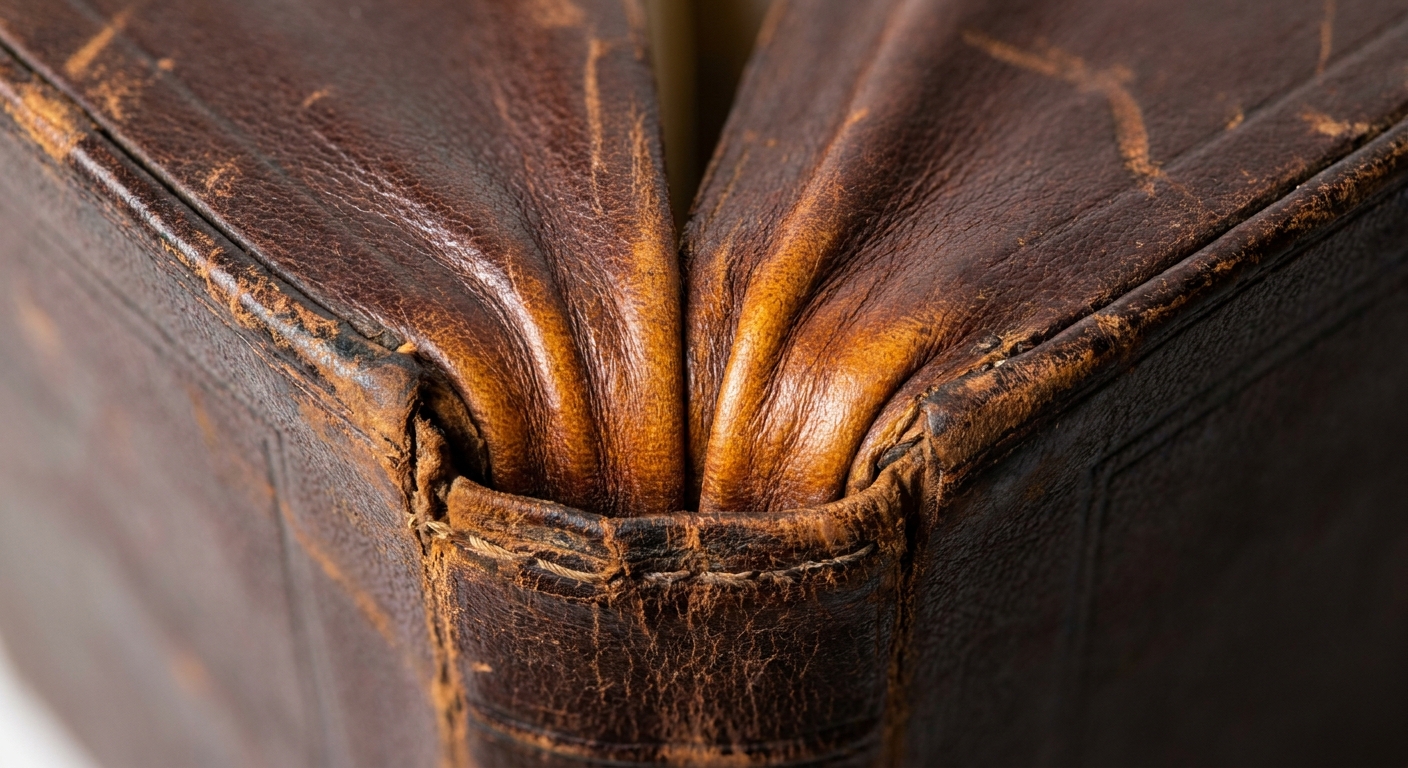
Yes, a genuine leather bible offers legendary structural integrity that easily resists tearing, cracking, and daily wear. The organic collagen fibers are naturally interlocked, providing supreme flex strength along the spine hinges. This physical layout protects the interior pages from environmental stress far better than paper.
How do natural fibers prevent structural cracks?
As you bend the book spine, the natural protein networks disperse the mechanical tension evenly. This prevents the cover from developing localized stress fractures.
The inherent structural memory of the animal hide allows it to return to its original shape without wrinkling. It absorbs minor impacts effortlessly.
- High Tensile Strength: Intact animal skin fibers resist deep tears.
- Flex Elasticity: The hinge bends repeatedly without structural fatigue.
- Impact Resistance: Solid hide cushions the page block against drops.
Does handling the cover extend its lifespan?
The natural oils from your fingers act as a continuous leather conditioner. This simple interaction prevents the cover from drying out and flaking.
Think about it: regular human handling keeps the fibers supple and naturally protected from dry-rot. This unique self-conditioning characteristic allows the book to outlive its original owner.
| Stress Factor | Solid Hide Performance | Paper/Synthetic Performance | |
|---|---|---|---|
| Continuous Flexing | Remains soft and intact | Quickly creases and splits | |
| Environmental Humidity | Breathes and adjusts | Warps, bubbles, and peels | |
| Friction Damage | Scuffs blend into patina | Reveals gray fabric backing |
This comparison demonstrates why real animal hides survive decades of intense physical handling while artificial coatings suffer rapid cosmetic failure.
Key Takeaway: Handling your leather cover actually works to preserve its beauty, turning regular daily use into a natural conditioning treatment.
What defines a genuine leather bible?
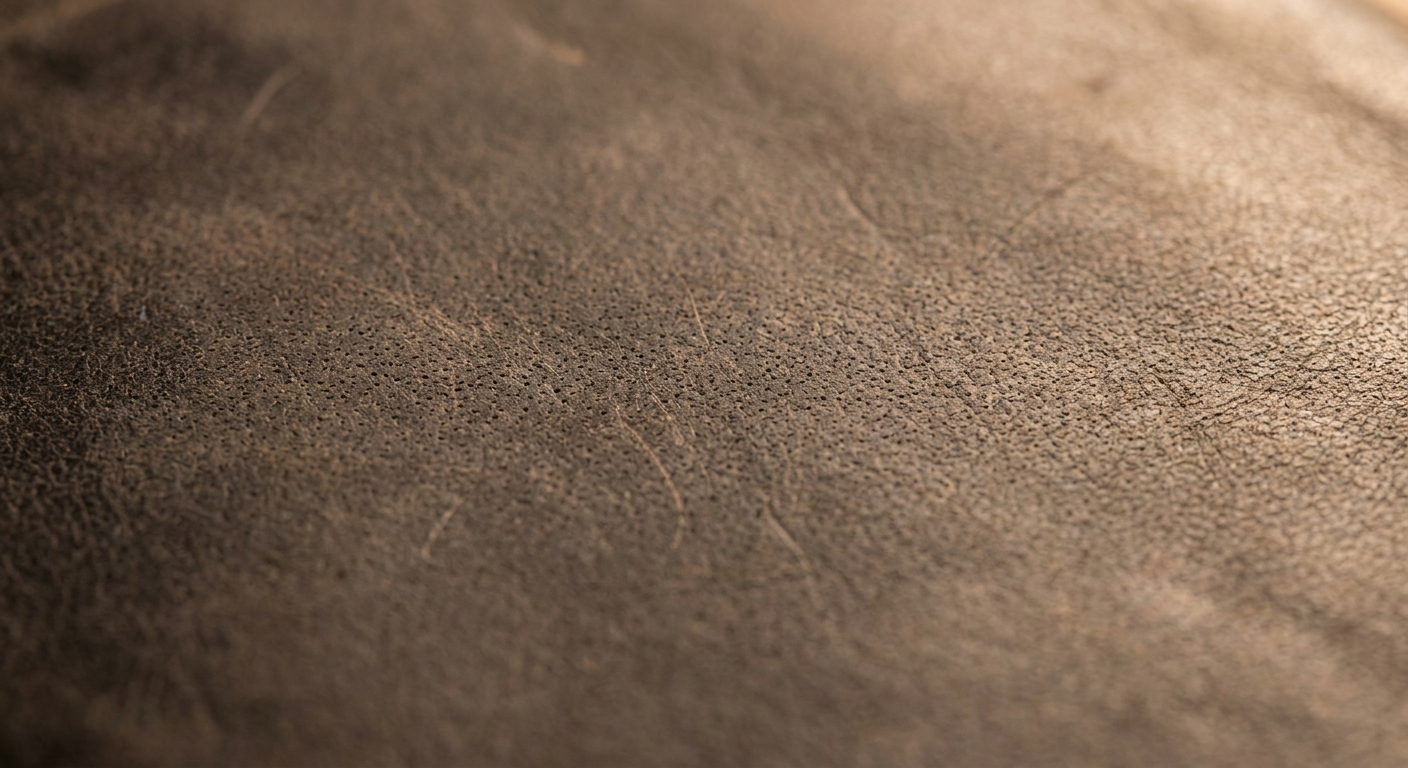
A genuine leather bible is defined by its distinct surface pores, natural grain variations, and rich, organic flexibility. These authentic traits serve as the primary hallmark of high-end, custom scripture publishing. By paying attention to these physical indicators, you can easily verify the cover’s raw origin.
How do you identify real leather grain?
You can easily identify premium hide by looking closely at the surface textures. Authentic skins always feature minor irregularities in the grain.
These minor markings indicate that the cover was sourced from high-quality raw animal hide rather than a plastic mold. They confirm that your book has a unique, handmade identity.
- Irregular Pores: Natural skin has randomly distributed pore networks.
- Warm Surface: Real leather absorbs and retains body heat quickly.
- Organic Aroma: Synthetic alternatives smell strongly of chemicals.
Why are natural variations so prized?
These small markings are proof of an authentic, high-quality production process. They tell a story of natural growth rather than cold machine uniform printing.
Here is the deal: modern readers crave authentic materials that possess unique visual character. A cover with slight natural flaws is a mark of true luxury.
| Visual Trait | Natural Leather Hide | Manufactured Imitation | |
|---|---|---|---|
| Grain Pattern | Completely unique | Repeatable printed pattern | |
| Surface Markings | Natural scars and folds | Flawlessly uniform and flat | |
| Color Saturation | Deep, multi-toned shades | Flat, single-layer color |
This breakdown reveals how the physical markers of raw animal hide create a unique visual footprint that machines cannot duplicate.
Key Takeaway: Recognizing these organic grain patterns allows you to verify true premium quality and avoid low-grade synthetic imitations.
Why avoid PU over a genuine leather bible?
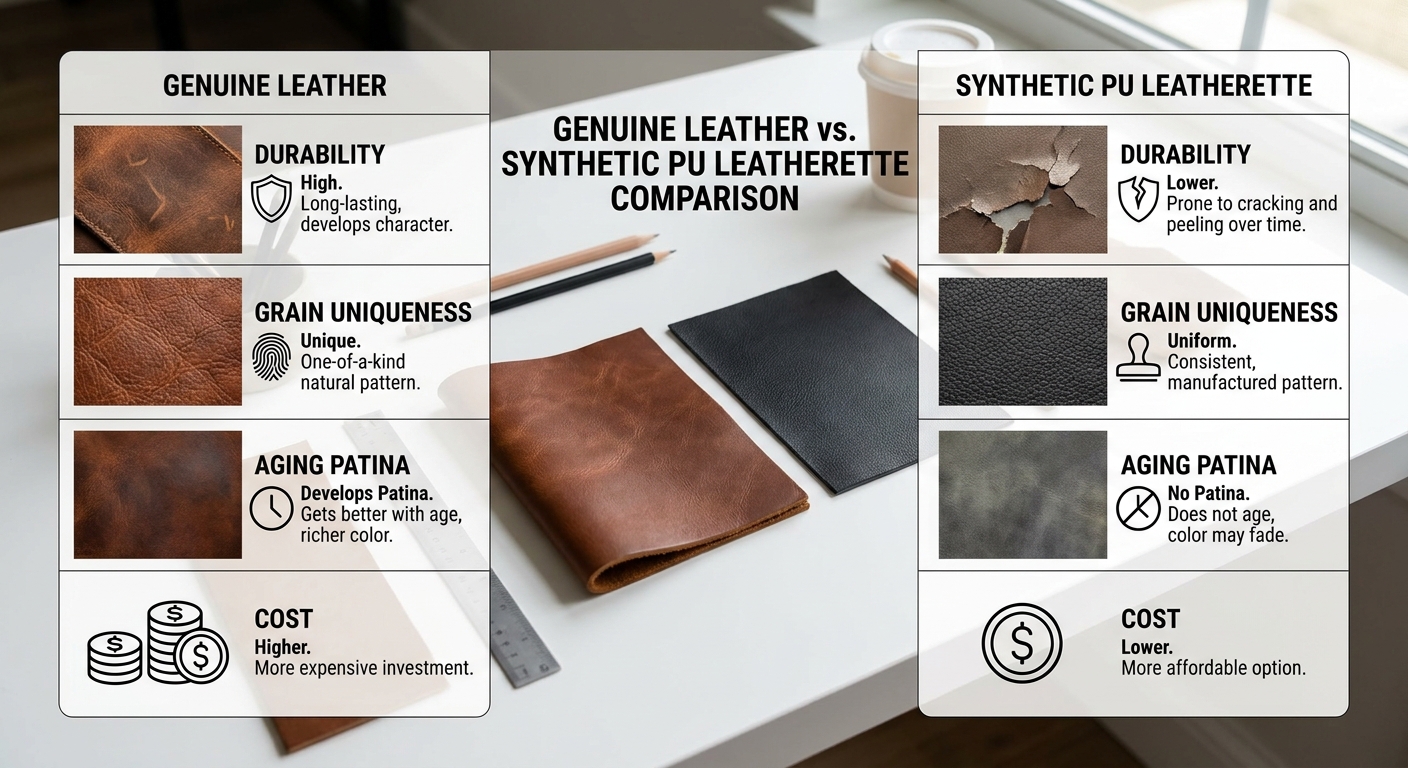
You should avoid PU bindings because they lack the physical breathability and generational endurance of a genuine leather bible . Synthetic covers deteriorate through chemical decomposition, causing the surface to peel and flake after a few years of light use. This makes artificial leather a poor choice for permanent, high-value books.
Why does synthetic polyurethane peel so fast?
Artificial leather relies on a thin plastic coating glued onto a cheap fabric backing. Over time, exposure to oxygen and heat breaks these synthetic adhesives down.
This chemical degradation is irreversible, leading to a complete breakdown of the cover’s exterior. It leaves unsightly gray backing exposed to your readers.
- Plastic Fatigue: The outer PU film cracks along stress lines.
- Adhesive Failure: The backing splits away from the plastic surface.
- Lack of Oils: Synthetics cannot absorb moisturizing leather conditioners.
Is imitation leather ever a good option?
You may choose PU leatherette if you are organizing a high-volume, cost-conscious print distribution. It allows you to produce thousands of uniform copies on a very tight budget.
But wait, there’s more: while PU covers look clean on release day, they will not survive as family heirlooms. Their low cost comes at the direct expense of physical longevity.
| Property | Synthetic PU Material | Solid Animal Hide | |
|---|---|---|---|
| Production Cost | Highly economical | Premium investment | |
| Cosmetic Aging | Cracks, peels, flakes | Softens, darkens, shines | |
| Design Variety | Unlimited bright colors | Natural, classic tones |
This comparison shows that while PU leatherette is excellent for high-volume budgets, it cannot compete with the heritage value of real animal skin.
Key Takeaway: Genuine leather is usually a better choice for premium Bible editions, while PU leather should be evaluated carefully for cost, durability, and long-term surface performance.
Is split hide used in a genuine leather bible?
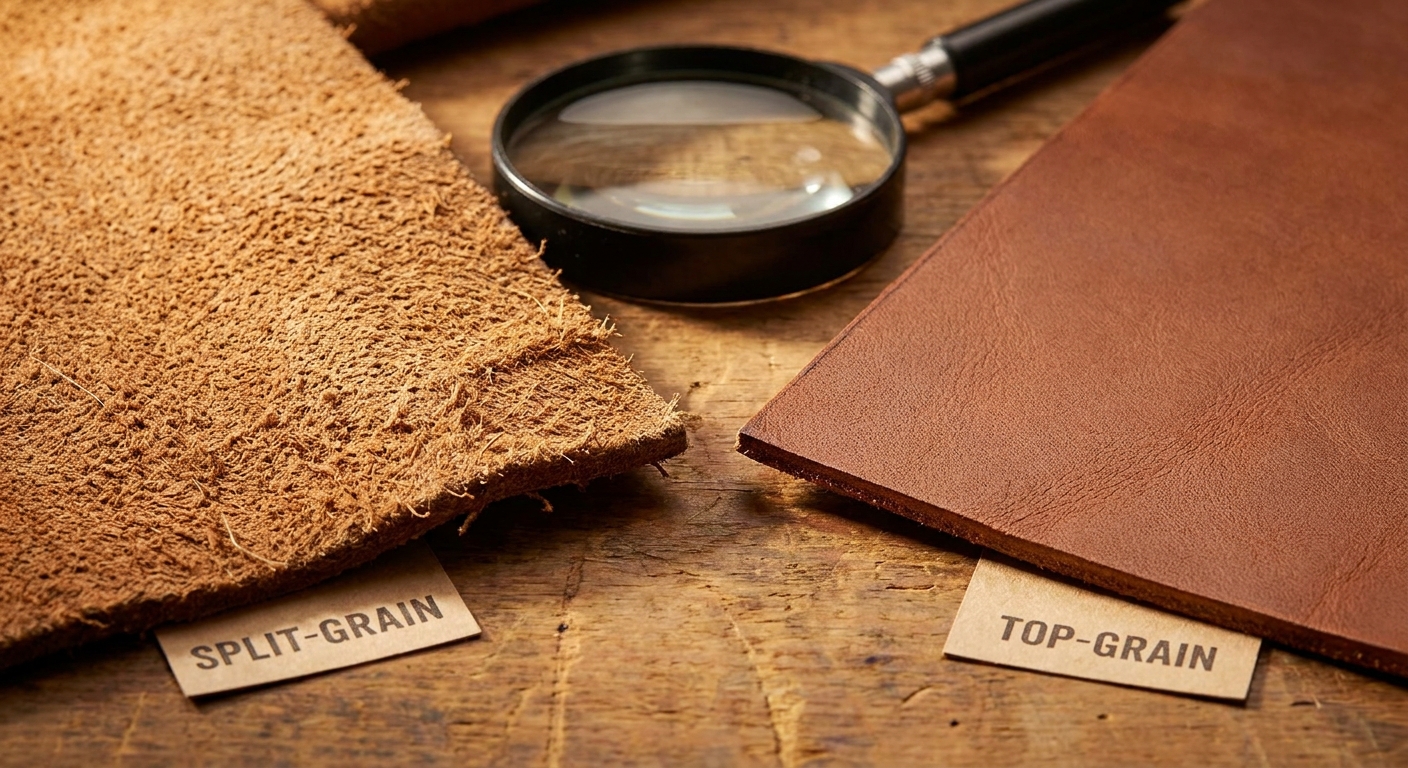
Yes, split hide is frequently used to create a genuine leather bible, though it lacks the upper pore density of a top-grain finish. This cost-effective natural material is produced by slicing raw skin horizontally into distinct layers during the tanning process. Sourcing teams select this option to hit a competitive retail price point while maintaining material authenticity.
What is the difference between top and split grain?
Top-grain options keep the strong, outer skin layer fully intact for maximum flex resistance. Split leather uses the fibrous bottom layer, which is often sanded down and embossed.
This manufacturing process alters the visual look while preserving the natural weight of real animal hide. It provides a highly tactile alternative to flat plastic sheets.
- Fiber Density: Top-grain contains much tighter, stronger collagen bonds.
- Sueded Texture: Raw split hide naturally has a fuzzy, fibrous surface.
- Artificial Embossing: Split hide is often stamped with fake grain patterns.
Does split leather offer a durable cover?
It still performs far better than cheap plastic alternatives because it is made of real animal protein. It provides a budget-friendly way to enjoy authentic hide.
Think about it: split leather offers a clever middle ground for publishers who want real hide without premium prices. It balances raw material authenticity with production economy.
| Feature | Top-Grain Leather | Split-Grain Leather | |
|---|---|---|---|
| Tensile Strength | Very High | Medium | |
| Natural Pores | Completely intact | Sanded away / Embossed | |
| Sourcing Price | Premium | Moderate |
This comparison highlights how different slicing techniques affect the final strength and overall texture of raw animal skins.
Key Takeaway: Knowing the difference between top and split grains helps you select the exact level of luxury and strength required for your project.
Is bonded leather a genuine leather bible?
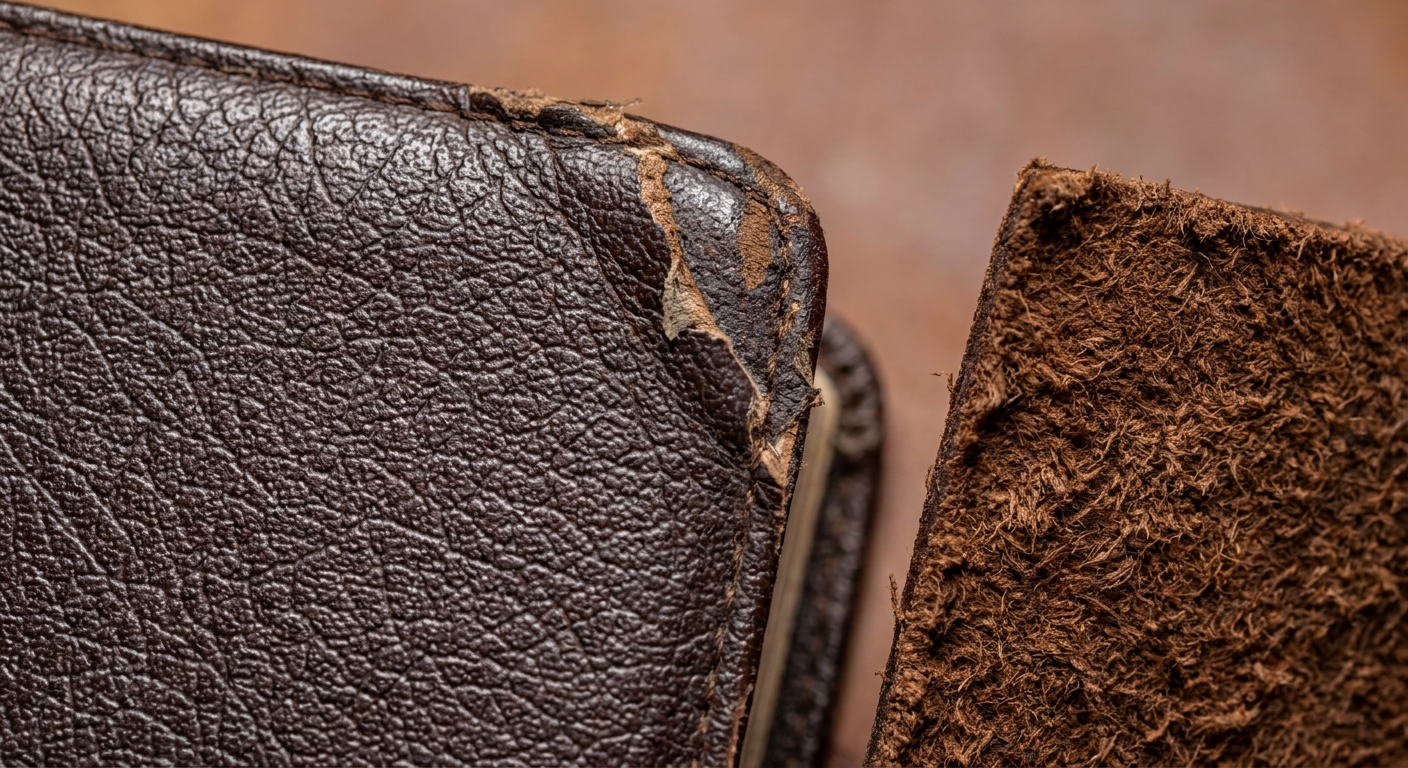
No, bonded leather is not equivalent to a solid genuine leather bible because it is constructed from ground-up scraps mixed with plastic glue. This composite material lacks the integrated fiber structure of whole animal hide. As a result, it exhibits far lower durability under continuous use.
Why does bonded leather suffer dry rot?
The heavy mixture of polyurethane adhesives makes the material incredibly stiff. As the internal glues dry out, the composite cover breaks apart.
This breakdown exposes the weak fiber core beneath, causing rapid cosmetic damage. The corners easily chip off under minimal frictional wear.
- Composite Makeup: Contains only 10% to 30% shredded scrap leather.
- Low Flexibility: The spine easily splits when opened flat.
- Edge Chipping: The corners flake off under minimal frictional wear.
Is bonded leather a cost-effective option?
You might select bonded options to hit low retail price points while still using the word “leather” on your marketing materials. However, this choice often leads to disappointed long-term customers.
As it turns out: bonded leather is a short-sighted compromise that fails quickly under moderate daily study. Sourcing teams should focus on solid hide for premium editions.
| Metric | Solid Leather Hide | Bonded Leather Scrap | |
|---|---|---|---|
| Material Purity | 100% Solid Hide | Recycled scrap & adhesives | |
| Flexibility | Highly supple and soft | Stiff and prone to splitting | |
| Delamination Risk | Zero | Extremely high over time |
This analysis illustrates why recycled scrap composites cannot match the physical performance or elegance of a solid, un-shredded skin.
Key Takeaway: Avoiding bonded leather prevents the frustration of watching a book cover flake apart into grey dust after simple, regular use.
Does hardcover benefit a genuine leather bible?
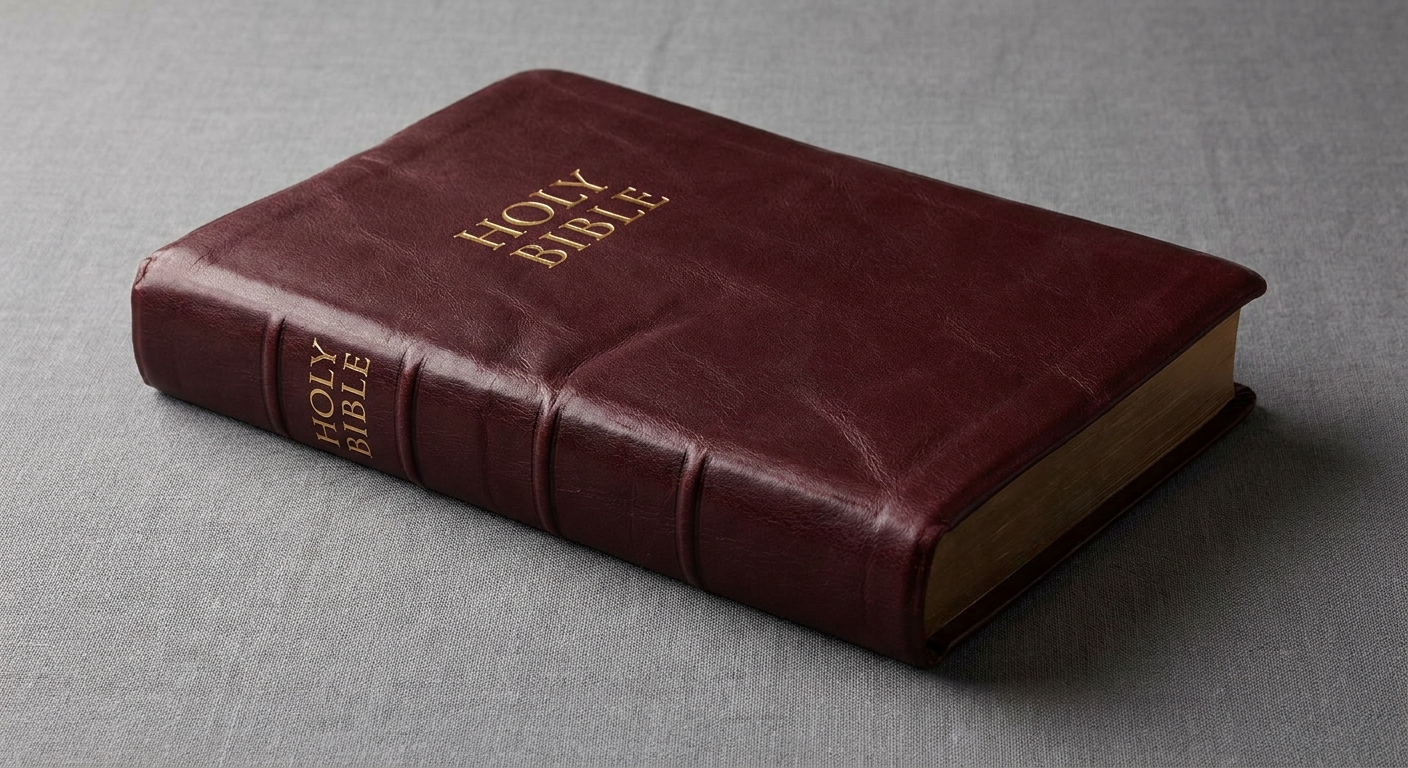
Yes, a hardcover format protects a genuine leather bible by utilizing rigid greyboards that prevent pages from bending, creasing, or folding. This highly stable structure shields the fragile interior sheets from heavy crushing forces during shelf storage. It provides the ultimate protection for thick study editions.
Why do study editions use heavy boards?
The thick internal boards support heavy page blocks containing thousands of scriptures and study notes. This keeps the book spine perfectly straight when resting upright on a shelf.
This architectural layout prevents the fragile pages from shifting and tearing along the spine. It provides exceptional, long-term safety.
- Crush Protection: Rigid covers absorb impact and prevent page corner folds.
- Decorative Canvas: Offers a perfectly flat surface for beautiful foil stamps.
- Spine Alignment: Prevents massive page blocks from sagging over time.
Is a rigid cover ideal for reading?
You will find that a hardcover lays flat on a desk, providing a comfortable, hands-free reference station. This setup is highly popular among academic scholars and teachers.
Here is the deal: a rigid layout acts as its own miniature desk during active study. It provides structural security that flexible softcovers simply cannot match.
| Metric | Hardcover Binding | Softcover/Paperback | |
|---|---|---|---|
| Page Corner Safety | Excellent (Rigid frame) | Minimal (Prone to bending) | |
| Upright Storage Life | Century-scale stability | Cover bows under page weight | |
| Handling Profile | Solid and heavy | Lightweight and flexible |
This structural comparison outlines why institutional libraries and collectors select rigid hardcover bindings for high-use reference books.
Key Takeaway: Sourcing a rigid hardcover design keeps your delicate, thin pages safe from getting folded or crushed in high-traffic study environments.
Can softcover replace a genuine leather bible?
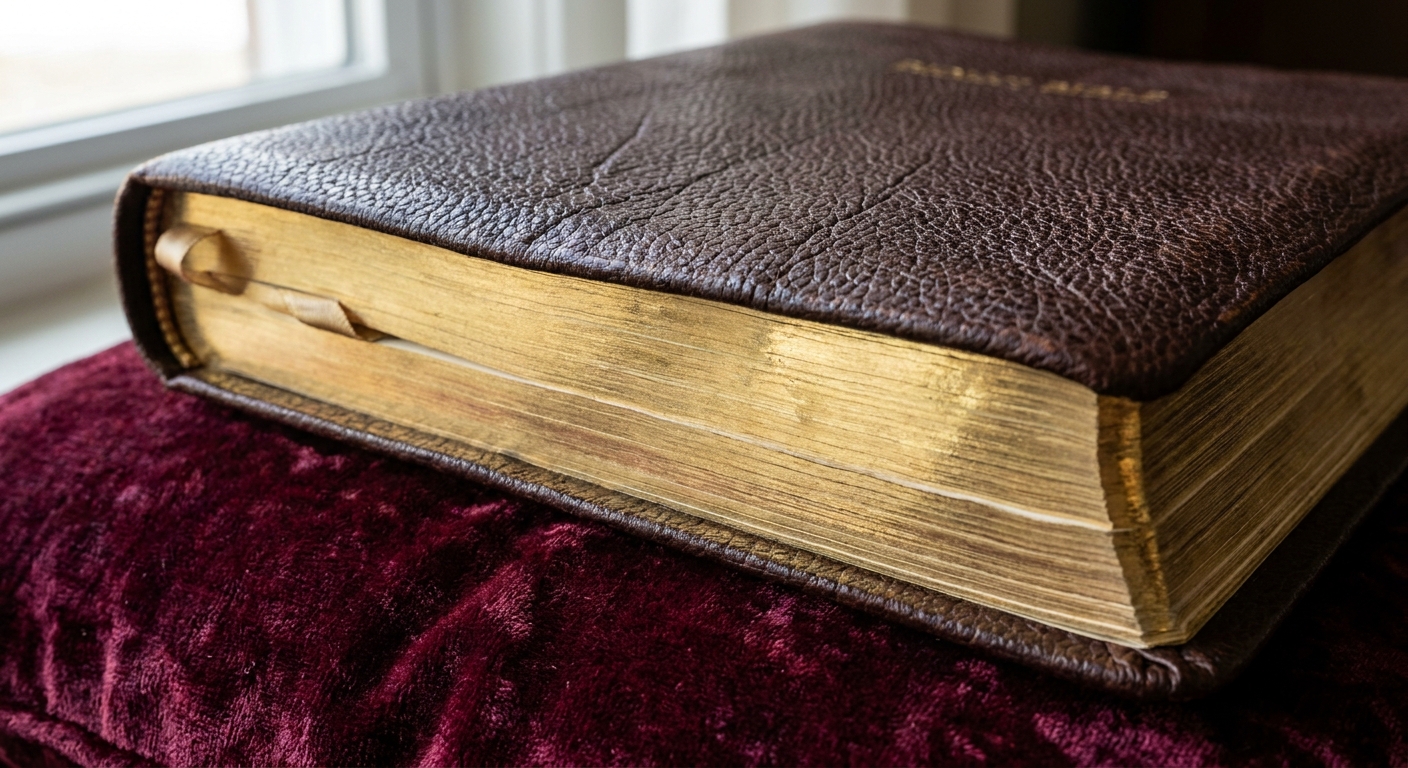
No, a softcover cannot fully replace the luxurious prestige of a genuine leather bible , but it offers incredible portability and flexibility for active readers. Softcovers utilize flexible backing boards wrapped in thin materials, making them ideal for travel editions. This binding method is popular for travel editions and pocket-sized publications.
Why do active readers prefer softcovers?
The lightweight, flexible build fits easily into compact bags and deep pockets. You can read comfortably with one hand while commuting on public transport.
This flexible construction guarantees that your book remains travel-friendly in any environment. It reduces holding fatigue during extended reading periods.
- Low Weight: Reduces fatigue during extended periods of reading.
- Pliant Spine: Bends easily without showing permanent creasing.
- Sleek Profile: Saves physical space in tight travel backpacks.
How do softcovers help lower shipping costs?
You will save significantly on bulk shipping fees because flexible materials reduce the overall weight of each carton. This makes global distribution highly economical.
But wait, there’s more: softcovers allow publishers to offer a flexible, tactile reading experience without the high production costs of heavy board structures. It is a smart choice for modern, mobile lifestyles.
| Shipping Factor | Flexible Softcover | Rigid Hardcover | |
|---|---|---|---|
| Unit Weight | Extremely light | Medium to heavy | |
| Packing Volume | Highly compact | Bulkier box sizes | |
| Bulk Freight Cost | Low and economical | High shipping charges |
This logical breakdown demonstrates how choosing flexible softcovers can optimize your distribution logistics while keeping readers comfortable on the move.
Key Takeaway: Choosing a flexible softcover format maximizes your book’s portability, making it easy for readers to study scriptures anywhere.
How do you print a genuine leather bible?
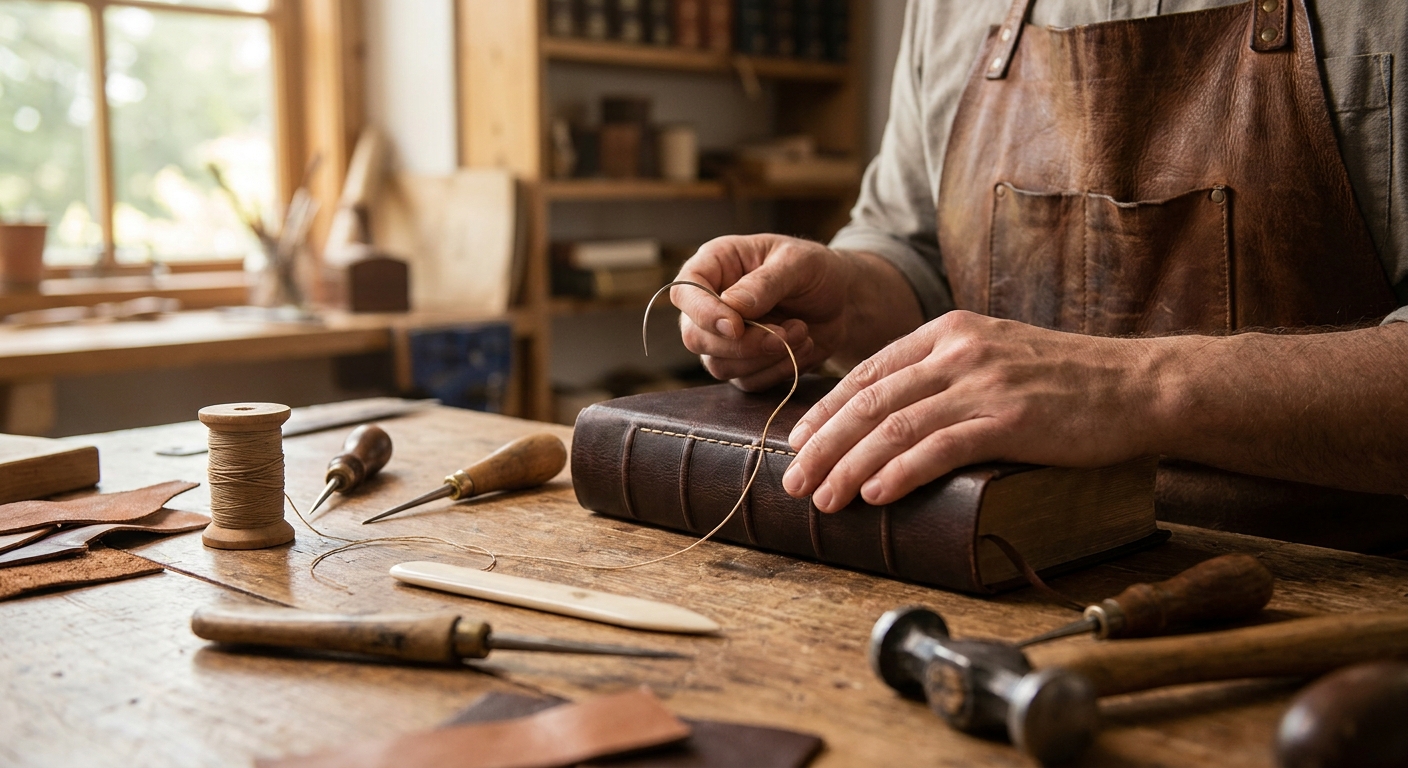
Printing a genuine leather bible requires specialized low-gsm paper handling presses, Smyth-sewn binding machines, and expert hand-casting techniques. These delicate procedures prevent thin scriptures from tearing or wrinkling during high-speed production. Each signature must be perfectly aligned to ensure a flawless final block.
Why is Smyth sewing critical for scriptures?
Standard hot-glues break down over time, causing thin pages to slide out of the spine. Smyth-sewing stitches individual page sections with high-strength threads.
This stitched binding is a mandatory requirement for high-end theological books. It guarantees a lifetime of reliable use.
- Flat Opening: Stitched spines allow the book to lie completely flat.
- Thread Security: Physical knots prevent loose pages from falling out.
- Spine Longevity: Thread flexion survives a lifetime of continuous opening.
How are lightweight paper sheets handled?
You must use specialized air-suction feeders to transport thin paper sheets without causing folding. Standard mechanical rollers would instantly shred the delicate material.
Think about it: printing on 28gsm paper requires a master touch that general book printers simply do not possess. It is a highly specialized craft that demands years of manufacturing experience.
| Sourcing Factor | Smyth-Sewn Printing | Glue perfect-bound | |
|---|---|---|---|
| Page Flatness | Opens flat on tables | Resists opening; snaps shut | |
| Stitch Lifespan | Decades of heavy study | Glue cracks within 3 years | |
| Thin Paper Safety | Excellent (Secure thread) | Poor (Glue fails on thin sheets) |
This technical breakdown illustrates why professional Smyth sewing is essential for keeping delicate, high-page-count volumes intact.
Key Takeaway: Sourcing from a printer with specialized thin-paper machinery ensures your scriptures open flat and last for generations without page loss.
Where do you buy a genuine leather bible?
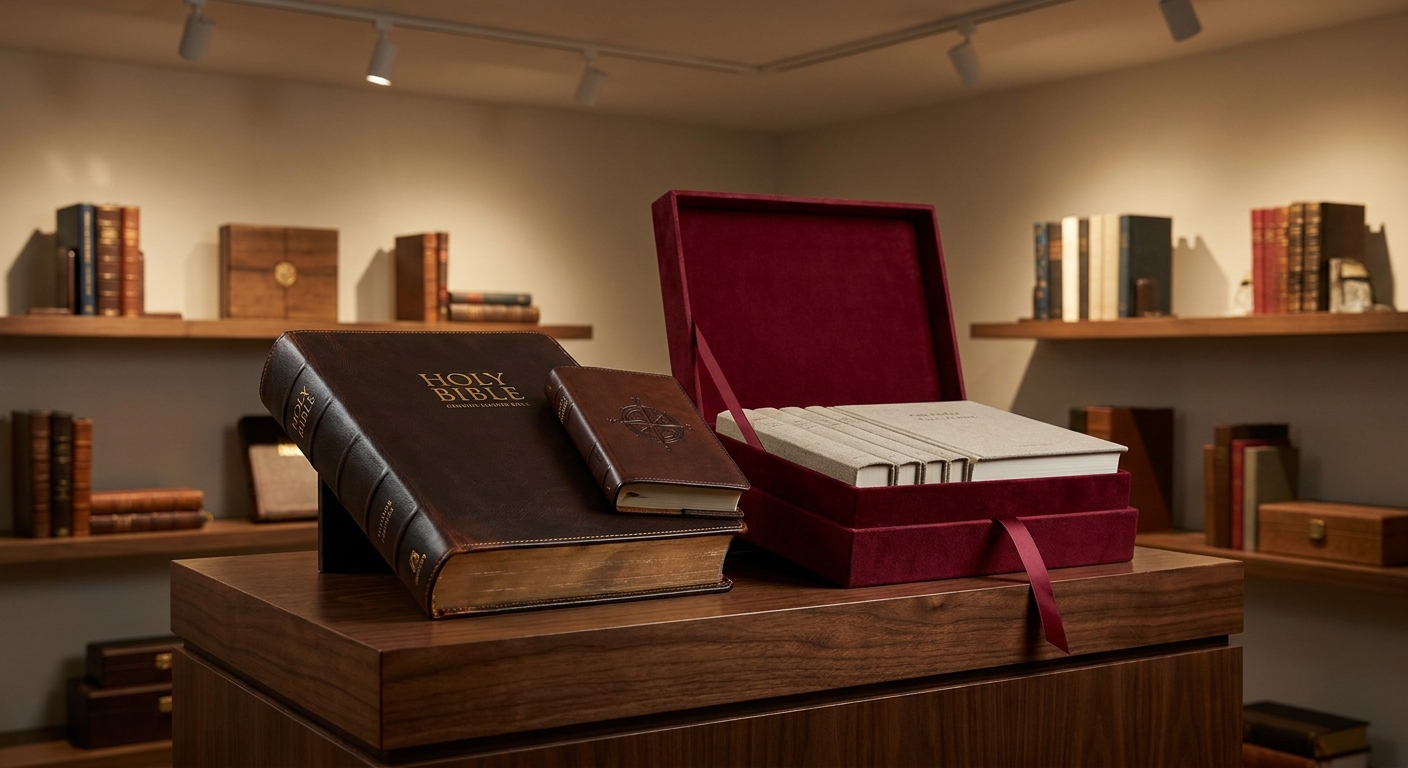
You should order a genuine leather bible directly from a verified B2B manufacturing factory like King Tai, which provides integrated printing and premium custom packaging services. This direct-to-factory model ensures absolute quality control and stable global export logistics. It streamlines your supply chain by removing unnecessary middlemen.
Why is one-stop manufacturing so valuable?
You avoid the headache of coordinating with separate book printers and box makers. King Tai produces both your premium Bibles and matching custom gift boxes under one roof.
This integrated manufacturing model reduces error rates and speeds up total lead times. It guarantees structural consistency across all components.
- Perfect Fit: Custom slipcases match the exact book dimensions.
- Unified Color: The box cover colors match the leather tones perfectly.
- Single Invoice: Streamlines your procurement accounting and paperwork.
How does King Tai verify quality beforehand?
You can order a complete pre-production sample to inspect the leather texture, gilding, and stitch alignment before committing to a bulk production run. This minimizes project risks.
Here is the deal: King Tai has over 20 years of B2B export experience, ensuring your custom orders are manufactured flawlessly and delivered safely on schedule. Our team supports you throughout the design process.
| Business Standard | King Tai Service | General B2B Factories | |
|---|---|---|---|
| Product Scope | Books & packaging in-house | Books only (No box manufacturing) | |
| Quality Assurance | Physical pre-production sample | Digital 3D proofing only | |
| Communication | Direct English B2B specialists | Automated translation systems |
This clear operational comparison highlights the safety and efficiency of working with an integrated, export-experienced B2B manufacturing specialist.
Key Takeaway: Partnering with King Tai secures a reliable, streamlined supply chain that delivers beautiful, custom-branded book packages directly to your door.
Frequently Asked Questions
- Can I order a custom sample before committing to a bulk run?
Yes, you can. King Tai produces complete, high-end physical samples so you can inspect the leather quality, stitching, and foil stamps before mass manufacturing.
- What’s the best binding style for high-use scripture editions?
Smyth-sewn genuine leather is the absolute best option. This binding combination allows the book block to open completely flat while providing decades of hinge durability.
- How do I know if my cover material is authentic animal hide?
You can inspect the surface for natural grain irregularities. Genuine leather will show random pore placements and minor scars, whereas synthetics have a repeating, perfectly uniform printed pattern.
- Can I print custom packaging boxes alongside my book order?
Absolutely, you can. King Tai is a true one-stop packaging and printing manufacturer, meaning we develop matching rigid gift boxes and slipcases tailored to your specific book dimensions.
Conclusion
Selecting the ideal binding style is the single most critical factor in determining the visual appeal, daily performance, and overall lifespan of your scripture publications. While synthetic leatherette and paperbacks serve highly valuable roles for budget outreach distributions, nothing can replicate the timeless feel and generational durability of a authentic leather binding. Sourcing these complex materials requires an experienced hand, specialized equipment, and direct communication to avoid expensive assembly failures.
At King Tai, we specialize in helping publishers, ministries, and brands execute premium, complex book bindings with absolute precision. Our dedicated factory delivers flawless Smyth-sewn scriptures, custom leather covers, and integrated premium gift boxes under one roof. If you are ready to elevate your scripture publishing projects with reliable B2B manufacturing, direct communication, and factory-level pricing, contact us today to receive a comprehensive quote. Let us preserve history and design stunning, generational heirlooms together.