
The ideal choice between paperboard and wooden watch boxes depends entirely on your brand’s positioning, budget constraints, and shipping strategies, with paperboard offering unmatched cost-efficiency and wood delivering ultimate luxury. Imagine launching a stunning new timepiece line, only to watch your profit margins vanish under the weight of astronomical shipping fees and bulky packaging costs. This is the exact packaging dilemma that keeps watch brand founders awake at night, but selecting the right premium watch box materials resolves this tension by perfectly balancing elegance with structural efficiency.
Are paperboard watch box materials right for you?
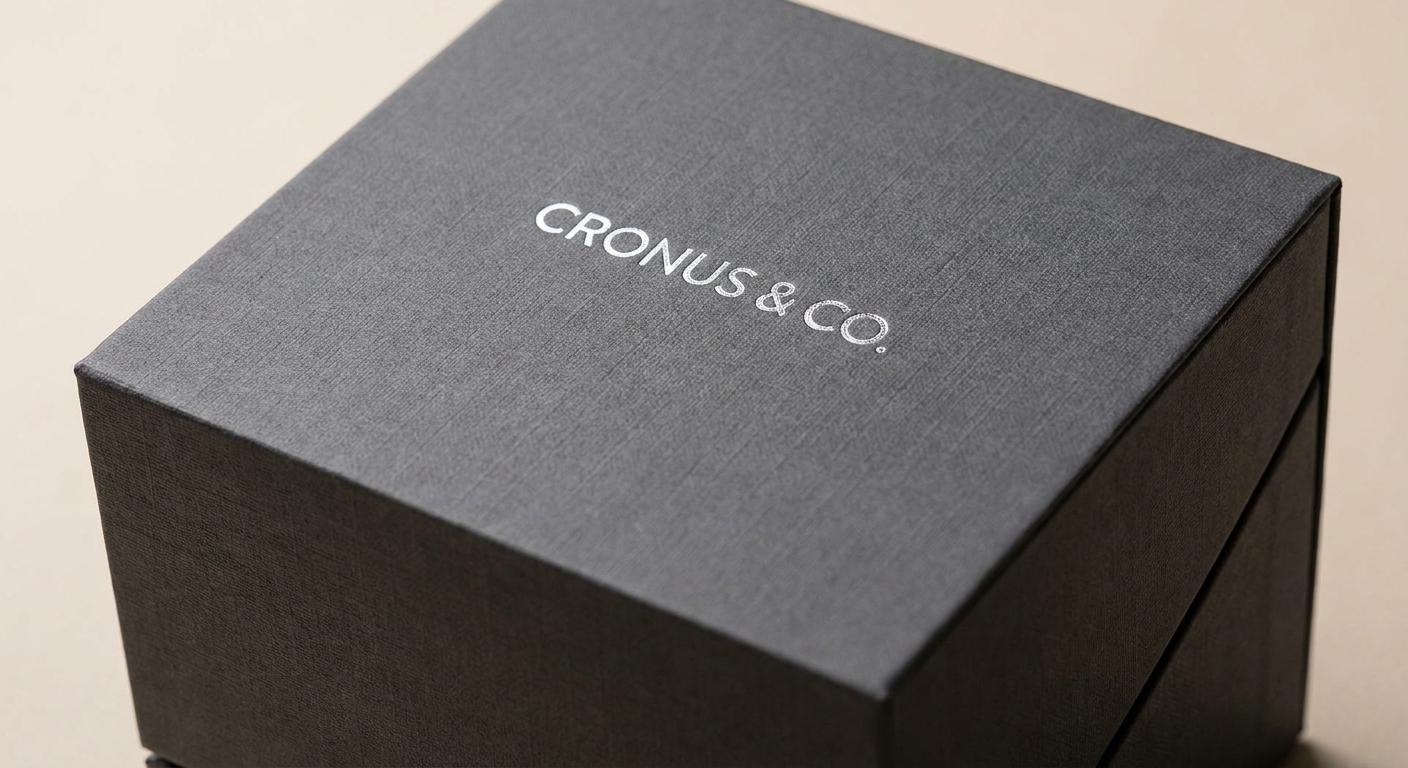
Paperboard watch box materials are highly suitable if you need a cost-effective, lightweight, and versatile packaging solution that does not compromise on modern aesthetics. Choosing premium paperboard watch box materials allows you to execute intricate printing designs and foil stamping at a fraction of the cost of rigid containers. This makes them a dominant choice for contemporary e-commerce watch brands seeking rapid deployment.
What Is the Definition of Paperboard Packaging?
Paperboard packaging refers to heavy-duty, paper-based materials that are engineered to be thicker and more rigid than standard paper while remaining highly foldable. You will find that these structures provide exceptional protective cushioning for your retail products.
- Thicker grade construction (usually above 12pt or 250 gsm).
- Eco-friendly and recyclable cellulose fibers.
- High compatibility with custom matte and glossy laminations.
But here’s the catch:
Not all paperboard is created equal, meaning you must carefully select high-density grayboard or kraft cardstock to guarantee structural integrity during long-distance transit. When you choose premium-grade paperboard, you ensure that your boxes do not warp or bend under pressure.
Key Takeaway: Choosing high-density paperboard ensures that your brand achieves an upscale look without paying the premium prices of solid-wood alternatives.
What Are the Key Structural Characteristics?
The primary structural features of premium paperboard include its lightweight composition, folding flexibility, and excellent shock-absorption capabilities. These properties enable you to create highly secure, custom-fit inserts that keep your timepieces perfectly in place.
- Rigid grayboard core for structural stability.
- Customizable EVA foam or velvet-lined inserts.
- Magnetic closures and seamless two-piece setups.
Think about it.
By adopting these lightweight structures, you dramatically lower your overhead costs while maintaining a sophisticated unboxing experience that customers love. Your logistics team will thank you for selecting a layout that is so easy to handle and stack.
| Feature | Paperboard Watch Box | Benefit for Your Brand | |
|---|---|---|---|
| Weight | Extremely Lightweight | Minimizes international air freight charges | |
| Design Flexibility | Unlimited Printing & Foiling | Allows exact Pantone matches and brand alignment | |
| Storage Space | Flat-pack or Compact Rigid | Optimizes your warehouse efficiency |
This table clearly illustrates how paperboard structural properties directly translate into tangible cost savings and design versatility for your business.
Key Takeaway: Maximizing paperboard’s structural traits allows you to craft highly protective, visually stunning packaging at a highly optimized price point.
Why choose wooden watch box materials for luxury?
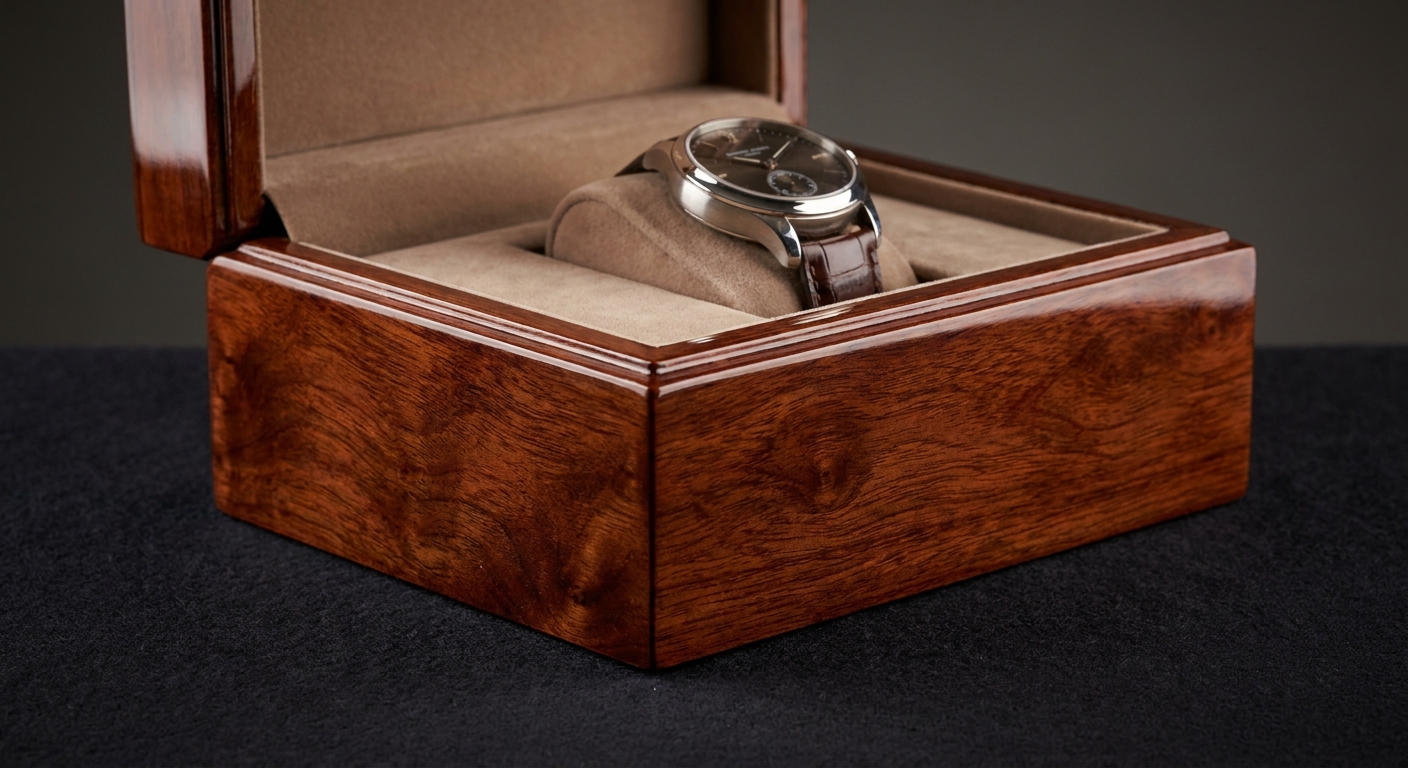
You should choose wooden watch box materials when your brand focuses on high-end luxury, heritage, and providing an heirloom-quality presentation that justifies a premium price point. Investing in premium watch box materials made of real wood establishes an immediate sense of weight, prestige, and timelessness. These containers act as a permanent storage solution for collectors, ensuring your brand remains visible long after the initial purchase.
What Is the Definition of Wooden Packaging?
Wooden packaging for watches refers to premium boxes constructed from natural solid wood or medium-density fiberboard (MDF) finished with luxurious wood veneers. You can choose from various wood types like mahogany, walnut, oak, or cherry to match your design aesthetic.
- Solid wood cores for maximum structural density.
- Premium wood veneers with high-gloss piano lacquer finishes.
- Polished metal hinges and secure lock closures.
Here is the thing:
This type of packaging is specifically designed to convey permanence and high financial value to the buyer. When you hand a customer a heavy, polished wood box, they instantly know they are holding something of exceptional quality.
Key Takeaway: Wood packaging transforms the box from simple disposable wrapping into a highly valued keepsake that elevates your product’s perceived worth.
What Are the Key Structural Characteristics?
The core structural characteristics of wood boxes include supreme impact resistance, rigid structural walls, and an unmatched weight that commands respect. These boxes are built to endure for decades, protecting delicate watch movements from dust, moisture, and physical shocks.
- Durable mitered joints for robust corner strength.
- Plush faux leather or suede interior linings.
- Precision-routed channels for seamless lid fitment.
Want to know the real story?
The sheer physical presence of a wood box creates an unboxing ritual that paper-based options simply cannot replicate. You are not just buying a container; you are investing in a protective vault for your masterfully crafted timepieces.
| Feature | Wooden Watch Box | Benefit for Your Brand | |
|---|---|---|---|
| Durability | Exceptionally Long-lasting | Serves as a lifelong dresser display for the user | |
| Aesthetics | Natural Grain & Gloss Lacquer | Reflects classic heritage and ultra-luxury status | |
| Protection | Solid, Non-bending Walls | Provides maximum protection against heavy drops |
This comparative overview details why wood remains the undisputed gold standard for luxury watch presentation and long-term storage.
Key Takeaway: Leveraging wood’s heavy structural properties allows your brand to command a significant premium and secure lifelong customer loyalty.
How do these watch box materials compare directly?
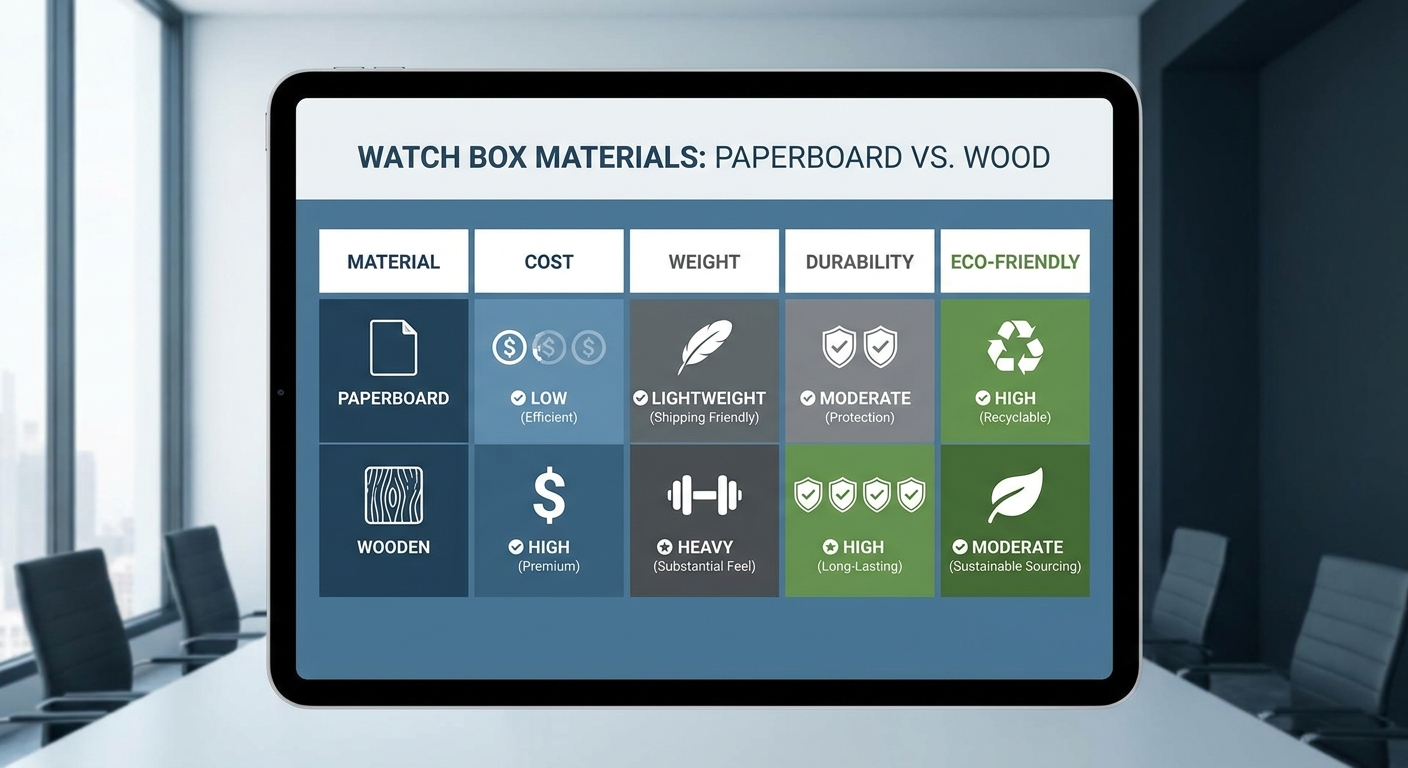
These watch box materials compare directly across manufacturing costs, shipping weights, lead times, and brand positioning, forcing you to choose between paperboard’s agility and wood’s prestige. Selecting the right watch box materials requires a careful analysis of how your target audience perceives packaging weight versus eco-friendly simplicity. By understanding these trade-offs, you can align your operational budget with customer expectations.
What Are the Cost and Lead Time Differences?
Paperboard boxes feature significantly lower production costs and shorter manufacturing lead times, making them highly efficient for seasonal rollouts. You can expect paperboard orders to be completed in half the time required for handcrafted wood.
- Paperboard lead times: 15 to 25 days on average.
- Wood lead times: 45 to 60 days due to lacquer curing.
- Lower tooling and setup costs for paperboard runs.
And the best part?
The lower capital requirement of paperboard frees up your cash flow, allowing you to invest more heavily in watch manufacturing and marketing campaigns. This financial flexibility is invaluable when you are trying to scale your operations quickly.
Key Takeaway: If your launch timeline is tight and capital preservation is key, paperboard is the hands-down winner for your supply chain.
How Do Shipping Weight and Production Lead Times Compare?
The massive weight discrepancy between wood and paperboard dramatically affects your international air freight costs and parcel delivery expenses. You will discover that shipping wood boxes can sometimes cost more than the manufacturing of the box itself.
- Average paperboard box weight: 150g to 300g.
- Average wooden box weight: 800g to 1.5kg.
- Air shipping charges are up to five times higher for wood.
But here’s the catch:
While paperboard allows for ultra-fast, affordable global shipping, wood demands slower ocean freight to keep transportation budgets manageable. You must decide whether your distribution model can tolerate the extended transit times associated with sea freight.
Key Takeaway: Choosing lightweight paperboard can cut your global shipping costs by up to 70%, boosting your e-commerce margins significantly.
How Does Material Choice Impact Brand Perception?
Your choice of packaging material serves as a silent ambassador for your brand, instantly communicating your product’s price bracket and values. Modern consumers associate heavy wooden boxes with high heritage luxury, whereas clean paperboard conveys minimalist, eco-conscious sophistication.
- Wood signals heritage, craftsmanship, and luxury.
- Paperboard signals modernism, sustainability, and efficiency.
- Custom textures can elevate paperboard to feel semi-luxurious.
Think about it.
If you pair an expensive automatic watch with a cheap-feeling box, you risk disappointing the consumer during their critical first physical interaction. You must align the packaging material with your watch’s actual retail price point to build trust.
| Material | Unit Cost | Shipping Weight | Lead Time | Perception | |
|---|---|---|---|---|---|
| Paperboard | 1.50−4.00 | Very Light | 2-3 Weeks | Modern / Eco | |
| Wooden | 8.00−25.00+ | Very Heavy | 6-8 Weeks | Luxury / Heritage |
This table highlights the stark operational differences that you must evaluate before finalizing your watch box material selection.
Key Takeaway: Selecting the right material ensures a cohesive brand story that justifies your price tag and delights your target market.
When should you pick paperboard watch box materials?
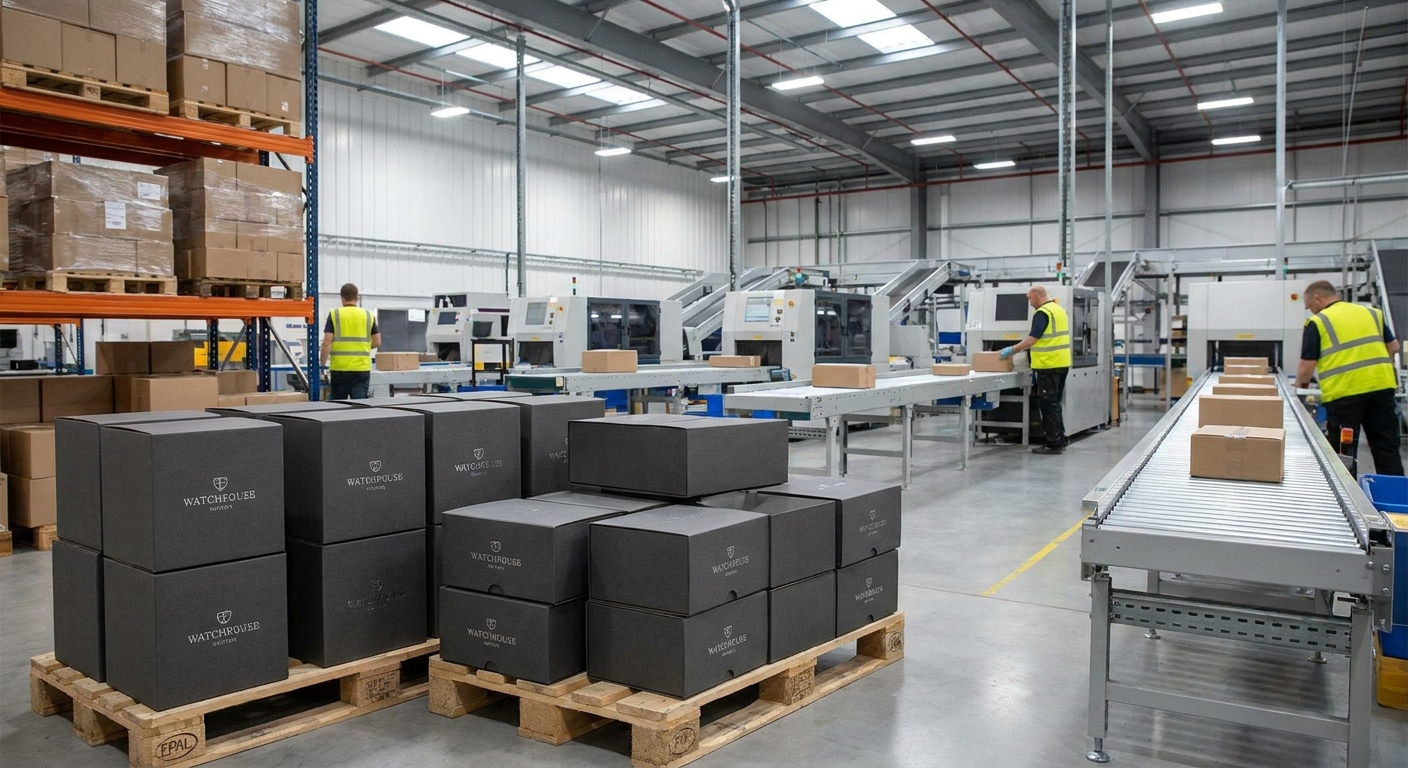
You should pick paperboard watch box materials when your sales model relies heavily on direct-to-consumer (DTC) e-commerce, rapid scaling, and eco-friendly brand positioning. Utilizing lightweight watch box materials helps you maintain healthy margins by slashing your fulfillment and warehousing expenses. Furthermore, it allows you to appeal directly to the massive segment of environmentally conscious shoppers who prefer recyclable packaging.
When Are Startup and E-commerce Brands Best Served?
Startup watch brands operating on lean budgets are best served by paperboard because it requires a much smaller initial capital outlay. You can launch your brand with diverse packaging designs without being locked into massive, expensive inventory commitments.
- Low minimum order quantities (MOQs) lower entry barriers.
- Fast design iterations let you test new trends quickly.
- Compact dimensions save valuable storage space in home offices.
And the best part?
Your shipping speeds will be faster, as lightweight packages are quicker to process through automated postal sortation centers. This efficiency helps you meet the tight delivery windows that modern online buyers expect.
Key Takeaway: Paperboard provides the agility and low financial risk that early-stage e-commerce watch brands need to survive and grow.
When Is Cost Control and Fast Scaling the Priority?
When your primary business objective is rapid scale-up and strict unit cost containment, paperboard is your most reliable strategic asset. You can produce tens of thousands of premium paperboard boxes in a fraction of the time it takes to hand-assemble wood containers.
- Automated die-cutting and assembly maximize speed.
- Bulk material discounts dramatically lower unit costs.
- High-yield production runs prevent out-of-stock packaging bottlenecks.
Here is the thing:
Scaling brands require a supply chain that can keep pace with sudden spikes in demand, especially during Q4 holiday shopping rushes. Paperboard’s highly automated production lines ensure you never miss a critical sales window due to packaging delays.
| Brand Stage | Recommended Material | Production Speed | Cost Control | |
|---|---|---|---|---|
| Startup / Testing | Paperboard | Ultra-Fast | Excellent | |
| Rapid Scale Phase | Paperboard | High-Volume Automated | Outstanding | |
| Mature High-Volume | Paperboard or Hybrid | Consistent Flow | Maximized |
This matrix demonstrates why paperboard is the preferred packaging medium for watch brands prioritizing cost efficiency and operational scaling.
Key Takeaway: Prioritizing paperboard during your high-growth phases guarantees that your packaging supply chain never restricts your commercial momentum.
When are wooden watch box materials the best choice?
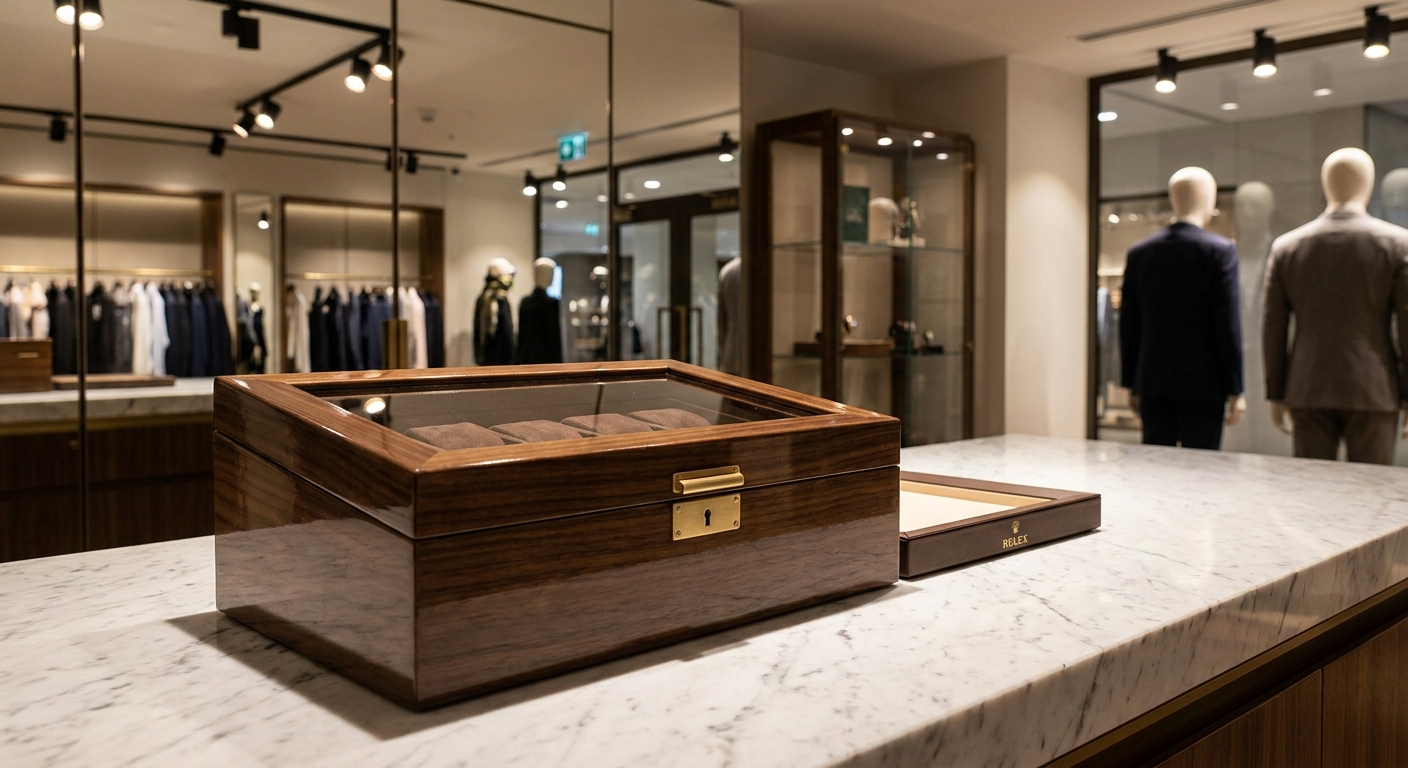
Wooden watch box materials are the best choice when your timepieces retail for over $500, target collectors, or require a high-end physical presence in traditional boutique retail environments. Selecting solid wood or MDF watch box materials ensures that your packaging matches the high-caliber mechanical craftsmanship of the timepiece inside. This premium approach justifies your high retail prices and drives powerful word-of-mouth recommendations among affluent buyers.
When Do Luxury and Limited Edition Brands Benefit?
Luxury and limited edition timepiece lines benefit immensely from wood packaging because it establishes an exclusive, premium sensory experience from the moment of contact. You can utilize exotic wood grains and custom brass plaque inlays to highlight the rare nature of the watch.
- Indicates a high-tier product tier (limited runs).
- Complements precious metal cases and fine Swiss movements.
- Drives premium unboxing videos on social media platforms.
Want to know the real story?
Collectors often keep wooden watch boxes permanently displayed on their dressers or in safes, maintaining a continuous, physical connection to your brand. This persistent visibility significantly increases the likelihood of repeat purchases when they decide to expand their collection.
Key Takeaway: Wood packaging turns your container into a status symbol, reinforcing your brand’s position at the top of the luxury hierarchy.
When Is Packaging a Core Part of the Product Experience?
When your marketing strategy treats the packaging as an extension of the timepiece itself, wooden boxes become an indispensable part of your product offering. You can design these boxes with integrated watch winders, extra strap compartments, and custom care tool slots.
- Transforms the box into a highly functional storage valet.
- Allows you to bundle accessories like spring bar tools and extra straps.
- Creates a substantial, heavy feel that exudes mechanical luxury.
Think about it.
The physical weight and polished lacquer of a wood box evoke the craftsmanship of high-end horology, making the purchase feel like a true investment. You are selling an heirloom, and the container must tell that heritage story flawlessly.
| Watch Price | Target Audience | Recommended Material | Role of Packaging | |
|---|---|---|---|---|
| 100−499 | Casual / Fashion Buyers | Paperboard | Protection & Branding | |
| 500−1499 | Enthusiasts / Entry Luxury | Wood Veneer or Hybrid | Value Elevation | |
| $1500+ | Serious Collectors / Luxury | Solid Wood (Walnut/Mahogany) | Lifetime Heirloom Vault |
This table maps out how watch retail pricing and buyer profiles dictate the necessary grade of watch packaging.
Key Takeaway: Investing in wooden packaging for premium watches directly enhances customer satisfaction and helps maintain strong secondary market values.
How do watch box materials affect your B2B budget?
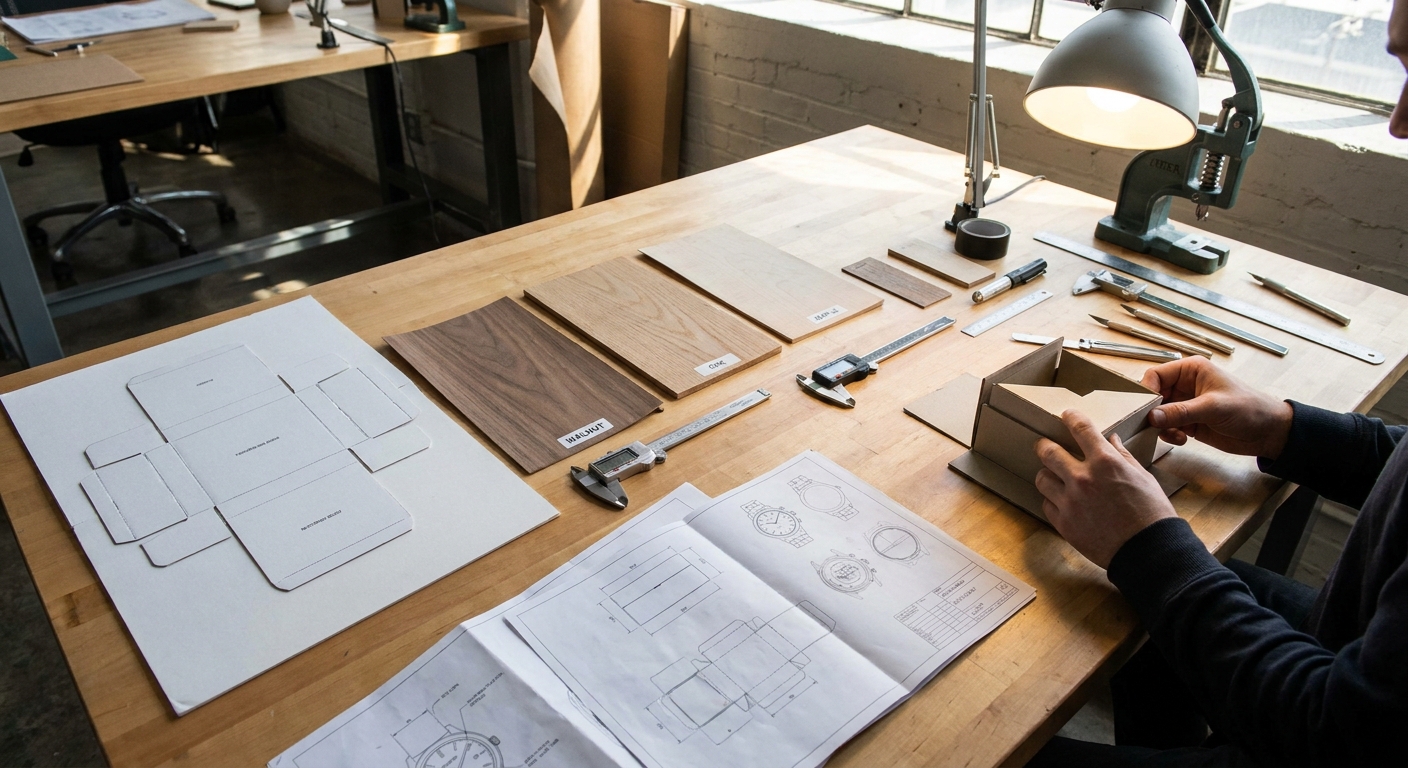
Your chosen watch box materials affect your B2B budget by establishing your initial tooling costs, minimum order requirements, warehousing storage fees, and ongoing international shipping rates. Choosing heavy, complex watch box materials requires a massive upfront capital commitment that can strain the cash reserves of emerging companies. Conversely, selecting lightweight options minimizes these financial risks, allowing for highly flexible capital allocation.
What Are the MOQ Expectations for Each Material?
Minimum order quantities (MOQs) vary depending on the structural complexity and production setup of different materials. Paperboard packaging offers more flexible entry points, while wooden boxes require slightly higher minimums due to additional craftsmanship and assembly processes.
- Paperboard MOQs: Typically starts from 50 units per run, making it suitable for flexible or early-stage orders.
- Wooden Box MOQs: Typically starts from 80 units per run, reflecting the additional labor and production requirements.
- Flexible paperboard sourcing allows for faster capital rotation.
But here’s the catch:
If you attempt to order custom wooden boxes in low volumes, the unit price can skyrocket to unsustainable levels. You must be prepared to commit to larger production volumes if you want to make wood financially viable.
Key Takeaway: Paperboard is ideal for brands needing low-risk, lower MOQ packaging entries to test market viability.
How Do Production Processes and Stability Differ?
The production of paperboard is highly automated and extremely stable, whereas wooden box manufacturing is highly manual and sensitive to environmental conditions. You must account for potential wood warping, lacquer imperfections, and longer quality control cycles in your production timeline.
- Paperboard: Automated die-cutting ensures millimeter-perfect consistency.
- Wood: Requires careful timber selection, kiln drying, and multi-stage sanding.
- Lacquer application requires dust-free cleanrooms and extensive drying times.
And the best part?
Because paperboard is less susceptible to climate-induced defects, you will experience significantly lower rejection rates during factory quality inspections. This stability ensures that your retail launch dates remain highly predictable.
Key Takeaway: Choosing automated paperboard production eliminates human error and guarantees highly consistent packaging runs.
How Does Your Decision Impact Sampling Costs?
Developing a physical prototype is an essential step in B2B packaging, but the associated sampling fees vary widely depending on your material choices. You can expect paperboard samples to be cheap and fast, while wood prototypes require custom carpentry and molding.
- Paperboard sampling: Taking 3 to 7 days.
- Wooden sampling: Taking 15 to 25 days.
- Paperboard digital templates allow for rapid, virtual design reviews.
Here is the thing:
High wood sampling costs can severely slow down your design approval phase if multiple iterations are required to perfect the lid fitment. You should utilize digital rendering and precise paper prototyping to minimize physical wood sampling runs.
| Cost Category | Paperboard Box | Wooden Box | Budget Impact | |
|---|---|---|---|---|
| Tooling & Setup | Low (100−300) | High (500−1,500+) | Upfront Cash Flow | |
| Sampling Fee | Very Low | Moderate to High | Design Phase Speed | |
| Storage Cost | Low (Compact/Folded) | Very High (Bulky/Assembled) | Warehouse Overhead |
This budget breakdown clearly shows how your initial material decision propagates through every stage of your product’s financial lifecycle.
Key Takeaway: Analyzing your total cost of ownership—from sampling to storage—is crucial to maintaining healthy margins on your timepieces.
How do you select the best watch box materials?
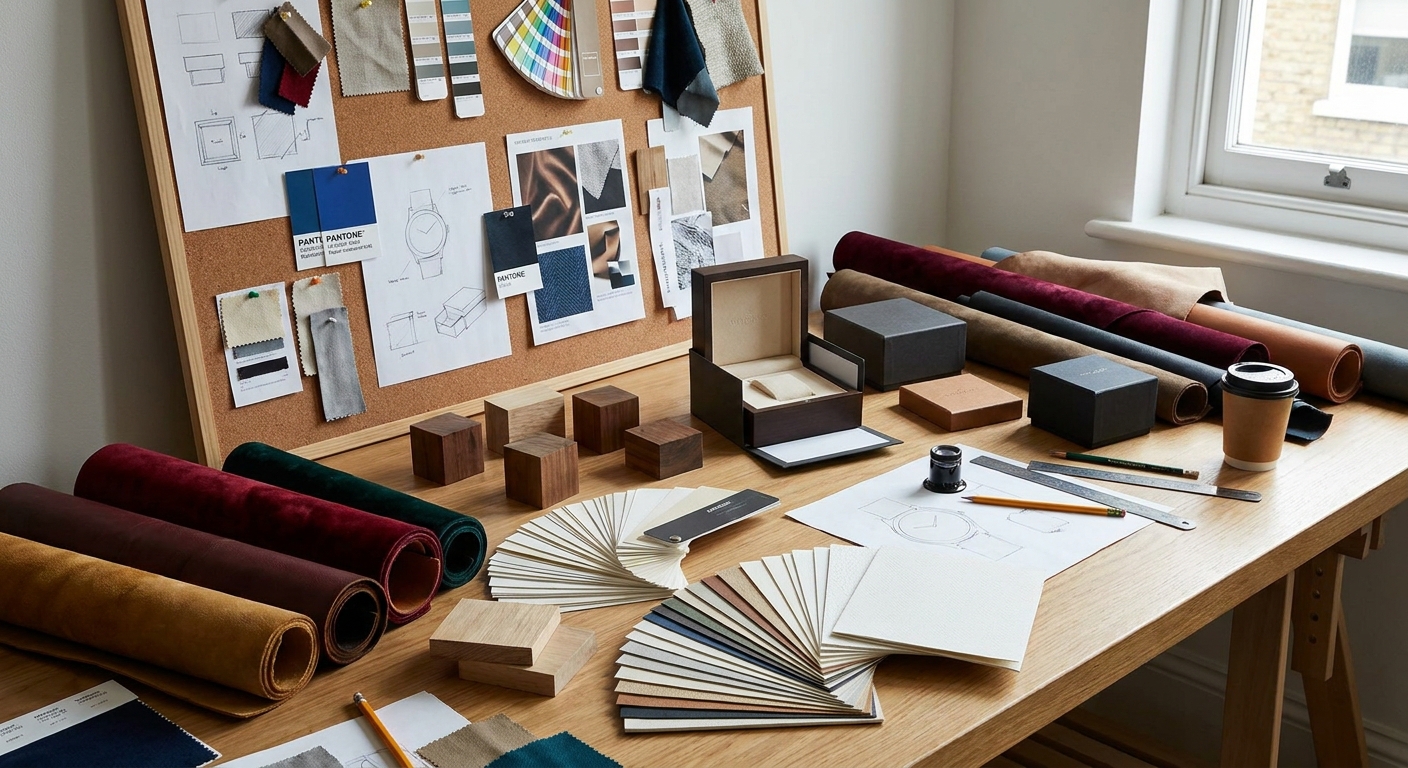
You select the best watch box materials by matching your target retail price with a precise mathematical assessment of shipping weights, brand positioning, and supply chain timelines. Evaluating various watch box materials through a structured decision matrix ensures that your final choice supports both your artistic vision and your financial realities. This balanced approach protects your company’s profitability while ensuring a delightful, memorable customer experience.
How Should Watch Price and Customer Perception Align?
Your packaging must align perfectly with your watch’s price bracket to avoid creating a jarring, disappointing consumer experience. You can use textured specialty papers to make budget-friendly paperboard feel incredibly premium, satisfying mid-tier buyers.
- Budget Watches (Under $150): Simple, clean paperboard is expected.
- Mid-Range Watches (150−499): Elevated textured paperboard or hybrid packaging.
- Premium Timepieces ($500+): Authentic wood boxes are highly recommended.
Want to know the real story?
A high-end automatic chronograph packaged in a thin, flimsy paper card envelope will instantly lower the customer’s perceived value of the watch. You must make sure the physical weight of the box prepares the buyer for the quality of the watch inside.
Key Takeaway: Aligning packaging weight with retail price points ensures your customers feel they received exactly what they paid for.
What Is the Ideal Decision Framework for Your Budget?
The ideal decision framework balances your target unit margins against the total logistics costs associated with your chosen container. You should construct a formula that accounts for manufacturing, air freight, warehousing, and local shipping fees.
- Identify your maximum acceptable packaging cost (typically 5-10% of retail).
- Calculate total shipping weight and air cargo volumetric impacts.
- Select the material that optimizes delivery speed and limits capital tying.
Think about it.
If your shipping fees wipe out the savings of cheaper manufacturing, you have selected the wrong material configuration. You need a holistic view of the supply chain to make a truly profitable B2B decision.
| Criterion | Paperboard Decision | Wood Decision | Optimal Path | |
|---|---|---|---|---|
| Margin Focus | High Volume, Low Cost | High Value, High Markup | Align with brand strategy | |
| Logistics | Fast DTC / Air Cargo | Bulk B2B Retail / Sea Cargo | Choose based on channel | |
| Sustainability | Easily Recyclable | Long-term Reusable | Match buyer demographic |
This strategic framework guides you to the most profitable and operational material setup for your specific business model.
Key Takeaway: Run a comprehensive cost analysis that goes beyond unit price to uncover the hidden shipping costs of your packaging choices.
Can you mix these creative watch box materials?
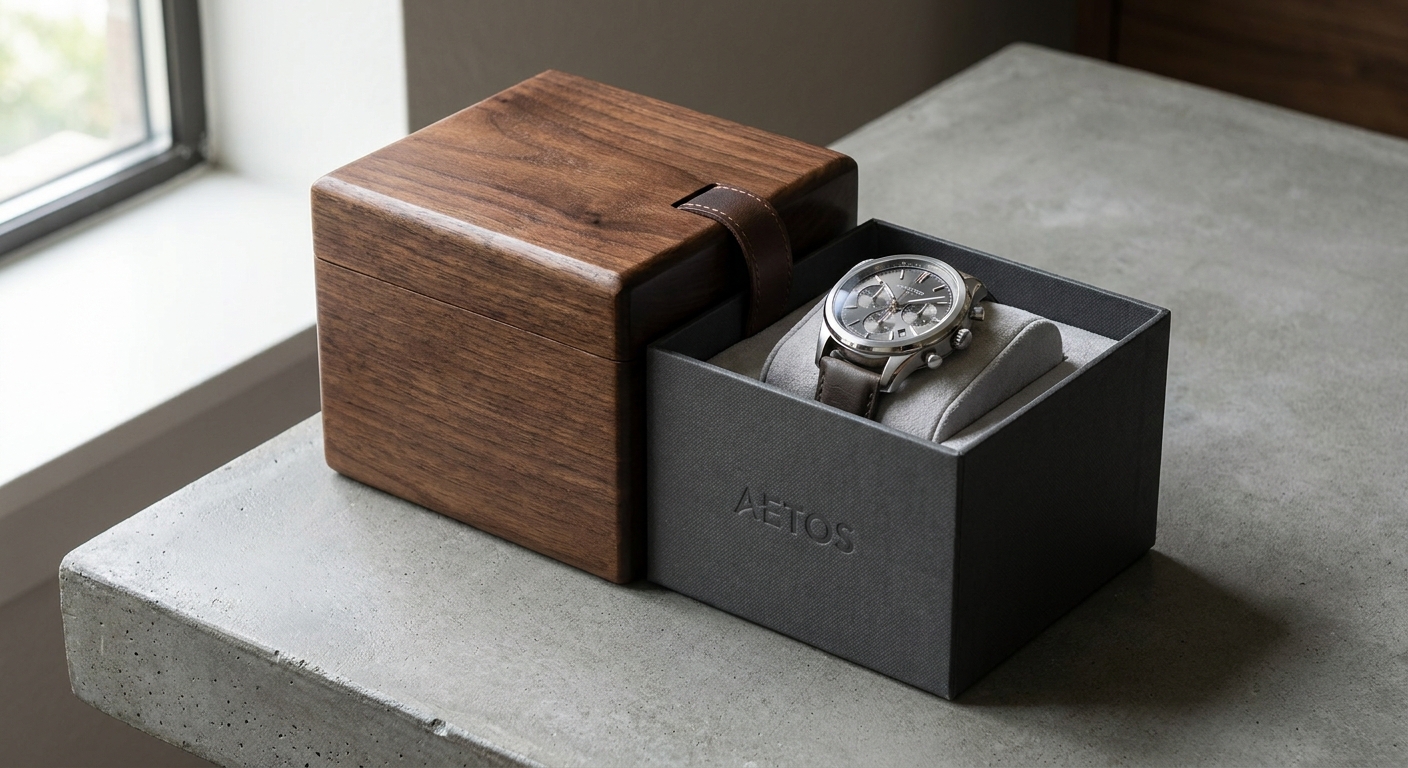
Yes, you can absolutely combine paperboard and wooden elements to create highly innovative, hybrid packaging designs that capture the benefits of both worlds. Blending these distinct watch box materials allows you to construct a packaging suite with a lightweight paperboard outer sleeve protecting a premium wood core. This strategic combination delivers the heavy prestige of wood to the consumer while keeping air freight costs highly manageable.
What Are Hybrid Packaging Structures?
Hybrid packaging structures utilize a smart combination of materials, such as an MDF wooden inner tray nestled inside a rigid paperboard shell. This setup allows you to leverage the structural strength of wood and the graphic versatility of printed paper.
- Wooden bases wrapped in textured, custom-printed paper.
- Paperboard lids paired with solid wood bases.
- Eco-friendly paper sleeves over compact wooden jewelry travel cases.
And the best part?
You can achieve highly complex, full-color graphic designs on the paper outer elements while maintaining the premium rigidity of wood underneath. This flexibility opens up endless creative possibilities for your marketing and design teams.
Key Takeaway: Hybrid structures allow your brand to deliver a highly complex, multi-textured unboxing experience that keeps buyers engaged.
Why Do Modern Brands Choose Hybrid Solutions?
Modern brands choose hybrid solutions because they offer an outstanding compromise between premium luxury presentation and strict shipping weight optimization. You will find that these configurations help you meet sustainability targets without sacrificing the luxury feel.
- Cuts shipping weights by up to 40% compared to full-wood boxes.
- Maintains a premium physical presence on retail shelves.
- Reduces overall material costs compared to solid mahogany or oak.
Here is the thing:
By utilizing paperboard elements on the exterior, you make the packaging far more recyclable and eco-friendly in the eyes of modern green shoppers. At the same time, the solid wood elements inside preserve the elite feel of a high-end watch.
| Packaging Component | Material Used | Primary Function | Cost / Weight Benefit | |
|---|---|---|---|---|
| Outer Case | Rigid Paperboard | Branding & Protection | Lightweight, easy to print | |
| Inner Holder | MDF Wood Veneer | Structure & Luxury Feel | Adds weight, premium display | |
| Insert Cushion | Suede Wrapped EVA | Securing Timepiece | Highly protective, soft texture |
This table shows how modern hybrid designs strategically assign materials to different components to optimize cost, weight, and visual impact.
Key Takeaway: Hybrid watch packaging is the ultimate choice for progressive brands aiming to deliver luxury quality while controlling shipping overheads.
What is our final watch box materials verdict?
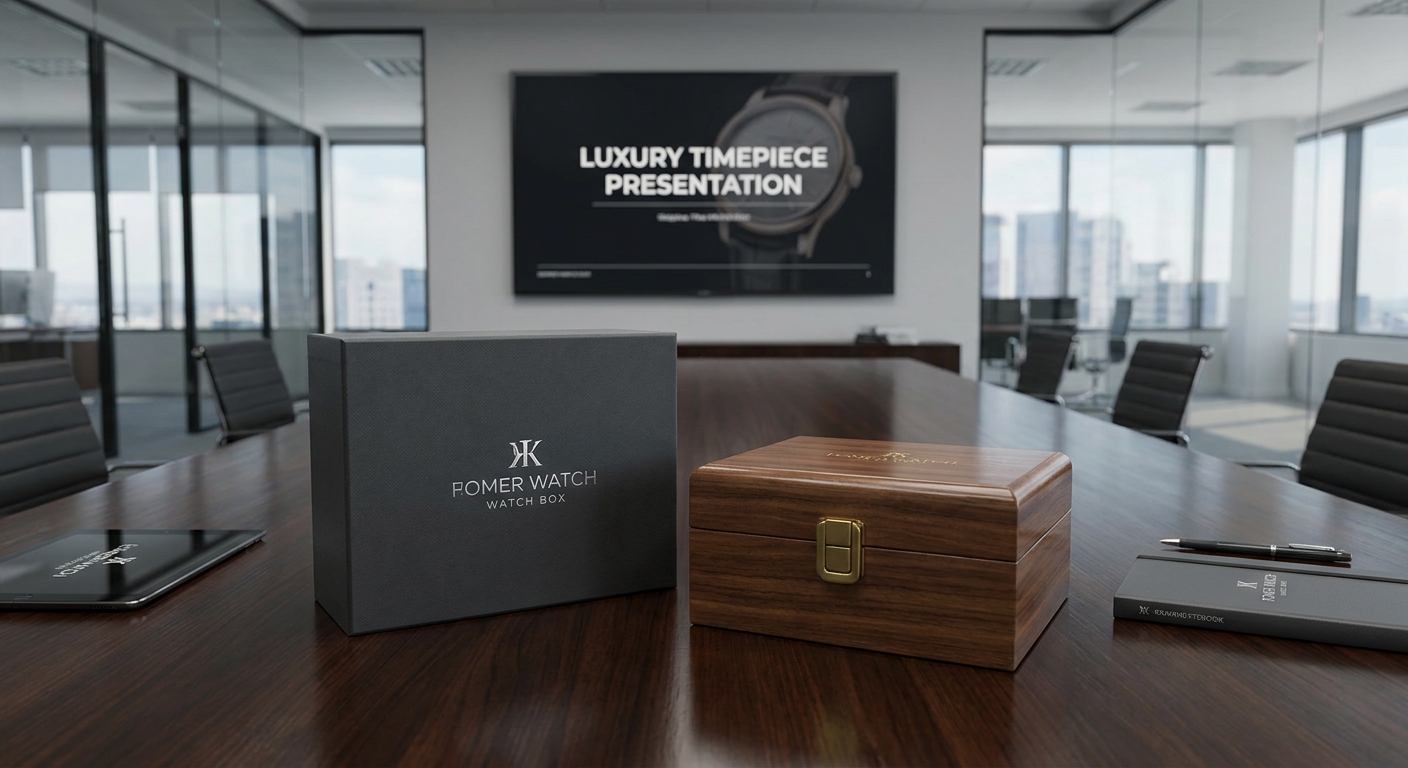
Our final verdict is that paperboard is the superior choice for high-volume, digital-first e-commerce watch brands, whereas wood remains indispensable for heritage luxury and high-ticket mechanical timepieces. Choosing the right watch box materials is a pivotal decision that directly shapes your customer journey and determines your long-term logistics margins. We recommend selecting a manufacturing partner that can execute both styles flawlessly, adapting to your growing product portfolio.
How Do You Match Brand Positioning and Budget?
To match your brand positioning and budget, you must objectively analyze your target customer demographics and your current logistical setup. You should choose paperboard if your audience values modern, eco-conscious aesthetics and speedy home deliveries.
- Assess your target retail price points carefully.
- Audit your shipping channels (direct mail vs. brick-and-mortar retail).
- Compare the upfront capital requirements against your cash flow.
But here’s the catch:
If you are selling high-end mechanical timepieces designed to last for generations, saving a few dollars on paper packaging will ultimately damage your brand equity. You must be willing to invest in premium wood to match the expectations of luxury watch collectors.
Key Takeaway: Packaging is a critical extension of your brand; choose the material that perfectly mirrors the value of your watches.
What Is the Ultimate Strategic Delivery Recommendation?
Our ultimate strategic recommendation is to work with an experienced B2B manufacturer like KingTai to design customized packaging that minimizes logistics costs while maximizing brand impact. You can leverage our cutting-edge manufacturing facility to prototype and produce both lightweight rigid paperboard boxes and premium handcrafted wooden boxes.
- Get access to professional, custom CAD structural packaging designs.
- Benefit from low MOQs on both paperboard and wood options.
- Optimize your global shipping costs with smart material engineering.
Want to know the real story?
Selecting the wrong materials can lead to crushed products during shipping, astronomical shipping invoices, and a lackluster brand reputation that kills customer retention. By choosing KingTai, you partner with a manufacturer dedicated to solving these exact pain points. Let us help you design, sample, and manufacture the ultimate presentation boxes that your timepieces deserve; contact us today to schedule a structural packaging consultation and elevate your brand’s retail presence.
| Material Choice | Best Suited For | Key Operational Advantage | Strategic ROI | |
|---|---|---|---|---|
| Paperboard | DTC E-commerce, Fast Fashion | Lower shipping & rapid production | Maximized Cash Flow | |
| Wooden | Luxury, Collectors, Retail | Highest perceived value & display life | Commands Premium Pricing | |
| Hybrid | Progressive Premium Brands | Optimized weight with luxury interior | Balanced Cost & Luxury |
This final matrix offers a clear road map for selecting the ideal packaging material based on your brand’s unique business goals.
Key Takeaway: Choosing KingTai as your manufacturing partner ensures that your watch packaging will be both beautiful and highly optimized for your bottom line.
What are the FAQs about watch box materials?
We have compiled the most common industry questions regarding watch box materials to help you make an informed decision for your brand’s upcoming product launch. Understanding the nuances of these watch box materials will prevent costly manufacturing errors and ensure your packaging meets all global shipping regulations. Let’s explore these critical operational questions in detail below.
Can I customize paperboard watch box materials to look like high-end wood?
Yes, you can absolutely customize paperboard to mimic the luxury appearance of wood by applying premium textured wood-grain papers, matte spot UV coatings, or tactile wood-texture laminations. This approach allows B2B brands to capture the visual warmth and prestige of natural wood while maintaining the cost-effective and lightweight benefits of paperboard.
What’s the best watch box materials option for international direct-to-consumer e-commerce shipping?
Rigid paperboard is the absolute best choice for international direct-to-consumer shipping due to its lightweight composition and high structural resilience. It minimizes air freight costs and parcel delivery expenses, saving your brand up to 70% in shipping fees compared to heavy wooden alternatives.
How do I know if my watch box materials are environmentally sustainable and recyclable?
You can verify sustainability by checking if your paperboard consists of FSC-certified, 100% biodegradable post-consumer recycled paper fibers with soy-based ink printing. For wooden materials, ensure they are constructed from sustainably harvested timber or recycled MDF that complies with CARB Phase 2 emission standards.
Can I use a hybrid design to capture the benefits of both watch box materials?
Yes, you can easily develop a hybrid design that blends a lightweight, protective outer paperboard box with an elegant, heavy wooden base plate or inner watch tray. This clever engineering allows your watch brand to command high luxury pricing while keeping international transport weights highly optimized.
How do I know if wooden watch box materials are worth the higher upfront cost and MOQ?
Wooden materials are highly worth the investment if your watches retail above $500 and you target luxury watch collectors who value premium heritage presentation. The heavy, polished feel of natural wood or high-gloss MDF creates an elite unboxing experience that justifies premium price points and drives long-term customer loyalty.