
Cigar box art gives a cigar brand a visual language before the box is opened. It can bring together illustration, typography, color, and finishing while the structure still needs to present the cigars clearly and support the agreed project requirements. This guide explains how brands can develop cigar packaging artwork that feels distinctive, practical, and ready for a custom packaging discussion.
What Makes Cigar Box Art Important to a Brand?
Cigar box art is more than decoration: it gives the customer a first impression of the blend, range, or brand character. A clear visual direction helps the box work as a recognizable product presentation rather than a generic container.
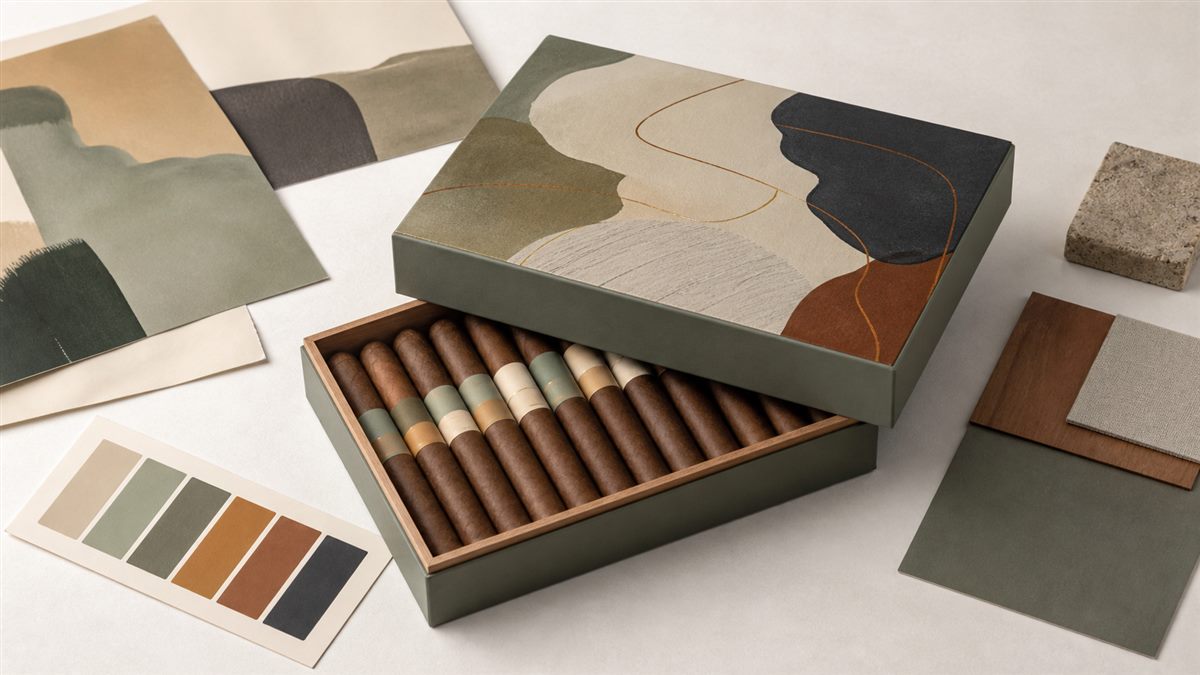
Start with one clear brand story
A visual system can draw on heritage, place, craft, or a contemporary point of view, but it should have a single organizing idea. That idea can guide the illustration style, type hierarchy, color direction, and details on the lid and sides.
- Define the desired customer impression before selecting motifs.
- Choose a visual tone that suits the cigar range.
- Keep important brand identifiers easy to recognize.
Key Takeaway: The strongest cigar box art turns a defined brand idea into a coherent first impression.
How Should the Artwork Work with the Box Structure?
Artwork should be planned around the actual surfaces and opening action of the box. A lift-off lid, hinged lid, or other approved format gives different areas for a central illustration, side information, and interior presentation.
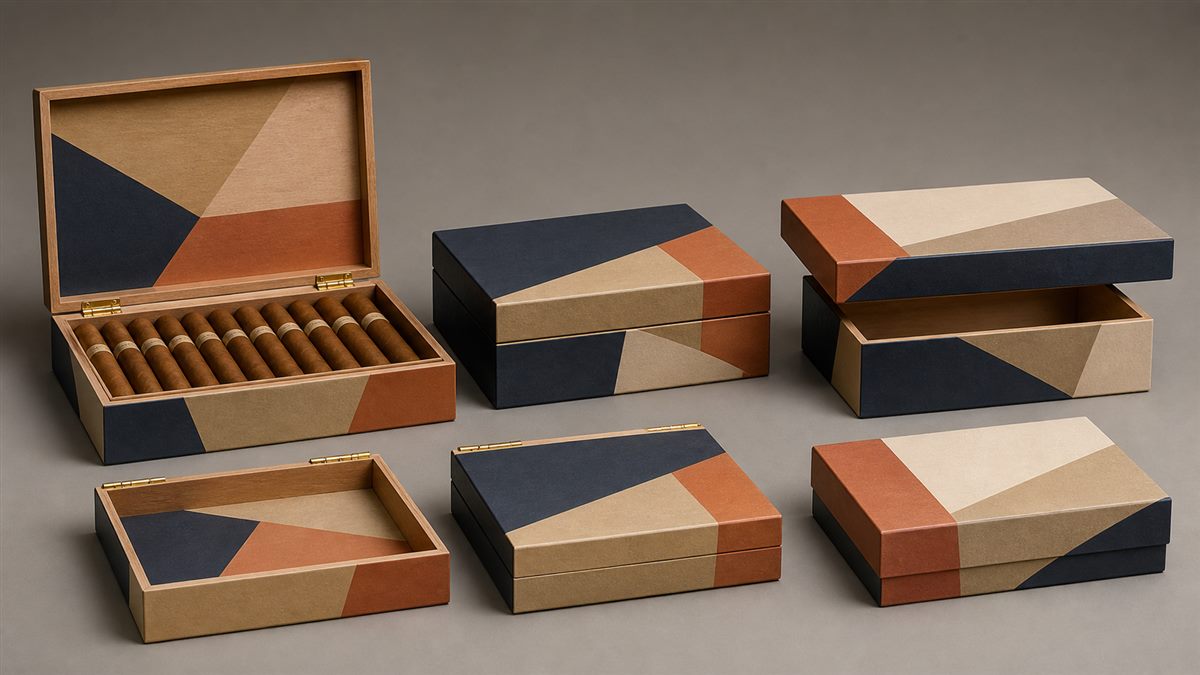
Map the visual hierarchy to the physical format
Identify what a customer sees first, what remains visible on shelf, and what is revealed after opening. This prevents a key visual from being divided by an edge, hidden by a closure, or weakened by a poorly considered side panel.
- Reserve the primary panel for the main brand message.
- Plan side and interior areas as supporting surfaces.
- Confirm the chosen structure before finalizing artwork placement.
For project-specific formats, review King Tai?? custom cigar boxes.
Key Takeaway: A compelling design begins with the box as an object, not a flat artwork file.
Which Visual Elements Create a Distinctive Cigar Box?
Illustration, typography, color, borders, emblems, and patterns can all contribute to a distinctive cigar box. The goal is not to use every element, but to choose a small group that works together at the scale of the package.

Give each element a specific role
An illustration may establish mood, while typography identifies the line and a border organizes the composition. Separating those roles keeps the lid legible and helps the design remain recognizable from more than one viewing distance.
- Use type sizes that preserve the product hierarchy.
- Let decorative elements frame rather than crowd the message.
- Review the composition at the finished box scale.
Key Takeaway: Distinction comes from a controlled visual system, not from adding more decoration.
How Can Color and Typography Set the Right Tone?
Color and typography can make a cigar box feel classic, bold, restrained, or celebratory. They should work with the artwork, substrate direction, and selected finishing instead of being decided as isolated graphic choices.
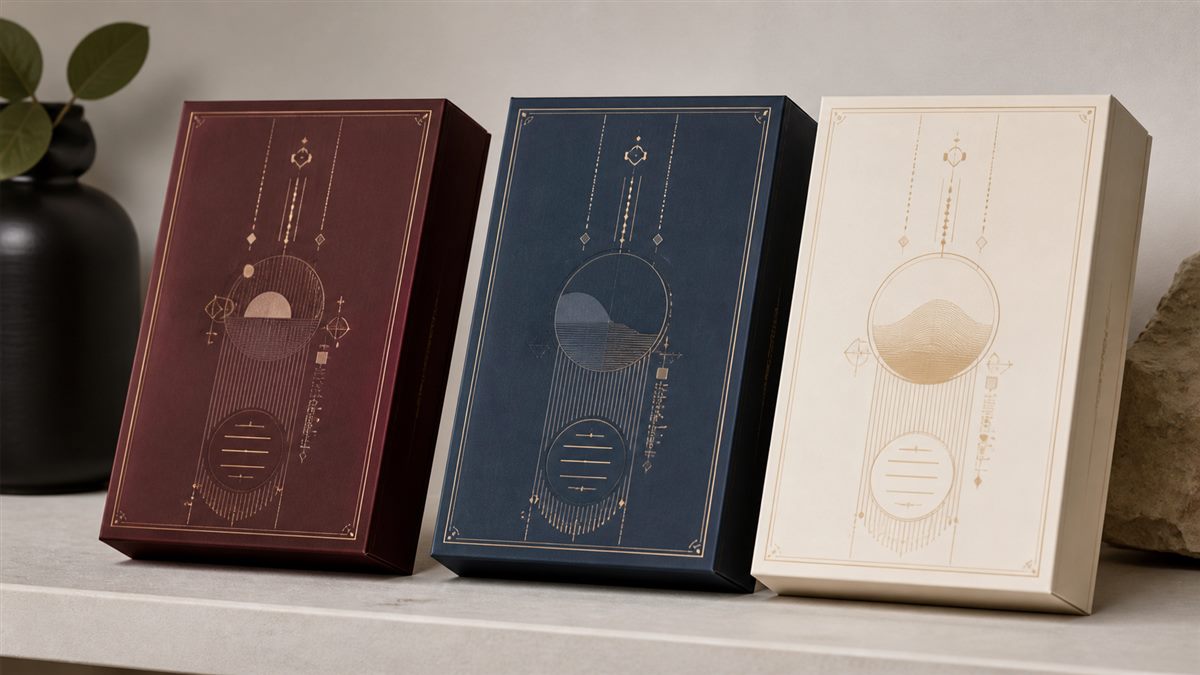
Build contrast around the most important information
Make the brand name, product line, and other required information easy to find. A limited palette and deliberate contrast often provide a clearer result than many competing colors or type styles.
- Set a clear order for brand, line, and supporting copy.
- Check color relationships on a representative physical sample.
- Keep small text and fine graphics suitable for the selected process.
Key Takeaway: Tone is created by visual relationships that stay clear in the finished packaging.
How Can Finishing Support Cigar Box Art?
Finishing can focus attention on selected parts of the artwork and change how the package feels in hand. Hot stamping, spot UV, and embossing are confirmed King Tai finishing capabilities, subject to the final project requirements.
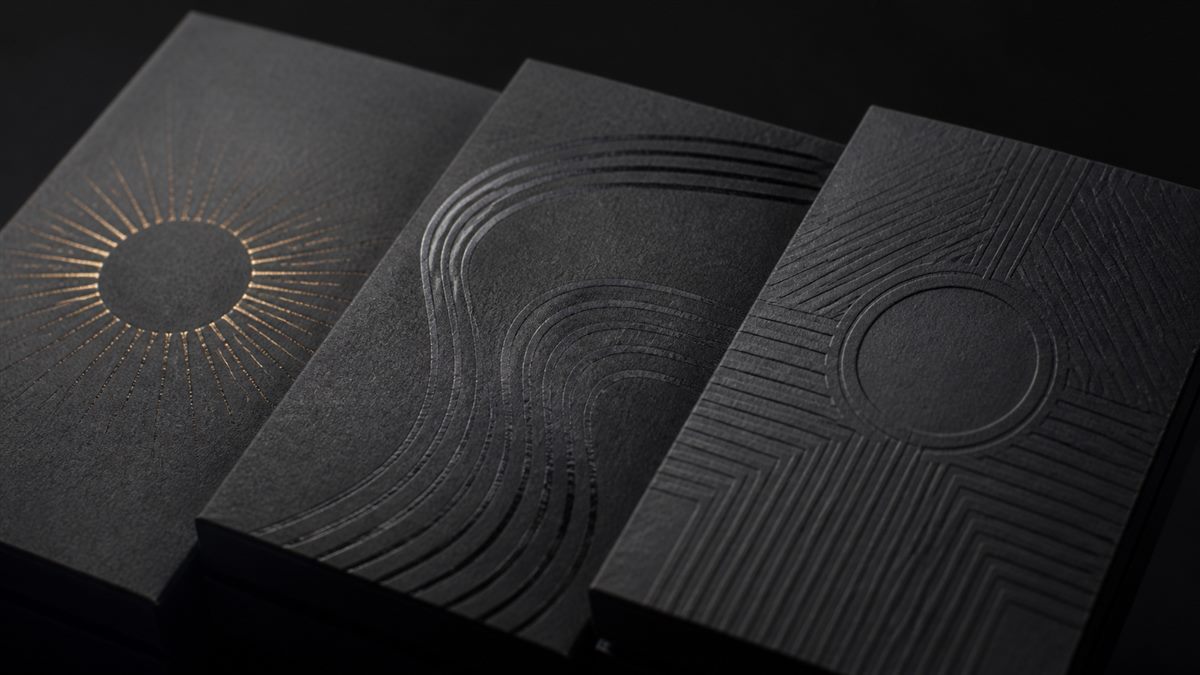
Use a finish to emphasize, not compete
A finish can highlight an emblem, title, border, or controlled pattern. Its visual result depends on the artwork, surface, structure, and alignment, so it should be reviewed as part of an approved sample rather than assumed from a screen proof.
- Choose one or two focal areas for special treatment.
- Prepare artwork that is appropriate to the chosen finish.
- Assess the full visual effect on a representative sample.
Key Takeaway: Finishing is most effective when it reinforces the hierarchy already built into the art.
How Can a Label, Band, or Border Add Detail?
Labels, bands, and border treatments can help frame the artwork and make a box easier to recognize. They should support the larger composition and leave adequate room for project-specific mandatory information.

Keep decorative details aligned with the system
A border may create a classic presentation, while a band or label can create a focal point. Match their scale, color, and repeat logic to the lid artwork so these details feel intentional rather than applied after the fact.
- Use borders to guide the eye toward key information.
- Check how details continue around edges and corners.
- Confirm the final information layout against target-market requirements.
Key Takeaway: Small decorative elements are valuable when they make the main design easier to read.
How Should Brands Allow for Required Packaging Information?
Cigar packaging may need information that varies by product and market. Brands should identify the applicable labeling, warning, legal, and distribution requirements early, then allocate a clear area for approved content within the artwork.
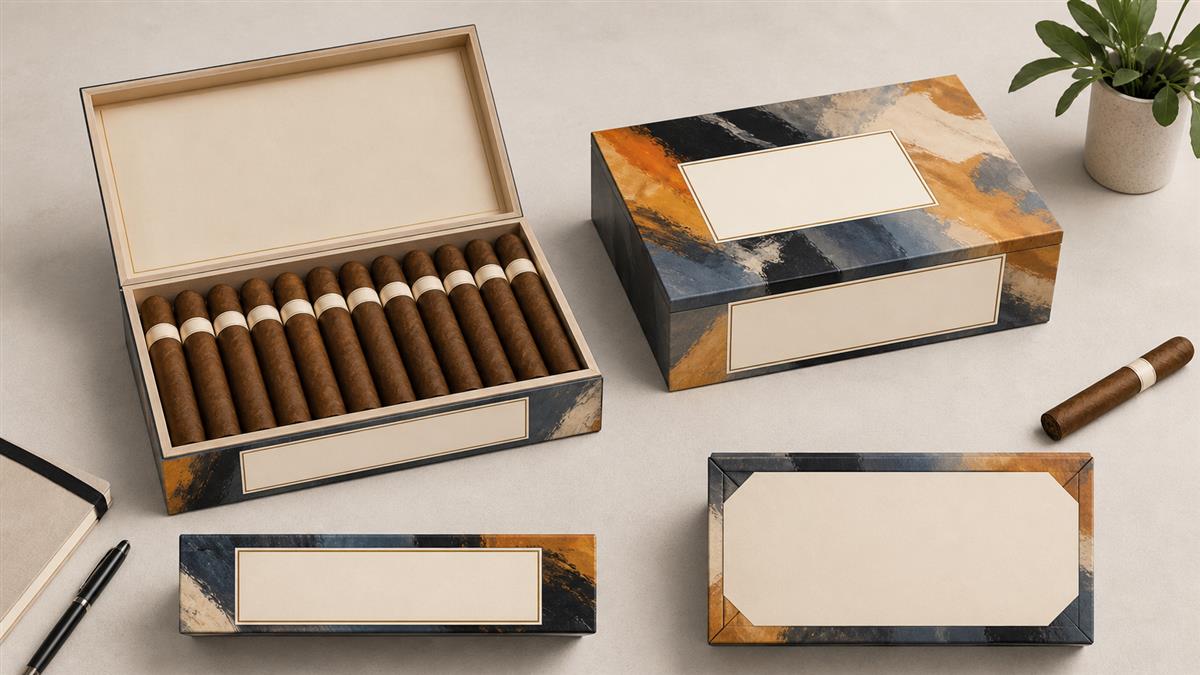
Make compliance space a design decision
Do not treat mandatory information as a late addition. Establish its placement, hierarchy, and clear space during the layout phase, and have the brand or its qualified adviser confirm the final content and market suitability.
- Identify applicable requirements for each target market.
- Reserve suitable panels before artwork approval.
- Mark all regulatory content as NEEDS VERIFICATION until confirmed by the responsible party.
Key Takeaway: A practical artwork system makes room for verified required information from the beginning.
What Makes a Cigar Box Feel Collectible?
A collectible feel often comes from a complete, considered presentation rather than from a single elaborate detail. A well-resolved lid, interior reveal, color system, and finish can make a limited or special presentation feel more intentional without promising collector value.
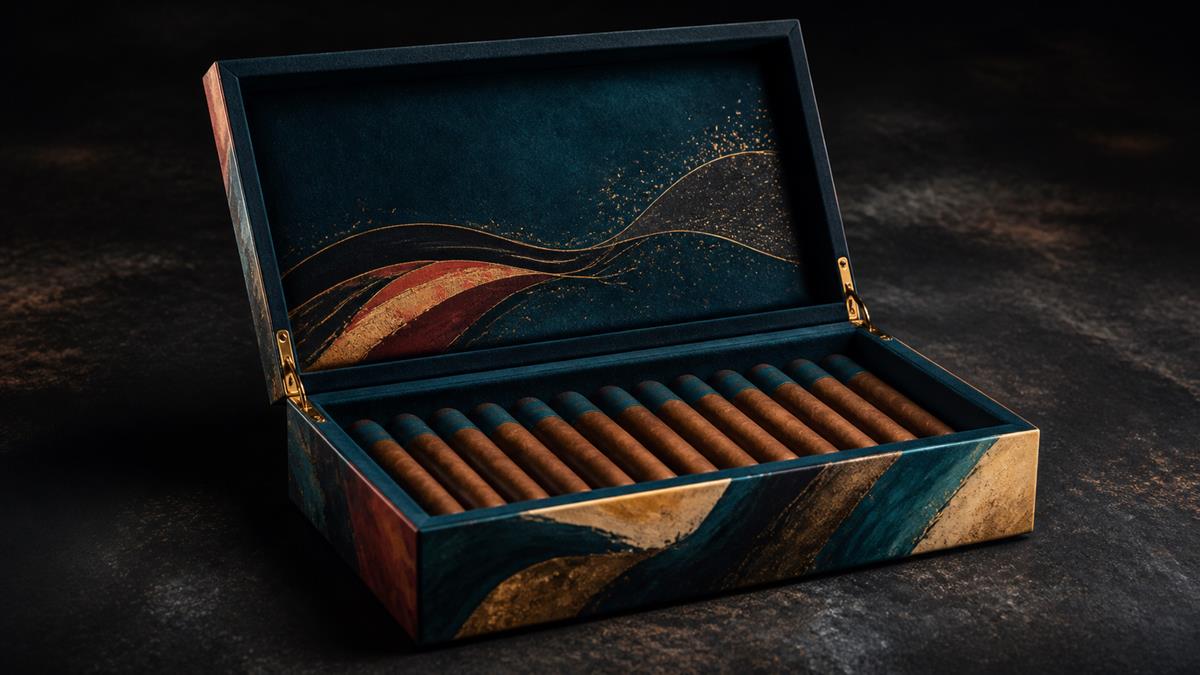
Design the opening as part of the art direction
Consider how the exterior, opening action, and interior work together. A restrained exterior may lead to a more expressive reveal, while a detailed lid may call for a quieter interior so the product remains the focus.
- Plan exterior and interior as one presentation sequence.
- Keep access to the cigars straightforward.
- Use the insert and interior only where they support the product experience.
Explore King Tai?? cigar packaging solutions for a broader B2B packaging perspective.
Key Takeaway: A collectible impression is designed through cohesion, usability, and attention to the full reveal.
Why Does a Pre-Production Sample Matter for Artwork?
A pre-production sample lets a team assess how the artwork behaves on the finished format: lid alignment, color direction, finishing appearance, assembly, and the relationship between print and structure. The approved sample becomes the reference for mass-production consistency.
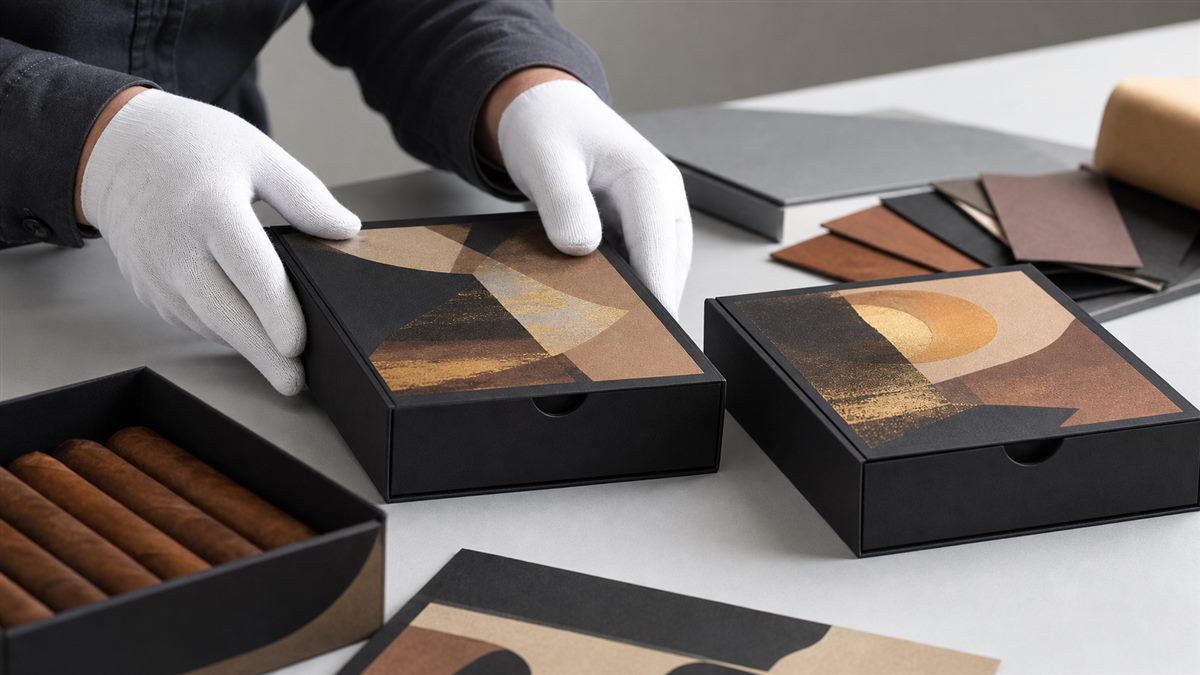
Review the visual details in context
Check the box while it is closed, open, and handled as intended. Record changes to artwork placement, surface appearance, structure, or insert presentation before approving the sample for the next stage.
- Inspect key artwork at normal viewing distance.
- Check finish placement and overall assembly.
- Use the approved sample as the production reference.
Key Takeaway: A sample connects the design file to the real packaging experience before mass production.
What Should a Cigar Box Art Brief Include?
A useful brief explains both the creative direction and the physical packaging requirements. It gives the manufacturer enough context to review feasibility, identify open questions, and plan a constructive sample discussion.
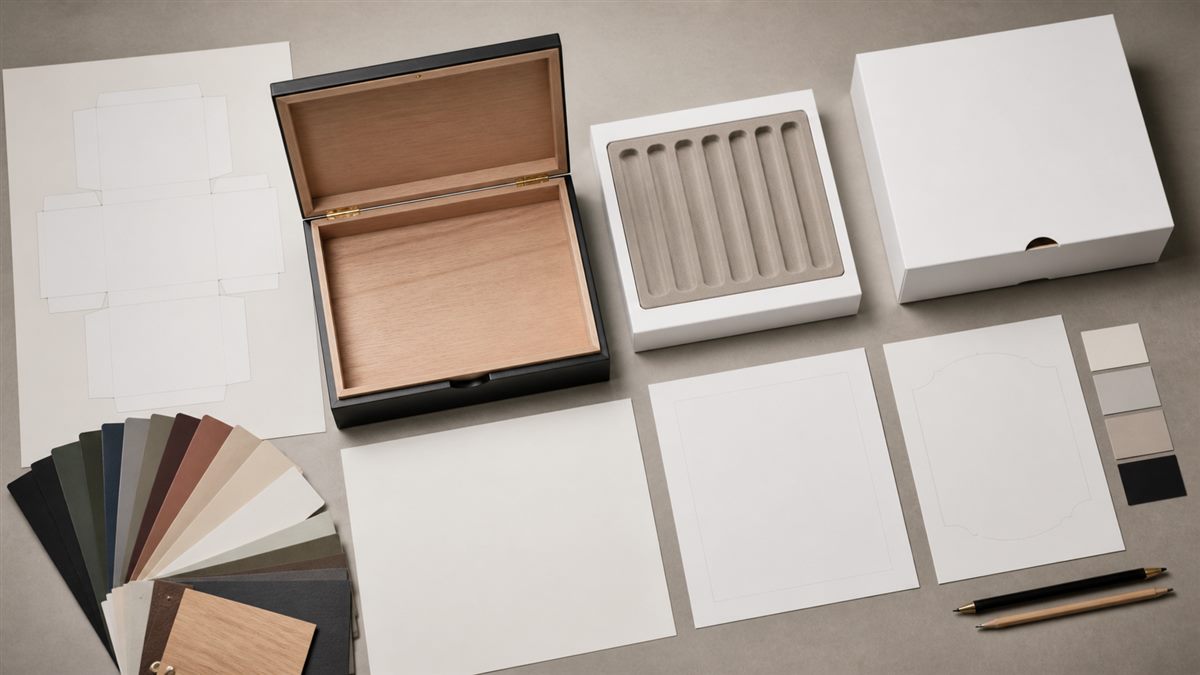
Provide the details that affect the final result
Include cigar dimensions and count, preferred structure, artwork files or direction, required visible information, finishing direction, insert expectations, quantity, and packing requirements. MOQ, sampling time, production lead time, and final feasibility depend on the specification and should be confirmed for the project.
- Supply accurate product dimensions and layout files where available.
- Identify the visual priority and any required information zones.
- State packing and delivery requirements clearly.
Key Takeaway: A clear brief gives creative and manufacturing decisions the same starting point.
Conclusion: Effective cigar box art connects a clear brand story with structure, hierarchy, finishing, and a realistic information layout. King Tai is a direct B2B packaging and printing manufacturer that can support structural design, paper selection, printing, finishing, assembly, custom inserts, quality inspection, and logistics support. Review a related custom cigar box case study, explore custom packaging development, or share a specification through the contact page to begin a project discussion.
FAQ
What is cigar box art?
Cigar box art is the visual system used on the packaging, including illustration, typography, color, borders, labels, and finishing. It helps identify the brand and shape the product presentation.
How can a cigar brand make its packaging look more distinctive?
Start with a clear brand story, choose a structure that supports the intended reveal, then build a controlled hierarchy of artwork, color, and finishing. Review the result on a sample before production approval.
Can finishing be used on custom cigar boxes?
Hot stamping, spot UV, and embossing are confirmed King Tai finishing capabilities, subject to the final project requirements. The suitability and appearance should be reviewed against the selected artwork and sample.
What should be included in a cigar box packaging brief?
Include cigar dimensions and count, preferred structure, artwork direction, required information, finishing, insert needs, quantity, and packing requirements. Project-specific timing, MOQ, and feasibility should be confirmed against the final specification.