
When deciding how to choose the right box for your watch brand , businesses must evaluate their product positioning, retail price range, structural requirements, material selection, insert protection, shipping logistics, and overall procurement budget. This decision frequently emerges when a brand is launching a new series and finding themselves torn between rigid paperboard, solid wood, or premium polyurethane (PU) leather boxes. Selecting the wrong packaging profile can lead to brand erosion in the retail market, catastrophic shipping damage, and severe cost overruns during mass production. Understanding the interplay of material cost, transit security, and visual unboxing appeal is vital to establishing a highly profitable and respected brand presence.
Why Does Your Watch Price Range Matter First?
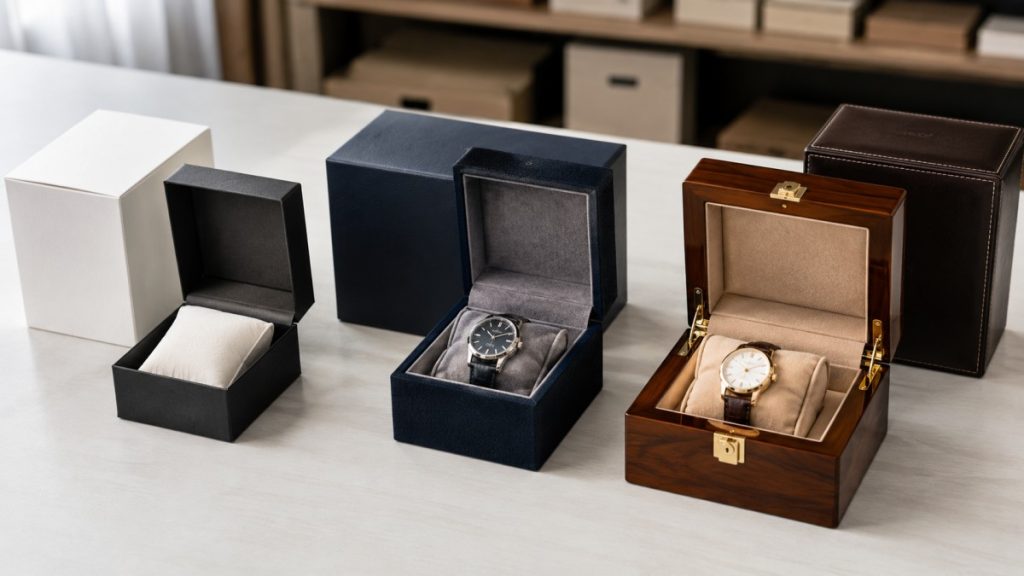
Your target watch retail price establishes the baseline for your packaging budget and tier. Selecting inappropriate materials can either drain your margins or cheapen your luxury timepiece. Many growing companies utilize high-quality custom watch boxes to perfectly match their market segment. This initial financial alignment prevents downstream development friction and ensures healthy retail profitability.
What Does the Price Range Tell You?
Watch brand packaging should match the price range of the watch because customers expect different levels of structure, material, and presentation at different product tiers. Entry-level watches do not need the same box as a collector’s edition, while premium watches usually require stronger materials, better interiors, and a more refined opening experience.
Selecting the correct materials for each price tier helps you avoid budget overruns and keeps the packaging aligned with the value of the watch. A practical approach is to compare the product tier before confirming the box structure.
- Entry-level watches under USD 500: rigid paperboard boxes, simple paper sleeves, foam inserts, or standard velvet lining.
- Mid-tier watches from USD 500 to USD 2,000: wrapped rigid boxes, MDF-style bases, PU leather textures, magnetic closures, and upgraded velvet or microfiber interiors.
- Luxury and collector watches above USD 2,000: wooden boxes, wood veneer finishes, premium microfiber lining, custom pillows, metal logo plates, and stronger hardware.
How Can Packaging Avoid Overbuilding?
Here’s where many brands get it wrong. They spend excessive budgets on premium wooden boxes for a basic quartz watch, eroding their thin retail margins. Conversely, packing an automatic chronograph in a lightweight folding box damages the brand’s perceived credibility instantly. Finding the middle ground through prototyping ensures your packaging spending stays within 5% to 10% of the watch production cost.
| Watch Price Tier | Recommended Box Material | Cost-to-Product Ratio | |
|---|---|---|---|
| Entry-Level (<$500) | Foldable Cardboard / Paper Board | 3% – 5% | |
| Mid-Range (500−2,000) | MDF Wood Veneer / PU Leather | 5% – 8% | |
| Luxury ($2,000+) | Lacquered Solid Wood / Genuine Leather | 8% – 12% |
Choosing the right balance ensures maximum margins without sacrificing the consumer’s emotional connection during unboxing.
Key Takeaway: Aligning your packaging budget with your specific retail price point protects your operational margins while satisfying client unboxing expectations.
How Should the Box Match Your Brand Positioning?
Aligning your box aesthetics with your brand positioning ensures a cohesive brand narrative. Every touchpoint of your watch brand packaging should visually reinforce what your company represents to the buyer. Whether your focus is heritage luxury or rugged tactical utility, the box must speak the same design language. Failure to match these elements results in immediate consumer confusion and cognitive dissonance.
What Should Your Packaging Communicate?
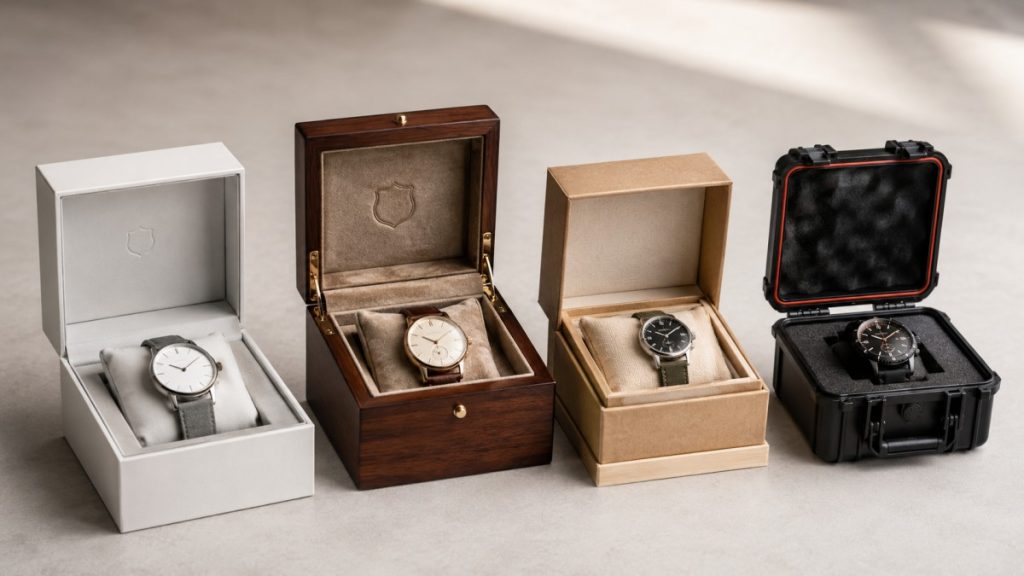
Your physical presentation tells a story before the customer even sees the watch dial. Modern minimalist watch brands should utilize matte-finish, sharp-edged cardboard boxes with clean debossed logos. Classical heritage watchmaking demands rich wood tones, metallic hardware accents, and plush interior fabrics. Eco-friendly brands must rely on recycled kraft paperboard, water-based inks, and organic cotton inserts to establish trust.
Here are the key positioning profiles:
- Minimalist Modern: Matte cardstock, clean lines, geometric shapes, monochrome tones.
- Classical Heritage: Walnut wood bases, high-gloss lacquer, gold-leaf accents.
- Eco-Conscious: Unbleached paper, zero plastic, biodegradable fiber pillows.
- Sports & Utility: Shockproof plastics, carbon fiber textures, heavy-duty latches.
Why Should You Avoid Generic Watch Boxes?
This is where packaging becomes a buying decision. Off-the-shelf, generic boxes show a lack of commitment that retail clients notice immediately. Custom details like custom-dyed fabrics, unique opening styles, and bespoke inserts elevate your presentation above the crowded market. A unique structural design becomes an extension of your marketing strategy, building long-term equity in the minds of collectors.
| Positioning | Design Style | Target Demographic | |
|---|---|---|---|
| Eco-Friendly | Kraft / Linen | Gen Z & Millennial Eco-Buyers | |
| Luxury / Heritage | Lacquered Wood / Velvet | Traditional Collectors | |
| Modern Minimalist | Matte Paperboard / Microfiber | Young Professionals |
Evaluating these specific customer profiles guides design teams toward more targeted aesthetic choices.
Key Takeaway: Customizing your watch boxes ensures your product stands out in a crowded retail landscape, turning standard packaging into a powerful brand asset.
Which Watch Box Structure Fits Your Product Best?
Choosing the right physical structure of the box determines how securely your watches are presented and protected. Structuring your packaging requires assessing both the unboxing journey and the physical space the item occupies. Brands can select from a wide range of custom watch boxes designed specifically for commercial and retail distribution. The correct structural architecture simplifies shipping logistics while enhancing store-level shelf displays.
What Are the Common Watch Box Structures?
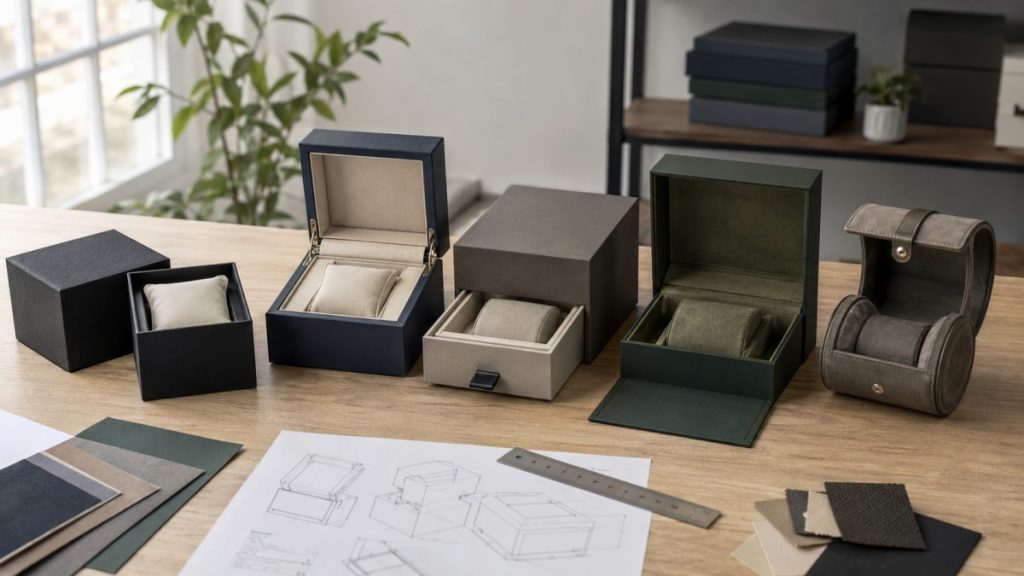
Selecting the right geometry ensures structural integrity during heavy transit and handling. Traditional hinged boxes provide a classic, premium weight and feel suitable for counter displays. Drawer-style pull-out sleeves offer a modern, tactile alternative for contemporary watch collections. Magnetic flap folding boxes combine premium presentation with flat-pack storage efficiency.
Common structural styles include:
- Two-Piece Lid and Base: Highly reliable, cost-effective, classic vertical lift.
- Hinged Shell: Excellent durability, spring-loaded movement, premium opening feel.
- Sliding Drawer: Contemporary appeal, great for multi-tier or watch-and-strap gift sets.
- Travel Roll: Compact cylindrical leather cases, perfect for lifestyle-focused brands.
How Does Structure Affect User Experience?
The next detail is often overlooked. A box that is frustrating to open or close damages the overall initial product impression. High-quality friction fits, soft-closing hinges, and perfectly aligned magnetic closures provide sensory confirmation of quality. A smooth mechanical movement conveys precision engineering, matching the fine timepiece enclosed inside.
| Box Structure | Best Use Case | Assembly / Shipping Type | |
|---|---|---|---|
| Hinged Lid | Retail Display | Rigid / Pre-Assembled | |
| Drawer Sleeve | Modern E-commerce | Rigid / Box-in-Sleeve | |
| Travel Roll | Travel Gift Sets | Flexible / Compact |
Analyzing how structures perform in different sales channels ensures your team selects the most practical layout.
Key Takeaway: Choosing a structurally sound, intuitive opening mechanism prevents unboxing frustration and elevates the luxury perception of your watch brand.
What Materials Should You Consider for Watch Packaging?
Selecting materials dictates both the sensory experience of your packaging and the unit manufacturing cost. Selecting high-grade materials ensures your watch brand packaging feels premium to the touch. The balance of external textures and internal linings must be carefully tested via physical prototypes. Investing time in material validation protects your initial brand investment and guarantees bulk consistency.
Which Materials Are Commonly Used?
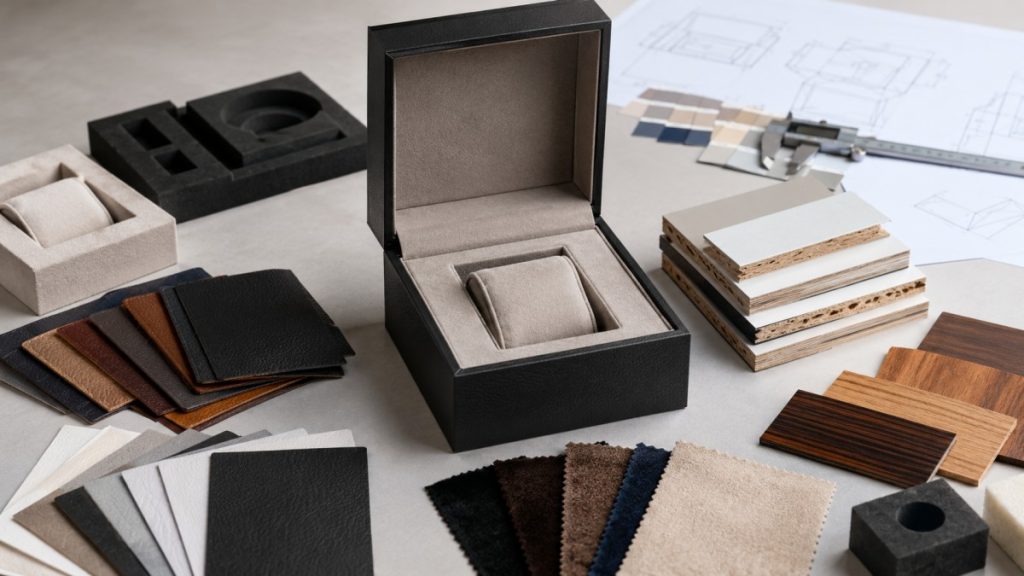
Packaging raw materials form the physical skin that customers interact with immediately. High-density cardboard wrapped in specialty papers provides a highly versatile, printable, and cost-effective outer shell. Solid wood like walnut or MDF with wood veneer offers unmatched weight, premium solidness, and durability. For the interior, premium velvet, microfiber, and custom-molded EVA foam provide the necessary softness.
Popular material pairings include:
- Specialty Art Paper: Excellent printing canvas, vast texture options, recyclable.
- PU Leather: Luxurious leather look, water-resistant, highly uniform surface.
- Velvet / Microfiber Linings: Ultra-soft texture, non-abrasive protection, luxurious aesthetic.
- EVA Foam Inserts: High shock absorption, precise laser-cut shapes, durable structure.
How Do Materials Affect Cost and Brand Feel?
Here’s where many brands get it wrong. They choose delicate fabrics that look beautiful in a studio but easily stain during transit or handling. Microfiber and PU leather offer excellent stain resistance and long-lasting durability in retail environments. Always request comprehensive swatch books and test the materials under varied lighting before signing off on bulk runs.
| Material Type | Durability | Perceived Value | MOQ Tier | |
|---|---|---|---|---|
| Specialty Paper | Moderate | Mid-Range | Low to Medium | |
| PU Leather | High | Premium | Medium | |
| Solid Lacquered Wood | Very High | Ultra-Luxury | High |
Comparing material characteristics allows your purchasing department to optimize the balance between unit cost and luxury feel.
Key Takeaway: Selecting durable, premium-feel materials prevents rapid box wear and tear while justifying a higher retail markup for your watch collections.
Why Are Watch Pillows and Inserts So Important?
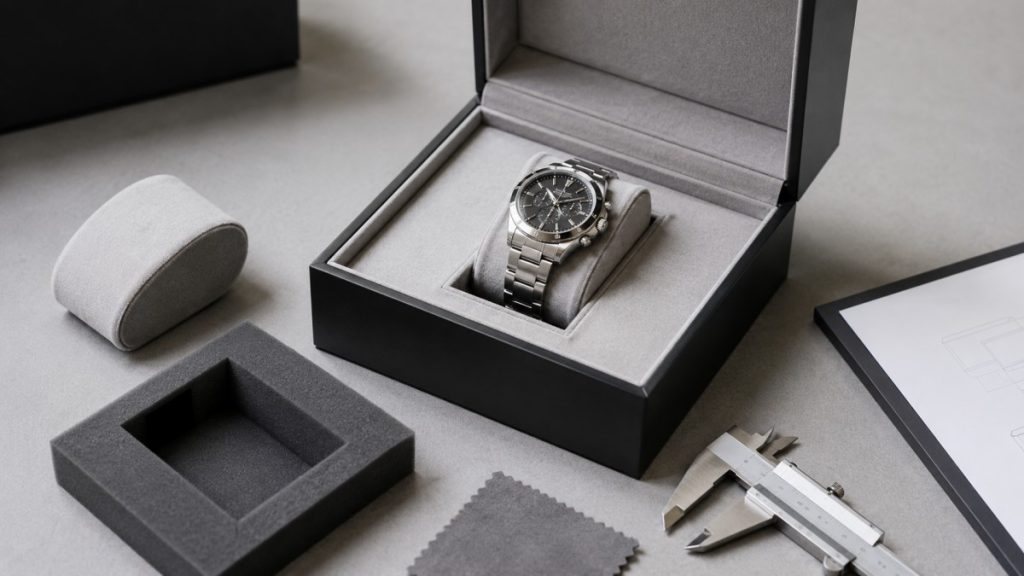
Watch pillows and inserts are the direct defense line that holds the watch securely and shapes its visual presentation. Incorporating customized custom watch boxes with engineered inserts is vital for shock resistance. If the insert is too loose, the watch will slide, leading to scratched bezels and crystal damage. Properly designed pillows maintain the strap’s shape and display the dial at an optimal viewing angle.
What Should a Good Insert Do?
An effective insert performs multiple structural duties inside a limited spatial volume. It must compress gently to accommodate different wrist sizes, from small women’s watches to large men’s chronographs. The pillow should fit tightly into its slot to prevent any lateral movement during shipping. Additionally, the materials must be chemically inert to avoid corroding the metal watch parts over time.
Ideal inserts must feature:
- Flexible Cushioning: High-resilience sponge or fiberfill that returns to its original shape.
- Snug Fitment Side Walls: Rigid guide walls that prevent the pillow from wobbling.
- Non-Reactive Fabrics: Acid-free linings that won’t discolor stainless steel or gold plating.
- Finger Pull Tabs: Small fabric tabs to help customers extract the watch pillow easily.
What Problems Come from Poor Insert Design?
The next detail is often overlooked. Loose pillows can collapse under the weight of heavy mechanical watches during rough postal shipping. This causes the watch case to contact the internal lid, causing permanent scuffs on the sapphire glass. Furthermore, rigid plastic inserts can overstretch and deform delicate leather or vulcanized rubber straps over long storage periods.
| Insert Type | Material Composition | Primary Protection Benefit | |
|---|---|---|---|
| Wrapped Cushion | Sponge + Microfiber | Gentle compression, classic look | |
| Molded EVA | Laser-Cut Foam | Extreme shock absorption, tactical | |
| C-Ring Holder | Flexible Plastic + Velvet | Fixed strap position, high-modern |
Selecting the correct internal structure ensures the watch arrives in pristine condition and remains displayed beautifully.
Key Takeaway: Specifying high-density, acid-free inserts guarantees that watches remain undamaged and ready for immediate retail presentation.
How Should You Balance Protection and Presentation?
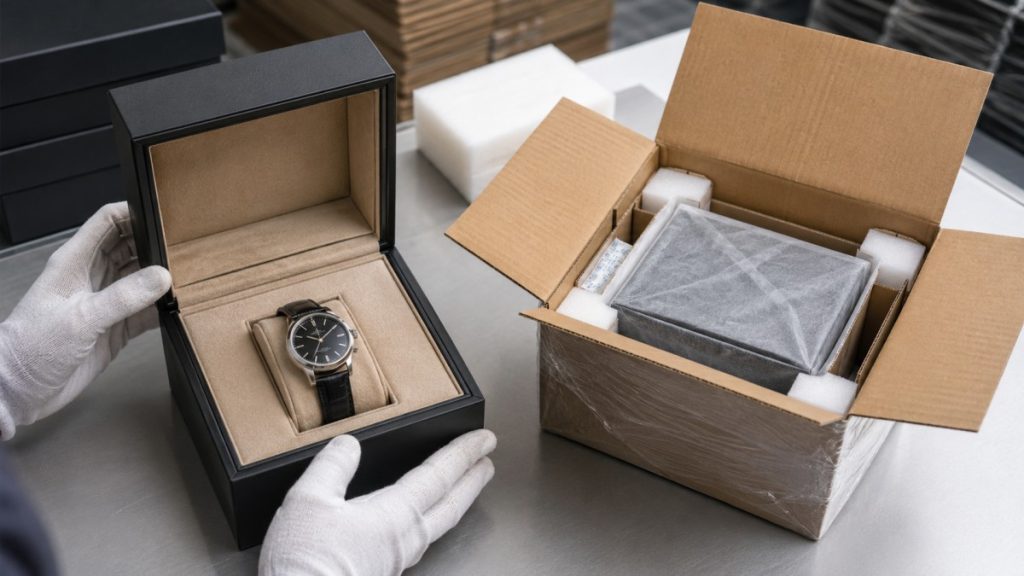
Effective watch packaging must successfully balance maximum shipping protection with an elegant, high-value visual presentation. Developing the optimal design requires harmonizing tough outer materials with delicate inner fabrics. Many premium lines utilize specialized watch brand packaging to survive rigorous shipping channels while maintaining an immaculate look. This strategic balance guarantees a flawless unboxing experience for your retail customers.
What Protection Does a Watch Box Need?
Protecting sensitive horological instruments requires physical layers designed for modern logistics. E-commerce shipping demands shock absorption that can withstand dropping from courier vans onto hard surfaces. Retail store distribution requires dust-proof and moisture-proof outer sleeves to protect boxes in high-humidity warehouses. Proper protection preserves the outer surfaces of the luxury box from fingerprints, dust, and scuff marks.
Essential protective elements include:
- Outer Sleeve: Lightweight cardboard sleeve that shielding the main box from scratches.
- Silica Gel Desiccant: Small packets placed inside to absorb ambient humidity.
- Corner Guards: Reinforced cardboard corners in master shipping cartons to absorb drops.
- EPE Foam Wrapping: Polyethylene sheets wrapped around individual boxes to prevent rubbing.
How Can Presentation Improve Perceived Value?
This is where packaging becomes a buying decision. A heavy, beautifully engineered box creates an immediate perception of premium mechanical value. When the opening resistance is perfectly calibrated, it builds anticipation before the timepiece is revealed. Every detail, from the crispness of the logo printing to the soft fabric texture, reinforces the watch’s premium price tag.
| Packaging Element | Protection Value | Presentation Value | |
|---|---|---|---|
| Outer Sleeve | Prevents surface scuffs | Adds an unboxing step | |
| Internal Pillow | Absorbs drops and vibration | Keeps watch perfectly centered | |
| Tissue Wrapper | Minimizes dust and moisture | Enhances the gift-like feel |
Combining protective and decorative elements creates a layered unboxing experience that customers enjoy sharing online.
Key Takeaway: Integrating physical protection layers with high-end surface finishes maximizes both logistics security and immediate consumer brand appreciation.
What Logo and Finishing Options Should You Choose?
The logo and surface finishing techniques define the tactile branding and premium feel of your watch box. Utilizing high-end finishes on custom watch boxes helps products stand out in dense retail showcases. Precision execution of your logo prevents brand erosion and signals high manufacturing standards. Choosing the right decorative style transforms a plain box into a memorable brand statement.
Which Branding Methods Work for Watch Boxes?
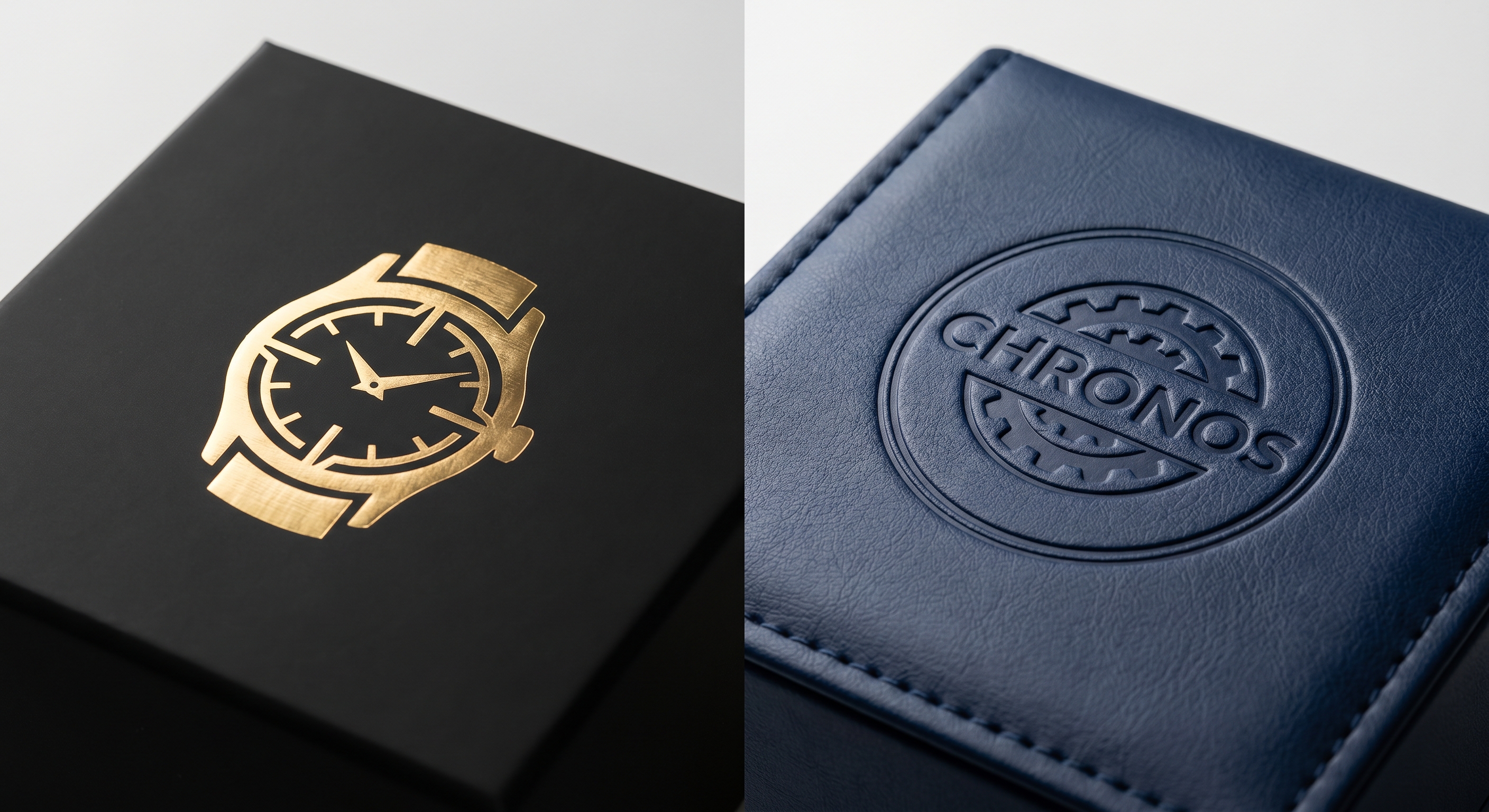
Choosing the right logo application method depends heavily on your outer material. Foil hot stamping offers brilliant gold or silver metallic reflections that elevate rigid cardboard boxes. Debossing and embossing create deep tactile impressions that work exceptionally well on PU leather and thick paperboard. Silk-screen printing is perfect for solid, vibrant colors, while metal logo plates add weight and prestige to wooden boxes.
Consider these branding techniques:
- Metallic Foil Stamping: High-contrast, shiny metallic look, perfect for classic luxury.
- Blind Debossing: Subdued, elegant recessed imprint, perfect for minimalist styling.
- 3D Embossing: Raised lettering that physically catches the light and fingers.
- Custom Metal Plaques: Heavy, screwed-in or glued metal badges for luxury cases.
How Can You Avoid Overdecorating the Box?
Here’s where many brands get it wrong. They combine shiny foil, spot UV, and massive embossed logos on a single box lid, creating a cluttered look. A single, perfectly proportioned, centrally aligned logo is far more powerful and looks much more professional. Keeping the exterior design clean allows the natural textures of your materials to shine through.
| Finishing Technique | Best Material Match | Durability Rating | |
|---|---|---|---|
| Gold Foil Stamping | Matte Specialty Paper | High (unless rubbed) | |
| Debossing | PU Leather | Very High (permanent) | |
| Metal Plaque | Solid Walnut Wood | Extremely High |
Choosing branding methods that harmonize with your base materials ensures an elegant, professional visual result.
Key Takeaway: Implementing clean, high-precision logo applications ensures your brand represents top-tier quality without looking overly complicated.
How Do Shipping and Storage Affect Box Selection?
Shipping and storage efficiency directly dictates your overall landed cost and inventory overhead. Designing effective watch brand packaging requires thorough consideration of international shipping volumes and warehouse storage. Heavy wooden boxes look incredible but increase air freight charges and local shipping costs. Conversely, compact folding structures reduce transit volume, allowing more budget to be allocated to the watch itself.
What Should You Consider Before Export Shipping?
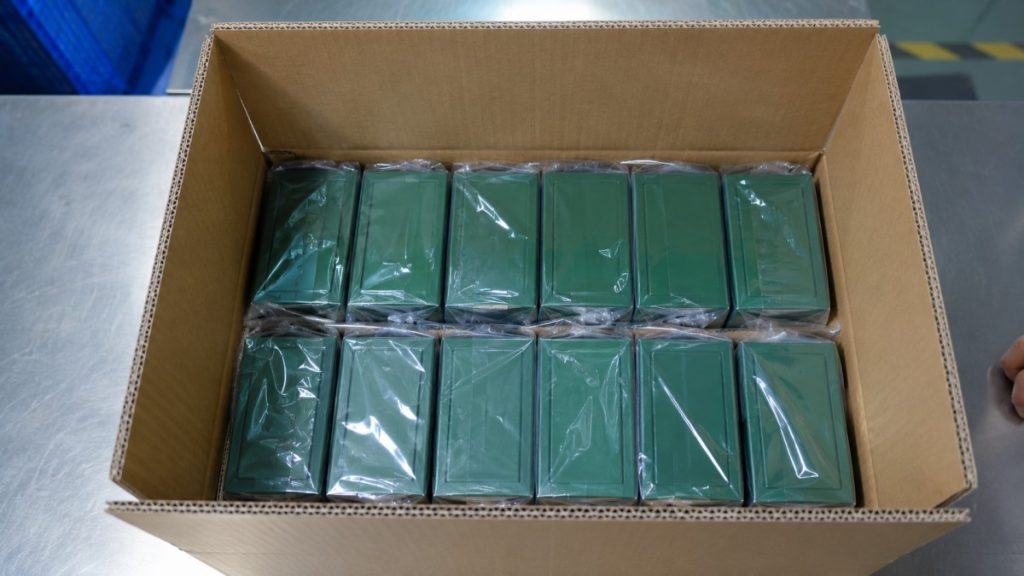
Safe long-distance sea and air logistics require highly robust secondary packaging specifications. Outer shipping cartons must be double-walled corrugated fiberboard to withstand heavy stacking pressure on pallets. Boxes must be tightly packed with minimal void space to prevent internal shifting during sea transit. Placing moisture-absorbing desiccant bags inside each master carton prevents mold growth during long tropical shipments.
Essential export checks include:
- Double-Wall Export Cartons: High-strength outer boxes that resist puncture and stacking collapse.
- Palletization & Wrap: Securing cartons on sturdy pallets with heavy-duty stretch plastic wrap.
- Drop-Testing: Simulating real transit hazards through rigorous physical drop-test standards.
- Humidity Indicators: Strips that track ambient moisture levels during sea voyages.
Why Does Box Size Affect Long-Term Cost?
The next detail is often overlooked. Large, heavy boxes occupy excessive warehouse shelving, rapidly accumulating storage fees over time. If you use third-party logistics (3PL) providers, they charge heavily based on both weight and physical dimensions. Designing a compact, protective box shell reduces volumetric weight, saving substantial money on postal delivery.
| Packaging Type | Weight per Unit | Storage Space Efficiency | Freight Cost Impact | |
|---|---|---|---|---|
| Folding Paperboard | Very Low | Excellent (flat-pack) | Minimal | |
| Wrapped Plastic Shell | Low to Medium | Moderate | Medium | |
| Solid Wooden Box | High | Low (bulky) | High |
Optimizing your packaging footprint minimizes warehousing fees and shipping overhead across all sales channels.
Key Takeaway: Optimizing the physical size and weight of your watch boxes dramatically lowers international shipping rates and local storage fees.
What Should You Prepare Before Contacting a Supplier?
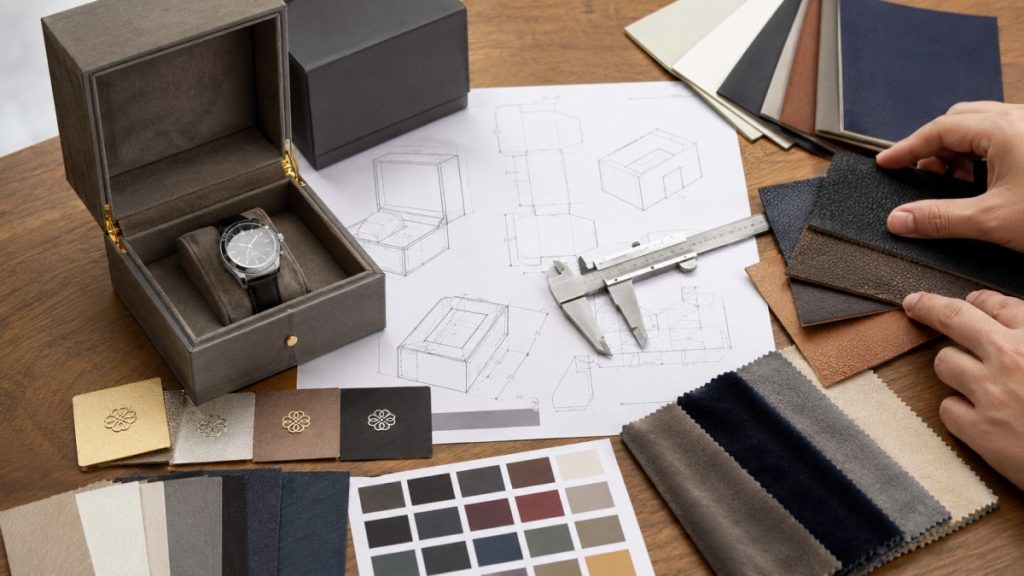
Preparing a detailed project brief before contacting a supplier dramatically reduces negotiation time and ensures accurate initial quotes. Purchasing teams should prepare their specifications for custom watch boxes to establish clear communication channels early on. Gathering vector assets and target dimensions avoids endless back-and-forth emails during development. This structured preparation guarantees that initial factory pricing remains realistic during final mass production.
What Project Details Should You Share?
Sending a complete design brief enables manufacturers to calculate highly accurate material and tooling costs. Your brief must specify exact outer and inner dimensions, material preferences, and internal pillow requirements. Provide clear vector logo files in PDF, AI, or EPS formats to ensure accurate plate fabrication. Additionally, state your target budget and required production timeline to qualify manufacturer capabilities early.
Your brief must include:
- Detailed Dimensions: Exact measurements of the watch case, strap width, and box exterior.
- Material Preferences: Outer wrapping papers, lining fabric type, and foam density.
- Quantity Requirements: Clear breakdown of target sample runs and bulk production volumes.
- Logistics Requirements: Delivery addresses, customs clearance terms, and port of destination.
How Can Clear Requirements Speed Up Sampling?
Here’s where many brands get it wrong. They request physical samples using vague descriptions, leading to costly and time-consuming revision loops. Providing clear CAD blueprints or detailed reference photos allows engineers to make precise sample dies on the first attempt. Reducing sample iterations accelerates your speed-to-market and keeps your watch launch timeline fully on track.
| Document Required | Purpose | Preferred File Format | |
|---|---|---|---|
| Technical Drawing | Confirms structural shapes and tolerances | PDF / CAD (DXF) | |
| Brand Guidelines | Guides logo placement and exact Pantone colors | AI / PDF Vector | |
| Bill of Materials (BOM) | Standardizes raw material quality | Excel / PDF |
A complete specification packet prevents communication errors and speeds up production approval.
Key Takeaway: Providing a detailed design brief on day one shortens the sampling process and guarantees highly competitive initial factory pricing.
How Do You Choose a Reliable Watch Box Manufacturer?
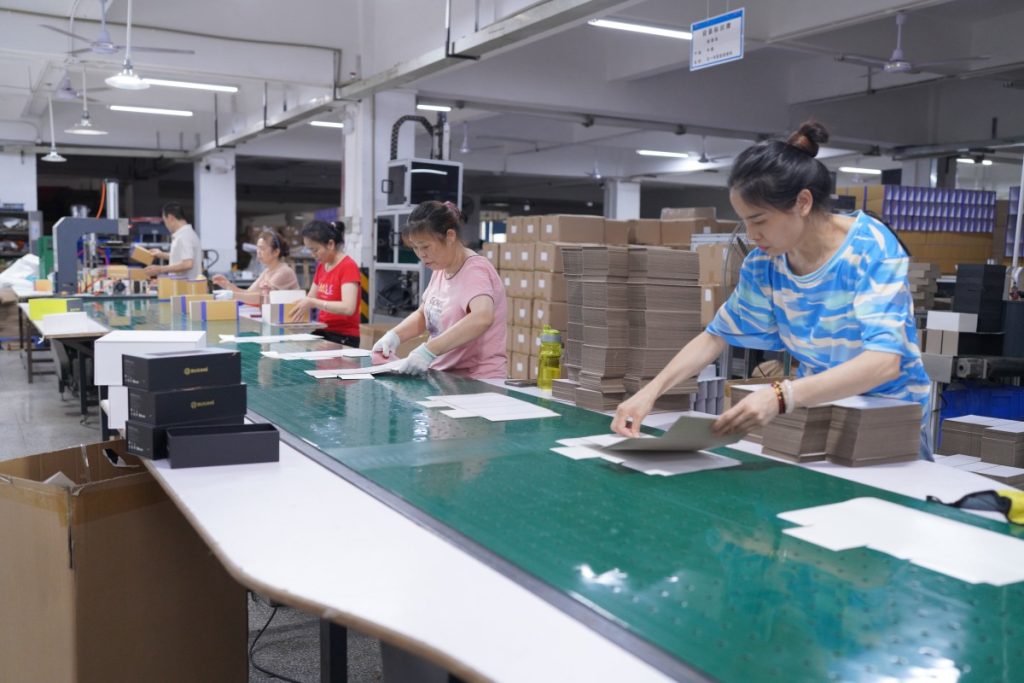
Selecting a reliable manufacturer requires verifying their design engineering expertise, QC protocols, and B2B communication efficiency. Partnering with a specialized partner ensures your watch brand packaging matches international luxury standards. A factory must have dedicated QA inspectors to catch minor defects before items leave the assembly line. Doing thorough background checks prevents production delays and guarantees a smooth procurement process.
What Should You Check in a Manufacturer?
Finding an outstanding packaging partner requires evaluating their engineering depth and historical B2B track record. Check if they have in-house designers who can create 3D CAD mockups and digital stress tests. Verify their raw material supply chains to ensure they use certified, eco-friendly, non-toxic glues and inks. Finally, confirm their experience with international freight forwarders to ensure trouble-free delivery to your warehouses.
Key supplier qualifications include:
- Design Capabilities: In-house structural designers capable of CAD blueprints and rapid prototyping.
- QC Certifications: ISO 9001 compliance and strict raw material testing records.
- Export Experience: Proven track record shipping to Europe, North America, and Asian ports.
- Scalable Capacity: Ability to scale up production to meet high holiday sales seasons.
Why Does Communication Matter in B2B Projects?
This is where packaging becomes a buying decision. A supplier who responds slowly or misunderstands technical details can delay your watch launch by months. Clear B2B communications prevent expensive bulk mistakes, such as incorrect interior dimensions or misaligned logo printing. A reliable partner proactively provides regular status photos, video walk-throughs, and clear shipping tracking information.
| Factory Capability | Business Benefit | Risk of Absence | |
|---|---|---|---|
| 3D CAD Mockups | Early visual confirmation of box shape | High sample tooling costs | |
| Dedicated QC Team | Consistent bulk quality across runs | High defect and return rates | |
| English Sales Staff | Quick, accurate technical coordination | Frequent production errors |
Verifying these factory capabilities early protects your investment and ensures a stress-free production experience.
Key Takeaway: Partnering with a technically advanced, highly responsive factory protects your brand from bulk delays and costly manufacturing errors.
How Can You Make the Final Packaging Decision?
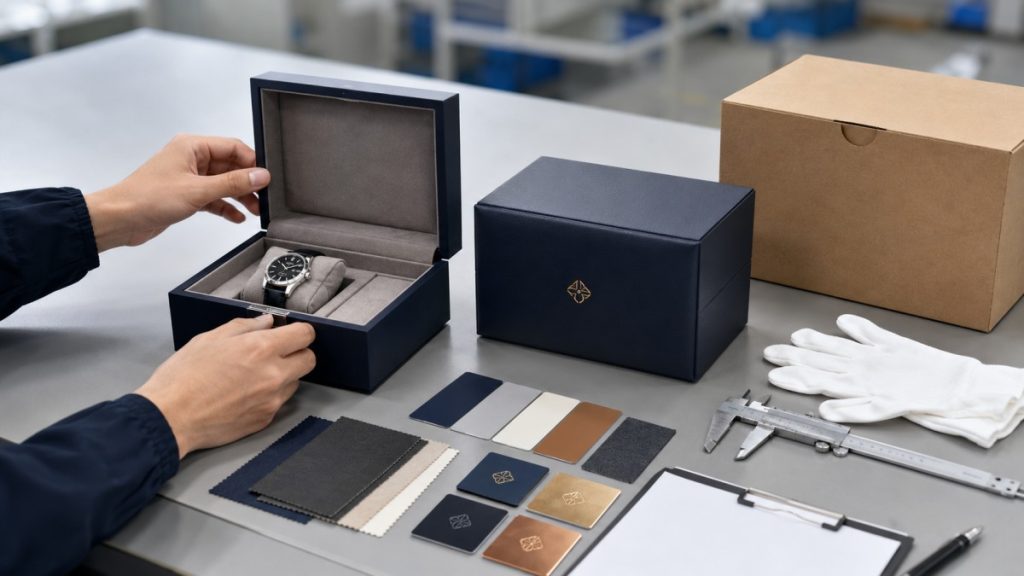
Making your final packaging decision requires a balanced comparison of sample quality, unit costs, and mass production feasibility. Procuring premium custom watch boxes requires rigorous physical testing of the final production prototypes. Brands must evaluate sample durability under actual transit stress to ensure watches remain protected. Taking this final step prevents costly bulk recalls and ensures immediate retail success.
What Should You Compare Before Approval?
Evaluating pre-production physical samples helps identify minor issues before committing to a major production run. Test the opening and closing mechanism repeatedly to ensure hinges and magnets remain secure and smooth. Check the logo print under different lighting to ensure the metallic foil has no peeling edges. Finally, place your watch inside to confirm the pillow fits snugly and holds the timepiece securely.
Key sample evaluation steps:
- Hinge Testing: Open and close the box fifty times to check for loose hardware.
- Fitment Verification: Ensure the watch dial stays centered and doesn’t hit the top lid.
- Material Scratch Test: Gently rub outer surfaces to test resistance to everyday handling.
- Smell & Residue Check: Confirm there are no strong chemical glue odors inside the box.
When Is the Box Ready for Production?
The next detail is often overlooked. Once you approve a sample, make sure the manufacturer signs a Golden Sample Agreement to lock in the exact specifications. This reference sample acts as your quality standard for the entire bulk production run. Never proceed with bulk manufacturing until you have documented tolerances, material types, and agreed-upon delivery times.
| Approval Milestone | Checklist Action | Verification Method | |
|---|---|---|---|
| Structural Check | Verify dimensions and hinge alignment | Caliper & manual testing | |
| Color Matching | Compare paper and fabrics with Pantone swatches | Light booth analysis | |
| Durability Sign-off | Subject sample box to dropping and friction | Real-world drop tests |
Completing these quality assurance checks ensures a smooth, worry-free manufacturing process.
Key Takeaway: Signing off on a physical golden sample guarantees consistent bulk production quality and protects your brand’s reputation.
Conclusion
Navigating the complexities of watch packaging procurement requires a careful balance of budget, structural engineering, design alignment, and manufacturing reliability. This comprehensive guide outlines the logical steps to evaluate custom options and prepare technical requests, helping brands confidently choose the most suitable designs. For businesses seeking a professional partner, King Tai provides comprehensive B2B packaging and printing solutions, specializing in custom design, prototyping, bulk production, quality control, and international logistics. If you are preparing to launch a new collection, contact us today to work directly with our engineering team on your project specifications. A good watch box should protect the product, support the brand, and make every detail easier to approve before production.
FAQ
Can I customize the inner pillow sizes for smaller ladies’ watches and larger chronographs?
Yes, you can customize them. Professional packaging manufacturers use highly adjustable sponge and fiberfill formulas or flexible C-ring plastic bands to ensure a single box structure snugly accommodates varied watch dimensions and wrist sizes.
What’s the best material for eco-friendly watch packaging on a budget?
Unbleached, high-density kraft paperboard wrapped in FSC-certified organic specialty paper is the best choice. This specific combination provides excellent structural protection and a highly tactile unboxing feel while remaining entirely recyclable and cost-effective.
How do I know if a manufacturer’s glues will damage my silver or gold watches?
You must request acid-free, non-toxic glues and test them during the sample validation phase. Reputable manufacturers exclusively use certified eco-glues and chemical-free microfiber linings to prevent oxidation, discoloration, or corrosion of sensitive metals over long storage periods.
Should I choose leather or wood for a luxury watch box?
You should decide based on your brand narrative and target customer profile. Lacquered solid wood offers a traditional, heavy, heirloom-tier feel suitable for classical heritage collections, whereas premium PU leather provides a more contemporary, lightweight, and stain-resistant option for modern lifestyle brands.
Can I request a physical sample before committing to a full production run?
Absolutely. You should always request a pre-production sample to verify structural tolerances, color matching, print quality, and closure friction, ensuring the final mass-manufactured batch aligns perfectly with your specifications.