
Top jewelry packaging trends start with high-quality materials, sustainable choices, minimalist structures, bold color strategies, personalized details, story-driven design, and smart integrations such as QR codes or NFC tags. For jewelry brands, packaging is no longer just a container—it shapes perceived value, protects delicate products, and supports a stronger brand experience from retail display to final unboxing. At King Tai, we help brands turn these packaging ideas into production-ready solutions with material guidance, sampling support, and consistent manufacturing control.
How do materials define jewelry packaging quality?
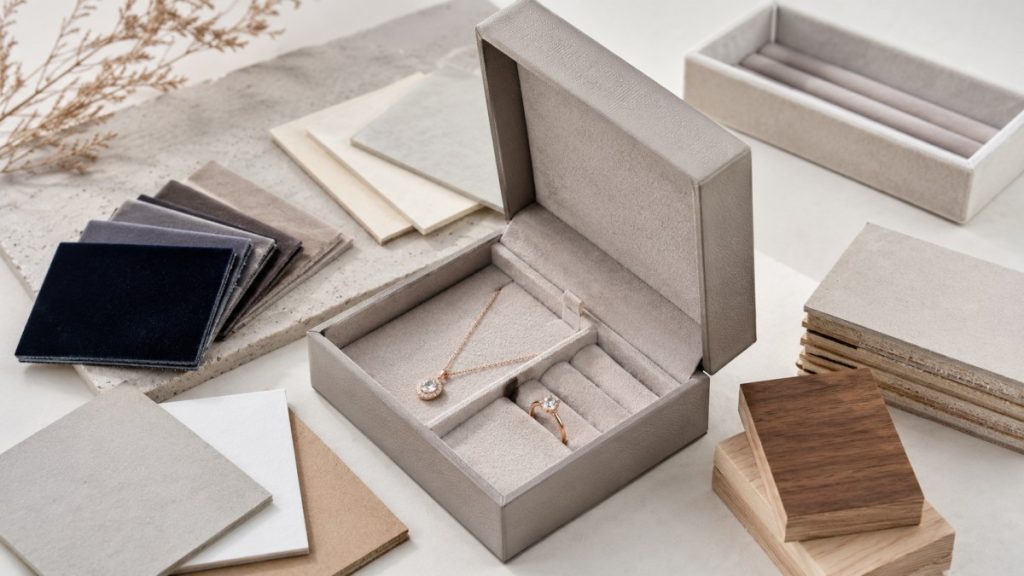
Materials define the look, feel, protection, and cost of jewelry packaging. For jewelry brands, the right material should support premium presentation, protect delicate pieces, and remain stable in bulk production.
When should brands choose rigid jewelry boxes?
Rigid boxes are suitable for mid-range and high-end jewelry because they provide stronger structure, better protection, and a more premium retail feel than folding cartons.
The inner lining also matters. Velvet, microfiber, suede, or foam inserts help prevent scratches, movement, and pressure during handling or shipping.
Where do fabric pouches fit in jewelry packaging?
Fabric pouches work well for lightweight jewelry, travel storage, or secondary packaging inside a gift box. They add a soft touch and can reduce packaging weight.
For high-value or fragile pieces, pouches are better used as a complement to a structured box, not as a full replacement.
- Microfiber: Soft and non-abrasive for polished jewelry surfaces.
- Velvet: Suitable for ring, earring, and premium gift box inserts.
- Organic Cotton: Good for eco-conscious collections and reusable storage.
| Material Type | Main Advantage | Best Use Case | |
|---|---|---|---|
| Rigid Board | Strong structure | Ring boxes, necklace boxes, gift sets | |
| Velvet / Suude | SoPremium soft touch | Inserts and luxury displays | |
| Microfiber | Surface protection | Polished jewelry and travel pouches | |
| Recycled Paperboard | Sustainable and lightweight | Eco-friendly boxes and sleeves | |
| Wood | High-end texture | Luxury boxes and limited editions |
Evaluating materials carefully helps brands balance appearance, protection, cost, and production stability.
Key Takeaway: The best jewelry packaging material is not always the most expensive one. It should match the product value, protection needs, brand positioning, and production budget.
Why is sustainability critical in jewelry packaging?
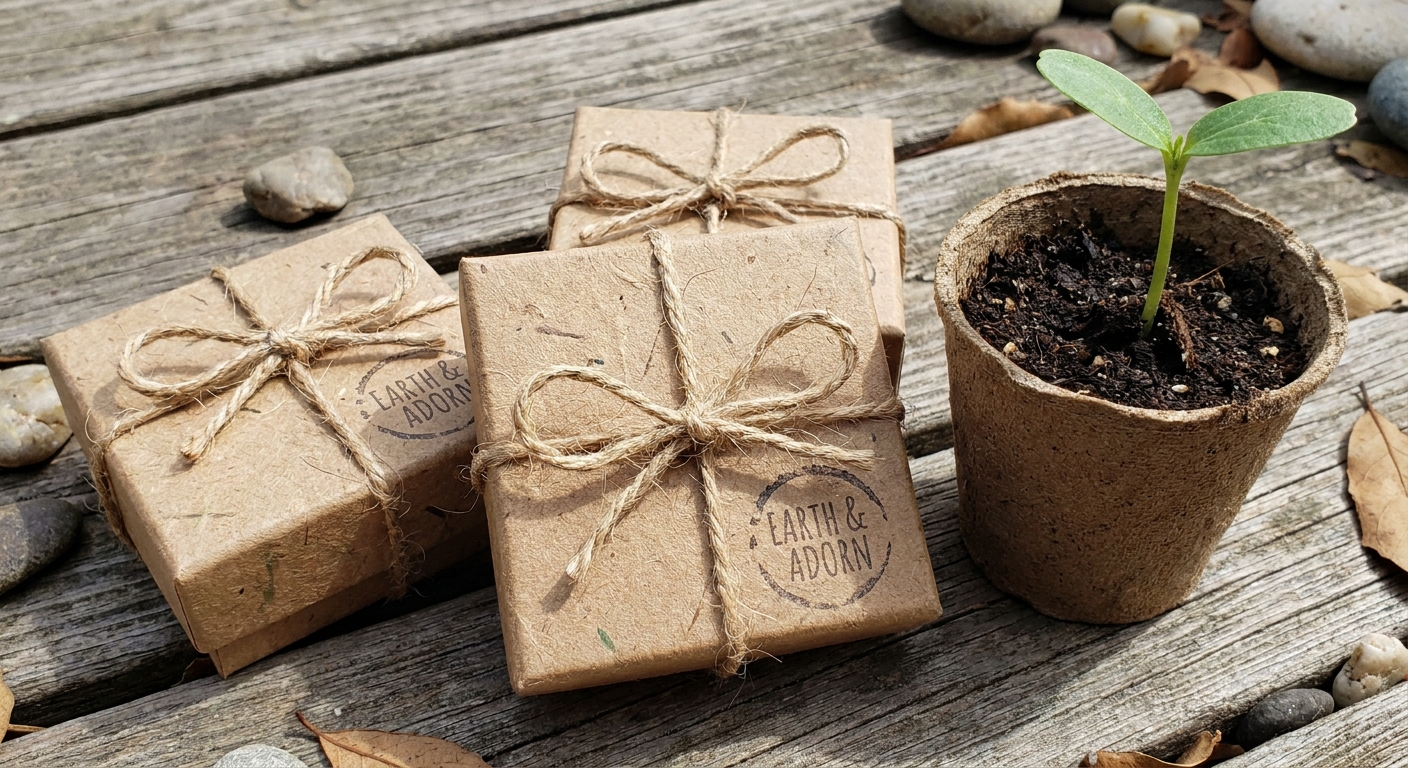
Sustainable jewelry packaging helps brands reduce unnecessary waste while building a more responsible image. For B2B buyers, the key is not only choosing eco-friendly materials, but also making sure the packaging still looks premium, protects the jewelry, and remains stable in bulk production.
What sustainable materials can jewelry brands use?
- FSC Paper: Suitable for rigid boxes, sleeves, labels, and paper bags.
- Recycled Paperboard: A practical option for eco-friendly jewelry box structures.
- Molded Pulp Inserts: Helps reduce plastic inserts while keeping jewelry in place.
- Soy-Based Ink: Suitable for printed paper packaging and brand graphics.
- Reusable Fabric Pouches: Works well for storage, travel use, and secondary packaging.
How should brands balance sustainability and packaging quality?
Sustainability should not weaken the structure, finish, or protection of the packaging. A recycled board box still needs enough rigidity. A paper insert still needs to hold the jewelry securely. A natural finish still needs to match the brand’s retail image.
| Sustainable Feature | Primary Benefit | Brand Perception | |
|---|---|---|---|
| FSC Paper | Forest Conservation | Ethical & Responsible | |
| Seed Inserts | Zero Waste | Innovative & Eco-Conscious | |
| Recycled Pulp | Lower Carbon Footprint | Authentic & Sustainable |
Key Takeaway: Sustainable jewelry packaging works best when eco-friendly materials, product protection, brand positioning, and production quality are considered together.
Why is minimalist jewelry packaging so popular?
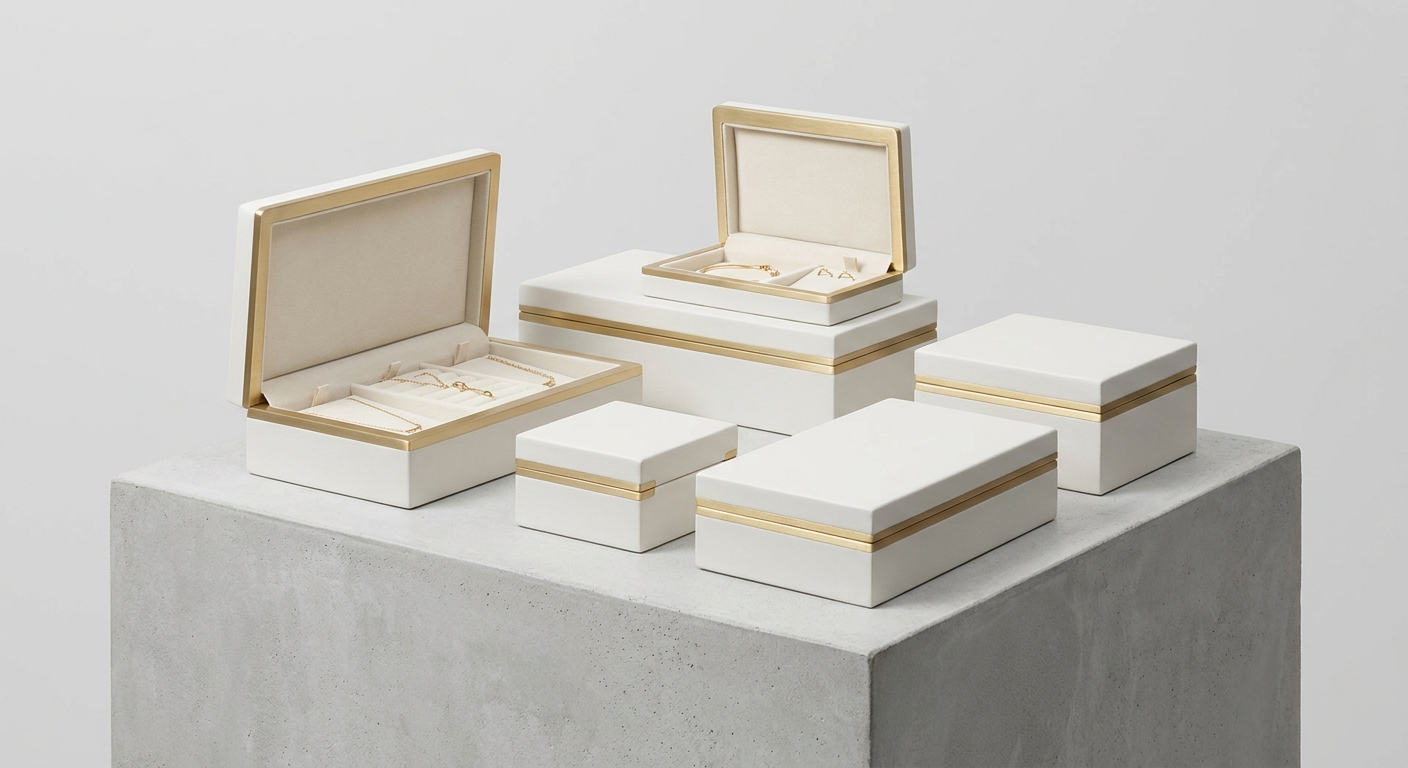
Minimalist jewelry packaging is popular because it gives the product more visual focus while keeping the brand image clean and premium. Simple shapes, controlled colors, and subtle finishes work well across rings, earrings, necklaces, bracelets, and gift sets, making them practical for brands that need a consistent packaging system.
What are matte finishes?
Matte finishes create a soft, refined surface that feels more modern than glossy packaging. Common choices include matte black, ivory, beige, soft gray, and muted pastel tones.
They are suitable for brands that want a clean and understated luxury look. However, matte surfaces require good production control because scratches, fingerprints, glue marks, and color differences can be more visible.
Are magnetic closures worth it?
- Seamless Design: Keeps the box profile clean without visible hardware.
- Better Unboxing Feel: Creates a smooth and secure closing experience.
- Production Accuracy: Requires precise alignment to avoid weak closure, uneven gaps, or poor fitting.
| Minimalist Element | Effect | Aesthetic Value | |
|---|---|---|---|
| Matte Finish | Understated Elegance | High | |
| Monochromatic Palette | Clean brand consistency | High | |
| Hidden Closures | Sleek modern profile | Very High |
Minimalist packaging looks simple, but it depends on precise materials, clean finishing, accurate logo placement, and stable production quality.
Key Takeaway: Minimalist jewelry packaging works best when simple design is supported by premium materials, precise finishing, and consistent production control.
How do bold colors impact jewelry packaging?
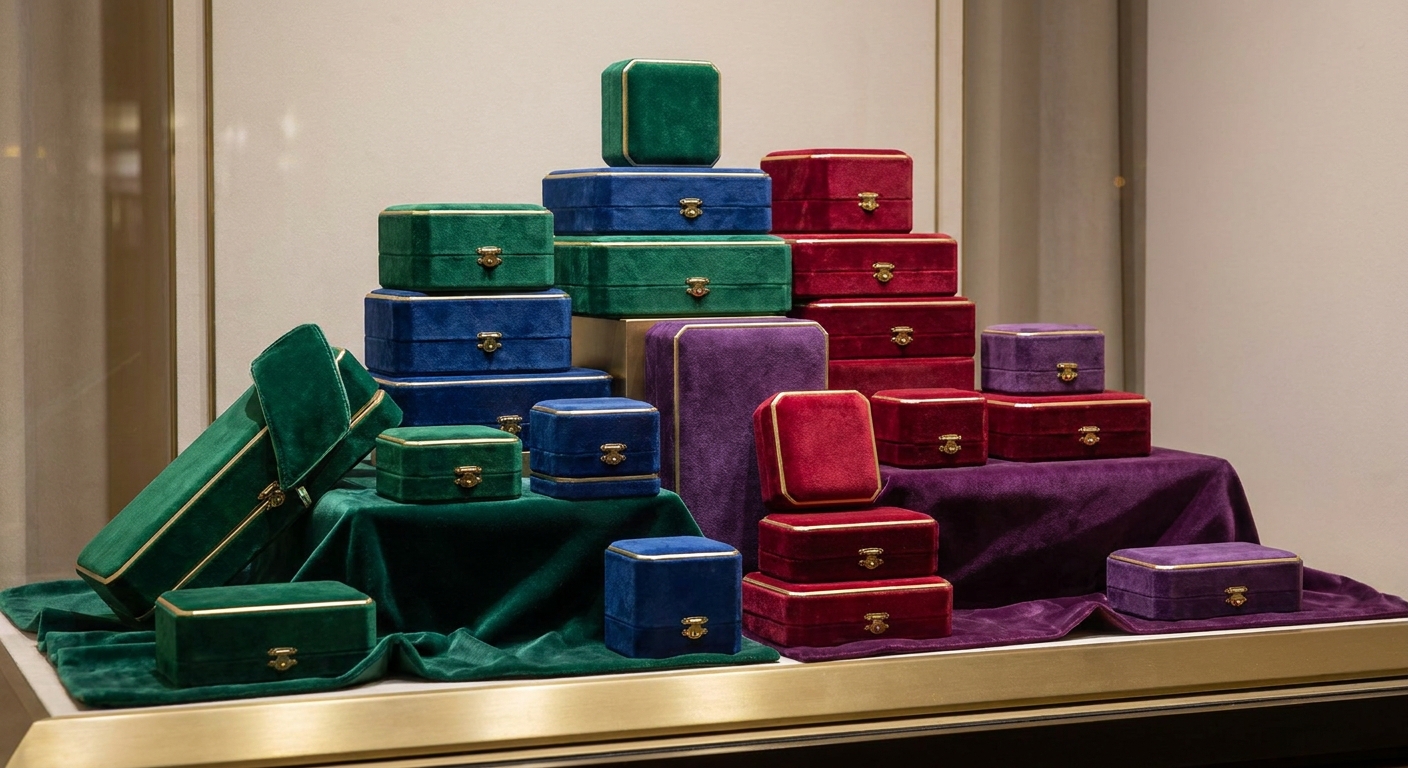
Bold colors help jewelry packaging stand out and make the brand easier to recognize. While minimalist packaging creates a clean luxury feel, rich color palettes can express personality, collection themes, and stronger shelf presence.
Why use jewel tones?
Jewel tones such as emerald green, sapphire blue, ruby red, and amethyst purple naturally connect with the jewelry category. These colors create a rich, premium look and work well for brands that want stronger visual impact.
They are especially effective for seasonal collections, luxury gift sets, boutique jewelry lines, and packaging that needs to look distinctive in retail displays or online product photography.
Are abstract patterns effective?
- Geometric Shapes: Add a modern and structured visual style.
- Watercolor Designs: Create a softer, artistic brand impression.
- Metallic Accents: Add luxury detail through foil, lines, or logo finishes.
| Color Strategy | Emotional Response | Market Positioning | |
|---|---|---|---|
| Deep Emerald | Growth & Wealth | Classic Luxury | |
| Royal Blue | Trust & Stability | Established Brand | |
| Bold Red | Passion & Energy | Trendy & Daring |
A strong color strategy helps jewelry brands build recognition across boxes, bags, inserts, ribbons, and retail displays.
Key Takeaway: Bold jewelry packaging works best when color supports the brand identity, product collection, and overall packaging system.
How does personalization improve jewelry packaging?
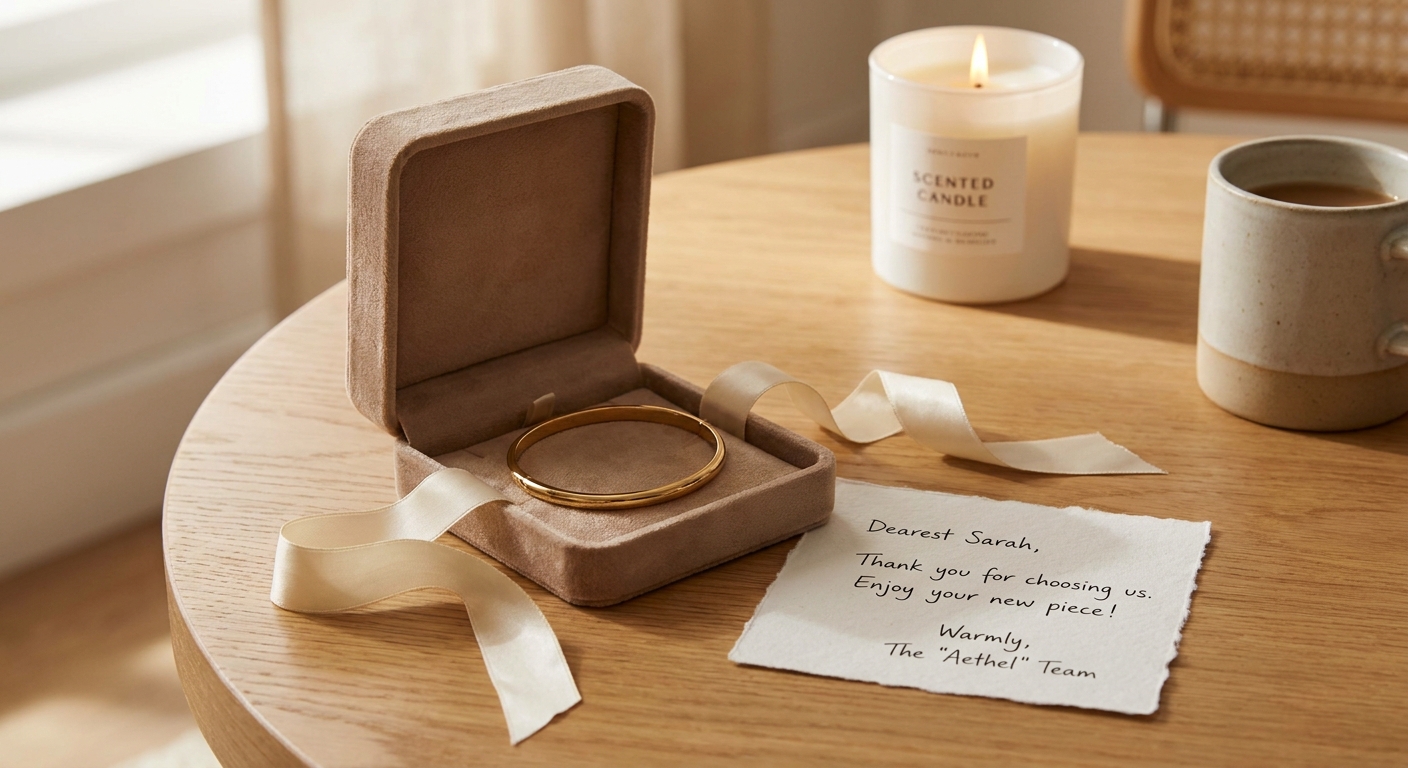
Personalization improves jewelry packaging by making the brand feel more distinctive and memorable. Custom logos, colors, inserts, ribbons, and message cards help turn a standard box into a branded packaging experience.
Does custom branding matter?
Custom branding matters because it makes the packaging easier to recognize and more aligned with the jewelry brand. Common options include foil stamping, embossing, debossing, screen printing, laser engraving, and custom label details.
For premium jewelry packaging, branding should be visible but not excessive. A small logo, clean placement, and consistent finishing often look more refined than heavy decoration.
Can handwritten notes help?
- Bespoke Inserts: Match the product shape, collection, and brand color.
- Custom Ribbons: Add a premium detail to boxes, bags, or gift sets.
- Messages Crads: Create a warmer and more personal unboxing experience.
| Customization Type | Impact Level | Implementation Ease | |
|---|---|---|---|
| Engraved Initials | High | Moderate | |
| Branded Tissue | Medium | Easy | |
| Custom Inserts | High | Easy |
Small customization details can make jewelry packaging feel more intentional without adding unnecessary complexity.
Key Takeaway: Personalized jewelry packaging works best when custom details support the brand image, improve presentation, and remain practical for production.
Why is story-driven jewelry packaging effective?
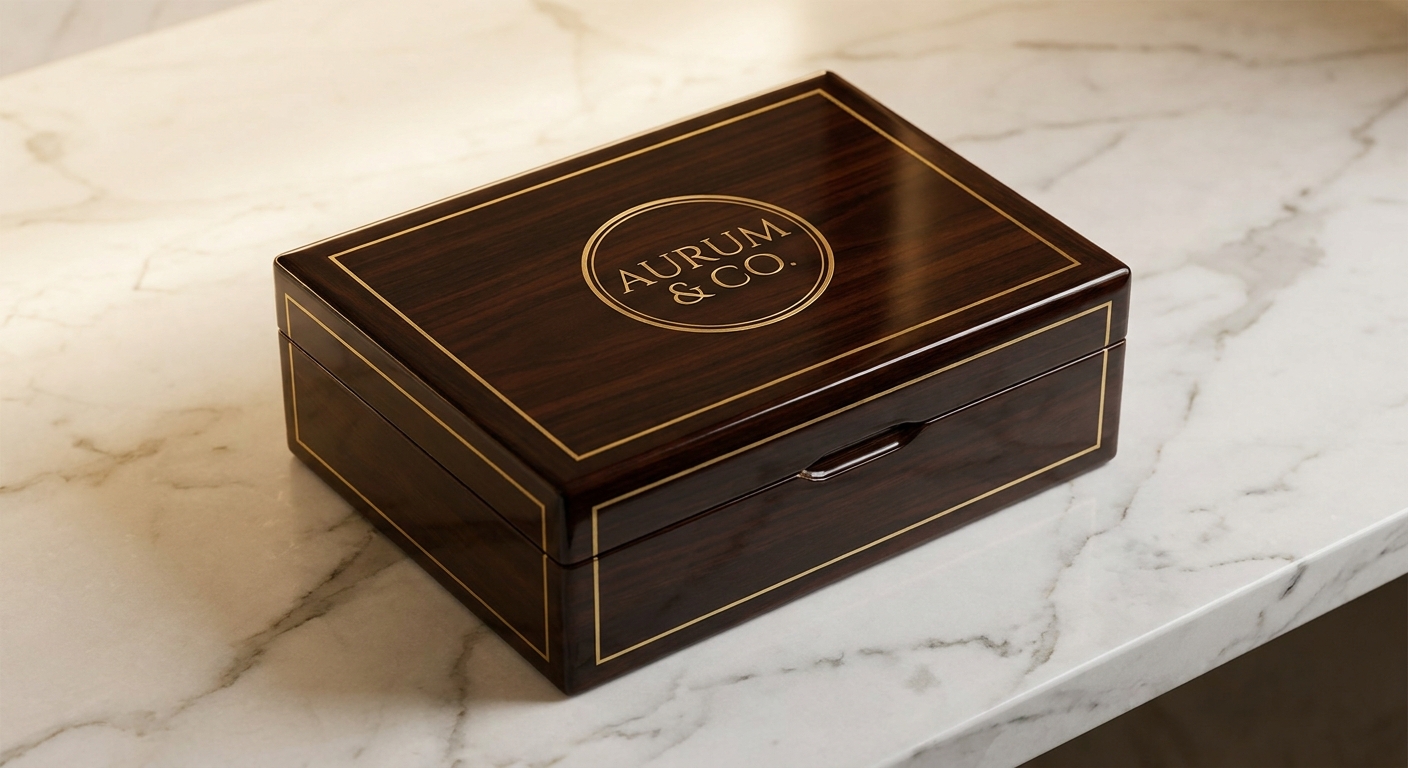
Story-driven jewelry packaging helps brands communicate more than product value. Through materials, colors, patterns, inserts, and printed details, packaging can show brand heritage, craftsmanship, sustainability, or collection inspiration.
How to share heritage?
Brands can use subtle patterns, custom textures, origin-inspired colors, or printed inserts to reflect their background. The goal is not to overload the box with information, but to add details that make the packaging feel more meaningful.
For example, a fine jewelry brand may use a signature motif, a heritage color, or a short insert card to explain the story behind a collection.
Does artisan detail matter?
- Hand-Stitched Elements: Add a crafted and high-end feel to pouches or inserts.
- Ethical Sourcing Info: Communicate material or gemstone responsibility in a simple way.
- Limited Edition Labels: Create exclusivity through numbered or collection-specific packaging.
| Narrative Element | Brand Trust Impact | Customer Engagement | |
|---|---|---|---|
| Artisan Stories | High | High | |
| Origin Motifs | Moderate | Moderate | |
| Sustainability Info | Very High | Moderate |
Story-driven packaging works best when the message is clear, subtle, and connected to the product.
Key Takeaway: Story-driven jewelry packaging helps brands build stronger recognition by turning materials, details, and printed elements into a clear brand message.
What tech is modernizing jewelry packaging?
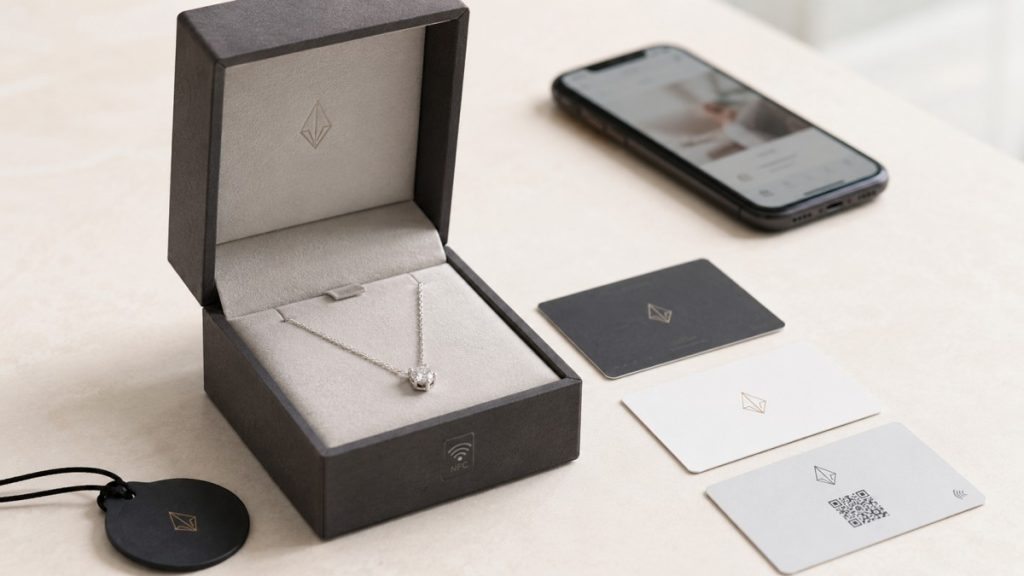
Technology is making jewelry packaging more useful by connecting physical boxes with digital brand content. QR codes, NFC tags, and authentication labels can help brands share care guides, warranty details, product stories, or after-sales information without adding extra printed inserts.
How are QR codes used?
QR codes can be printed inside the lid, on a card, or on the outer sleeve. They are useful for linking customers to product care instructions, warranty registration, brand videos, or collection pages.
For B2B buyers, QR codes are also practical because the same box design can support different digital content by changing the linked page, not the whole packaging structure.
Is augmented reality viable?
- Product Care Access: Link customers to cleaning, storage, and warranty information.
- Authentication Support: Use QR codes or NFC tags to help verify product details.
- Brand Storytelling: Connect packaging to videos, collection pages, or campaign content.
| Tech Integration | Purpose | User Engagement | |
|---|---|---|---|
| QR Codes | Information Access | High | |
| AR Scans | Visual Interaction | Very High | |
| NFC Tags | Authentication | Moderate |
Digital elements work best when they add real value instead of becoming a decorative feature.
Key Takeaway:Tech-infused jewelry packaging is most effective when it improves product information, authentication, after-sales support, or brand storytelling.
Can multi-functional jewelry packaging add value?
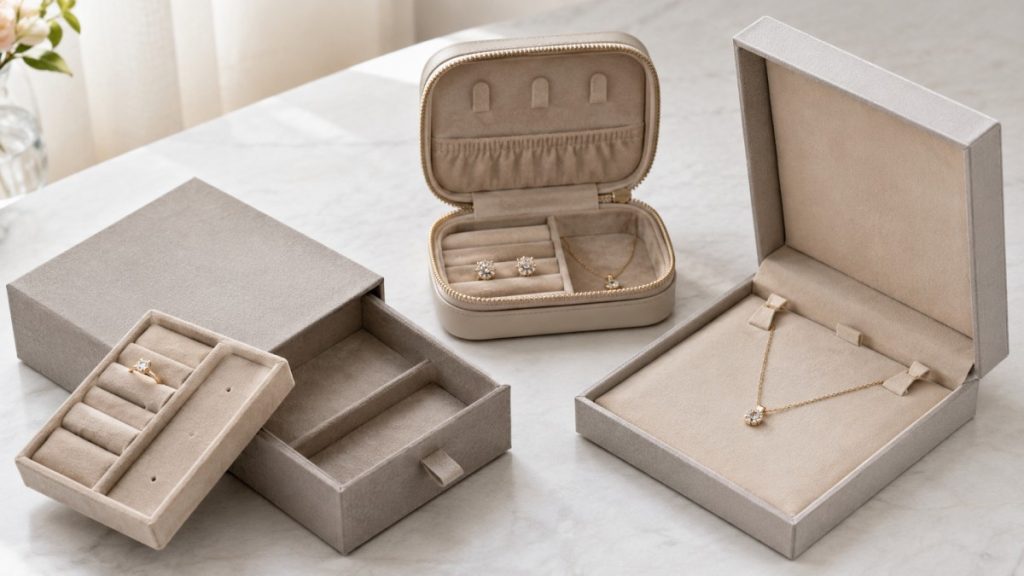
Multi-functional jewelry packaging adds value when it can be reused for storage, travel, display, or gifting. It helps the packaging stay useful after purchase instead of being discarded immediately.
For jewelry brands, reusable packaging can also improve perceived value and keep the brand visible for longer.
What are convertible cases?
Convertible cases are packaging structures that can be reused beyond the first unboxing. Common examples include travel pouches, drawer-style boxes, display boxes, and rigid boxes with removable inserts.
These formats are useful for jewelry brands that want packaging to feel practical, premium, and gift-ready.
Are reusable boxes worth it?
- Storage Value: Helps customers keep rings, earrings, necklaces, or bracelets organized.
- Travel Use: Pouches or compact cases make the packaging more practical.
- Gift Presentation: Rigid boxes with clean inserts create a stronger premium feel.
| Feature | Benefit | Best For | |
|---|---|---|---|
| Removable Inserts | Flexible storage | Gift sets | |
| Travel Pouches | Easy carrying | Lightweight jewelry | |
| Drawer Boxes | Premium reuse | Rings, bracelets, necklaces |
Multi-functional packaging should still stay simple. Too many structural features can increase cost, complicate production, and weaken the clean retail look.
Key Takeaway: Multi-functional jewelry packaging works best when reusable features improve protection, storage, or gift value without making the structure too complex.
How do custom bags complement jewelry packaging?
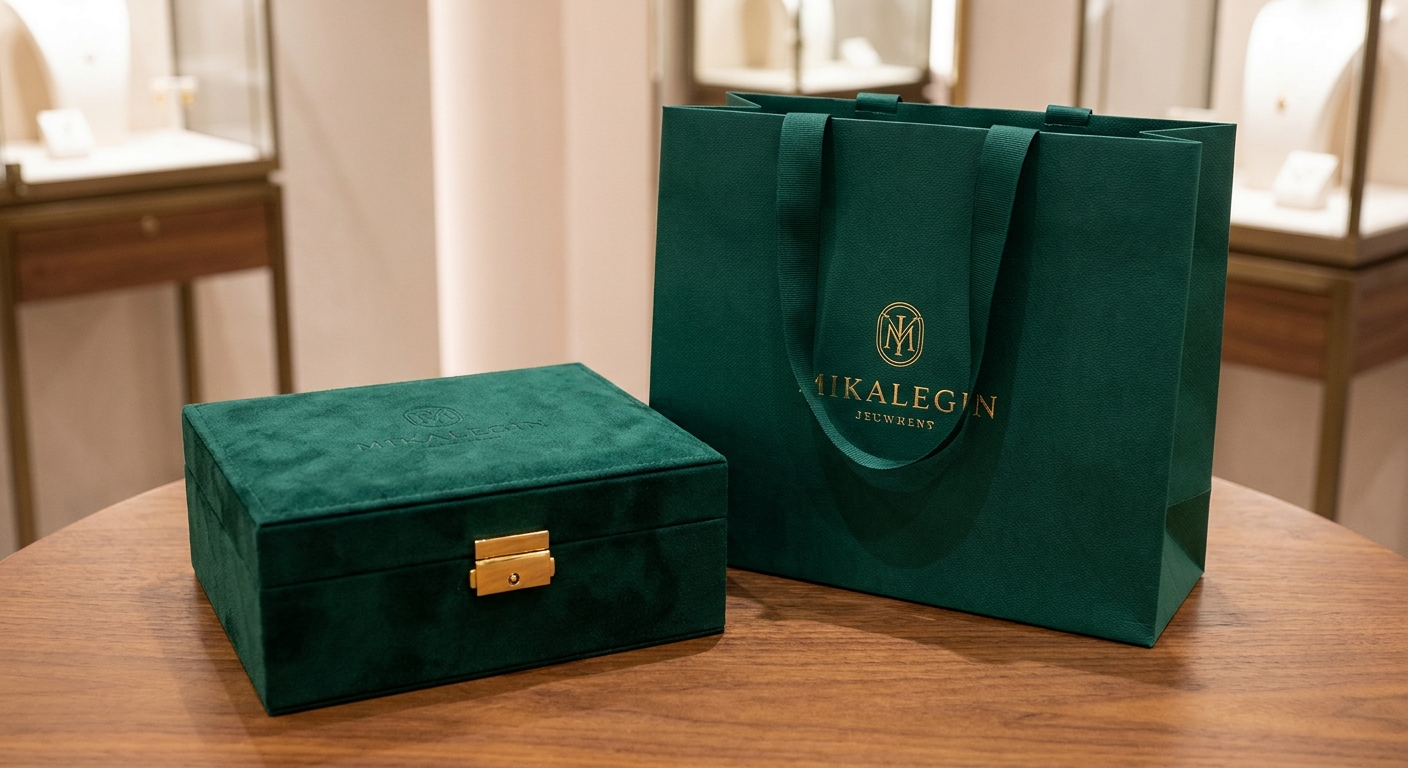
Custom bags help complete the jewelry packaging system by extending the same brand style beyond the box. A well-matched bag makes the full package look more consistent, gift-ready, and suitable for retail, events, and customer deliveries.
What bag styles work best?
The best bag style depends on the jewelry brand’s positioning, product value, and sales channel. Rigid paper bags, kraft paper bags, soft-touch laminated bags, and fabric bags can all work well when matched with the box design.
Premium jewelry brands often use thicker paper, reinforced handles, foil logos, ribbon handles, or textured finishes to create a more refined look.
Should bags match the jewelry box?
- Brand Consistency: Keeps boxes, bags, inserts, and cards visually aligned.
- Gift-Ready Presentation: Makes the package more suitable for retail and gifting.
- Retail Visibility: Helps the brand stay visible outside the store or delivery box.
| Bag Feature | Main Benefit | Best Use | |
|---|---|---|---|
| Rigid Paper Bag | Premium retail feel | Boutique jewelry brands | |
| Kraft Paper Bag | Natural and eco-conscious look | Sustainable collections | |
| Fabric Bag | Reusable and soft-touch | Premium gifts and events |
Custom bags work best when they are designed as part of the full packaging system, not as a separate accessory.
Key Takeaway: Custom jewelry bags add value when they match the box, support the brand image, and improve the final retail or gifting experience.
Why choose a partner for jewelry packaging?
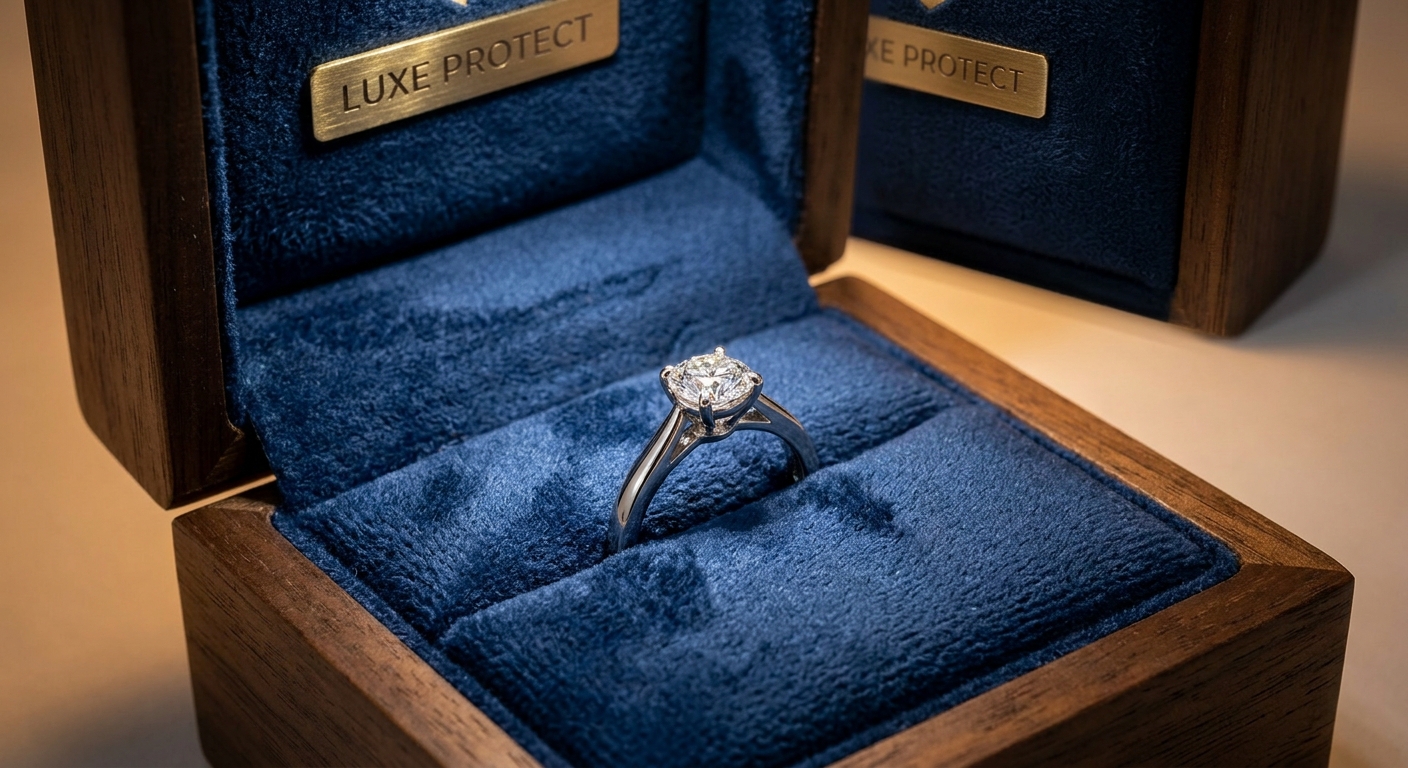
Choosing the right jewelry packaging partner helps brands turn packaging ideas into production-ready solutions. A reliable supplier should provide material guidance, structural advice, sampling support, quality control, and stable bulk production instead of only producing boxes from a basic design file.
What should brands look for in a packaging partner?
Jewelry brands should look for a partner with experience in rigid boxes, inserts, surface finishing, custom bags, and export packaging. The supplier should understand both visual presentation and practical production details.
Good communication also matters. Clear material options, accurate sampling, realistic timelines, and production feedback can reduce mistakes before bulk orders.
Why does production control matter?
- Material Guidance: Helps brands choose suitable paper, board, lining, inserts, and finishes.
- Sampling Support: Allows brands to check structure, color, logo effect, and insert fit before mass production.
- Quality Control: Keeps bulk orders consistent in structure, finish, color, and packaging details.
| Partner Capability | Why It Matters | Buyer Benefit | |
|---|---|---|---|
| Material Sourcing | Matches design, budget, and quality needs | Better project control | |
| Custom Sampling | Tests structure and finishing before production | Lower production risk | |
| Bulk Production QC | Controls consistency across large orders | More stable delivery |
A strong packaging partner helps brands avoid common issues such as weak structures, color mismatch, poor logo finishing, loose inserts, and inconsistent bulk quality.
Key Takeaway: The right jewelry packaging partner should help brands balance design, protection, cost, and production stability from sample development to final delivery.
Investment in your presentation is just as important as the jewelry itself. If you continue to use uninspired, low-quality containers, you risk losing customers to brands that prioritize the full experience. At King Tai, we solve this by providing one-stop custom solutions that combine innovative trends with 20 years of manufacturing expertise. We help you move from initial concept to stable mass production with clear communication and consistent quality.
Our vision is to empower brands to shine through exceptional packaging that tells their story and respects the planet. Whether you need a sleek minimalist box or a tech-infused narrative experience, we are here to help. To transform your brand presentation and drive customer loyalty, contact us today .
FAQs
What is jewelry packaging?
Jewelry packaging refers to the boxes, pouches, bags, inserts, cards, and other materials used to protect and present jewelry products.
What materials are commonly used for jewelry packaging?
Common materials include rigid board, paperboard, velvet, microfiber, suede, wood, recycled paper, and fabric. The right choice depends on the jewelry type, brand positioning, budget, and protection needs.
Can jewelry packaging be customized?
Yes. Jewelry packaging can be customized with brand logos, colors, inserts, ribbons, cards, bags, foil stamping, embossing, debossing, and different box structures.
What is the best packaging for luxury jewelry?
Luxury jewelry usually works well with rigid boxes, soft-touch paper, velvet or microfiber inserts, foil logos, and matching paper bags. The packaging should look premium while keeping the jewelry secure.
How do I choose the right jewelry packaging supplier?
Choose a supplier that can support material selection, custom sampling, logo finishing, insert design, quality control, and bulk production. Clear communication and stable production quality are also important.