
The best material to store jewelry in is a chemically inert, non-reactive protective fabric like high-density treated velvet or specialized anti-tarnish microfibers housed inside a rigid, moisture-resistant protective case. Imagine opening a pristine display tray to showcase a flagship custom diamond suite, only to find the delicate metal tarnished black and the polished edges deeply scratched from shifting during transit. For luxury brands and boutique retailers, watching high-margin inventory lose its brilliance is agonizing, destroying profit margins and undermining customer trust in your brand’s quality. Sourcing premium jewelry storage solutions is the vital defense mechanism that stops atmospheric humidity and physical friction from ever degrading your valuable assets.
Why does material selection matter for jewelry storage?
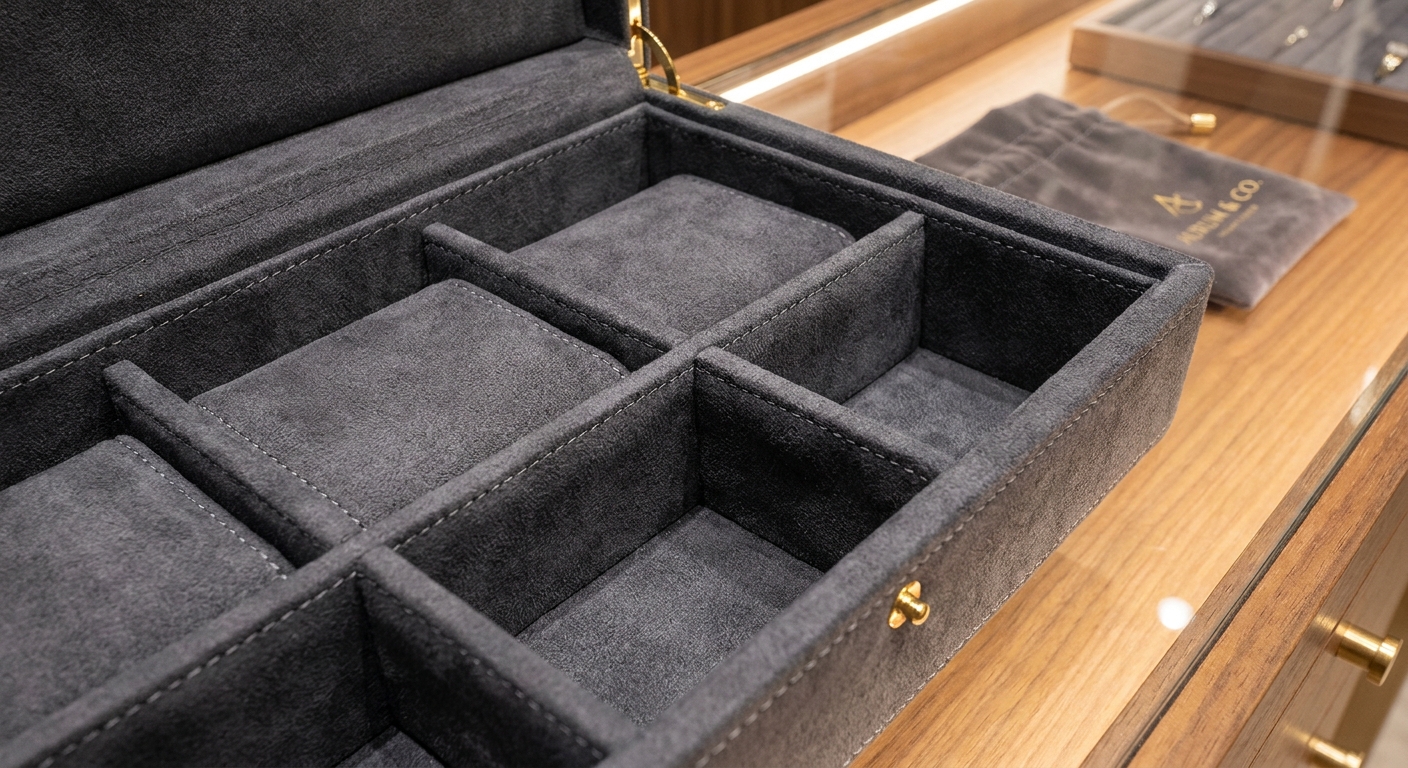
Material selection directly dictates whether your valuable inventory retains its brilliant catalog finish or falls victim to chemical corrosion and abrasive micro-scratches. Choosing premium materials for your bulk jewelry storage is the single most important decision for protecting soft metals and delicate gemstones.
When your raw packaging materials contain hidden acidic binders or abrasive fibers, they actively destroy the polished luster of gold, silver, and precious stones. Your physical presentation boxes must serve as active protective chambers rather than passive display holders.
How do materials trigger rapid metal tarnishing?
Atmospheric gases like hydrogen sulfide react directly with vulnerable silver, copper, and low-carat gold alloys.
- Cheap adhesives and standard cardboards release sulfur compounds as they age.
- These volatile organic compounds form a dark tarnish layer on your precious metal stocks.
- Non-reactive barriers block these airborne contaminants completely.
You will find that using chemically pure protective linings prevents this quiet degradation of your display-ready stock. Ensuring your packaging lacks active sulfur compounds prevents tarnishing before it starts.
What prevents physical micro-abrasions on gems?
Varying mineral hardness means that unstructured mixing of items leads to immediate surface scratching. But wait, there’s more:
- Diamonds and sapphires will easily gouge softer metals and organic pearls if they collide.
- High-density compartment dividers eliminate physical contact during bulk transit.
- Tailored soft pockets secure each piece in its own custom space.
You must choose linings that cushion against friction and hold products in place under normal movement. This physical isolation is key for preserving polished finishes.
Key Takeaway: Implementing an engineered partition system inside your storage ensures that every individual piece remains safe from mechanical abrasion and chemical tarnishing.
| Storage Component | Primary Threat | Prevention Mechanism | Protection Rating | |
|---|---|---|---|---|
| Dividers & Slots | Impact & Abrasions | Complete physical isolation | Outstanding | |
| Fabric Linings | Surface scratching | Friction cushion barrier | Premium | |
| Inert Adhesives | Chemical tarnishing | Eliminates acidic off-gassing | Safe |
Sourcing compartmentalized systems with inert adhesives remains the single most cost-effective method to secure your inventory from chemical and physical wear.
Is anti-tarnish fabric the best jewelry storage?
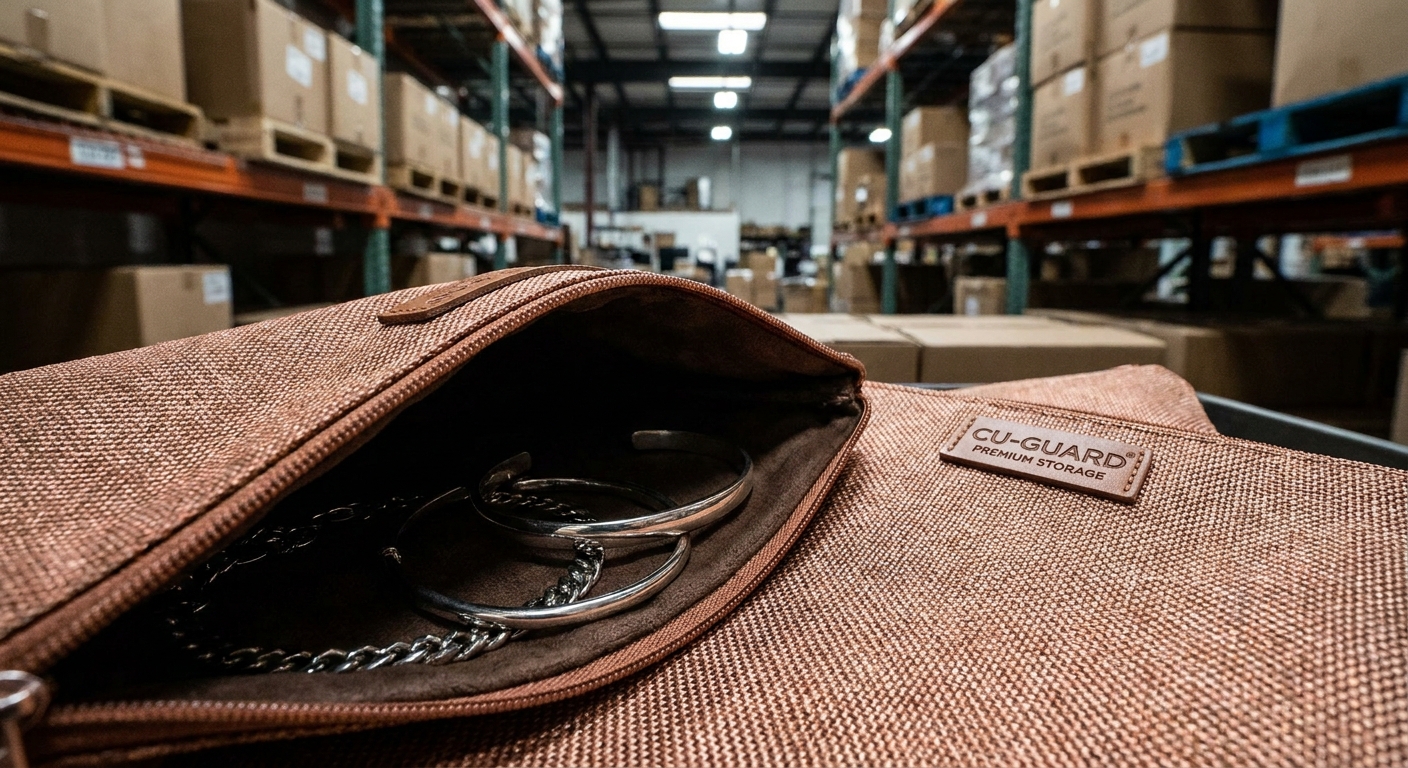
Yes, anti-tarnish fabric represents the absolute pinnacle of defense for sterling silver and brass alloys because it chemically intercepts corrosive gases. Implementing this specialized fabric inside your wholesale jewelry storage setups guarantees your inventory remains perfectly bright and ready for retail without constant repolishing.
These advanced textiles are infused with specialized metal particles that act as sacrificial targets for sulfur compounds in the air. By neutralizing the sulfur before it touches your inventory, the metal’s high-polish finish remains completely unblemished.
Why do sterling silver and copper need active defense?
Silver and copper are highly reactive metals that oxidize quickly when exposed to normal atmospheric conditions.
- Ambient moisture and trace sulfur levels cause immediate cosmetic dullness.
- This oxidation ruins the perceived luxury value of your sterling silver products.
- Sacrificial copper-infused fibers in the fabric absorb these aggressive agents first.
Your pieces stay brilliant because the packaging absorbs the environmental damage instead of your jewelry. You will save valuable labor hours by eliminating the need for frequent manual polishing.
Does anti-tarnish protection ever wear out?
Yes, treated fabrics eventually lose their active chemical neutralization power once their embedded copper or silver particles are fully saturated.
- Typical commercial lifespans range from two to five years depending on exposure.
- Keeping storage bags sealed when not in use extends this protective window.
- Replacing inner liners during routine seasonal rotations ensures unbroken security.
You must monitor the age of your packaging materials to ensure ongoing protection for your backstock. This scheduled oversight keeps your distribution pristine.
Key Takeaway: Proactive testing and timely replacement of treated fabric pouches prevent sudden, unexpected tarnishing episodes in your long-term vault storage.
| Fabric Treatment | Active Component | Neutralization Target | Estimated Lifespan | |
|---|---|---|---|---|
| Copper-Infused | Copper micro-particles | Hydrogen sulfide gas | 3 to 5 Years | |
| Silver-Treated | Silver nitrate salts | Ambient sulfur compounds | 2 to 3 Years |
Deploying copper-infused fabrics in closed containers delivers active, long-lasting sulfur intercept capabilities for silver product lines.
Why is velvet the top lining for jewelry storage?
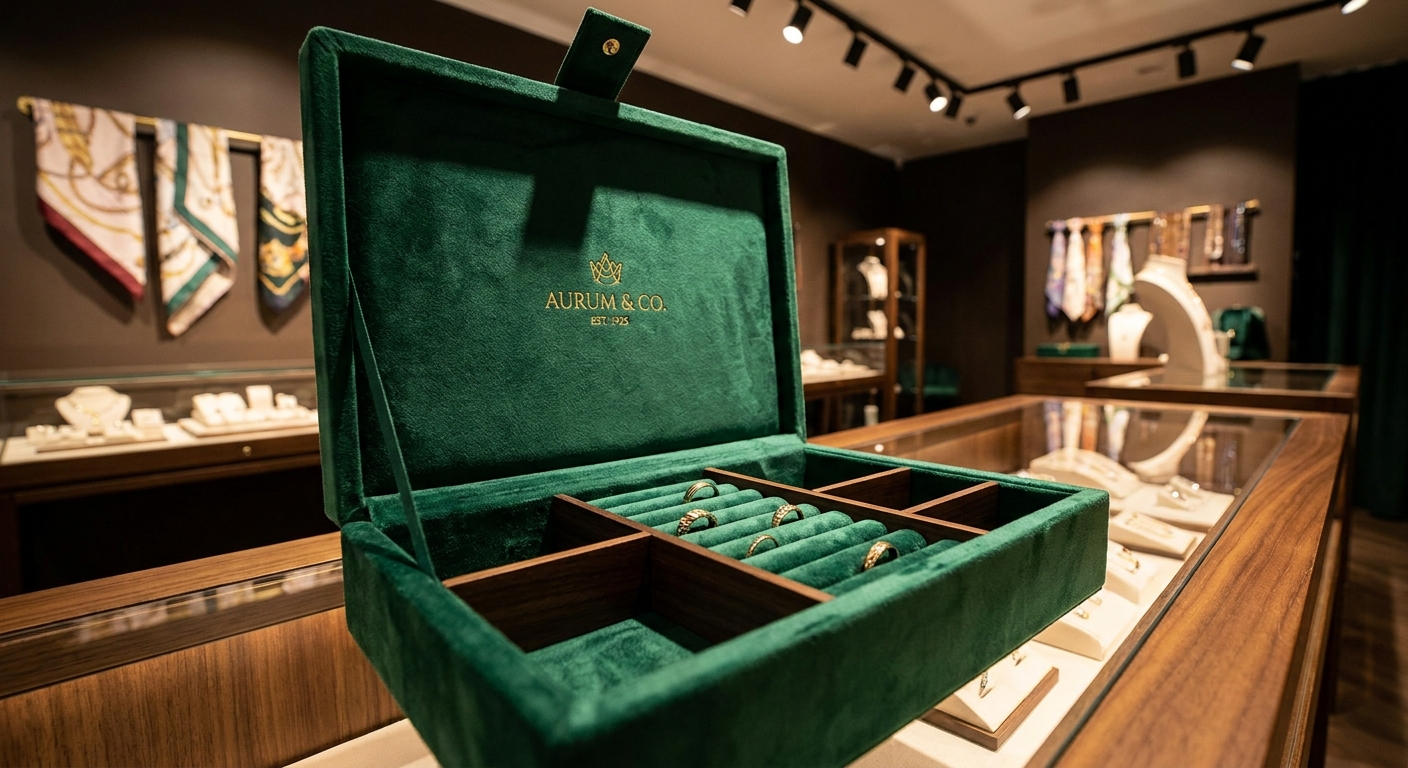
Velvet is the absolute premier choice for lining luxury boxes because its plush pile provides unmatched physical cushioning and high-contrast display value. Incorporating dense, lint-free velvet into your flagship jewelry storage units ensures that delicate settings and high-carat bands are cradled safely.
This classic presentation material creates a rich, light-absorbing background that instantly amplifies the fire and brilliance of diamonds. However, procurement managers must carefully verify the fabric’s synthetic purity to ensure it doesn’t harbor harsh chemical solvents.
How does pile density impact physical scratch defense?
High pile density ensures that heavy pieces are fully suspended and prevented from touching raw backing wood or plastic dividers.
- Low-grade flocking easily collapses under the weight of heavier gold bracelets or cufflinks.
- High-density velvet maintains its loft to absorb impact shocks during transit.
- It keeps delicate gemstone prongs locked in place without snagging.
You will observe that this premium cushioning holds heavy luxury watches and fine necklaces in place securely. This robust support system minimizes physical movement inside your displays.
Can cheap velvet linings ruin precious metals?
Yes, low-quality velvets often utilize acidic adhesives to bond the fibers to their structural cardboard or plastic bases.
- These hidden glues emit volatile formic and acetic acids into closed box spaces.
- This leads to accelerated yellowing of white gold and rapid tarnishing of platinum highlights.
- Choosing synthetically bonded, solvent-free microfiber velvet eliminates this chemical risk.
You can secure complete safety for your metal assets by insisting on hot-melt or water-based lamination. Clean, sulfur-free fabric backings represent the safest direction for custom boxes.
Key Takeaway: Specifying high-density, solvent-free synthetic velvet linings guarantees gorgeous premium displays without introducing hazardous chemical off-gassing.
| Velvet Grade | Fiber Backing | Crush Resistance | Chemical Off-gassing | |
|---|---|---|---|---|
| Premium Synthetic | Nylon / Polyester | Extremely High | Zero (Solvent-free) | |
| Standard Flocked | Cotton / Paper pulp | Low to Moderate | High (Acidic glues) |
Premium synthetic velvets provide the maximum structural loft and chemical safety for high-end boutique branding.
Is acid-free paper safe for bulk jewelry storage?
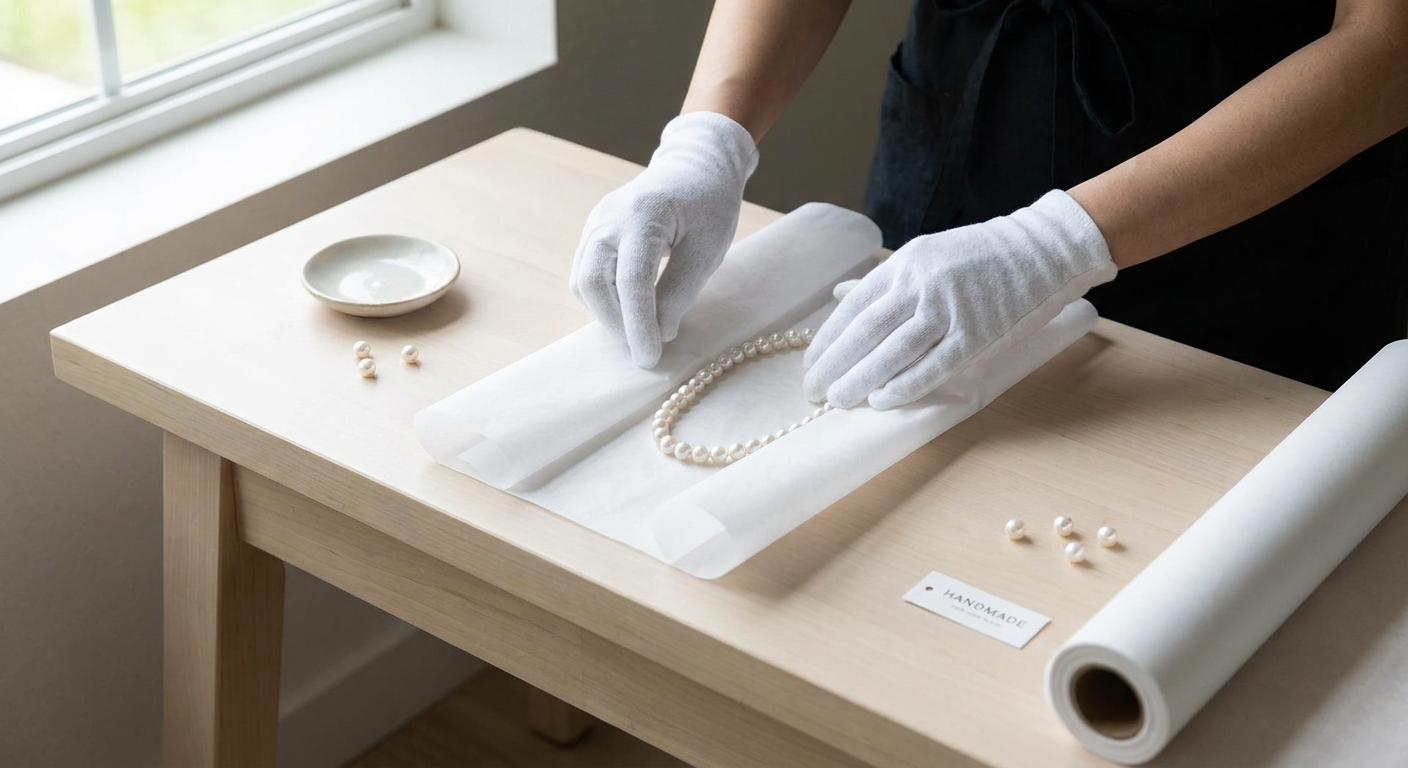
Yes, acid-free tissue paper is exceptionally safe and highly recommended as a neutral barrier wrapping for long-term vault inventory. Using pH-neutral tissue inside your bulk jewelry storage operations prevents delicate metals and sensitive organic pearls from contacting acidic boxes.
Standard commercial wood-pulp papers contain natural compounds that break down into corrosive organic acids over time. This specialized paper is processed to eliminate these impurities, maintaining a perfectly neutral pH level of 7.0 to 7.5.
Why do organic gems require acid-free wrapping?
Organic gems like pearls, opals, amber, and coral are highly vulnerable to acidic surface erosion and dehydration.
- Standard cardboard boxes draw natural moisture from pearls, causing micro-cracking.
- Acid-free wrapping allows these sensitive organic stones to breathe while shielding them from light.
- It maintains their delicate nacre luster over decades of warehousing.
You will prevent surface erosion and maintain the deep glow of your pearl stocks. This simple barrier safeguards their physical integrity over years of dark storage.
What makes standard paper and tissue dangerous?
Standard tissue paper contains residual sulfites and wood lignin that react chemically when trapped inside closed containers.
- Moisture acts as a catalyst, transforming these residuals into active acids.
- They quickly turn brilliant sterling silver into a dull, oxidized yellow-gray.
- Acid-free tissue is buffered with calcium carbonate to actively neutralize acidity.
You can safely pack bulk sterling chains and polished bands inside this defensive paper layer. It provides clean, ultra-low-cost insulation for overseas shipping and local storage alike.
Key Takeaway: Utilizing pH-neutral, buffered tissues is a highly cost-effective archival practice to protect bulk luxury stock from chemical yellowing.
| Wrapping Medium | pH Level | Chemical Content | Gem Compatibility | |
|---|---|---|---|---|
| Acid-Free Tissue | 7.0 to 7.5 | Pure cellulose (Sulfur-free) | Safe for all gems | |
| Standard Tissue | Under 6.0 | Active sulfites and lignins | Highly damaging |
Wrapping individual metal products in buffered tissue eliminates immediate tarnish concerns during transit and seasonal warehousing.
Can wooden cases provide safe jewelry storage?
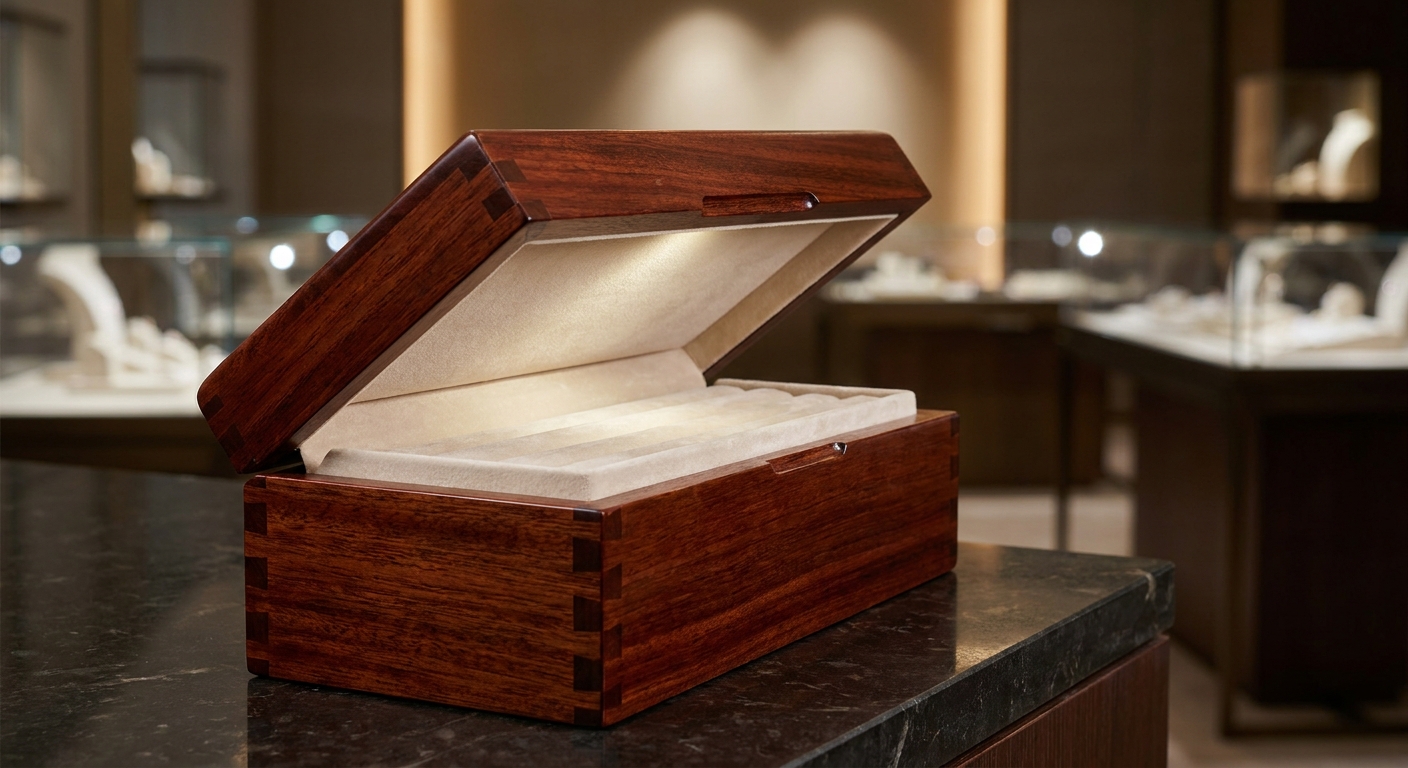
Wooden cases provide outstanding physical defense and exquisite luxury appeal, provided they are built with safe water-based adhesives. Selecting premium wood structures for your custom jewelry storage needs delivers supreme crushing protection that cardboard cannot match.
A solid hardwood exterior acts as an excellent insulator against temperature fluctuations and physical drops. However, untreated raw timbers and industrial wood glues can release natural acidic fumes that damage metal surfaces if not properly sealed.
How does wood thickness safeguard luxury stock?
Thick hardwood walls shield delicate collections from crushing weight and structural impacts during global transport.
- Standard paperboard boxes easily cave in under the weight of larger shipping parcels.
- Solid oak, mahogany, or walnut shells absorb external mechanical stresses.
- They maintain a stable interior volume to keep your items beautifully secure.
You will experience complete peace of mind when shipping high-ticket watch collections and gemstone arrays. Heavy hardwood frames act as robust structural armor for delicate retail goods.
Are industrial glues inside wood boxes toxic?
Many entry-level wooden box factories use cheap formaldehyde-based glues that emit highly corrosive vapors inside sealed spaces.
- Formaldehyde off-gassing strips gold plating and oxidizes sterling silver within weeks.
- Water-based, VOC-free adhesives eliminate this structural chemical hazard.
- High-end manufacturers seal raw timber interior walls to trap natural plant acids.
You should always ask your suppliers for certified water-based assemblies to keep your products safe. Testing and sealing interior linings guarantees your items stay brilliant and clean.
Key Takeaway: Purchasing wooden presentation boxes from verified, non-toxic packaging partners preserves both the physical safety and finish of luxury metals.
| Timber Selection | Adhesive Type | Physical Strength | Chemical Off-gassing | |
|---|---|---|---|---|
| Premium Hardwood | Water-based / VOC-free | Outstanding | Zero (Sealed walls) | |
| Raw Softwood | Solvent-based glue | Moderate | High (Pine acids) |
Selecting premium solid hardwoods bonded with water-based glues protects your luxury inventory from both crushing and chemical degradation.
Why are plastic bags risky for jewelry storage?
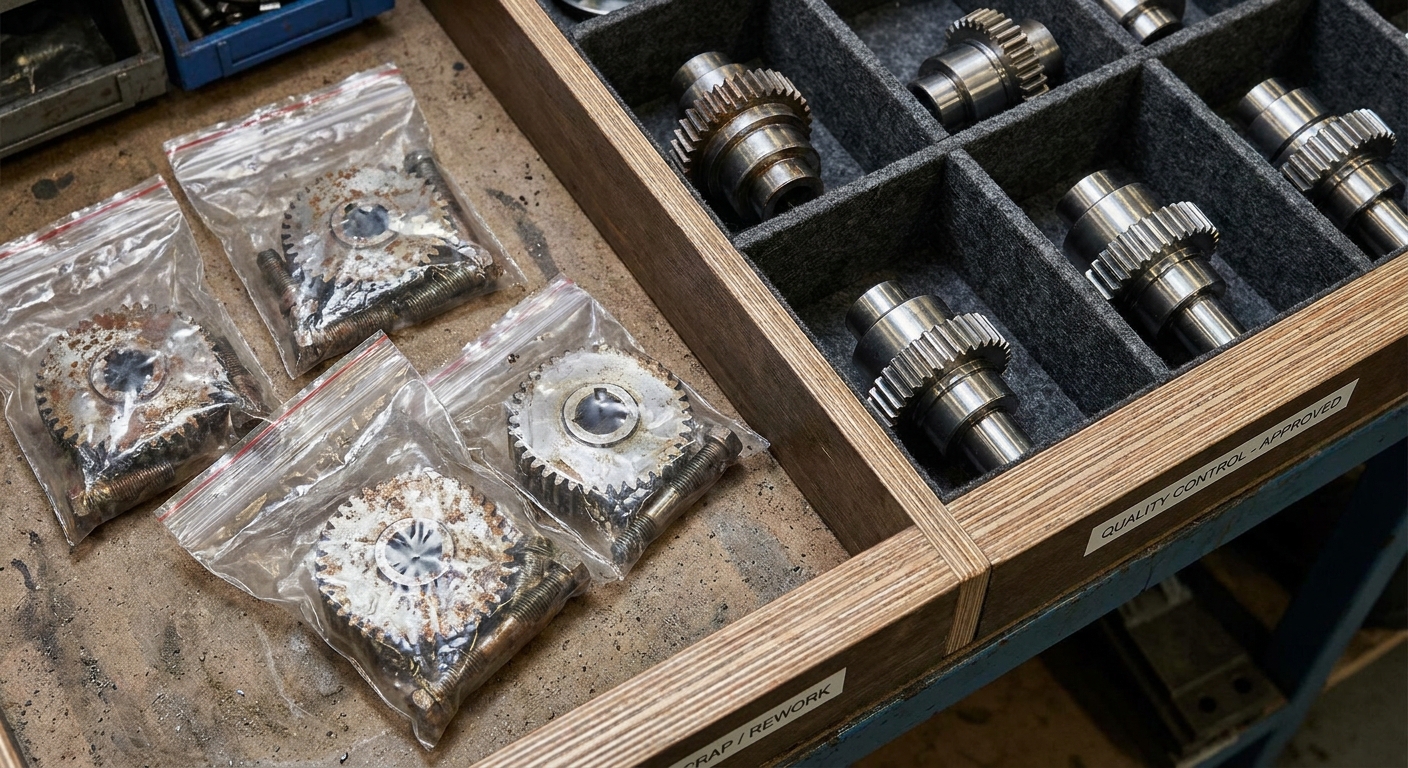
Cheap plastic bags trap ambient humidity inside their sealed chambers, which accelerates chemical tarnishing and causes surface corrosion. Relying on generic polyvinyl chloride (PVC) bags for your commercial jewelry storage operations can ruin precious finishes and degrade high-margin retail stock.
When PVC plastics degrade, they release traces of hydrochloric acid gas directly onto your stored products. This chemical residue creates severe oxidation, pitting, and permanent surface discoloration on silver, brass, and plated metals.
How does trapped condensation ruin metals?
Even tiny changes in warehouse temperature cause trapped air moisture to condense into water droplets on jewelry surfaces.
- Sealed non-breathable plastic holds this condensed moisture directly against metal finishes.
- This liquid contact causes rapid galvanic corrosion and localized pitting.
- It turns pristine, polished silver and gold dull and splotchy.
You will face significant rework and polishing costs if humidity is allowed to collect inside sealed packages. Ensuring air exchange or active desiccation prevents moisture pooling on metal parts.
When are polybags safe for transit?
Chemically inert low-density polyethylene (LDPE) or polypropylene (PP) bags are safe for temporary shipping when combined with desiccants.
- These inert plastics do not off-gas acids or chemical plasticizers.
- Dropping an anti-tarnish paper strip inside the bag actively neutralizes trapped sulfur.
- This system is perfect for organizing loose components in clean manufacturing lines.
You can streamline bulk stock logistics securely by adopting this dry polyethylene packaging method. This system keeps individual components safely insulated from dirt and dust.
Key Takeaway: Never utilize cheap PVC bags; always select high-quality, chemically inert polybags containing active anti-tarnish protective inserts.
| Plastic Class | Chemical Off-gassing | Moisture Behavior | Long-Term Safety | |
|---|---|---|---|---|
| Polyvinyl Chloride (PVC) | Releases hydrochloric acid | Traps and pools moisture | Dangerous | |
| Pure Polyethylene (PE) | Zero chemical breakdown | Safe (With dry desiccant) | Recommended |
Switching bulk shipping routines to pure polyethylene bags avoids chemical contamination and maintains product shine.
Is cardboard a bad option for jewelry storage?
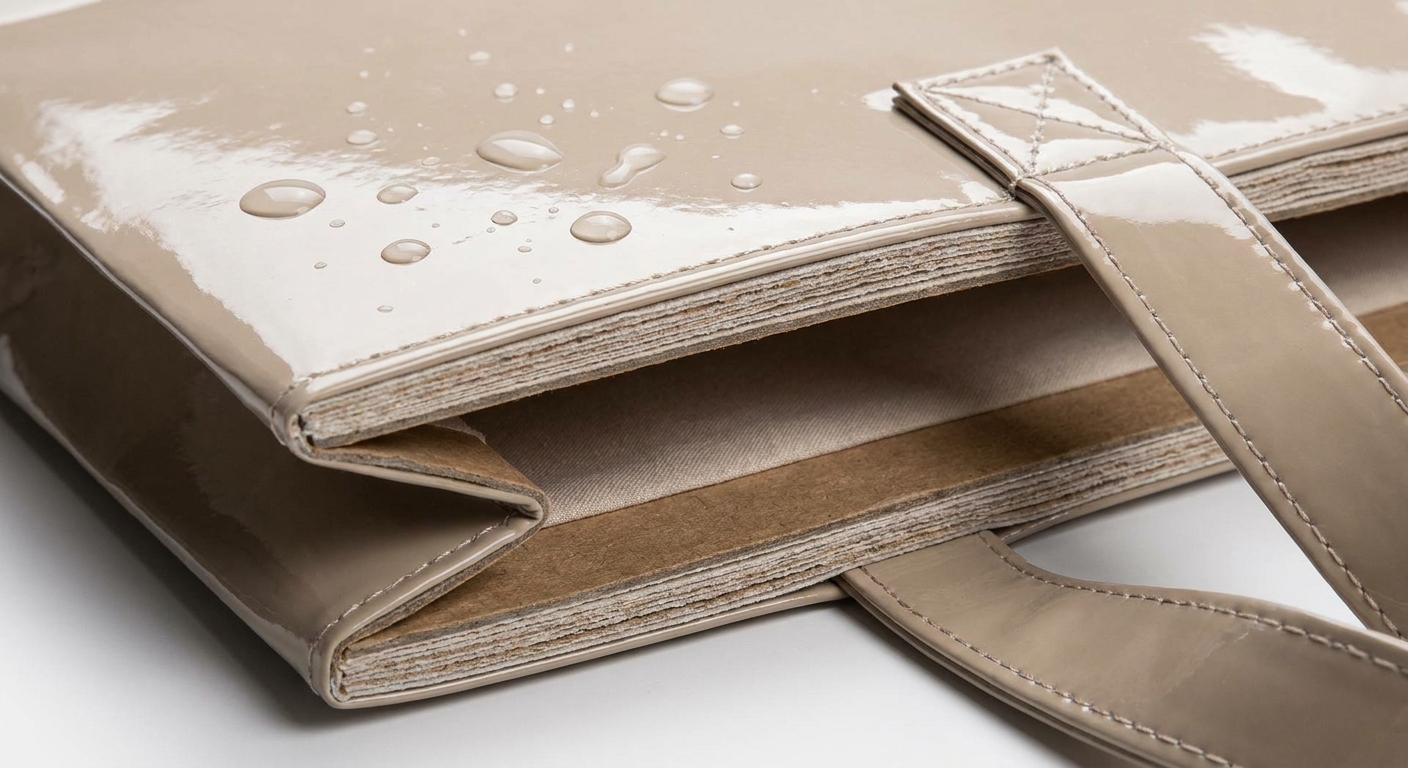
Unprocessed cardboard is a poor choice for long-term storage because its high acidity and moisture-absorbing properties promote rapid metal tarnishing. Storing luxury accessories in raw kraft boxes without protective fabric inserts will undermine your jewelry storage goals and damage metals.
Cardboard naturally holds onto ambient moisture, creating a damp microclimate right next to your polished products. Over time, the sulfur compounds in raw wood pulp off-gas and turn sterling silver, brass, and low-carat gold black.
Why does raw paperboard harbor active sulfur?
The industrial manufacturing process of raw cardboard leaves behind significant traces of sulfur chemicals and wood acids.
- These residues are highly volatile and escape as gas inside closed shipping cartons.
- They react instantly with copper and silver, forming dark tarnish layers.
- Specifying pH-neutral, laminated rigid paperboard eliminates this chemical risk.
You will preserve high jewelry finishes by utilizing fully finished, laminated presentation boxes. Clean, chemically pure cardboard options prevent the sulfur staining that ruins retail stock.
How does lamination prevent moisture damage?
Premium custom boxes feature defensive polymer lamination that blocks external moisture from penetrating the paper core.
- Lamination prevents the box from swelling and warping in humid warehouses.
- It acts as a sealed barrier that stops raw paper acids from off-gassing.
- This engineered layer protects both the outer branding graphics and the interior contents.
You will secure consistent presentation and protect internal velvet trays from damp air degradation. Choosing laminated surfaces represents a highly effective upgrade for retail-ready packaging arrays.
Key Takeaway: Always pair high-quality laminated gift boxes with protective internal fabric linings to ensure a safe, dry product presentation.
| Packaging Structure | Moisture Resistance | Acid Content | Tarnish Danger | |
|---|---|---|---|---|
| Laminated Paperboard | High barrier coating | Neutralized / Sealed | Low | |
| Raw Kraft Paperboard | Poor (Highly absorbent) | High sulfur residue | Critical |
Utilizing defensive laminations on rigid paperboard stops moisture absorption and blocks acidic chemical off-gassing.
How does humidity impact safe jewelry storage?
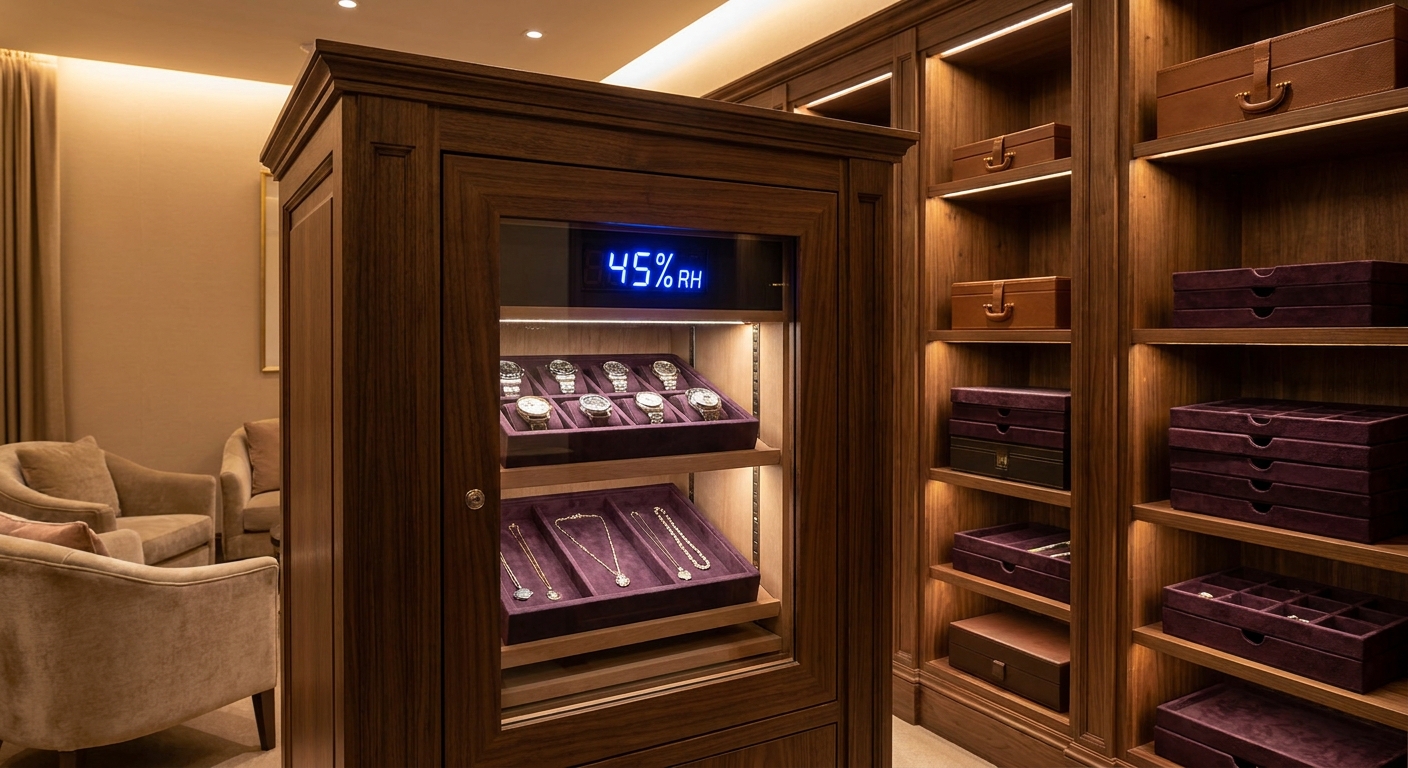
High humidity is the primary catalyst for electrochemical metal corrosion and must be regulated to preserve high-value collections. Managing moisture levels inside your vault and retail display jewelry storage setups prevents the dark tarnishing reactions that ruin stock.
When the air is damp, water vapor forms an invisible micro-film of liquid on metal surfaces. This liquid layer acts as an electrolyte, speed-running the tarnishing of silver and the corrosion of gold-plated alloys.
How do silica packets maintain dry conditions?
Silica gel packets work by physically trapping moisture molecules from the surrounding air to keep storage containers dry.
- These desiccants lower the relative humidity inside closed cases below the tarnish threshold.
- They are incredibly cost-effective for safeguarding metals during maritime shipping.
- However, they must be used carefully to avoid over-drying sensitive materials.
You can deploy these moisture absorbers in backstock containers to keep the environment completely stable. Proper moisture regulation protects bright metals from environmental degradation.
What is the ideal relative humidity for storage?
The ideal humidity range for storing mixed jewelry collections sits between 35% and 50% relative humidity.
- Dropping below 35% can cause opals, pearls, and amber to crack and dry out.
- Rising above 55% rapidly speeds up silver and brass oxidation.
- A stable, mid-range humidity level protects both your metals and organic gems.
You will keep both metals and gemstones in peak condition by maintaining this carefully balanced climate. Active monitoring shields complex, mixed inventory shipments from environmental damage.
Key Takeaway: Using digital hygrometers and balanced desiccant packets inside your storage safes ensures complete protection for all material types.
| Environmental Level | Target Metals | Target Gemstones | Corrosion Threat | |
|---|---|---|---|---|
| 35% to 50% RH (Ideal) | Completely Protected | Safe & Hydrated | Extremely Low | |
| Over 55% RH (Humid) | Rapidly Tarnishing | Safe | High Oxidation |
Maintaining a steady 40% relative humidity inside vault spaces safeguards metal surfaces while keeping organic gemstones fully hydrated.
What materials work best for jewelry storage?
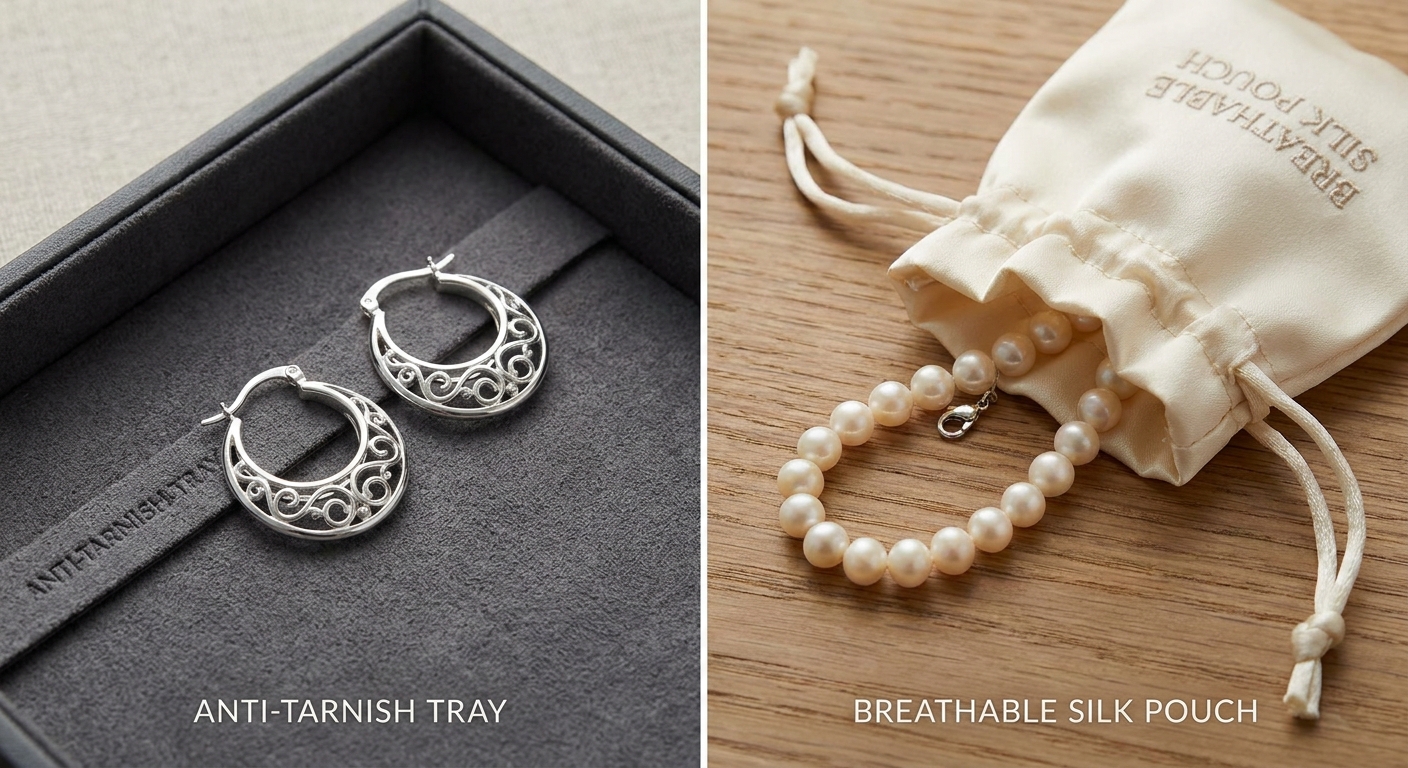
The most effective material strategy matches anti-tarnish fabrics to reactive metals and breathable, pH-neutral fabrics to delicate organic gemstones. Implementing a segregated packaging layout inside your commercial jewelry storage systems ensures that every material receives its ideal level of protection.
Different metals and gemstones possess vastly different chemical vulnerabilities. A storage lining material that is perfect for protecting raw silver might easily dry out and damage a delicate pearl necklace.
How should silver and gold be isolated?
Silver and gold should be stored in dry, airtight trays lined with chemically treated copper or silver anti-tarnish cloth.
- Gold is soft and easily scratched by harder sterling silver components.
- Silver’s oxidation process can trigger discoloration on neighboring gold-plated items.
- Individual slots keep these metals physically separated and chemically stable.
You will retain flawless, highly polished surfaces on all gold bands and silver cuffs. Segregating metals eliminates scratch hazards and local surface reactions completely.
Why do pearls need breathable fabrics?
Organic pearls require breathable natural silk or cotton linings to maintain their natural moisture balance and gorgeous luster.
- Storing pearls in airtight plastic containers causes their surfaces to dry, yellow, and crack.
- Soft silk pouches allow natural airflow while protecting the pearls from metal clasps.
- Keeping organic gems separated from metals prevents scratching and chemical erosion.
You can construct a secure shipping and presentation workflow by grouping your stock by material chemistry. Soft, natural fabrics allow delicate organic stones to age beautifully and gracefully.
Key Takeaway: Sorting your inventory by material type and matching them with customized storage pockets prevents cross-contamination and preserves product value.
| Jewelry Class | Optimal Liner | Moisture Requirement | Key Danger | |
|---|---|---|---|---|
| Fine Silver / Copper | Anti-tarnish microfibers | Extremely Dry (Low RH) | Hydrogen sulfide gas | |
| Natural Pearls / Opals | Breathable Silk / Cotton | Balanced (45% RH) | Dry air cracking |
Grouping stock by mineral hardness and chemistry ensures each item is paired with its optimal, protective lining fabric.
How do you choose the perfect jewelry storage?
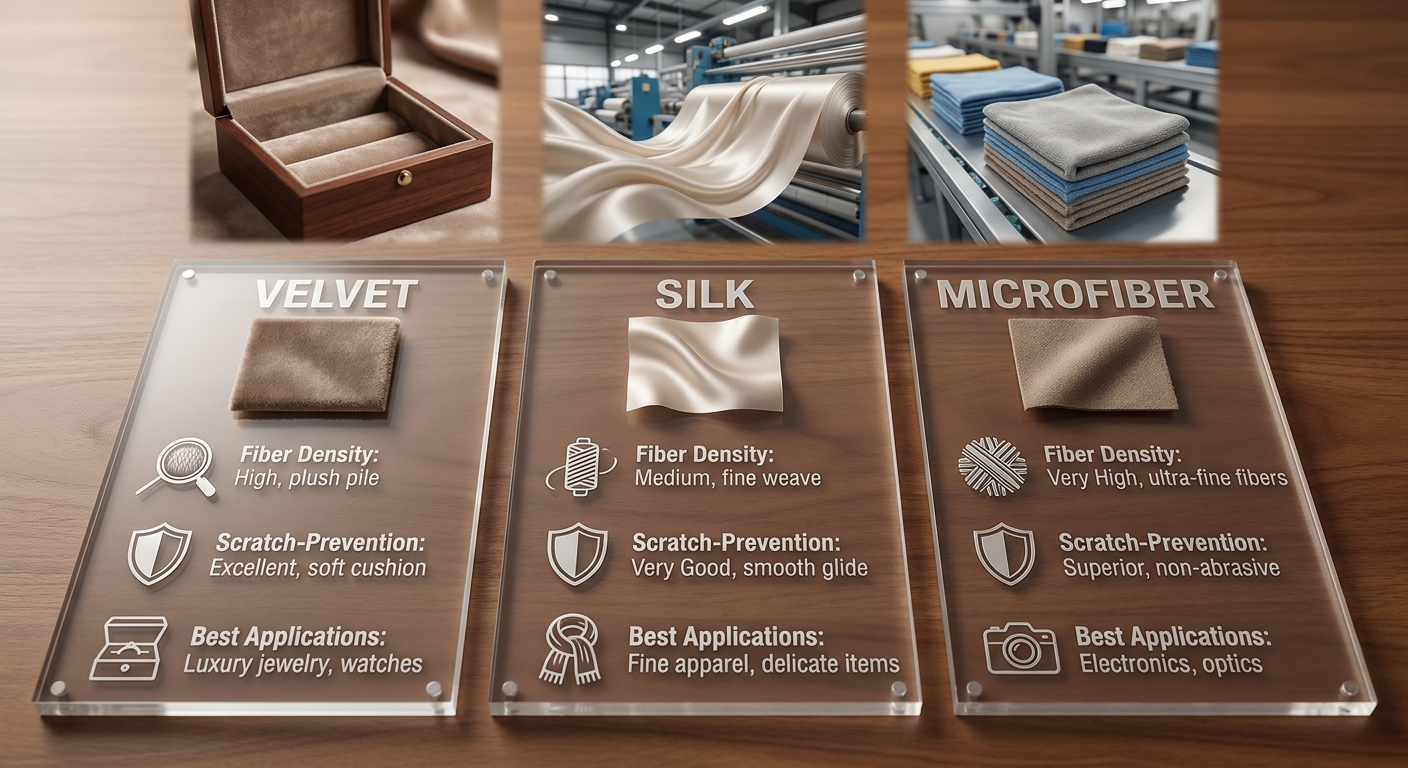
Selecting the ideal storage system requires balancing physical cushioning, chemical purity, and a premium unboxing presentation. Evaluating these crucial factors allows procurement managers to design high-performance jewelry storage boxes that elevate their brand and protect their inventory.
A premium packaging setup must do more than simply hold a product; it must actively prevent shipping damage, block atmospheric moisture, and deliver a luxurious, memorable unboxing experience for your retail customers.
What features define high-performance linings?
The ideal interior lining must offer excellent wear resistance, zero fiber shedding, and a soft, non-abrasive surface texture.
- Silk is incredibly luxurious but prone to tearing under heavy commercial use.
- Dense microfiber felt is durable and offers outstanding scratch prevention.
- High-density synthetic velvet combines the aesthetic prestige of silk with commercial durability.
You will satisfy both design standards and structural performance needs by choosing synthetics. These materials handle repeating retail cleaning cycles without wear.
What lining is safest for luxury watches?
Luxury watches require ultra-dense, lint-free microfiber linings to prevent loose fibers from entering mechanical watch bezels and movement crowns.
- Loose cotton or wool fibers can jam delicate watch crowns and rotating bezels.
- High-density microfiber cushions hold heavy watches securely without leaving micro-scratches.
- Custom-molded watch pillows prevent strap movement and friction inside shipping cases.
You can secure watch movements from internal particulate contamination by specifying dense synthetic finishes. Microfiber velvets offer clean, reliable shielding for automatic movements.
Key Takeaway: Specifying dense microfiber velvet linings for watch packaging guarantees complete protection for both the crystal glass and the delicate mechanical movements inside.
| Lining Material | Density Rating | Scratch-Prevention | Best Commercial Application | |
|---|---|---|---|---|
| Synthetic Velvet | High pile density | Excellent (Soft loft) | Fine jewelry display | |
| Microfiber Felt | Ultra-high density | Superior (Non-abrasive) | Watch cushions / inserts | |
| Natural Silk | Moderate density | Very Good (Smooth glide) | Delicate necklaces |
Choosing synthetic, high-density velvet or microfiber linings balances physical durability with clean, lint-free luxury protection.
Frequently Asked Questions
Can I store sterling silver and gold in the same jewelry storage drawer?
No, you should always avoid mixing reactive sterling silver and soft gold in the same open storage compartment. Silver’s oxidation processes can trigger localized tarnishing on gold alloys, while physical contact easily causes micro-abrasions on softer gold surfaces. Separating your collections with individual compartments is crucial.
What’s the best relative humidity to maintain inside my jewelry storage safe?
You should maintain a steady relative humidity level between 35% and 50% for optimal mixed collection safety. This balanced range is low enough to prevent fast metal tarnishing but high enough to prevent organic gemstones from drying out and cracking.
How do I know if my jewelry storage box contains acidic adhesives?
You can identify acidic adhesives by checking for a sharp, chemical adhesive smell when first opening the sealed case. Over time, these solvents cause silver to tarnish and gold plating to yellow within weeks of storage.
Can I use plastic wrap for long-term luxury jewelry storage?
No, you must never utilize standard plastic wrap or generic PVC bags for long-term storage of fine accessories. PVC naturally breaks down and releases hydrochloric acid gas, causing permanent chemical pitting and discoloration on your stored precious metals.
What’s the best way to clean dust from my jewelry storage box linings?
You should utilize a dry lint roller or a clean micro-bristle brush to lift surface dust from velvet and microfiber linings. Avoid using liquid chemical cleaners, as moisture can break down underlying non-toxic wood glues and ruin fabric density.
Conclusion
We resolved the critical structural, chemical, and environmental vulnerabilities that ruin fine merchandise during storage. Kingtai Packaging provides elite custom watch boxes, custom jewelry boxes, and bespoke printed packaging with fully integrated, solvent-free synthetic linings and anti-tarnish technology designed for luxury brands worldwide. True craftsmanship requires that the vessel protecting the treasure be as flawless as the treasure itself. To transform your boutique’s distribution setup and secure bulk packaging designed for uncompromising safety, contact us today and let our manufacturing team execute your custom project.