
Understanding different Bible bindings comes down to recognizing how materials like a genuine leather bible offer unparalleled flexibility, longevity, and structural beauty compared to synthetic options. Imagine reaching for your cherished study volume on a quiet morning, only to watch in disappointment as the imitation leather cover cracks and flakes, leaving sticky polyurethane residue on your hands. It feels like losing an irreplaceable vessel of your personal journey—a physical connection to your deepest moments of reflection that is slowly deteriorating beyond repair. Choosing a high-quality, custom leather binding solves this frustration permanently, wrapping your sacred text in an organic, living material that grows more beautiful and resilient with each passing generation.
Why Is a Genuine Leather Bible the Ultimate Keepsake?
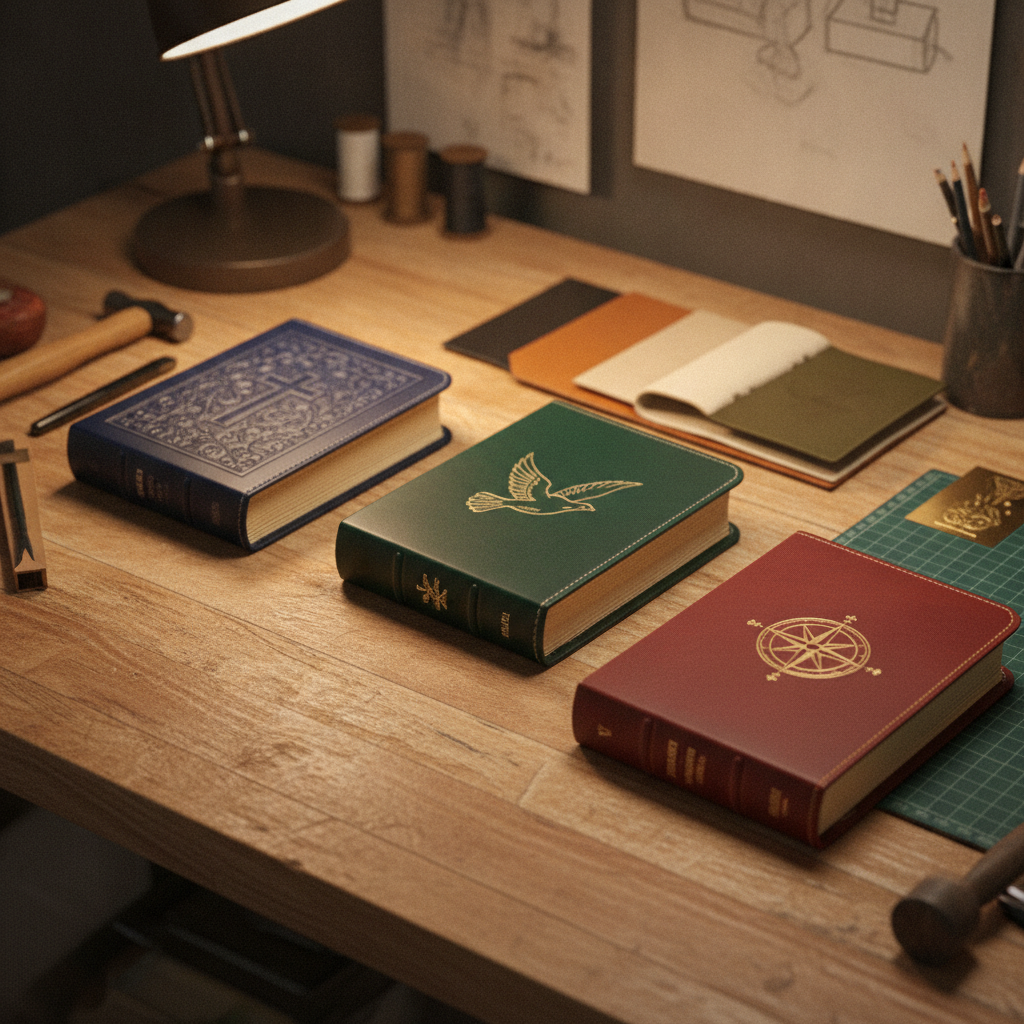
Investing in a premium genuine leather bible creates the ultimate keepsake because natural animal hides develop a unique patina and physically endure for generations. Unlike synthetic covers that degrade within years, real leather absorbs the natural oils of your hands to become softer and more character-rich over time. This organic aging process transforms an ordinary volume into a living legacy of your faith journey. For B2B publishers, this enduring beauty translates directly into unmatched heirloom value.
Structural Integrity of Natural Hides
Think about it: why do some books crumble within a decade while others survive centuries of daily handling? The secret lies in the intricate, cross-linked collagen fiber matrix of organic animal skins that natural leather provides. This dense cellular matrix flexes without cracking or separating over decades of constant use.
- Fibrous Strength: High resistance to stretching, tearing, and puncturing along critical hinges.
- Oil Absorption: Surface fibers safely absorb skin oils, which naturally condition and preserve the cover.
- Weather Resilience: Resists cracking in extreme cold and avoids melting in hot climates.
The Unique Process of Patina Aging
Let’s dive in: a high-quality leather cover is not static, but rather a dynamic material that evolves with you. As you handle the book daily, the fibers soften and develop a luxurious sheen that is entirely unique to your reading habits. This means your volume becomes a highly personalized artifact over time.
- Distinctive Markings: Natural pebble grains and healed scars ensure no two volumes are completely identical.
- Classic Aroma: Emits a rich, organic leather scent that immediately communicates premium quality.
- Aesthetic Superiority: Accepts deep hot stamping and gold foil gilding with crisp precision.
| Cover Material | Expected Lifespan | Aging Characteristics | Typical Retail Margin | |
|---|---|---|---|---|
| Natural Animal Hides | 50 to 100+ Years | Softens and gains rich patina | 150% – 300% | |
| Synthetic Coverings | 3 to 7 Years | Cracks, flakes, and peels | 50% – 100% |
This material comparison shows how choosing natural hides lays a foundation of durability that synthetics simply cannot replicate.
Choosing real animal hide over synthetic alternatives ensures your holy book will survive daily handling to become an intergenerational family heirloom. This long-term durability drastically reduces overall ownership costs while maximizing spiritual and sentimental value.
How Does Genuine Leather Bible Durability Compare to Synthetic?
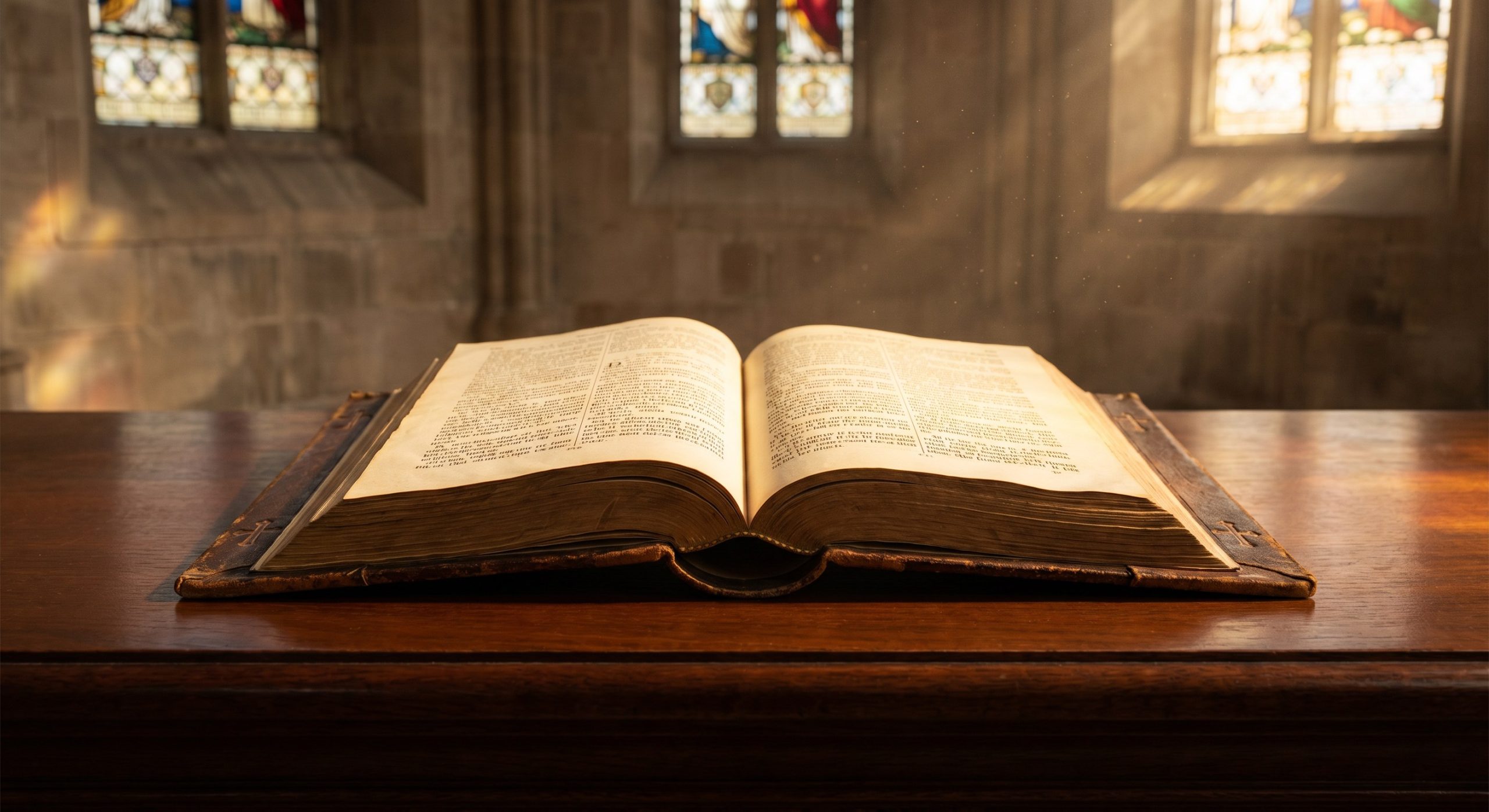
A genuine leather bible easily outperforms synthetic options by delivering up to ten times the physical wear cycles before showing any structural fatigue. While synthetic coverings rely on cheap plastic films glued to fabric backings, real hides feature a dense, breathable fiber network. This unique cellular structure prevents common failure points like corner tearing and hinge splitting. This makes real leather the most secure choice for intensive study volumes.
The Pitfalls of Polyurethane (PU) Synthetics
Here is the thing: synthetic PU leather covers might look impressive on a showroom shelf, but their lifespan is incredibly short-lived. Over a few short years of use, exposure to atmospheric humidity triggers chemical hydrolysis, causing the outer plastic layer to turn brittle and flake off.
- Peeling Layers: The laminated layers quickly separate at high-stress hinge points.
- Zero Elasticity: Polyurethane cannot stretch or adapt, leading to deep, permanent cracks.
- Sticky Residue: Decaying plastics release chemicals that can ruin adjacent pages.
Tensile Strength and Flex Tolerances
Let’s face it: your holy book deserves a structural shell that can keep up with your rigorous daily study schedule. Real cowhide or goatskin boasts an incredible natural tensile strength that easily handles thousands of opening and closing cycles.
- High Flex Life: Survives more than 150,000 double-flex opening motions without tearing.
- Edge Protection: Allows for deep overhang designs (yapp) that shield fragile page gilding.
- Stable Hinge: Retains its shape and structural integrity without warping under heavy use.
| Material Type | Tensile Strength (PSI) | Expected Flex Cycles | Chemical Hydrolysis Risk | |
|---|---|---|---|---|
| Premium Natural Hide | 3,000 – 5,500 PSI | 150,000+ Cycles | Completely Immune | |
| Synthetic Polyurethane | 800 – 1,500 PSI | 20,000 – 35,000 Cycles | Extremely High |
Analyzing these mechanical performance limits proves that choosing real leather prevents premature structural breakdowns.
Opting for natural hides shields your investment from the inevitable peeling and flaking that plague budget plastics. For publishers, this technical advantage eliminates expensive customer returns and builds enduring brand trust.
Is a Hand-Stitched Genuine Leather Bible Worth the Investment?
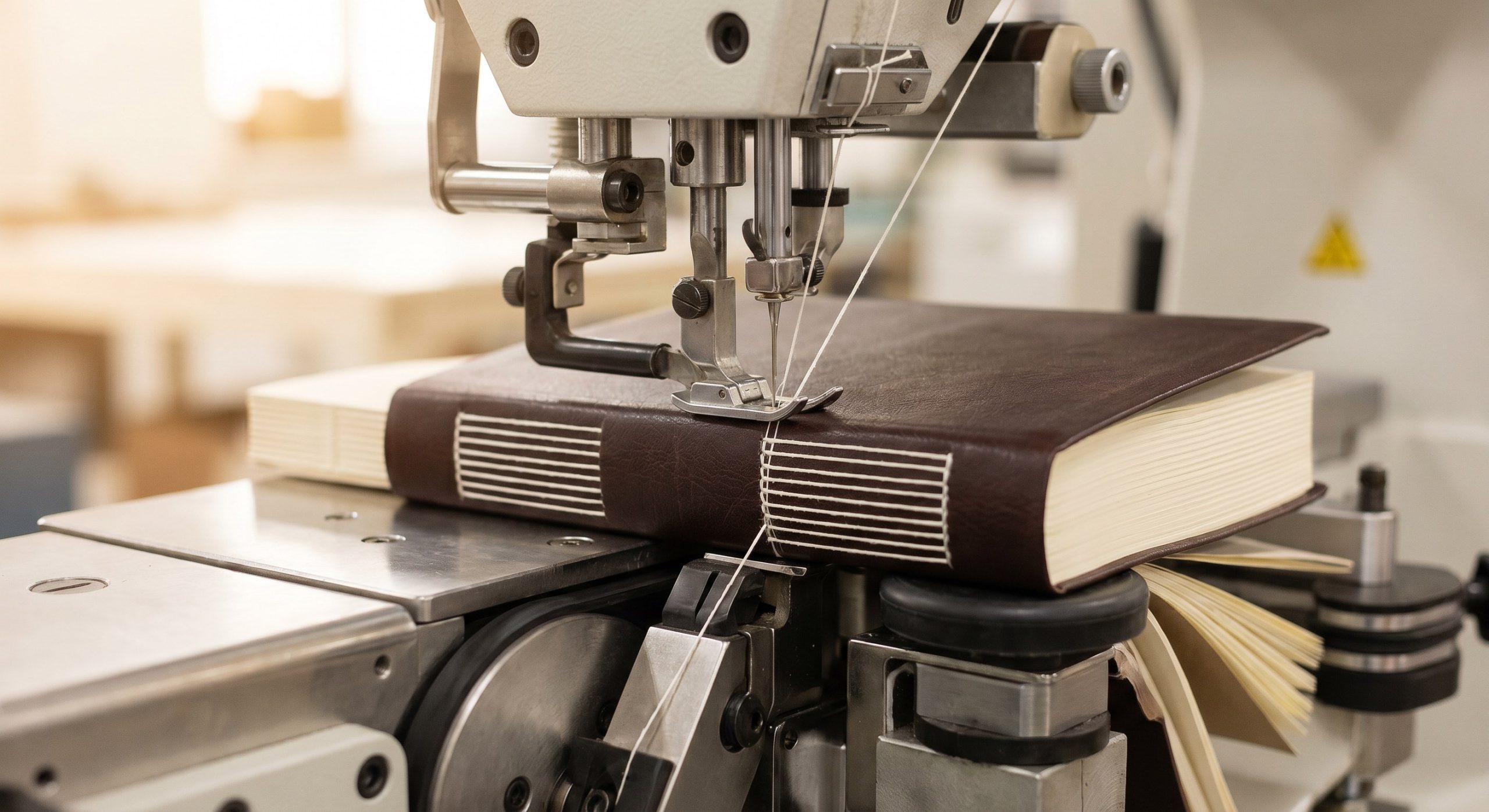
Securing a hand-stitched genuine leather bible is absolutely worth the investment because perimeter hand-stitching secures the cover edges and prevents the lining from ever delaminating. Unlike automated adhesive-only edges that split under stress, structural hand-stitching locks the exterior cover and interior liner into a single, cohesive unit. This traditional artisan process ensures that your book remains structurally sound over decades of constant folding. For publishers, this premium detail commands top-tier retail prices.
Perimeter Stitching and Edge Delamination
Think about it: why do cheaper book covers always seem to split apart at the corners after a few years of handling? Without structural perimeter stitching, moisture and friction easily dissolve the standard glues holding the layers together.
- Lock-Stitched Edges: Prevents the leather from separating from its soft inner lining.
- Protected Corners: Reinforces the highest-wear areas of the cover against daily scuffs.
- Artisan Appeal: Adds an attractive, textured border that emphasizes premium craftsmanship.
Smyth Sewn Signatures vs. Cheap Adhesives
Let’s dive in: true heirloom quality begins deep inside the spine of the book, where the pages are bound. Precision stitching coordinates perfectly with Smyth sewn signatures to ensure the entire volume flexes harmoniously.
- Sewn Signatures: Folded page sheets are physically stitched together using high-strength threads.
- Stress Distribution: Opening tension is spread along flexible threads rather than stiff glue joints.
- No Gutter Loss: Text remains fully visible right up to the center spine.
| Construction Method | Edge Binding Strength | Gutter Gaps | Stress Points | |
|---|---|---|---|---|
| Smyth Sewn & Stitched | Lock-stitched / Indestructible | 0 – 1mm (Fully visible) | Distributed along thread loops | |
| Glued-Only (Burst) | Glued-only / Fragile | 5 – 8mm (Obscured) | Concentrated at glue joint |
This structural analysis shows why incorporating physical stitching dramatically extends the physical lifespan of your cover.
Investing in a stitched binding ensures your Bible remains intact through thousands of study hours without splitting at the edges. This physical durability makes it a highly reliable companion for pastors and daily readers alike.
What Makes Edge-Lined Genuine Leather Bible Covers So Special?
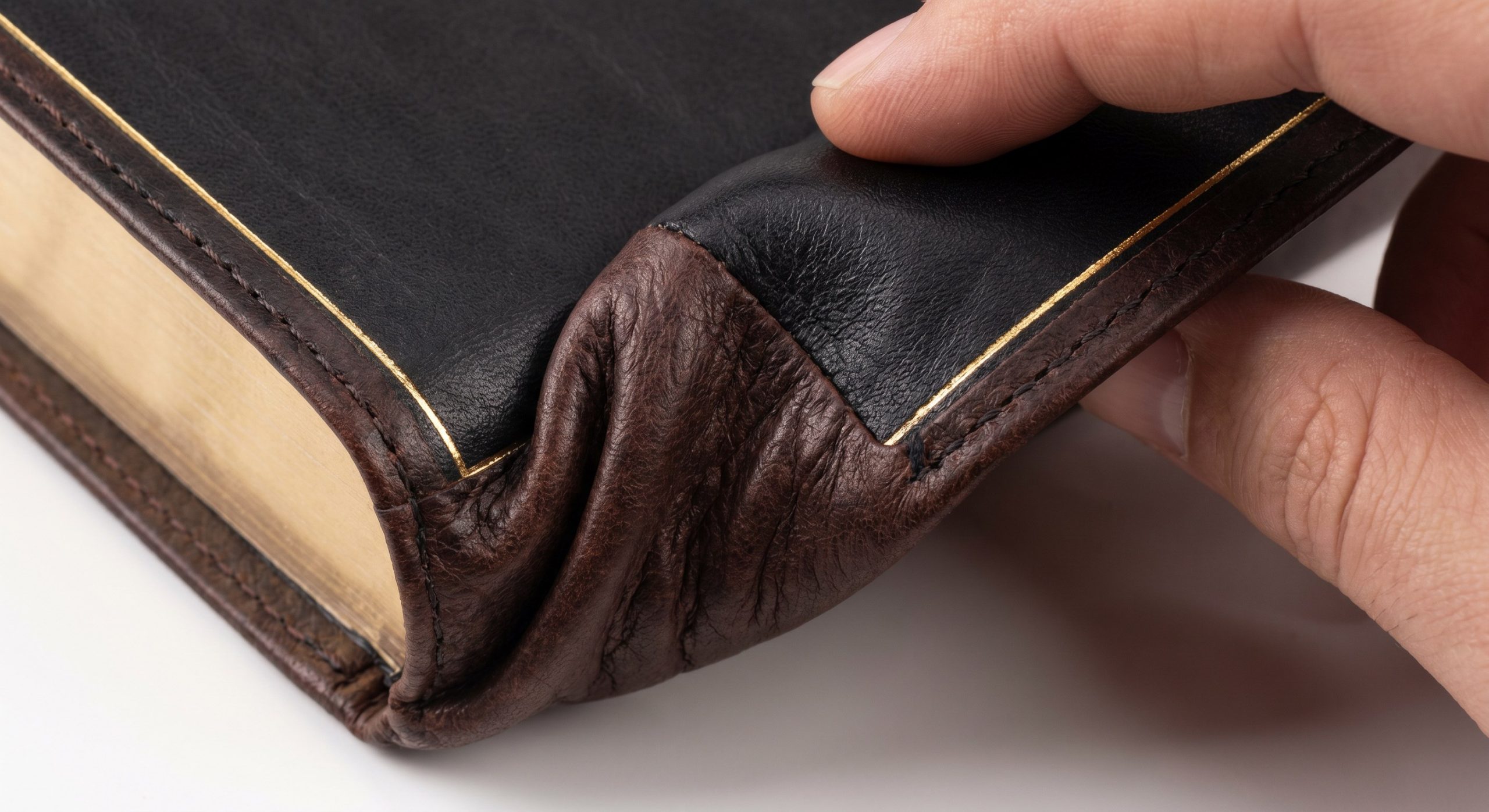
Edge-lined construction makes a genuine leather bible incredibly special because it yields an ultra-flexible, limp cover that drapes naturally in your hand and opens perfectly flat from cover to cover. Unlike traditional stiff paste-down bindings that rely on heavy, rigid cardboard inserts, edge-lined bindings bypass thick boards entirely. Instead, the cover leather is bonded directly to a highly pliable interior lining, which features an extended hinge tab glued securely into the book signatures. This layout creates an incredibly comfortable reading experience.
The Structural Anatomy of Edge-Lining
Here is the secret: edge-lined bindings shift the weight and stress of the book block away from fragile paper end-sheets. The lining features a strong, integrated tab that anchors directly into the spine’s thread structure.
- Leather Hinge Tab: A continuous piece of lining material wraps directly around the spine.
- Cardboard-Free Design: Eliminates the rigid board layer for a floppy, glove-like feel.
- Direct Signature Bonding: Creates an incredibly tough physical link between book and cover.
Paste-Down vs. Edge-Lined Flexibility
Let’s compare: while standard paste-down covers are excellent for structured, rigid books, they lack the luxurious draping quality of edge-lining. Experience how an edge-lined volume rolls gently in your hand, molding to your grip during reading.
- Natural Drapery: The cover bends freely without cracking, warping, or resisting your fingers.
- Hands-Free Reading: The absence of stiff board tension allows the pages to lie completely flat.
- Reduced Spine Pull: Reduces structural wear on the outer hinges during long study sessions.
| Hinge Feature | Edge-Lined Construction | Traditional Paste-Down | |
|---|---|---|---|
| Cover Rigidity | Highly Pliable / “Floppy” | Rigid / Structured | |
| Internal Hinge Material | Integrated Polyurethane/Leather Tab | Heavy Endpaper Sheet | |
| Spine Stress | Minimal (Evenly Distributed) | High (Concentrated at Hinge Joint) |
Understanding these structural mechanics helps you choose the perfect cover rigidity for your target audience.
Choosing edge-lined construction provides an unmatched, luxurious reading experience where the book conforms perfectly to your hand. This soft, flexible design is the gold standard for premium devotional and study volumes.
Can a Custom Spine Elevate Your Genuine Leather Bible Experience?
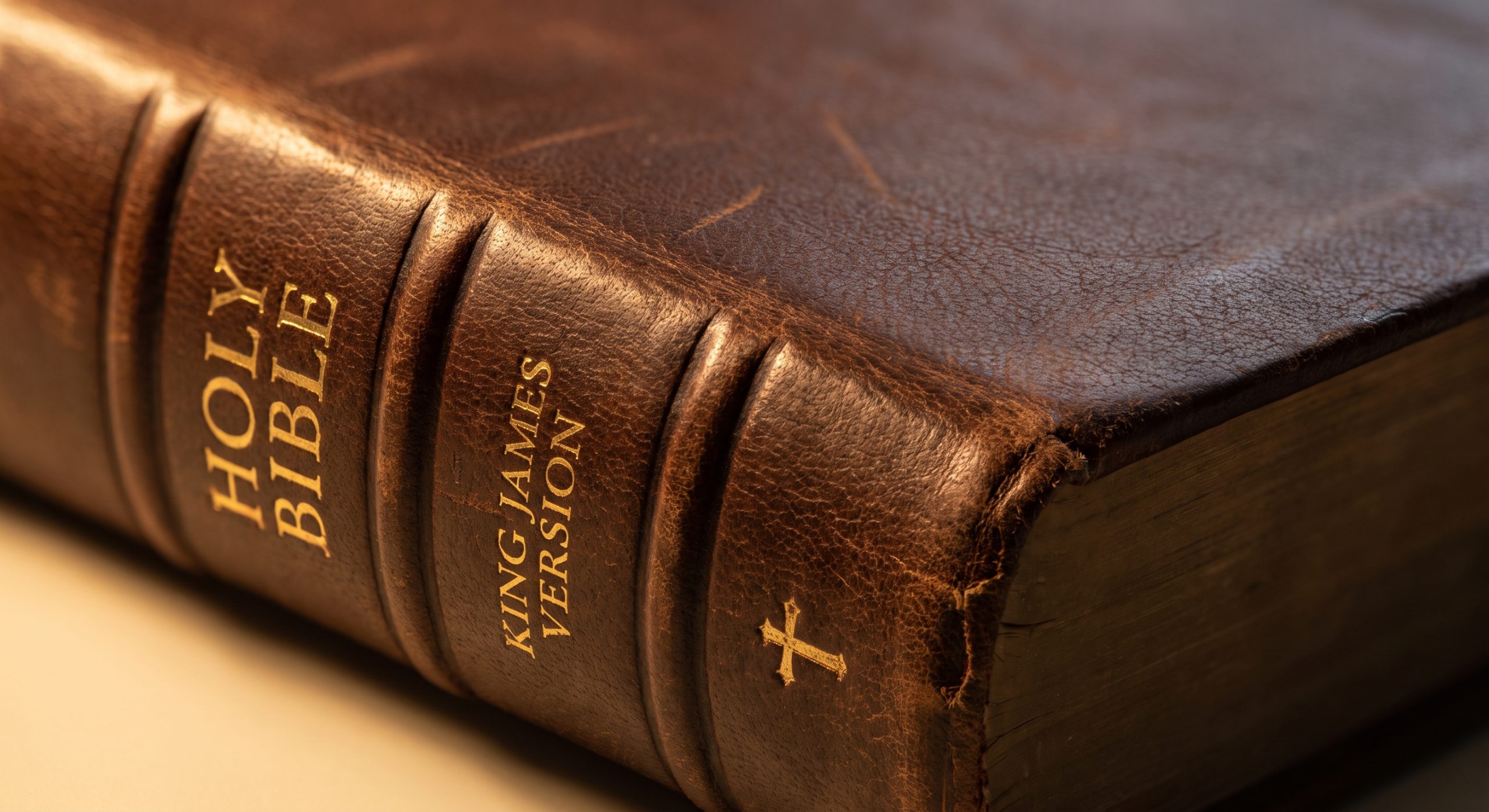
A customized spine elevates your genuine leather bible experience by providing iconic visual structure on your bookshelf while facilitating the mechanics of laying flat when opened. Incorporating raised ribs—the classic horizontal bumps along the spine—recalls the historical craft of hand-bound books. These ribs are not just decorative; they offer functional grip points and reinforce the underlying spine reinforcement materials. This meticulous detail transforms a simple book cover into a sophisticated work of art.
The Appeal of Raised Ribs
Think about it: what is the first thing you notice when a book sits on a shelf? The spine is the public face of your volume, and raised ribs communicate an immediate sense of timeless quality.
- Visual Depth: Creates elegant highlights and shadows that show off the leather’s texture.
- Functional Grip: Provides natural ridges for your fingers when pulling the book from a shelf.
- Traditional Heritage: Mimics the thick structural cords used by historical master binders.
Spine Hollows and Lay-Flat Mechanics
Let’s dive in: behind those gorgeous raised ribs lies a carefully engineered, flexible spine hollow. This floating tube of paper or fabric pulls away from the book signatures whenever the volume is opened.
- Floating Spine: Prevents the cover spine from wrinkling or creasing when the book is flat.
- Canvas Reinforcement: Woven super or mull adds high-tensile strength across the hinge line.
- Stress Distribution: Minimizes pull on the outer glue joints to prevent spine cracking.
| Spine Feature | Raised Rib Spine | Flat Spine | |
|---|---|---|---|
| Aesthetic Value | Traditional / Historical / Luxurious | Modern / Minimalist / Simple | |
| Grip Assistance | High (Physical ridges for fingers) | Low (Smooth surface) | |
| Structural Support | Reinforced with underlying cord | Standard paper/board backing |
These spine options demonstrate how classic craftsmanship merges with modern physics to improve book usability.
Specifying a spine with raised ribs and a floating hollow ensures your Bible looks stunning on a shelf and opens effortlessly on a desk. This balance of form and function represents the peak of professional bookbinding.
How Do Gilded Edges Protect Your Genuine Leather Bible?
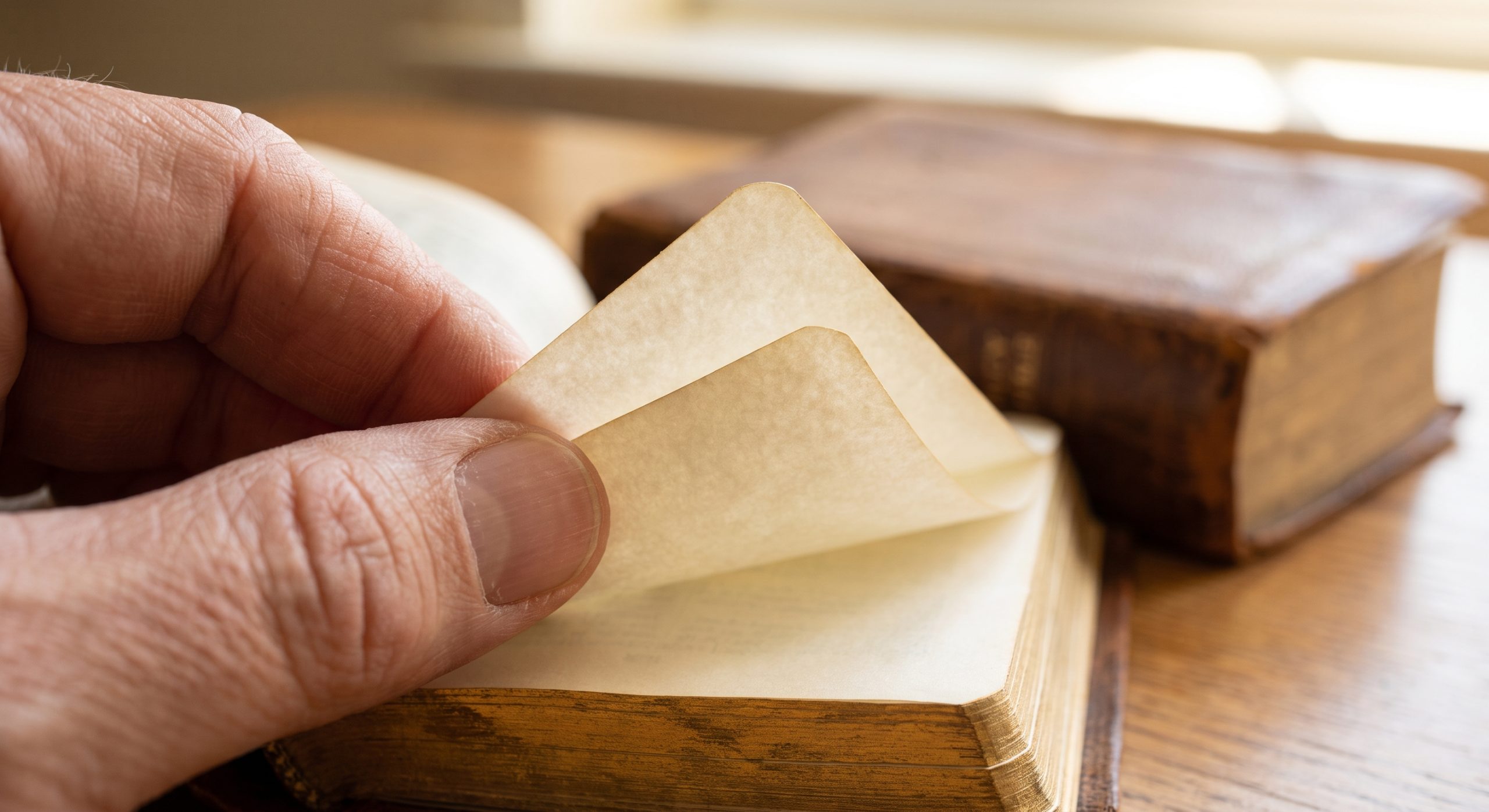
Gilded edges protect a genuine leather bible by sealing the delicate paper margins against humidity, dust, and acidic oils from your fingers. While beautiful gold or silver leafing is often praised for its luxury appearance, its primary engineering function is preservation. The thin metallic barrier blocks moisture from penetrating the highly absorbent lightweight paper sheets. This prevents page curling, yellowing, and unsightly staining over decades of regular use.
Moisture Barrier and Oxidation Defense
Here is the science: raw book paper is highly porous and acts like a sponge for airborne moisture and hand oils. Without a protective coating, frequent handling leaves dark, dirty fingerprints along the page edges.
- Metallic Seal: Reflected gold foil prevents dirt and skin sweat from staining the paper.
- Humidity Defense: Shields thin Bible pages from swelling and curling in damp climates.
- Anti-Oxidation: Prevents paper margins from turning brittle and yellow due to oxygen exposure.
The Art of Page Edge Polishing
Let’s look at the process: achieving a flawless gilded edge requires extreme mechanical precision. The page block is compressed under immense pressure and sanded to a glassy, ultra-smooth surface before foil application.
- High-Precision Sanding: Eliminates rough fiber edges so the foil bonds seamlessly.
- Thermal Foil Transfer: Computerized heated wheels bond metallic foil to the paper.
- Protective Lacquer: A durable topcoat is applied to prevent the gold from scratching off.
| Page Edge Style | Moisture Shield | Stain Resistance | Expected Lifespan | |
|---|---|---|---|---|
| Gilded Page Edges | High (Metallic foil seals paper) | Resists fingerprints and dirt | Delays yellowing for decades | |
| Plain Page Edges | None (Paper remains porous) | Easily absorbs oil and dust | Prone to faster browning |
This comparison clearly shows that gilding is a vital protective treatment rather than a mere cosmetic addition.
Choosing gilded page edges ensures your Bible’s pages remain clean, flat, and readable over a lifetime of study. This simple protective barrier is essential for shielding delicate papers from environmental wear.
Which Genuine Leather Bible Grades Stand the Test of Time?
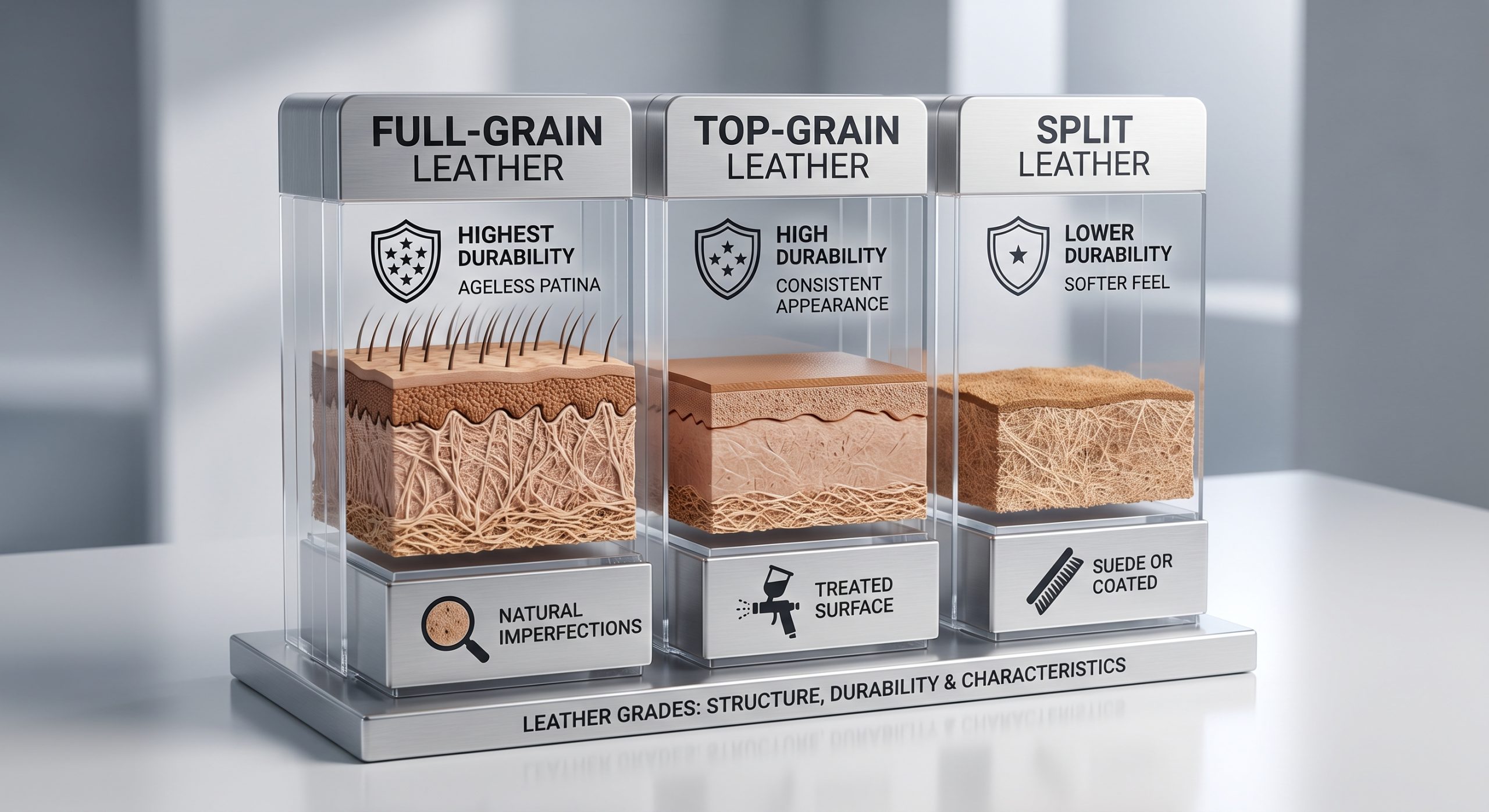
Selecting full-grain goatskin or top-grain cowhide ensures your genuine leather bible easily stands the test of time and survives generations of daily handling. These premium hide cuts preserve the original, uncompromised collagen structures of the animal skin. Unlike split-leathers or reconstituted scraps, top grades do not require thick synthetic coatings to hide structural blemishes. This natural purity allows the material to flex, breathe, and strengthen over decades.
Full-Grain Goatskin: The Gold Standard
Think about it: why is goatskin widely considered the absolute pinnacle of premium bible covers? Goatskin fibers are incredibly tight, providing legendary tensile strength while remaining remarkably soft and pliable.
- Pronounced Grain: Features a beautiful, natural pebble texture that feels warm in the hand.
- Unmatched Flexibility: Ideal for deep semi-yapp or full-yapp edge-lined covers.
- Exceptional Wear: Resists scuffs and naturally repels environmental moisture.
Top-Grain Cowhide: Balanced Resilience
Let’s dive in: if you want a cover that is highly durable but offers a more structured and uniform appearance, top-grain cowhide is the answer. The outer surface is lightly buffed to eliminate natural scars while preserving strong underlying fibers.
- Sleek Finish: Delivers an incredibly smooth, elegant aesthetic across the cover.
- Robust Structure: Provides excellent support for larger, heavy study bibles.
- Cost Efficiency: Offers near-goatskin durability at a highly competitive B2B price point.
| Leather Grade | Relative Pliability | Scuff Resistance | Grain Origin | |
|---|---|---|---|---|
| Full-Grain Goatskin | Exceptional (Floppy) | Extremely High | 100% Natural Pebble | |
| Top-Grain Cowhide | Very Good (Structured) | High | Lightly Buffed / Sanded | |
| Embossed Split Leather | Moderate (Rigid) | Moderate | Embossed Artificial |
This breakdown shows how different leather grades align with specific durability and style requirements.
Specifying full-grain goatskin or top-grain cowhide guarantees your Bible will survive daily use to become a cherished family heirloom. This structural quality provides the ultimate return on investment for publishers and ministries.
How Do You Choose Genuine Leather Bible Materials for Publishing?
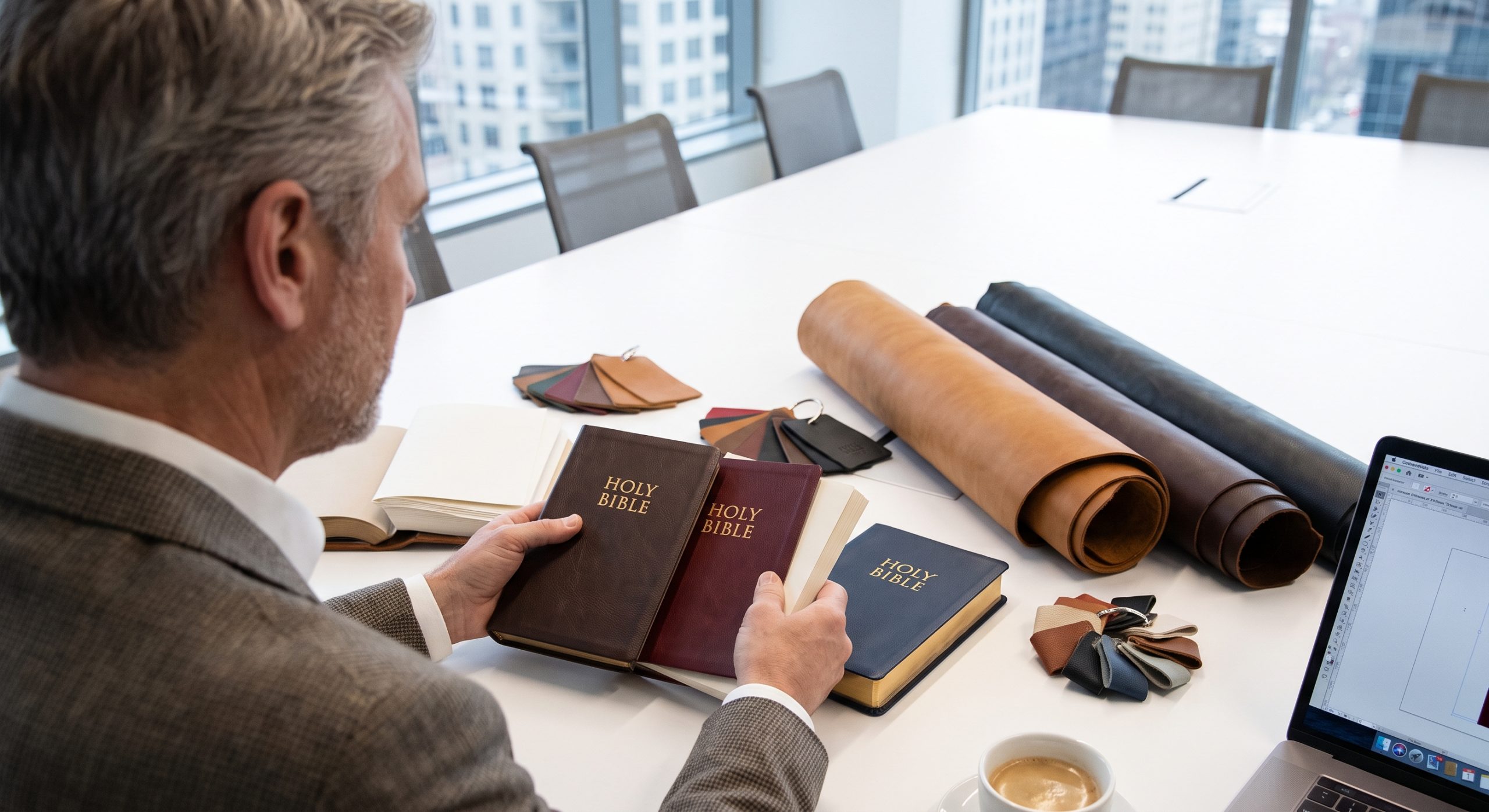
Choosing the right materials for a genuine leather bible involves balancing your target price point with material pliability, grain aesthetics, and production run quantities. B2B publishers must carefully evaluate leather grades alongside structural lining options to meet customer expectations. For instance, pairing a high-end goatskin with a cheap paper liner ruins the cover’s flexibility and durability. Correctly matching these components ensures a highly cohesive product that stands out in a crowded market.
Matching Leather Grades with Linings
Here is the key to design success: the lining material of your Bible dictates how the outer cover bends and moves. For a premium, flexible feel, always pair high-grade leathers with supple polyurethane or split-calfskin linings.
- Polyurethane (PU) Liners: Highly flexible, cost-effective, and resistant to environmental moisture.
- Calfskin Liners: The absolute peak of luxury, providing a double-leather cover assembly.
- Paper Liners: Excellent for budget-conscious, structured, and semi-rigid designs.
Sourcing for Custom Corporate Runs
Let’s face it: managing a massive custom publishing project requires strict material control to ensure consistency across thousands of copies. Working with an experienced manufacturer ensures your raw hides match perfectly in color, grain, and thickness.
- Consistent Thickness: Calibrated hides (0.8mm to 1.1mm) ensure smooth machine feeding.
- Eco-Friendly Tanning: Vegetable-tanned options prevent skin oils from reacting with papers.
- Batch Color Matching: Advanced dyeing systems keep cover colors uniform across print runs.
| Target Market | Cover Material | Lining Material | Binding Style | |
|---|---|---|---|---|
| Collector / Heirloom | Full-Grain Goatskin | Split Calfskin | Edge-Lined, Hand-Stitched | |
| Standard Devotional | Top-Grain Cowhide | Polyurethane (PU) | Edge-Lined, Smyth Sewn | |
| Budget Pew Copy | Embossed Split Cowhide | Heavy Endpaper | Paste-down, Smyth Sewn |
Aligning your target demographic with the correct raw materials ensures high profit margins and customer satisfaction.
Carefully coordinating cover leather grades with matching internal liners protects the overall integrity and flexibility of your book. This strategic material choice ensures your custom publication meets your target retail value.
Why Are Gilt-Edged Genuine Leather Bible Designs So Luxurious?
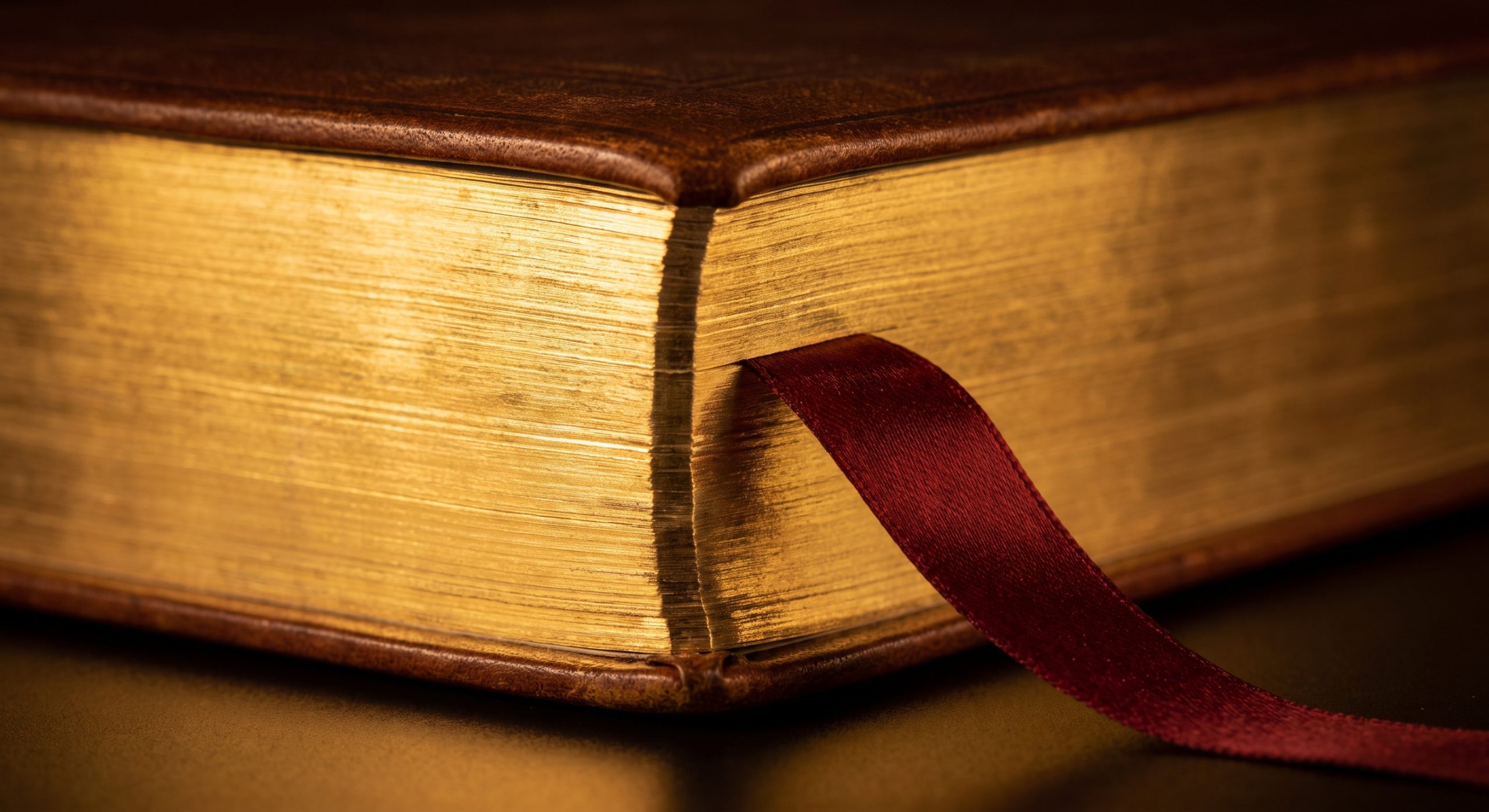
Gilt-edged designs make a genuine leather bible feel incredibly luxurious because they combine high-purity metallic foil with traditional hand-finishing to create a stunning, mirror-like page edge. When you close the book, the individual paper sheets blend into a solid block of gold or silver. This stunning finish reflects light beautifully, drawing immediate visual attention and signaling unparalleled value. This visual prestige instantly elevates the physical book into a holy work of art.
Art-Gilt: The Elegance of Red-Under-Gold
Think about it: have you ever seen a Bible edge that glows with a rich, warm, reddish-orange depth when opened? This exquisite technique, known as art-gilding, applies a delicate layer of red dye before the gold foil is pressed.
- Dynamic Glow: Page edges appear gold when closed, but glow warm red as pages turn.
- Deep Visual Contrast: Complements dark leather covers with an incredibly warm accent.
- Artisan Legacy: A highly skilled bookbinding technique reserved for premium collector volumes.
Perfecting the Gilt-Edge Finish
Let’s dive in: keeping page edges from sticking together after applying high-heat metallic foil is a major technical challenge. Master binders use specialized tools to gently fan out and brush the gilded sheets.
- Anti-Stick Brushing: Carefully separates pages to ensure smooth turning without tearing paper.
- High-Purity 22k Gold: Offers incredible longevity and resistance to tarnishing.
- Silver and Copper Alternatives: Offers modern, stylish design choices for contemporary editions.
| Gilding Technique | Visual Effect | Technical Difficulty | Cost Profile | |
|---|---|---|---|---|
| Art-Gilt (Red-under-Gold) | Warm, dual-tone glowing edge | Very High (Artisan hand-applied) | Premium / Luxury | |
| Standard Gold Gilt | Uniform mirror-gold shine | Moderate (Semi-automated wheels) | Standard Premium | |
| Matte Spray Edges | Solid, non-metallic modern color | Low (Automated spray line) | Economical |
These decorative options showcase how ancient gilding techniques can be tailored to meet your design goals.
Incorporating gilt or art-gilt page edges adds undeniable aesthetic value, transforming a simple text into a high-end luxury masterpiece. This stunning visual appeal makes the volume an attractive choice for gift-givers.
Does a Presentation Box Protect a Genuine Leather Bible?
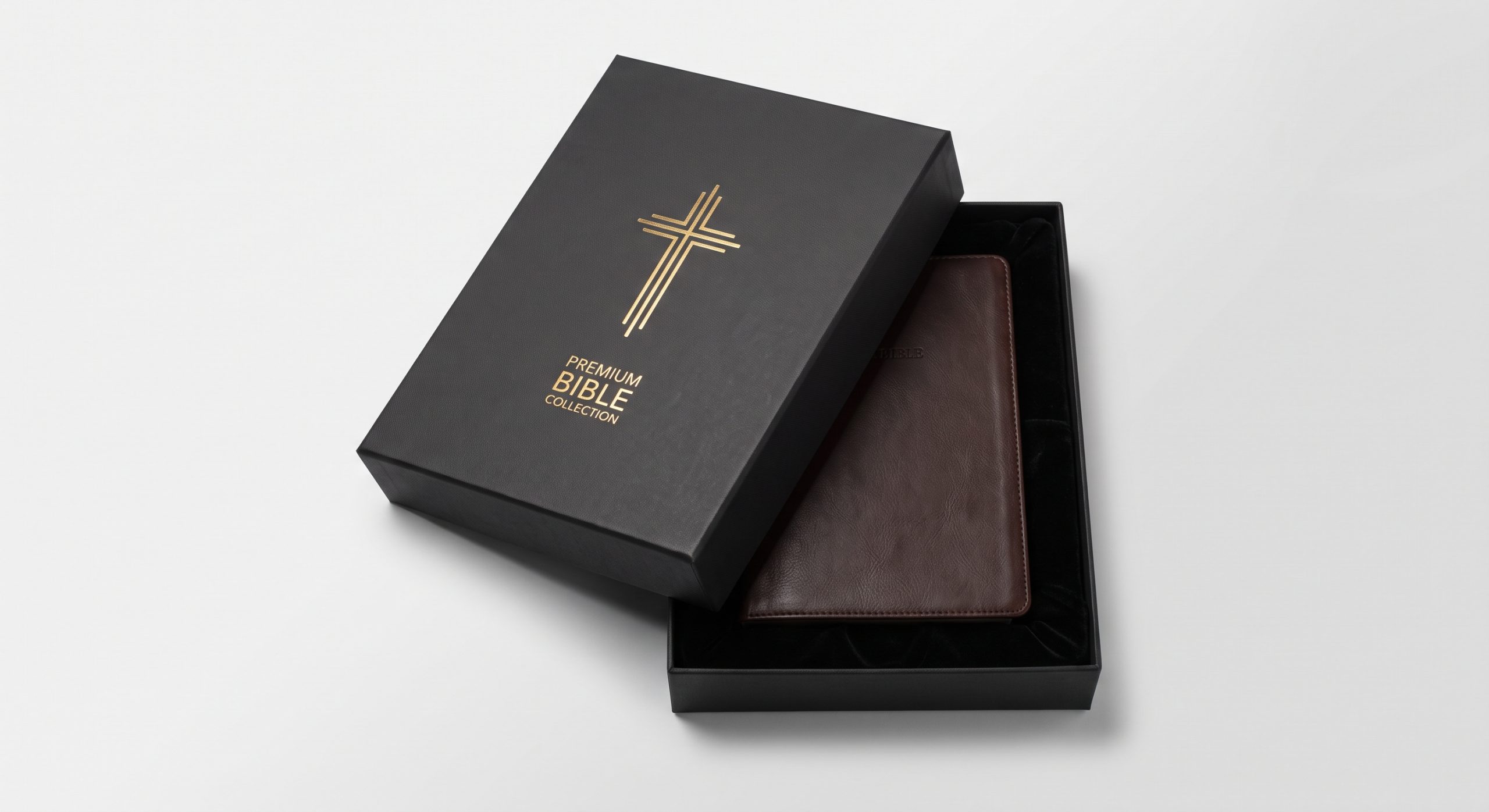
A rigid presentation box protects a genuine leather bible by shielding its delicate edge overhang and gilded page corners from shipping damage and environmental changes. Because high-end bibles often feature floppy covers and heavy paper blocks, they are highly vulnerable to dropping or shifting during transport. A custom-fitted box absorbs shocks and keeps the book securely in place. Additionally, it serves as a stunning storage case that keeps dust and moisture away over decades of storage.
Structural Protection During Transport
Here is the reality: even the toughest leather cover can be dented or scuffed if it slides around inside a loose shipping box. A heavy, dense paperboard box provides an invaluable protective shell that guards your book from transit wear.
- Dense 1,200+ GSM Greyboard: Resists crushing, dropping, and rough handling during shipping.
- Custom Velvet Inlays: Cushions the soft leather cover and prevents scuffing against box walls.
- Secure Magnetic Lids: Keeps the box tightly shut while remaining easy to open.
Humidity Control and Long-Term Archiving
Let’s face it: atmospheric changes in humidity and temperature are the silent enemies of paper and natural hides. Storing your holy book inside an archival presentation box shields the materials from rapid environmental shifts.
- Silica Gel Desiccants: Absorbs excess moisture to prevent paper wrinkling and mold growth.
- Parchment Paper Wraps: Protects the leather from rubbing directly against synthetic trays.
- Dust Shielding: Keeps airborne particles from gathering on top of delicate page gilding.
| Packaging Solution | Crush Protection | Moisture / Dust Shielding | Unboxing Experience | |
|---|---|---|---|---|
| Rigid Gift Box | Extremely High (1500 GSM Board) | Excellent (Sealed barrier) | Unmatched Luxury | |
| Slipcase | Moderate (Open on one side) | Moderate (Spine remains exposed) | Standard Premium | |
| Shrink-wrap Only | Low (Susceptible to drops) | Good (Temporarily water-tight) | Minimal |
This packaging evaluation highlights how premium boxes preserve your product’s condition throughout the retail supply chain.
Investing in a rigid, custom-molded presentation box ensures your premium edition arrives in flawless condition, while giving readers an unforgettable unboxing experience. This professional presentation reinforces your product’s luxury status.
Comprehensive Bible Bindings Comparison
Choosing the perfect binding involves balancing beauty, resilience, and your production budget. Below is an analytical breakdown of how different binding options perform across key publishing metrics:
| Binding Style | Materials Used | Expected Lifespan | Lay-Flat Score | Production Cost Tier | Primary Target Market | |
|---|---|---|---|---|---|---|
| Edge-Lined Leather | Goatskin, Cowhide, PU Liner | 50 – 100 Years | 10 / 10 | Platinum / Custom | Collectors, Clergy, Heirloom Study | |
| Paste-Down Leather | Split Cowhide, Rigid Board | 30 – 50 Years | 8 / 10 | High / Premium | Standard Study, Gift Editions | |
| Imitation Leather (PU) | Polyurethane, Cardboard | 3 – 7 Years | 7 / 10 | Moderate / Economy | Mass Market, Pew Bibles | |
| Hardcover (Cloth/Paper) | Linen Wrap, Heavy Board | 15 – 30 Years | 6 / 10 | Moderate / Stable | Reference Libraries, Textbooks | |
| Softcover (Paperback) | Cardstock Cover, Hot Melt Glue | 1 – 3 Years | 3 / 10 | Low / Budget | Outreach, Mass Distribution |
This comparative landscape highlights why real animal hides and expert sewing techniques remain the ultimate choice for publishers who refuse to compromise on quality and long-term value.
Conclusion
Selecting the right Bible binding is a critical publishing decision that determines whether your book block will become a treasured, lifelong companion or show premature wear on store shelves. From selecting raw hides to managing thin-paper press runs and designing lay-flat spines, every engineering choice shapes the reading experience. Partnering with a skilled manufacturer who understands these technical nuances is key to turning your creative vision into a flawlessly executed print run. To explore premium material swatches, secure custom production quotes, or discuss your publishing specifications, contact us today and let us bring your vision to life.
Frequently Asked Questions
Can I customize the grain style and color of a genuine leather bible?
Absolutely. You can customize both the color and surface grain of real leather. While natural-grain hides (like goatskin or cowhide) showcase their original animal pores and textures, split-leather variants can be embossed with heated steel rollers to replicate any grain pattern you choose—from fine, subtle textures to deep, dramatic pebbles. These materials accept a wide range of aniline dyes, allowing you to produce vibrant, custom colors that match your brand’s style while maintaining the natural scent and legal classification of real leather.
What’s the best paper thickness to pair with a genuine leather bible?
The absolute best range for high-end editions is 28 GSM to 36 GSM lightweight Bible paper. Sourcing sheets within this sweet spot keeps your book thin and portable, even for large 1,500-page volumes, while ensuring excellent opacity. To ensure the best reading experience, choose paper loaded with premium titanium dioxide; this mineral filler helps block light, keeping text readable and preventing distracting ghosting from the reverse side.
How do I know if my design requires edge-lined or paste-down binding?
You can tell by how flexible and soft you want the finished cover to be. If your design calls for a highly flexible, limp, or “floppy” cover that drapes beautifully in the hand, your project requires edge-lined construction. In this setup, the leather is glued directly to a thin synthetic or leather lining, bypassing stiff cardboard inserts. If you prefer a structured, rigid, or semi-rigid cover that feels like a traditional book, a paste-down construction wrapping the leather over a sturdy greyboard core is the ideal choice.
What’s the best way to prevent page wrinkling in high-humidity climates?
The absolute best approach is using Smyth sewn bindings paired with starch-free paper and controlled climate packaging. Because lightweight paper is highly sensitive to humidity, applying too much liquid glue during binding can cause the paper fibers to swell and wrinkle. By choosing Smyth sewn signatures—which rely on physical thread rather than heavy adhesives—you allow the paper to breathe and adjust naturally to humidity changes without curling, keeping your pages flat and pristine in any climate.