
The ultimate guide to custom paper bags explains how these premium carrier solutions blend high-end aesthetics with structural durability to elevate retail packaging. In today’s highly competitive retail space, generic, flimsy shopping bags frequently fail to support your products. When a bag’s handle tears unexpectedly, the customer’s purchase spill is matched only by the immediate ruin of your hard-earned brand image. Upgrading to a premium, custom-branded shopping experience transforms these everyday touchpoints into active brand assets. Implementing these solutions starts with understanding what is custom packaging and how it shapes the post-purchase customer journey.
Why Are Custom Paper Bags Essential?
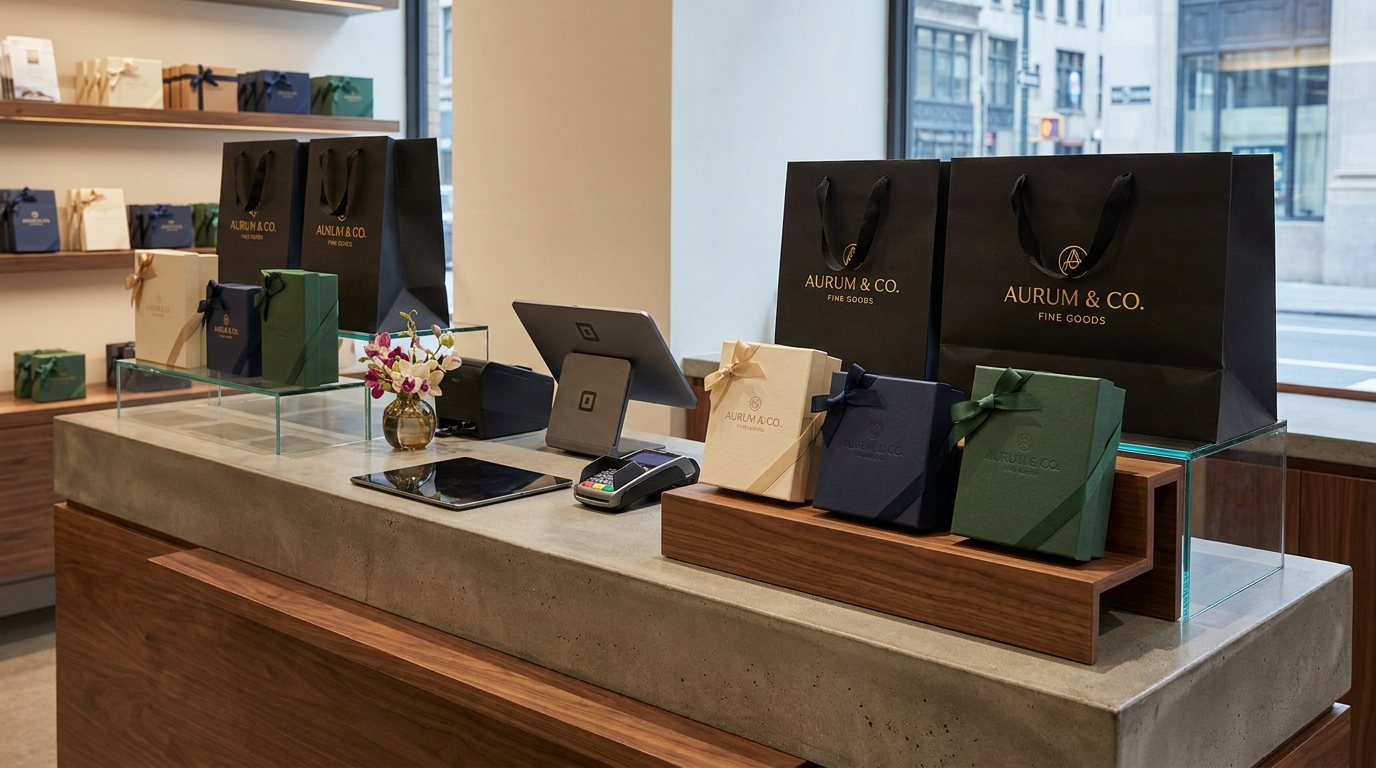
Custom paper bags are essential for retail operations because they serve as mobile billboards that build immediate consumer trust and reinforce premium brand identity. To understand their true return on investment, we must analyze what is custom packaging and how it shapes the post-purchase customer journey.
Are Global Plastic Bans Driving the Shift?
Here is the deal: national regulations are rapidly changing how retail brands approach raw materials. From the European Union to strict state mandates in California, businesses can no longer rely on single-use plastics without facing heavy fines or public backlash.
- Regulatory Pressures: Local laws increasingly tax or outright ban non-biodegradable bags.
- Eco-conscious Standards: Shoppers actively voice their alignment with brands that respect green policies.
Why does this matter? By pivoting your storefront strategies toward fully recyclable paper solutions now, you protect your business from future compliance issues. It gets better: your customers will appreciate the seamless adjustment to their carrying options.
How Do Premium Paper Bags Elevate Experience?
Think about it: the physical transition from cold, crinkly plastic to the tactile warmth and structural integrity of paper is immediately noticeable. That premium feel creates a stronger psychological connection between the customer and your product line.
- Sensory Touchpoints: Textured, high-GSM paper delivers a premium weight that commands attention.
- Aesthetic Prestige: Clean folds and precise side gussets signal that your brand values structural details.
The best part? These high-end sensory attributes build lasting post-purchase trust that generic plastic bags simply cannot provide.
Key Takeaway: Adopting premium paper bags turns your checkout process into a high-touch sensory experience that validates your customers’ spending decisions.
| Bag Option | Environmental Regulatory Risk | Visual Brand Equity | Perceived Luxury Tier | Customer Handfeel Comfort | |
|---|---|---|---|---|---|
| Custom Paper Bags | Extremely Low | High (Print-Ready) | Premium to Luxury | Excellent | |
| Generic Plastic Bags | Extremely High | Low (Plain Stock) | Budget to Utility | Low |
Analyzing these options helps you make the most cost-effective packaging decision.
What Is Custom Packaging and How It Works?
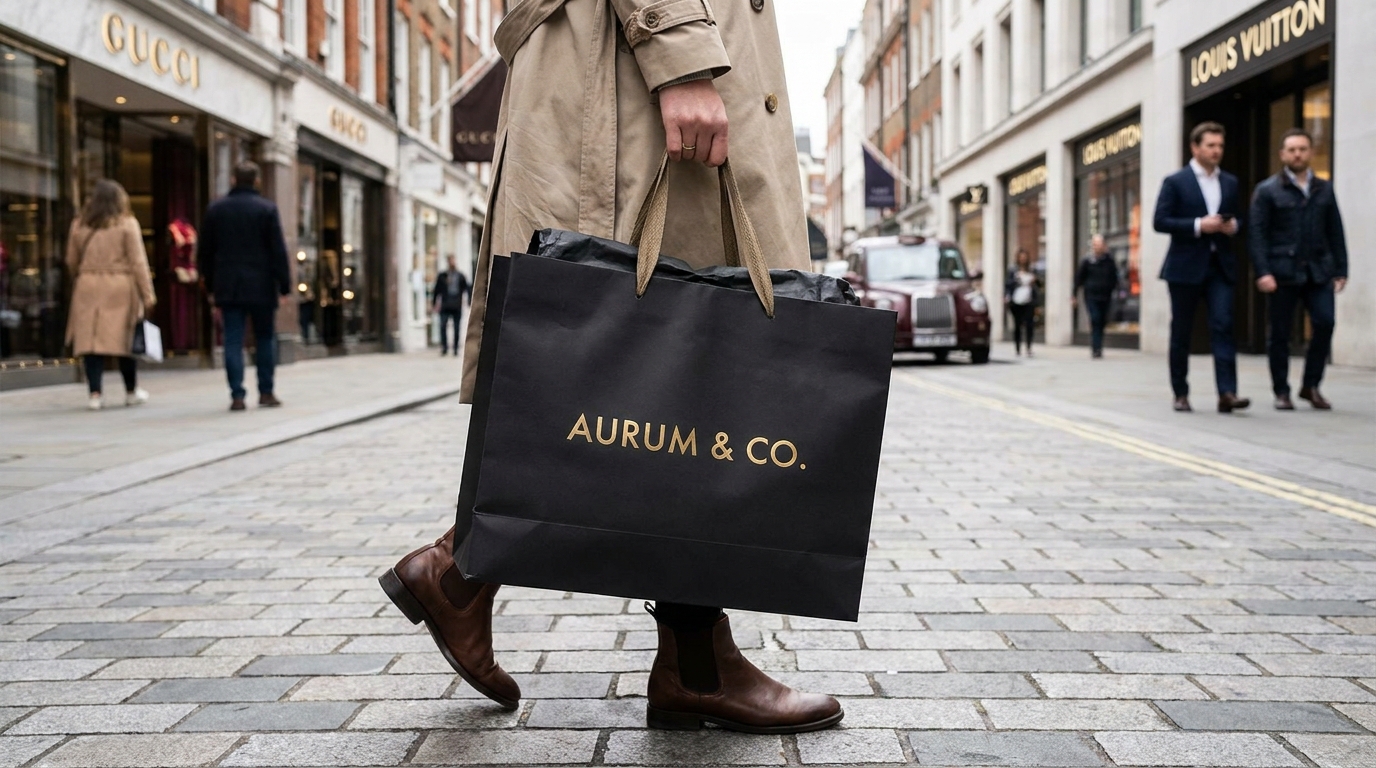
Custom packaging works by aligning structural design, material science, and brand aesthetics into a tailored solution that protects products and enhances shelf presence. When examining what is custom packaging, we look beyond the raw material and focus on the psychological and mechanical synergy that keeps your products safe during transport.
What Is the Core Concept Behind Bespoke Designs?
Here is the bottom line: bespoke packaging is not just a box or a bag, but an active marketing channel. Every dimension and crease is engineered to present your products in the best possible light.
- Dimensional Syncing: Internal space is optimized to reduce movement and product rubbing.
- Consistent Logo Matching: Your brand colors and logo placements are reproduced with flawless accuracy.
Think about it: standard stock sizes force you to use excessive void fill, which increases waste and looks unprofessional to consumers.
How Does Tailored Sizing Reduce Product Damage?
The best part? When your bag dimensions are perfectly matched to your retail boxes, you prevent crushing and tearing. Standardized paper bases resist collapse and maintain their vertical structure even under heavy loads.
- Bottom Reinforcements: Thick cardboard inserts absorb the downward forces of heavier products.
- Gusset Security: Side folds flex dynamically to accommodate varying product shapes without bursting.
Why does this matter? Eliminating damaged goods at the doorstep directly translates to fewer returns and higher customer satisfaction.
Key Takeaway: Custom packaging optimizes the relationship between physical safety and visual design, lowering product return rates while strengthening brand image.
| Packaging Type | Product Fit | Structural Integrity | Void Fill Requirement | Customer Unboxing Impression | |
|---|---|---|---|---|---|
| Bespoke Tailored | Perfect Match | Maximum (Reinforced) | None | Exceptional | |
| Generic Off-The-Shelf | Oversized/Loose | Moderate to Poor | High (Tissue/Bubble) | Low |
Analyzing these structural details enables you to choose the most cost-effective solution for your physical retail operations.
How Do Custom Designs Boost Brand Value?
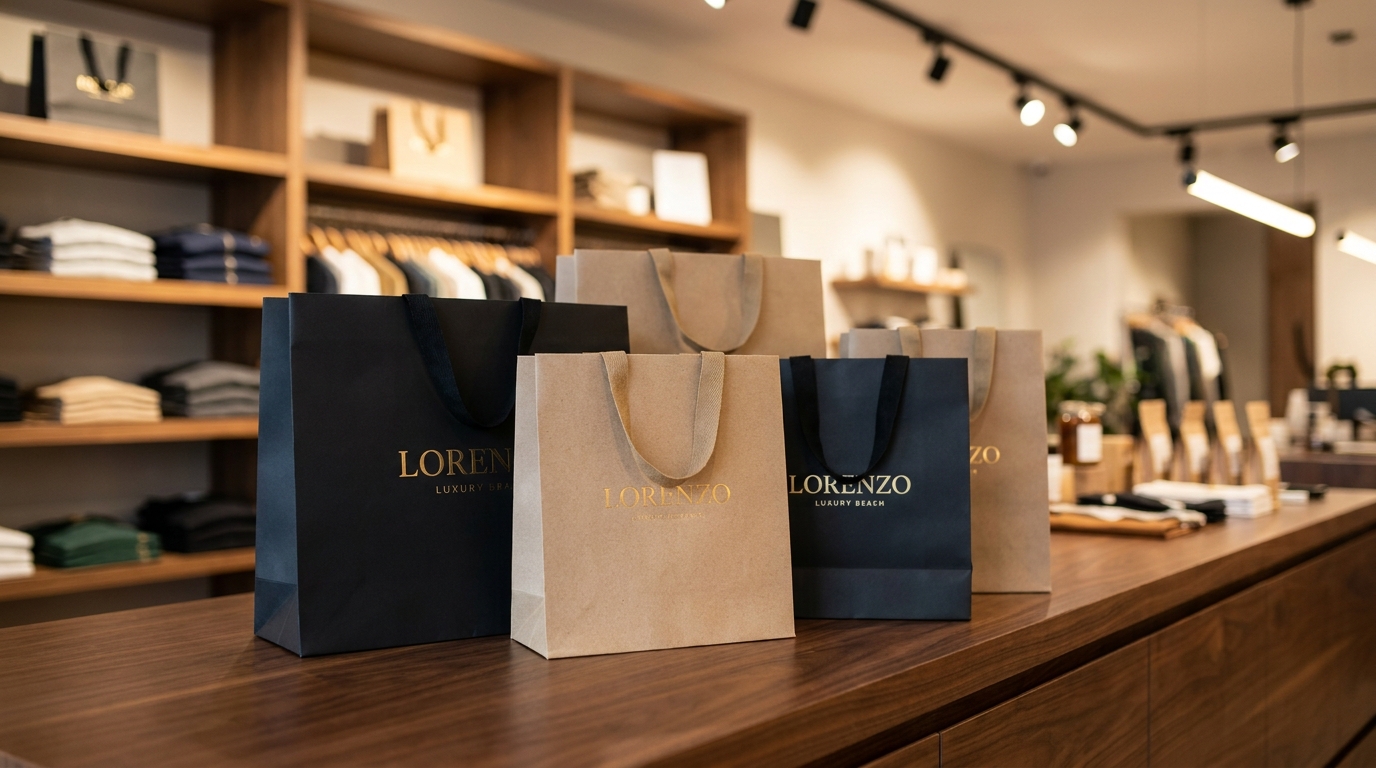
Custom designs boost brand value by turning every transaction into a memorable physical touchpoint that drives customer loyalty and repeat sales. Integrating high-caliber paper bags into your store strategy reveals what is custom packaging in its most practical form: a high-margin marketing asset hiding in plain sight.
Can Street-Level Visibility Act as Free Marketing?
Here is the deal: your shoppers are walking billboards once they walk out of your boutique doors. A highly styled, custom-branded paper bag turns heads in busy shopping centers and high-street areas.
- Organic Impressions: Thousands of potential customers see your logo carried through public spaces.
- Peer Validation: High-end bags imply a premium purchase, which sparks interest in onlookers.
It gets better: your customer handles your bag multiple times, keeping your brand top-of-mind long after the initial sale.
How Do Branded Bags Improve Customer Trust?
Think about it: when a brand invests in high-quality packaging, customers naturally assume the products inside are equally premium. This psychological alignment justifies premium prices and builds strong customer trust.
- Professional Credibility: Beautifully coordinated packaging shows that your business values craftsmanship.
- Consistency Value: Matching colors across your bags and boxes builds a cohesive brand ecosystem.
Why does this matter? Shoppers who trust your brand’s attention to detail are much more likely to become repeat buyers.
Key Takeaway: Branded shopping bags act as a low-cost, high-impact marketing tool that turns everyday buyers into active brand advocates.
| Marketing Medium | Customer Exposure Time | Brand Trust Generated | Relative CPM Cost | Secondary Reusability | |
|---|---|---|---|---|---|
| Custom Paper Bags | Hours (During Commute) | Exceptionally High | Very Low | High (Reused for Gifting) | |
| Digital Ads | Seconds (On-Screen) | Low to Moderate | High | None |
Reviewing these touchpoints helps you allocate your marketing budget to the highest-yielding physical channels.
What Are the Structural Packaging Styles?
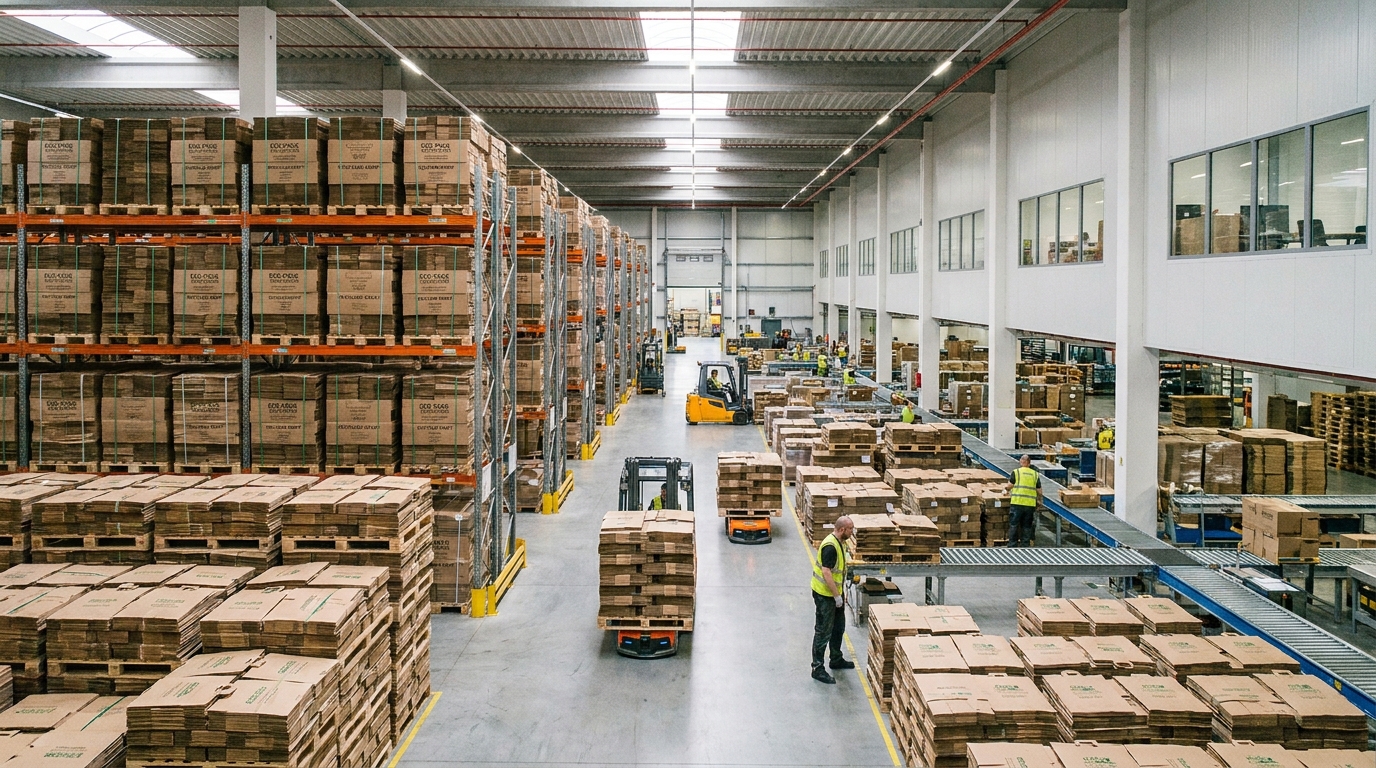
The main structural packaging styles include flat-bottom SOS bags, high-end Euro totes, and specialized retail carrier bags tailored to different load requirements. When we discuss what is custom packaging, choosing the correct physical bag shape is essential to match your product weight and brand styling.
When Should You Choose SOS vs Euro Totes?
The best part? Identifying the correct structure prevents structural failures and ensures your customer has a comfortable carrying experience. Self-opening sack (SOS) bags offer excellent utility, while Euro totes provide a high-end feel.
- SOS Bags: Feature flat bases and side gussets, ideal for quick-service retail and fast packing.
- Euro Totes: Feature turned tops, cardboard reinforcements, and premium rope handles for luxury goods.
Here is the bottom line: Euro totes are the best choice for high-end fashion and heavy gift boxes that need extra support.
What Are the Best Uses for Pinch-Bottom Bags?
Think about it: lightweight products do not always require heavy, flat-bottom bases. Pinch-bottom paper envelopes are an elegant, cost-effective option for accessories and cosmetics.
- Enclosed Security: Tapered bottom seals protect flat items from slipping out.
- Material Efficiency: Their simpler design uses less paper, which lowers unit costs and saves storage space.
Why does this matter? Tailoring your bag styles to your products keeps packaging costs low without sacrificing protection.
Key Takeaway: Selecting the correct structural bag style preserves your packaging budget while giving your products the ideal amount of support.
| Bag Style | Base Structural Design | Load-Bearing Capacity | Relative Price Point | Ideal Retail Verticals | |
|---|---|---|---|---|---|
| Euro Tote | Cardboard-Reinforced Bottom | High (Up to 15 lbs) | Premium | Jewelry, High-End Apparel, Electronics | |
| SOS Bag | Flat Bottom, Gusseted | Medium (Up to 8 lbs) | Economical | Bookstores, Cosmetics, Specialty Foods | |
| Pinch-Bottom | Folded and Sealed Crease | Low (Up to 2 lbs) | Very Low | Stationery, Bakery, Accessories |
Evaluating these structural styles ensures you choose the perfect carrier for your products’ weight and size.
How Do Materials Determine Bag Quality?
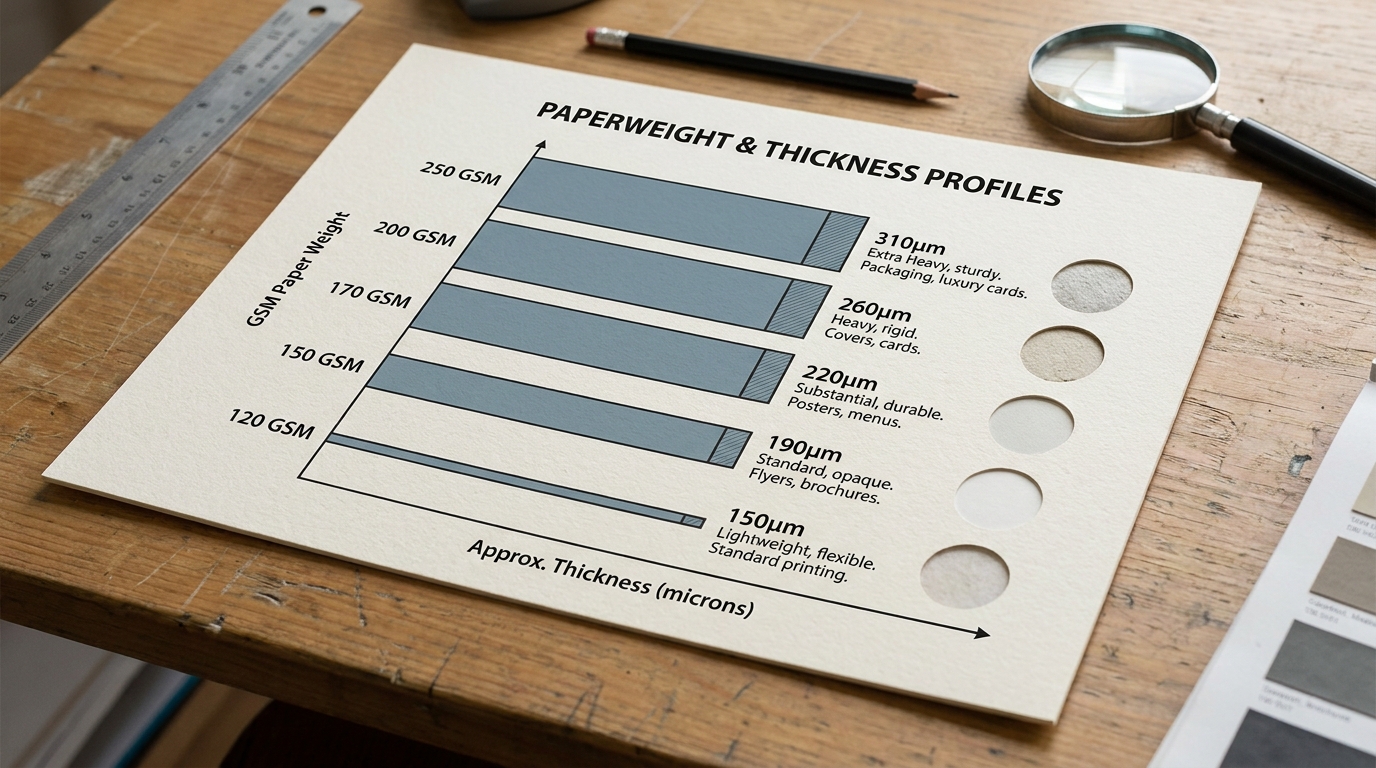
Materials determine bag quality through factors like fiber source, density measured in GSM, and the inherent tensile strength of the paper substrate. Selecting durable raw materials is a vital step in what is custom packaging , directly ensuring your customer’s purchase makes it home safely.
Why Is GSM Critical for Load-Bearing Capacity?
Here is the deal: Grams per Square Meter (GSM) is the standard measurement for paper thickness and density. Higher GSM values mean a stiffer, stronger paper that resists tearing under load.
- Standard Weight (120-150 GSM): Excellent for daily retail purchases and lightweight apparel items.
- Heavy Weight (180-250 GSM): Best for luxury Euro totes that need a rigid, premium cardstock feel.
Why does this matter? Underestimating your GSM requirements can lead to torn bags and damaged products on the journey home.
Should You Choose Virgin Kraft or Recycled Stock?
Think about it: the choice between raw virgin wood fiber and post-consumer recycled pulp affects both the bag’s look and its strength. Virgin Kraft offers maximum tear resistance, while recycled stocks show a strong commitment to green values.
- Virgin Kraft Paper: Long wood fibers provide excellent strength, even in thin weights.
- Recycled Board Stock: Shorter fibers are more pliable, making them perfect for soft-feel boutique packaging.
The best part? Both paper stocks are highly printable, allowing you to showcase beautiful branding on organic textures.
Key Takeaway: Choosing the correct paper type and GSM prevents bag failure while aligning your packaging with your brand’s aesthetic goals.
| Material Substrate | Weight Range (GSM) | Tensile Strength | Surface Texture | Recycled Content | |
|---|---|---|---|---|---|
| Virgin Brown Kraft | 120 to 180 GSM | Extremely High | Natural Wood Grain | 0% | |
| Bleached White Kraft | 120 to 150 GSM | High | Smooth, Matte White | 0% | |
| Recycled Stock | 100 to 140 GSM | Moderate | Soft, Textured | 100% (Post-Consumer) |
Reviewing material specs helps you find the sweet spot between structural strength and sustainable materials.
What Finishing Options Elevate Aesthetics?
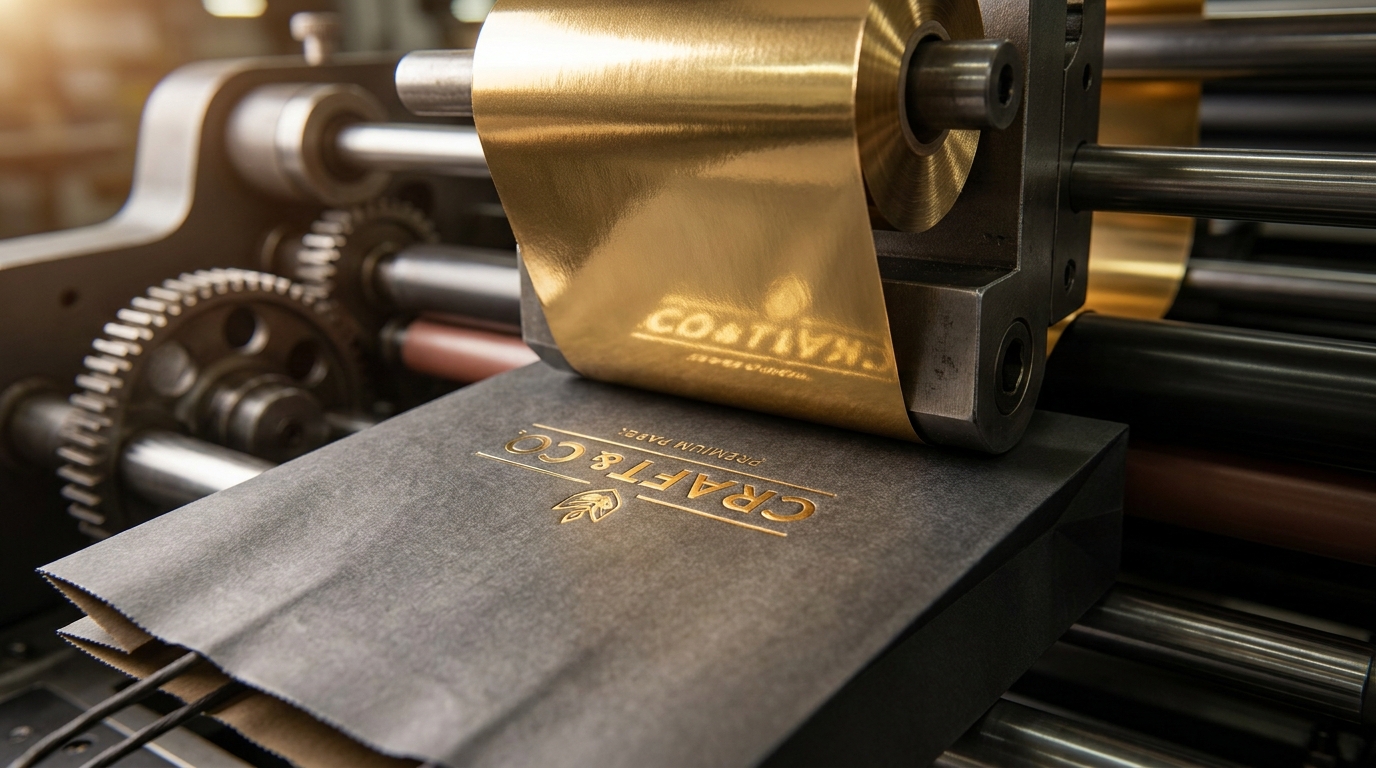
Finishing options like hot foil stamping, debossing, and spot UV varnishes elevate aesthetics by creating premium tactile and visual contrasts. When discussing what is custom packaging, advanced finishing techniques are what turn standard paper surfaces into luxury branded experiences.
How Does Matte vs Gloss Lamination Change Feel?
Here is the bottom line: applying a thin film layer protects your printed graphics while changing how the bag feels in your customer’s hands. Matte lamination offers a soft, non-reflective finish, while gloss lamination boosts color vibrance.
- Matte Lamination: Absorbs light to create an understated, elegant look that hides minor scuffs.
- Gloss Lamination: Reflects light to make bright colors pop and provides excellent water resistance.
Why does this matter? Your coating choice directly affects how your brand colors look under bright boutique lights.
Can Spot UV Create Subtle Elegant Contrast?
The best part? Spot UV coatings allow you to apply a high-gloss finish to specific parts of your bag, like a logo or pattern, over a matte background. This contrast catches the light beautifully when the bag is carried down the street.
- Textured Contrast: Flat matte and glossy surfaces create an appealing tactile experience.
- Subtle Branding: Lets you add blind, glossy watermark patterns that don’t overwhelm your main logo.
Think about it: these high-end, detailed finishes are what separate premium retail carriers from simple grocery bags.
Key Takeaway: Strategic use of custom finishes turns your shopping bags into high-end brand assets that customers want to reuse.
| Coating Option | Visual Style | Touch Feedback | Scratch Resistance | Water Protection | |
|---|---|---|---|---|---|
| Matte Lamination | Understated & Elegant | Soft, Velvet-like | Moderate | High | |
| Gloss Lamination | Vibrant & Highly Reflective | Slick & Smooth | High | Outstanding | |
| Uncoated Paper | Natural & Organic | Raw Wood-fiber | Low | Minimal |
Reviewing these options helps you find the perfect balance of visual appeal and weather resistance.
How Do Custom Handles Improve Utility?
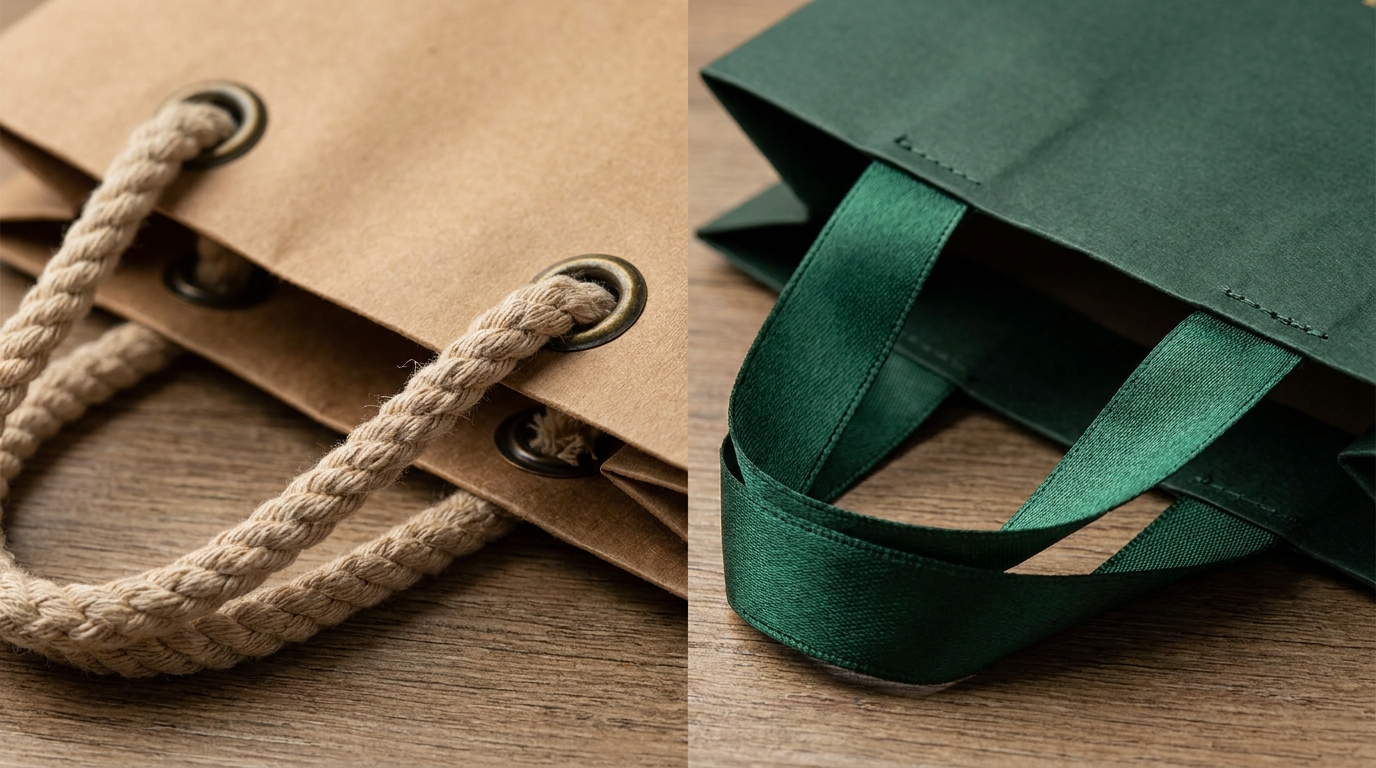
Custom handles improve utility by securing heavy loads and providing an ergonomic, comfortable grip for shoppers walking between stores. Finding the right balance between premium handle styles and structural strength is a key milestone in defining what is custom packaging for your modern retail brand.
Should You Pick Woven Cotton or Satin Ribbons?
Think about it: the choice of handle material changes how comfortable the bag is to carry and how luxurious it looks. Soft woven cotton ropes handle heavy items comfortably, while satin ribbons add elegant boutique style.
- Woven Cotton Ropes: Provide a comfortable, non-slip grip that doesn’t pinch hands under load.
- Satin Ribbon Handles: Offer a high-end look with soft, glossy fabrics that can be tied into elegant bows.
Why does this matter? If a handle is uncomfortable or slips, customers will want to set the bag down quickly, reducing your brand’s street visibility.
When Are Twisted and Folded Paper Handles Best?
Here is the deal: twisted paper handles are strong, cost-effective, and fully recyclable, making them the standard choice for daily retail runs. Folded paper straps lay flat, which saves space during shipping and backroom storage.
- Twisted Kraft Handles: Glued inside with a backer patch, providing excellent hold for medium loads.
- Folded Paper Straps: Offer a clean, minimalist style that is highly cost-effective for large production runs.
The best part? Both paper handle styles can be recycled right along with the bag, making waste management simple.
Key Takeaway: Matching your handle style to your product weight ensures your customers can carry their purchases safely and comfortably.
| Handle Style | Primary Material | Comfort Level | Weight Capacity | Recyclability | |
|---|---|---|---|---|---|
| Woven Cotton | Natural Cotton Blend | Outstanding | High (Up to 18 lbs) | Requires Separate Sorting | |
| Twisted Paper | Spun Kraft Paper | Moderate | Medium (Up to 15 lbs) | 100% Curbside Recyclable | |
| Satin Ribbon | Woven Polyester | High (Soft feel) | Moderate (Up to 8 lbs) | Low | |
| Folded Paper | Flat Kraft Strip | Low | Low (Up to 6 lbs) | 100% Curbside Recyclable |
Choosing the right handles ensures your packaging is comfortable to carry while meeting your budget goals.
What Is the Custom Design Process?
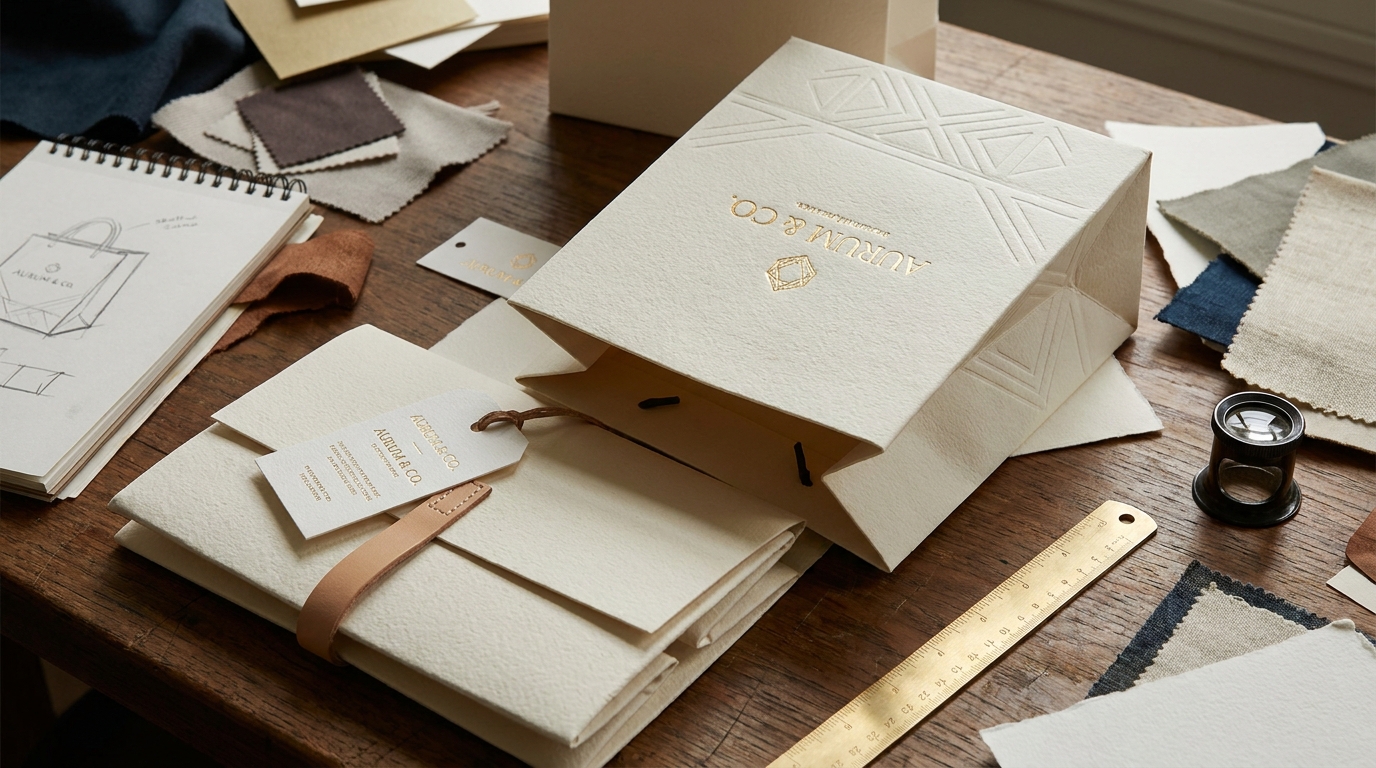
The custom design process is a structured journey moving from initial dimensional measurement and digital prepress layouts to physical prototypes and final high-volume production runs. In the world of what is custom packaging, a systematic design workflow is key to turning creative concepts into flawless physical packaging.
How Do You Prepare Prepress Files and Layouts?
Here is the deal: your digital artwork must be set up correctly to prevent printing shifts or low-resolution output during manufacturing. Designers use high-resolution vector files with designated bleed lines and color paths.
- Bleed Adjustments: Printing extends past the fold lines to prevent white edges.
- Color Mapping: Converting RGB designs to Pantone spot colors ensures perfect brand accuracy.
Think about it: catching formatting issues early on the computer saves you from expensive mistakes once the printing presses start running.
Why Is Prototyping Vital Before Production?
The best part? Creating a physical sample lets you test the bag’s size, handle strength, and print colors with your actual products. It gives you the chance to make final tweaks before starting a large production run.
- Fit Testing: Ensures your retail boxes slide in easily and lay flat on the bottom of the bag.
- Visual Check: Allows you to review how foil stamps and laminations look under different lighting.
Why does this matter? Physical proofing gives you peace of mind that your large packaging investment will turn out exactly as planned.
Key Takeaway: Following a strict prepress and prototyping process ensures your final bags match your brand standards with zero manufacturing delays.
| Design Stage | Primary Goal | Deliverable | Potential Risk Avoided | |
|---|---|---|---|---|
| Prepress Layout | Digital Alignment | High-Res Vector Proof | Font and Logo Placement Errors | |
| Physical Prototype | Fit and Finish Check | Unprinted White Sample | Sizing and Handle Assembly Mistakes | |
| Press Run | High-Volume Production | Finished Branded Inventory | Ink Shifts and Color Inconsistencies |
Managing each step of the design process ensures a smooth transition from screen concepts to high-end physical products.
How to Select the Perfect Packaging?
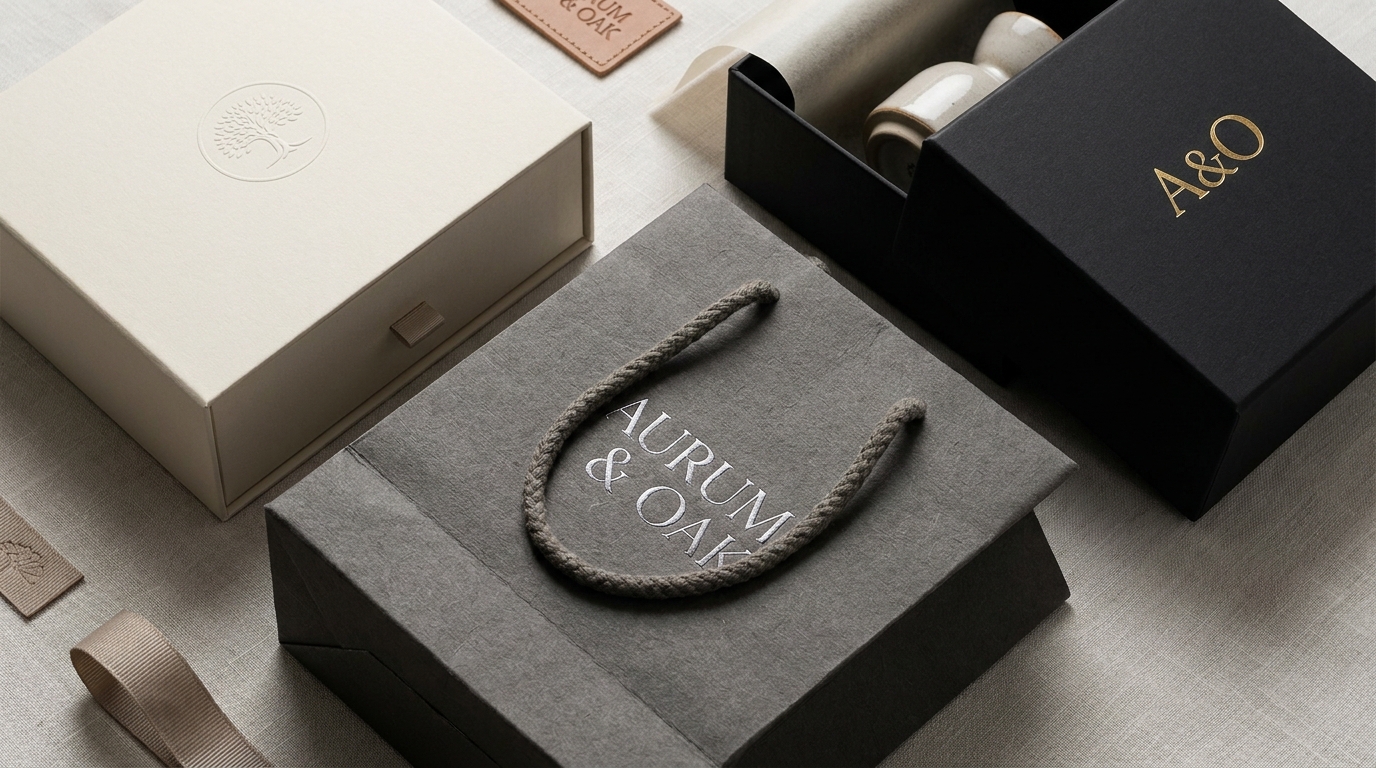
Selecting the perfect packaging requires matching bag styles and material strengths to your product weight, retail category, and overall brand identity. Balancing size options and keeping your packaging simple is an essential part of refining what is custom packaging to protect your profit margins.
How Do You Align Bag Sizes with Inventory?
Think about it: carrying dozens of different bag sizes wastes inventory budget and takes up valuable retail storage space. Smart brands use three versatile sizes (Small, Medium, Large) to cover 95% of their typical product combinations.
- Small (Boutique): Perfect for jewelry, cosmetics, and small gift items.
- Medium (Standard): Ideal for standard apparel, books, and home goods.
- Large (Department): Sized for outerwear, shoeboxes, and multi-product bundles.
Here is the bottom line: using fewer, more versatile bag sizes simplifies your checkout process and lowers your overall packaging costs.
What Are the Key Color Calibration Methods?
The best part? Using the Pantone Matching System (PMS) ensures your brand colors look exactly the same on your paper bags, rigid boxes, and tissue paper. PMS spot inks keep your colors consistent, regardless of which printing press or paper stock is used.
- Consistent Branding: Prevents color shifts between different packaging pieces.
- Ink Control: Spot colors provide clean, vibrant coverage that standard CMYK printing can’t always match.
Why does this matter? Coordinated, color-matched packaging presents a professional, high-end image that consumers trust.
Key Takeaway: Standardizing your bag sizes and using PMS color systems helps you run a highly efficient, professional packaging program.
| Size Class | Target Dimensions (W x D x H) | Material Recommendation | Common Retail Uses | Color Method | |
|---|---|---|---|---|---|
| Small | 5″ x 3″ x 8″ | 120 GSM / 170 GSM Art | Jewelry, Watches, Luxury Cosmetics | PMS Spot Ink | |
| Medium | 10″ x 5″ x 13″ | 140 GSM / 200 GSM Art | Apparel, Lifestyle Goods, Books | PMS or CMYK | |
| Large | 16″ x 6″ x 19″ | 150 GSM / 250 GSM Art | Winter Coats, Shoeboxes, Gift Bundles | Flexographic |
Matching your sizes and colors keeps your packaging program running efficiently and within budget.
Why Choose Sustainable Paper Packaging?
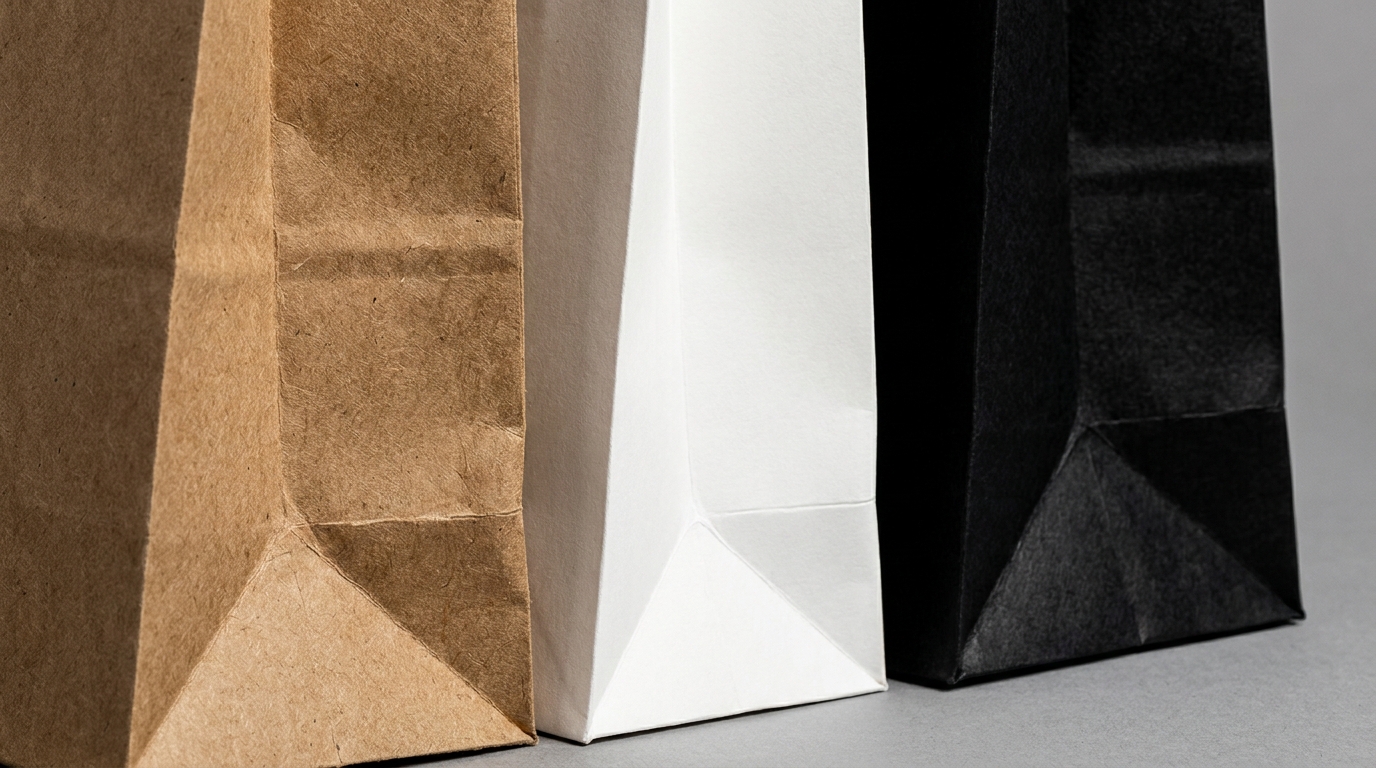
Sustainable paper packaging is the ideal choice because it utilizes renewable wood fiber, lowers carbon emissions, and fully supports curbside recycling. Understanding the ecological lifecycle of these materials is a key part of defining what is custom packaging in an era of strict environmental standards.
How Does Wood Fiber Align with Circularity?
Here is the deal: responsibly sourced paper packaging is made from renewable wood fibers that can be recycled and reused multiple times. This closed-loop cycle reduces raw material waste and keeps packaging out of landfills.
- Renewable Sourcing: Wood fiber comes from responsibly managed forests that replant trees as they are harvested.
- Curbside Recycling: Standard paper packaging can be easily recycled in normal household bins.
Think about it: using natural paper materials makes it easy for your customers to dispose of your packaging in an eco-friendly way.
Why Do Modern Consumers Trust Green Claims?
The best part? Natural, unbleached paper packaging has an organic, wood-grain look that instantly communicates eco-friendliness to shoppers. This visual honesty helps build consumer trust and bypasses common worries about greenwashing.
- Natural Appeal: Matte textures and brown kraft paper visually match organic brand values.
- Verified Certifications: Environmental seals show that your packaging meets strict international standards.
Why does this matter? Brands that show a real, visible commitment to sustainability build stronger connections with eco-conscious shoppers.
Key Takeaway: Choosing sustainable paper packaging reduces your environmental impact while building trust with modern consumers.
| Material Profile | Raw Resource Origin | Recyclability Method | Visual Vibe | Environmental Impact | |
|---|---|---|---|---|---|
| Certified Virgin Kraft | Responsibly Managed Forests | Curbside Recyclable | Raw & Natural | Low | |
| Post-Consumer Recycled | Recycled Cardboard Pulp | Curbside Recyclable | Soft & Textured | Very Low | |
| Laminated Art Paper | Chemical Wood Pulp | Specialized Facility | High-End Luxury | Moderate |
Analyzing the environmental footprint of your materials helps you select a packaging solution that meets both your green goals and brand standards.
Conclusion
Upgrading to high-quality custom paper bags is a smart investment that turns simple utility carriers into high-performing brand assets. From selecting the ideal paper weights and structural styles to applying premium finishes and comfortable handles, every design choice helps shape how customers view your brand. Partnering with a reliable manufacturing expert like Kingtai ensures your custom designs are produced with top-tier materials and perfect print quality.
If you are ready to move away from generic, flimsy bags and elevate your retail presentation, contact us today to work with a dedicated specialist who can help bring your unique packaging vision to life.
Frequently Asked Questions
Can I order custom paper bags in low quantities for seasonal promotions?
Yes, you can. While high-volume offset printing offers the best unit pricing, digital printing options make smaller, seasonal runs highly cost-effective for boutique launches and pop-up events.
What’s the best way to determine the correct bag sizes for my inventory?
The best choice is to group your products into common purchase combinations, measure their total dimensions, and select two or three versatile sizes that comfortably accommodate those groups with minimal empty space.
How do I know if my design requires PMS spot colors or CMYK printing?
The best choice depends on your artwork complexity, where simple layouts with one or two specific colors benefit from PMS spot inks for absolute accuracy, while colorful, detailed graphics require four-color CMYK printing.
Can I combine hot foil stamping with a matte unlaminated kraft bag?
Absolutely. Applying metallic foil accents to unlaminated kraft paper creates an appealing, high-end contrast between the raw, organic paper texture and the polished, reflective metal stamping.
What’s the best handle style to choose for heavy, luxury gift items?
The best choice is thick, woven cotton rope knotted through reinforced eyelets, which offers superior load capacity and a comfortable grip while maintaining a high-end presentation.