
Rigid box packaging serves as the ultimate physical manifestation of luxury by offering unmatched structural integrity and a premium unboxing experience that elevates how consumers perceive your brand. Flimsy, generic folding cartons fail to reflect high product value, leaving brands struggling to stand out in a crowded market. When customers pay a premium price but receive a product in substandard packaging, the cognitive dissonance immediately devalues your brand and leads to negative reviews. Elevating your brand presence is easy when you switch to high-end rigid box packaging , which provides unmatched structural density, an elite tactile feel, and customization options that turn unboxing into a premium ritual.
Why is rigid box packaging essential for premium brands?
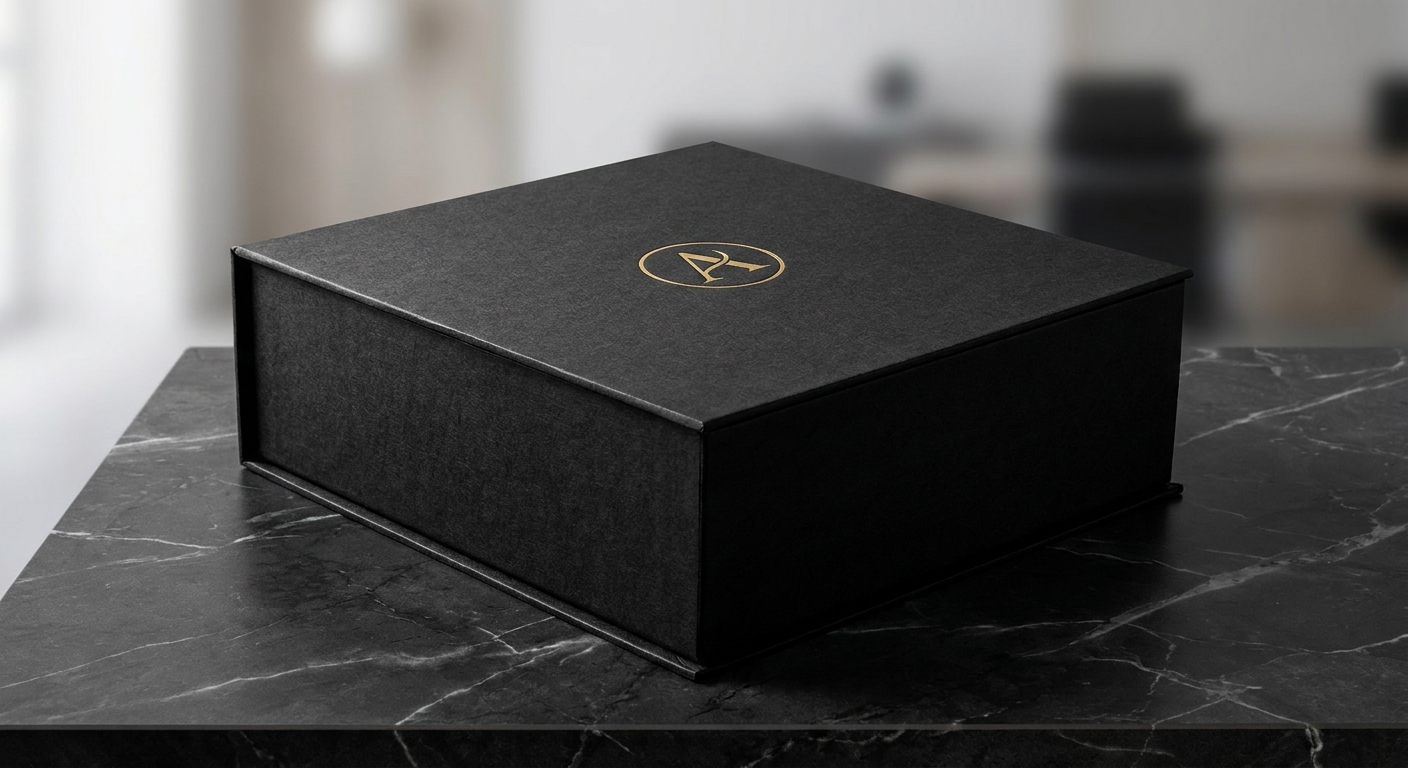
Rigid box packaging serves as the ultimate physical manifestation of luxury because its thick chipboard and premium exterior wrapping immediately signal superior quality to the consumer. Choosing this high-density packaging format ensures that your product is not just protected, but is presented as an exclusive, high-value asset that justifies its premium price.
Why does material thickness matter to your high-end consumers?
Here is the deal: high-density materials immediately communicate premium quality to your customers before they even see the product. Thick, non-bendable walls give your product a feeling of weight, value, and permanence that thin folding cartons simply cannot replicate.
- Tactile Weight: Heavy-gauge walls offer a sense of physical importance and durability.
- Warp Resistance: Strong structures prevent any unsightly denting or bowing during retail display.
- Perceived Integrity: Substantial thickness signals strict manufacturing standards and high-end materials.
Using substandard packaging runs the risk of degrading your item’s perceived value under your customer’s grip.
How do robust structures support your premium retail products?
Think about it: your product deserves a protective shell that mirrors the precision of its design. Heavy-duty structures provide a solid frame that maintains its clean geometric shape under vertical pressure.
- Keepsake Value: Consumers often keep and reuse high-end boxes, ensuring your brand stays visible in their homes long-term.
- Custom Cushioning: The sturdy frame holds heavy interior trays and velvet inserts without collapsing or shifting.
- Geometric Precision: Solid frames maintain clean geometric lines under heavy loads.
This structural integrity forms the physical anchor of your retail display presence.
Key Takeaway: Physical presence is the anchor of brand authority. Investing in thick, structurally sound materials creates an immediate physical connection that justifies a luxury price point before the customer even sees the product inside.
| Packaging Type | Structural Core | Wall Flex / Elasticity | Perceived Consumer Value | |
|---|---|---|---|---|
| Standard Folding Carton | Thin SBS paperboard | High flexibility; prone to bending | Low to moderate | |
| Rigid Box Packaging | Thick greyboard (800g+) | Zero flexibility; structural frame | Ultra-premium / Keepsake |
Our comparison highlights how replacing thin, flexible board with a solid structural core establishes a superior visual and physical presence that folding cartons simply cannot replicate.
How does rigid box packaging elevate the unboxing feel?

The psychological impact of opening a slow-releasing lid creates an unforgettable theatrical experience that modern consumers crave. Integrating custom-engineered rigid box packaging allows you to manipulate air resistance and opening speeds to turn a simple action into a highly anticipated brand ritual.
How can you engineer the perfect vacuum-release opening?
Look closely: the physical friction between the lid and base is not an accident—it is a calculated measurement of air displacement designed to slow down the user’s hands. Crafting precise dimensions between the lid and base creates a slow, satisfying friction glide.
- Acoustic Feedback: The subtle “whoosh” sound of air escaping signals expert engineering and high quality.
- Delayed Gratification: The slow-sliding reveal increases the consumer’s excitement and anticipation.
- Friction Control: Precise manufacturing tolerances ensure a consistent, smooth sliding release.
This brief delay focuses all of your customer’s attention directly onto the product.
What sensory details should you target to captivate buyers?
But that’s not all: creating a multi-sensory experience ensures that your product is remembered, shared on social media, and talked about long after the purchase. Utilizing soft-touch laminations or textured specialty papers creates an immediate tactile pleasure.
- Visual Contrast: Printing rich, vibrant graphics on the inner lining creates a striking surprise when opened.
- Scent Control: Premium, low-odor adhesives eliminate harsh chemical smells, preserving your product’s natural scent.
- Sound Quality: Linen-wrapped edges eliminate harsh scraping sounds during opening.
These sensory elements work together to build a strong emotional connection with your audience.
Key Takeaway: The unboxing process is a powerful touchpoint in modern retail. By engineering physical resistance and rich sensory textures into your boxes, you transform an ordinary purchase into an extraordinary, shareable ritual.
| Unboxing Touchpoint | Mechanical Feature | Sensory Response | Marketing Impact | |
|---|---|---|---|---|
| Telescoping Reveal | Air-vacuum friction glide | Heightened suspense and focus | Promotes premium unboxing videos | |
| Textural Contrast | Soft-touch wrap vs. inner foil | Surprise, delight, and visual impact | Increases social media shares |
A carefully controlled, slow-sliding lid transforms a simple transactional product reveal into a premium, memorable B2B brand event.
What materials make up durable rigid box packaging?
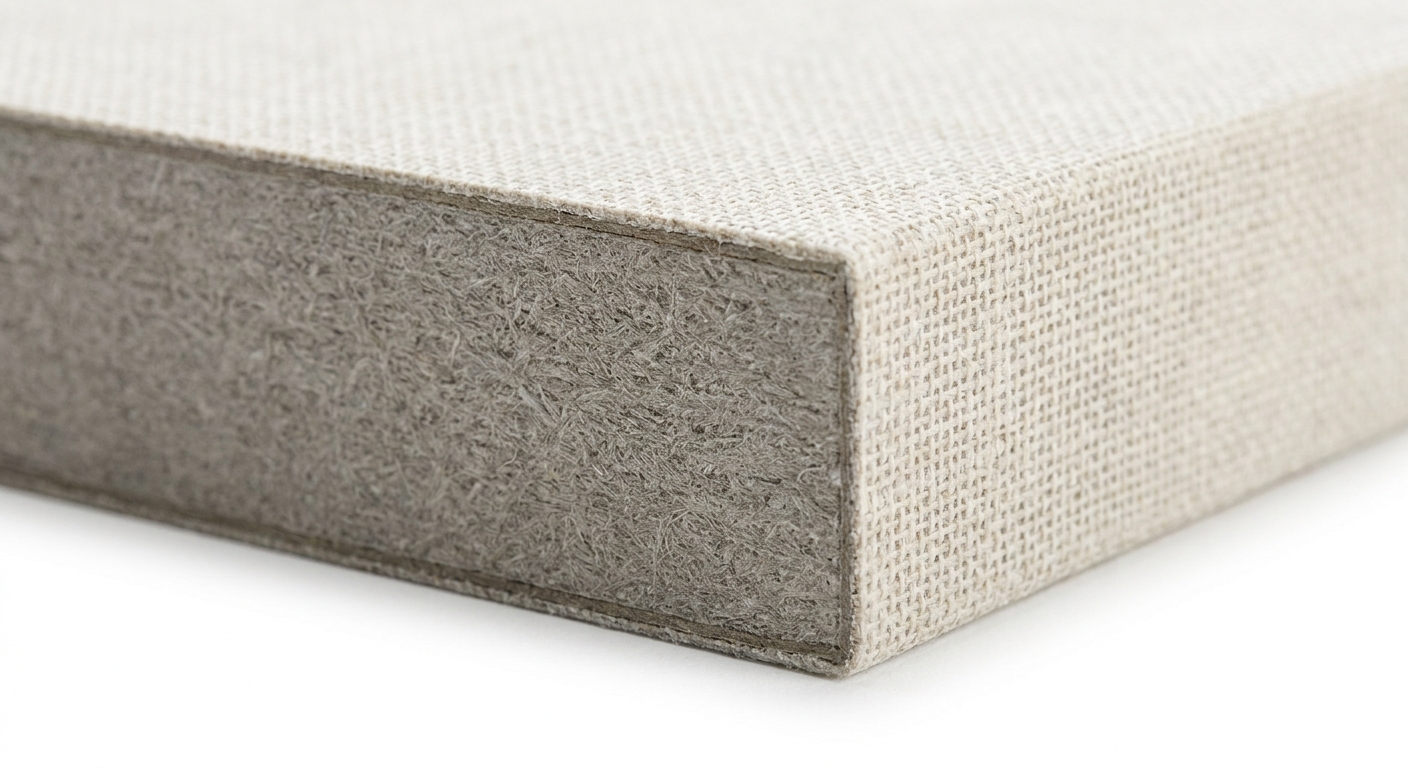
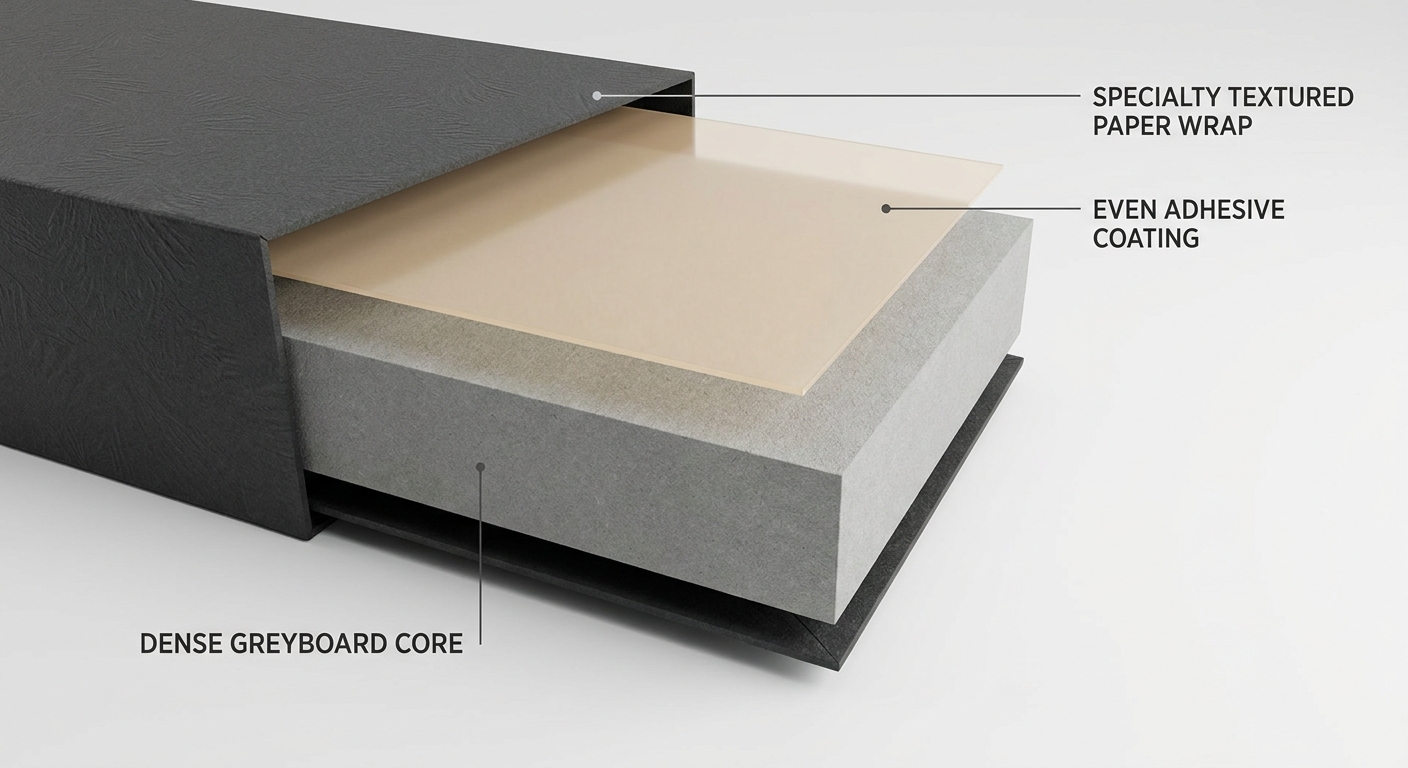
High-durability luxury boxes rely on a strong inner skeleton of dense chipboard bound to an outer layer of carefully selected custom wrap paper. Sourcing premium materials for your rigid box packaging ensures both maximum crush resistance and unlimited aesthetic versatility.
How do you select the ideal chipboard weight for your goods?
Here is the bottom line: the thickness of your inner chipboard dictates how well your package handles stack pressure during global transit and retail display. Sourcing dense, high-grade board ensures clean corners and zero bowing.
- Caliper Selection: Choosing board weights from 800gsm to 1500gsm to match your product’s weight.
- Density Consistency: Ensuring the structural core is made of high-quality recycled fibers to prevent bowing.
- Edge Scoring: Selecting premium greyboard that scores cleanly to produce sharp, 90-degree corners.
This sturdy foundation protects your physical assets from any unexpected transit damage.
Which wrapping papers will elevate your tactile identity?
Think about it: the exterior paper wrap is your primary canvas; it completely hides the raw greyboard underneath, leaving no structural seams visible. This layer is where your visual and tactile customization occurs.
- Coated Art Paper: Ideal for high-definition color printing, spot UV finishes, and rich graphic designs.
- Textured Specialty Stocks: Options like linen, embossed woodgrain, or soft felt finishes that offer a distinct hand feel.
- Metallic and Kraft Papers: Providing natural earthy vibes or ultra-modern reflective surfaces depending on your brand’s identity.
Choosing the right wrap paper allows you to express your brand’s unique aesthetic direction.
Key Takeaway: The best luxury boxes balance hidden strength with exposed beauty. Selecting the correct chipboard weight guarantees long-lasting protection, while choosing the right wrap paper shapes your brand’s outward identity.
| Material Component | Common Specifications | Primary Function | Aesthetic Role | |
|---|---|---|---|---|
| Greyboard Skeleton | 1000gsm – 1500gsm thickness | Structural integrity; crush-resistance | None (completely hidden) | |
| Outer Wrap Paper | 120gsm – 157gsm specialty/art stock | Visual styling; surface for finishes | Defines touch, feel, and brand graphics |
Choosing the right structural board thickness and pairing it with high-quality wrapping stocks ensures your packaging remains durable while looking beautiful.
How is rigid box packaging customized with embellishments?
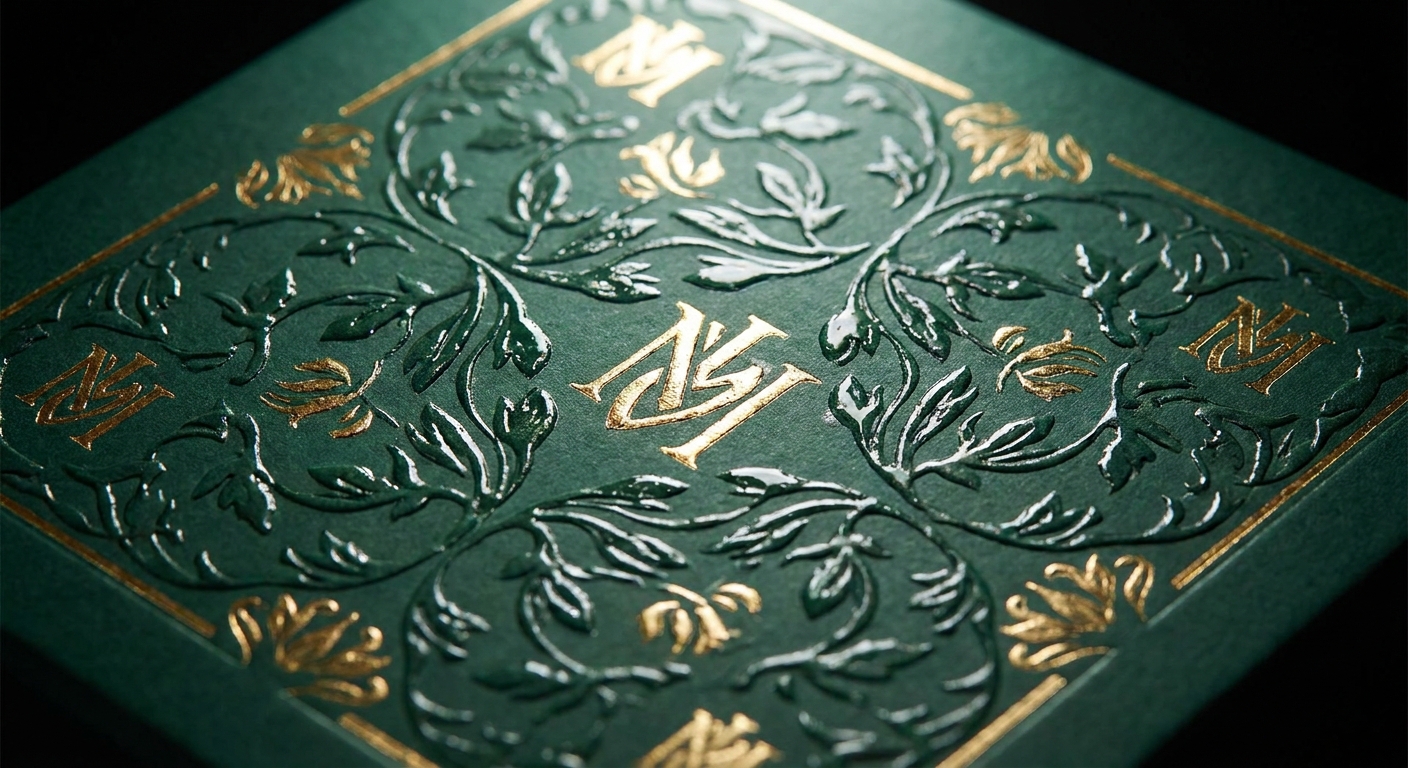
Modern finishing technologies turn standard cardboard structures into stunning works of art through precise textural manipulation and metallic foil applications. Leveraging specialized rigid box packaging techniques allows your brand to stand out on retail shelves with eye-catching, high-contrast visual features.
How can you choose the right metallic foils for your brand?
Keep in mind: a metallic foil logo does more than shine—it catches a shopper’s eye from across a retail showroom, guiding their attention directly to your product. Selecting premium foils ensures your graphics remain bright and free from oxidation over time.
- Hot Foil Stamping: Uses heat and pressure to transfer premium metallic pigments onto your paper wrap.
- Foil Color Choices: Options like classic gold, cool silver, warm copper, or modern holographic shades.
- Fine-Line Detailing: Achieving high-contrast, clean logos and delicate typography that catch the light beautifully.
This high-end finish immediately signals a superior product to potential B2B buyers.
How do embossing and debossing depths impact your design?
The best part? Embossed textures invite consumers to run their fingers over your logo, adding a physical layer of connection to their shopping experience. This tactile interaction increases their brand recall and perceived quality.
- Multi-Dimensional Depth: Pressing patterns into the paper wrap to create raised (embossed) or recessed (debossed) text.
- Registered vs. Blind: Aligning the physical texture perfectly over printed ink, or leaving it unprinted for a clean look.
- Shadow Play: Utilizing retail lighting to create natural shadows along the raised edges of your box art.
These dimensional finishes transform flat graphic designs into rich sensory experiences.
Key Takeaway: Finishing embellishments transform standard two-dimensional branding into three-dimensional experiences. When applied cleanly, metallic foils and embossed textures communicate a level of detail and premium quality that flat printing simply cannot match.
| Custom Finish | Technical Method | Visual Effect | Tactile Experience | |
|---|---|---|---|---|
| Foil Stamping | Heat and pressure metal transfer | Brilliant, highly reflective metallic glow | Smooth, distinct metal borders | |
| Blind Debossing | Deep male/female die pressing | Subdued, elegant, shadow-casting graphics | Sunken, deep texture contrast |
Combining reflective foils with deep physical textures creates an appealing contrast that draws consumers in both visually and physically.
What are telescoping styles in rigid box packaging?
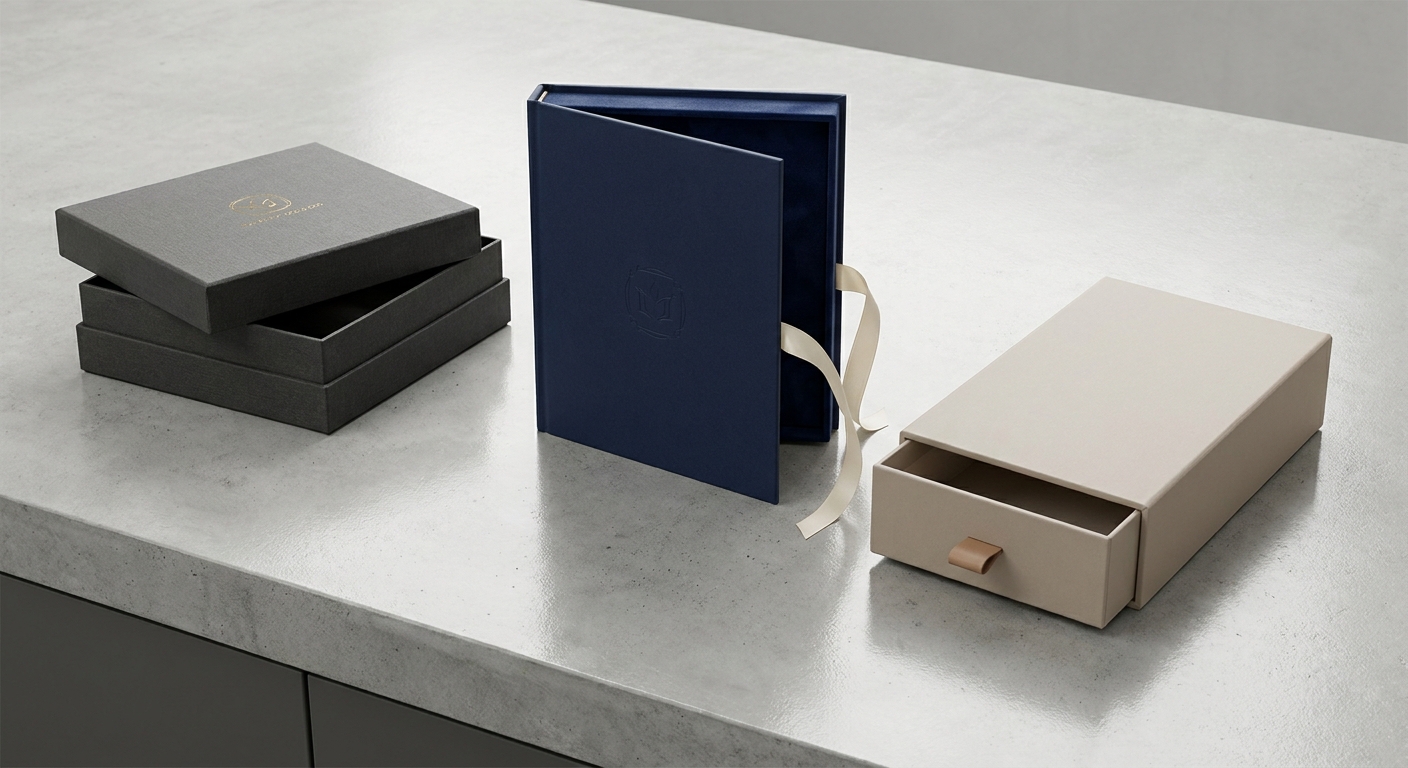
Telescoping designs in rigid box packaging feature a separate lid and base configuration that either partially or fully overlaps to provide maximum structural resistance and premium presentation. This classic style provides double-walled protection on the sides, making it a highly reliable and popular configuration for high-end retail products.
Which telescoping variation fits your product’s profile?
The reality is: full-telescope configurations offer twice the side-wall strength, ensuring high-value electronics and cosmetics stay safe from impacts. Choosing the right overlap style depends on your product’s weight and opening goals.
- Full Telescope: The lid covers the entire height of the base, creating a clean, seamless, double-walled profile.
- Partial Telescope: The lid only covers a portion of the base, exposing a strip of the bottom box for a nice two-tone look.
- Classic Shoebox Style: Features a looser-fitting lid that lifts off effortlessly for fast, hassle-free access.
Matching the overlap depth to your product’s requirements ensures both safety and elegance.
Why does the neck-and-shoulder style attract your buyers?
Now, why does this matter? The exposed neck creates a visual boundary that breaks up monotonous packaging, making the box look like a premium display case. This three-piece construction provides a flush exterior alignment that is highly prized in modern design.
- Flush Alignment: An inner shoulder component allows the lid and base to meet flush, creating a smooth outer surface.
- Creative Color Borders: Making the inner neck a different color or pattern creates a beautiful accent line.
- Premium Assembly: Offers an elegant opening experience that feels clean, aligned, and highly engineered.
Your customers will immediately recognize the extra design effort required for this style.
Key Takeaway: Telescoping styles provide exceptional side-wall strength and classic aesthetic appeal. Whether you choose a full overlap or a flush neck-and-shoulder design, this two-piece structure is perfect for high-value items that deserve an elevated presentation.
| Telescoping Sub-Style | Lid & Base Interaction | Structural Edge | Brand Impression | |
|---|---|---|---|---|
| Full Telescope | Lid completely covers base depth | Double-wall lateral crush resistance | Classic, secure, solid | |
| Neck and Shoulder | Lid and base meet flush over inner neck | Flush exterior profile; accent reveal line | Architectural, modern, highly premium |
Choosing between a full-telescope design and a flush neck-and-shoulder style allows you to customize both the strength and visual appeal of your unboxing experience.
Why select hinged lid styles for rigid box packaging?
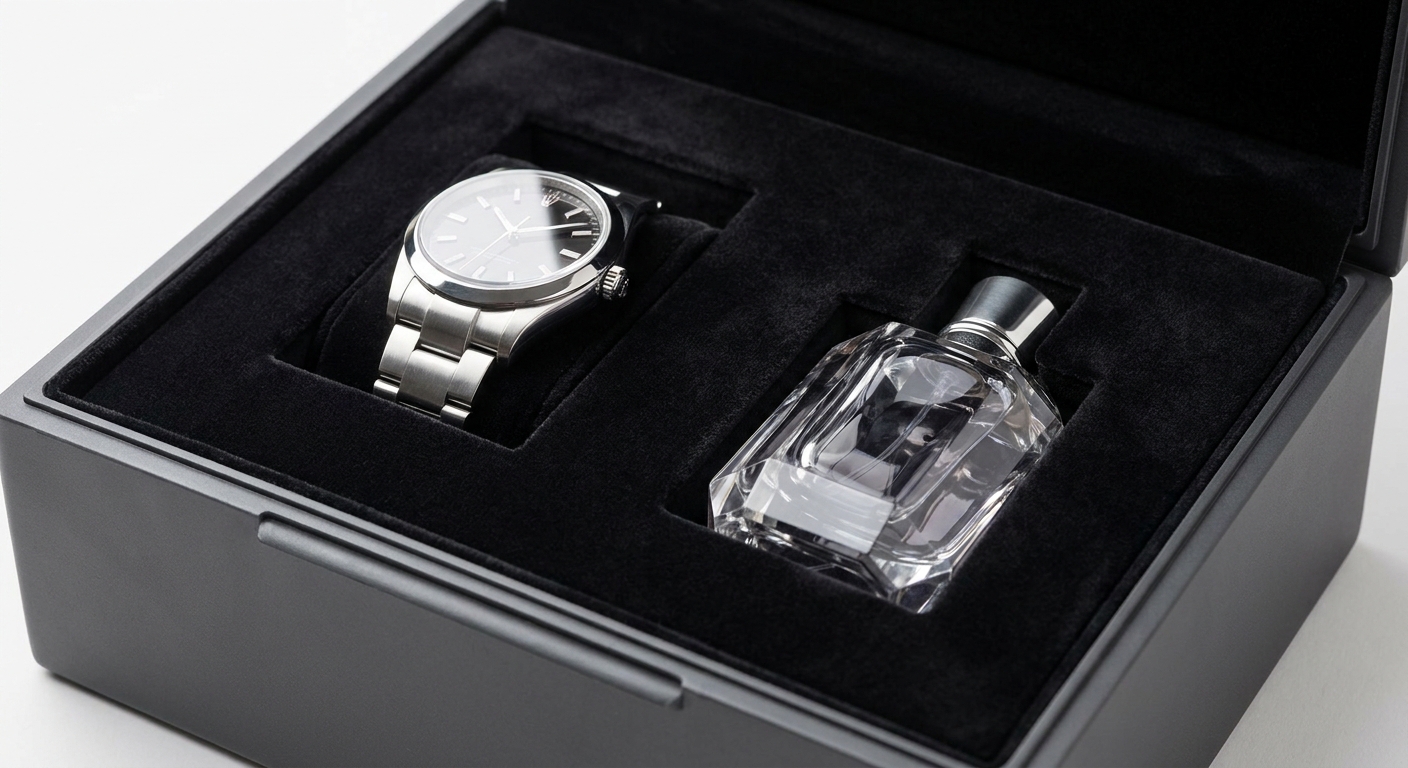
Selecting hinged rigid box packaging creates a natural, book-like opening where the lid remains physically connected to the base, offering a highly secure and premium keepsake feel. Using hinged designs is highly recommended for watch gift sets, fine jewelry, and spirits because it acts as an elegant showcase.
How do you choose between cigar box and book-style hinges?
In other words: a hinged lid ensures your packaging is never separated, turning the box into a permanent showcase that consumers will want to keep on their shelves. Your choice of hinge style directly affects how the box displays your products when opened.
- Cigar Box Style: A simple three-sided lid hinged along one long edge, perfect for flat, wide product arrangements.
- Book-Style Hinges: The box base is attached to a wrap-around cover with a distinct spine, making it look and open like a premium hardcover book.
- Stay-Tape Support: Using internal fabric ribbons or paper straps to hold the lid open at a perfect display angle.
This presentation style is ideal for luxury presentation sets and collectors’ items.
What makes magnetic flap closures highly secure for you?
As it turns out: the mechanical “click” of a magnetic closure creates a satisfying sensory feedback that reassures customers of the product’s high-end quality. Concealing powerful magnets within the greyboard layers maintains a clean, minimalist design.
- Embedded Magnets: Hidden within the greyboard panels for a seamless, clean outer look.
- Sleek Profile: Eliminates the need for external plastic latches or velcro, preserving elegant lines.
- Secure Seal: Keeps the box tightly closed during transit and handling to protect high-value goods.
Integrating magnets raises the overall interaction quality of your premium container.
Key Takeaway: Hinged-lid structures offer excellent security and a beautiful display format. Adding magnetic closures creates a satisfying tactile sound and keeps the box securely closed, making it a perfect reusable storage solution for high-value goods.
| Hinged Style | Structural Connection | Closing Action | Best Product Fits | |
|---|---|---|---|---|
| Book-Style Box | Multi-panel outer spine wrap | Magnetic flap lock over front edge | Luxury cosmetics, premium book sets, media | |
| Cigar Box Style | Single rear-edge score line | Direct drop-lid with front lip friction | Collectibles, luxury watches, fine spirits |
Evaluating how hinged lids swing open and snap shut helps you select a secure, display-ready box style that fits your product perfectly.
Which industries rely most on rigid box packaging?
Luxury sectors like cosmetics, consumer electronics, and high-end jewelry rely heavily on robust rigid box packaging to validate their premium price points. By utilizing high-density packaging, these industries protect delicate components while ensuring their products stand out in competitive retail spaces.
Why must jewelry and watch brands protect with rigid boxes?
Here’s the deal: when customers buy premium jewelry, they expect a box that matches the item’s value and provides a secure, permanent home for it. Sourcing specialized watch packaging is crucial because high-value items require exceptional drop safety and pristine presentation.
- Heavy-Duty Security: Protecting precious metals, crystals, and delicate watch movements from accidental impact.
- Plush Internal Liners: Using custom-molded inserts wrapped in velvet or microfiber to hold items securely and prevent scratching.
- Display Value: Designing boxes that open up wide to act as beautiful, long-term jewelry organizers at home.
Your clients will cherish the protective housing just as much as the jewelry itself.
How do cosmetics and spirit brands capture shelf space for you?
Think of it this way: in a crowded retail store, eye-catching, high-quality packaging is what convinces shoppers to stop, pick up, and buy your product. Premium cosmetics and spirits require substantial weight to signal luxury on the shelf.
- Visual Allure: Using rich colors, gold foils, and textured paper wraps to make products look incredibly appealing.
- Bottled Product Security: Providing strong, drop-resistant protection for heavy glass perfume bottles and high-end decanters.
- Multi-Tier Layouts: Creating custom compartments for gift sets, holding bottles, brushes, and accessories in beautiful arrangements.
Elevating your shelf presence directly influences buying decisions in high-end B2B retail.
Key Takeaway: Luxury packaging is a vital marketing and protective tool across high-end industries. Whether you are selling fragile electronics, fine jewelry, or premium cosmetics, heavy-duty boxes keep your products safe while conveying high value on the shelf.
| Target Industry | Key Protection Need | Primary Insert Material | Core Marketing Goal | |
|---|---|---|---|---|
| Jewelry & Watches | Scratch prevention; drop safety | Velvet-wrapped molded plastic | Keepsake display; long-term brand presence | |
| Cosmetics & Spirits | Glass bottle safety; spill containment | High-density foam; thermoformed trays | High shelf appeal; premium gift-ready look |
Tailoring your packaging style to meet your industry’s specific needs ensures your products remain protected while attracting your target audience.
How does rigid box packaging offer structural security?
The physical architecture of rigid construction acts as a highly protective shield, safeguarding fragile luxury goods against drop impacts and compression during shipping. Using durable rigid box packaging ensures your products survive complex global shipping routes and arrive in perfect, showroom-ready condition.
How do custom inserts protect your fragile products?
By the way: a perfectly fitted insert does more than look neat—it keeps your product centered, absorbing drops and impacts so nothing breaks. Matching the right insert material to your product weight is key to preventing cosmetic damage.
- EVA Foam Trays: Custom-molded, high-density foam that absorbs shock and keeps items from moving during transit.
- Eco-Friendly Molded Fiber: Using compostable, shaped paper pulp inserts for a clean, sustainable, and protective layout.
- Flocked Cardboard Trays: Offering a luxurious, velvet-like texture while maintaining eco-friendly recyclability.
This level of inner protection guarantees a pristine unboxing experience for your clients.
How can you design structures that resist shipping damage?
Let’s face it: failing to protect your products during shipping leads to costly returns and damages your brand’s reputation; durable packaging is the best way to prevent this. Proper external engineering acts as your first line of defense.
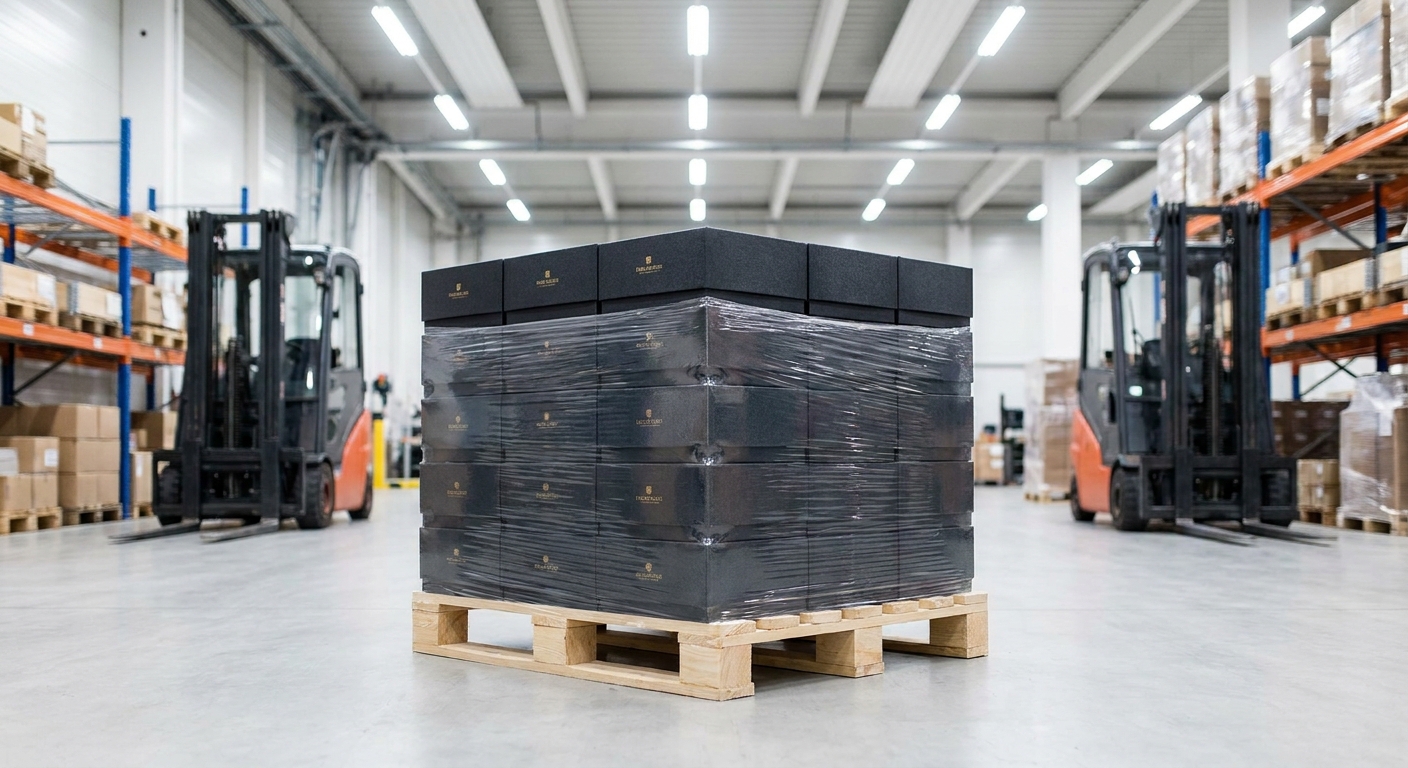
- Side-Crush Resistance: Solid 90-degree corners and double-walled sides resist being crushed when boxes are stacked high in warehouses.
- Impact Buffer Zones: Creating built-in air gaps or reinforced borders around fragile items to keep them away from impact points.
- Secure Seals: Using magnetic flap closures or tight telescoping lids to prevent the box from accidentally opening.
Sturdy exterior walls shield your items from the harsh realities of global cargo handling.
Key Takeaway: Durable, high-density packaging is the best insurance policy for your products. Combining strong chipboard walls with custom-fit internal trays eliminates transit damage, reduces product returns, and guarantees a perfect unboxing experience.
| Shipping Threat | Packaging Risk | Rigid Box Remedy | Protective Result | |
|---|---|---|---|---|
| Pallet Compression | Box collapsing; item crushed | 1200gsm vertical chipboard walls | Zero corner collapse under heavy stacks | |
| Transit Shock / Vibrations | Parts loosening; surface scratches | Custom-cut EVA foam inserts | Absorbs impact; holds product securely |
Using strong structural designs and custom shock-absorbing inserts keeps your products safe from the bumps and drops of global transit.
What is the design process for rigid box packaging?
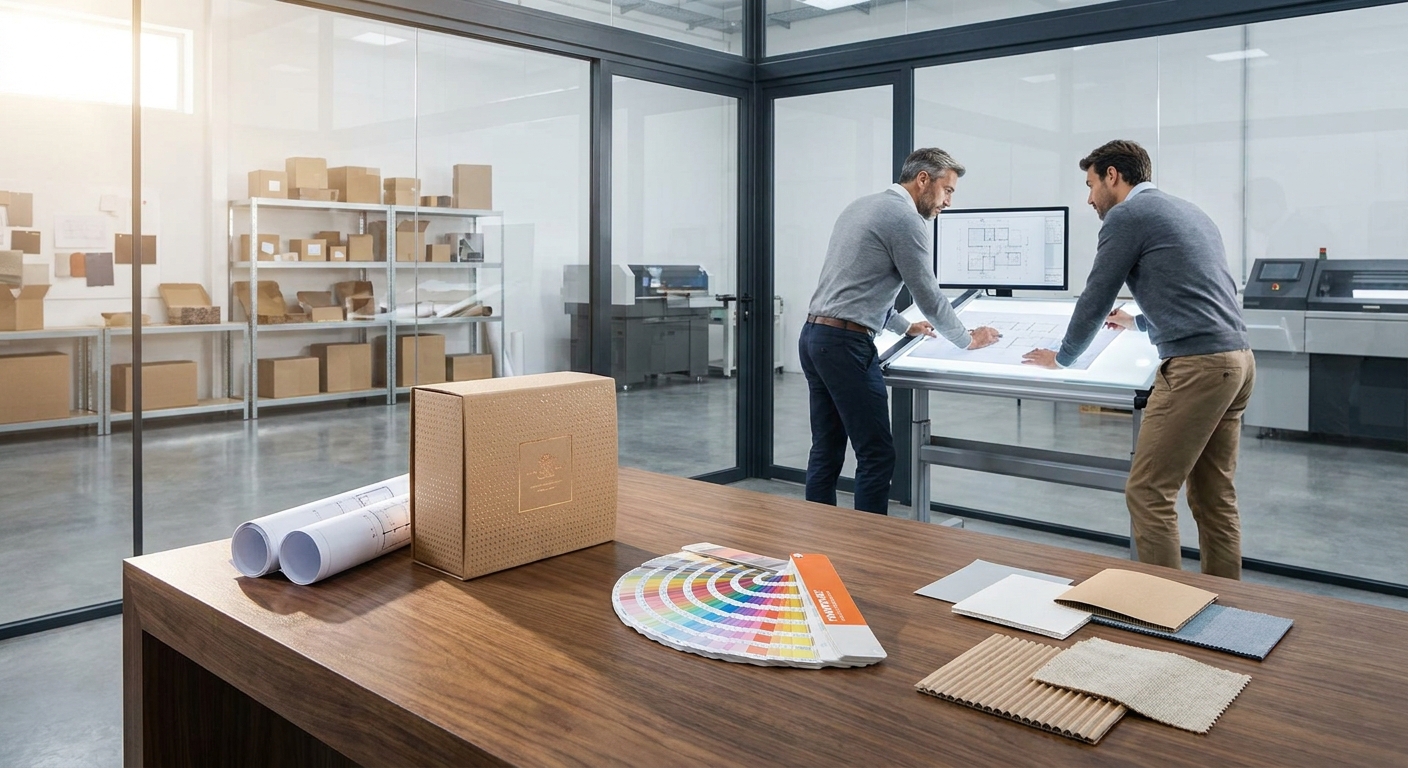
Successful luxury packaging starts with meticulous dieline engineering, followed by exact sample testing before committing to high-volume manufacturing runs. Developing your custom rigid box packaging through a structured, step-by-step design process allows you to prevent expensive mistakes and ensure your final boxes align perfectly with your brand’s creative vision.
How can you collaborate on precise dieline design?
Make no mistake: a highly detailed, accurate digital dieline is the foundation of perfect printing, sharp scores, and clean assembly. Working closely with experienced packaging engineers ensures all measurements are perfectly aligned before production begins.
- 3D CAD Modeling: Creating highly accurate digital blueprints to confirm all box measurements and panels before cutting.
- Bleed and Fold Allowances: Ensuring wrap artwork extends past fold lines to prevent greyboard from showing at the edges.
- Insert Design Integration: Building your box dimensions directly around your product’s custom foam or paperboard tray.
This careful planning phase removes any guesswork from the manufacturing stage.
Why must you insist on physical prototypes before production?
The proof is in the pudding: holding a real physical sample in your hands is the only way to verify that the look, feel, and closing mechanism match your high standards. Testing a physical prototype allows you to catch any design flaws early.
- Friction and Glide Testing: Physically checking your telescoping lids to ensure they slide open smoothly with perfect resistance.
- Real-World Color Proofs: Confirming how your graphics, metallics, and spot finishes look under standard store lighting.
- Fit Verification: Placing your actual product inside the custom prototype to make sure it is snug, secure, and easy to remove.
Approving a physical sample gives your brand complete confidence in the final bulk production run.
Key Takeaway: Developing high-end packaging requires careful planning and prototype testing. Spending time on dieline details and testing a physical prototype ensures your bulk production run proceeds smoothly without assembly errors or printing mistakes.
| Design Phase | Critical Action Steps | Primary Goal | Risk Avoided | |
|---|---|---|---|---|
| Dieline Engineering | Establish measurements; define fold lines | Create perfect 3D digital blueprints | Crooked graphics or mismatched lids | |
| Physical Prototyping | Cut samples; test material fit and feel | Confirm physical unboxing quality | Loose product fits or vacuum issues |
Investing in detailed digital designs and physical prototyping ensures your packaging looks and functions perfectly before bulk production begins.
How does rigid box packaging support sustainable luxury?
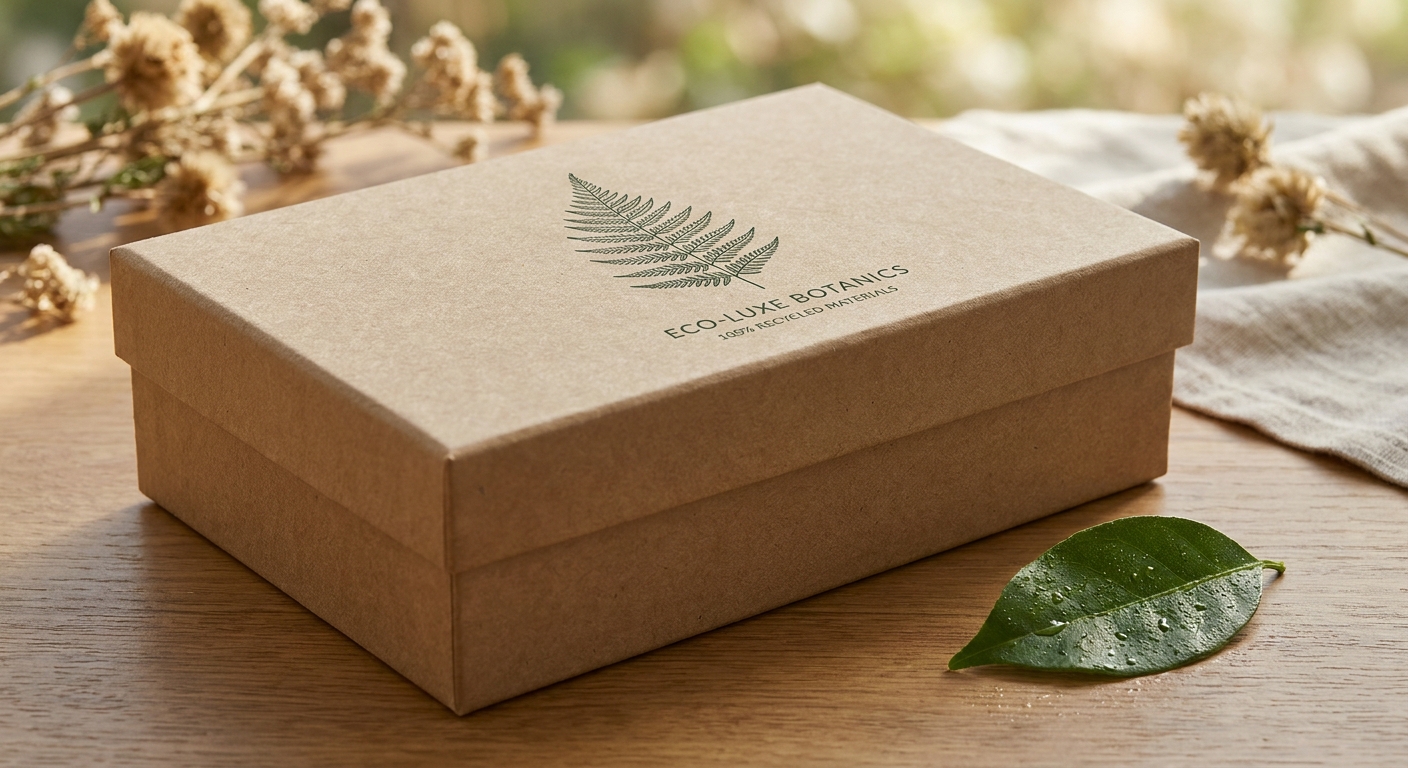
Modern premium packaging combines heavy-duty recycled greyboard cores with organic soy-based inks and biodegradable adhesives to satisfy eco-conscious consumers. Implementing sustainable rigid box packaging options proves that you can deliver gorgeous, high-end designs while maintaining high environmental and ethical standards.
How can you source eco-friendly wrapping papers easily?
The reality is: you do not have to sacrifice style to go green—modern recycled and plant-based papers look and feel incredibly premium and luxurious. Choosing certified sustainable materials shows your buyers that your brand is dedicated to environmental responsibility.
- FSC-Certified Papers: Sourcing wrap papers from responsibly managed forests that protect local ecosystems.
- Alternative Plant Fibers: Sourcing wrapping papers made from sustainable bamboo, hemp, or cotton crop wastes.
- Post-Consumer Waste (PCW): Selecting beautiful, high-quality papers made from recycled household waste paper.
These eco-friendly papers provide a unique, organic tactile quality that modern buyers love.
Why do biodegradable adhesives and inks benefit your brand?
It gets even better: using eco-friendly inks and water-based glues makes your packaging easier to recycle, appealing directly to modern, environmentally conscious buyers. Eliminating heavy plastics and toxic solvents ensures your boxes can return safely to the circular economy.
- Soy and Vegetable Inks: Printing rich, vibrant colors without releasing toxic volatile organic compounds (VOCs).
- Water-Soluble Adhesives: Bonding wrap papers with clean, non-toxic glues that break down easily during recycling.
- Lamination Alternatives: Choosing eco-friendly aqueous coatings instead of plastic films to keep your boxes recyclable.
Adopting green manufacturing processes elevates your brand’s ethical standing in the global B2B market.
Key Takeaway: Sustainable packaging is the future of luxury. By combining recycled greyboard cores with FSC-certified papers, vegetable inks, and non-toxic glues, you protect the planet while showing customers that your brand stands for quality and responsibility.
| Eco-Luxury Element | Standard Material | Sustainable Alternative | Environmental Benefit | |
|---|---|---|---|---|
| Exterior Wrap Paper | Standard wood-pulp paper | FSC-certified recycled/bamboo stock | Prevents deforestation; uses recycled waste | |
| Printing & Adhesives | Petroleum inks; solvent glues | Soy-based inks; water-soluble glue | Eliminates VOCs; makes recycling easy |
Choosing sustainable papers, natural inks, and clean glues allows you to create high-end packaging that aligns with modern environmental values.
Conclusion
High-end brands no longer have to settle for flimsy, generic packaging that fails to represent their product quality or protect fragile components from damage. Partnering with a dedicated packaging manufacturer allows you to develop custom-tailored telescoping structures, hinged keepsake display designs, and gorgeous custom-embellished boxes that elevate your brand’s retail presentation. We combine twenty years of export manufacturing experience, sample-first development, and rigorous batch-to-batch quality control to deliver flawless packaging and printing solutions from a single reliable source. To upgrade your physical presentation, please contact us today to receive a custom quote and begin developing your production-grade packaging samples. High-end packaging is more than just a box—it is a critical physical extension of your brand’s quality. Our goal is to bring your unique design visions to life with stable quality and reliable manufacturing.
FAQ
Can I combine both custom boxes and printed guides under one manufacturer?
Yes, you can absolutely coordinate both components through a single supplier. Working with a dual packaging and printing specialist allows you to match colors perfectly across different materials, simplify communication, and streamline your shipping and logistics.
What’s the best board thickness for protective cosmetic packaging?
A chipboard core thickness between 1000gsm and 1200gsm is ideal for high-end cosmetics. This range provides excellent protection against drops, feels pleasantly heavy and solid in the hand, and remains light enough to keep international shipping costs manageable.
How do I know if my luxury products require a telescoping lid instead of a hinged design?
You should choose a telescoping lid if your unboxing experience relies on a slow, suspenseful reveal. Telescoping designs are perfect for generating excitement through a vacuum-sliding opening, while hinged lids are better suited for items that need to be safely stored and displayed in a permanent keepsake case.
Can I request a production-grade custom sample before committing to bulk manufacturing?
Yes, getting a physical pre-production sample is highly recommended to protect your packaging investment. Sourcing a real sample allows you to verify color accuracy, test magnetic closure strengths, and make sure your product fits perfectly in its tray before starting mass production.
How do I know if my selected wrapping paper will crack during scoring?
You can determine this by reviewing the paper’s fiber direction and flexibility during sample testing. Experienced manufacturers use high-quality, long-fiber papers and specialized scoring machines to ensure wrap papers fold cleanly over sharp 90-degree corners without cracking or tearing.