
The best anti tarnish jewelry boxes for safeguarding your precious pieces are those that successfully integrate active chemical-absorbent lining materials, airtight structural seals, and durable exterior materials to permanently halt metal oxidation. For high-end jewelry collectors and B2B retailers, few experiences are more disappointing than opening a storage case only to find beautiful silver jewelry covered in dark, dull tarnish. This rapid oxidation not only ruins the immediate visual appeal of your inventory but also requires labor-intensive, abrasive polishing that can degrade delicate metal finishes over time.
Fortunately, upgrading your retail packaging to a premium anti tarnish jewelry box solves this issue by creating an inert, protective environment that preserves jewelry luster indefinitely. This guide explores the most effective storage solutions on the market today. We will analyze how different lining materials and structural designs prevent chemical decay. Our expert breakdown will help you make the ultimate sourcing decision for your brand.
Why does your fine jewelry tarnish so quickly?
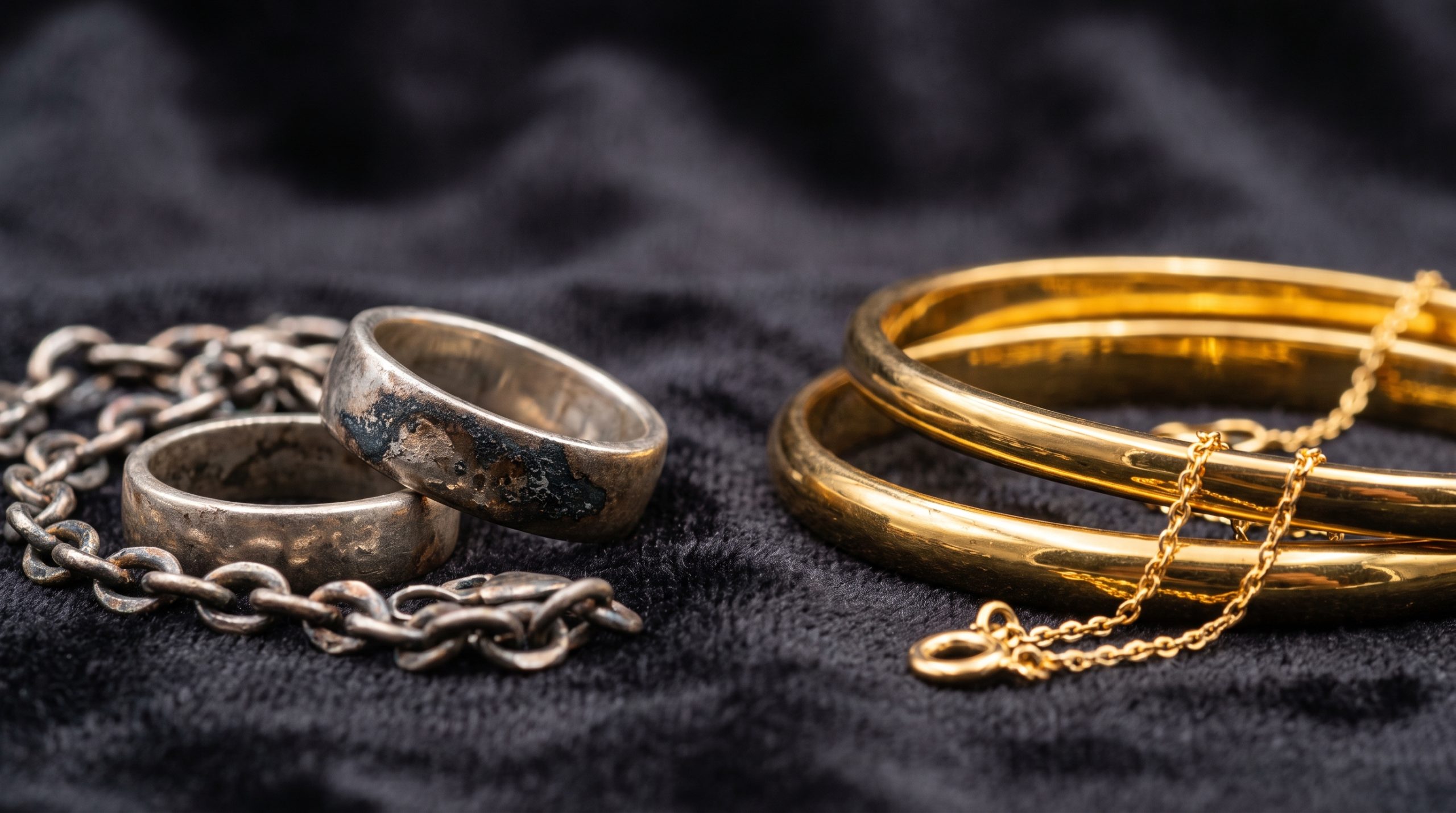
Fine jewelry tarnishes rapidly due to exposure to environmental gasses like oxygen and sulfur, which chemically react with metal surfaces to form a dark oxide layer. Without a protective anti tarnish jewelry box, even a tiny amount of moisture or air pollution will trigger this oxidation process. This reaction is especially severe for sterling silver and low-karat gold alloys. Here is why this matters: keeping your pieces in the open air is a recipe for aesthetic ruin.
Environmental humidity acts as a catalyst, accelerating the chemical bonding of sulfur to your precious metals. Over time, this results in a dull, blackish film that is difficult to remove without causing abrasive wear. Retailers and collectors alike must understand that passive storage is not enough to halt this natural decay. Active prevention is the only reliable way to preserve high-end jewelry value.
What causes silver to turn black?
Silver turns black primarily when it reacts with hydrogen sulfide present in the ambient air. This chemical reaction creates silver sulfide, which is the dark substance we identify as tarnish. Think about this: even clean-looking indoor air contains trace amounts of sulfur from cooking, heating, and fossil fuels.
These microscopic particles land on your silver and immediately begin bonding with the metal to turn your brilliant pieces dull and dark. To prevent this, be aware of the main sulfur sources in standard rooms:
- Household cleaning chemicals and detergents
- Natural gas combustion and ambient air pollution
- Human sweat, oils, and cosmetic residues
How do humidity and oxygen accelerate metal damage?
Oxygen and moisture work together to create an electrochemical environment where oxidation flourishes. When humidity levels rise, a micro-layer of water condensation forms on the jewelry surface. This moisture layer allows ions to move more freely, significantly speeding up the chemical tarnishing process.
Without controlled humidity, your gold and silver pieces will lose their luster in a matter of weeks. That is why professional storage must focus heavily on moisture control and air exclusion.
Is your current jewelry storage secretly ruining your metal?
Many standard jewelry cases are made with cheap adhesives, woods, and fabrics that actively release acidic vapors. These off-gassing chemicals react directly with metals, causing severe tarnish even when the box is closed. Here is why this matters: a poorly manufactured container can destroy your inventory faster than open-air exposure.
Key Takeaway: From a B2B perspective, sourcing scientifically safe storage solutions prevents costly inventory damage and preserves the pristine presentation of retail jewelry lines.
| Storage Environment | Relative Humidity | Tarnish Rate (30 Days) | Risk Level | |
|---|---|---|---|---|
| Open Vanity Table | 65% | High (Visible Blackening) | Extreme | |
| Standard Cardboard Box | 55% | Moderate (Dulling) | High | |
| Low-Quality Jewelry Box | 50% | Moderate (Off-gassing) | High | |
| Premium Anti-Tarnish Case | < 30% | Extremely Low (No Change) | Safe |
This comparison demonstrates that standard storage environments fail to protect fine metals from rapid atmospheric degradation.
How does an anti tarnish jewelry box protect pieces?
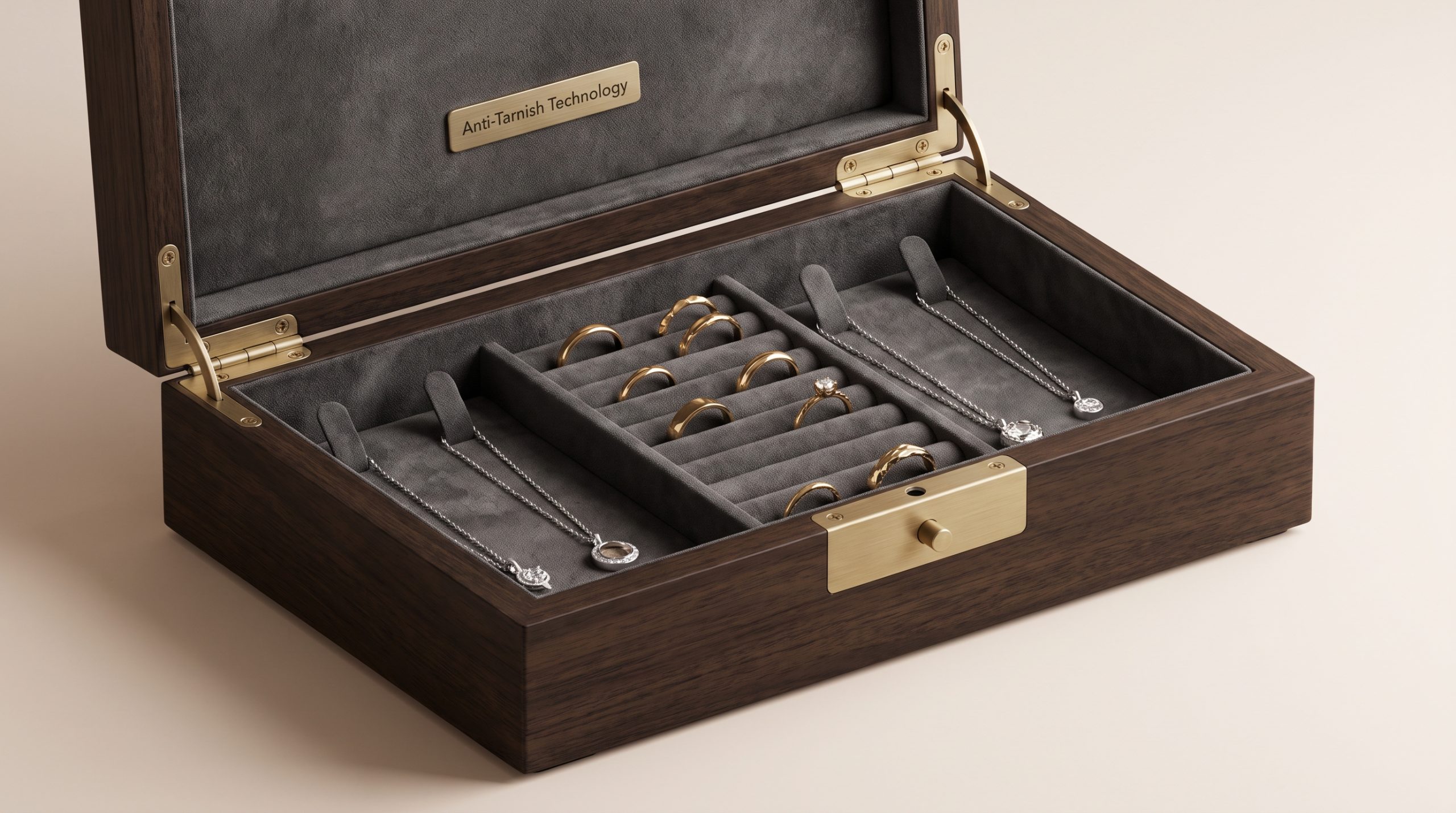
An anti tarnish jewelry box protects your valuable pieces by using specialized chemically-treated fabric linings that absorb and neutralize harmful atmospheric gasses before they reach the metal. This proactive filtration system ensures that the air surrounding your silver and gold remains completely inert. By trapping sulfur and moisture inside the fibers, the box prevents the oxidation reaction from ever beginning. Think about this: it is like an invisible shield for your inventory.
In addition to active chemical protection, premium boxes feature tight structural seals that minimize air exchange with the outside environment. This double-layer defense system is essential for maintaining the long-term value of fine accessories. For retail brands, offering these protective boxes to clients enhances brand trust and product longevity. It is the ultimate fusion of luxury presentation and scientific preservation.
What is the science behind anti-tarnish technology?
The core science involves bonding metallic scavengers, such as silver or copper particles, directly into the lining fibers. These sacrificial particles react with airborne sulfur gasses before the sulfur can reach your stored jewelry. Here is why this matters: the box lining literally “sacrifices” itself to keep your gold and silver pristine.
This chemical reaction permanently binds the sulfur molecules, rendering them completely harmless to your precious metal inventory. The result is a clean, non-reactive micro-climate inside each storage drawer. Sourcing criteria should focus on:
- Active sulfur-scavenging metallic particles
- Desiccant moisture-absorption technology
- Airtight, compression-sealed structural joinery
How do tarnish-absorbent fabrics work?
Treated fabrics utilize microscopic open pores saturated with tarnish-inhibiting compounds that draw in volatile organic compounds. As air circulates slightly when the box is opened, these compounds act as a sponge to clean the internal atmosphere.
This passive purification continues for years, keeping your metal surfaces clean and bright. It eliminates the need for aggressive polishing that can strip away valuable plating.
Can an airtight seal truly stop chemical oxidation?
An airtight seal drastically reduces the volume of fresh oxygen and humidity that enters the storage chamber. By limiting environmental exposure, the active lining materials do not have to work as hard, extending the box’s protective lifespan.
Key Takeaway: Providing high-end jewelry in airtight, tarnish-resistant cases reduces return rates and ensures that clients always receive their purchases in mint condition.
| Protection Mechanism | Standard Jewelry Box | Anti-Tarnish Jewelry Box | Premium Custom Case | |
|---|---|---|---|---|
| Sulfur Neutralization | None | High (Sacrificial Particles) | Maximum (Enhanced Scavengers) | |
| Moisture Control | Passive (Fabric Only) | Active (Desiccant Lining) | Active + Sealed Barrier | |
| Structural Seal | Loose/Gaped | Compression-Fit | Double-Gasket Seal |
This analysis reveals that combining active sulfur scavenging with airtight seals offers the highest level of metal preservation.
Which lining materials prevent tarnish most effectively?
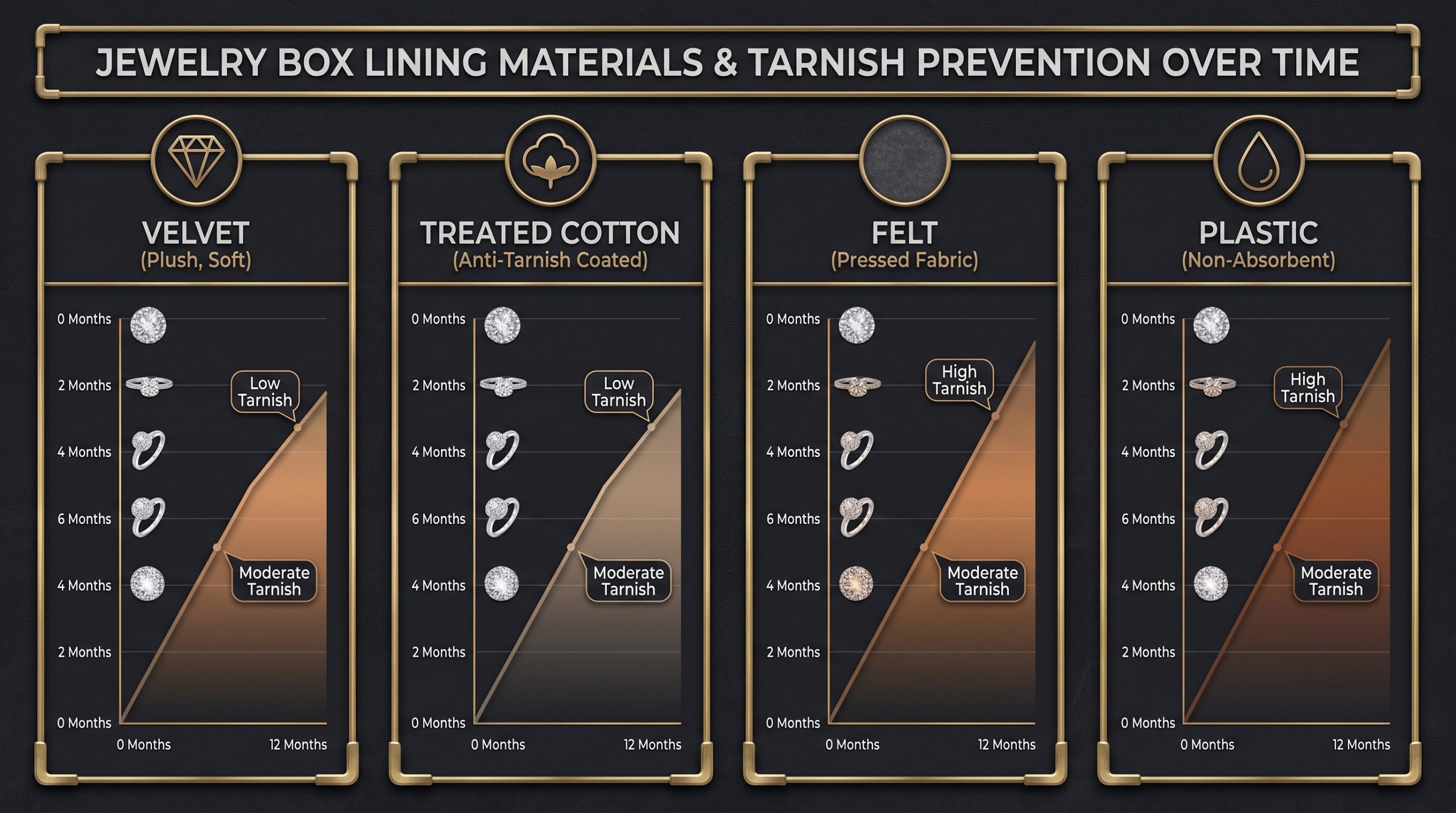
Treated cotton flannel and specialized tarnish-preventing velvet are the most effective lining materials for preventing metal oxidation in an anti tarnish jewelry box. These fabrics are carefully impregnated with silver-reactive compounds that intercept tarnish-causing sulfur gasses. Selecting the correct lining is the single most important factor when designing retail packaging. Here is why this matters: using the wrong material can actually accelerate silver corrosion.
Conversely, synthetic velvets and cheap felts often contain acidic adhesives and sulfur-based dyes that harm delicate metals. B2B buyers must partner with manufacturers who source certified, chemically safe textiles for their custom boxes. This attention to material safety protects your brand’s reputation and your customers’ investments. It is a critical detail that distinguishes luxury packaging from standard retail boxes.
Why should you avoid untreated cotton and cheap felt?
Untreated cotton easily absorbs ambient moisture, holding damp air directly against metal surfaces and accelerating rust and tarnish. Cheap felt is even worse, as it often contains residual sulfur dyes from the manufacturing process. Think about this: storing sterling silver on cheap felt can cause visible blackening within days.
These low-grade materials lack any protective barriers, leaving your inventory completely vulnerable to environmental degradation. Brands must avoid them to maintain high product presentation standards. Watch out for these primary risks of low-quality linings:
- Retaining atmospheric humidity against metals
- Off-gassing sulfur compounds from synthetic dyes
- Leaving abrasive scratches on polished surfaces
Are specialty anti-tarnish velvets worth the premium?
Specialty velvets are highly worth the premium because they are treated with advanced corrosion inhibitors that shield jewelry from oxidation. These premium fabrics also offer an incredibly soft texture that prevents micro-scratches on delicate gemstones and soft metals.
The visual appeal of high-end velvet instantly elevates the perceived value of your products, making it a wise investment for luxury brands. It combines robust protection with unmatched tactile elegance.
How does chemical lining treatment protect silver?
The chemical treatment creates an active barrier where metal salts embedded in the fibers attract and bond with sulfide molecules. This reaction neutralizes the gasses, preventing them from interacting with the silver’s surface.
Key Takeaway: Sourcing custom jewelry boxes with certified anti-tarnish velvet linings ensures long-term inventory luster and strengthens B2B product positioning.
| Lining Material | Tarnish Prevention Rating | Scratch Resistance | Material Lifespan | |
|---|---|---|---|---|
| Untreated Felt | Poor (0/10) | Low | 1-2 Years | |
| Standard Synthetic Velvet | Poor (2/10) | Moderate | 2-3 Years | |
| Treated Cotton Flannel | High (8/10) | High | 5+ Years | |
| Premium Anti-Tarnish Velvet | Maximum (10/10) | Excellent | 10+ Years |
As illustrated by this material data, investing in premium anti-tarnish velvet yields superior preservation and extended product utility.
What are the best vintage anti-tarnish storage options?
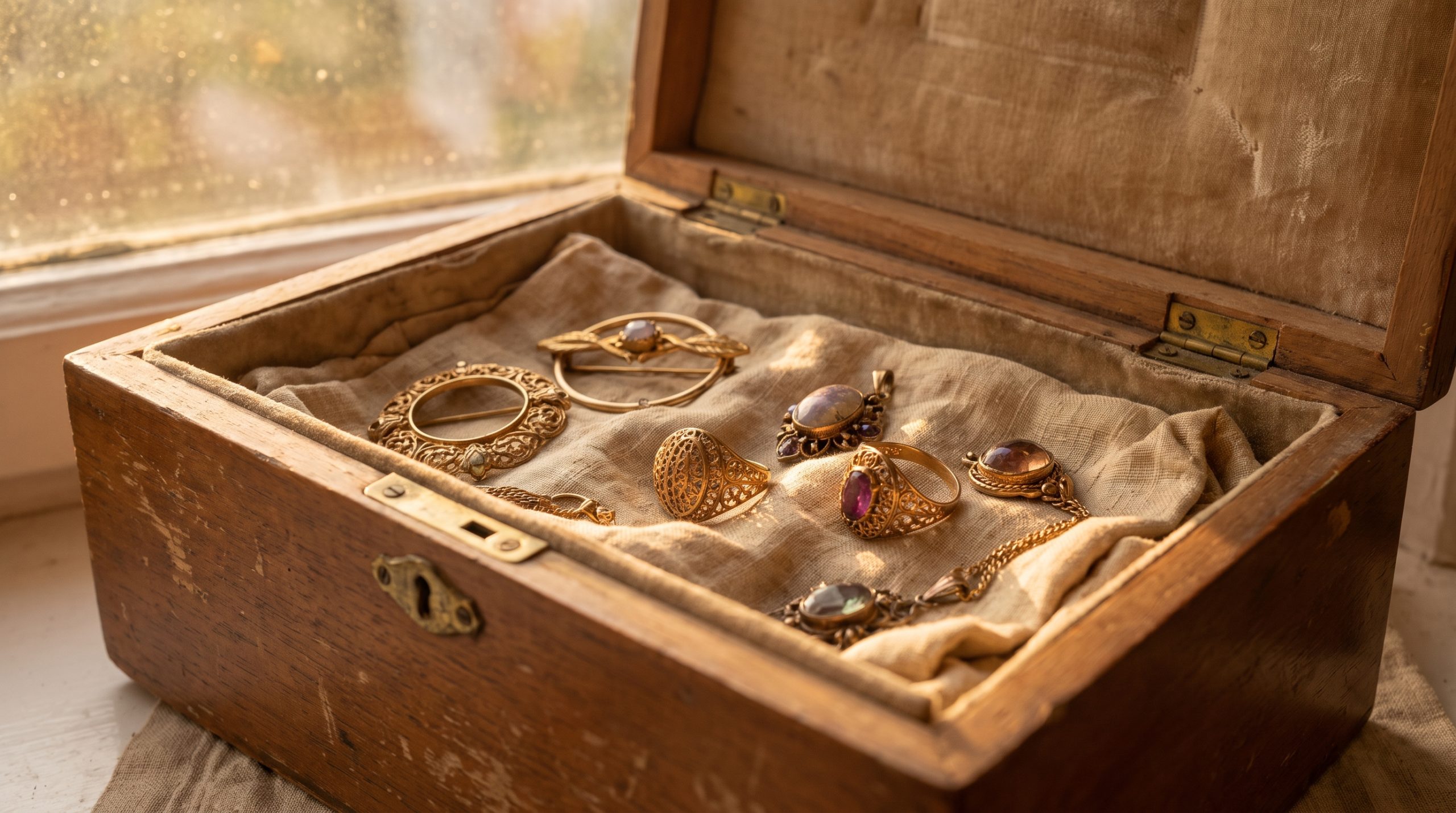
The best vintage storage options combine classic wooden craftsmanship with modern, chemically-treated interior linings to offer both nostalgic charm and complete oxidation protection. Selecting a high-quality anti tarnish jewelry box with an antique wood exterior ensures your family heirlooms remain beautifully preserved without losing their historic appeal. These cases bridge the gap between elegant old-world aesthetics and advanced modern preservation science. Here is why this matters: vintage styling should never come at the cost of metal integrity.
Many consumers adore the look of distressed wood, ornate brass hardware, and velvet-padded drawers on their dressing tables. However, true antique boxes often feature degraded interiors that actively tarnish metals due to aged adhesives. Upgrading these boxes with custom, treated linings is essential for safe long-term storage. This approach allows collectors to enjoy classic styling while benefiting from state-of-the-art tarnish prevention.
Why choose a classic wooden box with treated lining?
Classic wooden boxes offer a sturdy, heavy-duty exterior shell that protects jewelry from physical impacts and temperature fluctuations. When paired with an active protective fabric lining, they provide an unmatched combination of structural security and chemical defense. Think about this: wood naturally absorbs some ambient humidity, helping to regulate the interior climate.
These high-quality woods resist warping over time, ensuring that the box maintains its tight seal. It is a timeless material choice that only looks better with age. When choosing, consider these top wood selections:
- Solid American Walnut for durability and deep grain
- Premium Mahogany for rich color and warping resistance
- Treated Oak for heavy-duty structural integrity
Do antique designs offer adequate oxidation protection?
Original antique boxes rarely offer adequate protection because their internal fabrics have lost their protective coatings and may contain harmful acids. Modern manufacturers must replicate these gorgeous antique styles while utilizing certified, non-reactive interior linings and modern airtight seals.
Key Takeaway: Sourcing vintage-style boxes with modern protective interiors allows B2B retailers to capture high-margin nostalgia markets while ensuring zero product defect returns.
| Wood Exterior Type | Structural Seal Quality | Vintage Aesthetic Appeal | Tarnish Protection | |
|---|---|---|---|---|
| Authentic Antique | Poor (Gapped Joints) | Outstanding | Negligible (Degraded) | |
| Low-Cost Veneer Replica | Moderate | Low (Synthetic Look) | Moderate | |
| Custom Crafted Walnut | Excellent | High (Luxury Grade) | Maximum (Modern Lining) |
This comparison highlights that custom-crafted wooden replicas with modern linings far outperform authentic antiques in active metal preservation.
Can mid-range organizers keep your collection pristine?
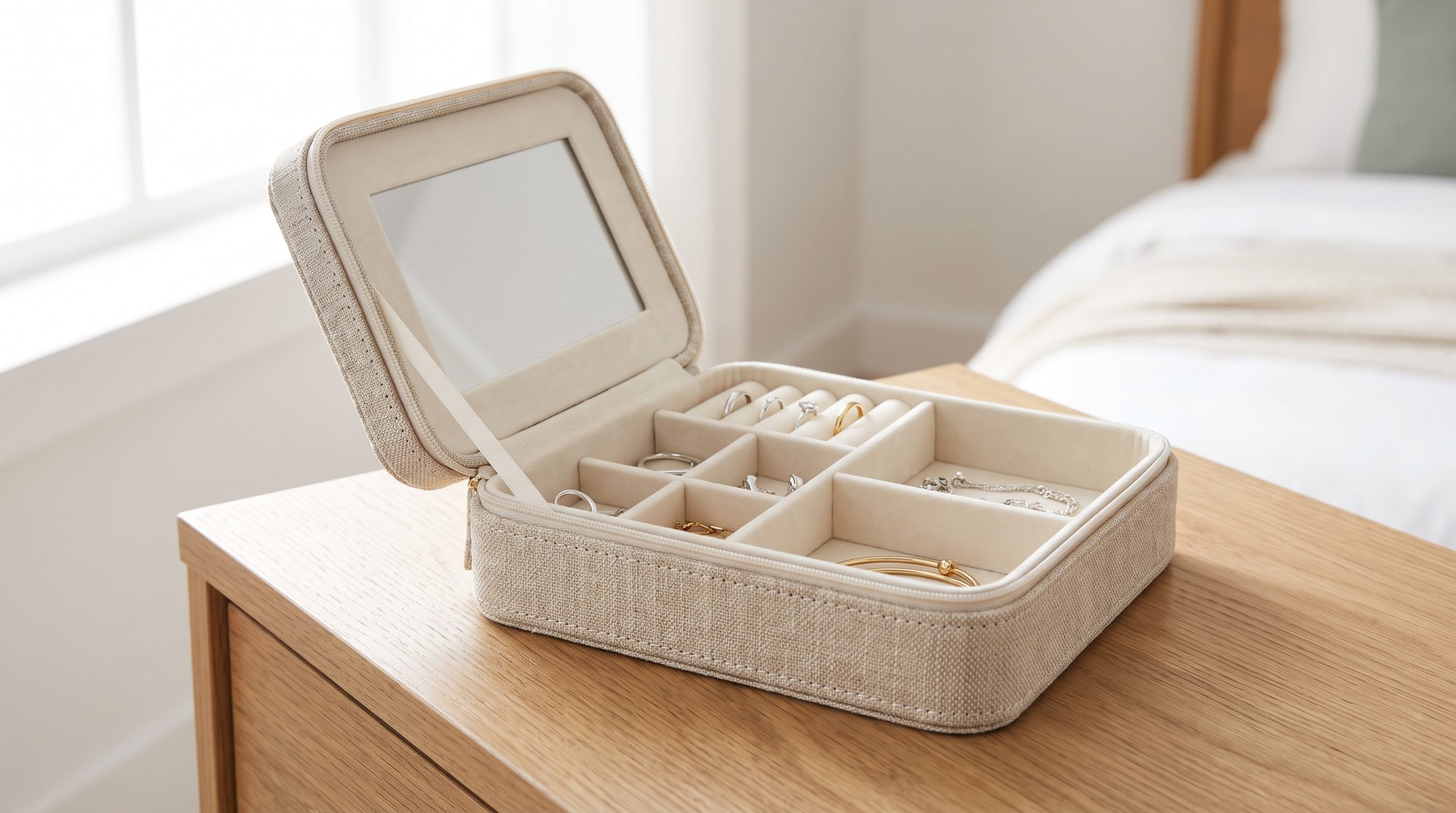
Yes, mid-range organizers can keep your collection pristine if they feature a high-quality anti tarnish jewelry box lining and secure seals. Many consumers seek a balance between affordability and reliable metal protection for their daily-wear accessories. High-quality mid-range options provide this by focusing their manufacturing budget on premium interior fabrics rather than exotic exterior woods. Here is why this matters: you do not need to spend a fortune to prevent silver oxidation.
These organizers often utilize vegan leather or high-density fabric exteriors, which are both cost-effective and highly durable. Inside, they deploy the same active chemical protectants found in ultra-luxury storage chests. This makes them an exceptionally practical choice for growing personal collections and retail display setups. By choosing smart materials, brands can offer superior protection at an accessible price point.
What features should you look for in a mid-range box?
Look for organizers that feature tight-fitting magnetic closures, reinforced composite frames, and certified anti-tarnish velvet linings. These features ensure that the interior environment remains dry and isolated from fluctuating room air. Think about this: a loose-fitting lid will allow fresh sulfur and humidity to constantly seep inside.
Modular compartments are also highly beneficial, allowing you to organize necklaces, rings, and watches without clutter. This versatility prevents physical damage while maintaining a neat, attractive layout. Prioritize these essential features:
- Magnetic or heavy-duty snap closures
- Modular dividers for flexible arrangement
- Non-abrasive, active protective fabric linings
Are affordable tarnish-resistant fabrics reliable?
Affordable tarnish-resistant fabrics are highly reliable if they are sourced from reputable manufacturers who use certified copper-infused or silver-treated textiles. These materials undergo rigorous testing to ensure they effectively neutralize environmental gasses for several years.
Key Takeaway: Offering mid-range, highly functional protective boxes allows B2B jewelry brands to capture budget-conscious consumer segments without compromising on product quality.
| Organizer Category | Frame Material | Average Price Range | Expected Lining Lifespan | |
|---|---|---|---|---|
| Low-End Plastic Case | Polystyrene | 10−20 | Under 1 Year | |
| Mid-Range Fabric Case | Medium-Density Fiber | 40−80 | 3 – 5 Years | |
| High-End Leather Chest | Solid Wood / Leather | 150−300 | 10+ Years |
The data indicates that mid-range organizers offer the optimal balance of durable construction, active protection, and cost efficiency.
Why is a multi-tier jewelry chest worth the investment?
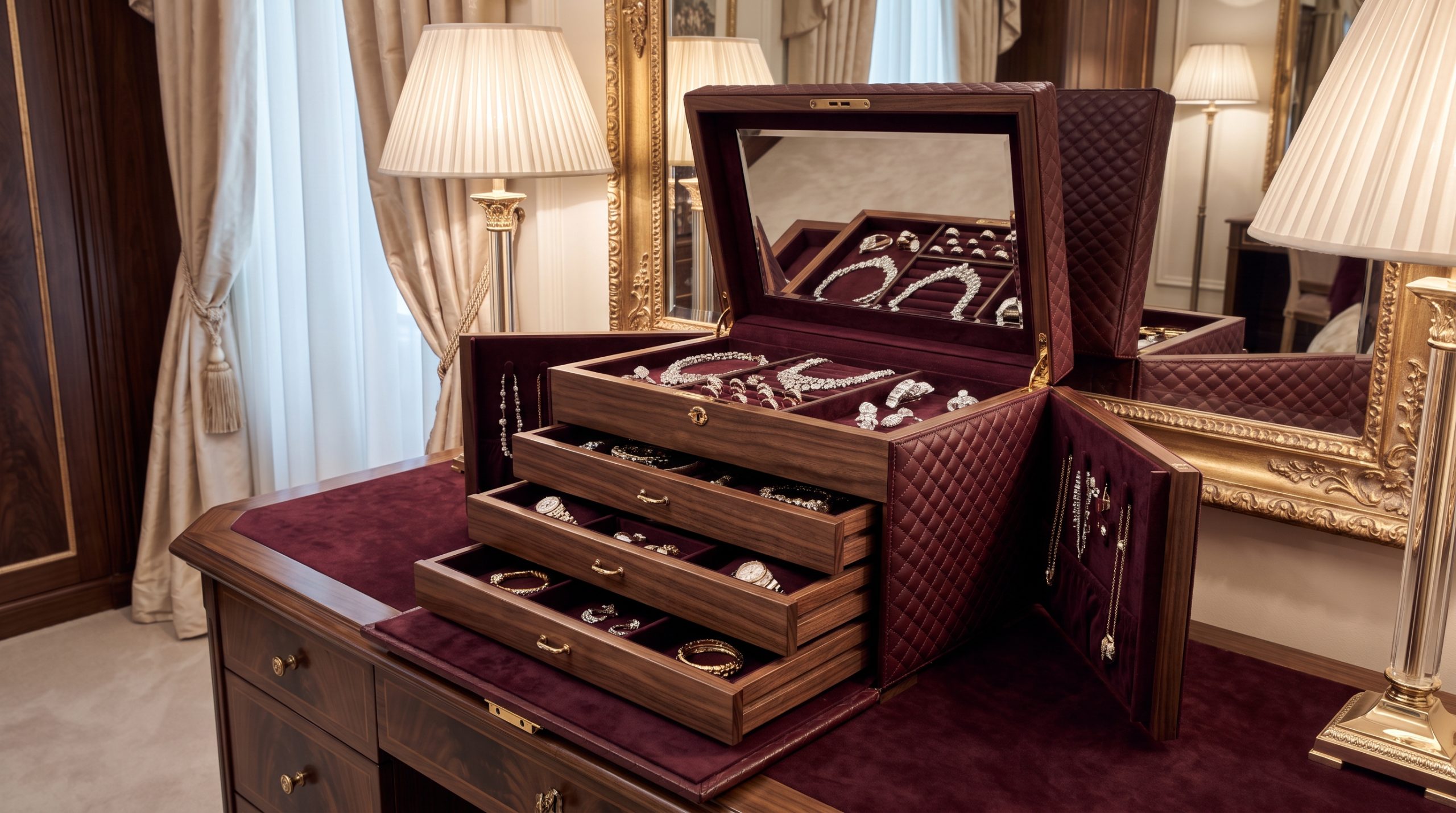
A multi-tier jewelry chest is worth the investment because it provides individual, specialized compartments that prevent different metal types from scratching and reacting with one another. When storing a diverse and valuable collection, investing in a luxury anti tarnish jewelry box with multiple drawers is the ultimate solution. This layout allows you to separate sterling silver, which tarnishes easily, from gold and platinum. Here is why this matters: mixed-metal storage can accelerate chemical reactions and cause permanent surface dulling.
These large chests also feature dedicated areas for delicate items like necklaces, stud earrings, and high-end watches. By organizing your pieces systematically, you eliminate the friction that leads to micro-scratches and tangled chains. For serious collectors and retail merchants, a multi-tier chest is both an organizational masterpiece and a powerful security asset. It is an investment that pays off by preserving your most valuable inventory in pristine condition.
How do multi-tier systems separate reactive metals?
Multi-tier chests isolate different metals in separate drawers, ensuring that silver sulfide tarnish does not migrate to gold or platinum. Each tier operates as its own mini-climate, lined with treated fabric that targets specific environmental threats. Think about this: storing silver directly against gold can cause galvanic corrosion under humid conditions.
This separation keeps your inventory organized and safely insulated from cross-contamination. It is the gold standard for high-value retail merchandise displays. We recommend structuring the tiers as follows:
- Bottom drawers for heavy cuff bracelets and watches
- Mid-level drawers with small slots for rings and studs
- Top compartment with hooks for hanging chains and necklaces
Can a larger chest accommodate diverse jewelry types?
Yes, larger chests are specifically designed with versatile layouts, including ring rolls, watch cushions, and deep drawers for statement pieces. This comprehensive organization ensures that every item, regardless of size, receives optimal protection from both impact and air exposure.
Key Takeaway: Sourcing custom multi-tier chests allows luxury retailers to present a complete, high-end storage solution that drives B2B wholesale volumes and customer loyalty.
| Chest Design | Number of Tiers | Target Jewelry Mix | Storage Capacity | |
|---|---|---|---|---|
| Flat Travel Tray | 1 | Small Rings & Studs | Low (10-15 Pieces) | |
| Compact Dresser Box | 2 – 3 | Rings, Earrings, Small Chains | Medium (30-50 Pieces) | |
| Luxury Multi-Tier Chest | 5 – 8 | Full Mix (Including Watches) | High (100+ Pieces) |
This breakdown shows that multi-tier chests provide the extensive capacity and structural division required to protect massive, high-value jewelry collections.
Is a compact travel jewelry case really tarnish-proof?
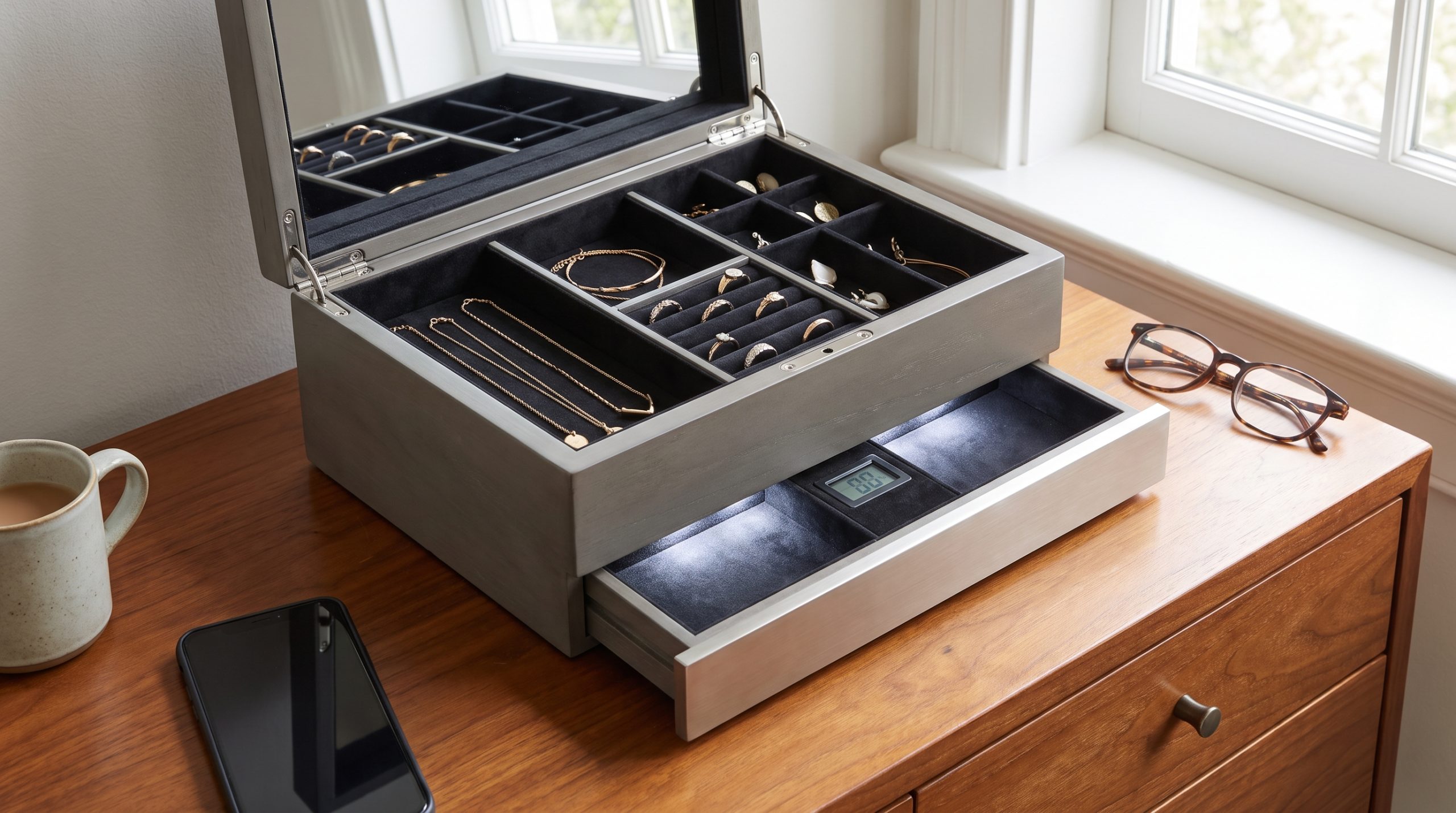
A compact travel jewelry case can be highly tarnish-proof if it is engineered with an airtight zipper seal and lined with specialized protective fabrics. When traveling, your pieces are subjected to extreme shifts in humidity and air quality inside luggage compartments. A standard travel roll lacks the defensive barrier needed to stop rapid oxidation on sterling silver. Here is why this matters: a weekend trip in a humid climate can completely ruin your favorite accessories.
By upgrading to a compact anti tarnish jewelry box designed for travel, you ensure your pieces stay bright and scratch-free. These cases use heavy-duty zipper closures that trap a clean, dry micro-climate inside the storage slots. They are small enough to slip into a carry-on while offering robust structural protection. It is the perfect blend of portable convenience and uncompromising safety.
What makes a travel case secure from both damage and air?
A high-quality travel case features a rigid exterior shell made of leather or reinforced composite wood to absorb physical impacts. Inside, it uses dense compression foam and tight elastic pockets to keep jewelry from shifting during transit. Think about this: movement inside a loose case is the primary cause of broken gemstone settings and scratched metal.
This secure layout prevents your pieces from rubbing together while isolating them from outside air. It guarantees that your jewelry looks flawless the moment you unpack. Look for these essential travel features:
- Waterproof and airtight perimeter zipper seals
- Anti-tarnish micro-fiber or velvet interior lining
- Snug ring rolls and snap-button necklace straps
Should you use anti-tarnish zip bags while traveling?
Using anti-tarnish zip bags inside your travel case offers an extra, highly effective layer of defense for sterling silver. These bags are infused with tarnish inhibitors and can be sealed tight to exclude all moisture and oxygen.
Key Takeaway: Providing travel-friendly, protective cases as a retail accessory helps B2B jewelry brands increase transaction values and satisfy modern, on-the-go consumers.
| Travel Case Style | Closure Mechanism | Air Exclusion Level | Physical Protection | |
|---|---|---|---|---|
| Fabric Jewelry Roll | Ribbon Tie | Extremely Low | Low (Soft Shell) | |
| Snap-Button Case | Metal Snap | Low (Air Gaps) | Moderate | |
| Rigid Zipper Case | Airtight Zipper | Maximum | High (Hard Shell) |
The data proves that rigid zipper cases with airtight seals provide superior defense against both physical transit damage and chemical oxidation.
How do custom packaging solutions elevate jewelry brands?
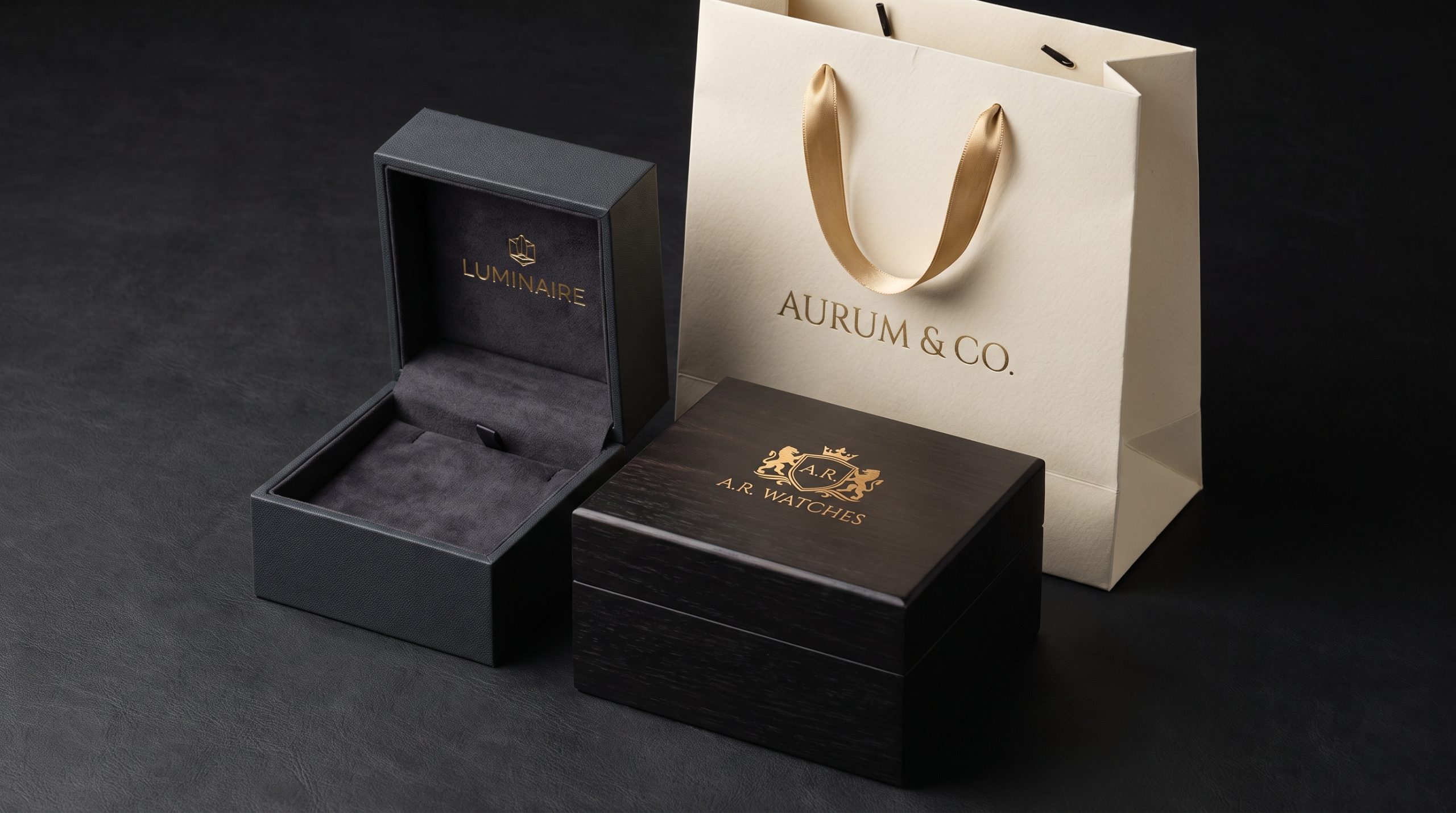
Custom packaging solutions elevate jewelry brands by creating a premium unboxing experience that reinforces brand identity and showcases product quality. In today’s highly competitive retail landscape, providing customers with a custom anti tarnish jewelry box adds tremendous functional value and elevates your brand. This thoughtful addition proves that your company cares about the long-term preservation of its products. Here is why this matters: consumers are far more loyal to brands that offer complete, high-quality care solutions.
Bespoke packaging also acts as a powerful marketing tool, as customers frequently share their unboxing experiences on social media. A gorgeous box featuring gold foil stamping, custom textured paper, and velvet inserts turns a simple purchase into a memorable event. By aligning your packaging aesthetics with your brand story, you create a cohesive and luxury brand image. It is an investment that directly drives word-of-mouth marketing and repeat business.
Why does custom branding drive customer loyalty?
Custom branding creates an emotional connection with consumers, making them feel like they are purchasing a rare and exclusive art piece. A beautifully branded box is rarely thrown away, remaining on a vanity table as a constant daily reminder of your business. Think about this: high-end packaging makes your products feel significantly more valuable than their retail price suggests.
When customers store their favorite pieces in your branded box, they associate its protective, tarnish-free performance with your brand. It is an enduring marketing asset that continues to build equity long after the initial sale. Benefits include:
- Maximizing customer retention and repeat purchases
- Differentiating your brand from generic online competitors
- Boosting social media exposure through premium unboxing videos
Can premium presentation justify a higher retail price?
Yes, premium presentation allows jewelry brands to command a substantial price premium in the luxury market. Consumers willingly pay more for products that arrive in immaculate, heavy-duty boxes lined with protective fabrics, as the packaging itself is perceived as a valuable accessory.
Key Takeaway: Developing custom, protective packaging solutions enables B2B jewelry businesses to scale their pricing structures, expand profit margins, and establish a dominant market presence.
| Packaging Type | Perceived Value Multiplier | Brand Retention | Shared Unboxing Potential | |
|---|---|---|---|---|
| Generic Poly Bag | 1.0x | None | 0% | |
| Standard White Box | 1.2x | Low | 10% | |
| Custom Foil-Stamped Box | 2.5x | Extremely High | 85% |
This analysis highlights that custom branded packaging acts as a major driver of perceived product value and brand loyalty.
Why is professional luxury box organization so crucial?
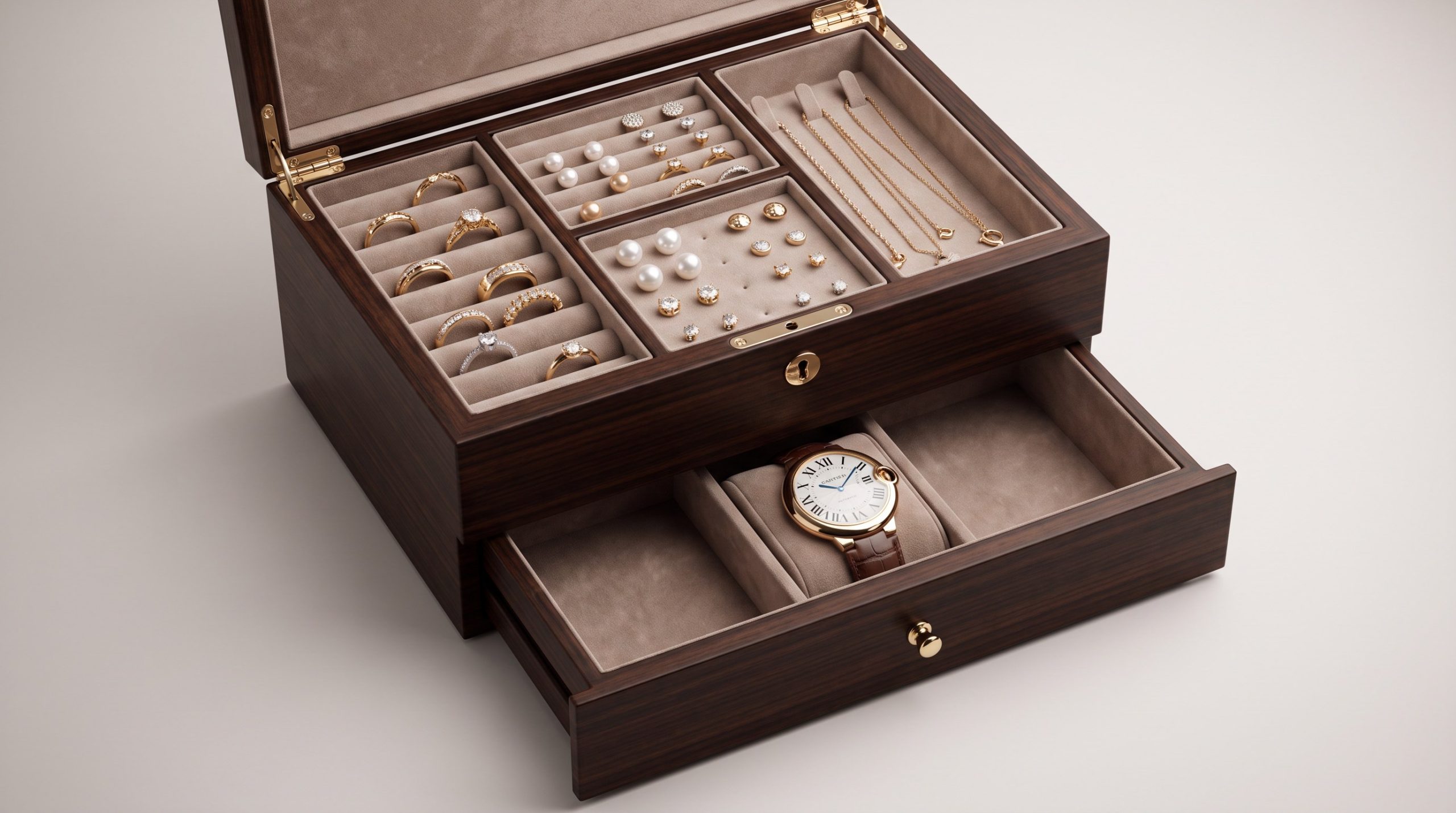
Professional luxury box organization is crucial because it eliminates metal-on-metal friction and ensures each piece is perfectly shielded from environmental gasses. When organizing high-value inventory, a dedicated anti tarnish jewelry box with custom compartments provides the structure needed to prevent accidental scratching. Different metals react uniquely to air and moisture, meaning that keeping them separate is a scientific necessity. Here is why this matters: disorganized storage directly leads to tarnished and scratched merchandise.
Furthermore, clean organization streamlines retail operations, allowing staff to quickly locate and showcase specific items to prospective buyers. A beautifully organized display case also captivates customers, enhancing their overall shopping experience. By investing in organized storage solutions, brands protect their assets while projecting an image of absolute luxury and professionalism. It is an essential operational strategy for any high-end jewelry business.
How does layout design prevent scratches and tarnish?
An optimized layout separates reactive metals and places delicate pearls and soft gemstones in velvet-lined slots away from heavy gold and silver. This prevents friction during shipping or daily handling, which can cause micro-abrasions and weaken metal settings. Think about this: a single scratch on a polished gold surface can instantly reduce its resale value.
By keeping each piece securely anchored, you ensure that the active anti-tarnish lining can work evenly across all surfaces. This maximizes the protective lifespan of both your box and your jewelry. Focus on these protective elements:
- Soft ring rolls that hold bands firmly in place
- Hanging necklace hooks with elastic retention pockets
- Cushioned grids for watches and thick bangles
What are the best organizational layouts for retail?
The best retail layouts utilize a combination of pull-out drawers and glass-top display cases, allowing customers to view the pristine inventory without exposing it to open air. This setup keeps the items safe from dust and humidity while maintaining a striking presentation.
Key Takeaway: Implementing structured, protective display cases in retail stores reduces polishing labor costs and ensures that display merchandise always looks showroom-ready.
| Layout Element | Primary Function | Prevention Target | Retail Efficiency Impact | |
|---|---|---|---|---|
| Ring Rolls | Band Stabilization | Scratches & Dents | High (Quick Access) | |
| Necklace Hooks | Chain Separation | Tangling & Kinks | Outstanding | |
| Watch Cushions | Strap Formatting | Leather/Metal Creasing | Moderate |
This comparison demonstrates that a well-structured layout is key to preventing physical wear and accelerating retail display efficiency.
Where can you source high-quality custom packaging boxes?
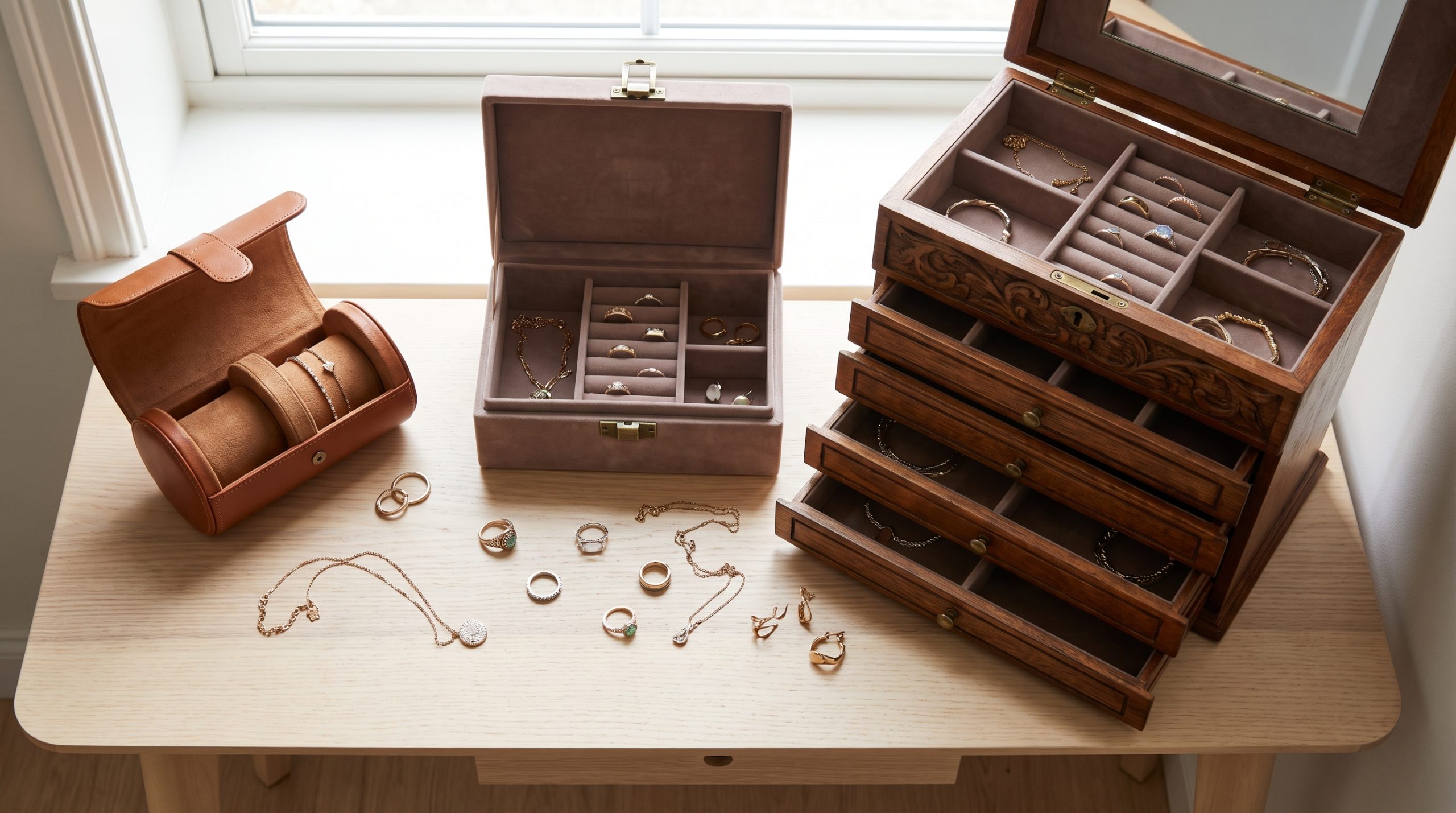
You can source high-quality custom packaging boxes directly from experienced B2B manufacturers like Kingtai, who specialize in bespoke box design and premium material printing. To guarantee your clients receive top-tier protection, you must partner with a supplier that integrates active chemical scavengers into every custom anti tarnish jewelry box. Sourcing directly from the manufacturer ensures complete quality control over the wood, linings, and printing processes. Here is why this matters: buying generic wholesale boxes often results in subpar materials that fail to prevent oxidation.
Kingtai offers comprehensive customization options, including a wide array of premium materials like fine velvet, leatherette, and sustainable textured paper. This allows your brand to design packaging that perfectly matches its aesthetic and environmental values. Our advanced printing and manufacturing facilities can handle large-scale custom production with short lead times. By working with Kingtai, you secure a reliable supply chain of luxury boxes that protect your products and elevate your brand.
What makes a reliable manufacturing partner?
A reliable manufacturing partner must possess advanced structural engineering capabilities, state-of-the-art printing tech, and a certified material supply chain. They should be able to produce custom-sized compartments and select specialized fabrics that match your exact design specifications. Think about this: your packaging manufacturer is a direct extension of your brand’s commitment to quality.
Working with a direct factory also eliminates middleman markups, giving you the best possible pricing for your custom boxes. This cost efficiency is crucial for maintaining healthy B2B profit margins. Sourcing criteria should include:
- Direct factory sourcing with full customization capabilities
- Use of non-toxic, acid-free adhesives and treated linings
- Strict quality control and comprehensive material testing
Why is Kingtai the ultimate custom packaging choice?
Kingtai is the ultimate custom packaging choice because we combine decades of manufacturing expertise with an unwavering dedication to luxury craftsmanship and material science. We specialize in producing premium watch boxes, jewelry boxes, cigar boxes, and cosmetic boxes that feature elite anti-tarnish protection.
Key Takeaway: Partnering with Kingtai for your custom packaging needs secures a high-converting, luxury presentation that safeguards your jewelry assets and boosts brand value.
| Custom Sourcing Benefit | Kingtai Direct Factory | Standard Wholesaler | Trading Company | |
|---|---|---|---|---|
| Material Certification | Guaranteed (Acid-Free) | Unknown / Low-Grade | Variable | |
| Customization Freedom | Unlimited (OEM/ODM) | Limited Templates | High Markup | |
| Direct Factory Pricing | Yes (No Middlemen) | No (Marked Up) | No (High Margins) |
The comparative data confirms that sourcing directly from Kingtai provides superior quality assurance, custom design flexibility, and maximum cost efficiency.
Frequently Asked Questions
Can I store multiple jewelry pieces in a single compartment?
No, you should avoid doing so. Cramming multiple pieces together increases the risk of scratching and metal-on-metal friction, which can accelerate the tarnishing process. It is always best to give each piece its own dedicated slot.
What’s the best way to clean my anti-tarnish jewelry box lining?
No, you should never use wet cleaning solutions on the fabric. Simply vacuum the interior on a low setting with a brush attachment or gently wipe it with a dry microfiber cloth to remove dust. Water and liquid chemicals can wash away or degrade the protective anti-tarnish treatment.
How do I know if my anti-tarnish jewelry box needs to be replaced?
Yes, there is a clear sign to look for. If your clean silver pieces start to oxidize or lose their luster within just a few weeks of storage, the lining’s chemical protectants have likely been fully depleted. When this occurs, it is time to upgrade to a new protective box.
Can I use silica gel packets inside my jewelry organizer?
Yes, this is a highly effective practice. Placing silica gel packets inside your box helps absorb excess moisture, which is one of the primary catalysts for metal tarnishing. It works as an excellent secondary line of defense alongside your box’s treated lining.
To elevate your brand’s presentation and provide your clients with the highest standard of active silver preservation, partner with a leading B2B custom packaging manufacturer. If you are ready to design bespoke luxury watch boxes, custom jewelry boxes, or premium gift packaging for your retail business, contact us today to receive a comprehensive quote and discuss your custom branding specifications with our factory experts.