
The history of jewelry boxes is a multi-millennial journey of safeguarding humanity’s most personal, valuable, and sacred artifacts. For centuries, collectors and merchants struggled to find secure, protective containers that could defend soft gemstones and precious metals from theft, dust, and atmospheric degradation. This ongoing battle against oxidation and physical damage often resulted in ruined heirlooms and diminished asset values. Whether storing an exquisite ancient relic or a vintage heirloom, relying on an inadequate, unlined old jewelry box can lead to devastating tarnish and wear.
Fortunately, the evolution of custom craftsmanship has paved the way for advanced, high-security structural designs that elevate brand presentation while offering unmatched physical preservation. Today, luxury brands leverage these historical techniques to design custom packaging that speaks of heritage while ensuring long-term product protection. By partnering with leading custom packaging and printing manufacturers like Kingtai, businesses can access museum-quality storage solutions tailored to modern commercial demands. Let us dive deep into the fascinating evolution of jewelry box artistry and discover how these historical milestones shape modern packaging strategies.
How Did Ancient Egyptians Store Precious Jewels?
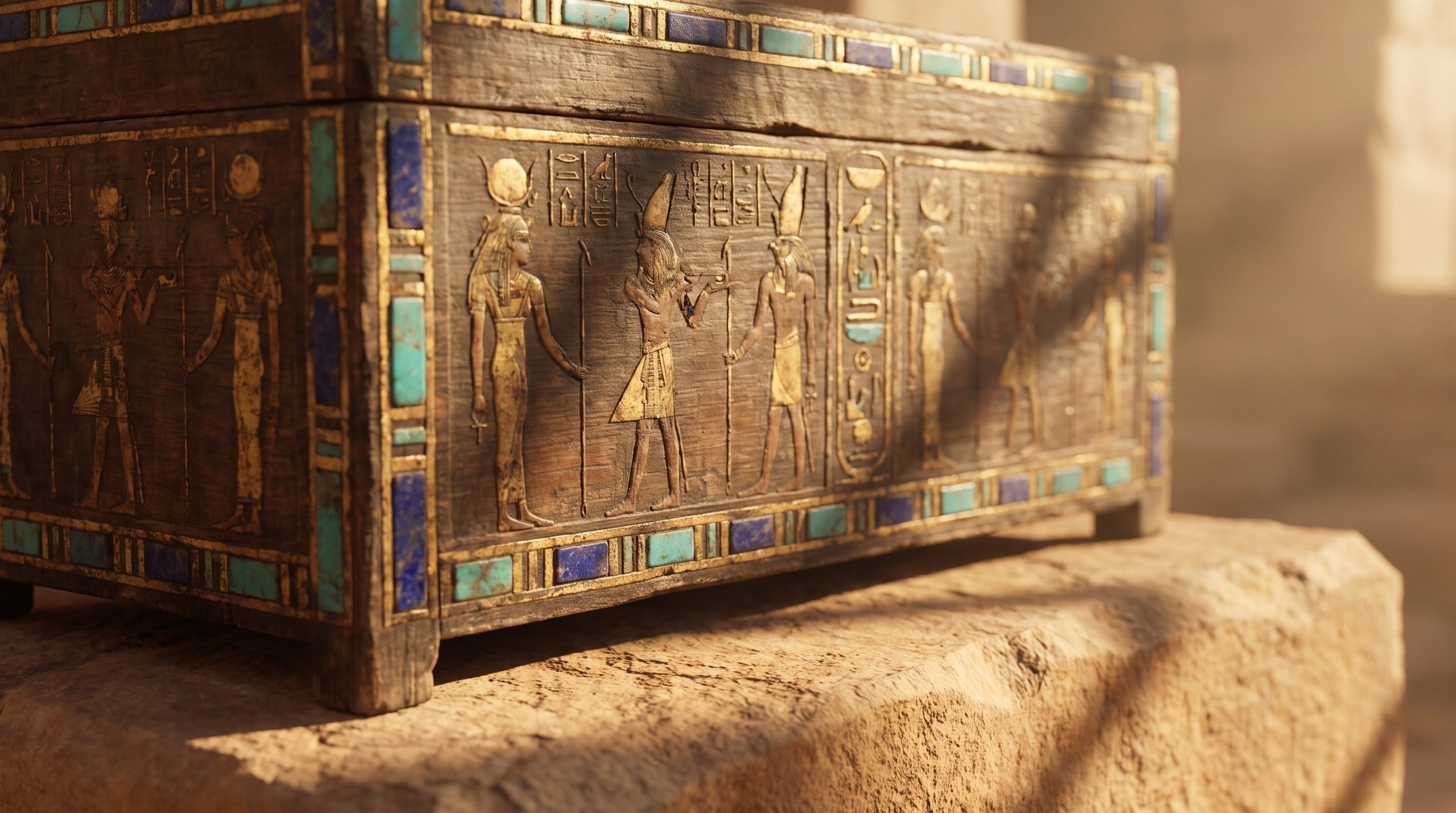
Ancient Egyptians stored their precious jewels in highly decorated chests made of ebony, alabaster, and gold leaf to secure them for both life and the eternal afterlife. When analyzing a vintage or old jewelry box, one can trace the origins of structural preservation directly back to these ancient Nile workshops. These early artisans recognized that soft gold and fragile lapis lazuli required rigid wood panels to prevent physical crushing. Consequently, royalty and high-ranking nobles commissioned bespoke chests that functioned as protective vessels as well as religious artifacts.
Spiritual Meanings of Egyptian Burial Treasures
Egyptian nobles believed that jewelry held immense protective powers that needed to remain active even after death. Here is why this matters: the physical chest was engineered as a miniature temple to shield these sacred items from spiritual and physical corruption. These containers were heavily inscribed with protective deities like Bes or Hathor to ward off grave robbers and malevolent spirits.
While royalty utilized heavy ebony and gold, different social classes relied on materials suited to their status:
- Pharaohs & Royals: Crafted from imported cedar, solid ebony, and decorated with heavy gold gilding and semi-precious stone inlays.
- Wealthy Elite: Fabricated from carved animal bone, polished alabaster, and painted local cedar wood.
- Lower Classes: Made of simple woven reed baskets, clay pots, or unadorned local softwoods.
Key Takeaway: In Ancient Egypt, the jewelry box was not merely a decorative accessory but a sacred vessel engineered to protect spiritually significant adornments for eternity.
| Social Class | Primary Box Material | Protective Properties | Aesthetic Embellishment | |
|---|---|---|---|---|
| Royal Family | Imported Cedar & Ebony | Highly durable, moisture resistant | Gold foil, lapis lazuli, turquoise | |
| Common Citizen | Woven Reeds & Local Clay | Low durability, highly portable | Simple mineral paint pigments |
Analysis of the data shows a direct correlation between social hierarchy and the structural permanence of storage materials in ancient Nile cultures.
Why Is a Minimalist B2B Display Room Crucial?
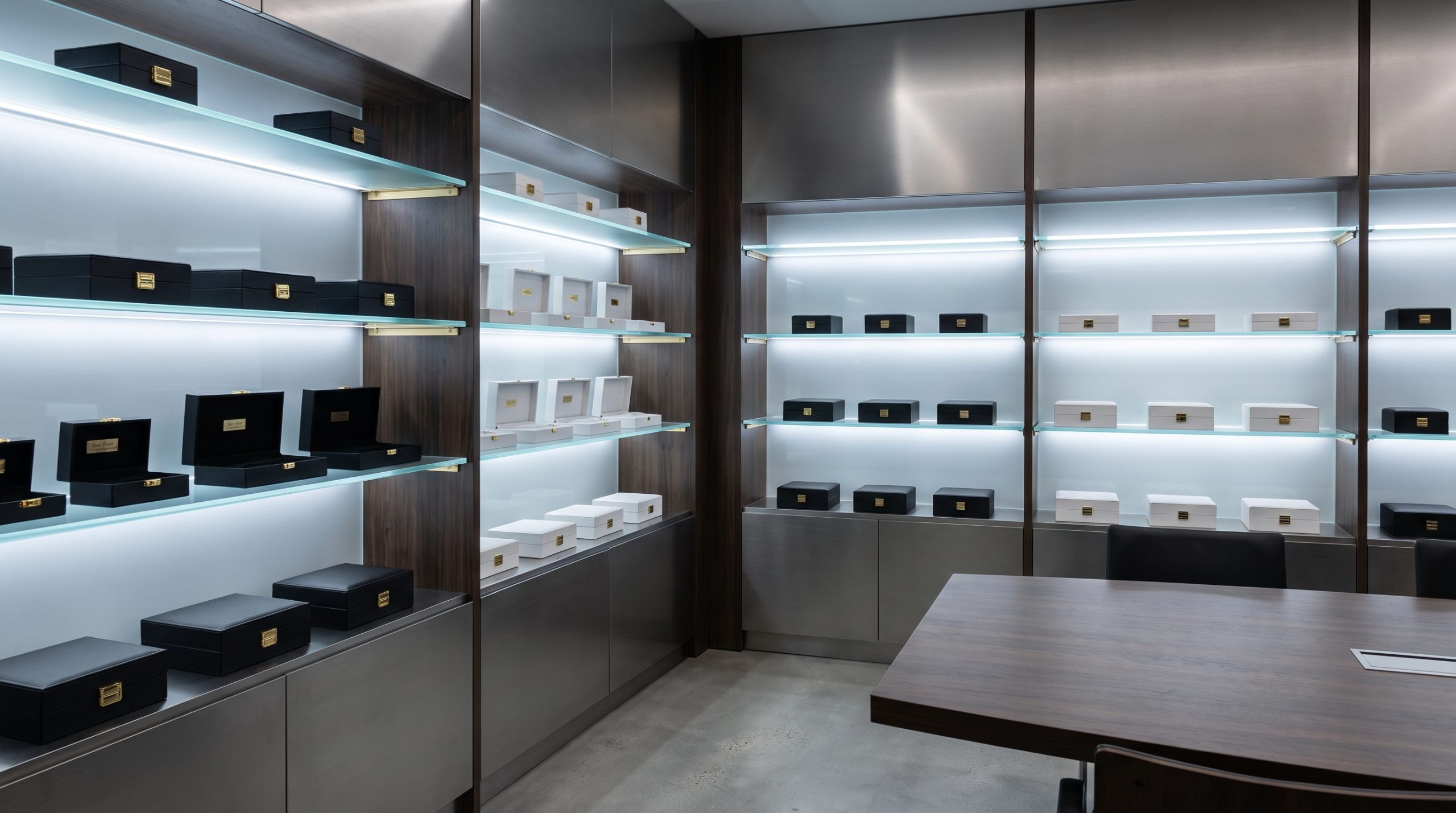
A minimalist B2B display room is crucial because it focuses a buyer’s complete attention on the fine craftsmanship and premium materials of the product. Unlike a cluttered showcase or a dusty, uncurated old jewelry box , a clean environment highlights the subtle textures of high-end packaging. Modern retailers recognize that clean lines and back-lit glass shelving immediately elevate the perceived value of any jewelry collection. Creating this premium experience allows brands to build instant trust with discerning commercial clients.
How B2B Packaging Companies Help Brands Scale
High-end B2B packaging companies provide the customized scalability and consistent quality control that brands require to expand their global reach. This is crucial: a physical product’s packaging serves as the very first touchpoint in a consumer’s unboxing experience. By offering custom inserts and tailored branding, professional manufacturers ensure that every item arrives in pristine condition.
Selecting a reliable commercial partner requires evaluating multiple capabilities:
- Customization Flexibility: The ability to hot-stamp logos and adjust slot sizing.
- Material Certification: Ensuring all adhesive glues and fabric liners are non-reactive.
- Scalable Logistics: Bulk ordering discounts with consistent quality control across thousands of units.
Key Takeaway: For B2B retailers, the jewelry box is not merely packaging; it is a critical touchpoint that cements brand identity and preserves product integrity.
| Segment Target | Ideal Material Combination | Key Interior Storage Element | Recommended Customization | |
|---|---|---|---|---|
| Fine Gemstone Retailer | Solid hardwood + microfiber velvet | Integrated anti-tarnish fabric tabs | Deep debossed hot-foil logo stamping | |
| Fashion Jewelry Brand | High-density paperboard + linen | Removable multi-slot foam inserts | High-speed offset graphic printing |
A brand’s choice of commercial packaging must align structural durability with customer unboxing expectations.
Why Did Mid-Century Modern Teak Boxes Trend?
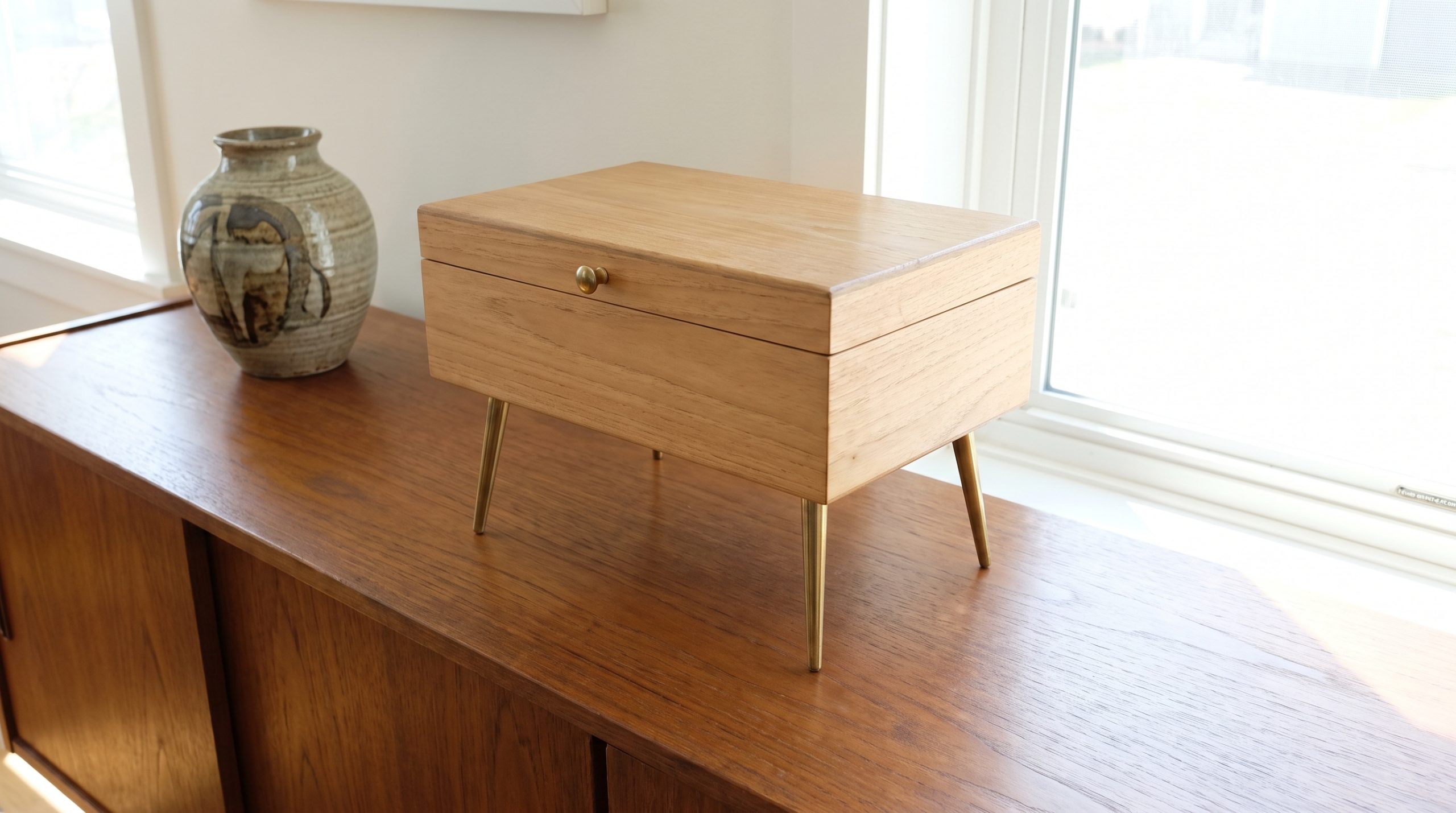
Mid-century modern teak boxes trended due to their sleek, Scandinavian aesthetic, functional interior layouts, and the global popularity of durable, warm teak wood. During the 1950s, design standards shifted away from the heavy ornamentation of an old jewelry box toward minimalist, organic forms. Teak wood was highly prized because its natural oils made it incredibly resistant to warping and moisture. This shift allowed homeowners to display their accessories in stylish, durable containers that doubled as fine home decor.
Shift From Aristocratic Luxury to Middle-Class Norms
The postwar economic boom democratized luxury, allowing middle-class families to afford beautifully designed home accessories that were once reserved for the elite. Think about this: as bedroom vanities became a standard household feature, the demand for compact, functional jewelry storage soared. Manufacturers responded by replacing heavy carving with elegant, geometric woodwork and brass accents.
This era of design prioritized specific material qualities and practical features:
- Exposed Wood Grains: Using natural satin finishes to highlight teak’s rich patterns.
- Tapered Brass Legs: Elevating the chest above the dresser for a lighter, modern look.
- Multi-Tier Drawers: Incorporating sliding compartments to maximize storage efficiency.
Key Takeaway: Mid-century teak boxes successfully bridged the gap between fine art and everyday utility, proving that functional luxury could be made accessible to the mass market.
| Era Standard | Dominant Timber | Surface Treatment | Structural Aesthetic | |
|---|---|---|---|---|
| Pre-War Luxury | Heavy Mahogany & Oak | Dark high-gloss varnish | Blocky, ornate, hand-carved | |
| Mid-Century Modern | Natural Burmese Teak | Satin-smooth natural oil | Minimalist, legged, geometric |
The post-war preference for natural finishes and clean geometry marked the birth of modern consumer packaging aesthetics.
What Did an Old Jewelry Box Reveal in the Tudor Era?
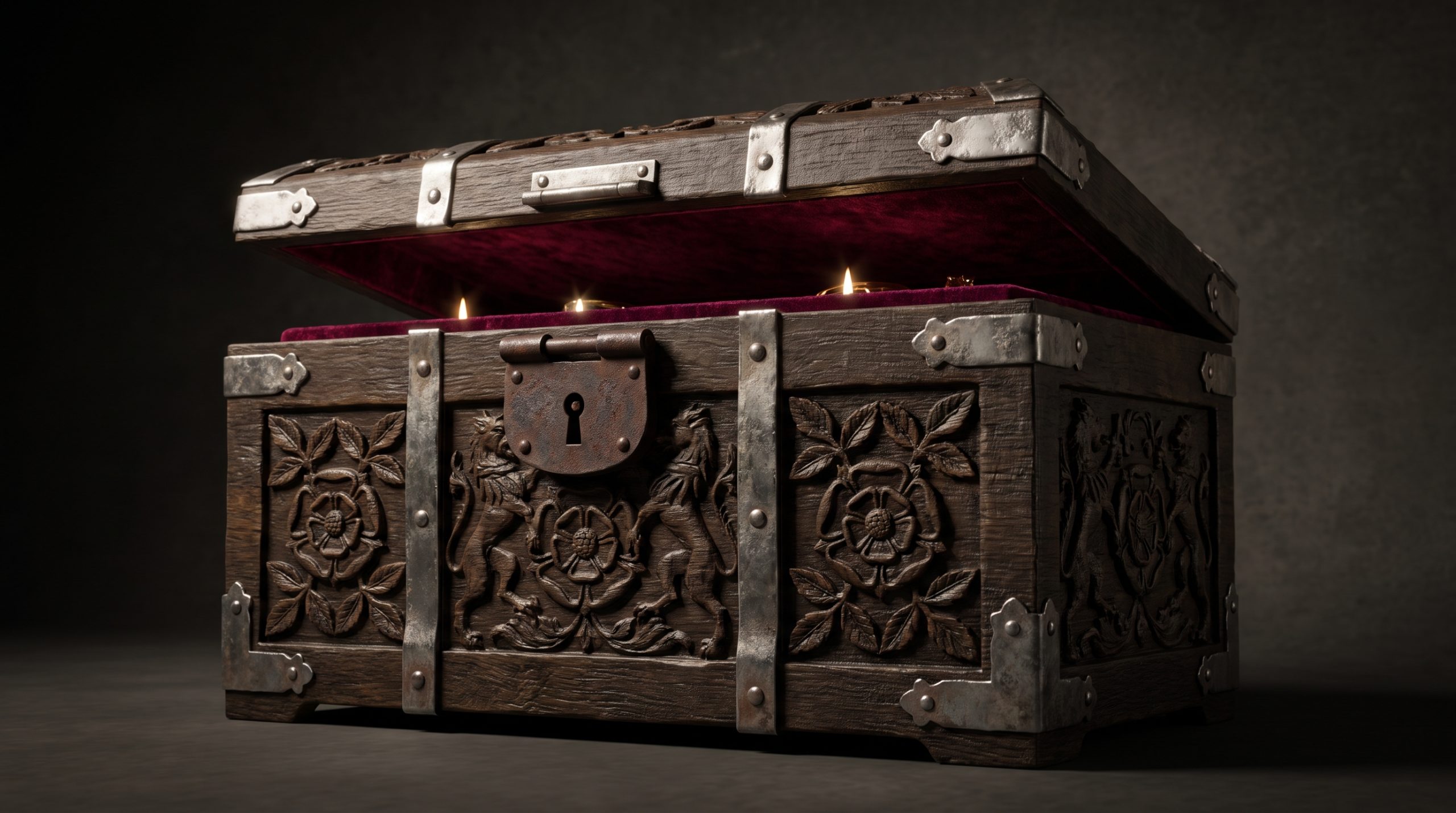
In the Tudor era, an old jewelry box revealed the immense political power, marital alliances, and social rank of its aristocratic owner through its heavy materials and secure locking mechanisms. When examining a preserved old jewelry box from the Tudor court, historians note the extreme care given to security and velvet-lined preservation. These sturdy coffers were constructed of solid oak or wrought iron to withstand theft during frequent travels between royal estates. They served as physical testaments to family legacy and political currency.
Intricate Royal Gift Boxes of Henry Tudor
The court of Henry Tudor used lavishly decorated jewelry caskets as diplomatic gifts to seal treaties and arrange strategic royal marriages. Look closer: receiving a jewel-encrusted chest was a direct indicator of royal favor and high geopolitical leverage. These boxes were customized with the royal coat of arms to ensure that the recipient constantly remembered their political obligations.
To protect precious pearls and gold from mechanical damage, Tudor craftsmen pioneered specialized protective layers:
- Solid Silver & Gold: Used for structural strength and intrinsic value of the frame.
- Tooled Leather: Wrapped tightly over seasoned wood to provide an early form of waterproofing.
- Crushed Velvet & Silk Satin: Fitted inside to cushion soft gemstones and pearls from abrasion.
Key Takeaway: Tudor-era storage caskets functioned as both high-security vaults and symbolic power statements utilized to broker political marriages and royal alliances.
| Casket Type | Main Structural Body | Interior Protection | Primary Security Mechanism | |
|---|---|---|---|---|
| Royal Gift Casket | Wrought iron & solid oak | Silk-satin and sheepskin padding | Heavy dual-key iron lock | |
| Noble Keepsake Box | Tooled leather over pine | Crimson velvet lining | Miniature brass sliding latch |
The transition to velvet-lined, iron-reinforced interiors highlights a growing awareness of mechanical damage and oxidation on delicate metals.
What Made Victorian Gothic Revival Boxes Popular?
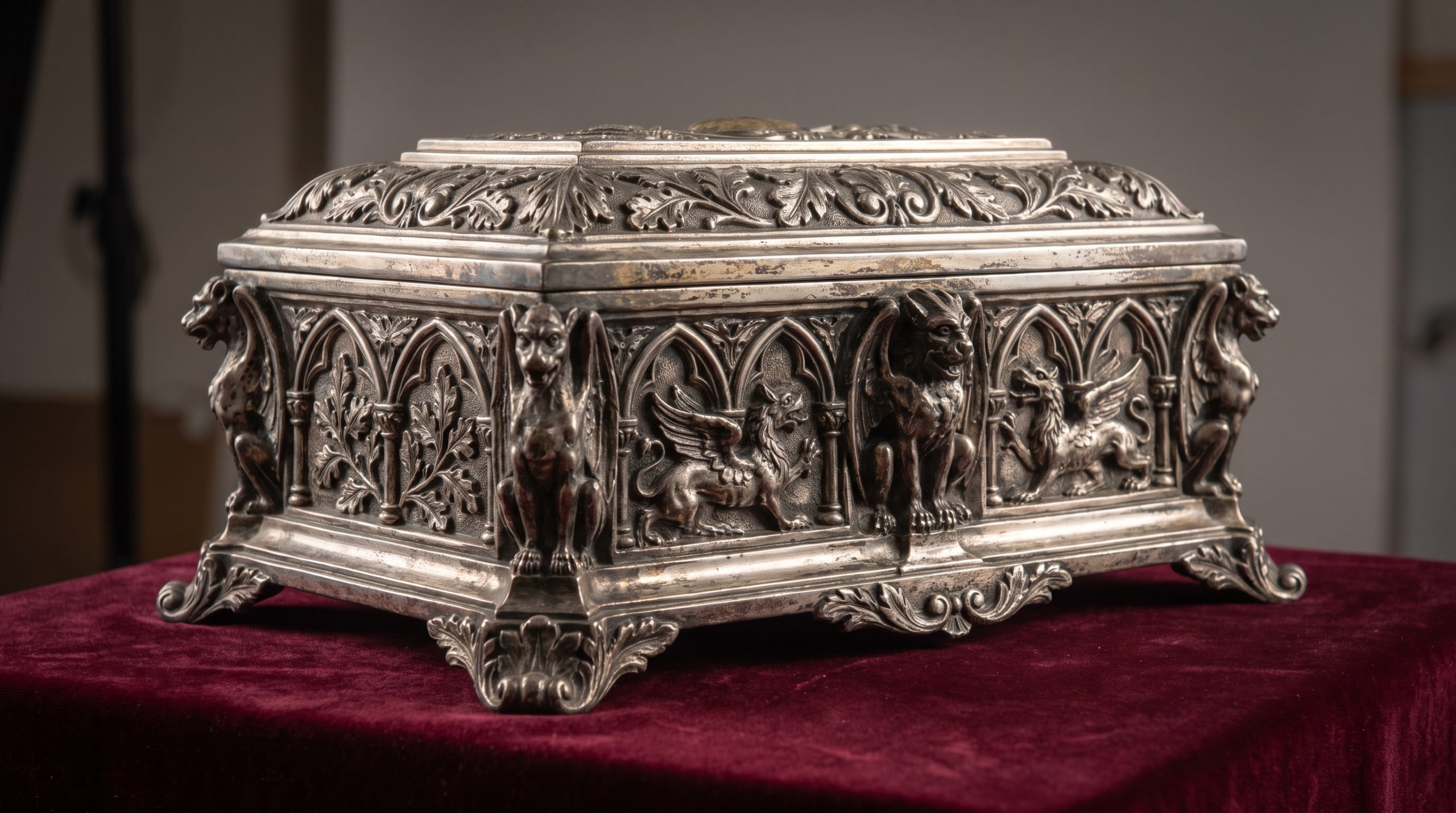
Victorian Gothic Revival boxes became popular because of their dramatic, dark-themed medieval aesthetic and robust cast-iron craftsmanship that symbolized industrial strength and romanticized history. Opening a heavy old jewelry box from the mid-nineteenth century reveals a deep fascination with romantic literature and gothic cathedral architecture. These sturdy cast-iron caskets featured intricate reliefs of mythical creatures, gargoyles, and pointed arches that stood out from standard wooden boxes. They provided families with a highly secure, imposing way to store precious gold and silver jewelry.
The Industrialization of Ornate Metal Castings
The industrial revolution enabled manufacturers to mass-produce complex, highly detailed cast-iron jewelry caskets at a fraction of the cost of handcrafted silver. Here is why this matters: middle-class families could finally afford ornate, museum-like decorative storage for their growing collections. These dark, gothic metal shells were often lined with bright crimson velvet to create a striking aesthetic contrast.
Victorian metalworkers utilized advanced casting techniques to achieve specific structural properties:
- Cast Iron & Antimony: Provided exceptional weight, physical security, and precise gothic detailing.
- Electroplated Finishes: Mimicked expensive gold or sterling silver using affordable copper and zinc alloys.
- Plush Velvet Liners: Prevented the heavy iron structure from scratching delicate gold jewelry inside.
Key Takeaway: The Victorian Gothic Revival democratized ornate, high-security jewelry caskets by leveraging industrial casting to provide the middle class with majestic, affordable storage.
| Casket Material | Relative Weight | Detail Precision | Cost of Production | |
|---|---|---|---|---|
| Cast Iron | Extremely Heavy | High (mold-dependent) | Low (Mass-produced) | |
| Sterling Silver | Medium | Extremely High (Handcrafted) | Extremely High |
Industrial metal casting allowed Victorian manufacturers to scale production while satisfying the market’s hunger for romanticized medieval imagery.
Why Did the Old Jewelry Box Evolve With Music?
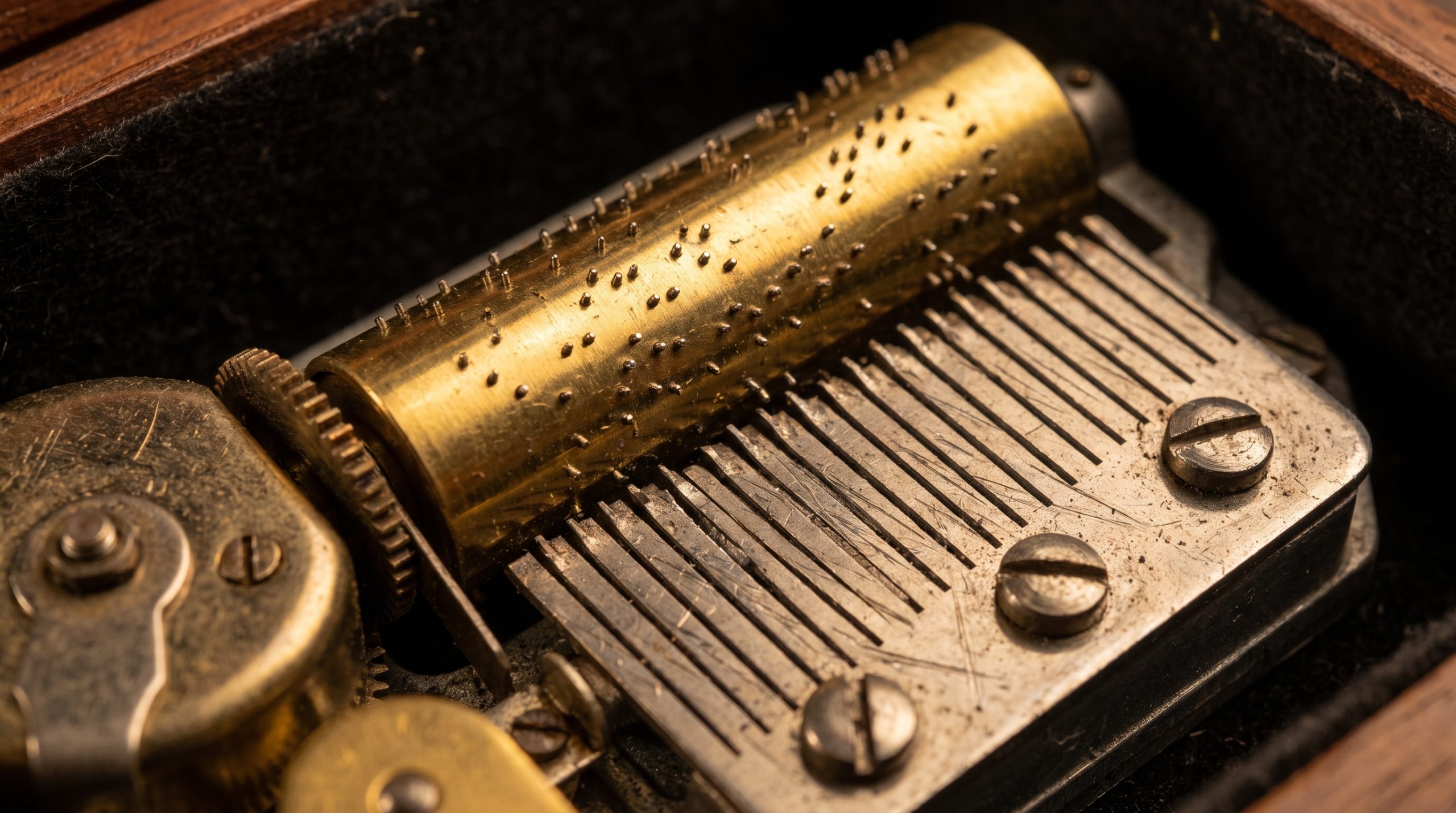
The jewelry box evolved with music during the early nineteenth century to transform a standard storage container into an interactive, multi-sensory luxury experience for elite collectors. Adding miniature musical combs to a traditional old jewelry box transformed an ordinary container into an interactive masterpiece of Swiss precision. These mechanical marvels combined master cabinetry with advanced horology, delighting wealthy owners whenever the lid was raised. This integration of sound added a magical dimension to the simple act of putting on one’s jewelry.
The Mechanical Innovations of Charles Reuge
Swiss watchmaker Charles Reuge pioneered the integration of miniature musical movements into high-end jewelry caskets, setting a new global luxury standard. Let’s break down how it works: the wind-up spring drives a rotating brass cylinder pinned with a programmed operatic melody. As the cylinder rotates, the pins pluck tuned steel comb teeth to create mesmerizing acoustic vibrations inside the wooden frame.
These premium boxes required exceptionally precise mechanical parts to function flawlessly:
- Revolving Cylinders: Programmed with precise pins to play specific operatic melodies and classical symphonies.
- Tuned Steel Combs: Hand-filed metal teeth designed to resonate perfectly inside wooden housings.
- Ringing Bells & Drums: Miniature percussive elements added to high-end bespoke boxes for orchestral depth.
Key Takeaway: The marriage of horology and cabinetry in the late 18th and early 19th centuries transformed jewelry storage from static utility into a multi-sensory luxury experience.
| Mechanical Feature | Cylinder Drive Box | Disc-Based Music Box | Pocket-Watch Movement | |
|---|---|---|---|---|
| Space Required | High (demands deep base cavity) | Medium (flat horizontal layout) | Extremely Low (miniaturized) | |
| Melodic Variety | Fixed (1 to 4 set songs) | Interchangeable metal discs | Single short chime sequence |
Acoustic integration required specialized, denser tonewoods like walnut or cherry to properly project the mechanical music.
How Did Chinese Lacquerware Conquer Global Trade?
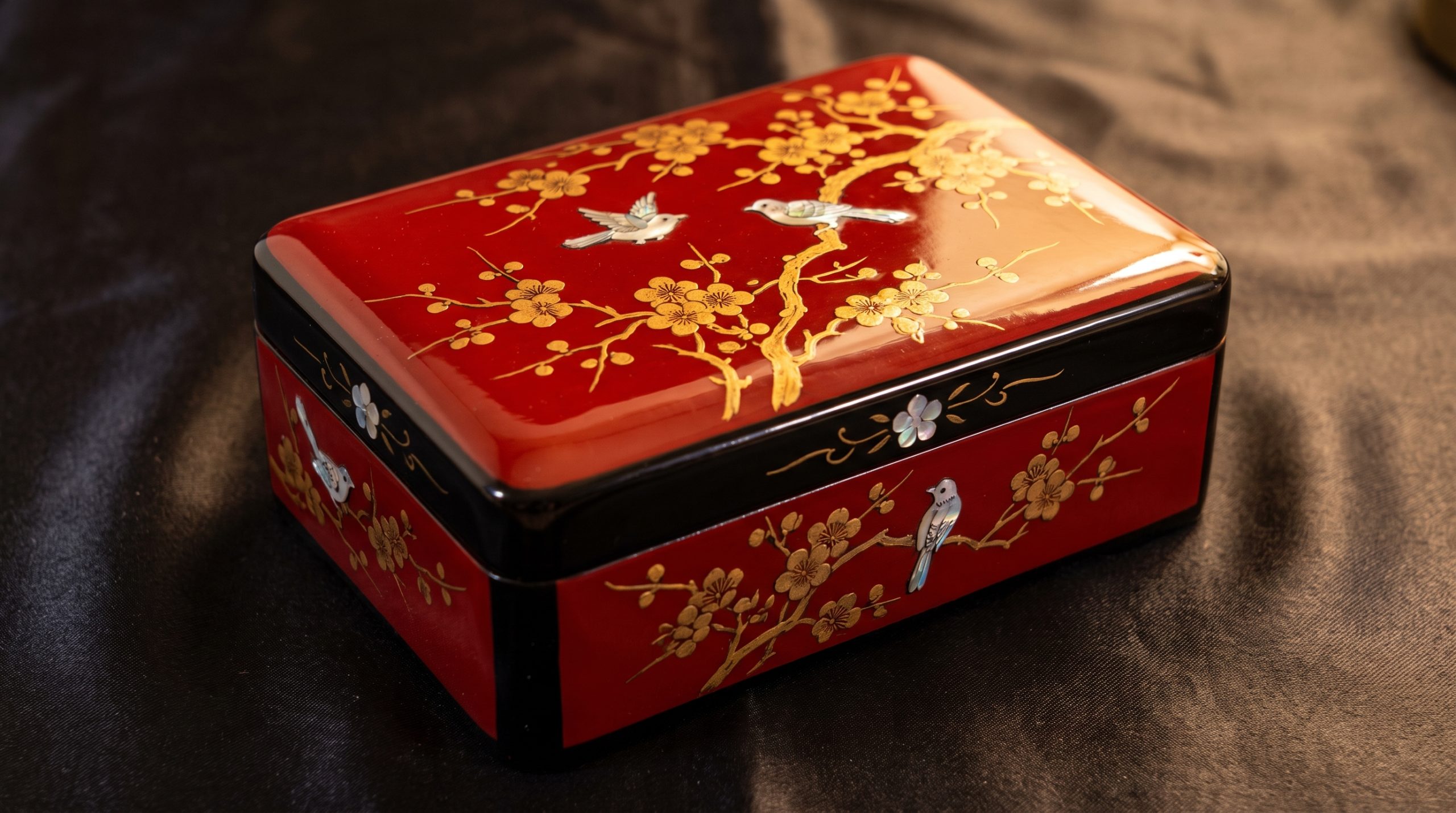
Chinese lacquerware conquered global trade through its glossy, impervious protective finish, vivid cinnabar pigments, and intricate mother-of-pearl inlays that mesmerized European merchants. During the maritime trade booms of the Ming and Qing dynasties, owning an oriental old jewelry box became the ultimate symbol of cosmopolitan taste. The tedious process of applying dozens of micro-layers of sap from the Toxicodendron vernicifluum tree created a durable, waterproof shield. This remarkable durability ensured that these exotic exports survived the arduous sea voyages to European ports.
Artistic Excellence of East Asian Lacquerware
East Asian lacquerware was universally praised for combining extreme weather protection with highly detailed narrative reliefs of birds and flowers. Here is why this matters: the natural lacquer sap polymerized into a tough, heat-resistant plastic-like coating that woodworms and humidity could not penetrate. European cabinetmakers tried repeatedly but failed to duplicate the mirror-like luster of genuine Chinese lacquerware.
Traditional lacquer boxes utilized several luxurious decorative techniques:
- Cinnabar Carving: Carving complex patterns directly into thick, red lacquer layers.
- Raden (Mother-of-Pearl): Inlaying iridescent slivers of abalone shell into the wet lacquer.
- Maki-e Gold Dust: Sprinkling metallic gold or silver powder onto wet lacquer drawings for a shimmering effect.
Key Takeaway: Traditional Chinese lacquerware jewelry boxes represents an early peak of material engineering, combining durable organic polymers with breathtaking artistic craftsmanship.
| Lacquer Finish | Active Raw Material | Layers Required | Key Physical Benefit | |
|---|---|---|---|---|
| Genuine Urushi sap | Polymerized tree resin | 30 to 200 micro-layers | Heat, acid, and insect-proof | |
| Western Japanning | Shellac & asphaltum varnish | 2 to 10 thick layers | Fast drying but prone to cracking |
The extreme chemical resistance of polymerized lacquer sap made these chests the most durable storage vessels of the pre-industrial era.
How Did Miniature Trinket Boxes Rise to Fame?
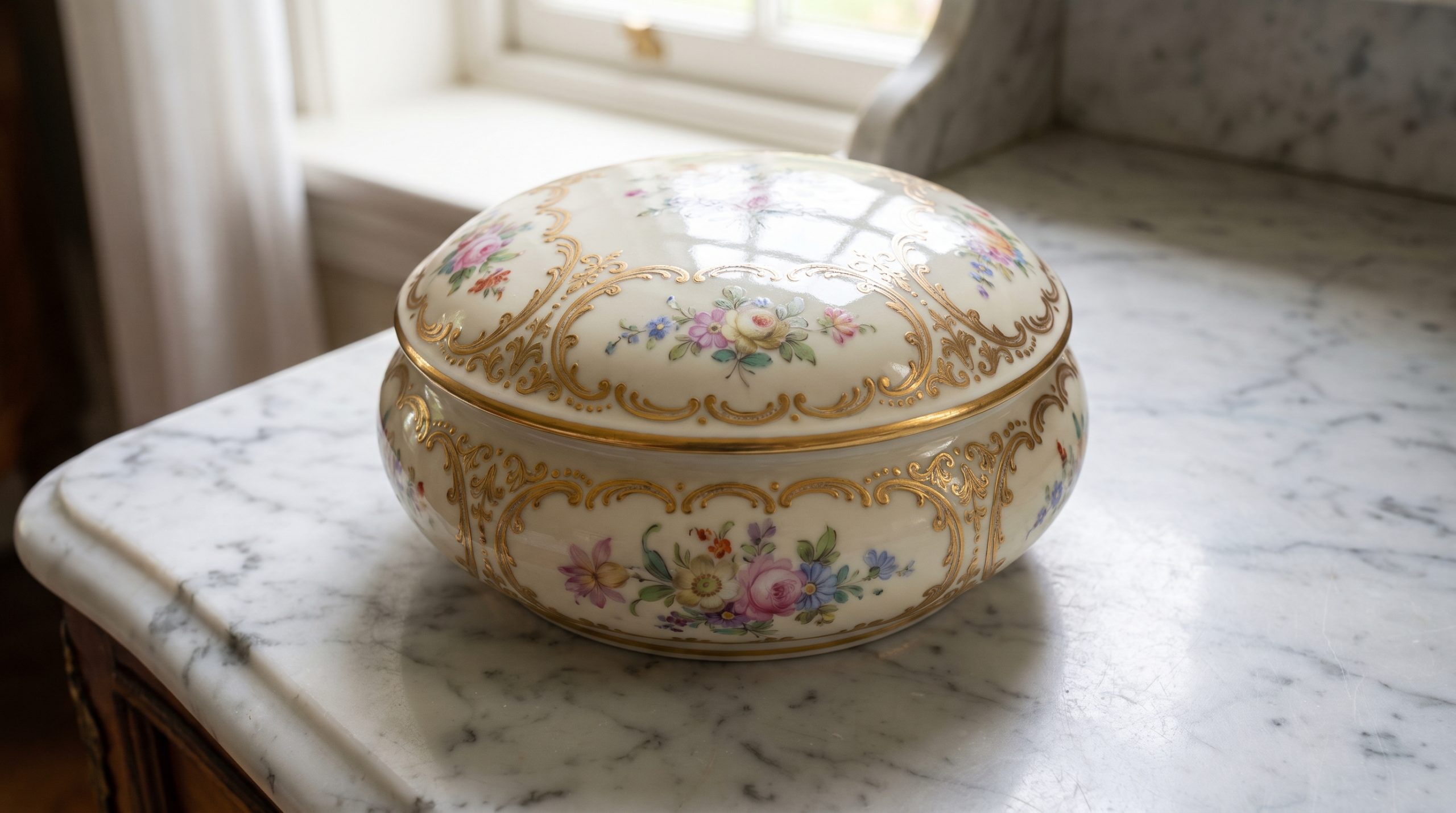
Miniature trinket boxes rose to fame in the eighteenth century as aristocratic fashion accessories designed to hold personal keepsakes, loose gemstones, and romantic letters. Anyone admiring an old jewelry box from this era will instantly notice a dramatic shift from heavy security chests to delicate, palm-sized luxury. These exquisite boxes were frequently displayed on high-end marble vanities to spark intellectual conversation among visitors. Their rise in popularity marked a new era of highly individualized luxury storage.
Delicate Enamel and Porcelain Craftsmanship
The eighteenth century saw legendary porcelain manufactories like Sèvres and Meissen create stunningly delicate trinket boxes for the European elite. But that’s not all: these micro-containers were embellished with hand-painted pastoral scenes and fragile gold filigree borders. The level of detail on these boxes was so high that they became highly sought-after collector’s items.
European nobles prioritized these miniature storage boxes for several distinct reasons:
- Portability: Small enough to be carried easily in a pocket or reticule during court visits and grand travels.
- Social Status: Exquisite enameling and rare porcelain acted as immediate status symbols.
- Versatility: Used to house loose diamonds, costly snuff, or small hand-written romantic missives.
Key Takeaway: The rise of porcelain and enamel trinket boxes in the 18th century shifted the storage paradigm from massive security chests to delicate, highly personal fashion accessories.
| Box Classification | Primary Material | Manufacturing Origin | Target Demographic | |
|---|---|---|---|---|
| Trinket Box | Soft-paste porcelain & enamel | Sèvres and Meissen workshops | European aristocracy | |
| Jewelry Casket | Polished rosewood & silver | Guilded urban cabinetmakers | High-tier merchants |
The divergence in material preferences during this era demonstrates how decorative arts directly influenced utilitarian jewelry storage.
How Did Art Deco Influence Jewelry Box Styling?
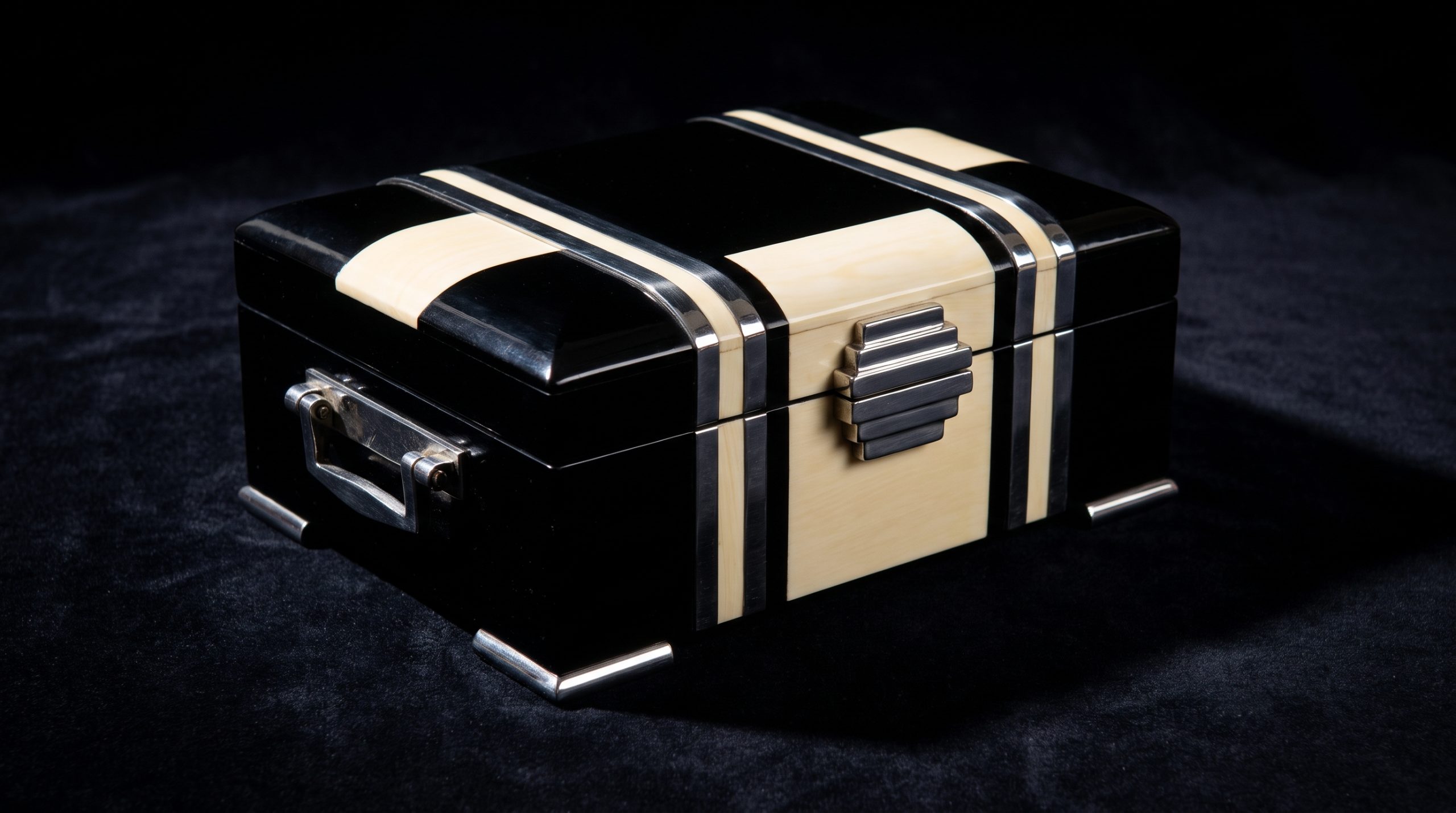
Art Deco influenced jewelry box styling by introducing bold, geometric symmetry, streamlined profiles, and exotic new industrial materials like Bakelite, chrome, and polished lacquer. The 1920s marked a clean break from organic curves, replacing them with sharp vertical lines and high-contrast color palettes inside an old jewelry box design. Artisans utilized precious ivory, shagreen (stingray skin), and tortoiseshell to craft glamorous, cubist-inspired cases. This sophisticated style perfectly mirrored the rapid architectural and technological advances of the Roaring Twenties.
Geometric Symmetry and Modern Industrial Materials
The emergence of Art Deco allowed designers to experiment with early plastics and modern alloys, blending traditional luxury wood with industrial efficiency. Think about this: the sleek, machine-age look of these containers complemented the bold cut of modern platinum and diamond jewelry. They were designed to sit proudly in chic, skyscraper apartments as symbols of modern progress.
Art Deco packaging emphasized several modern aesthetic features:
- Sunburst Motifs: Radiating geometric patterns inlaid with contrasting light and dark veneers.
- Bakelite & Celluloid: Early synthetic plastics used to achieve vibrant, glossy colors.
- Polished Nickel & Chrome: Sleek metallic trims that provided a bright, contemporary highlight.
Key Takeaway: Art Deco transformed jewelry boxes into highly structured, geometric statements of modernity, proving that industrial progress and luxury materials could blend seamlessly.
| Design Aspect | Art Nouveau Style | Art Deco Style | |
|---|---|---|---|
| Preferred Geometry | Asymmetrical, whiplash curves | Symmetrical, vertical, and blocky | |
| Key Materials | Silver-plated pewter, copper | Bakelite, chrome, macassar ebony |
The shift to streamlined industrial materials in the 1920s paved the way for mass production of sleek, highly standardized modern retail packaging.
Which Traditional Woods Offer the Best Protection?
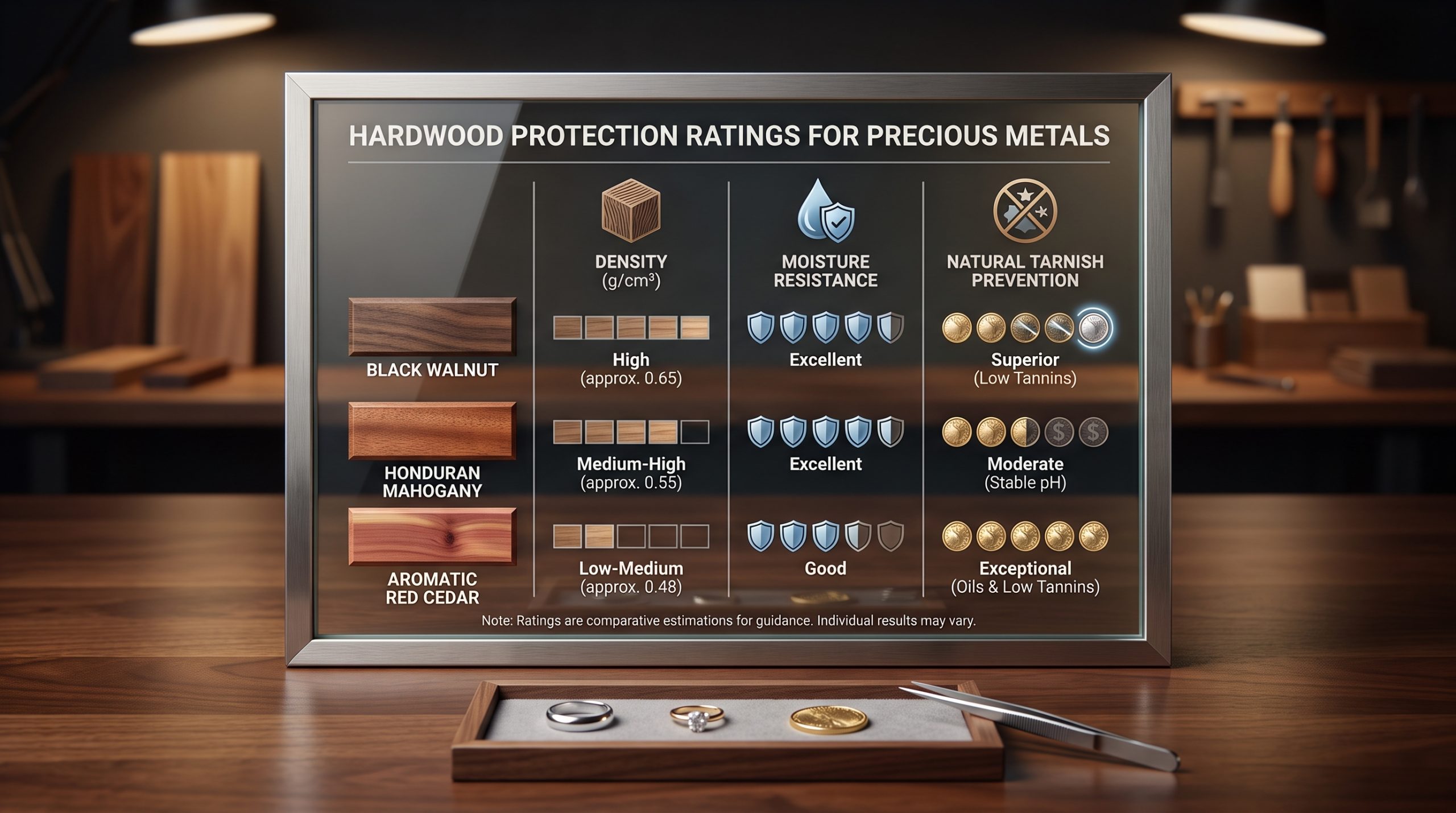
Traditional hardwoods like black walnut, Honduran mahogany, and aromatic red cedar offer the best physical protection due to their exceptional fiber density and natural resistance to ambient humidity. Many collectors discover that storing heirloom gold in a cheap, synthetic box causes rapid tarnish, whereas an old jewelry box made of solid hardwood keeps metals bright. High-density timbers act as physical barriers, stabilizing the micro-climate inside the box. Selecting the right wood species is critical for long-term tarnish prevention.
Why Hardwood Construction Prevents Jewelry Tarnish
High-density hardwoods release fewer volatile organic compounds than processed composite boards, reducing the chemical reactions that cause silver and gold to tarnish. This is crucial: the structural wood must block ambient moisture while refusing to off-gas acidic chemicals that corrode delicate metal surfaces. When paired with a non-reactive microfiber lining, natural hardwoods provide an ideal, pH-neutral storage environment.
Quality timber selection requires understanding Janka hardness and moisture resistance ratings:
- Black Walnut: Extremely stable wood with superior Janka hardness (1,010 lbf) and low natural acidity.
- Honduran Mahogany: Excellent moisture resistance with a stable pH level that protects gold and platinum.
- Aromatic Red Cedar: Exceptional natural oils that repel insects, though its high acid content requires a protective fabric barrier.
Key Takeaway: Selecting high-density hardwood and an ultra-soft, lint-free lining is the single most effective way to safeguard valuable metals from atmospheric oxidation.
| Wood Species | Density (Janka Hardness) | Moisture Resistance | Natural Tarnish Prevention | |
|---|---|---|---|---|
| Black Walnut | 1,010 lbf | Excellent (Highly Stable) | High (Low natural acidic outgassing) | |
| Honduran Mahogany | 900 lbf | Very Good | Medium | |
| Aromatic Red Cedar | 900 lbf | High (Scented) | Low (High acidic oils can damage metals) |
The density of the wood species directly impacts its ability to act as an atmospheric barrier against humidity fluctuations.
Investing in high-end, customized jewelry packaging is the definitive way to protect your products and craft an unforgettable unboxing experience. Whether you want to recreate the historic charm of a vintage heirloom or design a sleek, modern masterpiece, professional manufacturing is key to scaling your brand. Kingtai brings decades of master printing and custom packaging manufacturing expertise directly to your business, specializing in custom jewelry boxes, watch boxes, and premium gift bags. To elevate your brand’s retail presentation and safeguard your jewelry creations, contact us today to start designing your bespoke collection.
Frequently Asked Questions
How do I know if my old jewelry box is made of real wood?You can determine if it is real wood by inspecting the grain pattern for unique natural variations and checking the weight of the chest. Real hardwood boxes have distinct, non-repeating wood grain rings and feel substantially heavier than plastic or fiberboard alternatives. Additionally, the interior edges of natural timber will show raw wood fibers rather than pressed paper.
Can I customize modern jewelry packaging to prevent tarnishing?Yes, modern jewelry packaging can be fully customized with anti-tarnish microfibers and chemical-free adhesives to maximize protection. Premium manufacturers use specialized fabric linings treated with tarnish-inhibiting agents to absorb harmful sulfur compounds from the air. This ensures that sterling silver and gold items remain perfectly polished over long storage periods.
What’s the best material for commercial watch and jewelry boxes?High-density solid hardwood paired with a non-reactive plush microfiber lining represents the absolute best material combination for commercial storage. The dense wood provides a robust physical shield against environmental moisture and impacts, while the soft liner prevents abrasive scratching. This high-end construction ensures that your products retain both their physical integrity and luxury appeal.
Can I order custom luxury packaging in small bulk quantities?Yes, B2B brands can easily order custom luxury packaging in scalable quantities to match their specific launch phases and inventory requirements. Partnering with a flexible manufacturer like Kingtai allows businesses to customize logos, materials, and sizes without demanding excessive minimum order limits. This helps emerging boutique brands scale up their physical presentations safely and affordably.