
Choosing the right packaging for your physical product depends entirely on three key variables: the product’s weight, its structural fragility, and your desired brand positioning. You packed your valuable inventory into standard cardboard, print a shipping label, and hand it off to a carrier.
But as standard transit routes become more automated, your items get tossed around in vibrating cargo holds, arriving at your customer’s doorstep dented, crushed, or entirely broken. This structural mismatch does not just eat into profit margins through costly return shipments; it actively dilutes your brand value in a highly competitive retail landscape where unboxing experiences directly dictate customer retention. By mastering the diverse landscape of custom box designs and technical structures, you can easily optimize transit safety, reduce logistics expenses, and create an unforgettable physical touchpoint for your customers. Finding the ideal box types packaging strategy is the ultimate way to solve these supply chain and marketing friction points simultaneously.
Why choose custom box types packaging?
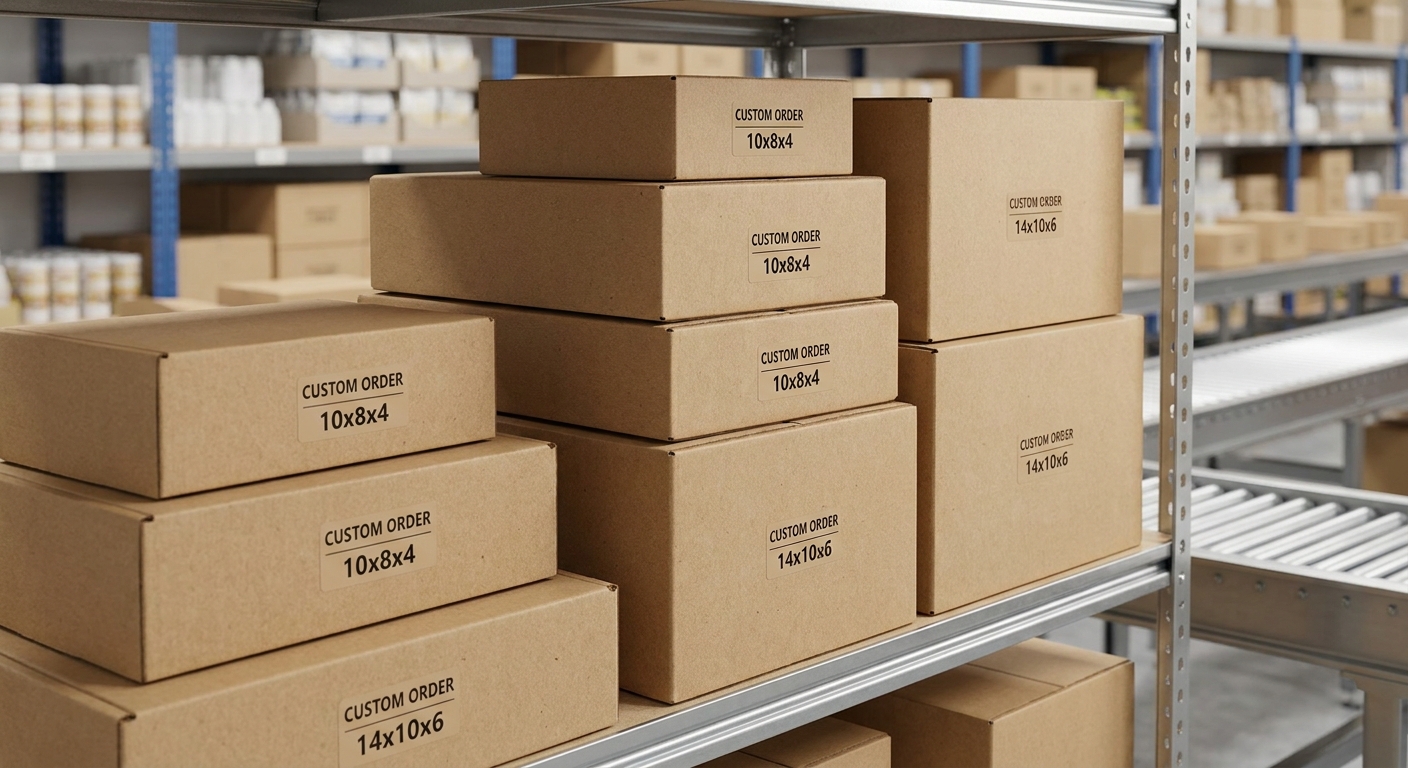
Choosing custom box types packaging is essential because stock sizing leads to shipping inefficiency, elevated shipping fees, and compromised product protection. By tailoring your structural footprint, you ensure an exact physical fit that minimizes void space and eliminates excess dimensional weight costs.
What benefits do tailor-made sizes offer?
When you design packaging specifically for your product, you reclaim control over shipping costs and protection.
Think about this:
- Lower dimensional weight (DIM weight) surcharges: Keeping the outer box size close to product dimensions prevents carriers from charging for empty air.
- Fewer void-fill materials: Precise fits remove the necessity of purchasing expensive bubble wraps, peanuts, or paper stuffing.
- Enhanced structural strength: Well-fit products help distribute external stacking loads instead of collapsing the outer walls.
You will notice that shipping carriers reward compact parcels with lower rates, meaning every inch saved directly increases your bottom line. Furthermore, custom dimensions reduce product movement inside the box, which keeps fragile components completely immobilized during bumpy transit routes.
Key Takeaway: Custom-engineered sizes consistently slash freight bills by up to 30% while securing fragile items during transit.
| Sizing Type | Material Cost | Freight Optimization | Structural Protection | |
|---|---|---|---|---|
| Stock Sizes | Low | Poor (high void ratio) | Moderate | |
| Custom Sizes | Moderate | High (optimized volume) | High |
Analyzing physical dimensions early prevents costly logistics adjustments down the road.
What are basic box types packaging options?
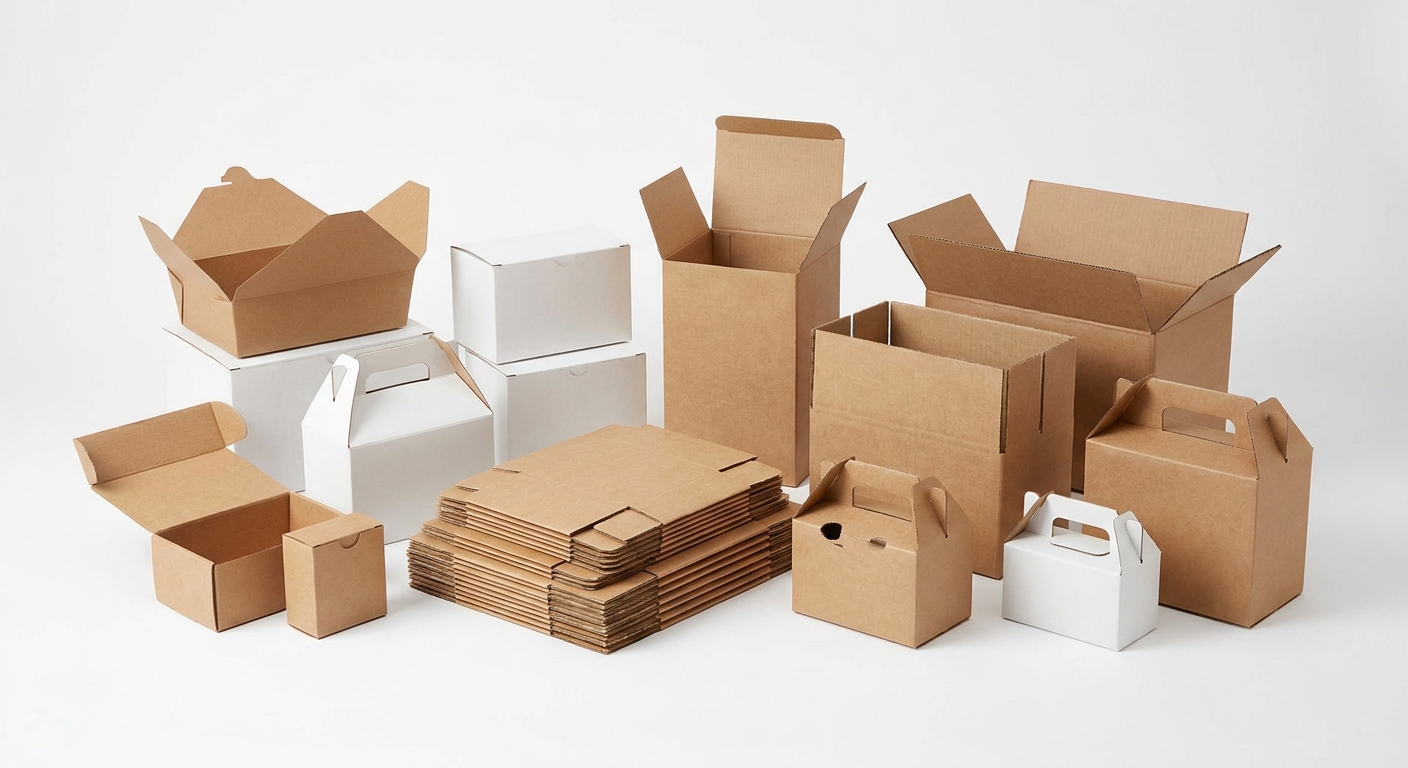
The foundation of retail commerce relies on three basic box types packaging options: folding cartons, corrugated fiberboard, and rigid setup boxes. Each format serves a distinct operational purpose, ranging from lightweight retail shelf displays to heavy-duty, multi-layered shipping containment.
Are folding cartons ideal for retail?
If you are launching a product for retail shelves, you need lightweight, high-print-quality containers that captivate consumers instantly.
Here is why:
- Excellent surface printability: Supports offset printing, foil stamping, spot UV, and intricate die-cut windows.
- Space-saving storage: These boxes ship and store completely flat to significantly reduce your warehousing costs.
- Lightweight construction: Thin paperboards ranging from 10pt to 28pt keep overall product weights low for cheaper retail shipping.
You can easily customize these folding structures to create a striking retail presence that sets your brand apart. They provide the perfect canvas for rich graphics, giving your cosmetics, electronics, or gourmet foods the luxury presentation they deserve.
Key Takeaway: Folding cartons are the gold standard for retail goods due to their low weight and immense graphic versatility.
| Packaging Type | Average Thickness | Best Suited For | Print Compatibility | |
|---|---|---|---|---|
| Folding Carton | 10 to 28 pt | Cosmetics, Food, Pharma | Offset, Flexo, Digital | |
| Corrugated | 1/16″ to 1/4″ | Shipping, E-commerce | Flexo, High-End Litho |
Balancing paperboard thickness with visual print finishes optimizes retail shelf impact without exceeding your packaging budget.
How does box types packaging impact shipping?
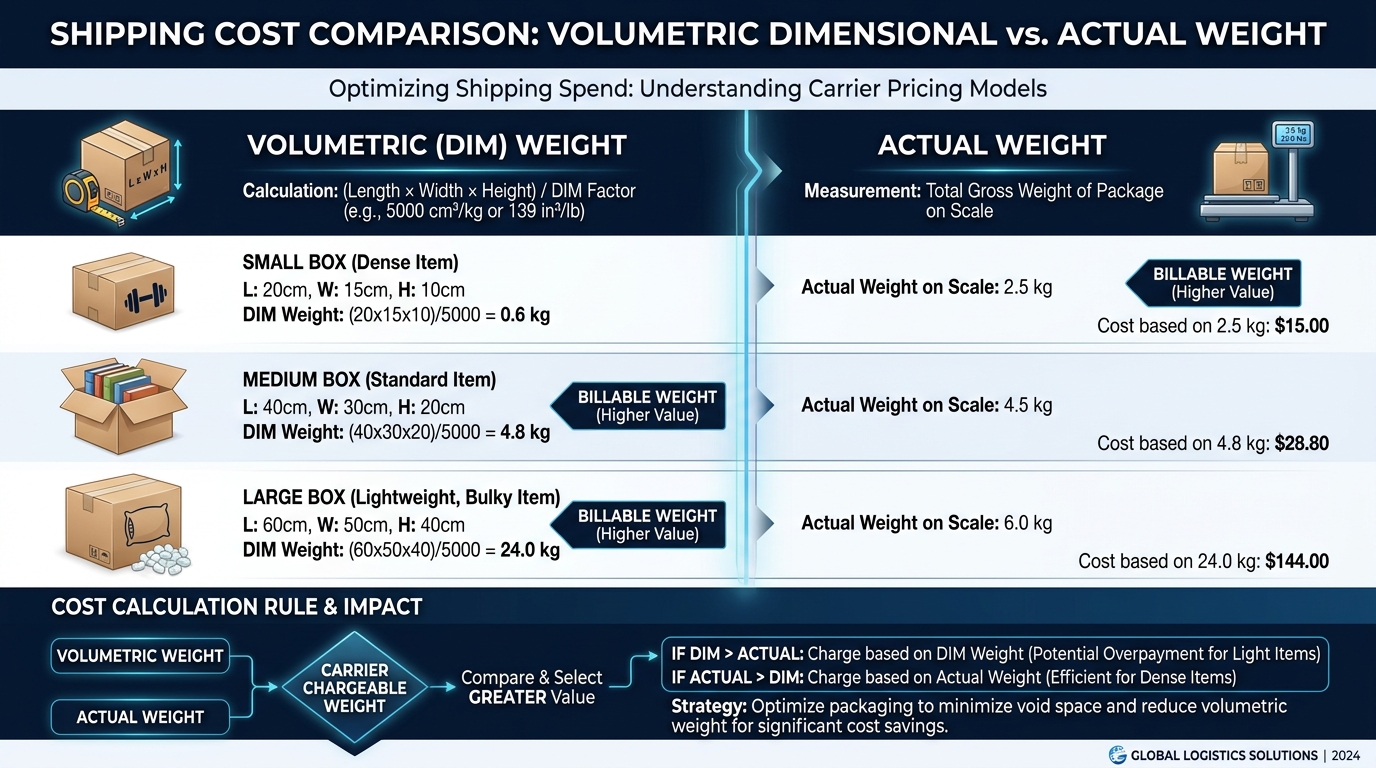
Selecting the incorrect box types packaging configuration can lead to staggering shipping penalties and structurally damaged inventory. Standard parcel carriers calculate rates using volumetric density, which means oversized boxes with lightweight items incur inflated dimensional weight fees.
Does corrugated board reduce transit damage?
When you ship products through harsh e-commerce delivery networks, you need the resilient structural layout of corrugated board.
But wait, there is more:
- Shock-absorbing fluting: The arched paper wave patterns dissipate external pressure and absorb heavy shocks.
- Versatile flute sizes: Options like B-flutes provide high crush resistance, while E-flutes offer a superior printing surface.
- Multi-wall protection: Double-wall or triple-wall boards are engineered to survive stacked warehouse environments.
You will find that corrugated material acts as an engineered buffer, protecting your items from drops and vibrations. This significantly reduces your product return rates, protecting your bottom line and boosting customer satisfaction.
Key Takeaway: Utilizing appropriate corrugated flutes guarantees transit safety while lowering structural failure rates during high-drop distribution cycles.
| Flute Profile | Thickness (inches) | Primary Application | Crush Resistance | |
|---|---|---|---|---|
| B-Flute | 1/8″ | Retail Boxes, Counter Displays | High Flat Crush | |
| C-Flute | 3/16″ | Shipping Cartons (Standard) | High Vertical Stack | |
| E-Flute | 1/16″ | E-commerce Mailers, Cosmetics | Very High Graphic Surface |
Matching the exact flute profile to your shipping channel protects fragile goods while minimizing volumetric dimensions.
Which box types packaging suits heavy goods?
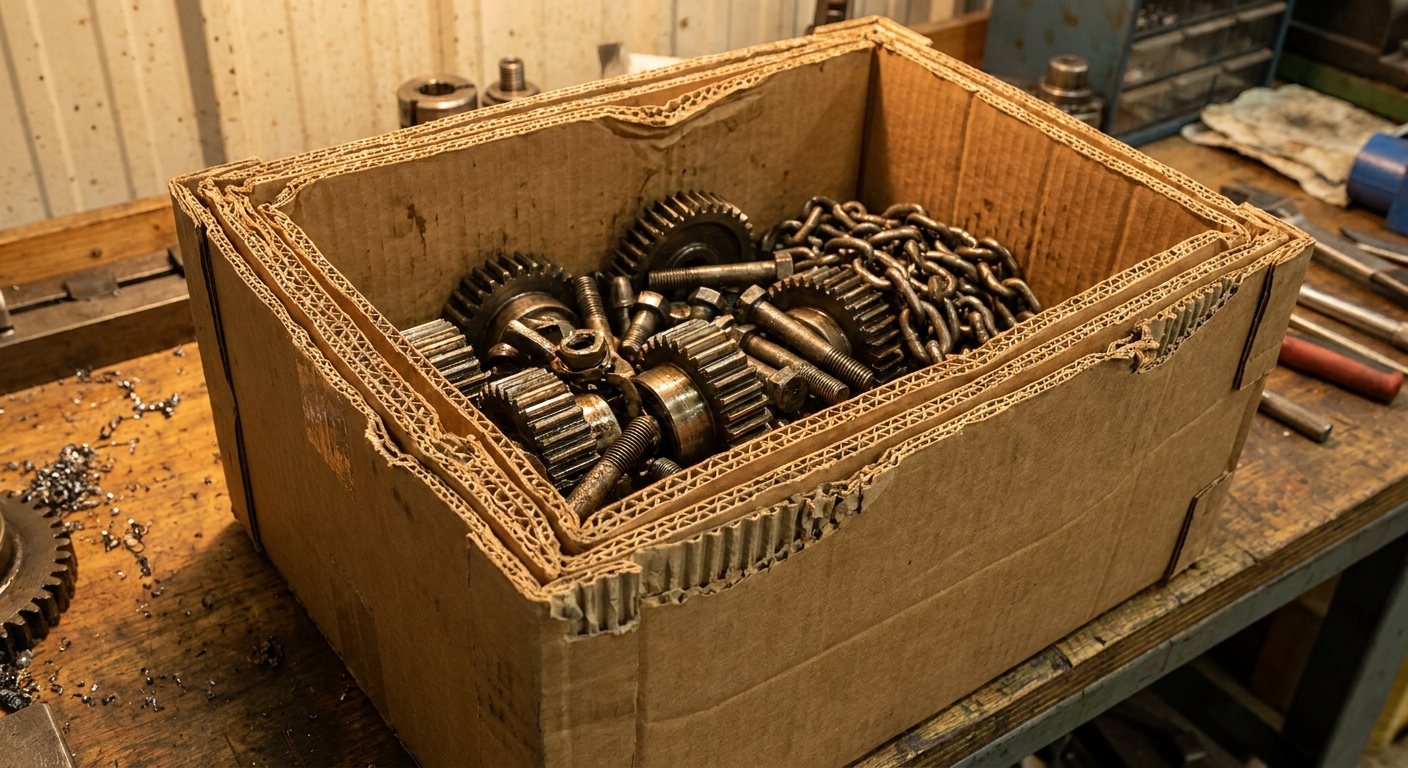
Industrial products and heavy appliances require heavy-duty box types packaging formats constructed from double-wall or triple-wall corrugated fiberboard. These heavy-duty configurations prevent tearing, bursting, and structural collapsing during high-stack vertical warehouse storage.
Is rigid packaging better for fragile items?
When you deal with dense, high-value, or extremely delicate items, you need a non-bendable structural shell.
Think about this:
- Thick condensed chipboard: Offers a highly durable framework up to four times thicker than standard folding cartons.
- Indestructible walls: This structure does not collapse or fold, providing immense resistance to side impacts.
- Molded interior options: Integrates seamlessly with precision-cut foam inserts to completely immobilize your product.
You will deliver a world-class unboxing experience while ensuring the highest level of physical defense. Rigid paperboard structures absorb the brunt of shipping abuse so your premium electronics or glass items arrive flawlessly.
Key Takeaway: Rigid paperboards offer premium structural reinforcement, making them indispensable for fragile high-end consumer electronics.
| Material | Structural Flex | Shock Absorption | Cost Factor | |
|---|---|---|---|---|
| Rigid Chipboard | Non-existent | High (with foam inserts) | Premium | |
| Corrugated Board | Moderate | High (via air flutes) | Cost-Effective |
Utilizing rigid materials for heavy, luxury items eliminates structural deformation during prolonged transit.
Can premium box types packaging boost sales?

Implementing premium box types packaging designs can directly influence consumer perception and drive substantial repeat purchase rates. Luxury materials and specialty finishes elevate the unboxing experience from a mundane chore into a highly shareable social media moment.
Do luxury cosmetic brands prefer rigid boxes?
If you want to justify premium price points, you must leverage tactile sensory feedback to delight your customers.
Here is the kicker:
- Audible premium feel: Magnetic closures create a highly satisfying physical “snap” on opening.
- Specialty paper textures: Textured finishes like linen or soft-touch matte elevate the visual appeal.
- Keepsake value: Consumers naturally reuse these beautiful boxes, keeping your brand in their homes for years.
You can turn a simple transaction into an emotional connection through high-end structural presentations. When the customer opens a beautifully crafted box, they immediately perceive your brand as a leader in quality.
Key Takeaway: Rigid packaging is a powerful physical marketing vehicle that converts standard cosmetic products into luxury lifestyle collectibles.
| Feature | Standard Packaging | Premium Rigid Packaging | Brand Impact | |
|---|---|---|---|---|
| Opening Experience | Utility Fold | Magnetic, Two-piece lift | Unforgettable | |
| Surface Texture | Standard Semi-gloss | Soft-touch, Linen embossed | High Tactile Value |
Investing in sensory-rich premium boxes directly correlates with higher customer lifetime value and brand loyalty.
Are sustainable box types packaging costly?
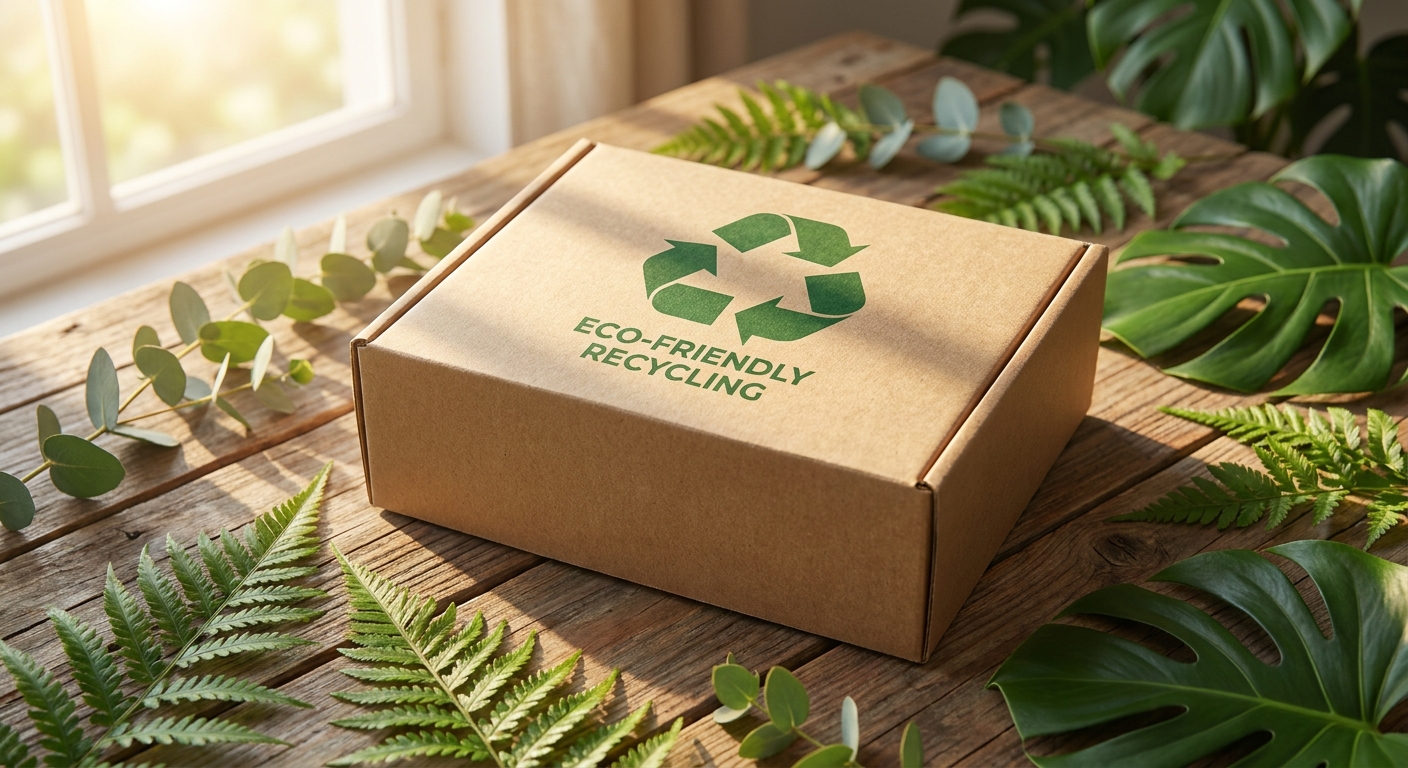
Transitioning to eco-friendly box types packaging formats does not require inflated material budgets or complex manufacturing tooling. In reality, modern green solutions like post-consumer recycled paperboard and water-soluble inks can actively lower your shipping weights and storage overhead.
Can recycled kraft paper lower total expenses?
When you adopt raw kraft material, you immediately appeal to modern eco-conscious shoppers while saving on manufacturing overhead.
Simply put:
- No chemical bleaching: Retaining the natural brown shade reduces chemical processing costs dramatically.
- 100% curbside recyclable: Your customers can easily recycle the material without sorting hassle.
- High tensile strength: Long, interlocking natural wood fibers offer exceptional structural durability.
You do not have to compromise on strength or aesthetic beauty to achieve your environmental goals. Recycled kraft looks clean, organic, and modern, instantly signaling your brand’s commitment to sustainability.
Key Takeaway: Recycled kraft provides high tensile strength and deep ecological value at a fraction of the cost of bleached virgin fibers.
| Metric | Virgin Bleached Board | Recycled Kraft Board | Eco-Savings Ratio | |
|---|---|---|---|---|
| Chemical Processing | High | Minimal | ~60% Less Water | |
| Recyclability | Conditional | 100% Curbside | Endless Loops |
Adopting unbleached kraft paperboard delivers structural reliability while highlighting green credentials at a lower unit cost.
Where to source custom box types packaging?
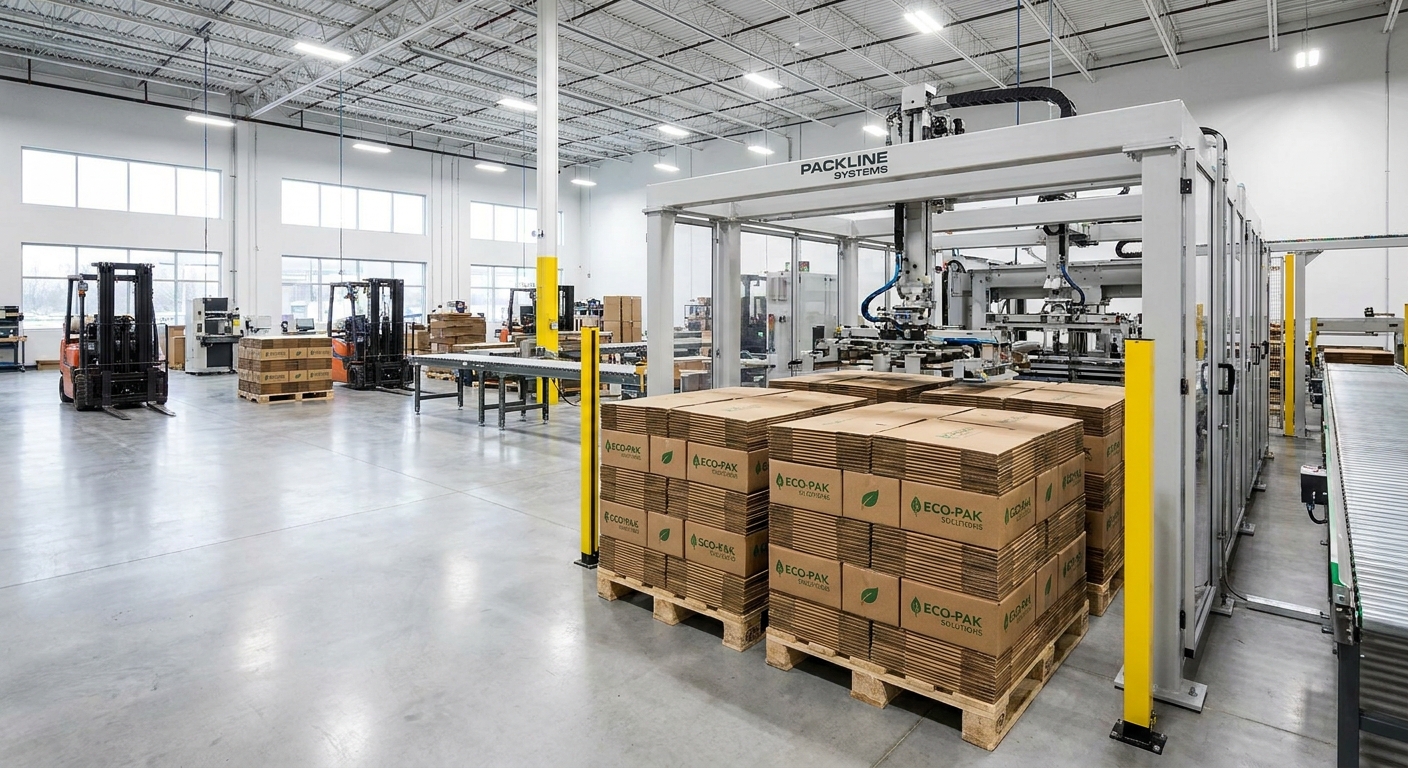
Sourcing premium box types packaging involves navigating raw material suppliers, packaging structural designers, and industrial offset printing facilities. Working directly with an end-to-end packaging manufacturer minimizes communication errors, reduces lead times, and secures bulk wholesale pricing models.
Should you partner directly with manufacturers?
When you work directly with the factory, you eliminate costly middlemen and gain direct access to engineering expertise.
Make no mistake:
- Flexible order quantities: You get negotiable pricing tiers and low minimum order quantities.
- Rapid CAD updates: You can alter structural dielines and prototypes in real time with factory designers.
- Superior quality control: You resolve material or color alignment issues instantly without broker delays.
You will accelerate your time-to-market and avoid hidden broker markups that drain your budget. This close collaboration guarantees your final custom boxes match your conceptual designs perfectly.
Key Takeaway: Direct-to-manufacturer procurement saves up to 25% in hidden margins while speeding up time-to-market.
| Procurement Channel | Communication Speed | Total Sourcing Cost | Dieline Customization | |
|---|---|---|---|---|
| Sourcing Broker | Delayed | High (marked up) | Limited | |
| Factory Direct | Real-time | Low (wholesale) | Unlimited |
Partnering directly with a manufacturer secures raw material consistency and protects your supply chain from sudden delays.
How to size your box types packaging right?

Sizing your custom box types packaging correctly requires precision measurements of your physical product’s length, width, and height. Failing to calculate the interior dimensional clearances of your box will result in a container that is either too small to fit the product or too large to safely secure it.
How do you calculate interior dimensions?
To protect your products from transit shock, you must measure the interior dimensions of the box, not the exterior.
To get it right:
- Measure three distinct axes: Find the maximum length, width, and height, including any product protrusions.
- Add a clearance buffer: Leave about 1/16″ to 1/8″ of extra space on all sides to allow easy loading.
- Account for inserts: Subtract the thickness of your custom foam or paper pulp trays from the interior specs.
You can prevent your products from sliding around or bursting through the seams during automated parcel sorting. A snug fit reduces structural wear and tear and maximizes your freight efficiency.
Key Takeaway: Precise interior dimension planning ensures a snug protective fit and prevents catastrophic shipping shifting.
| Dimension Target | Buffer Applied | Insert Clearance | Structural Risk | |
|---|---|---|---|---|
| Tight Fit | 0.0″ | None | High (tearing) | |
| Snug Fit | +0.125″ | 1/8″ cushioning | Zero (optimized) |
Applying a standardized 1/8-inch safety buffer prevents physical product abrasion without inflating dimensional weight.
Who designs complex box types packaging?
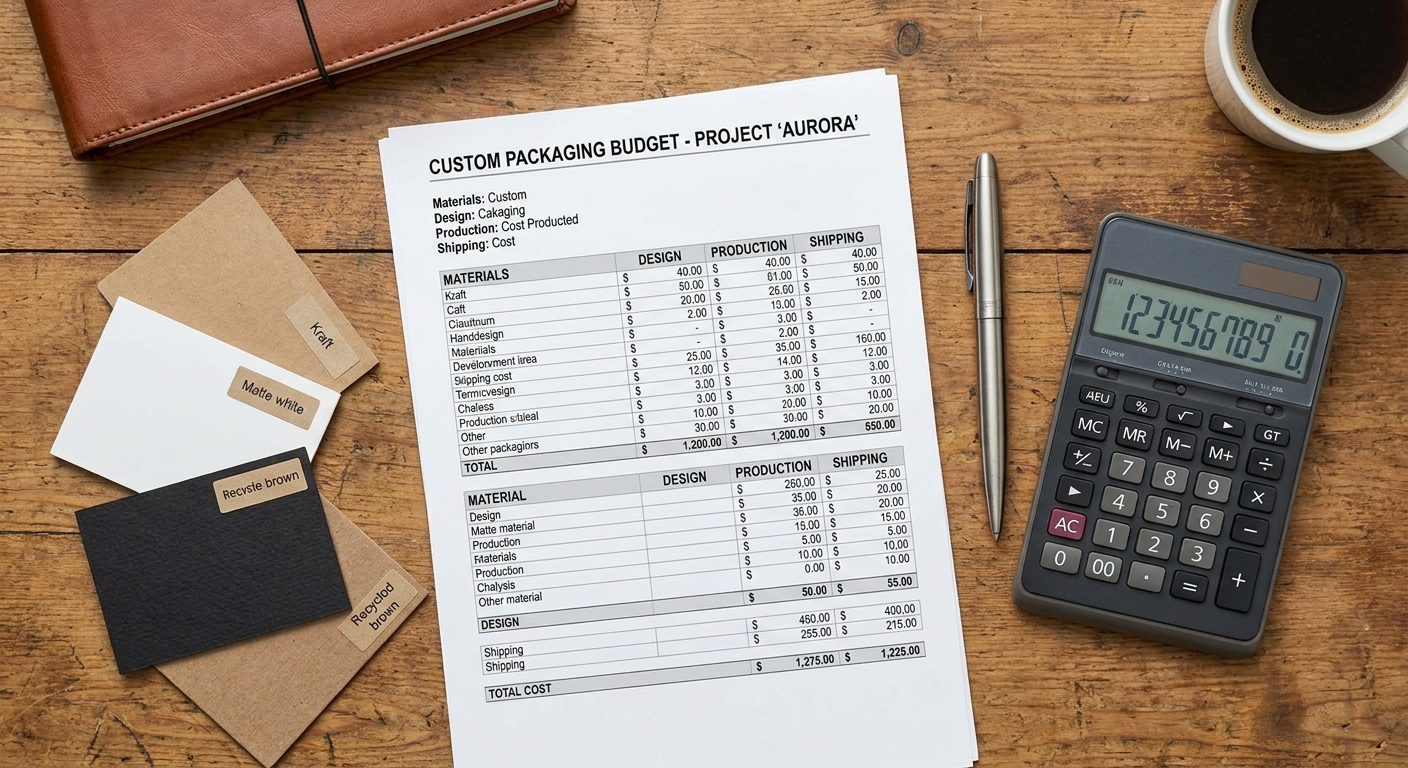
Designing intricate box types packaging requires specialized CAD software, high-speed plotting machinery, and structural engineering expertise. Professional packaging engineers analyze paper weight constraints, stress distribution, and flap folding sequences to build stable containers.
Can structural engineers optimize your layouts?
When you leverage professional engineering expertise, you ensure your design is both highly functional and economical to produce.
This is crucial:
- Flap tolerance accuracy: Engineers ensure your interlocking panels tab and lock together securely.
- Compression simulation: Designers calculate the load-bearing thresholds to withstand warehouse stacking.
- Nesting optimization: Engineers lay out dielines to minimize cardboard waste on the printing sheets.
You will avoid expensive trial-and-error prototyping cycles by getting the engineering right from the start. This technical precision protects your products while keeping unit production costs as low as possible.
Key Takeaway: Structural packaging engineers eliminate costly human error, making them critical partners for custom high-volume operations.
| Engineering Step | Tooling Used | Problem Solved | Success Metric | |
|---|---|---|---|---|
| Dieline Creation | CAD Software | Structural alignment | Perfect seams | |
| Sheet Nesting | Yield Optimizer | Raw material waste | <5% sheet scrap |
Utilizing specialized CAD dieline structures minimizes board waste and guarantees consistent automated folding.
Why test new box types packaging prototypes?
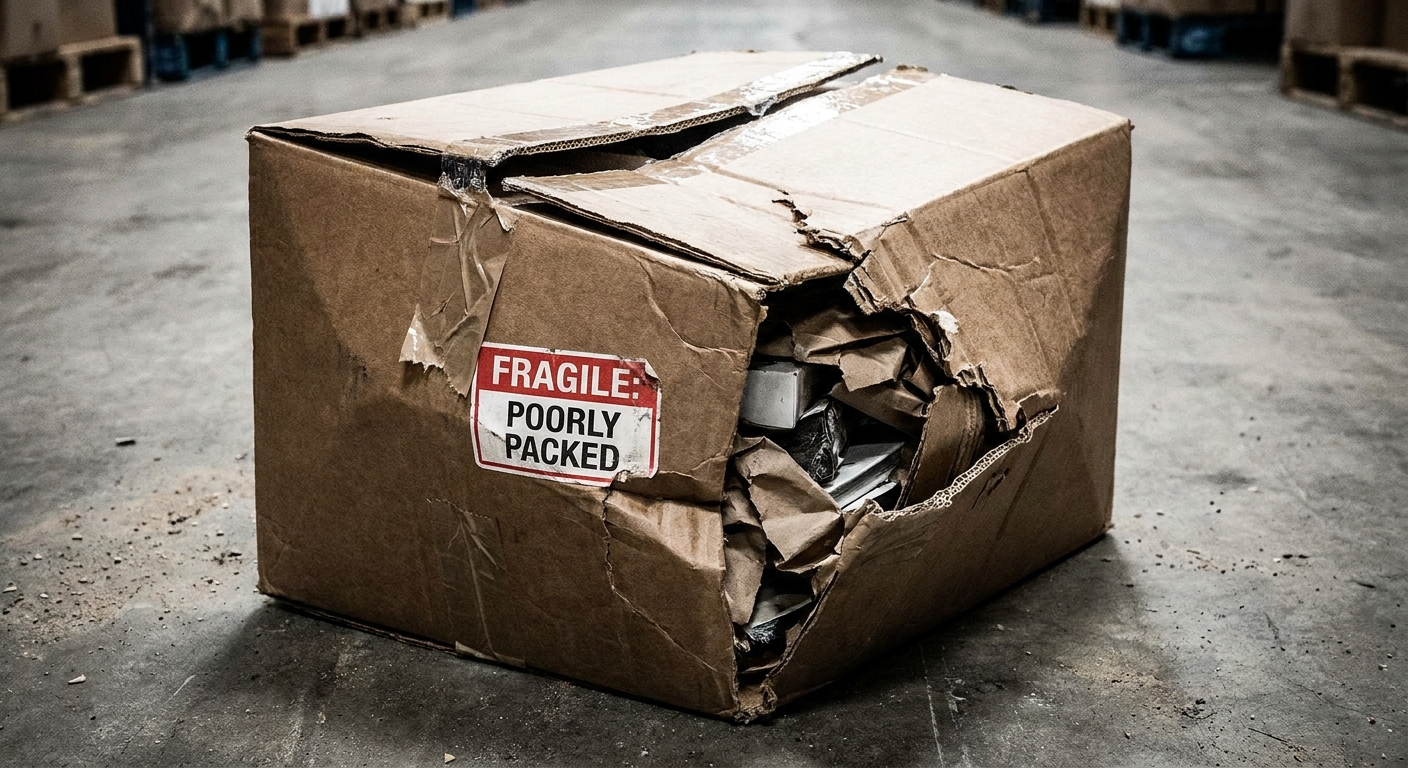
Before printing millions of consumer-facing containers, you must validate your chosen box types packaging using physical mockups and dynamic laboratory tests. Real-world physical handling exposes hidden structural flaws, such as weak stress-bearing points or glue flap failures, that do not show up on digital mockups.
Do drop tests protect your physical products?
When you subject your packaging to rigorous physical simulations, you identify weak points before they harm your reputation.
Look at the numbers:
- ISTA drop tests: Simulated falls from various heights test impact resistance on corners, edges, and flat faces.
- Edge Crush Tests (ECT): These assess the vertical stacking strength of your corrugated board.
- Vibration simulations: Tests verify if your inner compartments hold together during long bumpy truck routes.
You will rest easy knowing your valuable inventory is fully protected against any logistical challenge. Running these physical experiments ensures your product arrives in perfect condition, protecting your margins from costly replacement returns.
Key Takeaway: Dynamic load and drop testing reduces transit damage rates to virtually zero, shielding profits and keeping customers happy.
| Test Type | Metric Evaluated | Primary Simulated Threat | Compliance Standard | |
|---|---|---|---|---|
| Edge Crush (ECT) | Stacking strength | Vertical warehouse stacking | TAPPI / ASTM | |
| ISTA-1A Drop | Corner impact force | Mechanical sorting drops | ISTA |
Validating prototypes through certified testing standards prevents expensive shipping damages and retail chargebacks.
Conclusion
Understanding the structural differences between folding cartons, corrugated board, and rigid setup packaging is vital for business success. Sizing your boxes correctly, utilizing eco-friendly materials, and partnering directly with experienced manufacturers will reduce shipping costs, decrease damage rates, and elevate your brand image.
Ready to transform your physical presentation? To design, prototype, and print the perfect structural box layout for your catalog, contact us today to collaborate with our in-house engineering and production experts.
FAQs
Can I customize the interior design of my shipping box?
Yes, you can customize the interior of your shipping boxes using personalized color prints, structural cardboard partitions, molded paper pulp trays, or precision-cut EVA foam inserts.
What is the best box types packaging for heavy cosmetics?
The best choice for heavy cosmetics is a hybrid setup: a rigid chipboard box with custom-cut structural inserts, or a dense E-flute corrugated mailer if shipping directly to consumers via postal parcel.
Can I order physical samples before committing to a bulk production run?
Yes, you can order digital mockups and unprinted physical CAD samples from professional manufacturers to verify your sizing, material strength, and graphic layouts before committing to bulk manufacturing.
What is the minimum order quantity for custom printed folding cartons?
Typically, minimum order quantities start around 300 pieces to offset the setup costs of industrial printing presses and custom die-cutting tooling.
How long does it typically take to manufacture custom corrugated mailers?
The manufacturing process generally takes between 10 to 15 business days following final structural dieline approval, graphic design proof sign-offs, and payment processing.