
Yes, custom leather bound book printing is absolutely worth the investment for high-end publishing projects, although finding a manufacturer that balances traditional tactile craftsmanship with modern B2B scalability remains a persistent struggle for global brands and publishers. Standard paperback and low-grade hardcover bindings frequently fail to reflect the premium value of specialty books, resulting in fragile spines, warping covers, and an underwhelming physical presence that diminishes brand equity. Sourcing teams are often forced to choose between artisan workshops that cannot scale and massive factories that compromise on bespoke finishing. King Tai resolves these production bottlenecks by offering professional custom leather bound book printing services that unify master-level craftsmanship with advanced industrial capacities. Our end-to-end B2B manufacturing process guarantees that every cover texture, spine structure, and gilded edge remains flawlessly consistent from the approved physical sample to full bulk delivery.
Is custom leather bound book printing worth it?
Yes, custom leather bound book printing is worth the investment because it transforms standard text into a highly durable, premium keepsake that significantly elevates your brand value. Sourcing teams select this format when they need to deliver exceptional sensory experiences that digital screens simply cannot replicate. By investing in premium outer substrates, you establish a tactile legacy that outlasts cheap, paper-based alternatives.
The physical integrity of leather keeps pages fully protected under continuous handling. This aesthetic resilience is crucial for collectible editions, family heirlooms, or executive notebooks. Your readers will immediately notice the substantial weight and prestige of the volume.
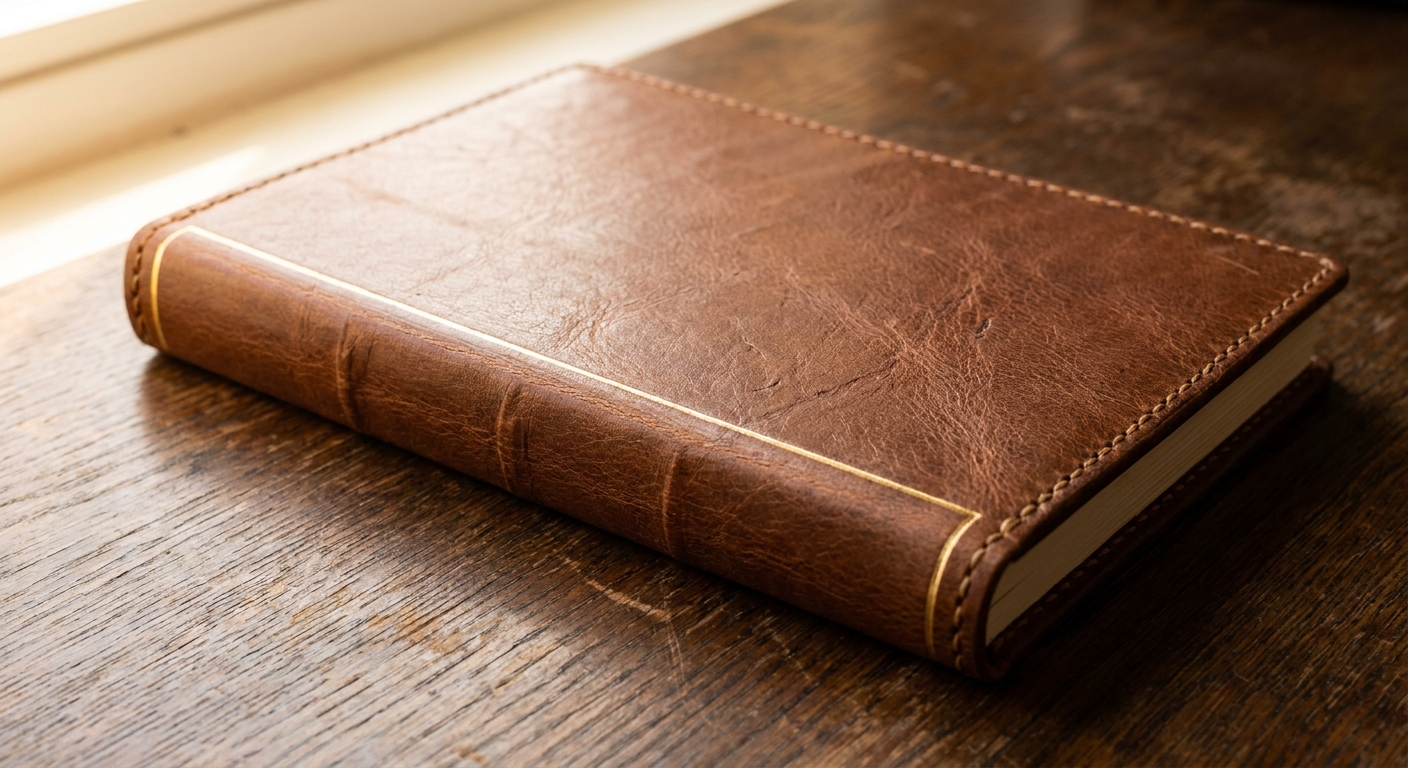
Why standard covers fail premium books
Here is the thing: standard paper-bound books lack the structural reinforcement necessary to survive decades of shelf wear and active reference. Sourcing high-end products requires materials that match your brand’s commitment to longevity. Cheap bindings crack under minimal spine tension, causing pages to detach and edges to fray.
Standard paper-based covers degrade rapidly due to several key vulnerabilities that can ruin your reader’s experience:
- Structural warping under mild temperature and humidity fluctuations.
- Hinge failures along basic glue seams after repeated openings.
- Surface degradation including scratches and color fading from physical friction.
The lasting value of leather binding
Look: choosing leather-bound finishes establishes a lasting emotional connection with your audience and solidifies your market positioning. The tactile richness of leather naturally signals high craftsmanship, encouraging recipients to preserve your volume for generations. Over time, the amortization of these print costs translates to immense brand equity and customer loyalty.
Thus, the perceived value of each book continues to rise long after delivery. These premium volumes consistently outperform paper covers in key areas:
- Exceptional durability under continuous active handling.
- Superior aesthetic aging that develops a beautiful physical character.
- High-end alignment with prestigious corporate branding.
Key Takeaway: Fine leather bookbinding turns literature into a high-value physical asset that preserves your message indefinitely.
| Feature / Metric | Standard Paper Covers | Custom Leather Binding | |
|---|---|---|---|
| Structural Lifespan | 2 to 5 years under active use | 50+ years with archival permanence | |
| Tactile Impression | Low-weight, common commercial feel | Heavy, premium textured haptic profile | |
| Resilience to Moisture | High risk of paper warping | Highly resistant with sealed finishes | |
| Perceived Brand Value | Standard retail commodity | Premium luxury or heirloom asset |
Evaluating these structural differences reveals why a leather upgrade pays dividends over time.
How does custom leather bound book printing work?
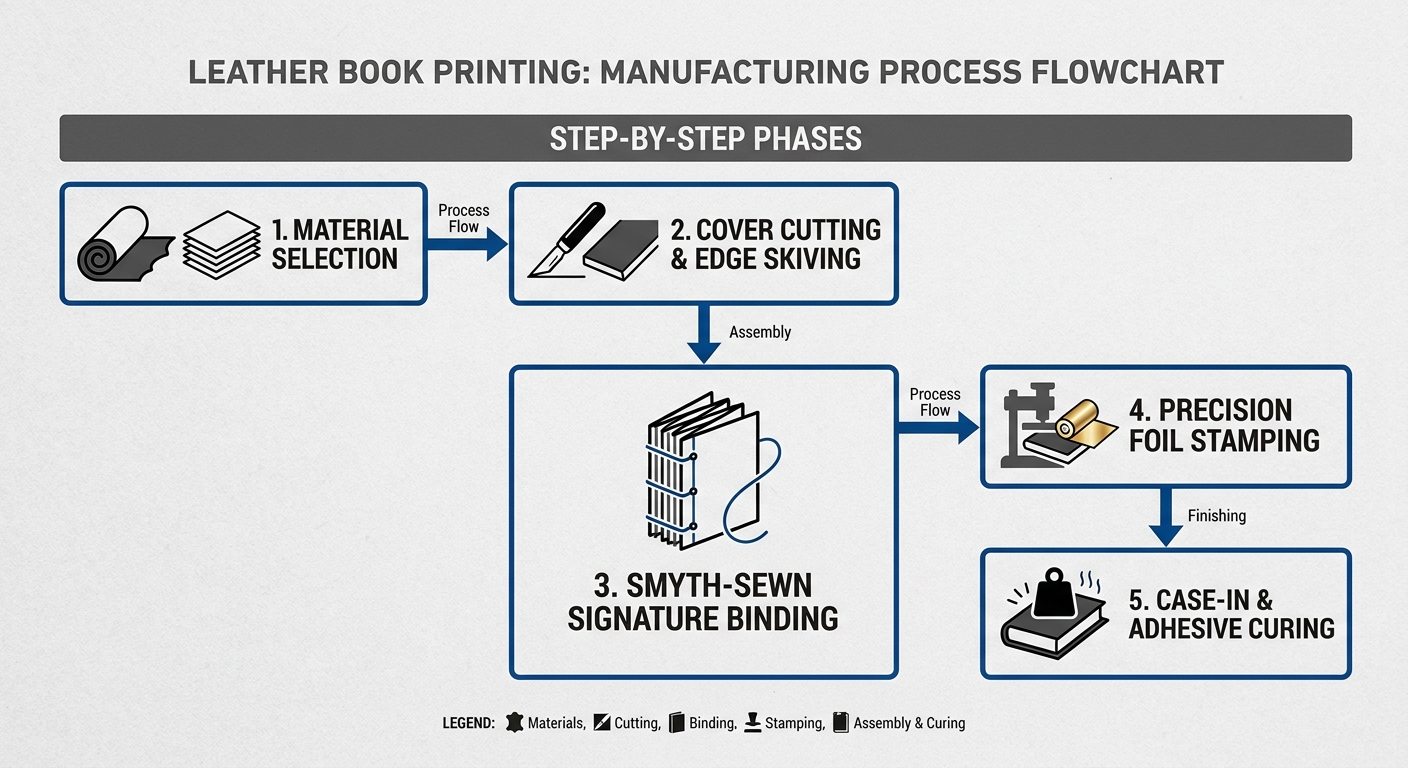
The process of custom leather bound book printing works by systematically aligning digital layout files, premium material selections, and advanced automated binding machinery. At our modern facility, we orchestrate these complex phases to ensure your designs transition seamlessly from digital concept to bulk physical production. Every production step is monitored carefully to guarantee structural accuracy and visual appeal.
Precision engineering dictates how leather covers are cut, wrapped, and bonded. This structured pipeline reduces manufacturing errors and optimizes material yield. Sourcing teams can thus scale their publishing projects with absolute confidence.
Step 1: Material selection phase
But wait, there’s more: choosing the wrong adhesive or grain style can cause the spine to warp or standard foil stamps to peel. Sourcing the perfect cover substrate and interior paper weight defines the physical success of your final volume. We help you pick compatible material combinations early in the consultation stage.
To guarantee physical quality, you must align:
- Cover substrate thickness and realistic stretch capability.
- Interior page weight measured in GSM and opacity.
- Adhesive formulations tailored specifically to your chosen leather.
Step 2: Press production and binding
Here is the thing: once materials are chosen, the pages are printed on modern offset presses and folded into precise signatures. These signatures are Smyth-sewn together to ensure maximum flexibility and resistance to page-pull. Finally, the leather cover is hand-fit over the heavy greyboard core before case-in assembly.
It is the ultimate synthesis of artisan skill and industrial speed. Our production line maintains several critical benchmarks:
- Signature tolerances monitored down to sub-millimeter scales.
- High thread-tension binding to prevent loose inner blocks.
- Perfect case-in centering via specialized optical sensors.
Key Takeaway: Understanding the manufacturing phases helps you make informed choices about materials and design boundaries.
| Production Milestone | Key Objectives | Quality Control Focus | |
|---|---|---|---|
| Material Sourcing | Select leather grades and interior paper stocks | Verify grain consistency and paper opacity | |
| Signature Printing | Print and fold multi-page layout signatures | Color-match verification and signature alignment | |
| Smyth Sewing | Thread-stitch pages into unified book blocks | Tension checks to prevent loose signatures | |
| Case-In Assembly | Bond the sewn pages to the custom leather cover | Alignment of spine hinges and adhesive curing |
This disciplined workflow ensures that your volume undergoes a perfect transition from digital files to high-end reality.
Why use custom leather bound book printing today?
You should use custom leather bound book printing today because physical luxury items build irreplaceable credibility and brand permanence in a crowded digital marketplace. When your competitors are relying on short-lived emails and digital PDFs, a gorgeous leather-bound volume makes a permanent statement. Sourcing teams utilize these high-end assets to stand out during critical executive campaigns.
The unique aroma and rich texture of leather captivate your audience immediately upon arrival. This deep sensory engagement reinforces your status as an industry leader. It turns simple corporate documentation into an interactive brand experience.

Building brand equity through touch
The best part? Readers who hold a heavy, textured leather book associate its premium physical qualities directly with your business services. Tactile marketing utilizes physical objects to stimulate cognitive memory and cultivate brand appreciation. This haptic association builds long-term psychological trust.
Touch remains an exceptionally powerful sense:
- Deep grain patterns satisfy physical touch expectations.
- Substantial weight conveys corporate security, legacy, and authority.
- Foil accents catch the ambient light to please the eye.
Creating timeless corporate gifts
But wait, there’s more: distributing personalized leather journals or custom company histories to executive clients establishes an enduring corporate legacy. Standard promotional merchandise like plastic pens get thrown away, but a leather keepsake stays on the desk forever. It acts as a silent brand ambassador that coordinates beautifully with luxury office environments.
This strategy keeps your brand top-of-mind during key purchasing decisions. Many successful companies choose this format for:
- Executive milestones and long-service awards.
- Company memoirs celebrating major corporate anniversaries.
- Premium client gifts that strengthen corporate relationships.
Key Takeaway: Leveraging premium touch points ensures your brand remains memorable in a digital-first era.
| Marketing Channel | Retention Period | Audience Engagement level | |
|---|---|---|---|
| Digital Whitepapers | 5 to 10 minutes (quickly forgotten) | Low – high distraction environment | |
| Standard Softcovers | 1 to 3 months (frequently discarded) | Medium – basic physical utility | |
| Leather bound volumes | Decades (permanently kept on desk/shelf) | Extremely high – valued as an asset |
Touch is a major differentiator, which explains why leather remains the executive standard for physical corporate assets.
Who needs custom leather bound book printing?
Publishers, luxury brand managers, and corporate sourcing teams who require high-durability volumes and supreme prestige need custom leather bound book printing. From faith-based publishers to elite corporate groups, having a high-end option satisfies the most demanding audiences. Sourcing managers trust these specialized formats to convey authority, heritage, and value.
These editions are built for institutions that refuse to compromise on visual presentation or structural longevity. They turn standard content into a coveted, tactile treasure. By targeting your audience with high-end volumes, you elevate your brand standard.

Scripture and Bible publishers
Look: standard glues deteriorate quickly under frequent folding, making thread-sewn leather binding the only viable choice for scriptures. Religious publishers require bindings that withstand constant handling while preserving delicate, lightweight paper pages. This traditional combination ensures that sacred texts remain structurally sound for decades of study.
Scripture printing demands unique production parameters:
- Acid-free paper to prevent long-term page yellowing.
- Reinforced endpapers to handle thick, heavy covers.
- Silk ribbon markers to simplify daily page navigation.
High-end journal and stationery designers
The reality is simple: boutique stationery brands rely on the visual pop of leather covers to attract affluent retail buyers. A blank journal wrapped in textured, debossed faux leather commands a much higher retail premium than cardboard variants. It meets the expectations of creative professionals who demand elegance on their desks.
These designers appreciate subtle accents like rounded corners or contrasting edge stitching. Professional stationery brands optimize their products using:
- Contrasting elastic closures to secure internal contents.
- Integrated pen loops for convenience on the go.
- Expandable back pockets to store loose sheets of paper.
Key Takeaway: Whether for scripture or creative notebooks, leather formatting serves as the ultimate badge of quality.
| Industry Niche | Primary Requirement | Common Customizations | |
|---|---|---|---|
| Bible & Scripture | Durability, thin page compatibility | Rounded spines, gilded edges, dual ribbons | |
| Boutique Stationery | High aesthetic appeal, lay-flat usability | Flexibound covers, elastic bands, pen loops | |
| Corporate Archives | Permanent structural integrity | Heavy board case bound, deep blind debossing |
Understanding these target market demands helps you customize your production specifications to maximize recipient satisfaction.
Which cover is best for custom leather bound book printing?
Choosing the best cover for your custom leather bound book printing depends entirely on your specific aesthetic goals, durability requirements, and budget limits. Different cover substrates react uniquely to custom finishing techniques like heat debossing or metallic foil application. Selecting the appropriate cover option upfront ensures your book looks pristine throughout its active lifestyle.
From eco-friendly options to traditional leather fibers, your material choice dictates the overall sensory profile. Sourcing managers must carefully weigh the pros and cons of each cover type. Selecting the right texture elevates the tactile feel of the finished product.
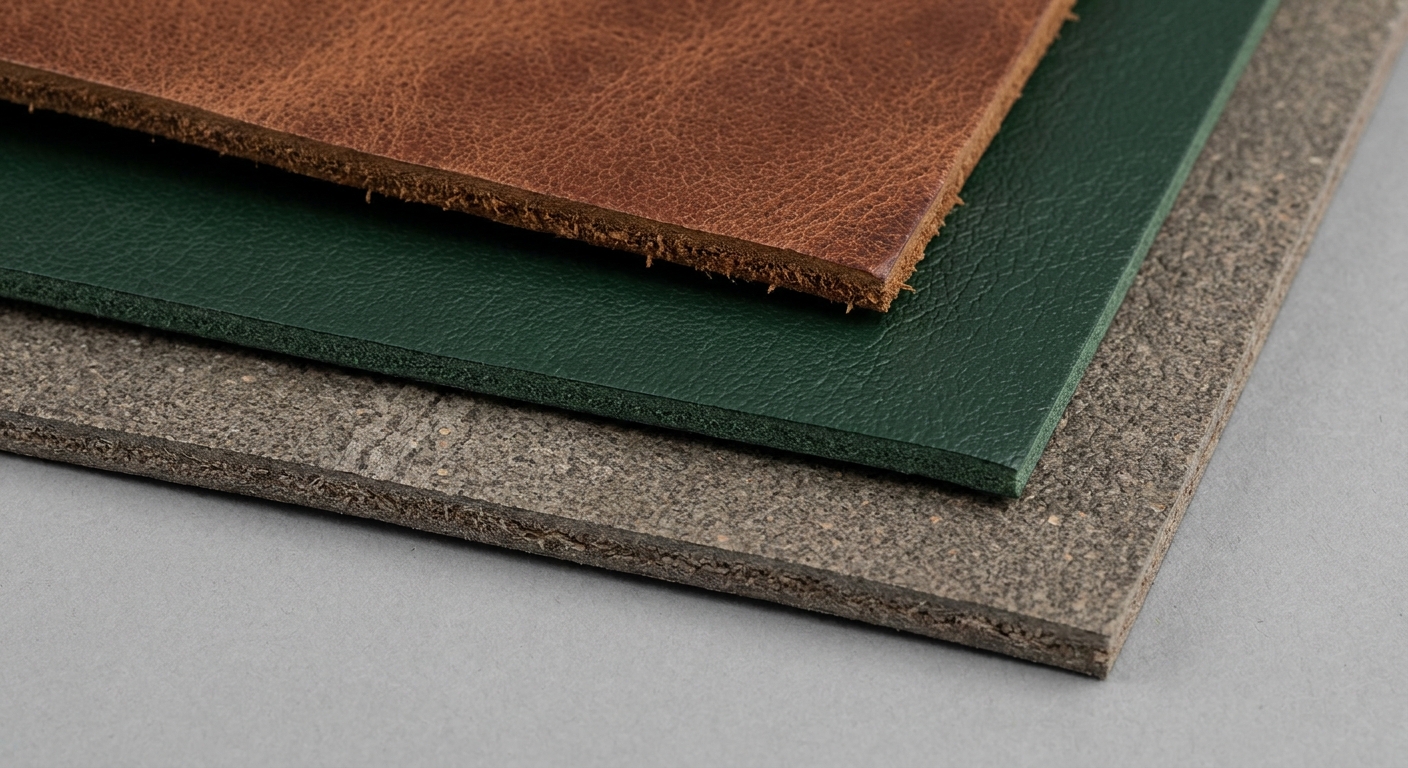
Bonded leather vs eco-friendly faux leather
But wait, there’s more: premium PU faux leather offers unmatched grain consistency and resists cracking over time much better than low-grade bonded options. Bonded leather utilizes natural shredded leather fibers combined with adhesive binders, while PU faux leather is completely synthetic and highly customizable. It is also an excellent option for brands focused on cruelty-free corporate values.
Consider these structural material facts:
- Polyurethane (PU) leather provides superior water resistance.
- Bonded leather delivers a highly classic, organic aroma.
- Faux substrates support vibrant, custom color applications.
Texture selection and aesthetic impact
Make no mistake: the texture of your cover material directly affects how cleanly metallic foils adhere during production. A heavy, pebbled grain looks rustic and traditional but can cause thin vector lines in foil designs to break up. In contrast, a smooth matte finish allows for hyper-intricate metallic detailing and crisp typography.
Choosing the right grain alters the overall design language of the volume. Ensure your artwork matches:
- The depth of the selected leather grain.
- The line weight of custom foil designs.
- The alignment of debossed cover patterns.
Key Takeaway: Selecting the correct leather substrate ensures that your customized cover artwork translates flawlessly onto the physical book.
| Material Type | Surface Texture Profile | Foil Compatibility | Environmental Footprint | |
|---|---|---|---|---|
| Premium PU Leather | Highly uniform, smooth or pebble grain | Excellent (sharp detail retention) | Eco-friendly options available | |
| Bonded Leather | Natural textured fiber variations | Good (suited for medium line weights) | Reclaimed leather byproduct | |
| Genuine Leather | Organic, irregular pore patterns | Moderate (demands skilled craftsmanship) | Traditional animal hide byproduct |
Aligning your visual artwork with the proper material grain is critical to preventing printing and debossing defects.
What binding suits custom leather bound book printing?
Smyth-sewn thread binding is the most suitable method for custom leather bound book printing because it allows heavy covers to lay completely flat without spine cracking. This traditional binding technique uses thread to stitch folded paper signatures together, creating an incredibly flexible spine. If you attempt to use basic glues, the physical weight of the leather casing will pull the pages apart over time.
For luxury editions, your choice of binding dictates both user comfort and long-term durability. Sourcing teams prioritize structural engineering above all else to avoid customer complaints. A properly bound book feels secure in the hand.
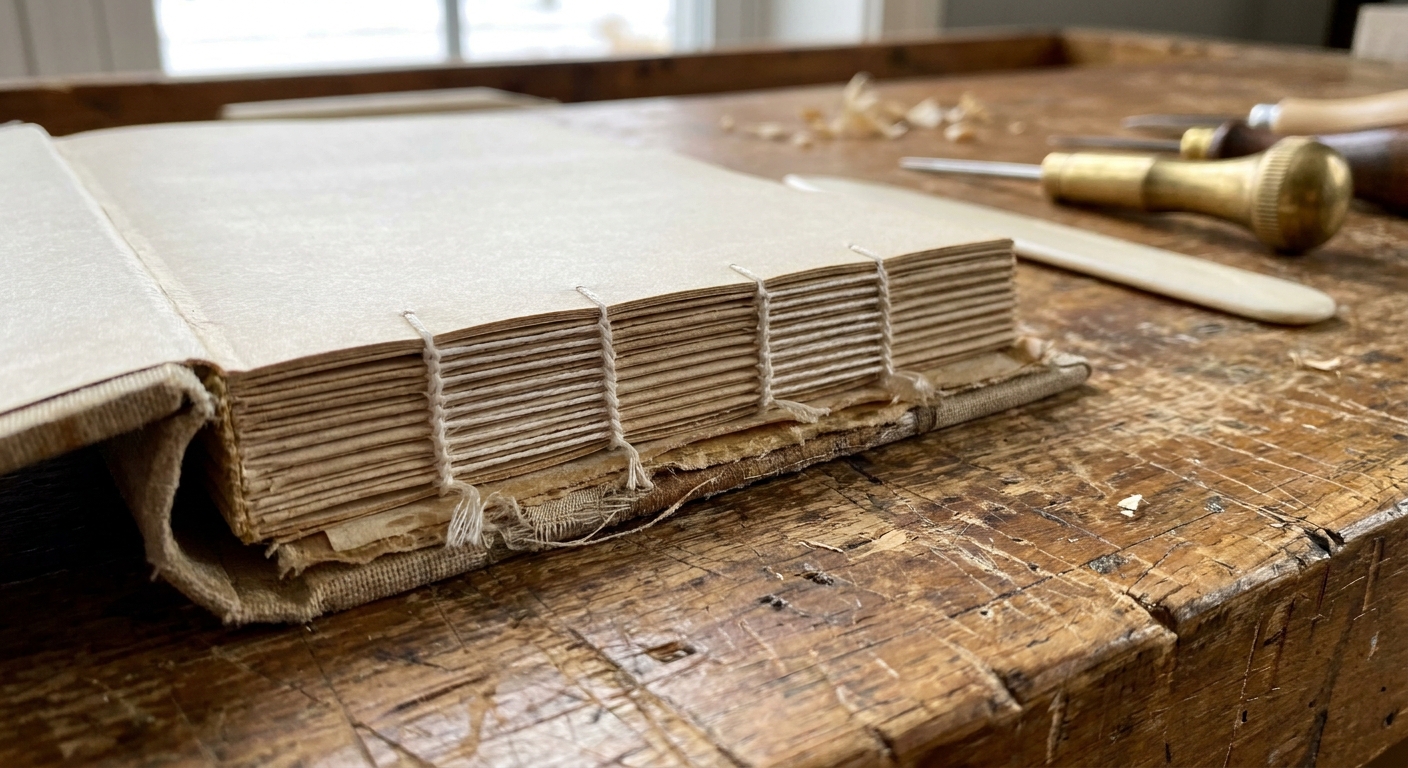
Lay-flat solutions like flexibound structures
The reality is simple: this design permits the book to lie flat during reading or writing without requiring the user to hold it open continuously. Flexibound structures utilize a flexible, soft-touch cover core rather than stiff greyboard to offer a lightweight and comfortable user experience. It is an exceptional layout choice for reference materials, planners, and premium journals.
Flexibound options combine multiple user-friendly advantages:
- Reduced overall weight for easy carrying in briefcases.
- Flexible edges that resist bending and corner damage.
- Modern aesthetics suited for youthful, creative audiences.
Traditional case binding and round spines
Why does this matter? Thick volumes containing hundreds of pages require a rounded case spine to properly distribute page weight and prevent sagging. This classic design is synonymous with traditional encyclopedias, massive art portfolios, and collector editions of classics. The rounded curve helps the spine absorb friction every time the book is opened or pulled from a shelf.
It speaks of timelessness and premium archival value. This robust construction is ideal for:
- Heirloom genealogies designed to endure centuries.
- Collector anthologies of classic works.
- Corporate archive books protecting structural integrity.
Key Takeaway: Choosing the correct spine style ensures that your book remains comfortable to read while retaining its structural shape for years.
| Binding Methodology | Best Suited Page Range | Spine Shape | Lay-Flat Capability | |
|---|---|---|---|---|
| Flexibound Spine | 64 to 256 pages | Flat, flexible hinge | Excellent (perfect for active writing) | |
| Round Spine Hardcover | 320 to 1,000+ pages | Curved, reinforced | Moderate (designed for shelf presence) | |
| Square Spine Hardcover | 96 to 320 pages | Flat, rigid block | Good (classic modern textbook look) |
Matching the page count to the correct binding physics guarantees a beautiful and long-lasting end product.
How do you design custom leather bound book printing pages?
You design pages for custom leather bound book printing by selecting proper paper weights and gutter margins that balance the weight of the outer casing. If your inner margins are too narrow, your text will disappear into the deep gutter of the thick binding. Our pre-press specialists collaborate with your design team to verify that every layout element is set up for flawless legibility.
The texture of the internal paper sheets must also match the premium expectation set by the leather exterior. This continuity of touch is what defines luxury book production. Selecting the correct interior options ensures a balanced, high-end presentation.
Coated vs uncoated internal paper types
That is not all: coated art paper is necessary if your volume features high-resolution photography, as it keeps colors vibrant and prevents ink absorption. Uncoated papers offer a soft, natural, and slightly textured hand-feel that works wonderfully for novels and writing journals. Selecting the proper paper coating prevents your images from looking muddy or faded on the page.
Consider these physical paper benefits:
- Matte coated paper blocks glare while preserving color pop.
- Glossy coated paper is perfect for detailed photography books.
- Cream-colored uncoated paper reduces eye strain during reading.
Specialized bible and textured papers
Look: extremely thick volumes require lightweight, ultra-thin papers to keep the spine width manageable and comfortable to carry. These specialized bible papers feature high opacity despite their thin profiles, ensuring ink does not bleed through to the other side. Using these delicate materials requires specialized printing machinery and slower binding lines.
The resulting book is remarkably compact, light, and beautiful. It showcases true manufacturing sophistication through:
- Low-moisture adhesive curing to avoid paper distortion.
- High-precision signature folding of ultra-thin paper sheets.
- Specialized press tension settings to avoid tearing delicate fiber structures.
Key Takeaway: Selecting the appropriate paper weight and finish maintains high contrast and visual appeal across every turn of the page.
| Paper Class | Standard Grammage | Ideal Use Cases | Primary Optical Benefit | |
|---|---|---|---|---|
| Bible Paper | 22 to 40 GSM | Devotional texts, massive volumes | High opacity despite extreme thinness | |
| Uncoated Woodfree | 80 to 120 GSM | Planners, writing journals, novels | Natural texture, zero reflective glare | |
| Coated Art Paper | 128 to 157 GSM | Portfolios, photo books, catalogs | High contrast color reproduction |
Reviewing these paper characteristics ensures that your chosen stock supports both visual clarity and structural stability.
What finishes upgrade custom leather bound book printing?
Finishing upgrades like metallic hot foil stamping, deep blind debossing, and gilded edges dramatically elevate the luxury status of custom leather bound book printing. Utilizing these secondary post-press processes transforms standard book projects into stunning shelf showpieces. Sourcing professionals choose these accents to capture immediate user attention on retail shelves or in corporate boardrooms.
Each embellishment requires specialized brass dies and precise temperature control. It is an exquisite art form that demands strict industrial accuracy. These premium finishes set your book apart from standard commercial print runs.
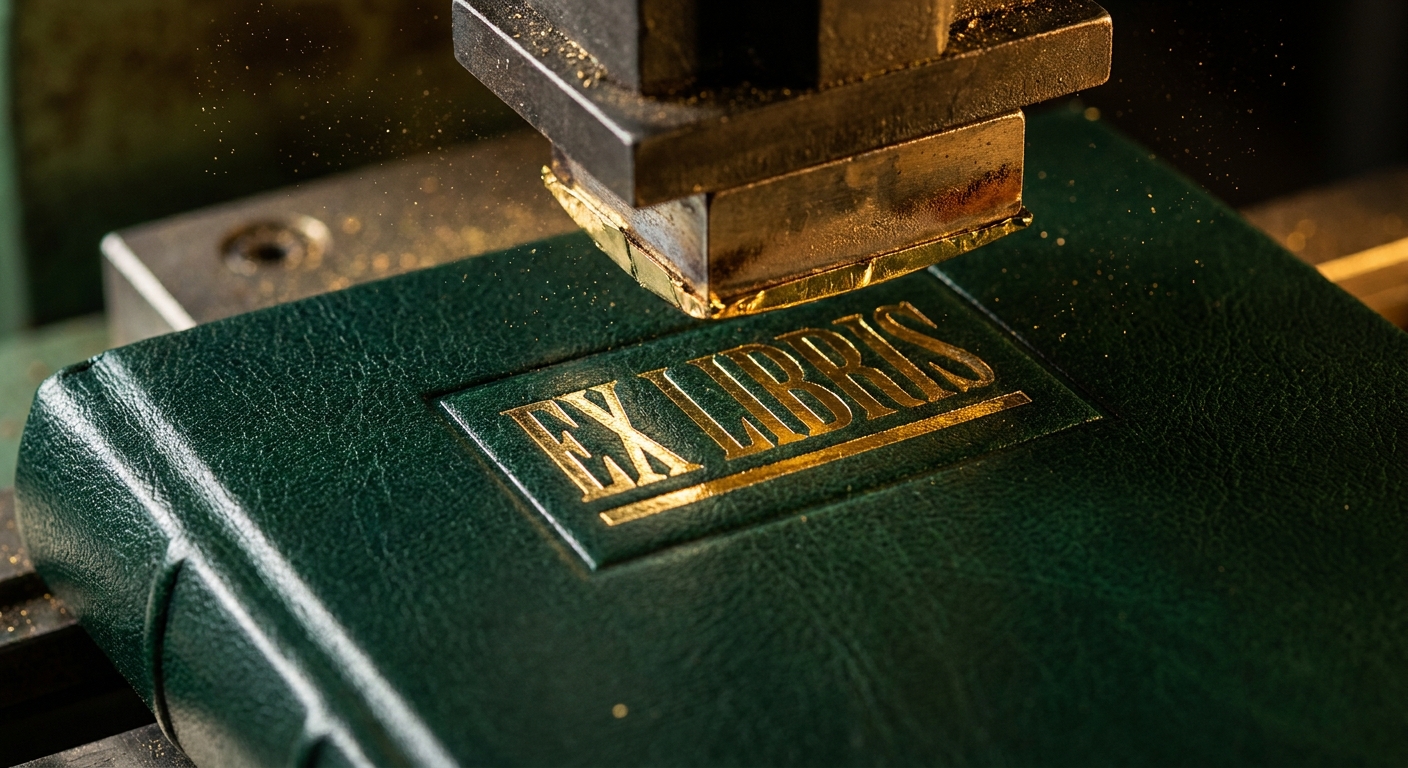
Precision foil stamping and debossing
Why does this matter? Debossing without foil creates a subtle, elegant recessed design that highlights the organic look of your leather cover. Hot foil stamping presses a thin metallic foil layer directly into the leather texture using high heat and brass engraving plates. Combining these two techniques delivers a multi-dimensional aesthetic that looks deeply premium.
To achieve flawless results, you must follow clean design practices:
- Avoid thin lines to prevent metallic foil bridging.
- Utilize deep presses to create physical shadows on the cover.
- Specify premium gold or silver foils for standard luxury profiles.
Gilded edges and ribbon marker inserts
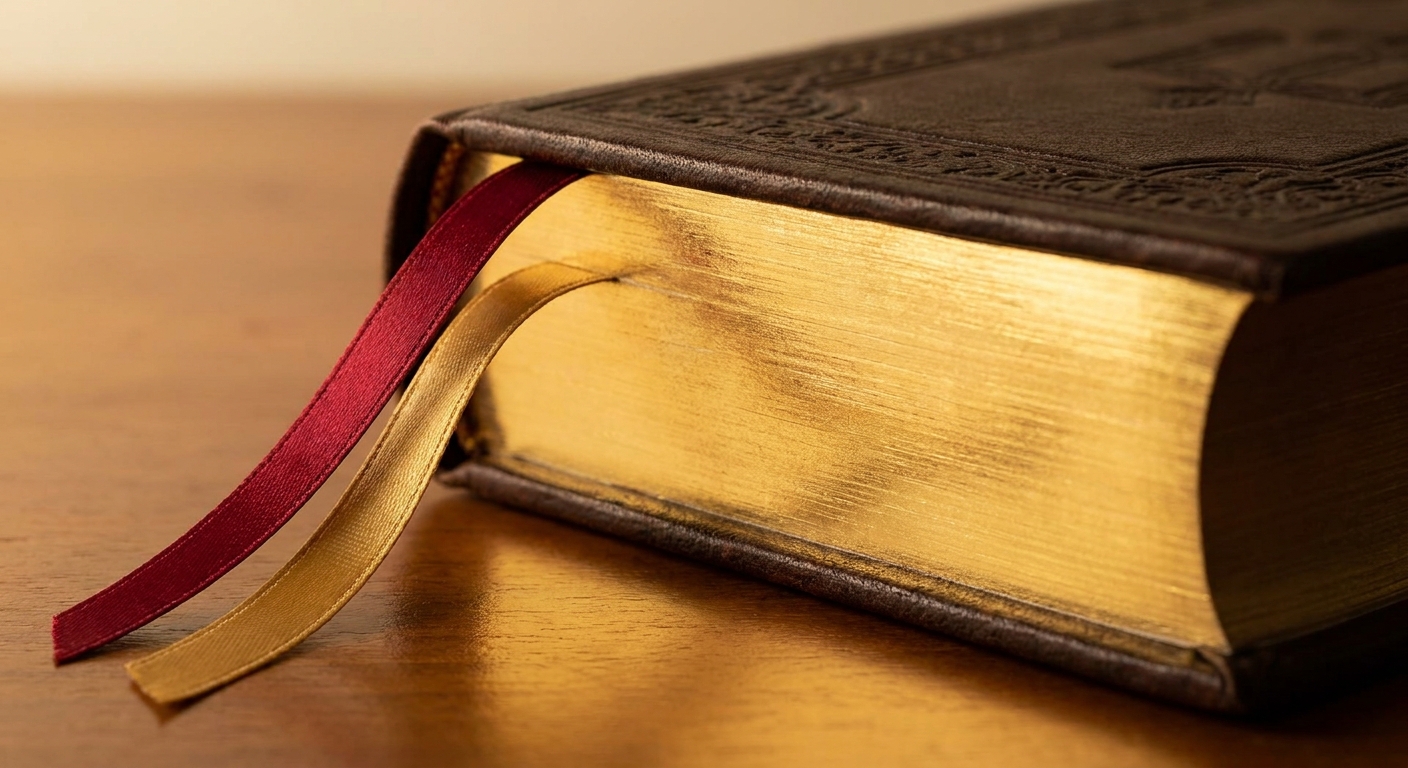
But wait, there’s more: applying thin metallic foil to the edges of the book pages protects the paper from ambient moisture and finger oils over time. This classic gilding process shines beautifully in the light and keeps dust off the closed book block. Integrating a matching silk ribbon marker completes the luxurious package and assists your reader in saving their place.
It signals premium, heirloom-quality craftsmanship. Sourcing managers choose these options to provide:
- Instant luxury appeal on retail shelves and desks.
- Practical utility for active study and note-taking.
- A protective seal around the page block edges.
Key Takeaway: Strategic post-press embellishments provide the final visual polish that commands higher pricing and respect.
| Finish Option | Mechanical Process | Core Visual Benefit | Aesthetic Mood | |
|---|---|---|---|---|
| Gold Foil Stamping | Heat-applied metallic film | High-shine reflectivity | Classic luxury, prestigious | |
| Deep Debossing | Precision heavy-press recess | Tactile shadows, clean recesses | Modern minimalist, industrial | |
| Edge Gilding | Sanded and metallic foiled edges | Sealed paper block, reflective shine | Antique heirloom, timeless | |
| Satin Ribbon | Inserted at head band spine | High utility, elegant drape | Sophisticated, academic |
Choosing a combination of these finishes allows you to customize the perfect design aesthetic for your target audience.
How do you budget for custom leather bound book printing?
You can budget effectively for custom leather bound book printing by balancing material selections, print setup fees, and total production volumes. Sourcing managers must understand that initial tooling fees, like custom debossing dies, are fixed costs amortized over the print run. Our team helps you optimize your project parameters to achieve the highest possible return on investment.
While premium finishes increase the upfront cost, they also double the perceived value of your books. Proper cost-engineering prevents overspending without sacrificing quality. This approach keeps your project financially viable while retaining elite presentation standards.
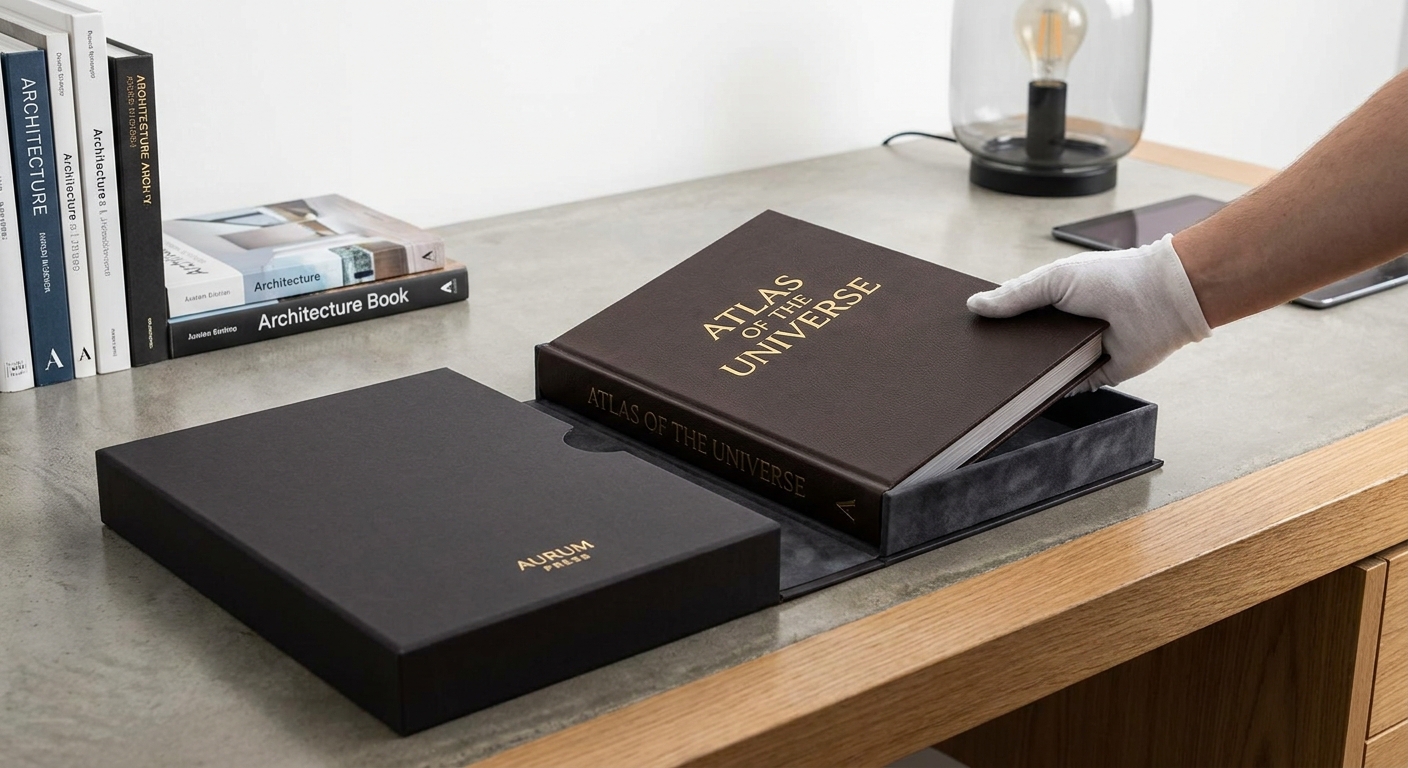
Identifying key cost drivers in production
The truth is: manual hand-craftsmanship steps, such as hand-gilding edges or assembling custom presentation slipcases, also increase labor costs. The selection of natural animal leather versus high-end PU faux leather acts as the single largest variable in your production budget. We provide highly transparent quotes detailing each process to help you manage your budget.
Key price variables include:
- Total page count and the GSM of selected paper stocks.
- The quantity of brass dies required for foil stamping.
- Specialized freight logistics and international shipping costs.
Balancing quantity and premium embellishments
Here is the thing: ordering larger quantities remains the most effective way to lower your per-unit costs, as setup times are spread across more books. If your budget is tight, choosing a standard PU leather color combined with a simple debossed logo is a cost-effective way to retain a premium feel. This balance allows you to achieve elite presentation quality within reasonable budget boundaries.
It is smart financial management for publishing success. You can control costs by:
- Selecting standard fabric or PU colors already in stock.
- Consolidating printing into unified production batches.
- Utilizing digital proofing options to reduce physical iterations.
Key Takeaway: Strategic cost-engineering allows you to produce stunning premium books that fit comfortably within your financial goals.
| Sourcing Priority | Material Recommendation | Finish Selection | Budget Impact | |
|---|---|---|---|---|
| High Cost-Efficiency | Premium PU Faux Leather | Blind debossing, standard edges | Lowest cost, high modern appeal | |
| Balanced Luxury | Reclaimed Bonded Leather | Foil stamping, single silk ribbon | Mid-tier budget, classic feel | |
| Elite Collector Quality | Hand-selected Genuine Leather | Deep foil stamping, gilded edges | High investment, archival grade |
This analytical breakdown explains how to achieve massive visual impact while protecting your project’s financial margins.
Where do you order custom leather bound book printing?
You should order custom leather bound book printing from an established manufacturing facility with extensive global export experience and verified quality control. Partnering directly with an integrated factory in China ensures access to the latest binding technologies and skilled hand-assembly teams. Sourcing professionals choose specialized manufacturers to maintain strict quality control from initial sample to final bulk delivery.
Working with an integrated supplier reduces communication gaps and speeds up the production timeline. It is the most reliable way to execute complex publishing projects with peace of mind. Our team handles every step of the export process for you.
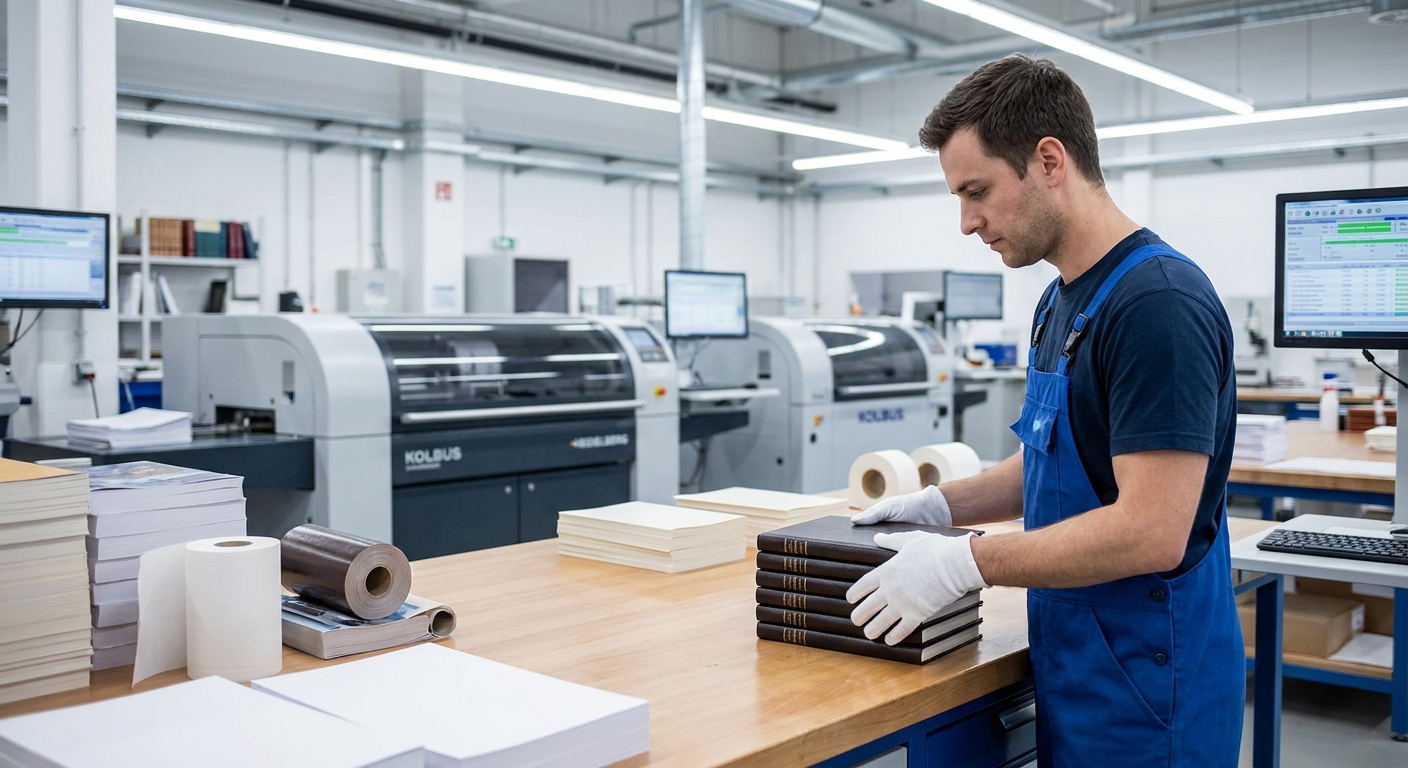
Vetting manufacturing capabilities early
Make no mistake: you need a supplier that provides pre-production physical samples so you can check paper weights and cover grains before mass production starts. Verifying your partner’s equipment footprint and quality management systems protects your business from production delays or structural defects. This early validation step eliminates costly errors down the road.
A qualified manufacturer must offer:
- Over 20 years of verified industrial printing export history.
- Dedicated inspection teams stationed at every assembly line.
- Coordinated custom packaging like branded presentation slipcases.
Establishing a reliable sample-to-bulk path
Here is the thing: a structured development path ensures that the high quality of your approved sample is mirrored in every single bulk book delivered. By aligning expectations early through visual and physical mockups, we eliminate the variance that often plague long distance manufacturing runs. Your sourcing team stays informed at every production milestone.
It takes the stress out of global supply chains. A standardized development roadmap includes:
- Structural blueprinting and paper weight matching.
- Exact physical sample production for physical review.
- Continuous QC monitoring during mass assembly.
Key Takeaway: Finding an experienced manufacturing partner guarantees that your high-end publishing projects are delivered on time, on budget, and to exact specifications.
| Step in Partnership | Client Input | Factory Deliverable | Purpose | |
|---|---|---|---|---|
| 1. Spec Consultation | Share page count, files, and quantities | Material recommendations and quote | Structural feasibility check | |
| 2. Prototyping | Design sign-off and material choice | Physical pre-production sample | Real-world touch and feel test | |
| 3. Mass Production | Bulk order confirmation | Coordinated offset press & hand-binding | Manufacture exact copies of sample | |
| 4. QC & Logistics | Final shipping destination address | Certified inspection and custom packing | Safe global door-to-door delivery |
Choosing a vetted manufacturer with clear communication paths ensures a stress-free and highly successful print run.
Conclusion: Launch Your Premium Edition Today
Standard bindings split, cheap covers warp, and communication barriers with overseas suppliers lead to costly project delays. We solve these problems by coordinating custom materials, precision foil stamping, debossing, lay-flat bindings, and edge treatments under one roof. King Tai provides a seamless sample-to-bulk path, helping brands, publishers, and sourcing teams bring luxury books to life with absolute precision. Our brand vision is built on delivering flawless tactile consistency and robust structural integrity, ensuring that your valuable content receives the magnificent presentation it deserves. Do not compromise the value of your next major publication; we invite you to contact us today to receive a comprehensive project evaluation, a transparent production timeline, and a custom manufacturing quote within 24 hours.
Frequently Asked Questions
Can I request a custom leather prototype before committing to a full bulk run?
Yes, securing a physical pre-production sample is essential to verify structural integrity and tactile finish before mass production. At King Tai, we develop a custom prototype that mirrors your precise material and finishing specifications, allowing you to test the leather texture, foil stamping depth, and binding performance in your hands before approving the final bulk run.
What’s the best leather option to balance durability with cost-efficiency?
High-quality PU faux leather offers the optimal balance of rich tactile aesthetics, durability, and budget-friendly pricing. Unlike natural animal hides, premium eco-friendly PU leather provides uniform texture, exceptional resistance to moisture and wear, and flawless performance during heat debossing, all at a fraction of the cost.
How do I know if my design is suited for foil stamping or debossing?
Foil stamping works best for bold typography and clean lines, whereas deep debossing is ideal for tactile patterns and minimalist branding. When designing your cover vector files, fine details under 1pt should be avoided to prevent metallic foil from bleeding or shallow debossing from losing its physical depth during pressure application.
Can I use thin bible paper with heavy leather cases without risking structural tearing?
Yes, but doing so requires specialized Smyth-sewn binding and reinforced endpapers to support the contrast between the paper and the heavy cover. Standard gluing methods will crack under the strain; our manufacturing process uses meticulous thread-sewn signatures linked directly to reinforced spine linings to guarantee the pages never tear free.
How do I know if a lay-flat flexibound spine is better than a traditional case bound spine for my project?
A lay-flat flexibound spine is superior for active writing and highly portable notebooks, while a traditional case bound spine is best for large, static display volumes. If your readers need to write hands-free, the flexible flexibound covers allow the pages to rest perfectly flat; for massive collector catalogs or bibles with 400+ pages, case bound spines offer the necessary structural rigidity.