
You create iconic designs by shifting from “designing a box” to “engineering a system” that prioritizes structural integrity, tactile luxury, and replicable manufacturing precision. Many independent brands invest heavily in horological engineering only to undermine their equity with subpar custom watch box packaging . While a prototype might look impressive, mass-produced units often suffer from corner dents and loose inserts that signal a lack of quality.
The moment your customer receives a package, their judgment of your craftsmanship begins. If the box feels flimsy or the opening mechanism is clunky, the perceived value of the watch inside drops instantly. By treating your packaging as a high-performance delivery system rather than an afterthought, you ensure a world-class experience that remains consistent from the first unit to the ten-thousandth.
Why is custom watch box packaging more than just a box?
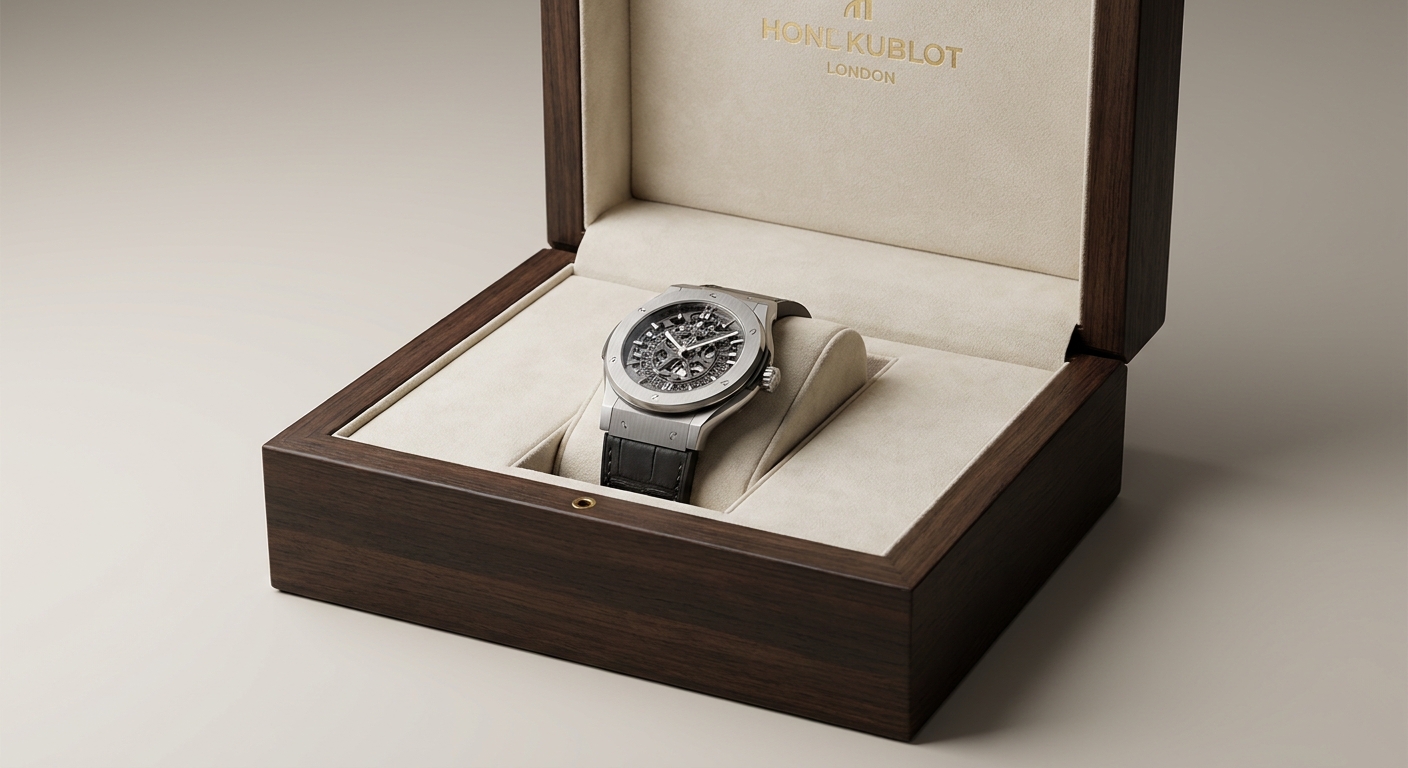
Iconic custom watch box packaging serves as a strategic brand ambassador that validates the customer’s purchase decision through structural certainty. It is the physical manifestation of your brand’s promise, turning a simple container into a replicable delivery system that protects equity.
Defining the Iconic Packaging System
A professional system ensures that every component, from the outer sleeve to the inner pillow, works in harmony. You must focus on mass production repeatability to avoid the common trap of “sample-only” quality.
- Recognition at a glance via consistent brand colors.
- Tactile memory through sturdy rigid board construction.
- Tolerance control of ±0.5mm for all internal inserts.
Think about it: Consistency is the silent language of luxury that builds long-term consumer trust.
Four Criteria for Professional Inspection
You should judge your packaging based on recognition, tactile feel, repeatability, and risk control. Truly iconic boxes look great on store counters and hold up perfectly during international shipping.
- Visual consistency across all production batches.
- Smooth resistance in opening mechanisms.
- Reinforced corner protection for transit durability.
Here is the kicker: A box that fails the “shake test” will always fail the customer’s quality perception test.
Key Takeaway: Iconic packaging is a high-performance system designed for scale, ensuring that your brand’s first impression is as engineered as the timepiece inside.
| Strategy Element | Key Industry Standard | Critical Action Step | |
|---|---|---|---|
| Structural Integrity | Tolerance of ±0.5mm for inserts | Perform a 10-second “shake test” | |
| Visual Consistency | Color difference metric ΔE < 2.0 | Compare bulk units under D65 lighting | |
| Tactile Experience | Consistent magnet “click” sound | Specify magnet Grade and N-rating | |
| Shipping Safety | ISTA Drop/Compression standards | Use reinforced corner protectors |
High-precision manufacturing tolerances are the primary differentiator between generic containers and luxury brand assets.
How does value decide custom watch box packaging success?
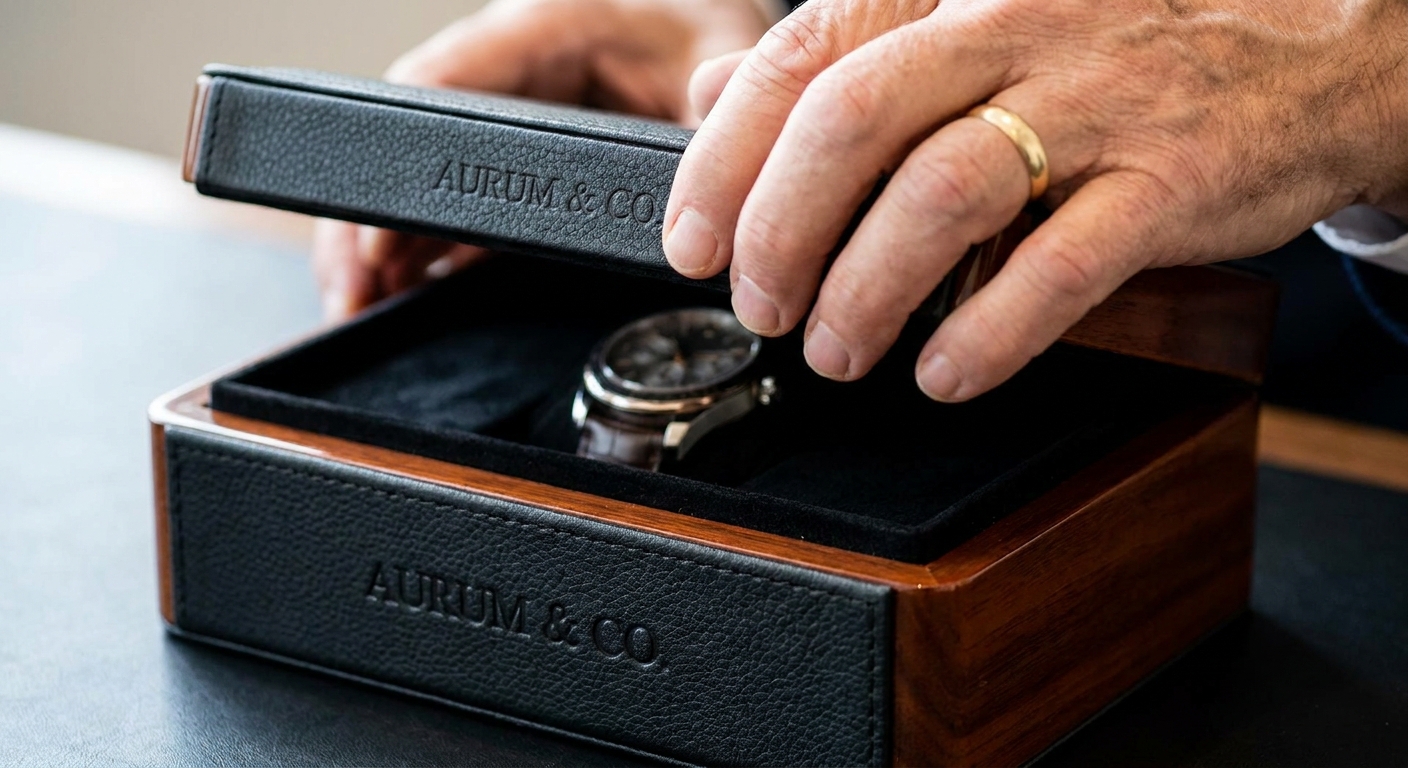
The success of custom watch box packaging is determined by its ability to increase the perceived value of the product during the “three moments” of customer interaction. When the packaging feels substantial and reliable, the customer feels certain about the premium price they paid.
The Three Moments of Perceived Value
The first impression occurs at the counter or doorstep where the logo and finish must immediately signal quality. The second moment is the opening ritual, followed by the long-term utility of the box as a storage piece.
- Visual impact of the logo placement and clarity.
- The mechanical “ritual” of the lid opening.
- Durability of the materials for long-term home display.
But wait, there is more: The weight and “heft” of the box often correlate directly with the customer’s price-value estimation.
Why the Opening Ritual is Non-Negotiable
You must design the opening action to provide a consistent sense of ceremony and mechanical satisfaction. Whether it is a magnetic snap or a smooth-sliding drawer, the resistance must feel intentional.
- Specified magnet strength for a crisp “click” sound.
- Consistent damping in drawer-style slide mechanisms.
- Alignment of the lid to ensure a flush, high-end close.
Make no mistake: A clunky opening mechanism instantly devalues the sophisticated movement of the watch hidden inside.
Key Takeaway: Perceived value is won or lost in the mechanical details of the unboxing experience, making precision engineering vital for luxury positioning.
| Value Moment | Customer Perception | Technical Driver | |
|---|---|---|---|
| First Sight | Brand Reliability | Logo craftsmanship & surface finish | |
| The Opening | Product Sophistication | Hinge/Magnet resistance quality | |
| Long-term Use | Lasting Quality | Material wear resistance & structure |
Strategic focus on the unboxing sequence transforms a one-time transaction into a memorable brand-building event.
Which structures scale for custom watch box packaging?
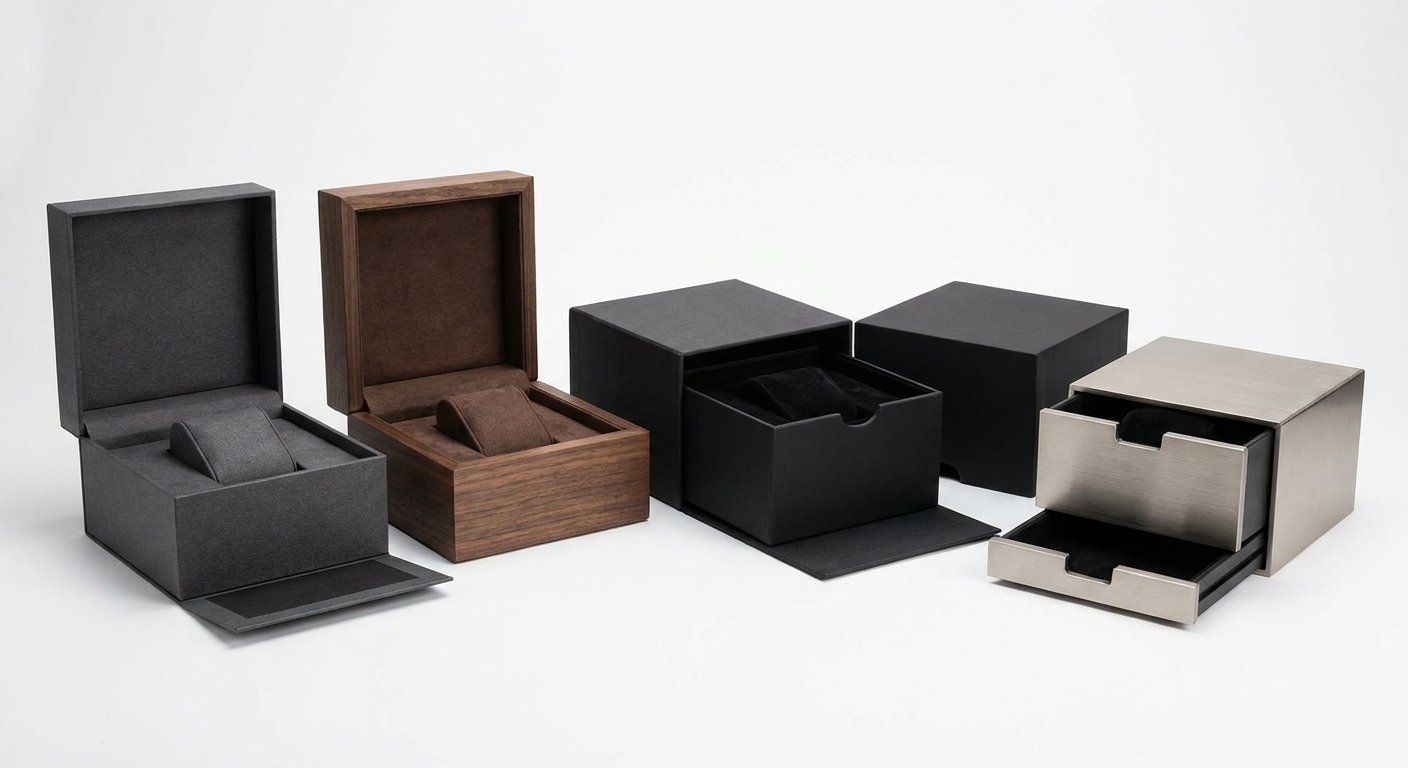
Selecting structures for custom watch box packaging requires balancing aesthetic ritual with manufacturing yield and shipping efficiency. You must choose styles that remain stable across wholesale production volumes without increasing assembly errors.
Choosing Magnetic Flip and Drawer Styles
Magnetic flip covers offer a classic sense of ceremony and are highly popular for retail gift sets. Drawer styles are ideal for brands with frequent new launches as they are easy for store staff to reset.
- Flip covers provide immediate “wow” factor upon opening.
- Drawer boxes facilitate high-efficiency stacking and storage.
- Magnetic closures require standardized N-rating specifications.
Think about it: The right structure reduces warehouse frustration while enhancing the customer’s tactile journey.
Book-Style and Travel Zip Pros and Cons
Book-style boxes are excellent for storytelling and housing warranty cards or extra straps in a cohesive way. Travel zips function better as functional accessories and member gifts rather than core SKUs.
- Book-styles offer a “flat” footprint for better retail display.
- Travel zips prioritize protection and portable functionality.
- Structural rigidity must be reinforced to prevent sagging covers.
The bottom line is this: Form must follow function to ensure the box remains a practical asset for the end user.
Key Takeaway: Scalability depends on choosing structural designs that minimize assembly complexity while maximizing the sensory impact of the unboxing.
| Structure Type | Best Usage Scenario | Production Risk | |
|---|---|---|---|
| Magnetic Flip | Luxury Gifting | Lid/Magnet misalignment | |
| Drawer Style | Retail/E-commerce | Inconsistent sliding resistance | |
| Book Style | Storytelling/Sets | Edge-wrapping scuffs | |
| Travel Zip | Functional Add-on | Stitching batch variations |
Structural simplicity often leads to higher mass-production quality and lower post-purchase defect rates.
How to make custom watch box packaging instantly recognizable?
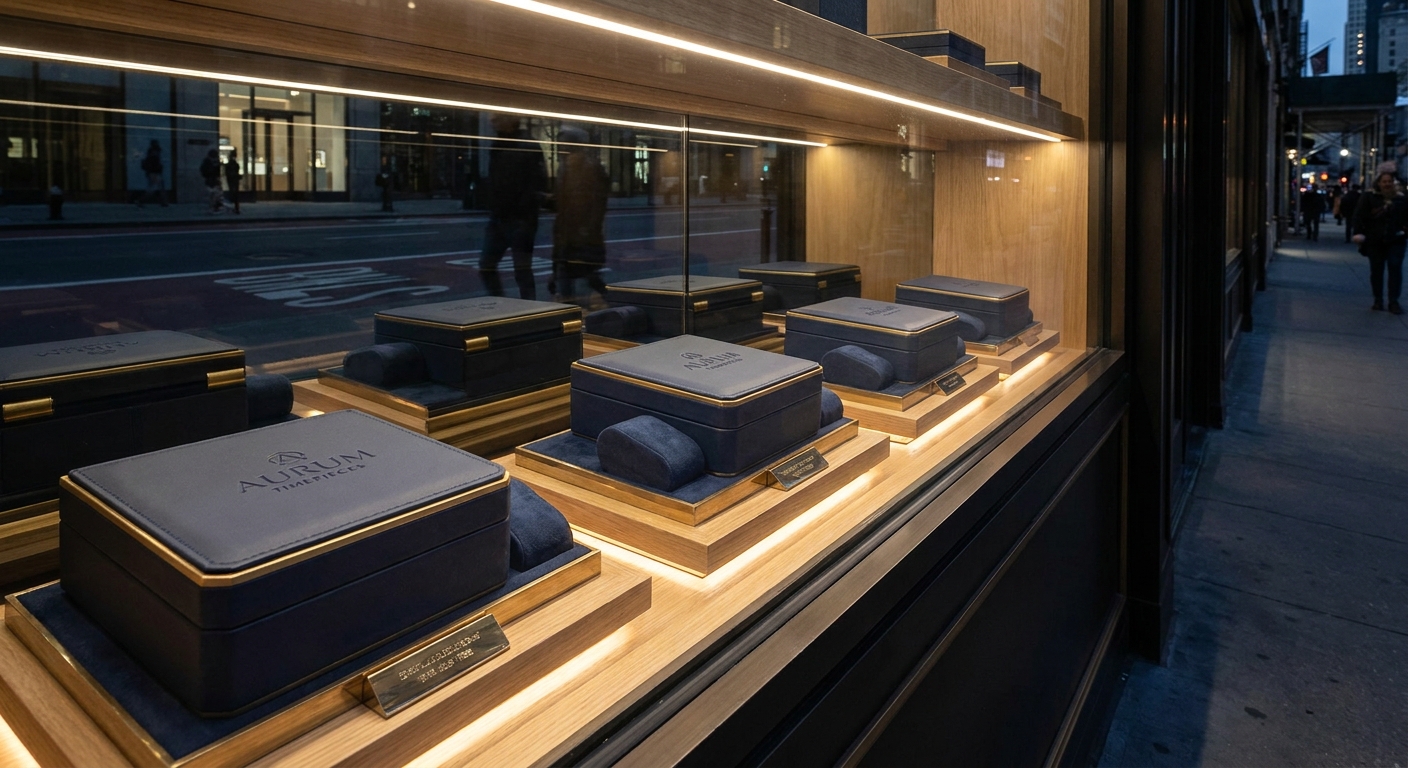
Creating recognizable custom watch box packaging involves establishing a signature design language through fixed logo grids and consistent frame proportions. When your packaging is consistent, customers can identify your brand from across a room before reading a single word.
Implementing a Signature Frame Language
You should lock in your brand identity by using a fixed “recognition frame” across all your packaging SKUs. This involves standardized margin ratios and consistent placement of the primary logo.
- Grid-based logo positioning for batch-to-batch uniformity.
- Proportional border widths that create a visual anchor.
- Consistent information hierarchy (Display area > Accessories).
Here is the kicker: Visual silence and consistent margins often communicate more luxury than busy, over-decorated surfaces.
Designing for Display Efficiency in Retail
Your packaging must be easy for retail staff to handle, open, and reset during busy sales periods. Iconic designs are those that look organized on a shelf even after being handled multiple times.
- One-handed opening capability for efficient demonstrations.
- Standardized outer dimensions for stable stacking.
- Non-shifting inserts that stay in place during movement.
Think about it: A box that is hard to reset will inevitably lead to messy store displays and a degraded brand image.
Key Takeaway: Instant recognition is achieved through the disciplined repetition of visual frames and structural reliability in high-traffic retail environments.
| Recognition Element | Brand Impact | Implementation Rule | |
|---|---|---|---|
| Logo Grid | Professionalism | Fixed XY coordinates for stamping | |
| Frame Proportions | Visual Balance | 1:1.618 golden ratio for borders | |
| Stackability | Retail Presence | Modular sizing for outer cartons |
Uniformity across a product line acts as a visual force multiplier for brand authority on the retail floor.
How to design tactile luxury for custom watch box packaging?
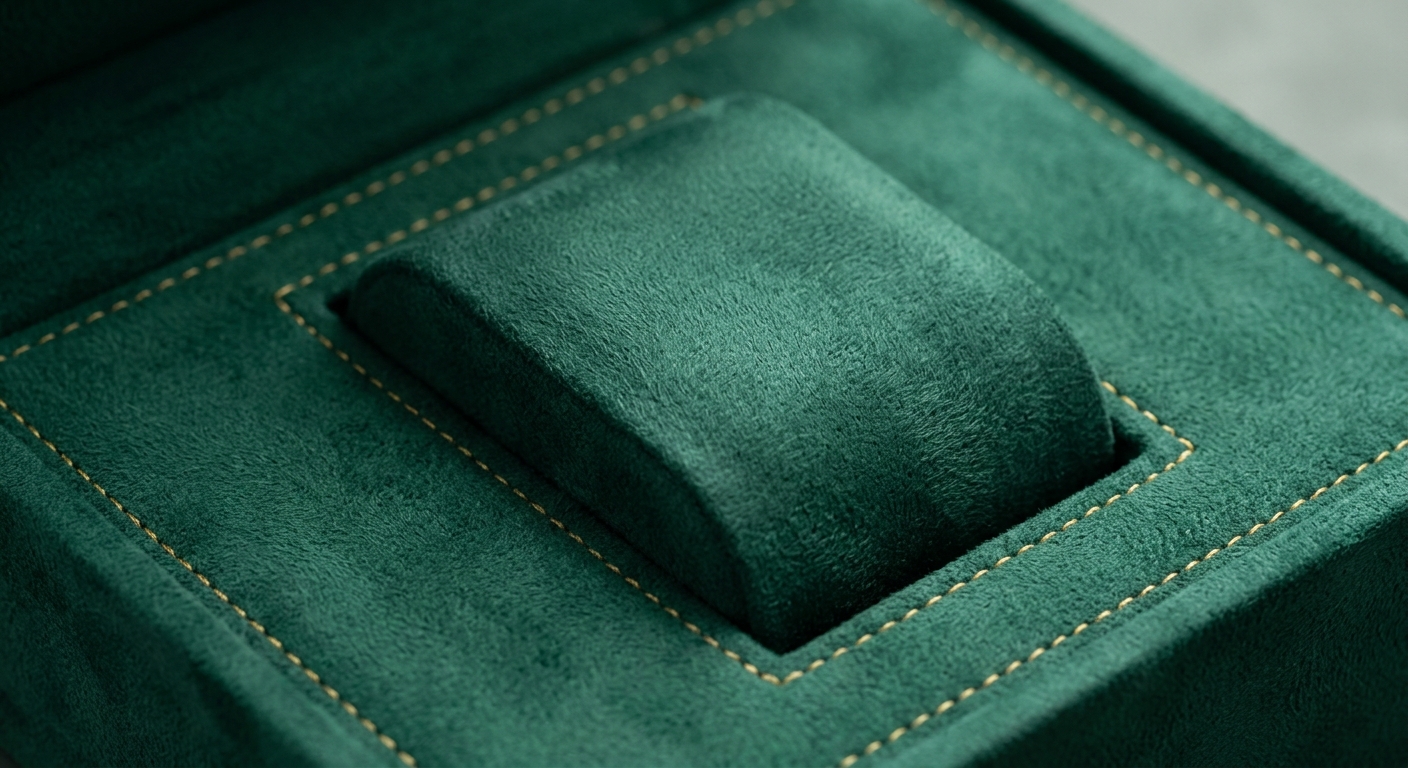
Designing tactile luxury for custom watch box packaging focuses on the “quiet luxury” of low-reflectivity surfaces and high-density interior linings. The goal is to create a sensory experience where the feel of the material matches the high quality of the timepiece.
The Secrets of Tactile Quiet Luxury
You achieve quiet luxury by selecting materials with smooth resistance and fine textures like microfiber or matte specialty paper. Avoid high-gloss finishes that show fingerprints and cheapen the visual appeal under store lights.
- Matte finishes to reduce glare and hide smudges.
- High-density velvet or microfiber for a soft touch.
- Consistent material “drag” or resistance during handling.
The real secret is: The hand-feel of the box should be as refined as the polish on the watch’s stainless steel case.
Creating a Mechanic Ritual Through Sound
The sound of a box closing—a gentle “thud” or a crisp “click”—is a powerful psychological cue for quality. You must specify hinge and magnet ratings to ensure this acoustic signature is replicated across every unit.
- Specified hinge tension for controlled lid movement.
- Grade-matched magnets for a satisfying acoustic close.
- Air-damped closing paths to prevent harsh slamming.
But wait, there is more: Customers often judge the integrity of a product by the “voice” of its packaging.
Key Takeaway: Tactile luxury is a multi-sensory discipline where material choice and acoustic engineering combine to validate the product’s premium status.
| Sensory Element | Luxury Indicator | Technical Specification | |
|---|---|---|---|
| Touch | Smooth Resistance | Microfiber/Matte specialty paper | |
| Sound | Deep “Click” | High-rating Neodymium magnets | |
| Weight | Substantial Feel | 1200gsm+ greyboard core |
Premium sensory feedback builds a subconscious association between the packaging and the mechanical excellence of the watch.
Which materials suit premium custom watch box packaging?
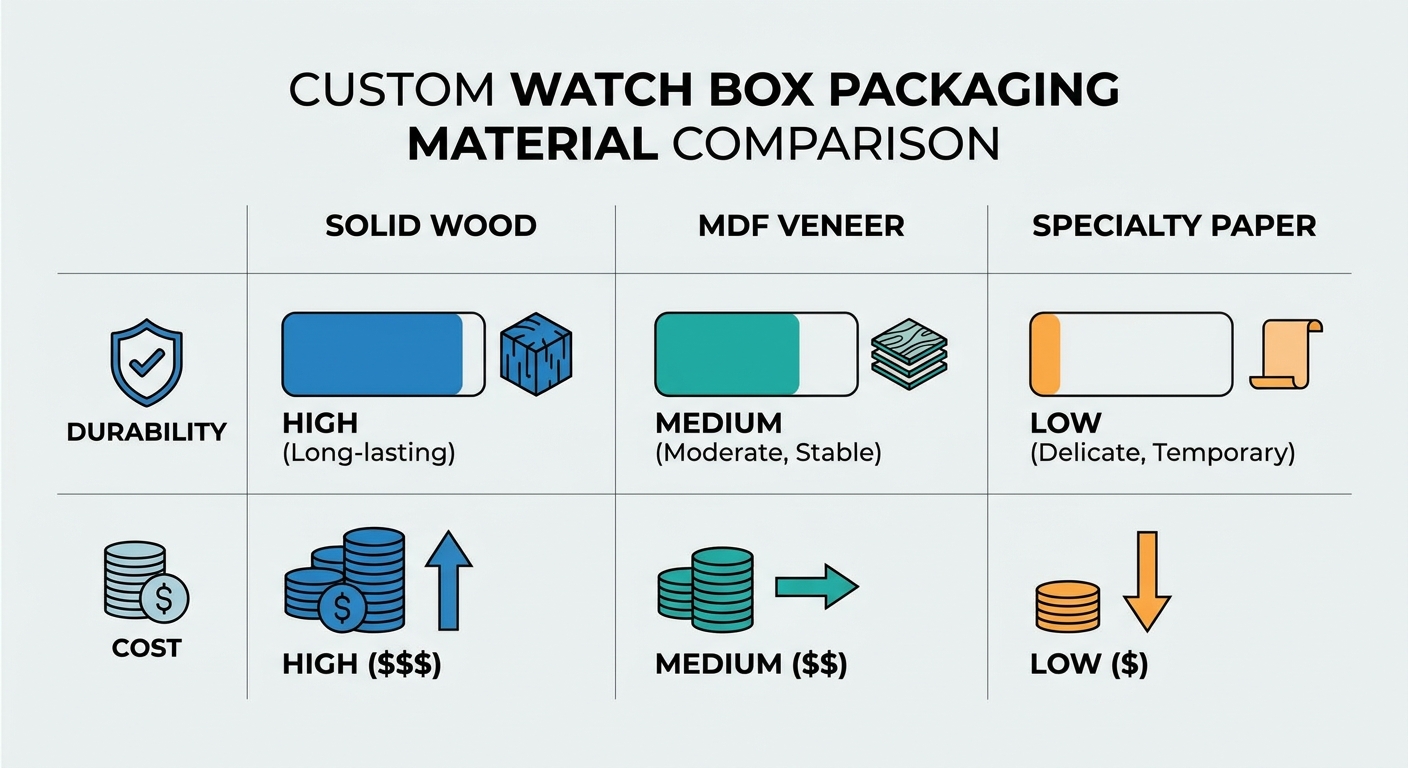
Choosing materials for custom watch box packaging requires a strategic trade-off between the emotional value of natural grains and the industrial consistency of engineered veneers. You must align material selection with your brand’s long-term production and durability requirements.
Solid Wood versus MDF Veneer Selection
Solid wood offers unmatched psychological weight and natural beauty but is prone to environmental warping. MDF with high-quality veneer provides a more stable engineering base with superior color consistency across batches.
- Solid wood for ultra-premium, low-volume collections.
- MDF veneer for scalable, consistent brand standards.
- Wear-resistant coatings to prevent corner clouding.
Think about it: Consistency in grain and color is often more important for brand identity than the raw material’s origin.
The Nuances of Leather and PU Textures
Genuine leather provides a traditional luxury feel, while high-grade PU offers incredible durability and odor control for sealed shipping. You should perform fingertip tests to ensure no color transfer or pilling occurs.
- FSC-certified paper wrappers for eco-conscious brands.
- Odor-neutral adhesives to prevent “factory smell” unboxing.
- Breathable linings to protect leather watch straps.
Here is the kicker: A high-end PU that feels like leather is often better for global shipping than poorly treated genuine hides.
Key Takeaway: Material selection should prioritize stability and batch-to-batch uniformity to ensure the final product matches the approved sample every time.
| Material | Durability | Cost Level | |
|---|---|---|---|
| Solid Wood | High (with care) | Premium ($$$) | |
| MDF Veneer | High (Stable) | Mid-Range ($$) | |
| Specialty Paper | Moderate | Economical ($) |
Balancing material prestige with environmental stability is the hallmark of a mature luxury packaging strategy.
How to optimize custom watch box packaging for protection?
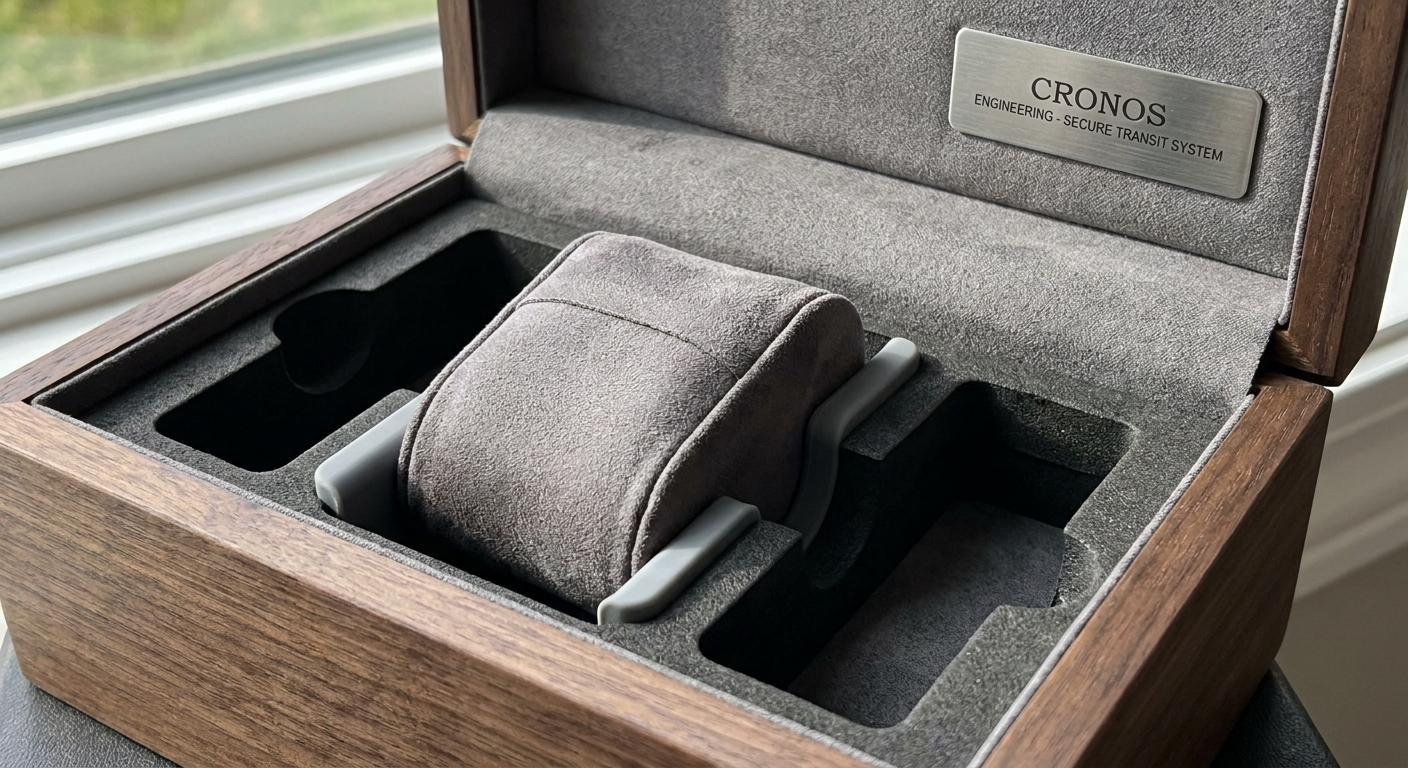
Optimizing custom watch box packaging for protection involves treating internal inserts as precision mechanical parts with tight tolerance controls. You must ensure the watch remains immobilized during the rigors of international transit to prevent scuffs or rattling.
Engineering Interior Protection and Pillows
The watch pillow must provide the correct amount of compression and rebound to hold the timepiece securely without straining the bracelet. You should specify high-density foam or soft-fill materials that maintain their shape.
- Compression-rated foam for consistent bracelet tension.
- Lint-free linings to keep the watch dial pristine.
- Recessed “pockets” for extra links or tools.
Think about it: The interior of the box is the “suspension system” for your most valuable asset.
Preventing Rattling Through Tolerance Control
You must maintain a tolerance of ±0.5mm for all internal compartments to ensure a snug fit. Loose inserts are a primary cause of shipping damage and a major source of customer complaints.
- Die-cut precision for all insert components.
- Locked-position locators for drawer-style boxes.
- Friction-fit testing for all removable accessories.
The bottom line is this: If you can hear the watch moving when you shake the box, your engineering has failed.
Key Takeaway: Protective engineering focuses on immobilization and material purity, ensuring the timepiece arrives in the same condition it left the factory.
| Protection Focus | Goal | Metric | |
|---|---|---|---|
| Immobilization | Zero Rattling | ±0.5mm fit tolerance | |
| Surface Care | Scratch Prevention | Lint-free microfiber rating | |
| Transit Safety | Shock Absorption | ISTA 1A drop test pass |
Internal engineering is the “invisible quality” that protects your profit margins by reducing shipping-related returns.
How to manage custom watch box packaging manufacturing?
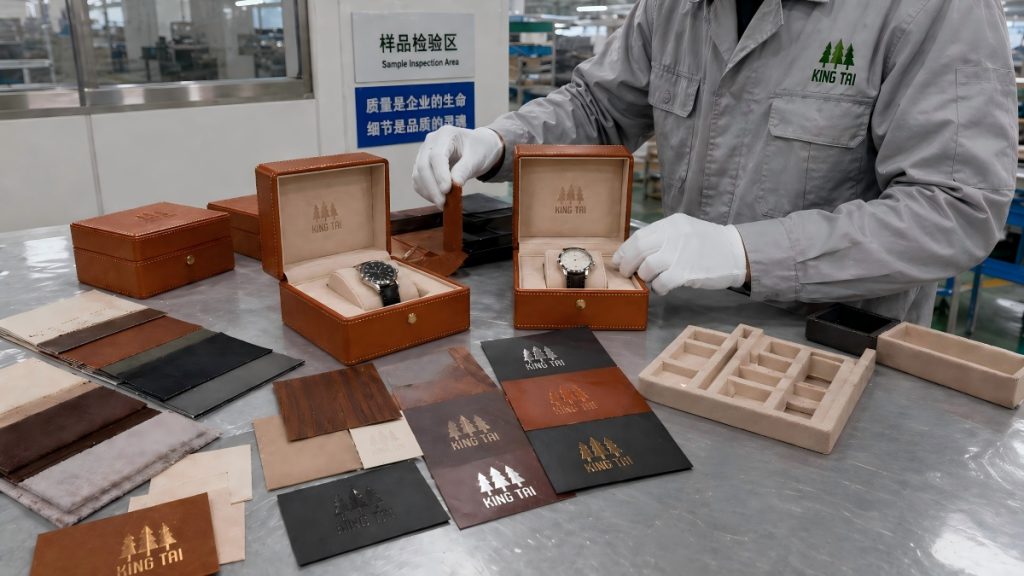
Managing the manufacturing of custom watch box packaging requires moving from aesthetic design to a structured project management roadmap. You must implement a “Quality Firewall” through pre-production samples to align expectations before mass production begins.
Understanding MOQ and Production Costs
Minimum Order Quantities (MOQ) are driven by tooling costs, material minimums, and production line setup times. You should request tiered pricing to see how volume impacts your unit costs.
- Structure costs vary by assembly complexity (Flip vs Drawer).
- Finish costs depend on the yield rate of logo craftsmanship.
- Tooling fees for custom molds and die-cuts.
Here is the kicker: The cheapest unit price often hides high hidden costs in defect rates and assembly delays.
The Critical Role of Pre-Production Samples
You must never skip the pre-production sample, as it proves the design is replicable at scale with the actual bulk materials. This sample acts as the definitive benchmark for your final Quality Control (QC) inspection.
- Verification of color consistency under standard lighting.
- Testing of magnet strength and lid alignment.
- Checking for glue overflow or finish defects.
Make no mistake: The pre-production sample is your last and best chance to fix errors before they become thousand-unit problems.
Key Takeaway: Successful manufacturing management relies on clear technical benchmarks and a refusal to compromise on pre-production validation.
| Milestone | Purpose | Typical Duration | |
|---|---|---|---|
| Prototype | Verify Structure | 7–15 Days | |
| PPS (Pre-production) | Quality Firewall | 7–12 Days | |
| Mass Production | Bulk Delivery | 20–40 Days |
Structured production milestones prevent “specification drift” and ensure the final delivery matches your brand vision.
How to control costs for custom watch box packaging?
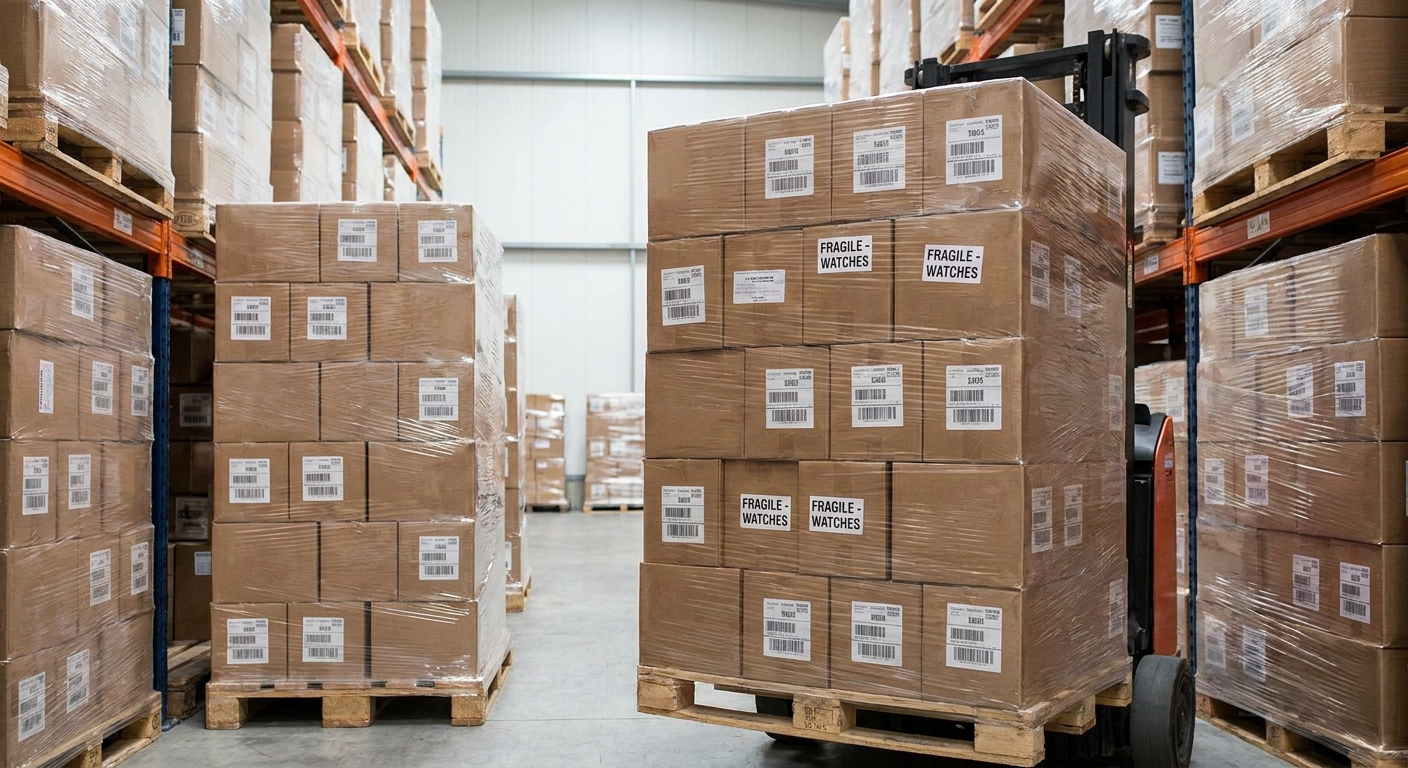
Controlling costs for custom watch box packaging involves optimizing structural dimensions to maximize shipping efficiency and warehouse space. You can significantly reduce overhead by designing for modularity and high “outer carton utilization” rates.
Optimizing Dimensions for Shipping
Reducing unnecessary internal air space can lower the dimensional weight of your shipments, which is a major driver of international logistics costs. You should standardize your outer boxes to ensure they stack perfectly on pallets.
- Maximized “nesting” of boxes within master cartons.
- Minimized box wall thickness without sacrificing strength.
- Modular sizing for multiple SKUs to use the same outer shell.
Think about it: A 5mm reduction in box size can lead to thousands of dollars in annual shipping savings.
Tiered Pricing and Modular Design
Using a modular design approach allows you to use standardized outer boxes with replaceable inserts for different watch models. This increases your purchasing power by aggregating volumes for the core structure.
- Standardized shell with model-specific inserts.
- High-volume printing for common brand elements.
- Bulk material sourcing for consistent price stabilization.
But wait, there is more: Smart engineering allows you to maintain a luxury feel while stripping out manufacturing waste.
Key Takeaway: Cost control is an engineering challenge that focuses on logistics efficiency and modular design to protect your bottom line without devaluing the brand.
| Cost Driver | Optimization Strategy | Potential Saving | |
|---|---|---|---|
| International Freight | Dimensional weight reduction | 15–25% | |
| Warehouse Space | Standardized master cartons | 10–15% | |
| Tooling/Setup | Modular insert systems | 20–30% |
Efficiency in the supply chain is the “secret margin” that funds further brand innovation.
How to make custom watch box packaging truly sustainable?
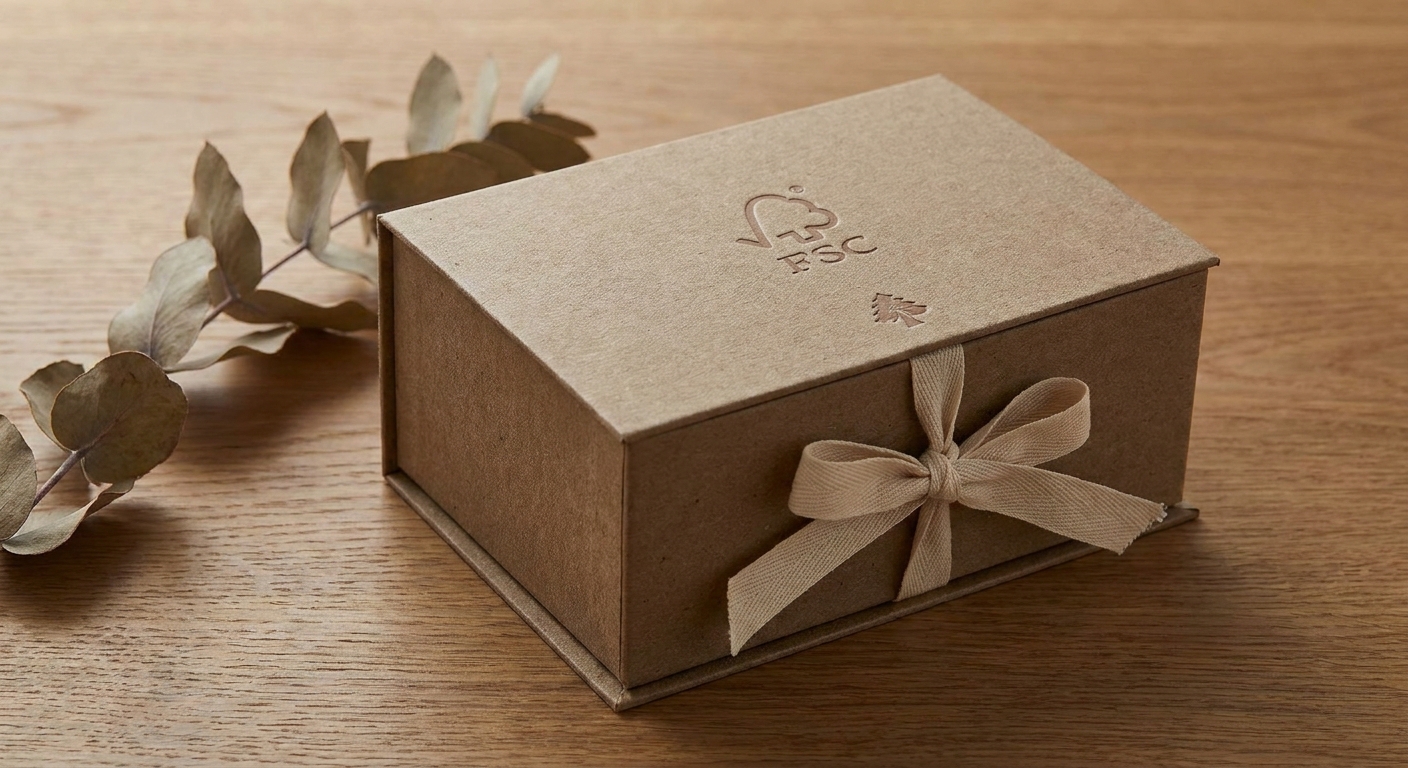
True sustainability in custom watch box packaging comes from sourcing traceable materials and designing for ease of disassembly. You must look beyond “eco-friendly” labels and focus on the entire lifecycle of the packaging from forest to recycling bin.
Sourcing FSC-Certified and Traceable Materials
You should prioritize materials from verified supply chains like the Forest Stewardship Council (FSC) to ensure environmental responsibility. Avoid generic “recycled” claims that cannot be backed up by certification or traceability reports.
- FSC-certified paper for all wrappers and inserts.
- Soy-based or water-based inks for printing.
- Odorless, non-toxic glues for assembly.
Make no mistake: Traceability is the only credible way to communicate eco-values to a sophisticated luxury consumer.
Designing for Ease of Disassembly
Sustainable luxury involves creating packaging that can be easily separated into its constituent parts for recycling. You should minimize the use of mixed-material laminates that are difficult to process in standard facilities.
- Removable fabric linings for easier paper recycling.
- Modular components that don’t require heavy adhesives.
- Communication of disposal instructions on the inner flap.
Think about it: Design for disassembly is the ultimate act of respect for the environment and the customer’s home.
Key Takeaway: Sustainability is a commitment to material traceability and structural intelligence, ensuring luxury does not come at an environmental cost.
| Sustainable Factor | Implementation | Brand Value | |
|---|---|---|---|
| Material Origin | FSC-Certified Paper | Ethical Leadership | |
| Chemical Safety | Soy-based Inks | Consumer Safety | |
| End-of-Life | Modular/Recyclable | Circular Economy |
Eco-transparency builds a deeper, values-based connection with the modern luxury consumer.
Frequently Asked Questions
Can I use custom sizes and materials for my project?Absolutely. Professional manufacturers support fully customized structures, dimensions, and material selections tailored to your specific product dimensions and brand requirements.
What’s the best way to prevent shipping damage?The most effective method is using standardized outer cartons, adding localized reinforcement at box corners, and conducting vibration and drop tests following ISTA guidelines.
How do I know if my logo will be durable?You should request a pre-production sample and perform a light scratch test on the foil stamping or UV finish to ensure the adhesion meets industrial standards.
Can I see a sample before bulk production?Yes. Sampling is a mandatory step in the “Quality Firewall” to confirm that the structure, color, and finish align with your expectations before committing to mass production.
How do I know if the box size is optimized for shipping?Evaluate the “utilization rate” of your outer cartons. Reducing unnecessary internal air space can lower dimensional weight and significantly cut international shipping costs.
Conclusion
Creating iconic packaging is a journey from simple aesthetics to disciplined engineering systems that solve the persistent problems of brand dilution and transit damage. By focusing on tactile rituals, structural scalability, and manufacturing precision, you transform every unboxing into a powerful validation of your brand’s worth. At King Tai, we specialize in helping you navigate these complex decisions, providing the coordination and consistency needed to move from a bold vision to a production-ready reality. Our commitment is to ensure that your first batch is as perfect as your ten-thousandth, allowing you to scale with total confidence in your presentation. If you are ready to elevate your brand presence and secure your delivery system, contact us today to begin your project. Let us turn your packaging into a lasting icon of luxury.